
The estate's address on Josef-Jamek-Straße places it directly within the terraced vineyards that define this UNESCO-listed stretch of the Danube. For serious Wachau wine tourism, it belongs on any structured itinerary of the region.
Pearl is the En Primeur Club membership app — saves, bookings, and concierge access live there. Same editors, same standards.
- Address
- Josef-Jamek-Straße 45, 3610 Joching
- Phone
- +43 2715 2235
- Website
- jamekwein.at
- Directions
- Get directions
 Saves & bookings on Pearl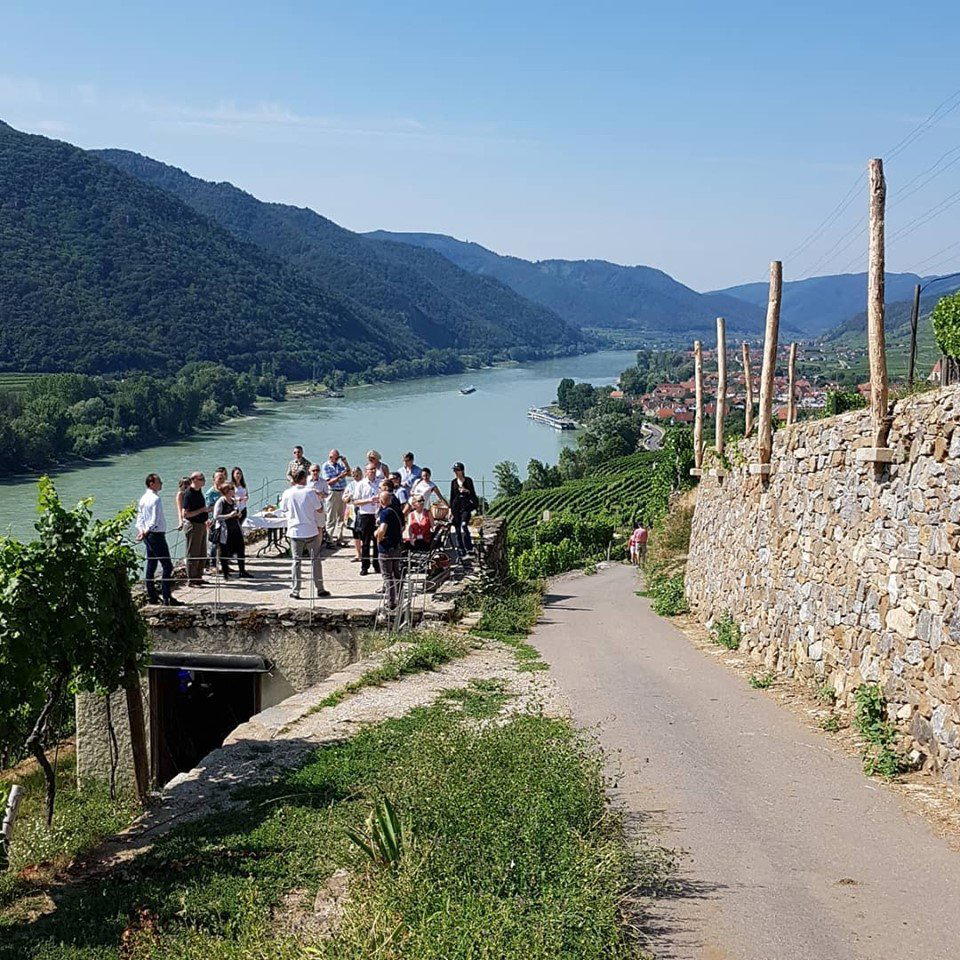
Where the Danube Shapes the Wine
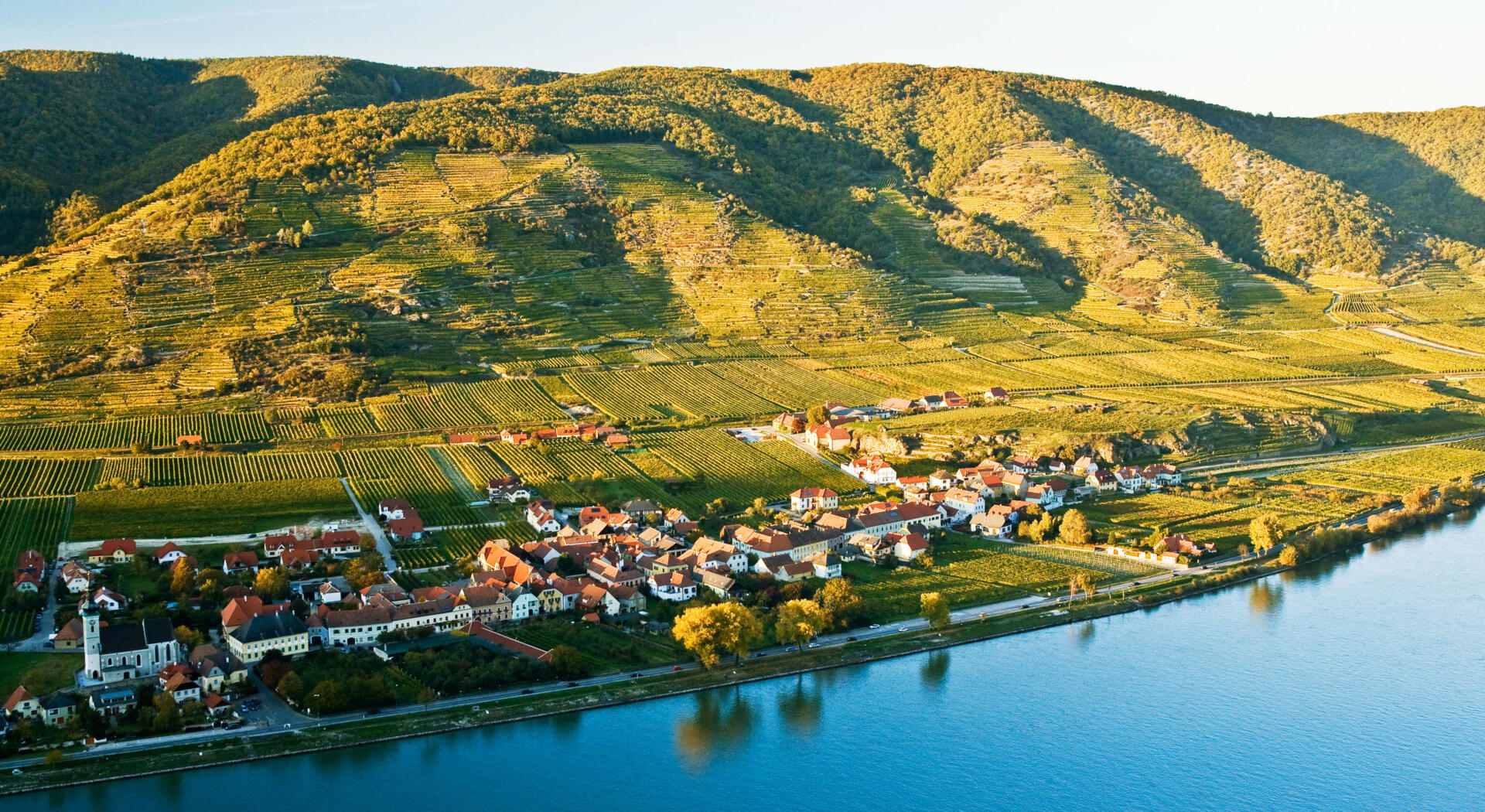
The Wachau does not announce itself gently. Approaching Joching by road or river, the terraced vineyards rise almost immediately from the water's edge, steep and narrow, their dry-stone walls holding back centuries of effort against erosion and gravity. This is a wine region built on physical resistance: vines forced to dig deep into gneiss and granite, roots threading through fractured rock to find water below the surface. What comes out of that geology reflects the effort. Wachau wines, particularly the Grüner Veltliner and Riesling that define the appellation, carry a mineral tension that flatter soils simply cannot produce.
Weingut Jamek sits at Josef-Jamek-Straße 45 in Joching, a Wachau winery known for site-driven wines from the Danube terraces. Reservations are recommended, and the estate sits at a casual price tier of about $25 per person. The village itself is small, one of several along this bend of the Danube where wine production has remained the organizing principle of community life. Joching does not draw visitors for spectacle. It draws them for proximity to the source: the vineyards you can see from the road are the same vineyards that shape what ends up in the glass.
In a region where the Wachau's own internal classification system, the Vinea Wachau, already distinguishes between Steinfeder, Federspiel, and Smaragd designations, external ratings add another layer of context.
For context, the Wachau's most discussed names, including Weingut Emmerich Knoll in Dürnstein and Weingut Bründlmayer in Langenlois, have long served as benchmarks against which newer critical attention is measured. Jamek's rating positions it within that conversation. This is Wachau on its own terms, evaluated within the standards that region has set for itself over decades.
Terroir as the Central Argument
The Wachau's terroir case rests on three interlocking conditions. First, the Danube itself: the river moderates temperature through the growing season, preventing the extreme heat accumulation that would push these wines toward weight and alcohol rather than tension and length. Second, the slope angle: vineyards on steep gradient drain quickly, stressing the vine and concentrating what little moisture and nutrient the soil holds. Third, the underlying rock: the gneiss and granitic parent material of the primary rock zones does not give easily. Vines on these sites produce wines with a mineral signature that is traceable rather than theoretical.
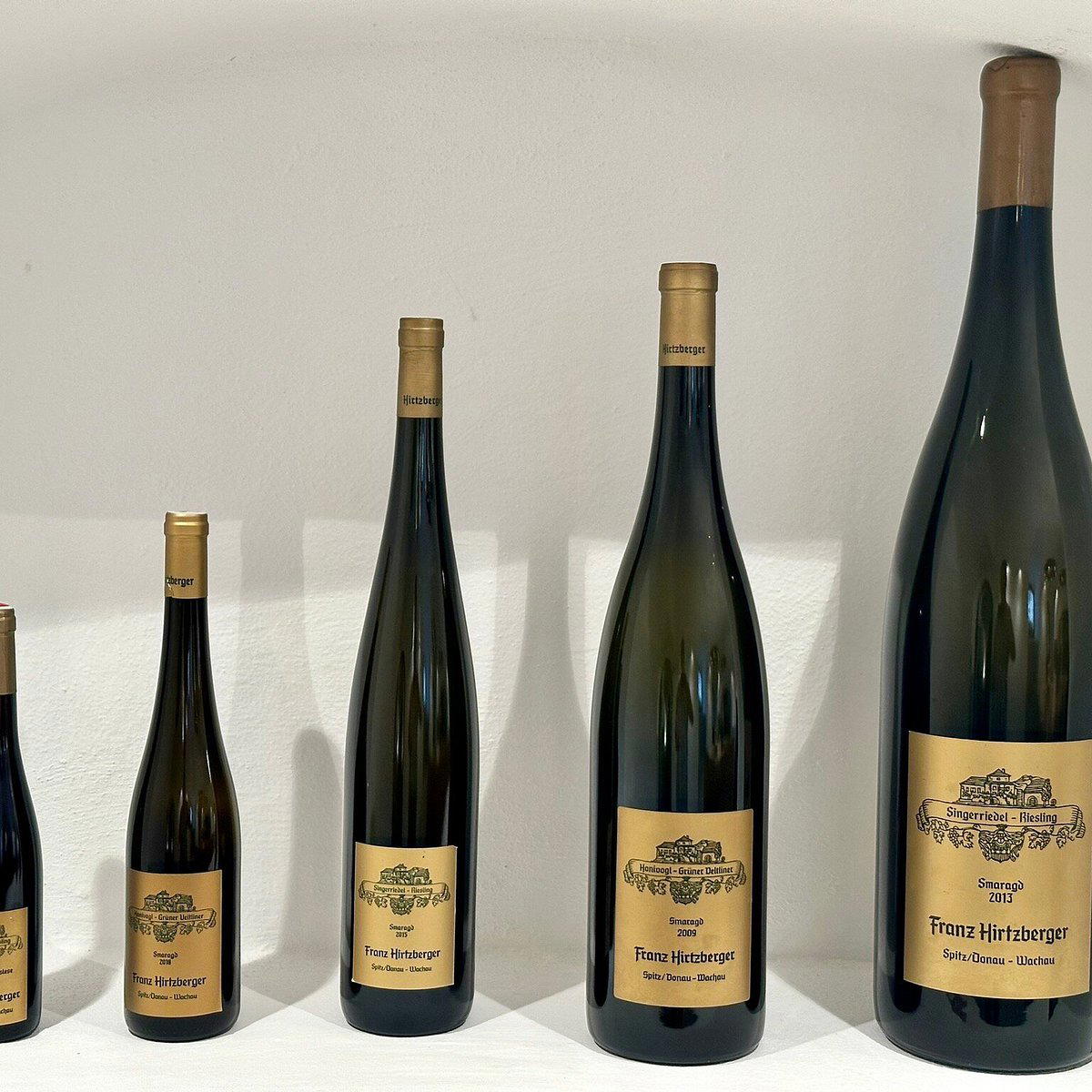
Joching sits within this system. Estates in the village are not working with interpolated versions of the Wachau's geology. They are working the actual primary rock sites. For a producer. The Wachau's Smaragd tier, reserved for wines harvested at the highest ripeness levels from particularly demanding sites, is where that terroir argument is made most forcefully. Estates at Jamek's rating level are generally expected to demonstrate that argument across their range, not only in a headline bottling.
Comparing across Austria's wine regions, this kind of site-specific mineral expression is not universal. Producers like Weingut Wohlmuth in Kitzeck work within the Südsteiermark's different geological and climatic conditions, where slate and shell limestone produce Sauvignon Blanc and Muskateller with an entirely different structural logic. The contrast is instructive: Austrian wine's regional diversity is not a marketing construct. It reflects genuine differences in soil, slope, and microclimate that produce wines with different structural signatures at comparable quality levels.
Planning a Visit to Joching
Joching is not served by major infrastructure. The village sits along the Wachau road that runs parallel to the Danube, accessible by car from Krems in roughly twenty minutes or reachable via the NÖVOG rail line that follows the river. Visitors using the train typically walk or cycle between estates. The cycling route along the Danube is widely used for exactly this kind of estate-to-estate itinerary, and the distances between Joching and neighboring villages like Weißenkirchen or Dürnstein are short enough to manage without a car if the day is structured accordingly.
Timing a visit to coincide with the harvest period, broadly late September through October depending on vintage conditions, gives access to the estate when activity is highest and the vineyards most visually legible. That said, the Wachau's appeal in spring, when the apricot trees flower before the vines break bud, is its own kind of argument for early-season travel. Both periods see different visitor volumes. The summer months bring more general tourism pressure along the Danube cycling route, while shoulder seasons allow for quieter estate engagement.
At-a-Glance Comparison
Comparable venues nearby, for context on price, style, and recognition.
| Venue | Cuisine | Price | Notes |
|---|---|---|---|
| Weingut JamekThis venue — the venue you are viewing | Grüner Veltliner, Riesling | $$ | Not listed |
| Weingut Josef Schmelz | Grüner Veltliner, Riesling | $$ | Joching |
| Destillerie Weisz | Winery | Not listed | Neckenmarkt |
| Kausl Distillery | Wachau DAC | $$ | Wachau |
| Weingut Allram | Grüner Veltliner, Riesling | $$ | Straß im Straßertale |
| Kraxenbräu Distillery | Winery | Not listed | Schladming |
Recognition history
Dated appearances from independent guides and award organizations, with the underlying list record or original source where available.
Falstaff Winery - 4 Stars
Falstaff
Continue exploring
More in Joching
Wineries in Joching
Browse all →
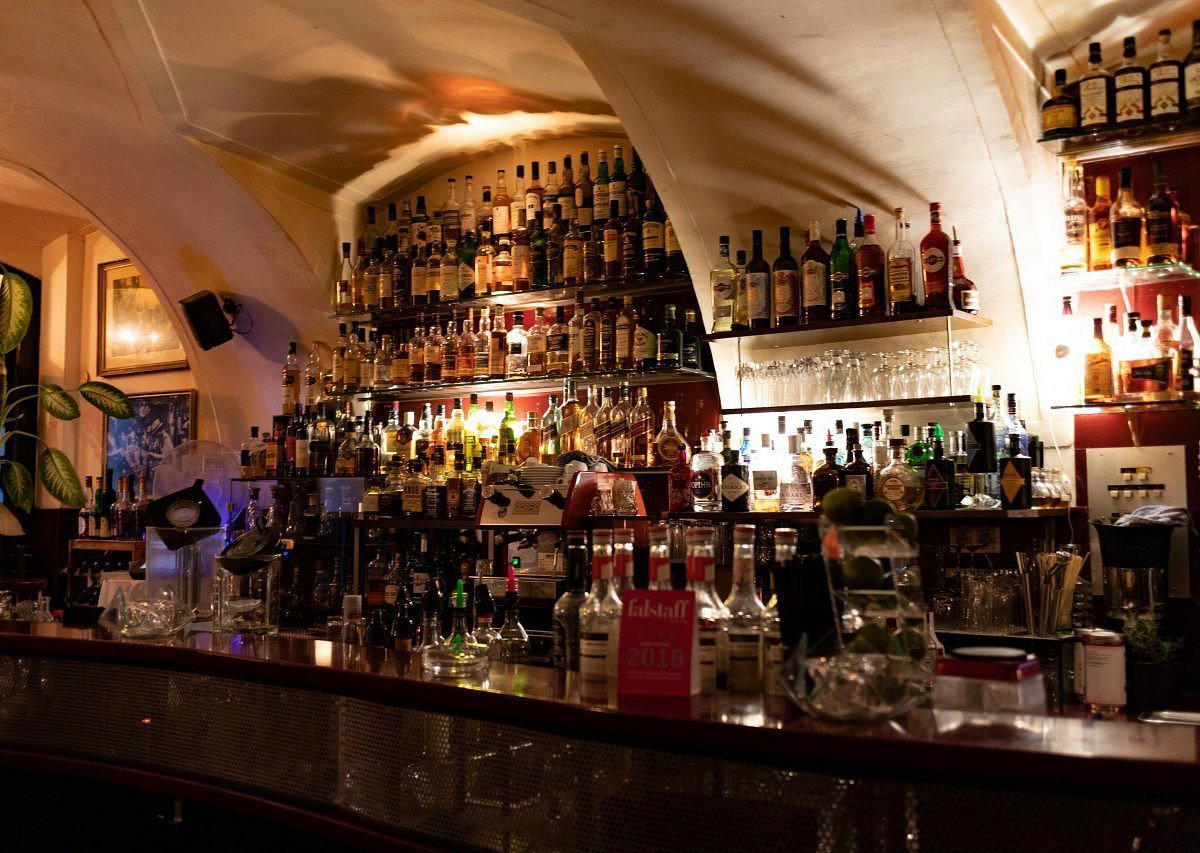
Bars in Joching
Browse all →
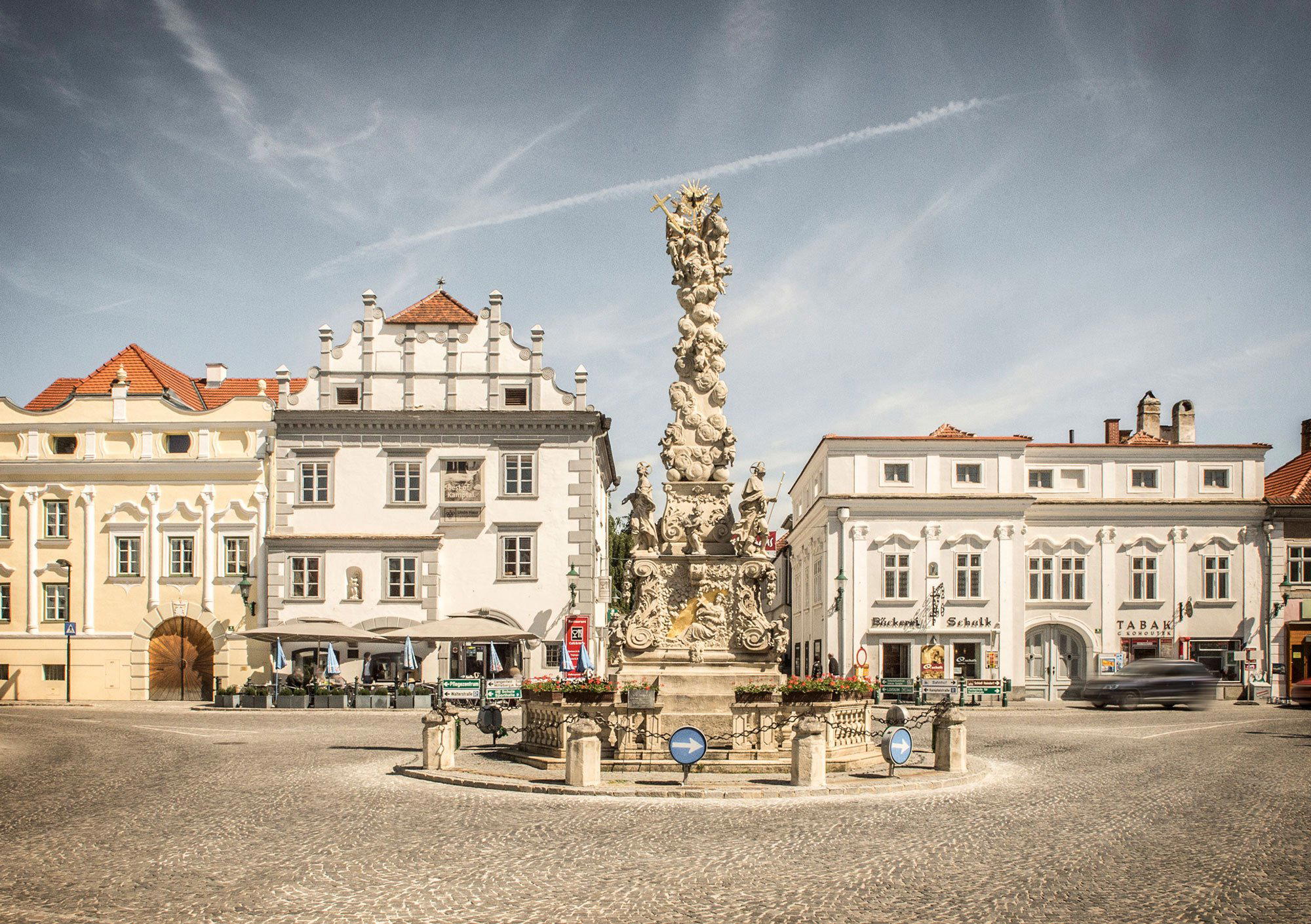

Restaurants in Joching
Browse all →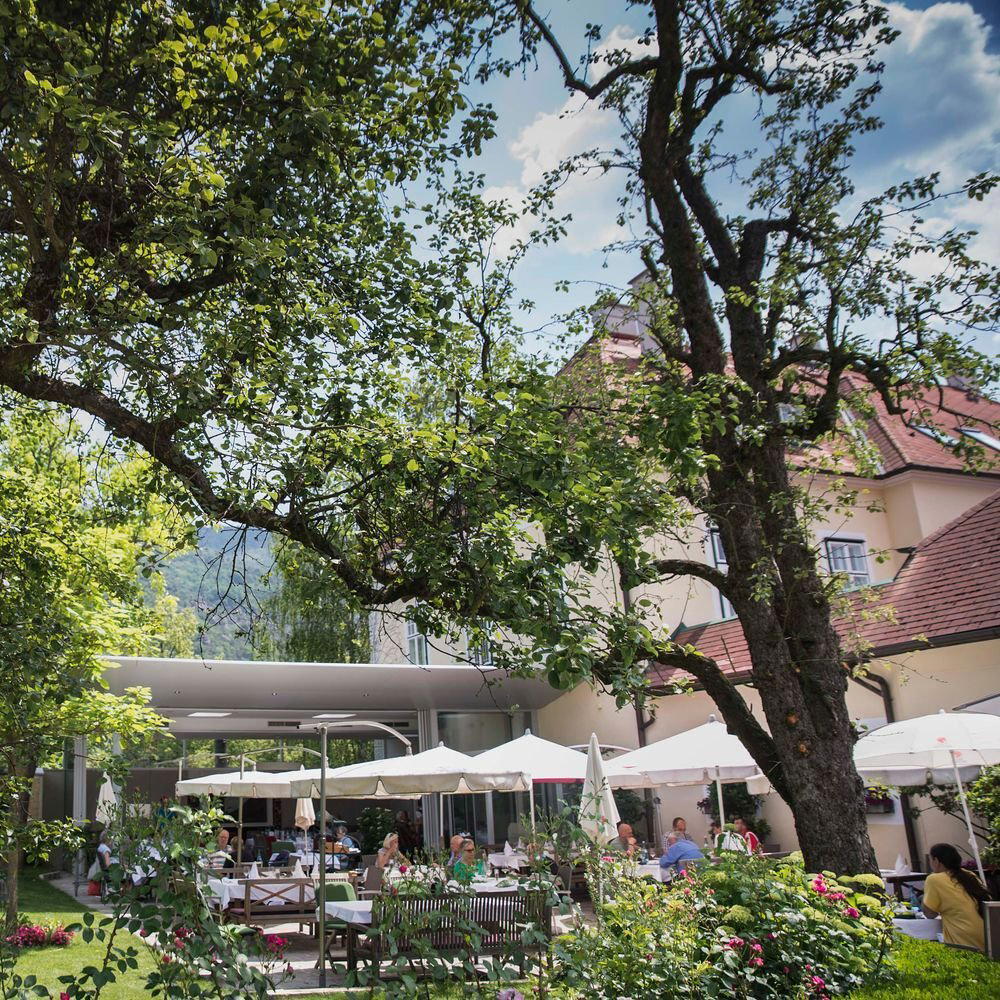
At a Glance
- Scenic
- Rustic
- Classic
- Intimate
- Wine Education
- Solo Exploration
- Special Occasion
- Vineyard Tour
- Estate Grounds
- Terrace
- Panoramic View
- Vineyard
- Wachau
- Grüner Veltliner
- Riesling
- Weissburgunder
- Chardonnay
- Zweigelt
- Pinot Noir
- Still White
- Vineyard Tasting
- Private Tasting
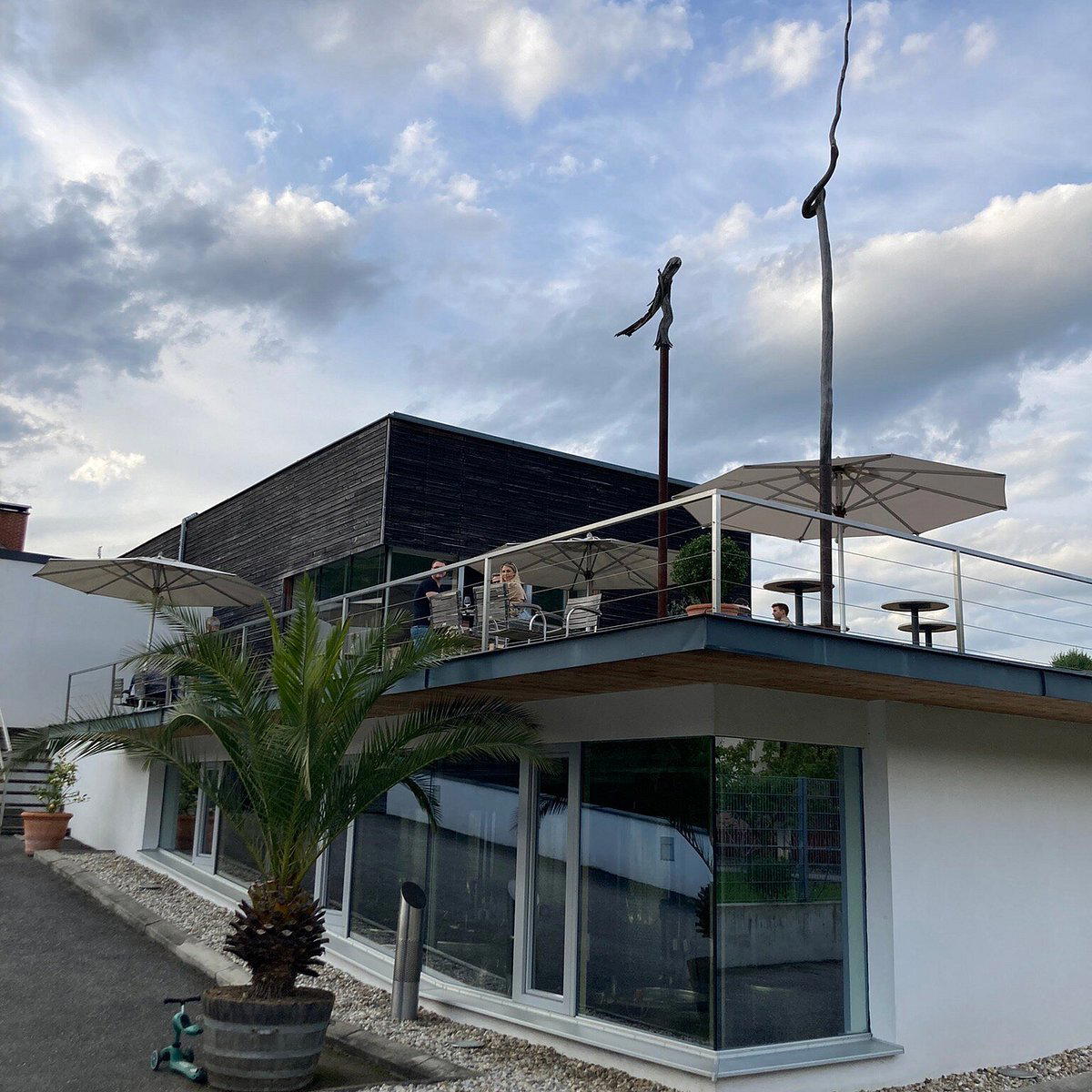
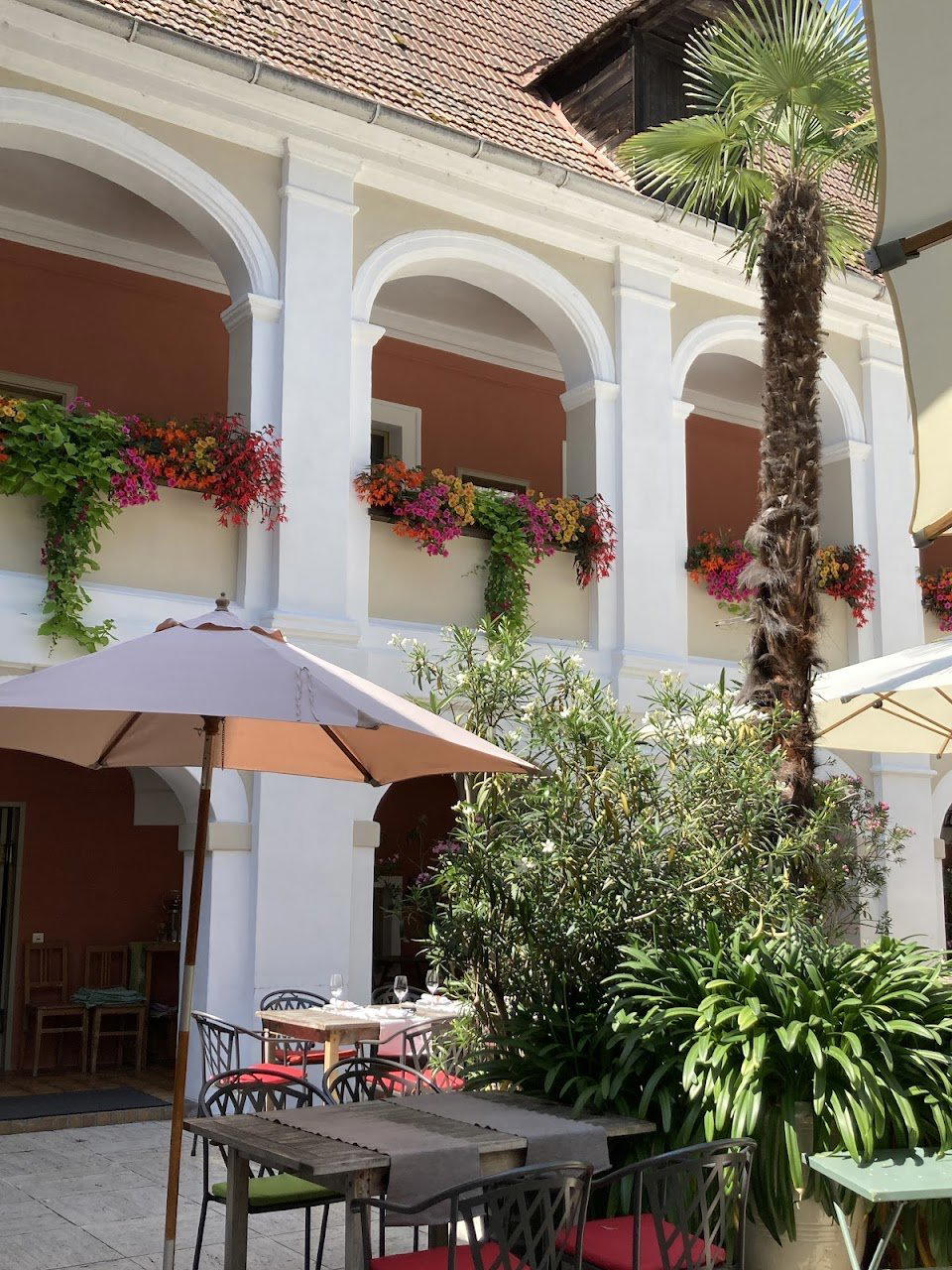
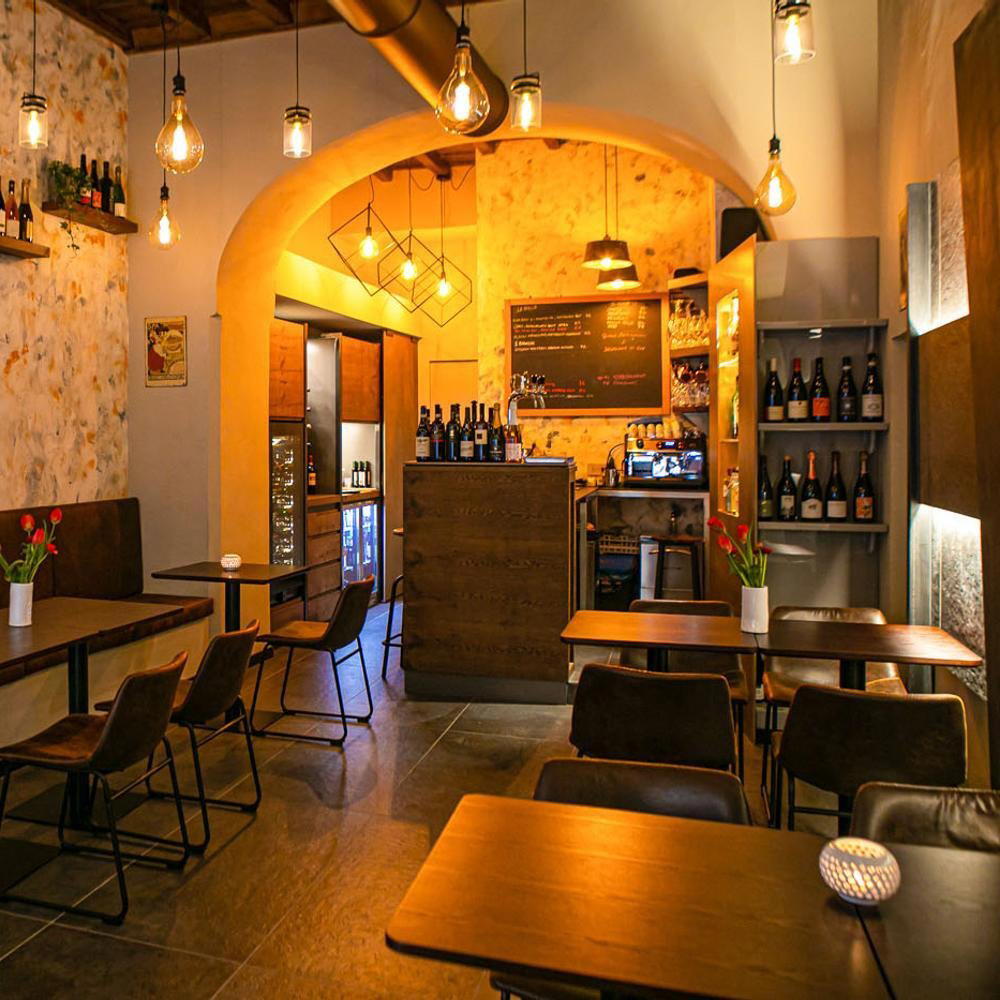
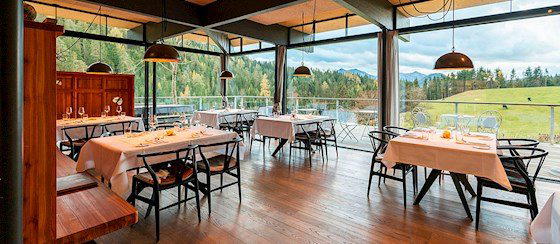
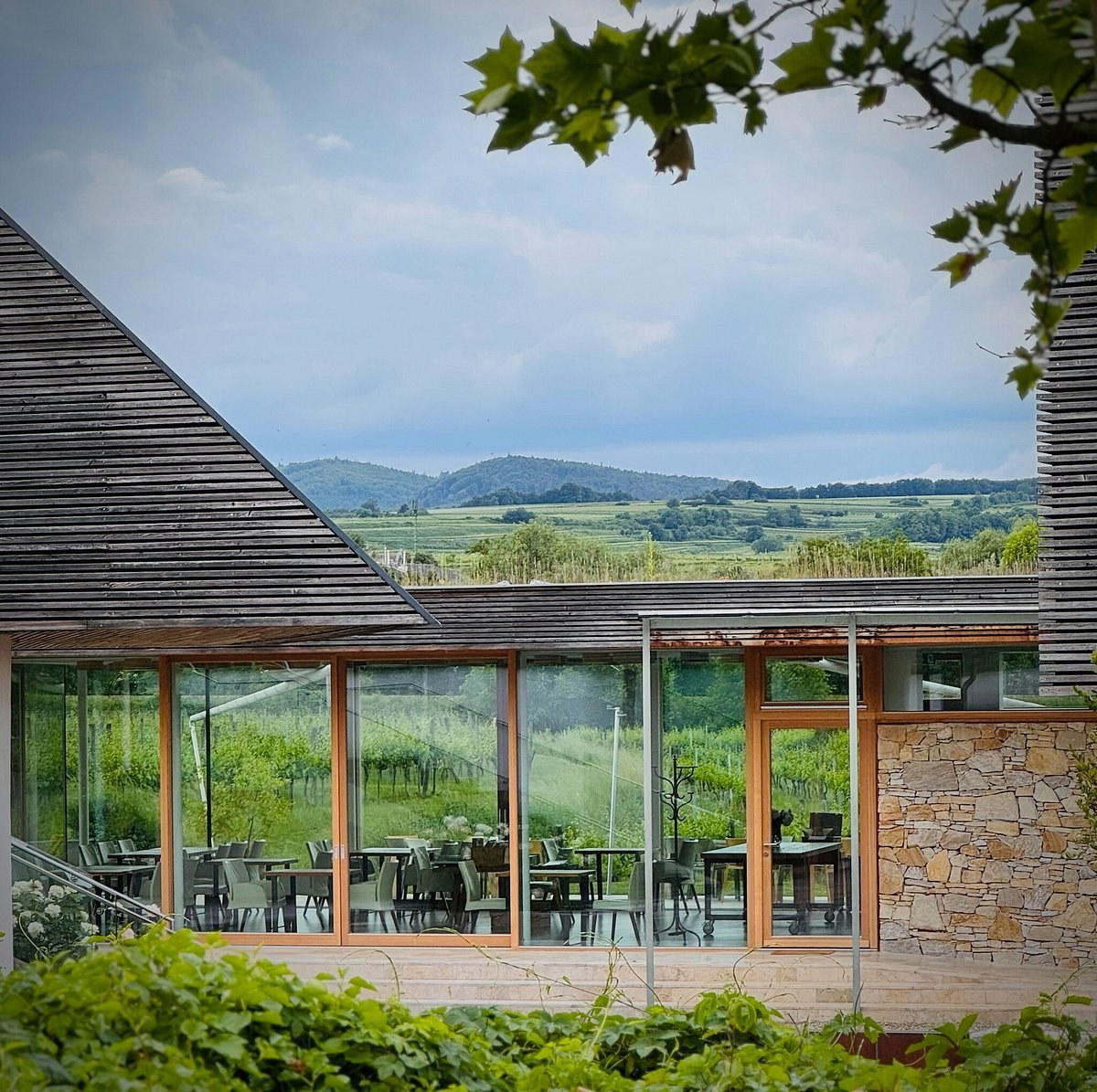
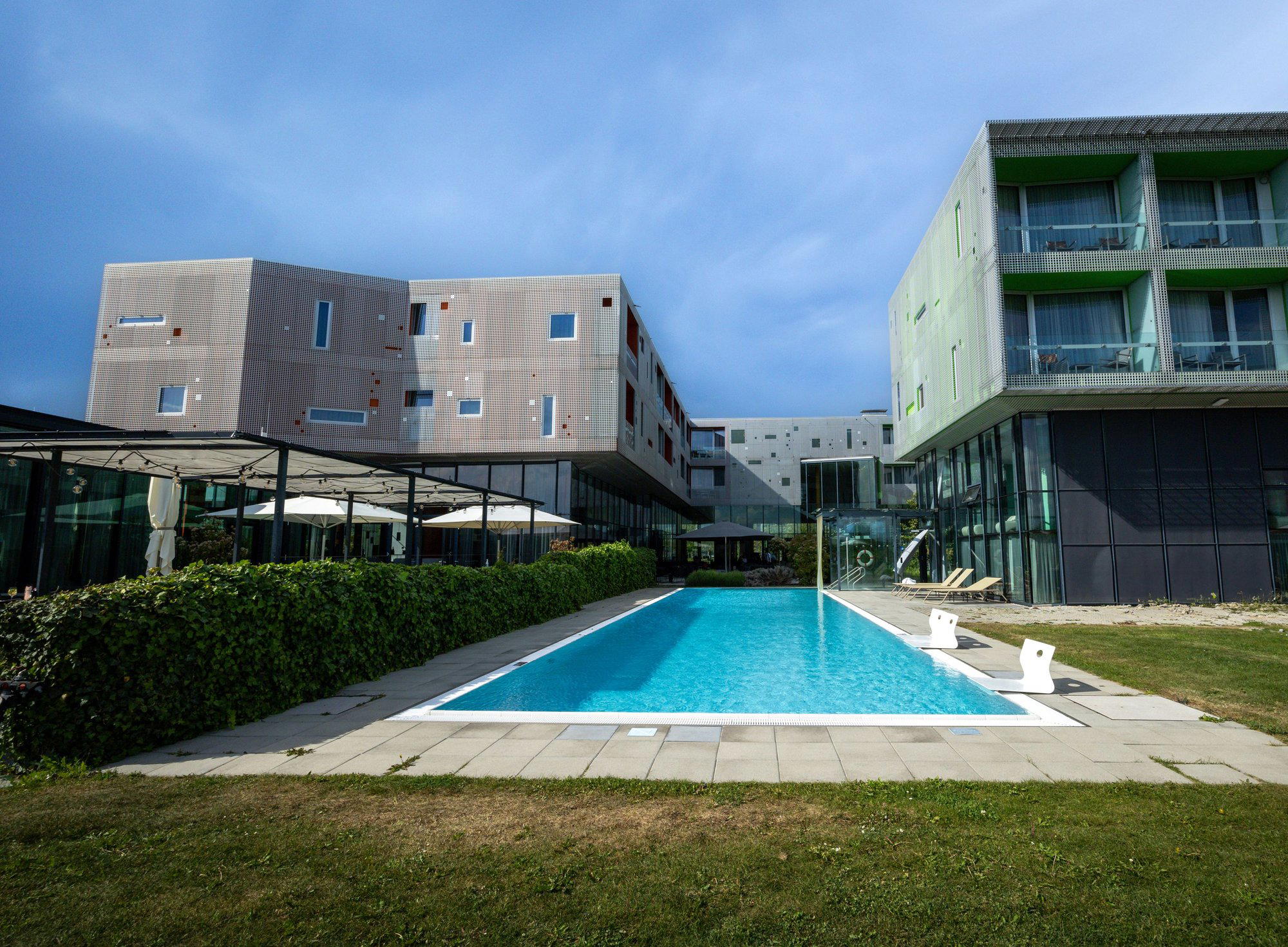
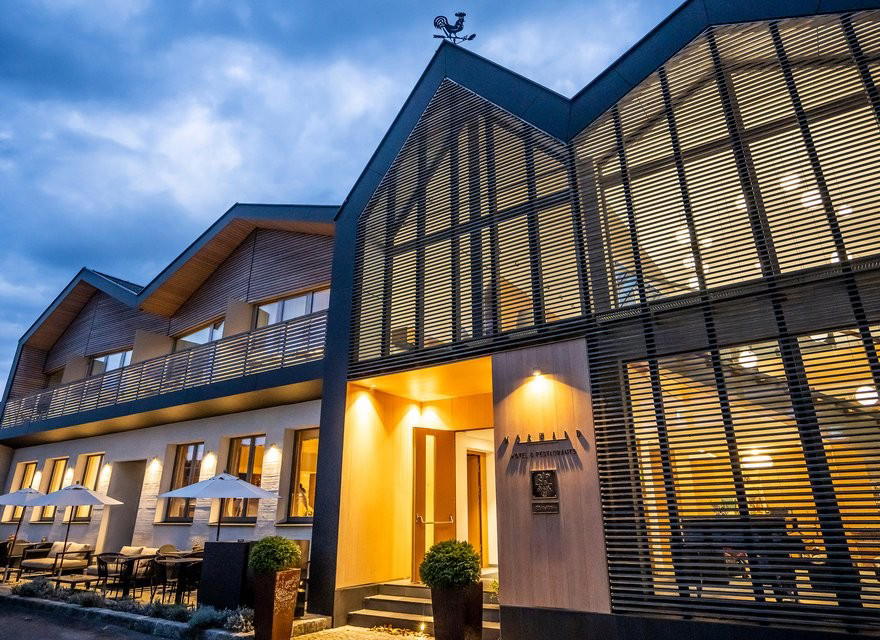
Cozy family-run atmosphere with sunny terrace and garden views of vineyards and Danube.