Bio-Gasthaus Leibspeis
Our verdict
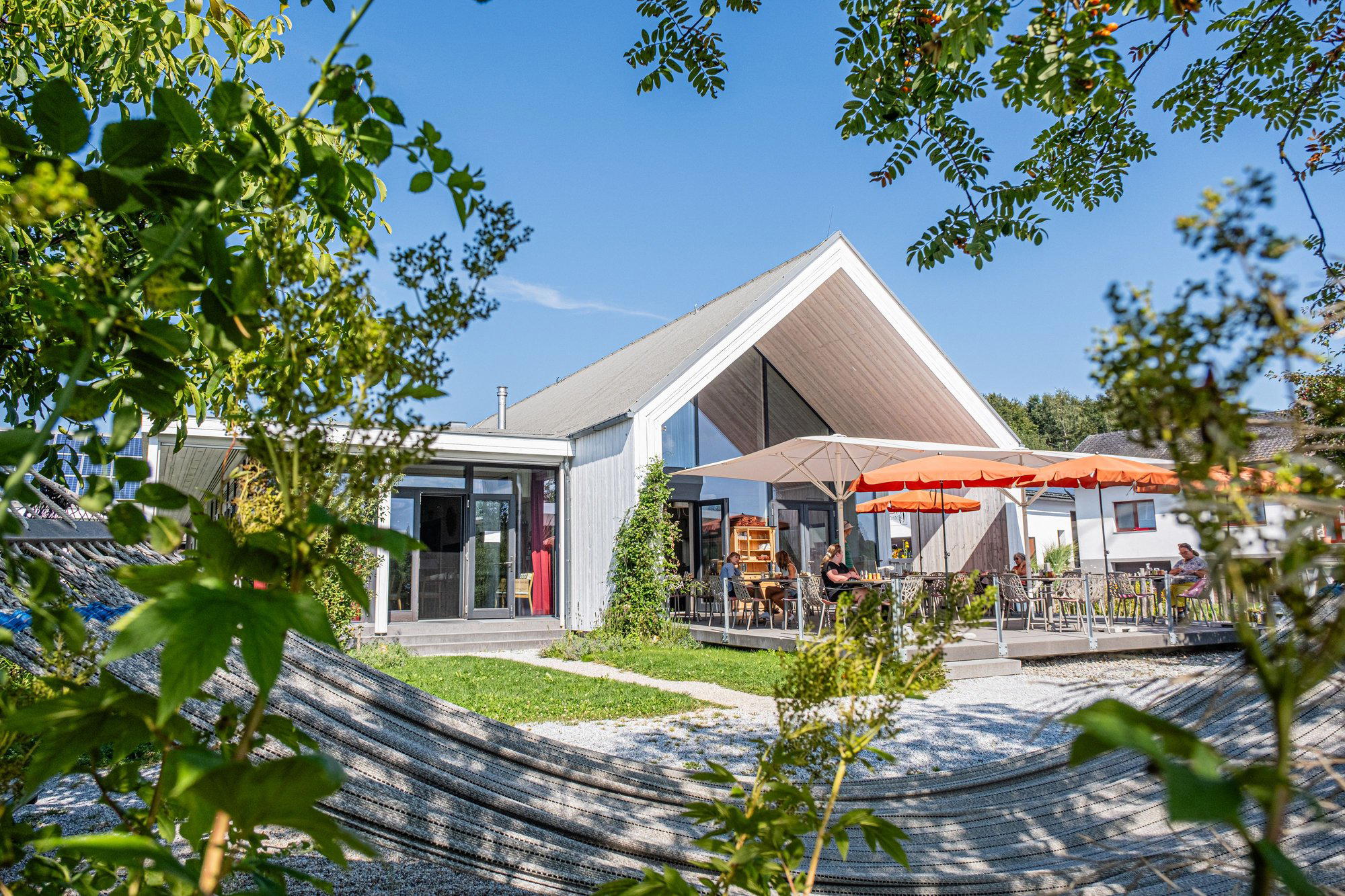
Bio-Gasthaus Leibspeis sits in the Waldviertel region of Lower Austria, where organic farming traditions run deep and the kitchen draws directly from the surrounding landscape. The Gasthaus format places it in a tradition of Austrian country dining that prioritises provenance over spectacle. For travellers passing through Groß Gottfritz, it represents the kind of destination that rewards detours.

Pearl is the En Primeur Club membership app, where members save venues, book tables and use the concierge.
The menu
What to order
- Organic schnitzel
- Local game dishes
- Farm-fresh seasonal vegetables
Where the Waldviertel Table Begins
The road into Sprögnitz follows a pattern familiar across Lower Austria's Waldviertel: dense forest giving way to open farmland, with settlements that feel less like towns and more like working agricultural communities that happen to have a dining room attached. Arriving at Groß Gottfritz places you squarely in this tradition. The region sits northwest of Vienna, bordered by Bohemia to the north, and it has long operated at a remove from the capital's restaurant circuits. That distance is precisely why the organic Gasthaus format has held its ground here longer than in more touristic parts of Austria.
Bio-Gasthaus Leibspeis, addressed at Sprögnitz 15, occupies this terrain in the most literal sense. The Gasthaus category in Austrian dining occupies a different register from the Wirtschaft or the urban Beisl. It implies a closer relationship between the kitchen and the land immediately around it, a format that predates the contemporary farm-to-table movement by several generations. What has changed in recent decades is the formalisation of organic certification, which in the Waldviertel has become a meaningful differentiator rather than a marketing gesture. Austria's organic farming sector is among the most developed in Europe, with the country consistently ranking in the top tier for certified organic agricultural land as a share of total farmland. In a region like the Waldviertel, that statistic has a physical address.
The Sourcing Argument
Austrian Gasthaus cooking at its most considered is an exercise in seasonal constraint. The Waldviertel's climate is cooler and shorter than the Weinviertel or Steiermark, which means the ingredient calendar turns on root vegetables, game, freshwater fish, dairy, and grains rather than on the Mediterranean abundance that shapes cooking further south. Bio-Gasthaus Leibspeis operates within this framework, and the bio prefix is not incidental. Organic certification in Austria falls under EU standards but is also governed by domestic bodies that impose additional auditing requirements, meaning that a certified Bio-Gasthaus has cleared a higher threshold than a self-declared farm restaurant.
This matters because the sourcing argument in Austrian country cooking is where the real editorial distinction lies. At the top of the Austrian dining hierarchy, places like Steirereck im Stadtpark in Vienna or Döllerer in Golling an der Salzach have built their reputations partly on the rigour of their supplier networks. Landhaus Bacher in Mautern an der Donau, not far from the Waldviertel in the Wachau, represents a version of the same principle at the classic end of the spectrum. What distinguishes a rural Bio-Gasthaus from those addresses is not aspiration but scale and register. The point here is not creative tasting menus but a more direct, less mediated relationship between the soil and the plate.
Across Austrian country dining, the kitchens that have sustained the organic Gasthaus model longest are those that resisted the pressure to modernise in ways that would require importing ingredients outside their immediate region. The Waldviertel poppy seed, the grey pea, the carp from local ponds: these are not novelties introduced for contemporary menus but ingredients that have defined the region's table for centuries. A Bio-Gasthaus that takes its certification seriously is, in effect, an argument that these ingredients are sufficient on their own terms.
Groß Gottfritz in the Austrian Country Dining Circuit
Austria's serious country dining scene is more geographically distributed than its Michelin concentration suggests. Recognised addresses like Obauer in Werfen or Taubenkobel in Schützen am Gebirge have drawn international attention, but the broader fabric of Austrian regional cooking is held together by smaller operations that rarely appear in international press. The Waldviertel sits in this second tier, which is not a diminishment. It means the dining here is directed at a regional audience with genuine expectations about seasonal produce and traditional preparation rather than at international visitors seeking a tasting menu experience.
For travellers coming from Vienna, Groß Gottfritz is roughly two hours by road through the Wachau and into the forest country beyond Krems. It is not a daytrip destination in the casual sense. Those who make the journey are typically either moving through the region as part of a longer Waldviertel itinerary or have a specific reason to be in the area. This self-selecting audience shapes the character of what a Bio-Gasthaus here can reasonably offer: a meal grounded in place rather than one calibrated to tourist expectations. For a broader survey of where Groß Gottfritz sits in the regional dining conversation, see our full Groß Gottfritz restaurants guide.
Elsewhere in Austria's more visited regions, the organic and terroir-led argument has been taken in different directions. Kräuterreich by Vitus Winkler in Sankt Veit im Pongau applies a similar sourcing discipline within a more formal framework. Ois in Neufelden represents the Upper Austrian version of the same conversation. The Waldviertel approach tends to be less theatrical than either, which suits the landscape.
Planning a Visit
For those building a wider Austrian dining itinerary, the contrast between a Waldviertel Bio-Gasthaus and addresses like Ikarus in Salzburg or Gourmetrestaurant Tannenhof in Sankt Anton am Arlberg is instructive. Both ends of the spectrum are defensible; they are simply answering different questions about what Austrian hospitality can mean. The Bio-Gasthaus answers the question of place with fewer intermediaries. Further afield, the farm-sourcing conversation has its own international register at addresses like Lazy Bear in San Francisco, where the proximity-sourcing argument operates at a different scale and in a different culinary tradition, but the underlying logic rhymes.
Frequently asked questions
Is Bio-Gasthaus Leibspeis okay with children?
A traditional Austrian Gasthaus format like the one at Sprögnitz 15 is generally family-oriented by nature, with the relaxed pacing and communal atmosphere that suits younger guests. The rural Waldviertel setting, surrounded by open farmland and forest, also means children have space outside the dining room. check the venue's official channels to confirm seating arrangements for groups with young children.
What's the vibe at Bio-Gasthaus Leibspeis?
The address is a rural Bio-Gasthaus in Sprögnitz, a small settlement in the Waldviertel, Lower Austria's forested and agrarian northwest. Expect the unhurried cadence of Austrian country dining rather than a city dining room, with cooking anchored to the region's shorter growing season and organic sourcing ethos. It sits within a loosely connected circuit of serious country addresses across Austria, distinct from urban Michelin-tracked venues.
How far in advance should you book Bio-Gasthaus Leibspeis, and is it accessible without a car?
Sprögnitz 15 is not reachable by rail or practical bus connection, making a car the only realistic option for getting there. As a Bio-Gasthaus in a small Waldviertel village rather than a city dining destination, booking ahead is advisable, particularly on weekends when rural Austrian Gasthäuser in the Groß Gottfritz area attract visitors from further afield. Contacting the venue directly for reservation availability is the most reliable approach.
What dish is Bio-Gasthaus Leibspeis famous for?
Given the organic Gasthaus format and the Waldviertel's known larder, seasonal preparations built around root vegetables, game, and regional grains are consistent with the cooking tradition of this part of Lower Austria.
At-a-Glance Comparison
Comparable venues nearby, for context on price, style, and recognition.
| Venue | Cuisine | Price | Notes |
|---|---|---|---|
| Bio-Gasthaus LeibspeisThis venue (the venue you are viewing) | Traditional Austrian Bio-Gasthaus | $20–30 | Not listed |
| Schwarz Alm | Traditional Austrian / Waldviertel Cuisine | $30–50 | Zwettl |
| Die Huberei | Modern Austrian Wirtshaus | $20–30 | Altstadt |
| Gasthaus am Spittelberg | Traditional Austrian Gasthaus | $20–30 | Hofburg |
| Café Restaurant GRENADIER | Traditional Austrian Castle Dining | $20–30 | Forchtenstein |
| Oskar Schauer Haus/Sattelhaus | Traditional Styrian Alpine Hut Cuisine | $20–30 | Terenbachalm |
Continue exploring
More in Gro Gottfritz
Restaurants in Gro Gottfritz
All restaurants in Gro Gottfritz →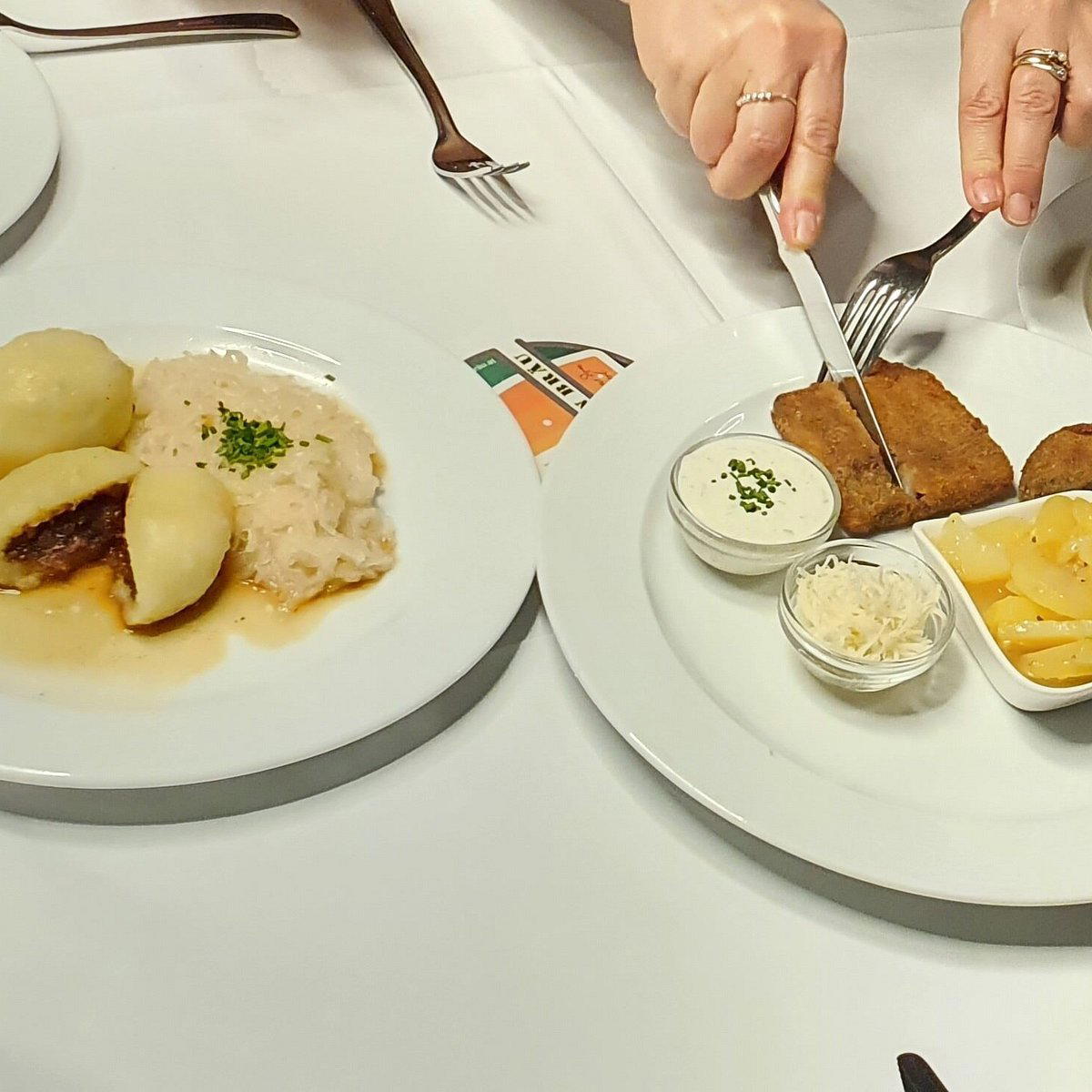
Bars in Gro Gottfritz
Browse all →
Hotels in Gro Gottfritz
Browse all →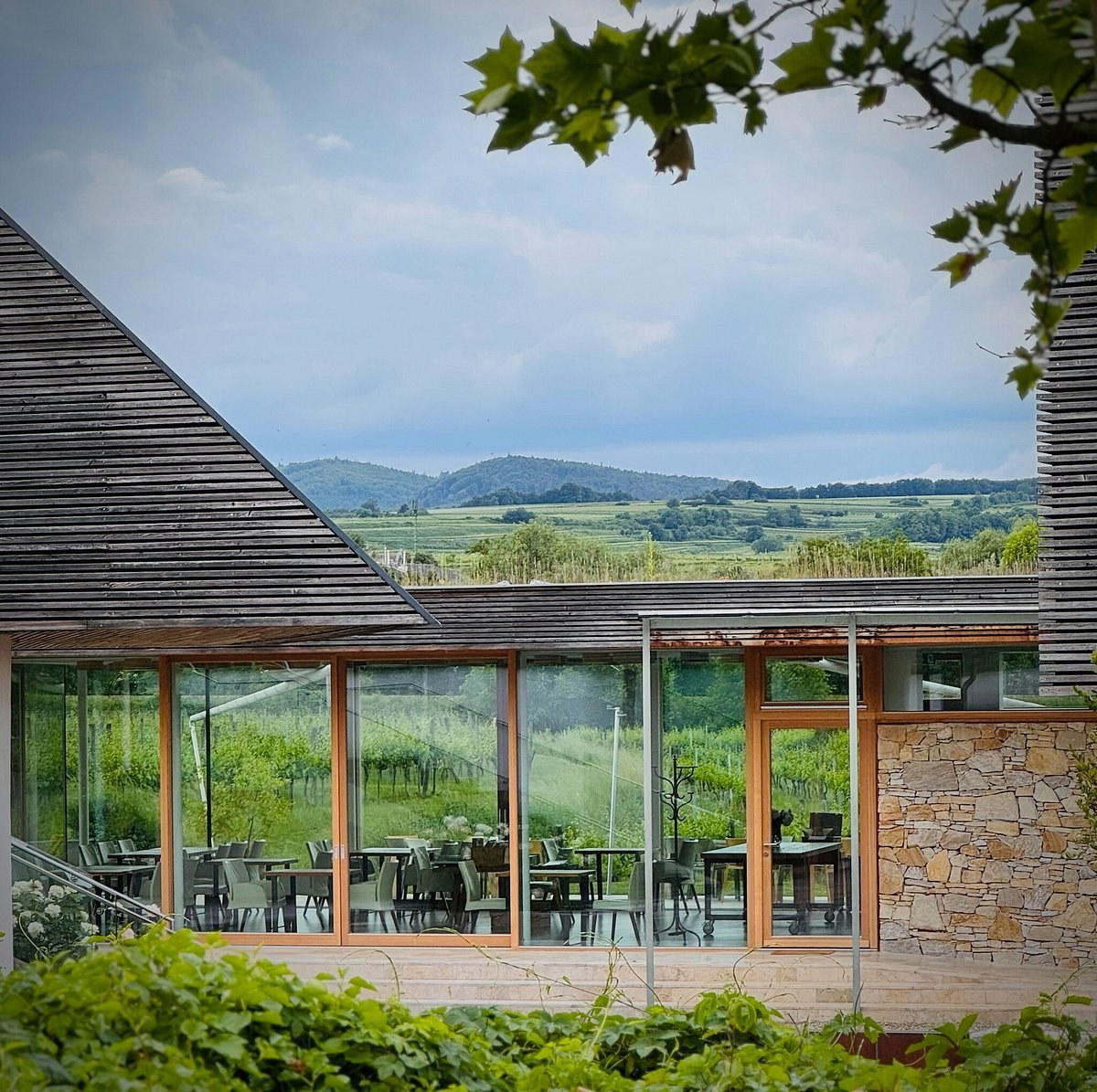
Details
- Rustic
- Cozy
- Classic
- Family
- Casual Hangout
- Group Dining
- Garden
- Standalone
- Beer Program
- Farm To Table
- Organic
- Local Sourcing
- A La Carte
- Family Style
- Austrian Beer
- Local Wine
- Vegetarian Friendly
- Organic Focus
Current opening hours
- Monday
- Closed
- Tuesday
- Closed
- Wednesday
- 10 AM–6 PM
- Thursday
- 10 AM–6 PM
- Friday
- 10 AM–6 PM
- Saturday
- 10 AM–6 PM
- Sunday
- 10 AM–6 PM
Hours can change for holidays and private events. Hours as of .
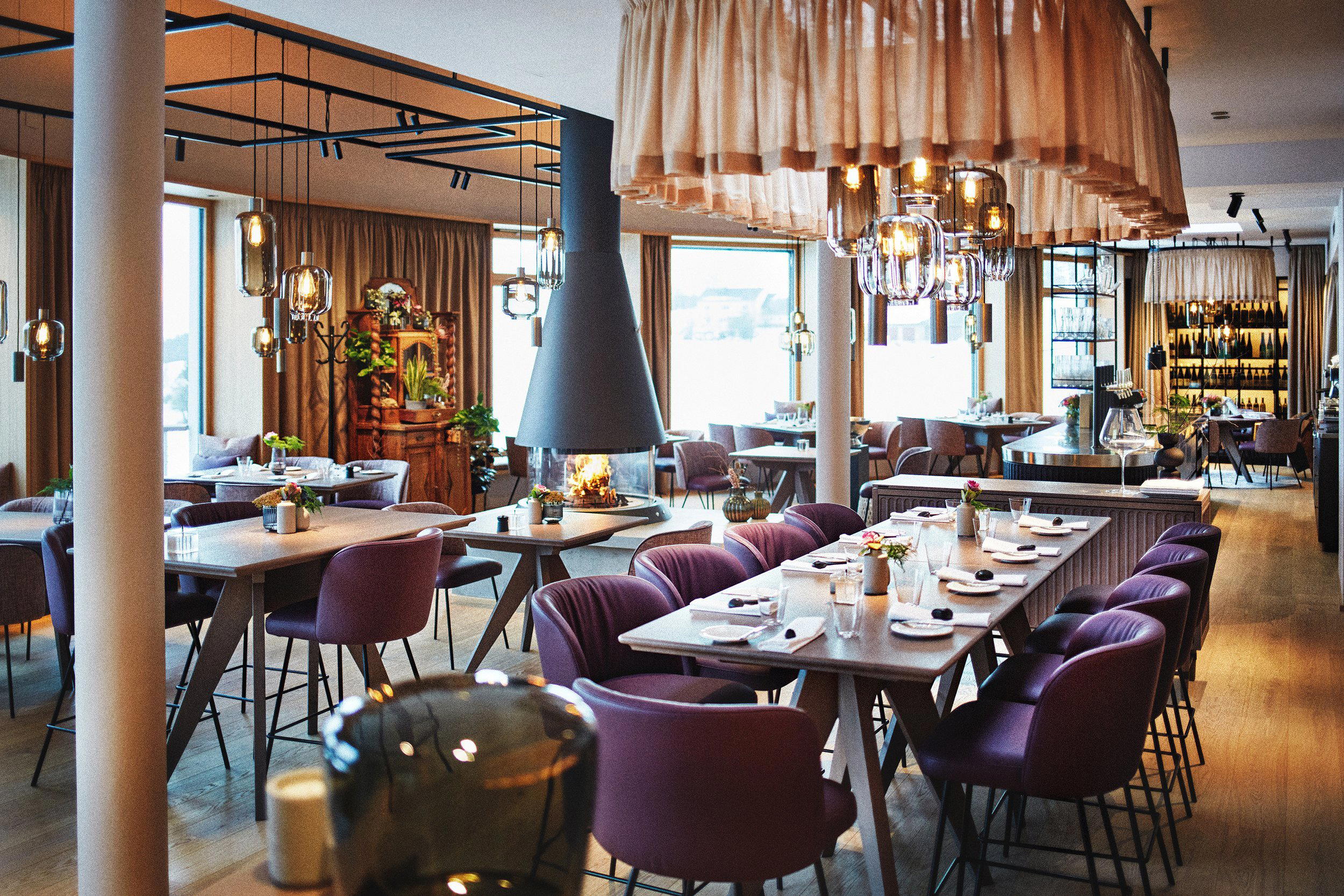
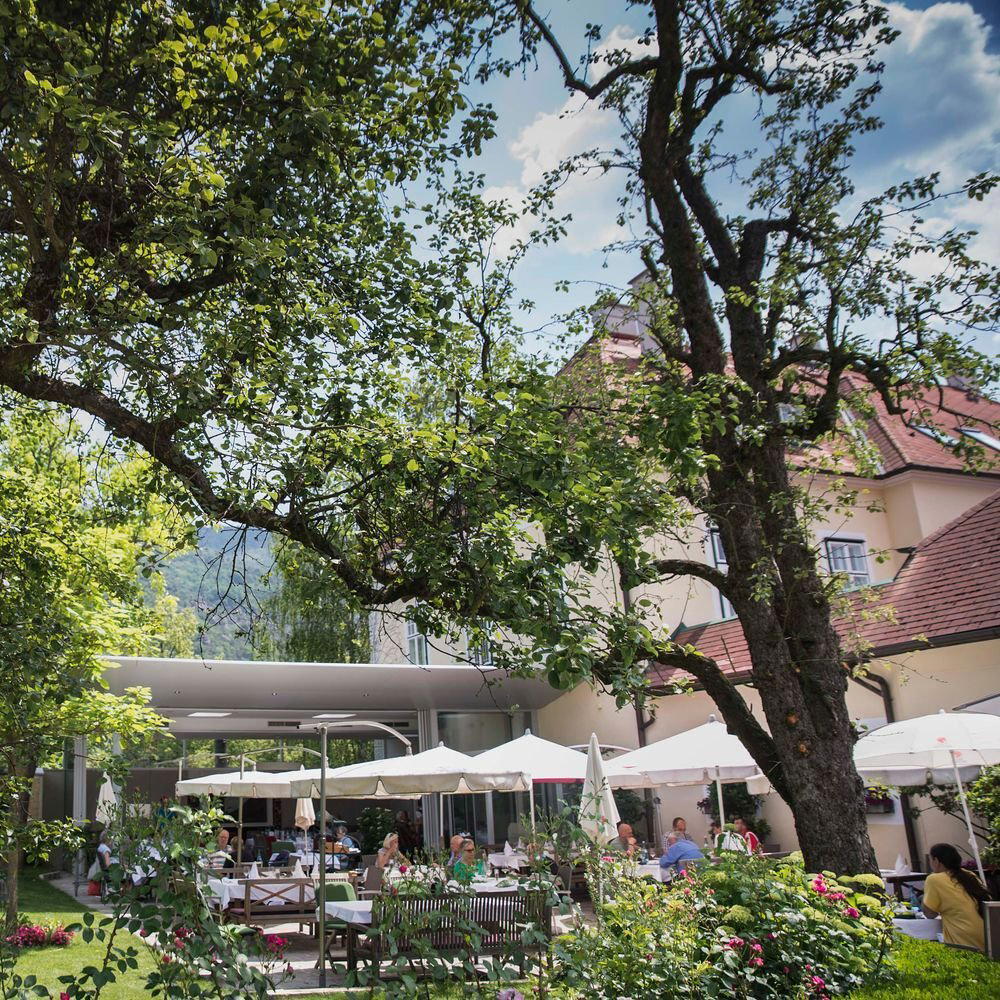
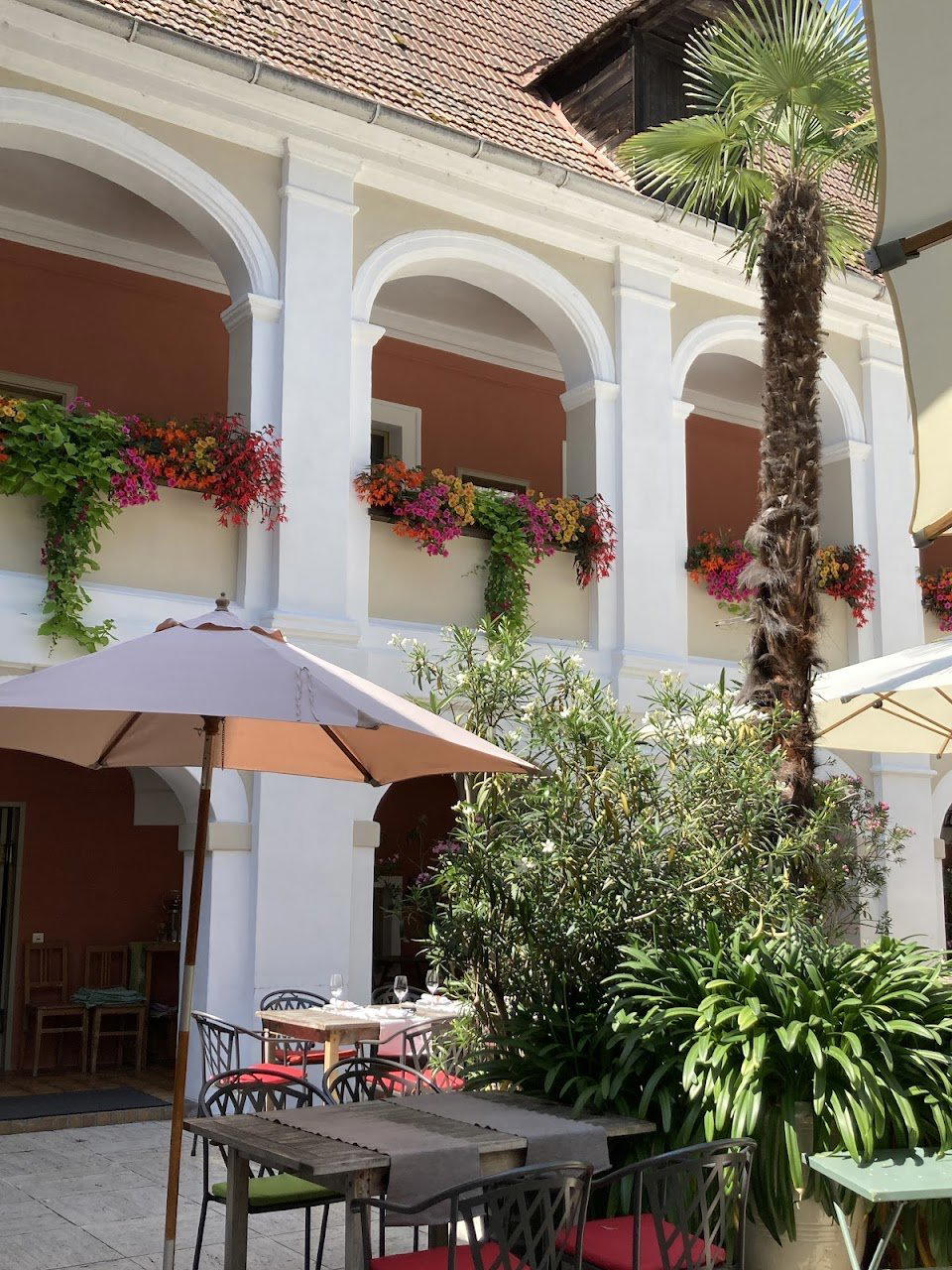
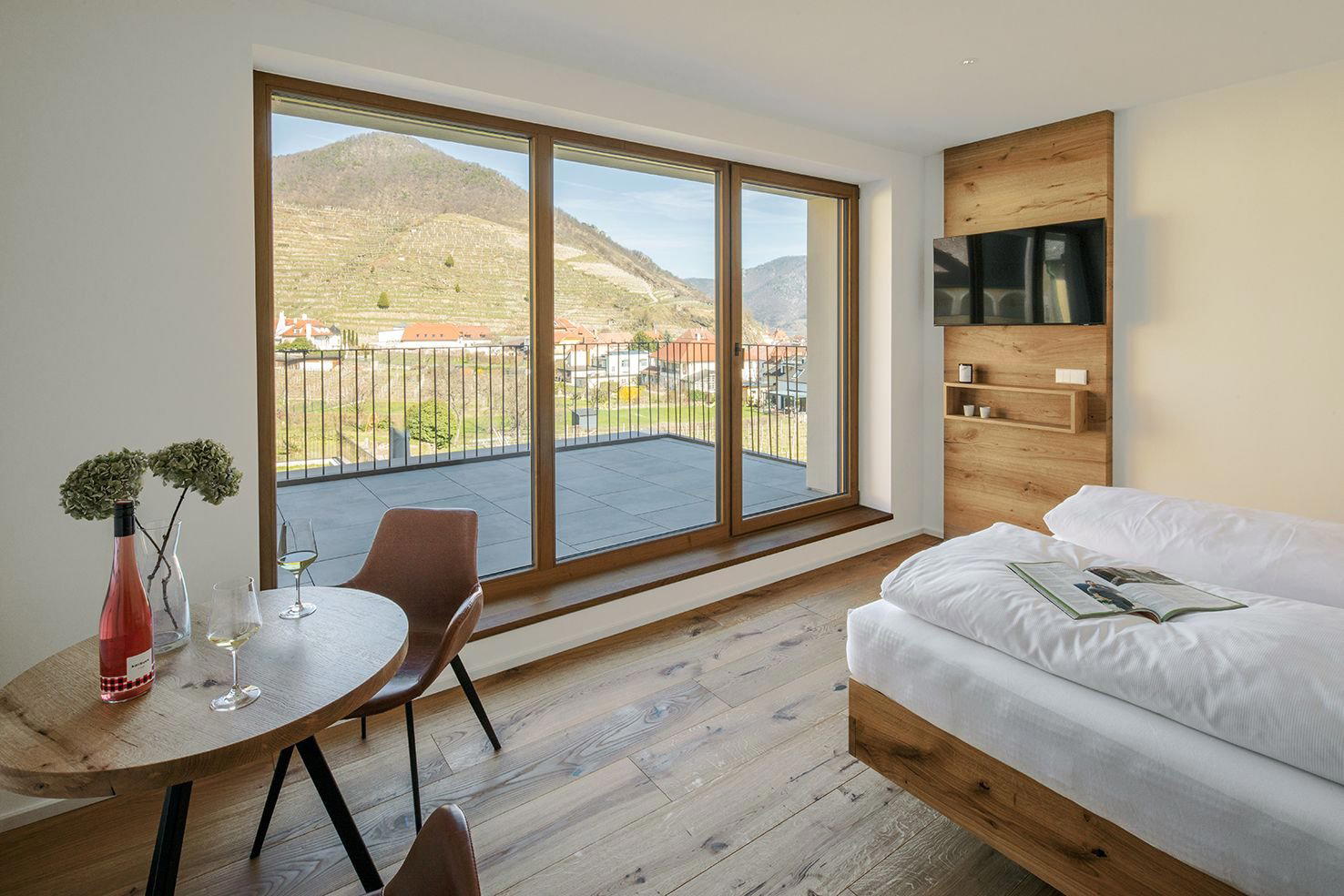
Warm and inviting with traditional Austrian decor, natural lighting from large windows overlooking the countryside, and a relaxed family-friendly atmosphere.