Zum Roten Bären occupies a townhouse address on Berggasse 39 in Vienna's 9th district, sitting at a remove from the trophy-room restaurants of the Innere Stadt. Where the city's €€€€ creative tier, Steirereck, Konstantin Filippou, Mraz & Sohn, competes on tasting-menu ambition, Zum Roten Bären positions itself in a quieter register, drawing a neighbourhood-rooted crowd to the edge of what was once Sigmund Freud's quarter.
Pearl is the En Primeur Club membership app — saves, bookings, and concierge access live there. Same editors, same standards.
- Address
- Berggasse 39, 1090 Wien, Austria
- Phone
- +43 1 3176150
- Website
- zumrotenbaeren.at
- Directions
- Get directions
 Saves & bookings on Pearl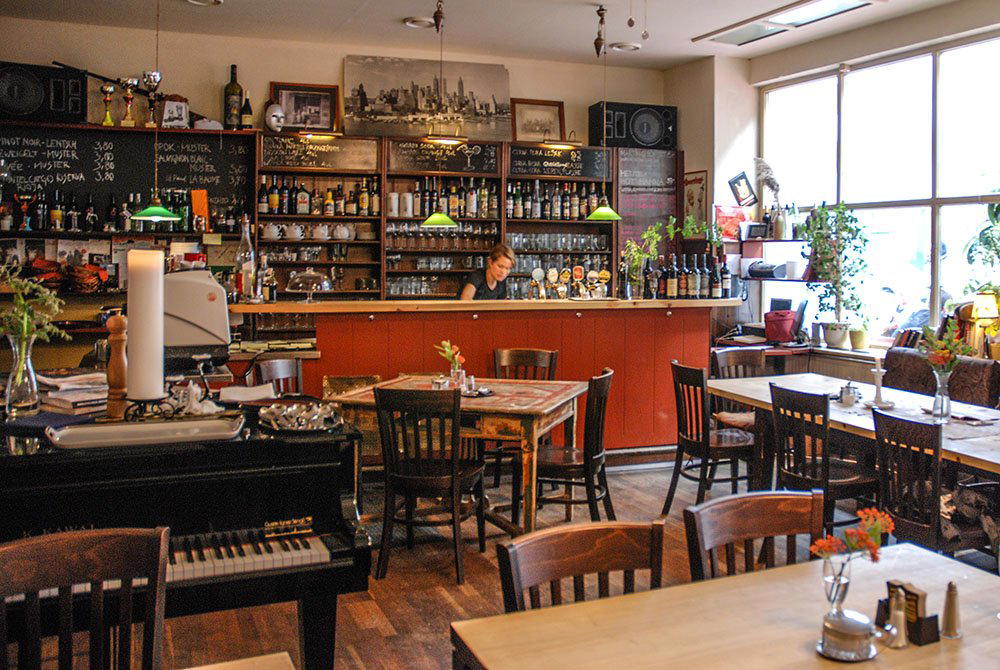
A Different Kind of Vienna Dining Address
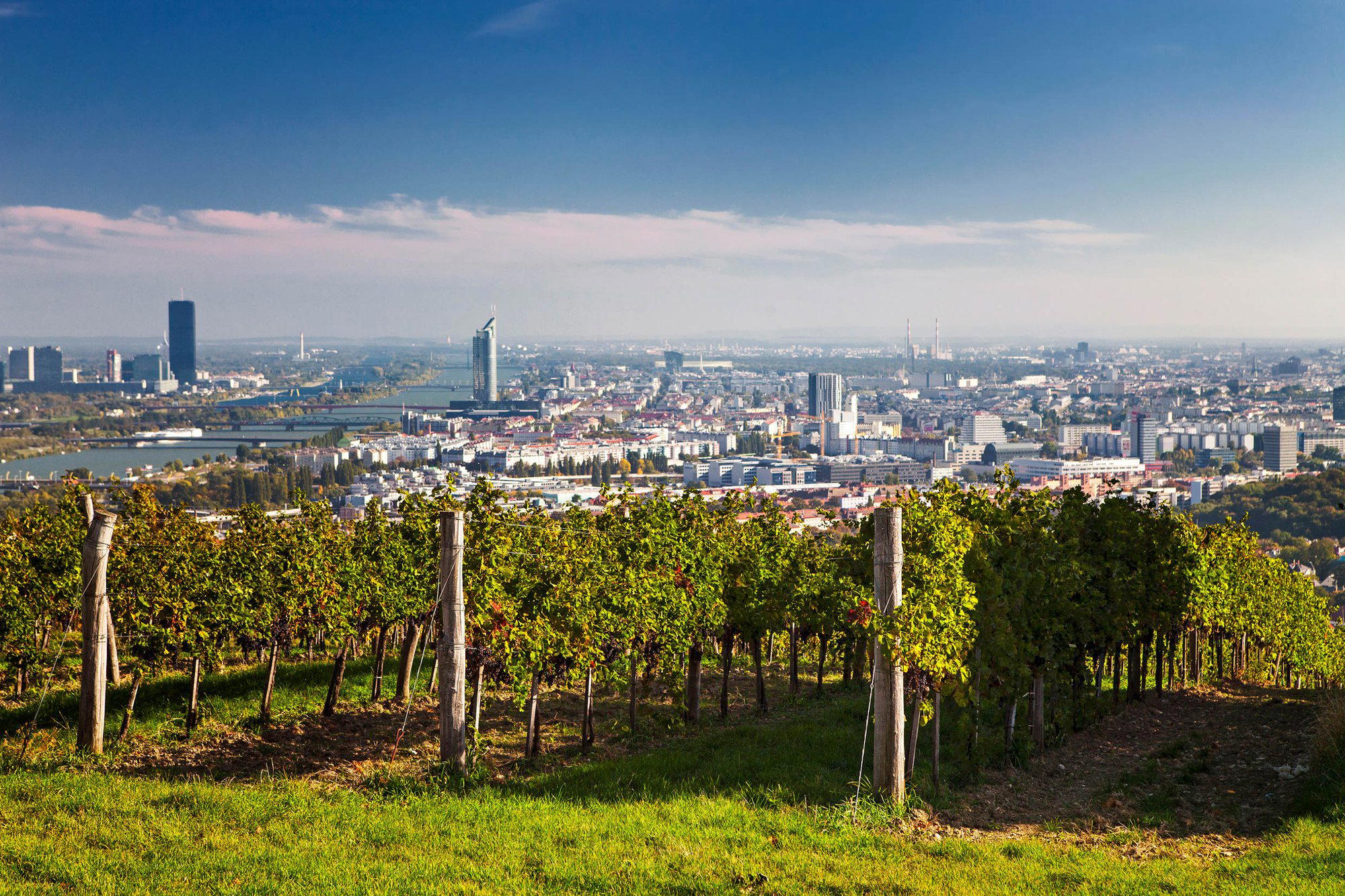
Vienna's serious restaurant scene has long concentrated itself in a familiar cluster: the grand park settings, the refurbished Palais rooms, the chef-driven counters in the first and fourth districts. The 9th Bezirk, Alsergrund, operates on a different frequency. Its streets carry the residue of intellectual and medical Vienna, the university hospital, the Freud Museum two blocks from Berggasse 39, and the eating and drinking culture here reflects that: less spectacle, more substance. Zum Roten Bären is a Traditional Austrian Wirtshaus in Vienna, with a casual dress code and recommended reservations.
That positioning matters when you read a meal here. The approach to Berggasse 39 involves no doorman theatre, no architectural statement designed to prime your expectations. What you encounter instead is the particular Vienna tradition of the gasthaus-adjacent serious table: a room that doesn't perform its ambitions, where the cooking does the communicating. This is a city that produced both the grand imperial dining room and the corner Beisl, and particularly interesting restaurants often occupy the tension between those two poles.
The Arc of a Meal: How the Progression Reads
Tasting-menu culture in Vienna has matured considerably since the late 2000s. The question for any restaurant operating below that tier is how to structure a meal so that each course builds on the last without leaning on the theatre budget of a destination address. At Zum Roten Bären, the answer appears to lie in edit rather than elaboration: a tighter arc, courses that don't compete with each other, a kitchen philosophy that treats restraint as its own form of confidence.
The progression of a meal here follows a logic familiar to anyone who has eaten seriously in the Austrian provinces, at Landhaus Bacher in Mautern an der Donau or Obauer in Werfen, for instance, where the sequence moves from precise, light-handed openers toward richer mid-course proteins, then eases into desserts that don't oversell sweetness. It is a structure that respects the diner's endurance as much as their appetite, and it sits closer to central European tradition than to the Franco-Japanese architecture that has influenced Vienna's headline tasting rooms.
Within the broader Austrian dining context, this approach connects Zum Roten Bären to a set of regional practitioners who have resisted the pressure to globalise their vocabulary. Compare the ethos to what Doubek represents in Vienna, or to the regional specificity that defines kitchens like Döllerer in Golling an der Salzach and Ois in Neufelden: the goal is a meal that could only have been composed from this geography.
Where Zum Roten Bären Sits in the Vienna comparable set
Vienna's restaurant hierarchy is easier to read when you map it by price tier and ambition register. At the €€€€ ceiling, a defined cohort, Konstantin Filippou, Mraz & Sohn, competes on Michelin recognition and international visibility. Below that band, a second tier of addresses absorbs the demand from diners who want kitchen seriousness without the occasion-dining price signal. The restaurant occupies this middle space in the 9th district, where the competitive set is defined less by awards and more by consistency, neighbourhood loyalty, and the quality of the edit.
The comparison to international reference points is instructive without being direct. The discipline required to make a six- or eight-course sequence cohere across a full evening, the kind of narrative architecture that defines rooms like Le Bernardin in New York City or Lazy Bear in San Francisco, is a craft challenge regardless of city or price point. What distinguishes the mid-tier Viennese address is that it must achieve that coherence without the budget to source globally or the team size to execute twenty-course formats. The constraint often sharpens the cooking.
Within Austria's broader fine dining map, the 9th district table competes not only against other Vienna addresses but against the argument that the country's most compelling food happens outside the capital: in the Salzburg approaches at Obauer, the alpine precision of Gourmetrestaurant Tannenhof in Sankt Anton am Arlberg or Stüva in Ischgl, the Burgenland provenance at Taubenkobel in Schützen am Gebirge. A Vienna address has to make the case that proximity to the city's supply networks and culinary culture adds something those rural settings cannot match.
The Neighbourhood and Getting There
Berggasse 39 sits in the upper third of Alsergrund, a ten-minute tram ride from the Ringstrasse and a short walk from the U4 line at Roßauer Lände. The neighbourhood's dining stock has been building quietly for years, with wine bars and small-production restaurants filling the ground floors of Gründerzeit apartment blocks. The address benefits from that cumulative momentum: a street that, a decade ago, was purely residential now generates enough foot traffic to support a serious kitchen without depending on the city's hotel-driven tourist circuit.
Reservations are recommended. For those combining the capital with regional Austrian dining, the contrast with addresses like Kräuterreich by Vitus Winkler in Sankt Veit im Pongau or Schwarzer Adler in Hall in Tirol clarifies what a capital-city kitchen can and cannot do with the Austrian larder.
For a broader Austrian reference point on how regional ambition connects to alpine produce, Restaurant 141 by Joachim Jaud in Mieming offers a useful comparison on the interplay between Tyrolean terroir and contemporary technique.
A Lean Comparison
Comparable venues nearby, for context on price, style, and recognition.
| Venue | Cuisine | Price | Notes |
|---|---|---|---|
| Zum Roten BärenThis venue — the venue you are viewing | Not listed | $$ | Not listed |
| Panoramaschenke | Not listed | $$ | Per Albin Hansson Siedlung, Traditional Austrian & Bohemian |
| Café Anzengruber | Not listed | $$ | Wieden, Traditional Austrian with Croatian influences |
| NIGLS Gastwirtschaft | Not listed | $$ | Breitensee, Traditional Viennese Gastwirtschaft |
| DIE PFERDEFLEISCHEREI Gumprecht Filiale Friedensbrücke | Not listed | $$ | Franz Josefs Bahnhof, Austrian Horse Meat Butchery |
| mozart&meisl | Doebling, Modern Austrian Gastropub | $$ | Not listed |
Continue exploring
More in Vienna
Restaurants in Vienna
Browse all →
Bars in Vienna
Browse all →
Hotels in Vienna
Browse all →
At a Glance
- Cozy
- Rustic
- Classic
- Casual Hangout
- Family
- Historic Building
- Terrace
- Local Sourcing
Current opening hours
- Monday
- 5 PM–12 AM
- Tuesday
- 5 PM–12 AM
- Wednesday
- 5 PM–12 AM
- Thursday
- 5 PM–12 AM
- Friday
- 5 PM–12 AM
- Saturday
- 11 AM–12 AM
- Sunday
- 11 AM–10 PM
Hours can change for holidays and private events. Last verified .
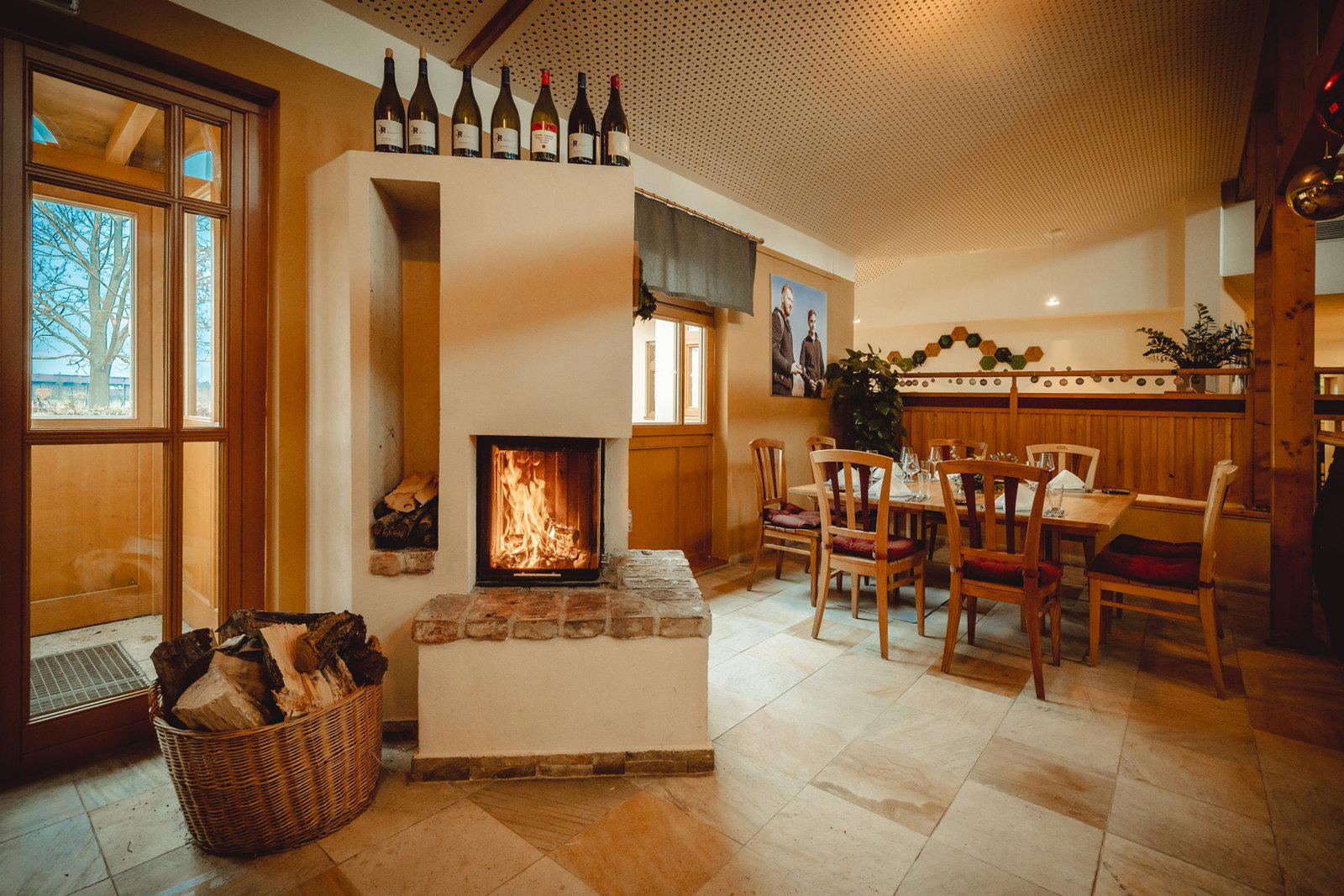
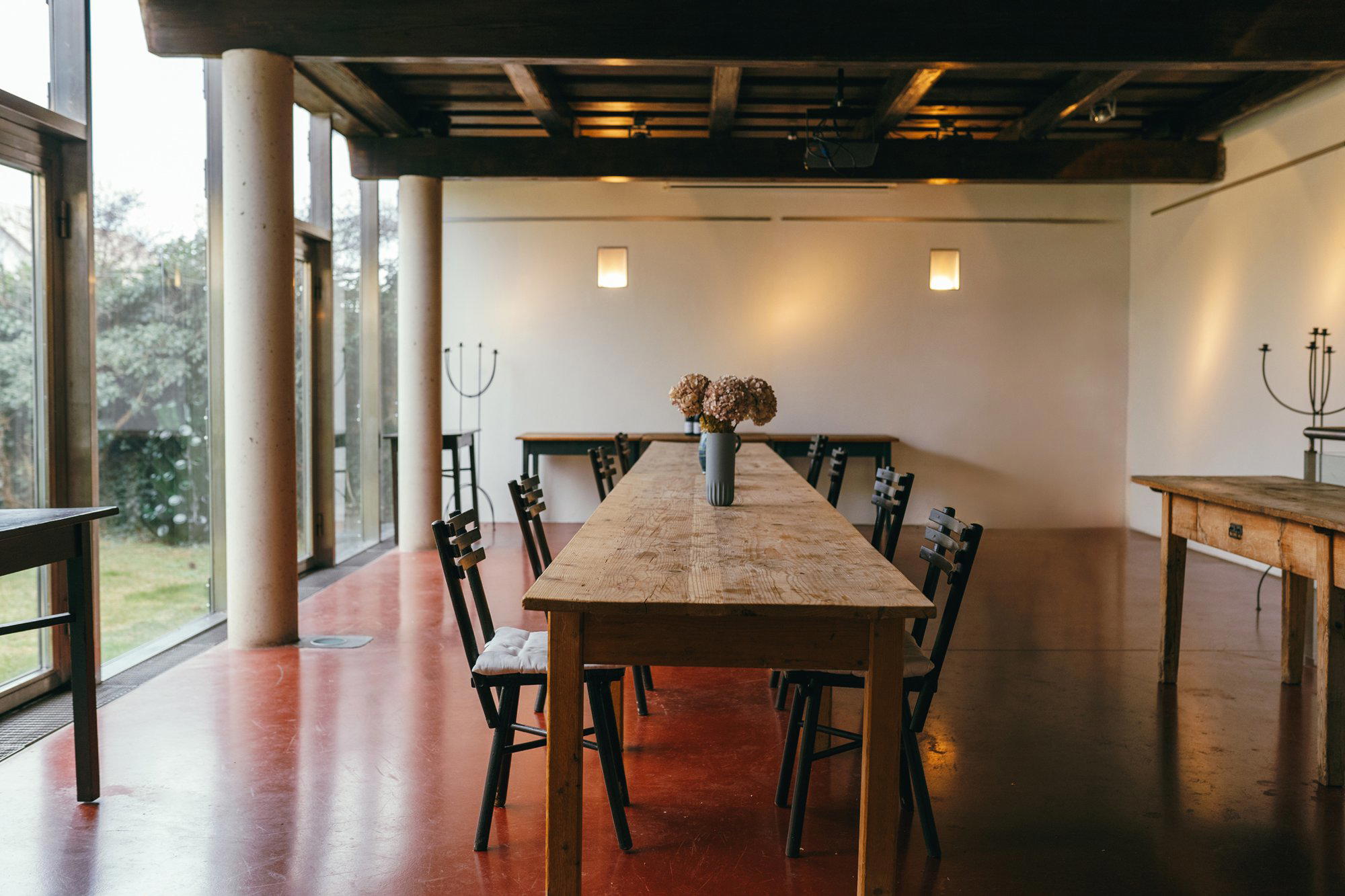
Cozy and charming traditional inn atmosphere with warm hospitality.