A fixture on Schleifmühlgasse in Vienna's 4th district, Café Anzengruber occupies the quieter, less-performative end of the city's café tradition. Where the grand Ringstraße coffeehouses trade on chandeliers and ceremony, this is the neighbourhood variant: worn-in, convivial, and built for staying. It sits in a part of the city where locals outnumber tourists and the pace is set by conversation rather than table-turn.
Pearl is the En Primeur Club membership app — saves, bookings, and concierge access live there. Same editors, same standards.
- Address
- Schleifmühlgasse 19, 1040 Wien, Austria
- Phone
- +434315878297
- Website
- anzengruber.cafe
- Directions
- Get directions
 Saves & bookings on Pearl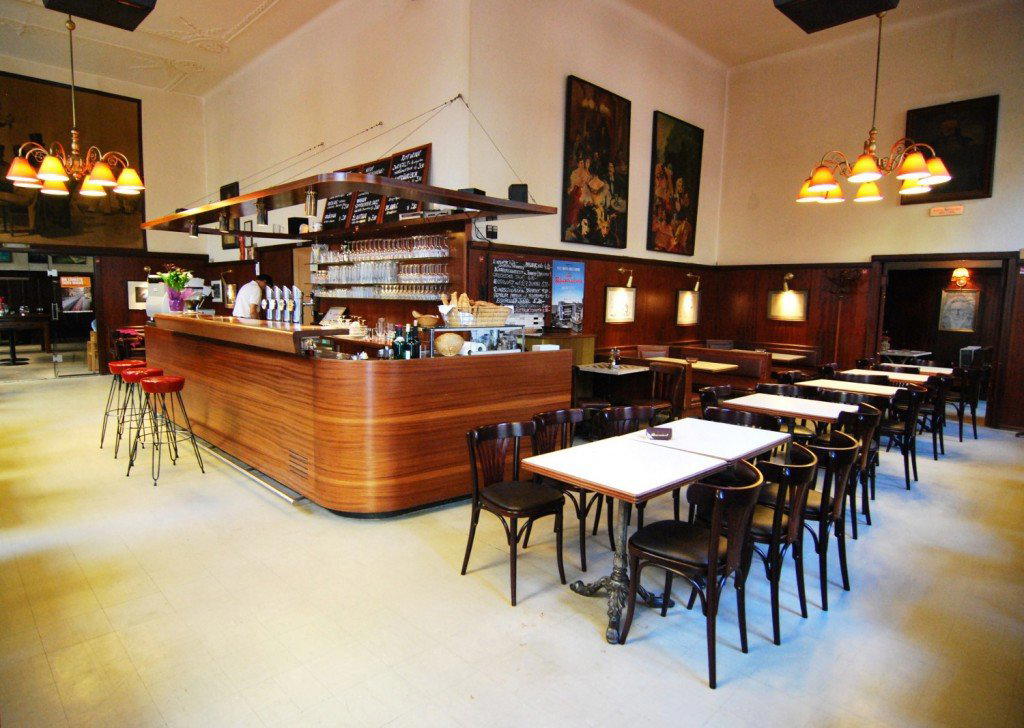
Where the Ceremony Drops Away
Vienna's café culture has two speeds. The first is the grand-boulevard model: marble counters, livery-uniformed waiters, and a self-conscious sense of historical weight. The second is quieter and harder to locate from the outside. It operates in the residential districts, in rooms that have absorbed decades of smoke, argument, and unhurried afternoon hours. Café Anzengruber is a restaurant in Vienna serving traditional Austrian food with Croatian influences, at Schleifmühlgasse 19, 1040 Wien, Austria.
The approach tells you something. Wieden is not a tourist itinerary district. It sits south of the Naschmarkt, a neighbourhood of apartment blocks and independent shops where the architectural register is quieter than the 1st. Walking Schleifmühlgasse, you pass art galleries and a handful of bars that keep similar hours. The café arrives without signage that competes for attention, which in Vienna's café tradition is its own kind of statement.
The Room and Its Atmosphere
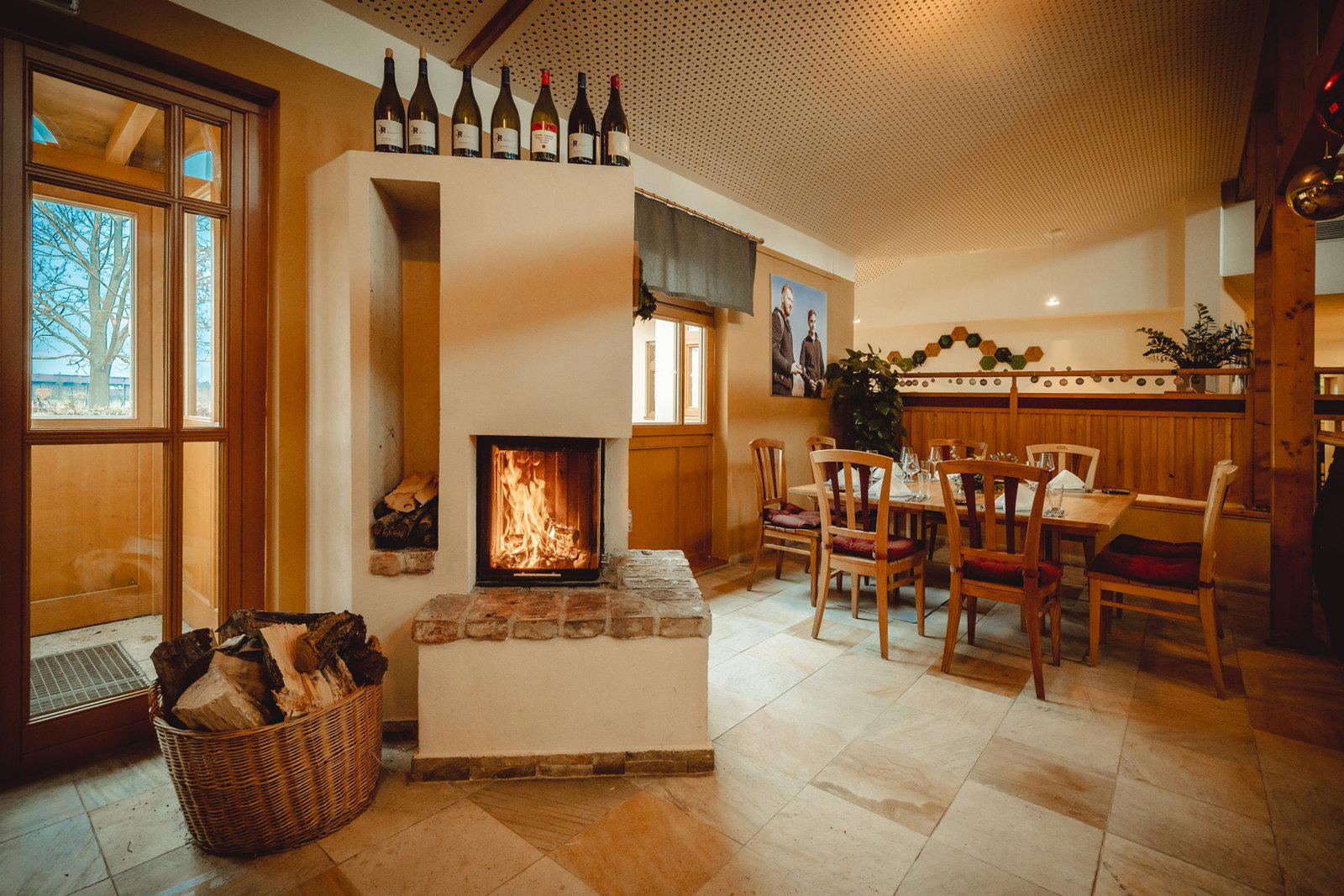
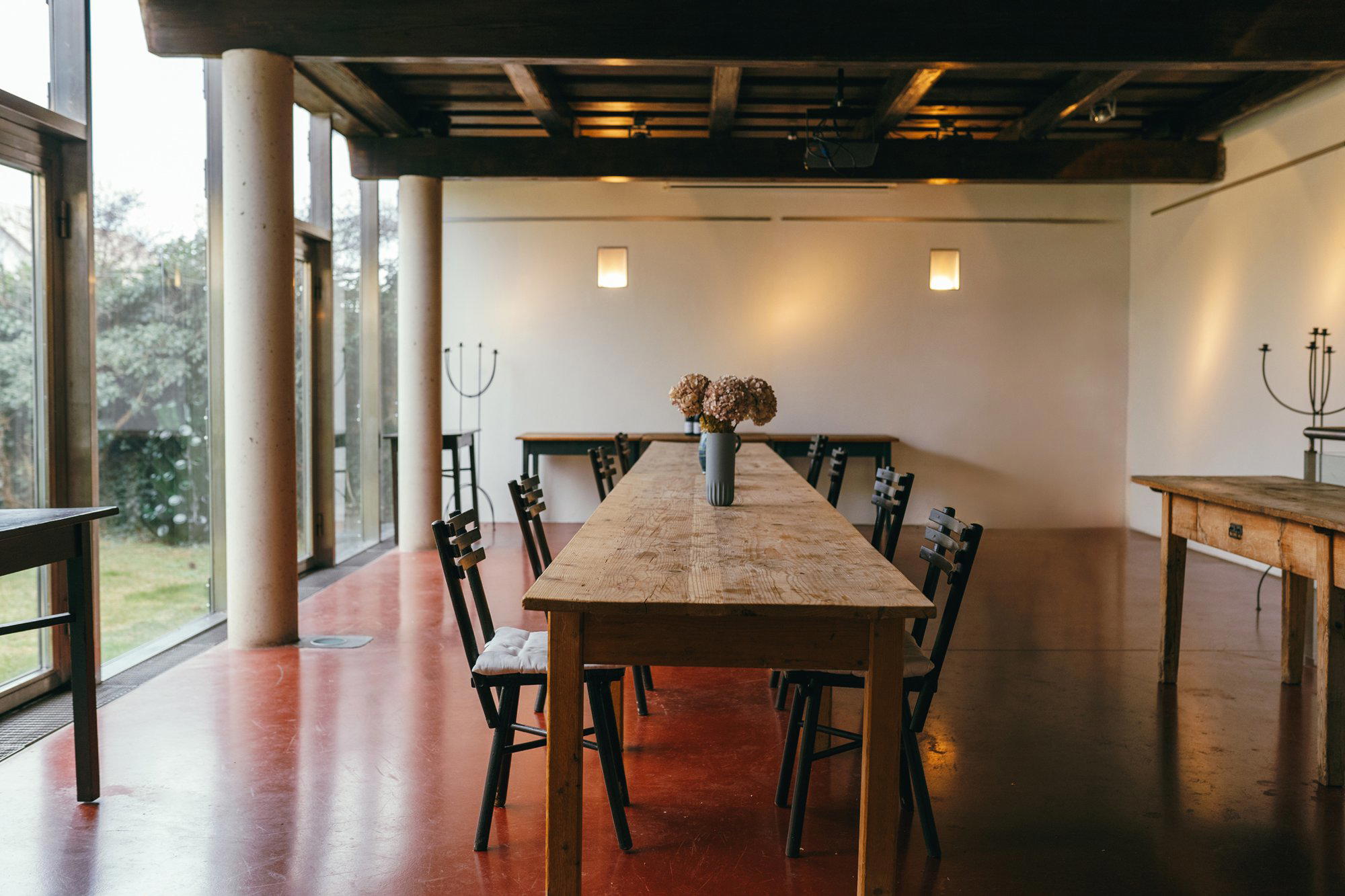
The sensory character of a Vienna Beisl or traditional café is accumulated rather than designed. Over years, the smell of coffee and the faint trace of kitchen fat settle into the walls. Wooden chairs develop a particular give. The lighting reaches an equilibrium that is neither dim nor harsh, just sufficient for reading a newspaper or reading the face of whoever is across the table. Anzengruber operates in this register. The interior is the kind of room that feels lived-in because it is, and that distinction matters: rooms designed to look lived-in have a different quality, a slight hollowness behind the surface texture.
Sound in these spaces is worth noting separately. The acoustic signature of a room without sound-dampening upholstery or acoustic panels is a specific thing: conversation carries, glasses clink with clarity, and the room generates its own ambient texture that feels active without being loud. The social function of the traditional Viennese café has always been to create a semi-public space that is neither home nor workplace, and the acoustic environment is part of how that is achieved. You are aware of other people without being dominated by them.
Where It Sits in Vienna's Café Order
At the leading sits the heritage-monument end: Café Central, Café Hawelka, Café Landtmann, places that carry their own brand weight and draw visitors specifically to experience the Viennese café as a historical artefact. Below that sits a middle tier of newer, design-conscious cafés that operate closer to the international specialty-coffee model, with single-origin filter programs and minimal interiors. Anzengruber does not belong to either of these groups.
These are places where the kitchen runs simple food alongside the coffee program, where the guest mix is heavily local, and where the social contract between room and visitor is different: you are not a tourist consuming an experience, you are a person using a room that happens to be a café. The distinction is felt more than explained, but it is real.
Steirereck im Stadtpark and Konstantin Filippou represent the city's €€€€ creative end, with tasting menus and Michelin recognition that place them in a European comparable set alongside destinations like Le Bernardin in New York City. Mraz & Sohn and Amador occupy similar ground. Anzengruber is not in conversation with these venues and does not need to be. It answers a different question about what eating and drinking in Vienna can mean.
Döllerer in Golling an der Salzach, Obauer in Werfen, and Landhaus Bacher in Mautern an der Donau represent the serious end of Austrian cooking outside the capital. Alpine options include Gourmetrestaurant Tannenhof in Sankt Anton am Arlberg, Stüva in Ischgl, and Kräuterreich by Vitus Winkler in Sankt Veit im Pongau. Further afield, Taubenkobel in Schützen am Gebirge and Ois in Neufelden extend the picture into Burgenland and Upper Austria. Venues like Schwarzer Adler in Hall in Tirol and Restaurant 141 by Joachim Jaud in Mieming complete a national circuit that rewards planning. Doubek offers another angle on Vienna's more accessible end. For a structured view of the capital, our full Vienna restaurants guide maps the city's dining tiers in detail.
The Broader Tradition This Place Represents
The Viennese café is UNESCO-listed as an Intangible Cultural Heritage. These are habits that the grand cafés maintain as heritage performance, but which survive in neighbourhood cafés as working practice. The difference is that in the former you are watching the tradition; in the latter you are participating in it.
Anzengruber's location in Wieden places it in a district that has enough residential weight to sustain a genuinely local clientele. The Naschmarkt nearby draws a different, more tourist-adjacent crowd, but the streets east and south of it remain largely residential in character. A café that can fill its room with locals on an ordinary weekday afternoon is, in the context of Vienna's café tradition, doing something correctly.
A Quick Peer Check
Comparable venues nearby, for context on price, style, and recognition.
| Venue | Cuisine | Price | Notes |
|---|---|---|---|
| Café AnzengruberThis venue — the venue you are viewing | Traditional Austrian with Croatian influences | $$ | Not listed |
| Figlmüller – Restaurant Bäckerstraße | Traditional Viennese Cuisine | $$ | Innere Stadt |
| mozart&meisl | Modern Austrian Gastropub | $$ | Doebling |
| Futterboden | Viennese-Mediterranean Fusion | $$ | Rudolfsheim |
| Am Nordpol 3 | Authentic Bohemian-Viennese | $$ | Brigittenau |
| Marienhof | Traditional Viennese Cuisine | $$ | Hofburg |
Continue exploring
More in Vienna
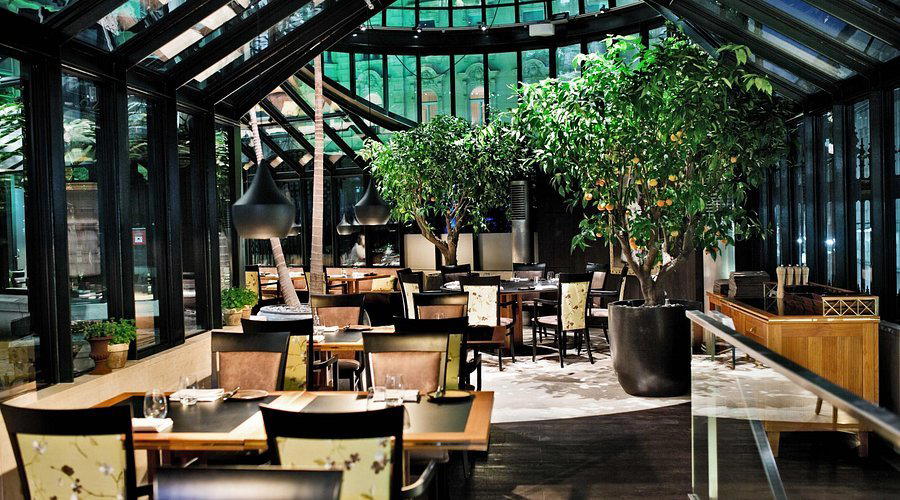
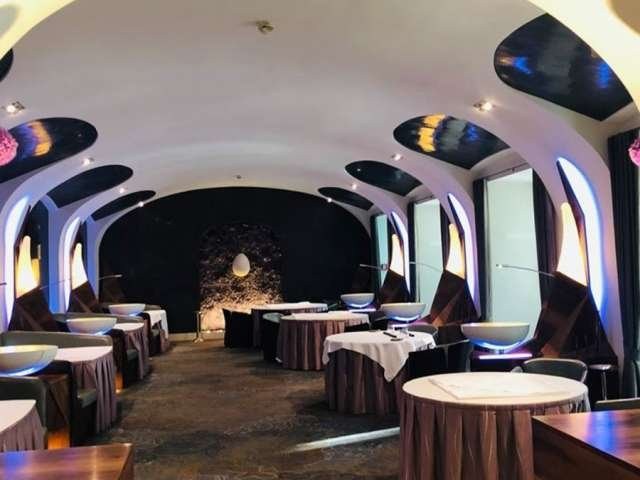
Restaurants in Vienna
Browse all →
Bars in Vienna
Browse all →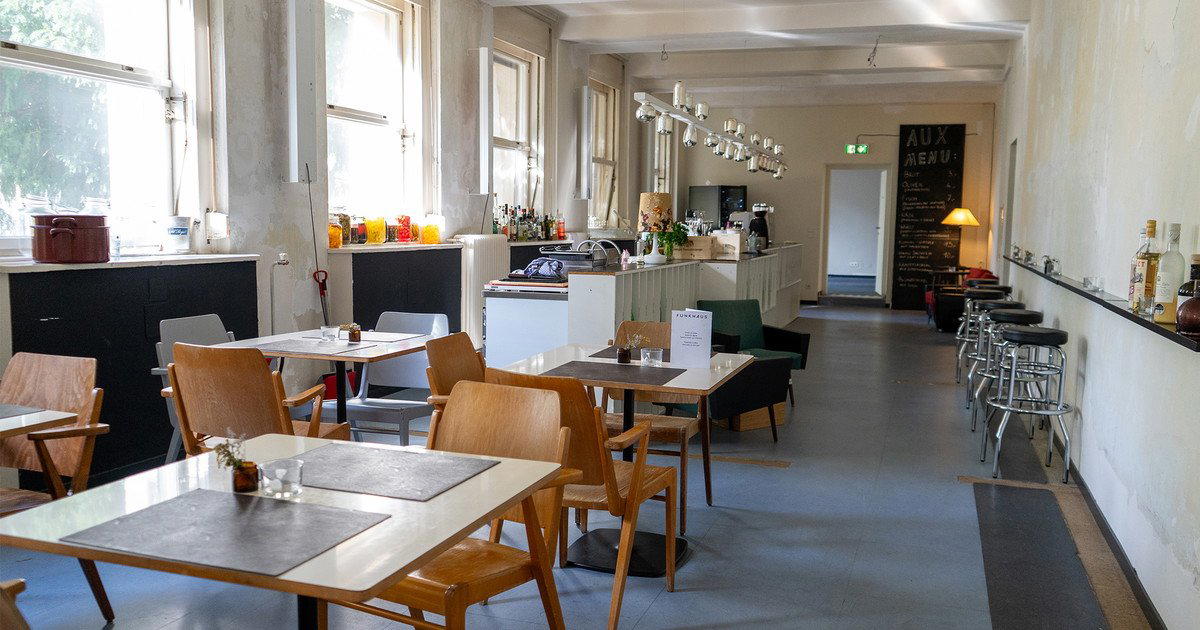
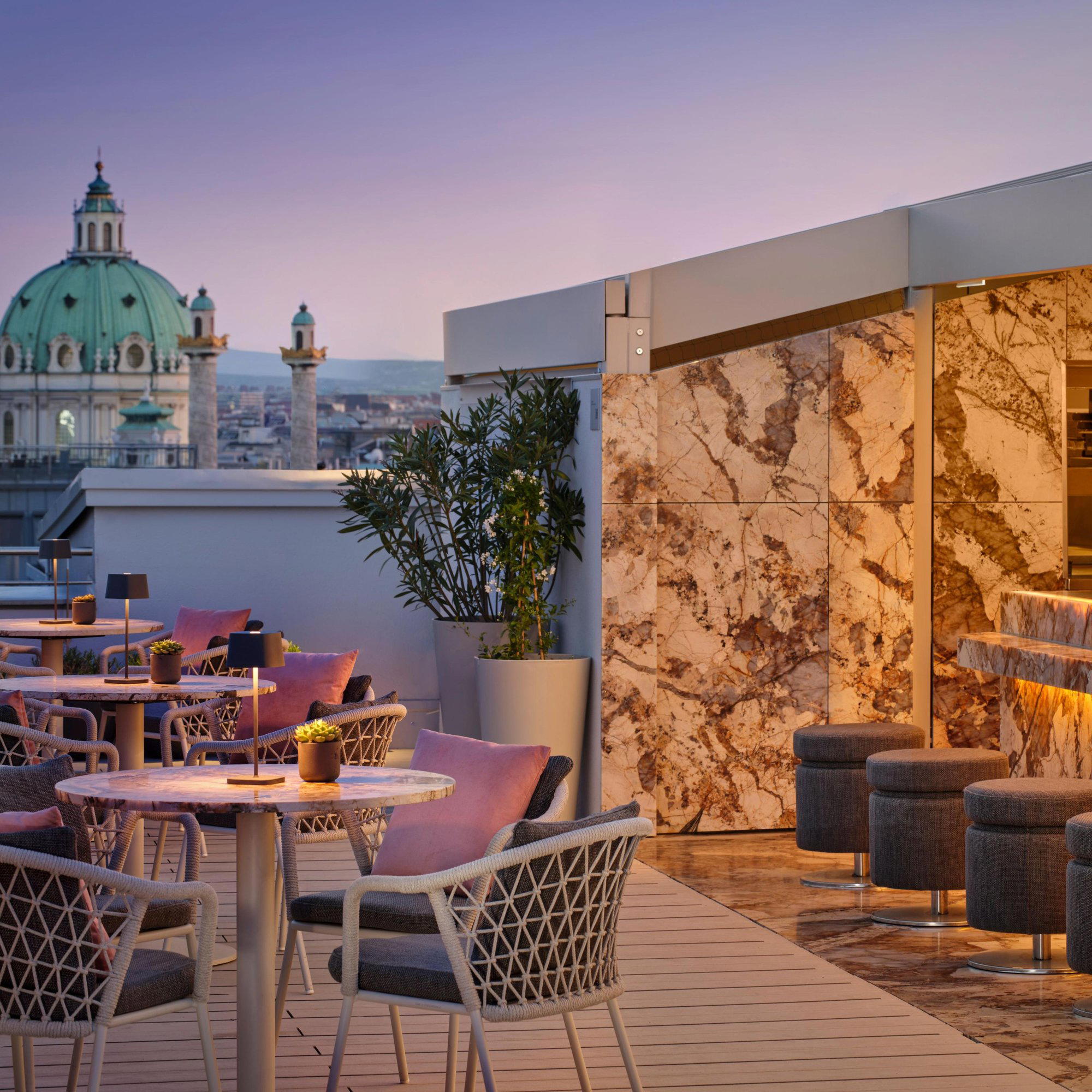
Hotels in Vienna
Browse all →
At a Glance
- Rustic
- Cozy
- Classic
- Casual Hangout
- Historic Building
- Beer Program
Current opening hours
- Monday
- Closed
- Tuesday
- 4 PM–1 AM
- Wednesday
- 4 PM–1 AM
- Thursday
- 4 PM–1 AM
- Friday
- 4 PM–1 AM
- Saturday
- 4 PM–1 AM
- Sunday
- Closed
Hours can change for holidays and private events. Last verified .
Austere charm with a rustic, unpretentious atmosphere.