Zum Hirschen serves South Tyrolean pizzeria cooking with Neapolitan pizza at Via Nalles, 22, with vineyard views and conversational, casual service.
Pearl is the En Primeur Club membership app — saves, bookings, and concierge access live there. Same editors, same standards.
- Address
- Via Nalles, 22, 39018 Terlano BZ, Italy
- Phone
- +39471678533
- Website
- zumhirschen.net
- Directions
- Get directions
 Saves & bookings on Pearl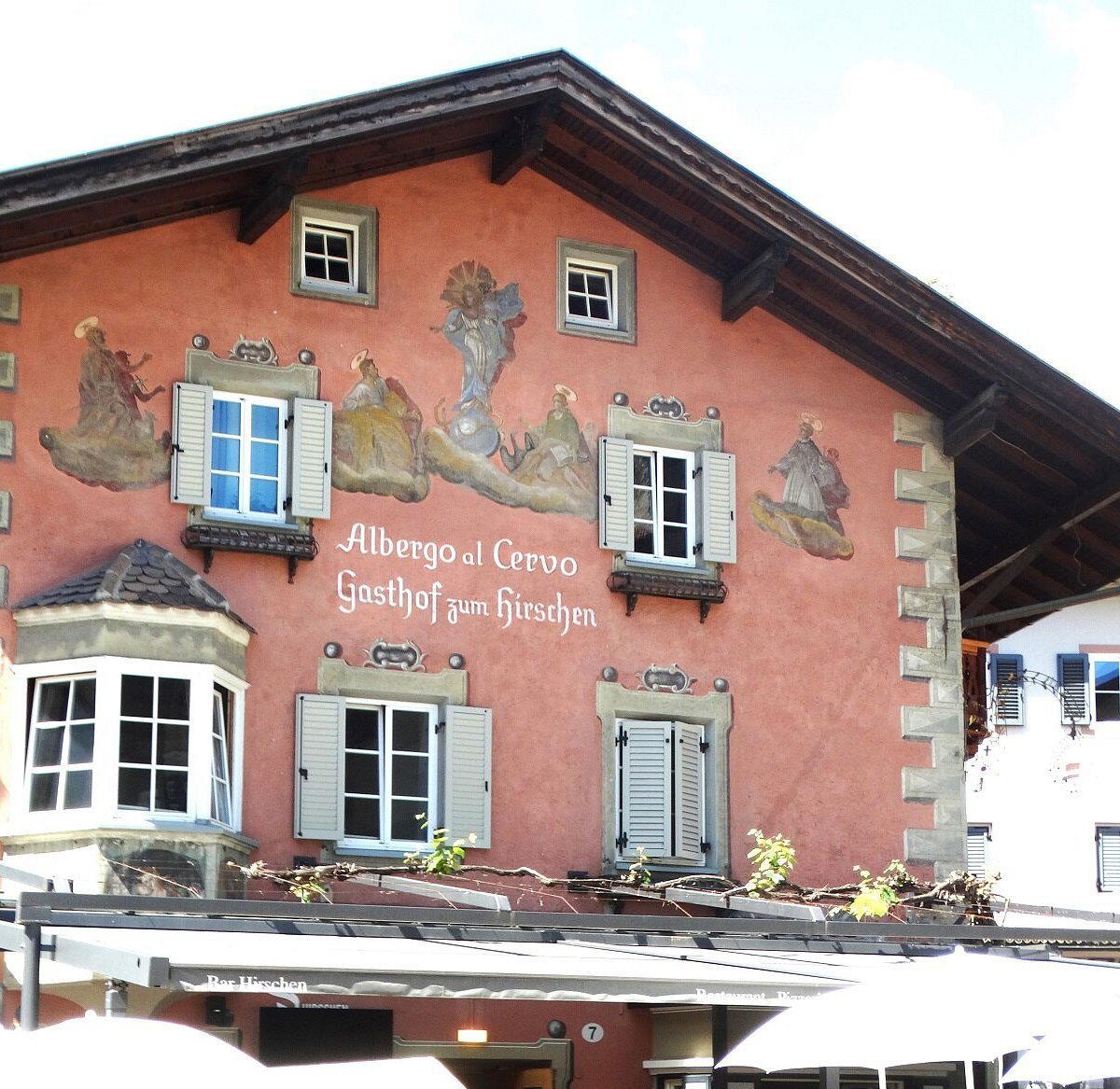
Alpine Gasthof Tradition in South Tyrol's Wine Country
The road into Terlan runs through vine rows that have been worked for centuries, with the Adige Valley opening up on one side and the steep slopes of the Mendola ridge rising on the other. This is wine-growing territory with a long memory, and the village itself carries that weight in its architecture: stucco facades, heavy timber, church towers that predate the Habsburg era. A Gasthof like Zum Hirschen, sitting on Via Nalles in Terlan, belongs to a specific category of South Tyrolean hospitality that the region has exported nowhere else. These are not hotels that happen to serve food, nor restaurants that happen to have rooms. They are rooted institutions, shaped by the agricultural calendar, the local wine harvest, and a kitchen tradition that draws from both Italian and Austrian inheritance in roughly equal measure.
The Cultural Fault Line That Defines South Tyrolean Cooking
To understand the kitchen at a traditional Terlaner Gasthof, you first need to understand the territory it sits in. South Tyrol was part of the Austro-Hungarian Empire until 1919, and the culinary imprint of that period never fully dissolved. The result is a cuisine that uses speck where Lombardy would use prosciutto, builds dumplings (Knödel) where Veneto would build risotto, and pairs both with wines that punch well above the region's international profile. Terlan's white wines, particularly the Pinot Bianco and Sauvignon Blanc produced by the Cantina Terlano cooperative just a few hundred metres from the village centre, have a documented reputation for ageing unusually well, some bottles holding for decades without loss of freshness. That wine culture shapes how a serious Gasthof kitchen operates: the cellar is not an afterthought.
South Tyrolean cooking at this level sits in a different comparable set from the Michelin-starred creative kitchens further south. Places like Atelier Moessmer Norbert Niederkofler in Brunico or Piazza Duomo in Alba operate in a register of haute cuisine that self-consciously reframes regional ingredients through a contemporary lens. A traditional Gasthof works from a different contract with its guests: the expectation is continuity, not invention. Roast meats, cured products from local farms, seasonal mushroom preparations in autumn, game in winter, and a wine list that skews heavily local. That is not a limitation; it is a proposition.
Where Zum Hirschen Fits in the Terlan Restaurant Picture
Terlan is a small town, but it carries a disproportionate weight in regional food and wine circles. The presence of Cantina Terlano alone draws visitors who understand that the cooperative's reserve wines are among the more serious white wines produced anywhere in Italy. Restaurants and Gasthöfe in the village benefit from that context: a guest who has driven up from Bolzano or across from Merano for a wine tasting tends to be someone who eats with attention. Oberlegar represents the more refined end of the local dining offer; Zum Hirschen occupies the traditional Gasthof register, where the format is more familiar and the emphasis falls on regional continuity rather than creative departure.
Italy's broader constellation of destination restaurants, from Osteria Francescana in Modena to Dal Pescatore in Runate and Le Calandre in Rubano, operates in a register that requires advance booking windows of months and price commitments in the hundreds of euros per head. The traditional South Tyrolean Gasthof sits well outside that circuit by design. It answers a different question: not where to eat one technically accomplished meal in the country, but where to eat in a way that reflects the actual daily life of a specific valley in a specific season. That distinction has real value for travellers who have already done the rounds at Enoteca Pinchiorri in Florence or La Pergola in Rome and want a different register entirely.
Planning a Visit to Terlan
Terlan sits just northwest of Bolzano, the regional capital of South Tyrol, and is reachable in under twenty minutes by car or a short regional train connection from Bolzano Hauptbahnhof, with Terlan/Terlano station a few minutes' walk from the village centre. The clearest seasonal windows are late spring through early autumn, when the hiking routes above the village are open and the outdoor tables at local restaurants come into use, and early winter around the grape harvest, when the new wine from Cantina Terlano draws visitors who time their meals around the cellar calendar. As with most Gasthöfe in South Tyrol, calling ahead is advisable for dinner, particularly during harvest season and over summer weekends. Via Nalles places Zum Hirschen within comfortable walking distance of the village's wine shops and the Cantina Terlano tasting facilities, making it a natural anchor for a half-day or full-day visit structured around the local wine offer.
The Broader Italian Fine Dining Frame
For context on where South Tyrolean cooking sits within Italy's wider restaurant culture, it helps to triangulate against the country's other regional strong points. Coastal cooking at restaurants like Uliassi in Senigallia or Quattro Passi in Marina del Cantone pivots on seafood and the Mediterranean larder. Mountain cooking in South Tyrol pivots on cured meats, dairy, rye bread, and root vegetables, with wine as the connective tissue between kitchen and terroir. Neither tradition is more authentically Italian than the other; they reflect the actual geographic and cultural diversity of a country that spent most of its history as a patchwork of distinct territories. Venues like Reale in Castel di Sangro or Da Vittorio in Brusaporto occupy the progressive end of their respective regional traditions; a Gasthof like Zum Hirschen occupies the preservationist end of its own, and makes no apology for that position. Further afield, the contrast is even sharper: restaurants like Le Bernardin in New York City or Atomix in New York City operate in a world of tightly engineered tasting menus and recognition metrics. The Terlaner Gasthof answers to a different set of values, and that is precisely its case for existing.
For travellers moving through northern Italy and building an itinerary that includes Enrico Bartolini in Milan, Villa Crespi in Orta San Giulio, or Casa Perbellini 12 Apostoli in Verona, a detour north to Terlan resets the register in a way that no amount of continued fine dining can achieve. The Adige Valley in South Tyrol offers a different Italy than the one most itineraries reach, and the restaurant is a working part of that difference.
Price and Recognition
Comparable venues nearby, for context on price, style, and recognition.
| Venue | Cuisine | Price | Notes |
|---|---|---|---|
| Zum HirschenThis venue — the venue you are viewing | Not listed | $$ | Not listed |
| Oberlegar | Terlan, Tyrolean Wine Tavern | $$ | Not listed |
| Arso Trattoria Moderna | Not listed | $$ | .null, Traditional Roman Trattoria |
| Aqua Restaurant | Not listed | $$ | Passeggiata Lungo Passirio, Italian Seafood |
| Mayrl Alm | Obereggen, South Tyrolean Alpine Cuisine | $$ | Not listed |
| Hotel Restaurant Alber | Verano, Italian Trattoria | $$ | Not listed |
Continue exploring
More in Terlan
Restaurants in Terlan
Browse all →
Bars in Terlan
Browse all →
Hotels in Terlan
Browse all →

At a Glance
- Rustic
- Cozy
- Family
- Casual Hangout
- Garden
- Farm To Table
- Local Sourcing
- Vineyard
Current opening hours
- Monday
- 5–10 PM
- Tuesday
- 5–10 PM
- Wednesday
- 5–10 PM
- Thursday
- 5–10 PM
- Friday
- 5–10 PM
- Saturday
- 5–10 PM
- Sunday
- Closed
Hours can change for holidays and private events. Last verified .
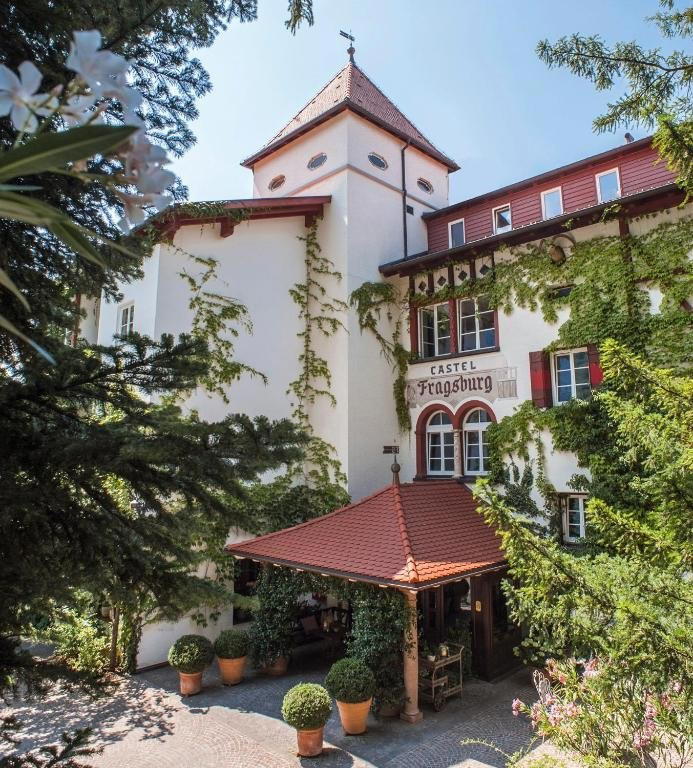
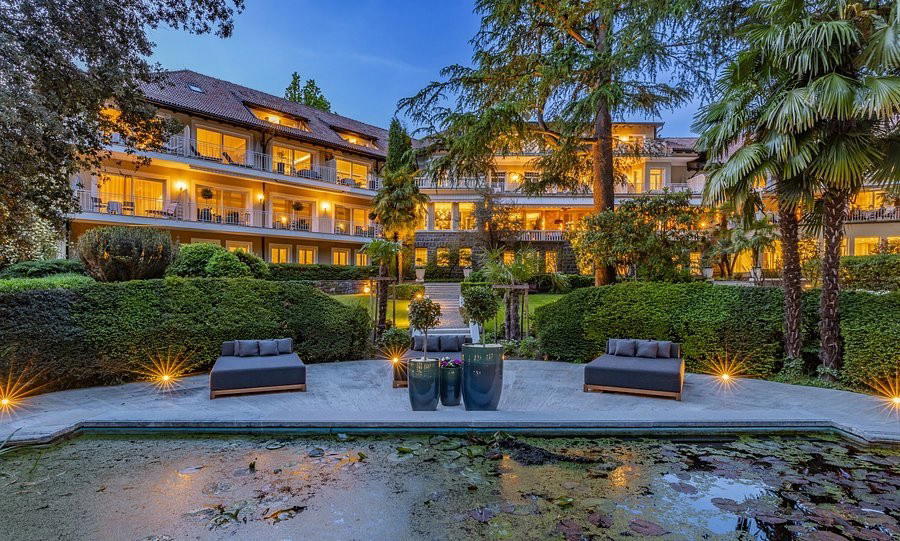
Cozy, well-kept rooms with sociable atmosphere and garden seating amid vineyards.