Osteria Acquarol

A Michelin-starred osteria on San Michele's pedestrianised main street, Osteria Acquarol pairs Alto Adige's regional traditions with modern technique and a kitchen garden that now anchors both tasting menus. Chef Alessandro Bellingeri's vegetable-forward cooking, built on regionally sourced and wild-foraged ingredients, places it among the more distinctive addresses in the South Tyrol dining scene.
Pearl is the En Primeur Club membership app — saves, bookings, and concierge access live there. Same editors, same standards.
- Address
- Via Johann Georg Plazer, 10, 39057 San Michele BZ, Italy
- Phone
- +39 0471 362932
- Website
- mymenuweb.com
- Directions
- Get directions
 Saves & bookings on Pearl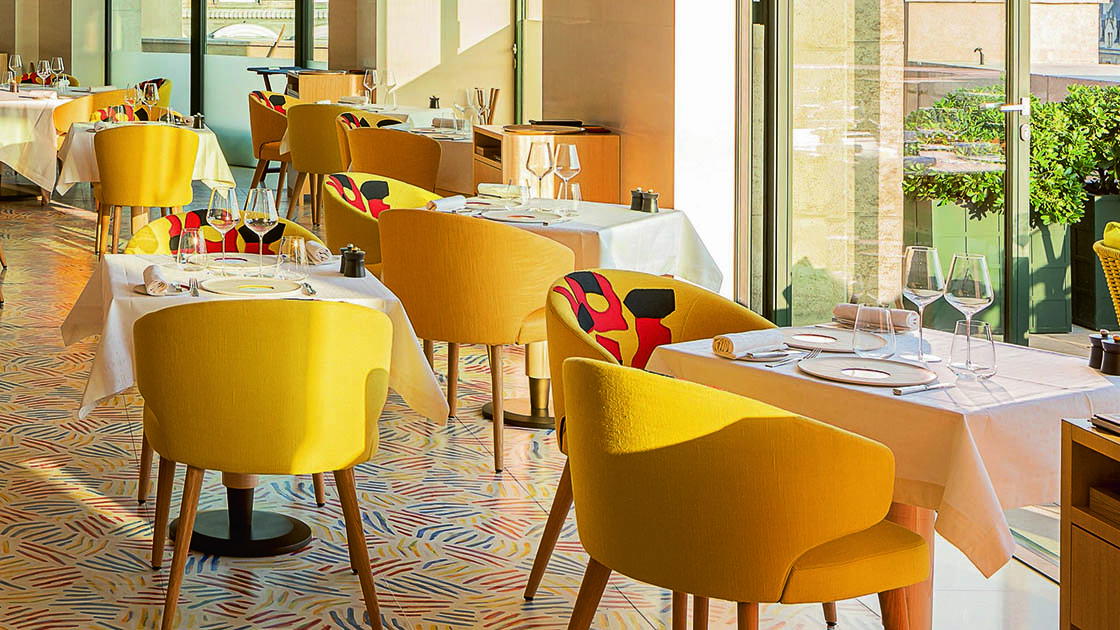
Where the Pedestrian Street Ends and the Kitchen Garden Begins
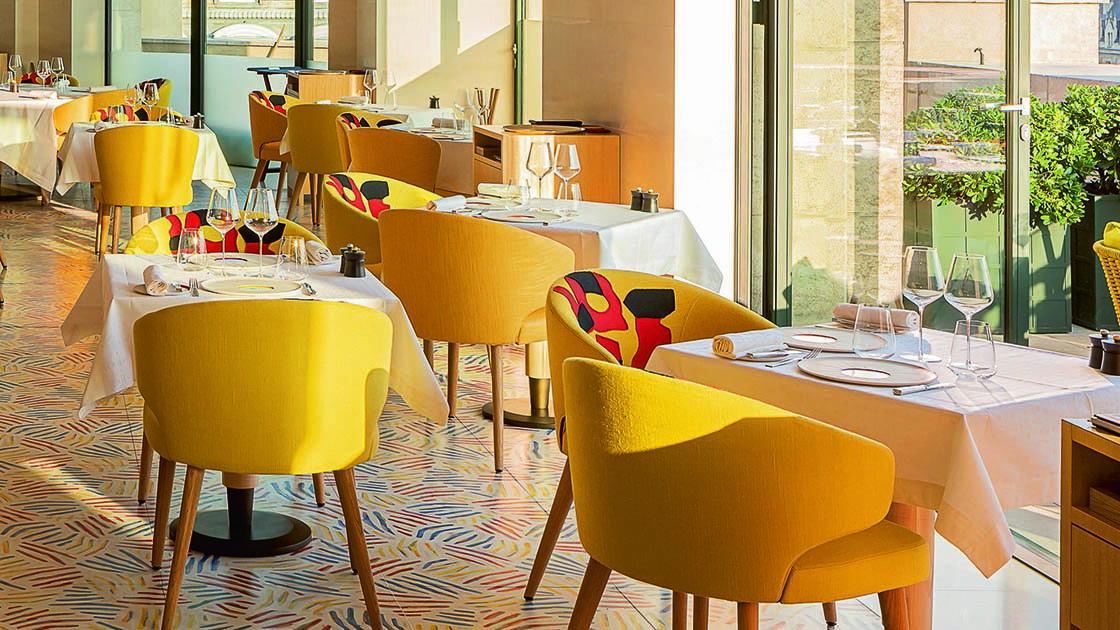
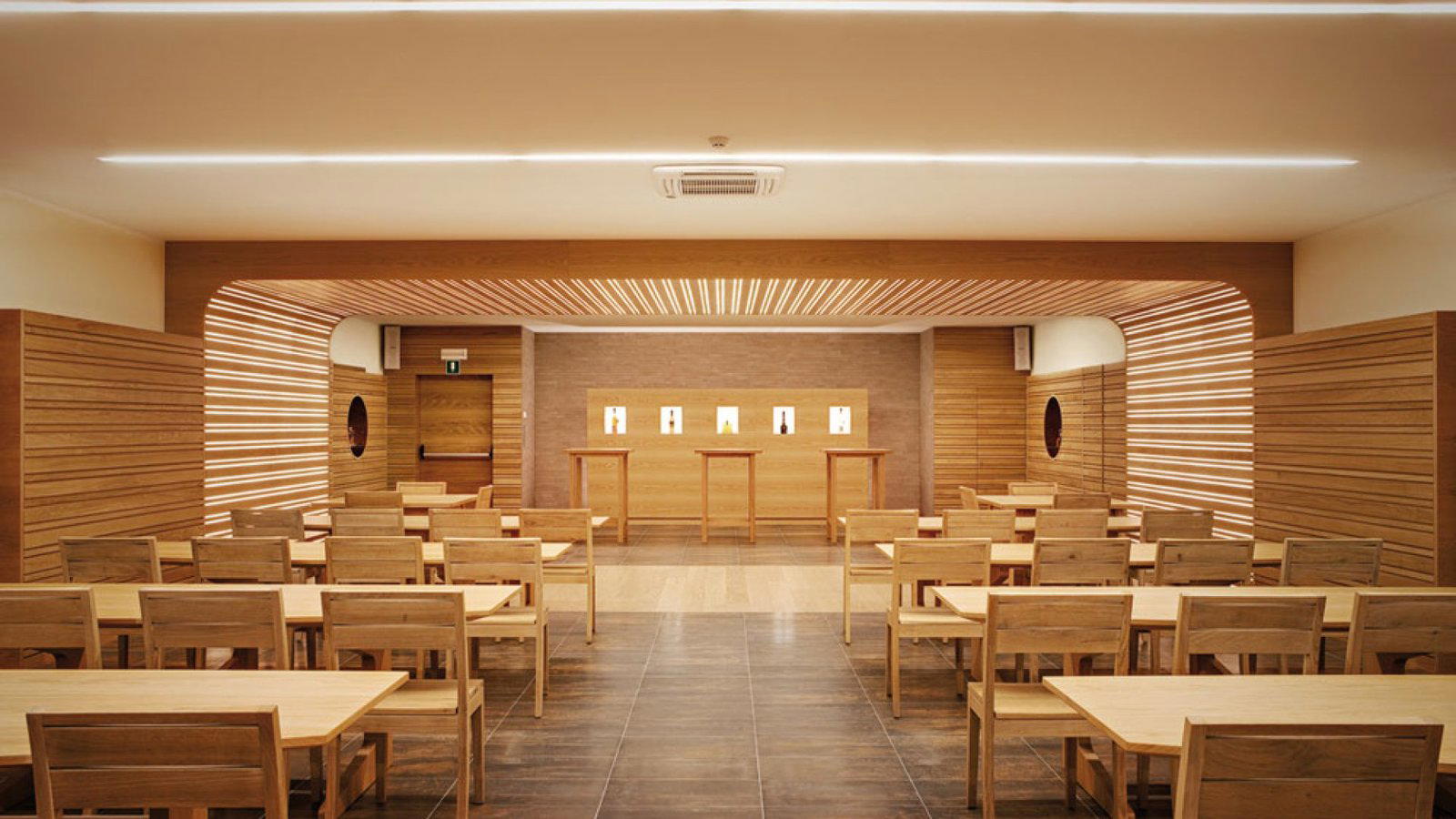
San Michele all'Adige sits in the lower Adige valley, far enough from Bolzano to escape the tourist circuit yet close enough to draw a knowing dinner crowd from across the Trentino-Alto Adige region. The village's pedestrianised centre is quiet by the standards of alpine Italy, and Osteria Acquarol occupies a position on that street that would be unremarkable if the cooking inside were anything less than what it is. The interior is deliberately plain, minimal décor, unfussy surfaces, the kind of restraint that signals a kitchen that prefers to do its talking through the plate. In summer, a small outdoor space on the car-free street offers the more typical South Tyrolean dinner setting, with the evening light arriving late and the pace unhurried.
This physical modesty is consistent with a broader shift visible in Alto Adige's better restaurants over the past decade. Where the region once leaned on rustic wood panelling and Habsburg-era tablecloths to signal authenticity, a newer generation of addresses has stripped back the environment to concentrate attention on ingredient provenance and technical precision. Osteria Acquarol fits that pattern exactly, and its 2024 Michelin star confirms it has earned recognition within that comparable set.
The Garden as the Menu's Anchor
One significant development at Osteria Acquarol in recent years has been structural rather than stylistic. In 2023, the restaurant's kitchen garden was extended, and the effect has been a decisive rebalancing of both tasting menus toward vegetables. This is not the token garnish-and-forage gesture that appears in many mid-market European restaurants. Here, the garden sets the agenda: aromatic herbs, wild plants, and now a wider range of cultivated vegetables move from the ground directly into dishes that are built around their flavour rather than around a protein centrepiece.
This approach connects to a wider trend in Italian fine dining that Osteria Francescana in Modena helped normalise at the upper end and that has since filtered into smaller regional addresses. The argument is that Italian cuisine's real depth lies not in its meat traditions but in its vegetable and grain heritage, and that the northern regions, with their altitude-driven growing conditions and distinct seasonal windows, offer particularly interesting raw material in the country. Acquarol's kitchen garden, which includes aromatic herbs grown specifically for the restaurant, is a concrete expression of that argument rather than a marketing shorthand for it.
Two tasting menus run in parallel, seven and nine courses, and both allow dishes to be chosen in an à la carte style within the tasting format, giving diners more agency than the standard locked sequence. The cold minestra soup named L'orto dietro l'angolo (the garden around the corner) has been cited in the restaurant's Michelin documentation as an example of how the kitchen frames its vegetable sourcing as a concept rather than a side note. The green tagliatelle with its carefully balanced bitter flavours sits in a similar register: pasta as a vehicle for showcasing a flavour profile, bitterness in this case, that most kitchens treat as something to smooth over.
Regional Sourcing in a Region That Takes Sourcing Seriously
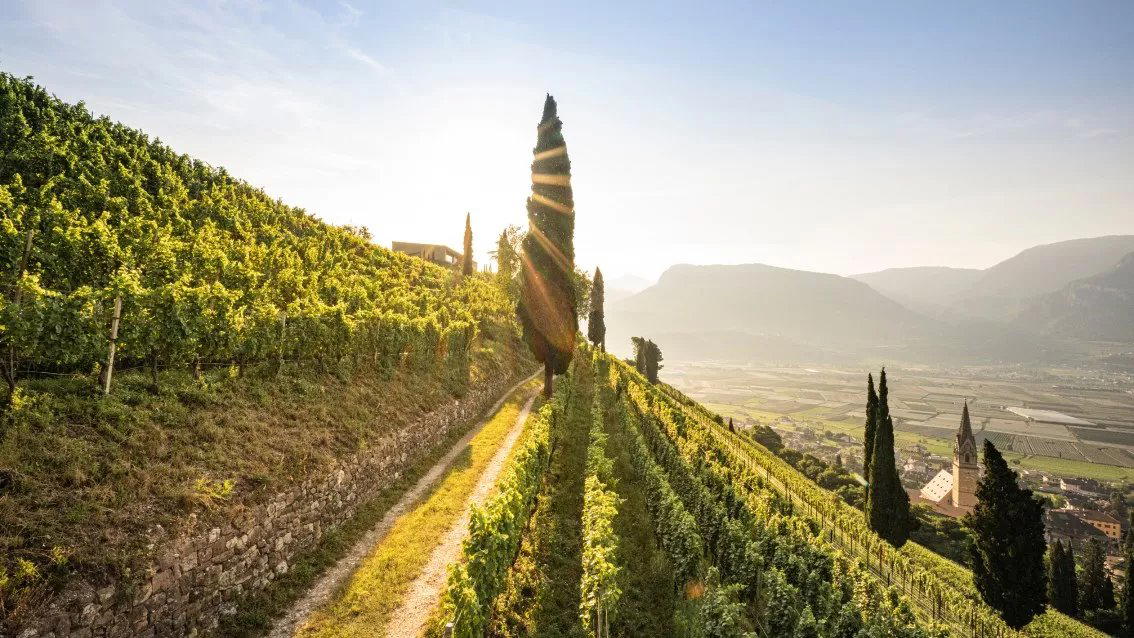
South Tyrol has unusual advantages for a kitchen committed to regional provenance. The altitude variation between the valley floor and the upper pastures compresses an enormous range of growing conditions into a small geographic area, making it possible to source dairy, grain, wild herbs, and cold-climate vegetables within a short radius. The wine culture, built on the Adige valley's white varieties and the higher slopes' Pinot Noir, adds a natural pairing logic for a menu structured around local flavour profiles.
Acquarol's commitment to regionally sourced sustainable ingredients is therefore in good company in the South Tyrol, but the kitchen's specific emphasis on wild and aromatic herbs grown in-house distinguishes it from restaurants that source broadly without the same level of specificity. Osteria Platzegg and Zur Rose represent different approaches to the region's culinary material within San Michele itself, with Platzegg leaning more traditionally and Zur Rose operating at a different price tier. Acquarol's position at €€€ with a Michelin star places it in a middle bracket that delivers serious cooking without the full formality of the region's higher-priced addresses.
Across northern Italy more broadly, the sourcing-first model has been developed most rigorously at places like Atelier Moessmer Norbert Niederkofler in Brunico, where the cook-the-mountain philosophy has shaped an entire regional conversation about what Alpine Italian cuisine can be. Acquarol operates at a different scale and register but draws on the same underlying logic: that the geography and season are the first authorial voice in any dish, and the chef's role is to interpret rather than override them.
The Cooking's Frame of Reference
Chef Alessandro Bellingeri trained originally in Cremona, a city whose culinary tradition is rooted in Po Valley products and preparations quite different from the Alpine register he now works in. That biographical gap, between a lowland northern Italian food culture and a mountain one, is worth noting not for its personal narrative interest but for what it implies about the cooking's technical foundation. South Tyrolean cuisine as it has developed in serious kitchens draws on both the region's Germanic-Austrian inheritance and the Italian techniques of the peninsula's fine dining tradition. A chef formed in Cremona's kitchen culture brings a particular kind of pasta and grain fluency to that synthesis, which may explain why the tagliatelle is cited alongside the more explicitly garden-driven dishes as a signature.
The modern technique framing in the Michelin documentation positions Acquarol within the category of kitchens that treat regional ingredients as primary and technical intervention as a means of expression rather than an end. This distinguishes it from both the purely rustic register of the region's mountain huts and the more aggressively contemporary approach visible in some of the larger northern Italian fine dining addresses. For comparison, the cooking at Enrico Bartolini in Milan or Le Calandre in Rubano operates at higher price points and with greater technical elaboration, while Dal Pescatore in Runate works within a more classical frame. Acquarol's single star at €€€ carves out a specific position: technically informed, ingredient-led, and rooted in a specific geography without being defined entirely by nostalgia for it.
For those tracing Italy's broader fine dining scene, the contrast with coastal-focused addresses like Uliassi in Senigallia or Quattro Passi in Marina del Cantone underlines how different the reference points are for an Alpine kitchen. There are no sea flavours here, no Adriatic or Mediterranean frame of reference. The register is entirely continental: herbs, grains, root vegetables, cold-climate produce, and the dairy and cured traditions of the mountains above the valley.
Planning a Visit
Osteria Acquarol opens four evenings per week, Monday, Tuesday, Friday, and Saturday, each from 7 PM to 10 PM, with Sunday service extending to a lunchtime sitting from noon to 2 PM in addition to the evening hours. Wednesday and Thursday the kitchen is closed. The limited weekly schedule, combined with the small size of the dining room and the Michelin recognition earned in 2024, makes forward planning advisable; the combination of a pedestrianised setting and a single star tends to concentrate demand quickly in villages of this size. The address is Via Johann Georg Plazer 10, San Michele BZ 39057, and the restaurant sits centrally enough that it is walkable from most accommodation in the village. Pricing sits at €€€, which positions it below the upper tier of South Tyrolean fine dining but above the region's casual trattoria register. For a fuller picture of what San Michele offers across dining, accommodation, and local experiences, see our San Michele restaurants guide, hotels guide, bars guide, wineries guide, and experiences guide.
Comparison Snapshot
Comparable venues nearby, for context on price, style, and recognition.
| Venue | Cuisine | Price | Awards | Notes |
|---|---|---|---|---|
| Osteria AcquarolThis venue — the venue you are viewing | Modern Italian Fine Dining | $$$$ | Michelin 1 Star | Not listed |
| Zur Rose | Contemporary South Tyrolean Regional | $$$$ | Michelin 1 Star | San Michele |
| Osteria Platzegg | Traditional South Tyrolean | $$$ | Bib Gourmand | San Michele |
| Dolomieu | Contemporary Alpine Italian | $$$$ | Michelin 1 Star | Madonna di Campiglio |
| Matteo Grandi in Basilica | Modern Italian Fine Dining | $$$$ | Michelin 1 Star | Piazza Dei Signori |
| Tilia | Modern Regional Italian | $$$$ | Michelin 1 Star | Dobbiaco |
Recognition history
Dated appearances from independent guides and award organizations, with the underlying list record or original source where available.
Michelin 1 Star
Michelin
Michelin 1 Star
Michelin
Michelin 1 Star
Michelin
Continue exploring
More in San Michele
Restaurants in San Michele
Browse all →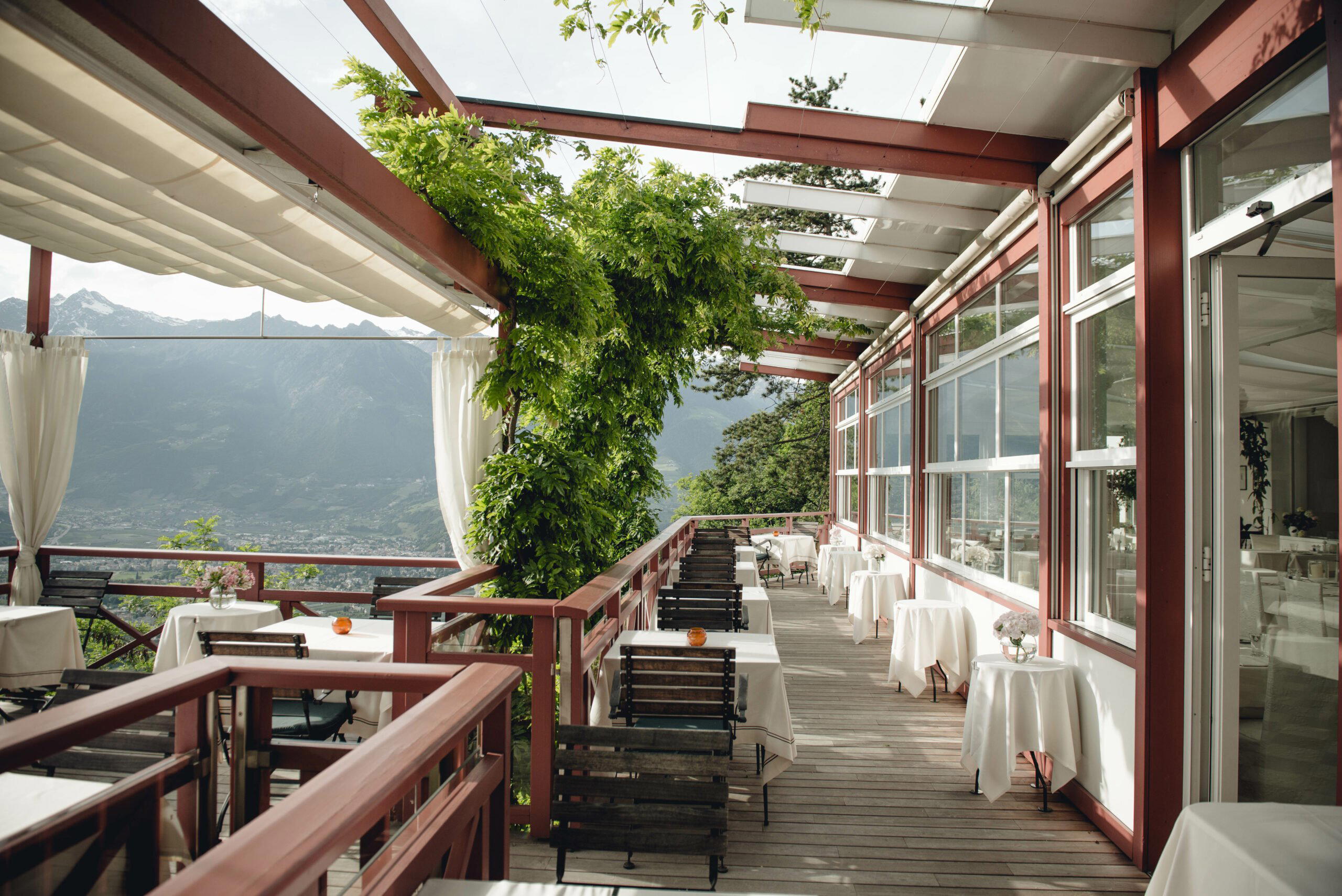
Bars in San Michele
Browse all →
Hotels in San Michele
Browse all →
At a Glance
- Elegant
- Modern
- Intimate
- Sophisticated
- Date Night
- Special Occasion
- Business Dinner
- Open Kitchen
- Extensive Wine List
- Local Sourcing
Current opening hours
- Monday
- 7–10 PM
- Tuesday
- 7–10 PM
- Wednesday
- Closed
- Thursday
- Closed
- Friday
- 7–10 PM
- Saturday
- 7–10 PM
- Sunday
- 12–2 PM, 7–10 PM
Hours can change for holidays and private events. Last verified .
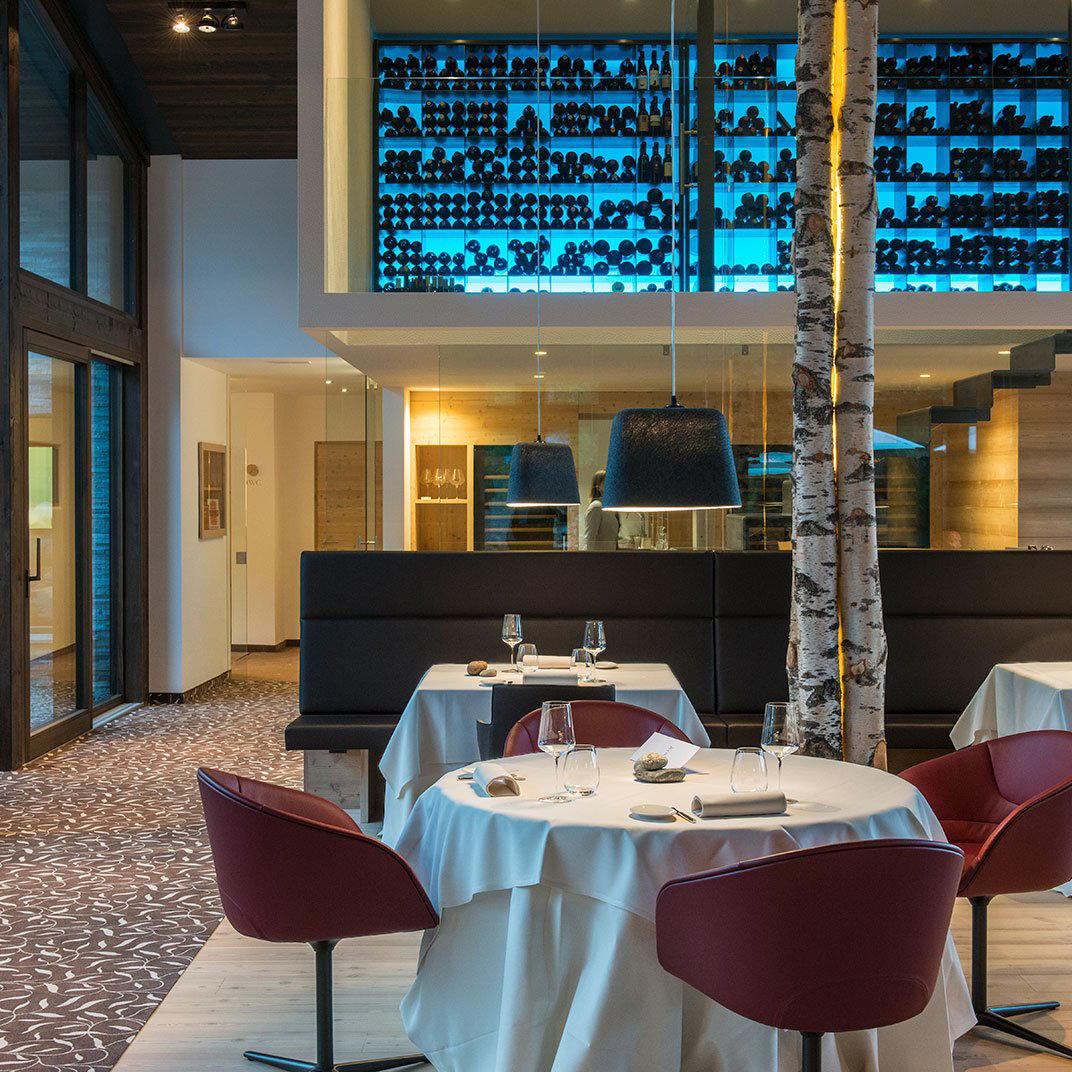
Minimalist and elegant with bright, well-lit dining room, modern furniture, comfortable leather chairs, and a quiet, cozy atmosphere.