On the Passirio riverbank in Merano, Aqua Restaurant occupies one of the town's most considered dining addresses, where the surrounding Alpine-Mediterranean terrain sets the terms for what arrives on the plate. The restaurant sits within a dining scene that has quietly positioned Merano as one of northern Italy's more interesting culinary stops, drawing from South Tyrolean ingredient traditions and the broader Adige valley larder.
Pearl is the En Primeur Club membership app — saves, bookings, and concierge access live there. Same editors, same standards.
- Address
- Passeggiata Lungo Passirio, 56-58, 39012 Merano BZ, Italy
- Phone
- +39473602370
- Website
- aqua-restaurant.it
- Directions
- Get directions
 Saves & bookings on Pearl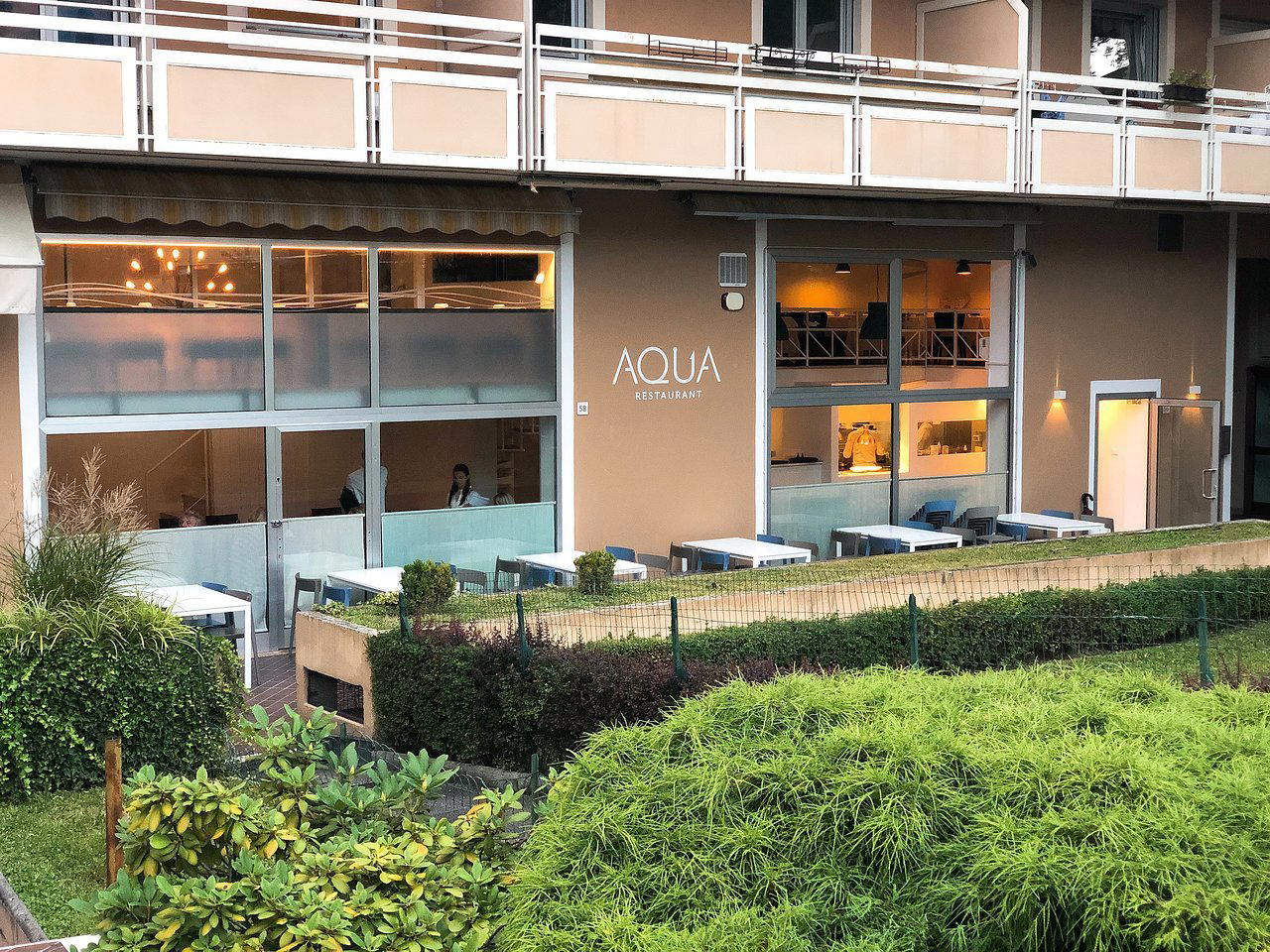
Where the River Sets the Table
The Passeggiata Lungo Passirio, the riverside promenade that runs along the Passirio river through central Merano, is less a street than a declaration of the town's character: spa-town unhurried, architecturally layered, and close enough to the Austrian border that both the cuisine and the pace of life operate under competing cultural pressures. Aqua Restaurant sits at Passeggiata Lungo Passirio, 56-58, 39012 Merano BZ, Italy. Restaurants on the Lungo Passirio are not tucked into service alleys or anonymous commercial strips; they face the water, they take the view seriously, and they tend to attract a clientele that treats the meal as an occasion rather than a refuelling stop.
Merano has a particular culinary gravity that is easy to underestimate from a distance. Situated in the Adige river valley in South Tyrol, it draws from two distinct larder traditions simultaneously: the Alpine-Germanic pantry of cured meats, rye, root vegetables, and dairy that defines the mountainous hinterland, and the more Mediterranean register that the region's relatively mild climate encourages, with olive groves, citrus, and lighter preparations appearing further down the valley. For a restaurant on the river promenade, that dual inheritance is not abstract geography; it is the practical reality of what local suppliers bring to the kitchen door.
Ingredient Geography: What South Tyrol Puts on the Plate
The broader context for understanding any serious restaurant in Merano is the ingredient infrastructure of South Tyrol itself, one of Italy's most intensively productive food regions relative to its size. The Alto Adige designation covers some of Italy's most closely monitored apple and pear orchards, vineyards producing recognised DOC and DOCGwines, mountain dairies with protected-denomination cheeses, and hunting grounds and river systems that supply game and freshwater fish with genuine provenance. For reference, the region's vineyards produce varietals including Lagrein, Vernatsch, and Gewürztraminer.
What this means practically for a restaurant operating in Merano is that sourcing locally is not a marketing posture but a function of geography. The supply chain from Südtiroler farm and dairy to Meraner table is short by any Italian standard, and the seasonal rhythm is distinct and unambiguous: spring brings asparagus from Terlano and the first soft cheeses; summer delivers stone fruit and river trout; autumn is the moment for wild mushrooms, Törggelen chestnuts, and the early-harvest wines that define the regional calendar; winter pulls the kitchen back toward preserved and cured preparations. A restaurant positioned on the Passirio promenade with any ambition draws from these cycles, whether it signals them explicitly or not.
Sissi in the town centre works with modern cuisine at the €€€ tier, and In Viaggio by Claudio Melis operates at the creative end of the market at the €€€€ bracket, where the South Tyrolean ingredient base meets more experimental technique. Aqua's riverside positioning suggests a slightly different register: the promenade setting implies a dining experience that is appointment-led and unhurried, the kind of address that earns its place through kitchen discipline rather than concept novelty.
Merano's Dining Tier: Where Aqua Sits
Merano's restaurant scene has developed quietly over the past decade into something more coherent than a simple spa-town circuit. The town draws a steady flow of visitors from across northern Italy, German-speaking Europe, and an internationally mobile wellness clientele, and the dining options have scaled to meet that demand at several price points. At the accessible end, addresses like 357 Pizza and Food, Bistro Cafè Fino, and Café Bai Bua serve the daily needs of locals and casual visitors. Further up the register, the town competes with broader South Tyrolean dining destinations, with Bruneck's Atelier Moessmer Norbert Niederkofler setting a regional benchmark for mountain-ingredient cuisine at the highest level.
Within Merano specifically, a riverside restaurant that holds its position on the Lungo Passirio is operating in a curated middle-to-upper tier, drawing diners who have come specifically to eat rather than stumbling in from a passeggiata. The Italian dining tradition at this level tends to organise around a set menu logic that allows the kitchen to control provenance and reduce waste, while still leaving room for the kind of à la carte flexibility that visitors accustomed to restaurant autonomy expect. Aqua's riverside promenade setting suggests a pace and formality that places it above casual.
For comparative context at the national level, the restaurants that define Italian fine dining's upper tier, places like Osteria Francescana in Modena, Piazza Duomo in Alba, Dal Pescatore in Runate, Reale in Castel di Sangro, Uliassi in Senigallia, Le Calandre in Rubano, Enoteca Pinchiorri in Florence, and Enrico Bartolini in Milan, all demonstrate that the Italian kitchen at its most serious operates through a deep relationship with regional sourcing. South Tyrol's restaurants occupy a distinct sub-niche within that tradition, shaped by the Alpine ingredient calendar rather than the Mediterranean one that dominates most of the peninsula.
Planning a Visit to the Lungo Passirio
Merano is accessible by train from Bolzano in roughly 35 minutes, with Bolzano itself connected to Innsbruck, Verona, and Milan via the Brenner rail corridor. The Lungo Passirio promenade is a short walk from Merano's main station, and the address at 56-58 sits within the central promenade section. Autumn, specifically late September through November, is one culinarily interesting period in Merano: the Törggelen season brings open-farm hospitality and early-release wines to the valley, and the seasonal produce arriving in restaurant kitchens during this window reflects the harvest in real time. Spring, when the spa gardens reach full display and the valley warms before the mountains do, is the second natural peak for the town's visitor season and for kitchens working with the first lighter produce of the year.
For those building a broader Italian itinerary, Merano's position in the Alpine north places it within range of dining scenes that extend from the Trentino valleys to the Veneto plain, and the South Tyrolean ingredient tradition connects horizontally with other mountain-cuisine addresses, including seafood-led destinations like Quattro Passi in Marina del Cantone, which demonstrates how sharply Italian regional kitchens can diverge within a single national tradition. For international reference points that share the ingredient-first discipline, Le Bernardin in New York and Lazy Bear in San Francisco both operate with the same sourcing rigour, albeit within entirely different culinary traditions.
Comparable Spots, Quickly
Comparable venues nearby, for context on price, style, and recognition.
| Venue | Cuisine | Price | Notes |
|---|---|---|---|
| Aqua RestaurantThis venue — the venue you are viewing | Italian Seafood | $$ | Not listed |
| La Smorfia Meran | Neapolitan Pizza & Mediterranean Italian | $$ | Downtown Merano |
| Trattoria Mainardo | South Tyrolean & Italian Trattoria | $$ | Center of Merano |
| Trautmannsdorf | Modern Northern Italian | $$$ | Merano |
| Rametz | Alpine-Mediterranean with South Tyrolean Specialties | $$$$ | Labers |
| Greiterhof | South Tyrolean Farmhouse Brewery | $$ | above Merano |
Continue exploring
More in Merano
Restaurants in Merano
Browse all →
Bars in Merano
Browse all →
Hotels in Merano
Browse all →
At a Glance
- Elegant
- Sophisticated
- Intimate
- Date Night
- Special Occasion
- Open Kitchen
- Extensive Wine List
- Local Sourcing
- Street Scene
Current opening hours
- Monday
- Closed
- Tuesday
- 11 AM–2 PM, 5:30–10 PM
- Wednesday
- 11 AM–2 PM, 5:30–10 PM
- Thursday
- 11 AM–2 PM, 5:30–10 PM
- Friday
- 11 AM–2 PM, 5:30–10 PM
- Saturday
- 11 AM–2 PM, 5:30–10 PM
- Sunday
- 11 AM–2 PM
Hours can change for holidays and private events. Last verified .
Elegant atmosphere with an open kitchen and focus on high-quality fresh ingredients.