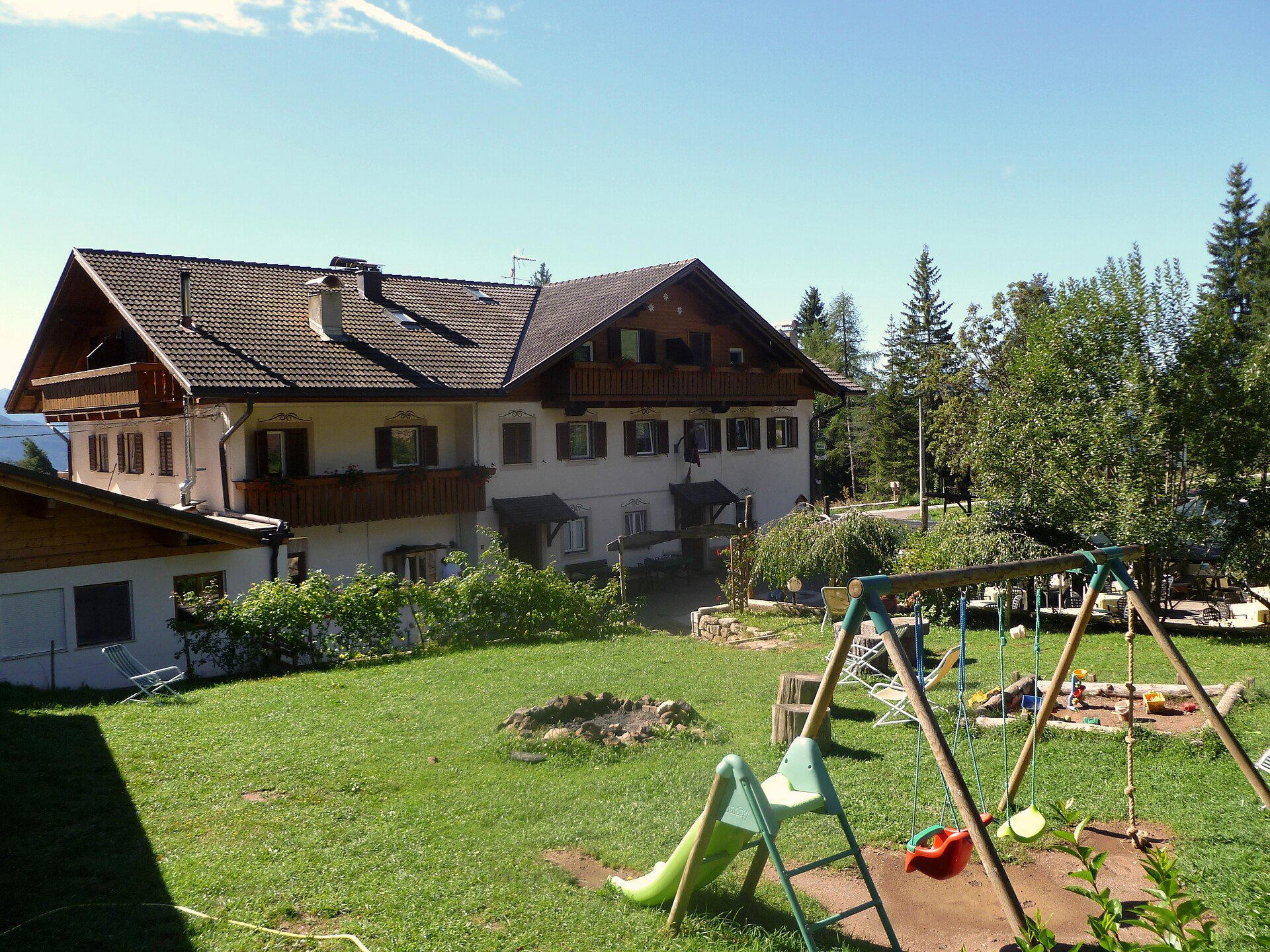
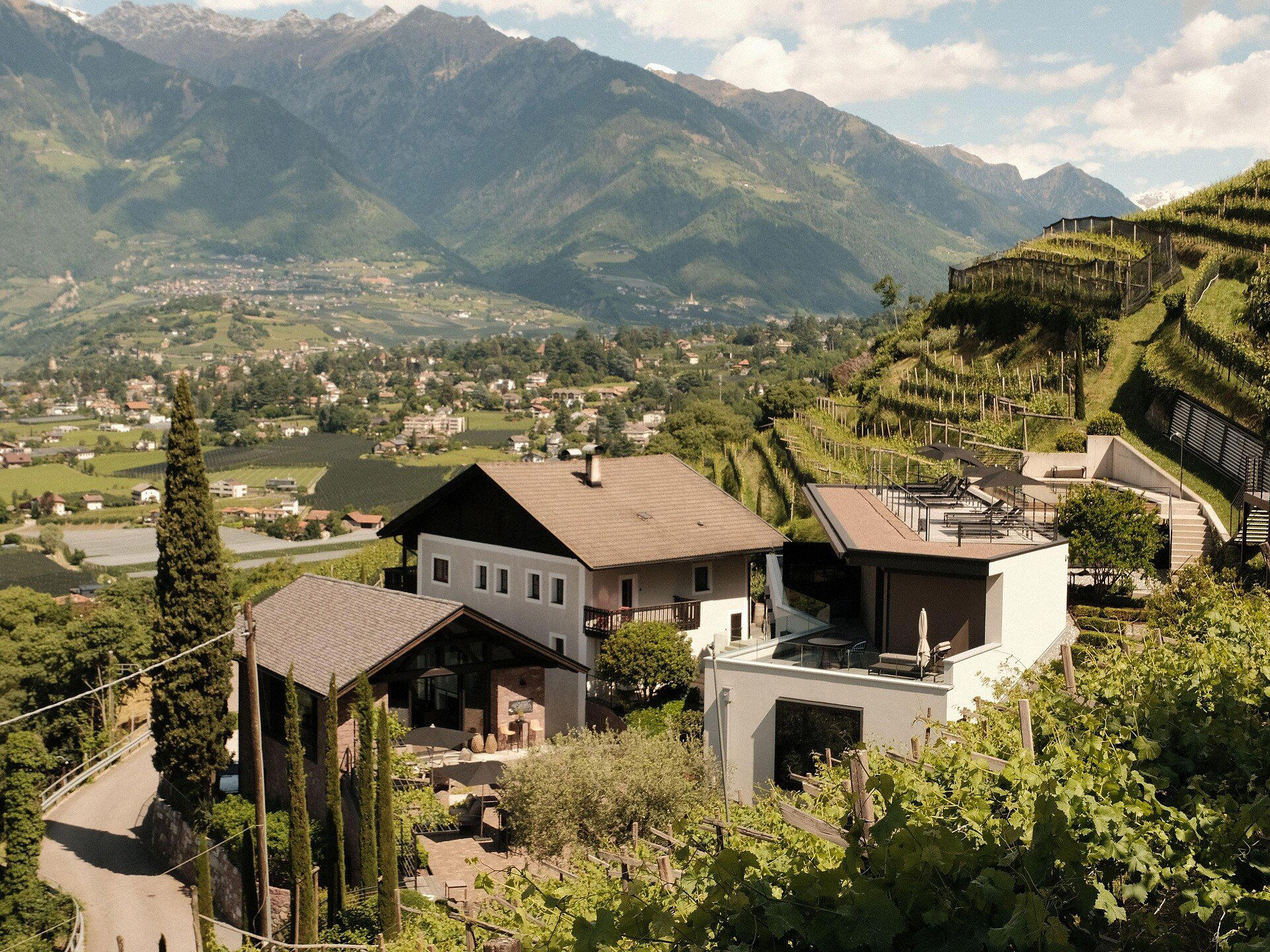
Hotel Restaurant Alber sits in Verano, a small South Tyrolean village above the Merano valley, where the cooking draws on the agricultural rhythms of the surrounding Alpine terrain. The restaurant operates within a hotel property and occupies a position in one of Italy's most ingredient-focused regional dining traditions. For those travelling through the Merano area, it represents a grounded, place-specific alternative to the region's more prominent destination tables.
Pearl is the En Primeur Club membership app — saves, bookings, and concierge access live there. Same editors, same standards.
- Address
- Via Funivia, 10, 39010 Verano BZ, Italy
- Phone
- +39473278245
- Website
- hotel-alber.com
- Directions
- Get directions
 Saves & bookings on Pearl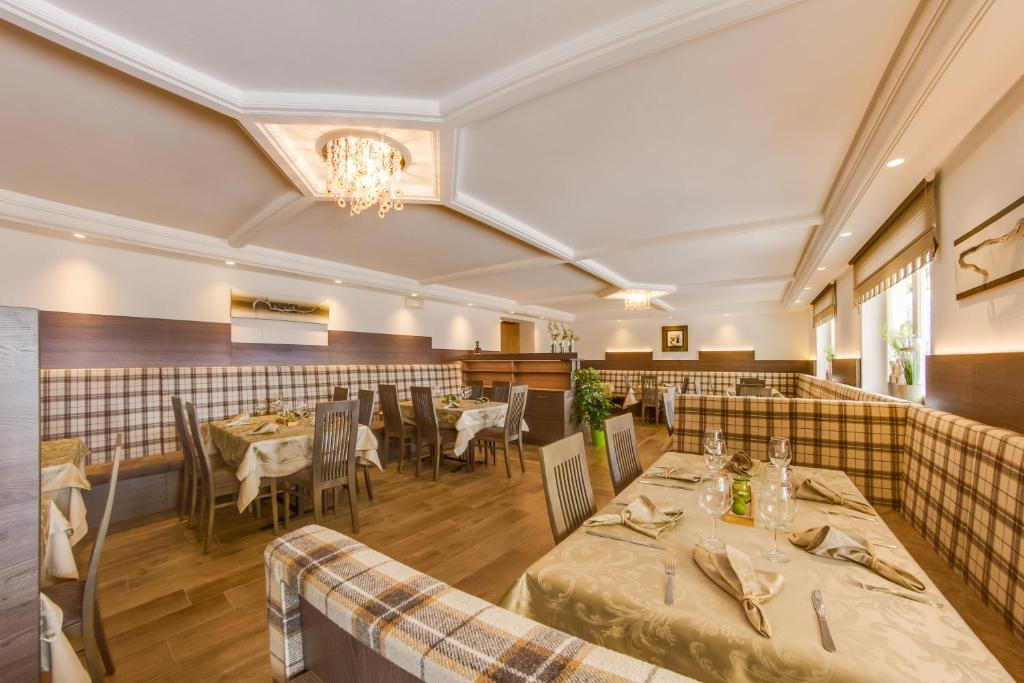
Where the Alps Shape What Ends Up on the Plate
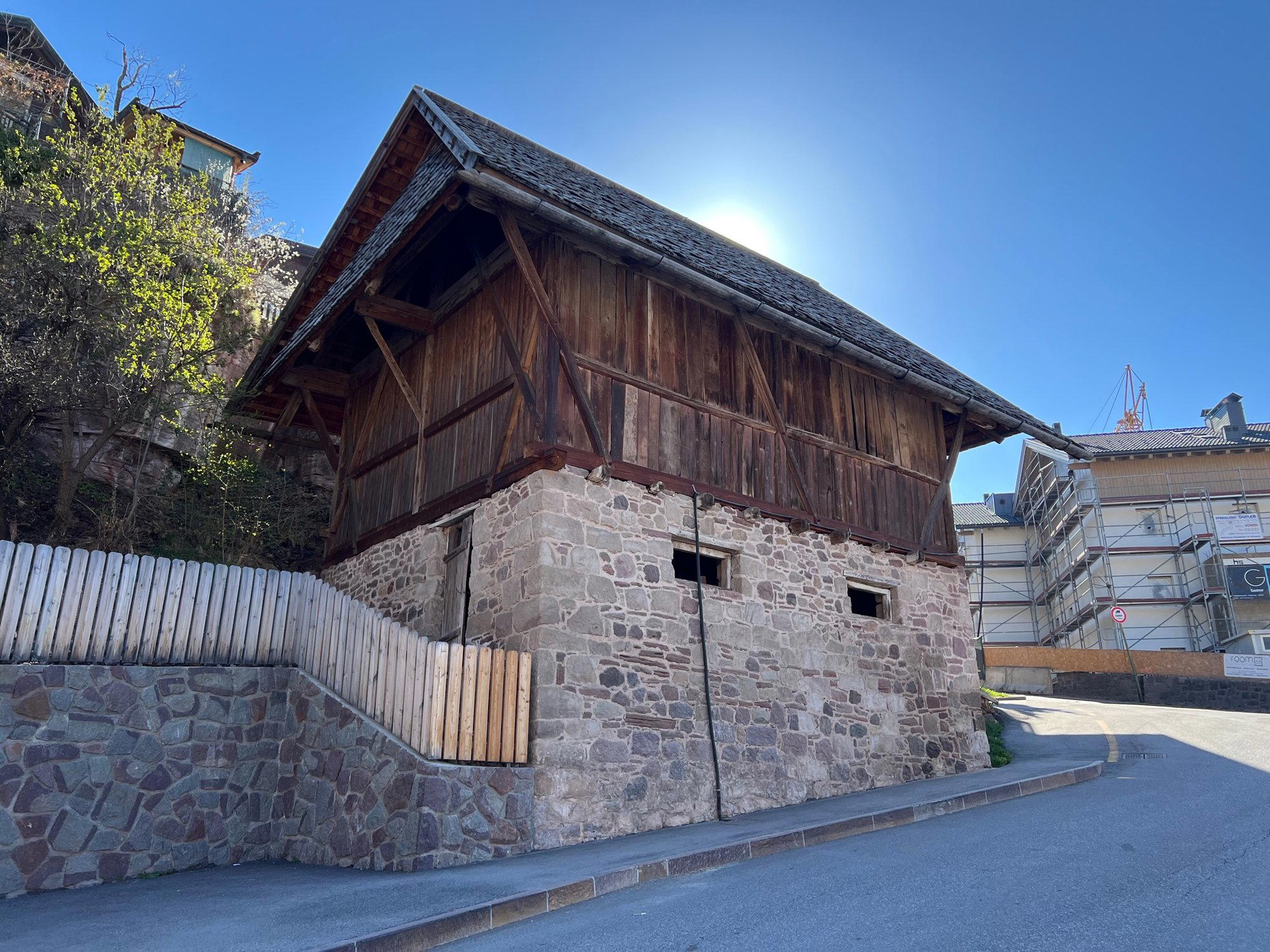
South Tyrol has built one of Italy's most coherent regional food identities not through a single flagship dish but through a supply chain that runs from altitude to table with unusual directness. The villages above Merano, including Verano and the surrounding communes, sit inside a farming belt where orchards, dairy operations, and small-scale producers have sustained local kitchens for generations. Hotel Restaurant Alber occupies a building on Via Funivia in Verano, a position that places it literally at the edge of the cable-car network that connects the valley floor to the upland villages, a geography that has long determined how ingredients move and how cooking traditions form in this part of Alto Adige.
The broader South Tyrolean dining scene has split, over the past two decades, into two distinct registers. One tier is represented by destination restaurants with international recognition, places like Atelier Moessmer Norbert Niederkofler in Brunico, where the cooking is a deliberate editorial statement about Alpine ingredients and the ethics of sourcing. The other tier is quieter: hotel-based restaurants in smaller communes that serve the mountain communities and passing travellers without the machinery of awards cycles or media attention. Alber belongs to this second register, and that positioning is not a limitation so much as a different kind of value proposition for the reader deciding where to eat in the Merano orbit.
The Ingredient Logic of Alpine Hotel Cooking
In the villages above Merano, the sourcing argument for local ingredients is not rhetorical, it is structural. Producers of speck, aged cheeses, and orchard fruit are woven into the local economy at a scale that makes proximity to source a default condition rather than a marketing decision. South Tyrolean hotel restaurants at this altitude have historically drawn on that supply network as a matter of practicality: the valley road to a supermarket distributor is slower than a relationship with the farmer two kilometres away.
This dynamic places Alber in a tradition shared by the broader category of Tyrolean gasthaus-adjacent cooking, where the cooking vocabulary includes cured meats, rye-based preparations, dairy from local herds, and seasonal produce shaped by an Alpine growing calendar that runs shorter and more intensely than the Italian plains. Italy's broader fine dining conversation, the creativity of Osteria Francescana in Modena, the seafood focus of Uliassi in Senigallia, or the progressive technique at Le Calandre in Rubano, operates at a remove from this tradition. South Tyrolean hotel cooking is a regional dialect, and its sourcing logic is its primary grammar.
Verano and the Setting
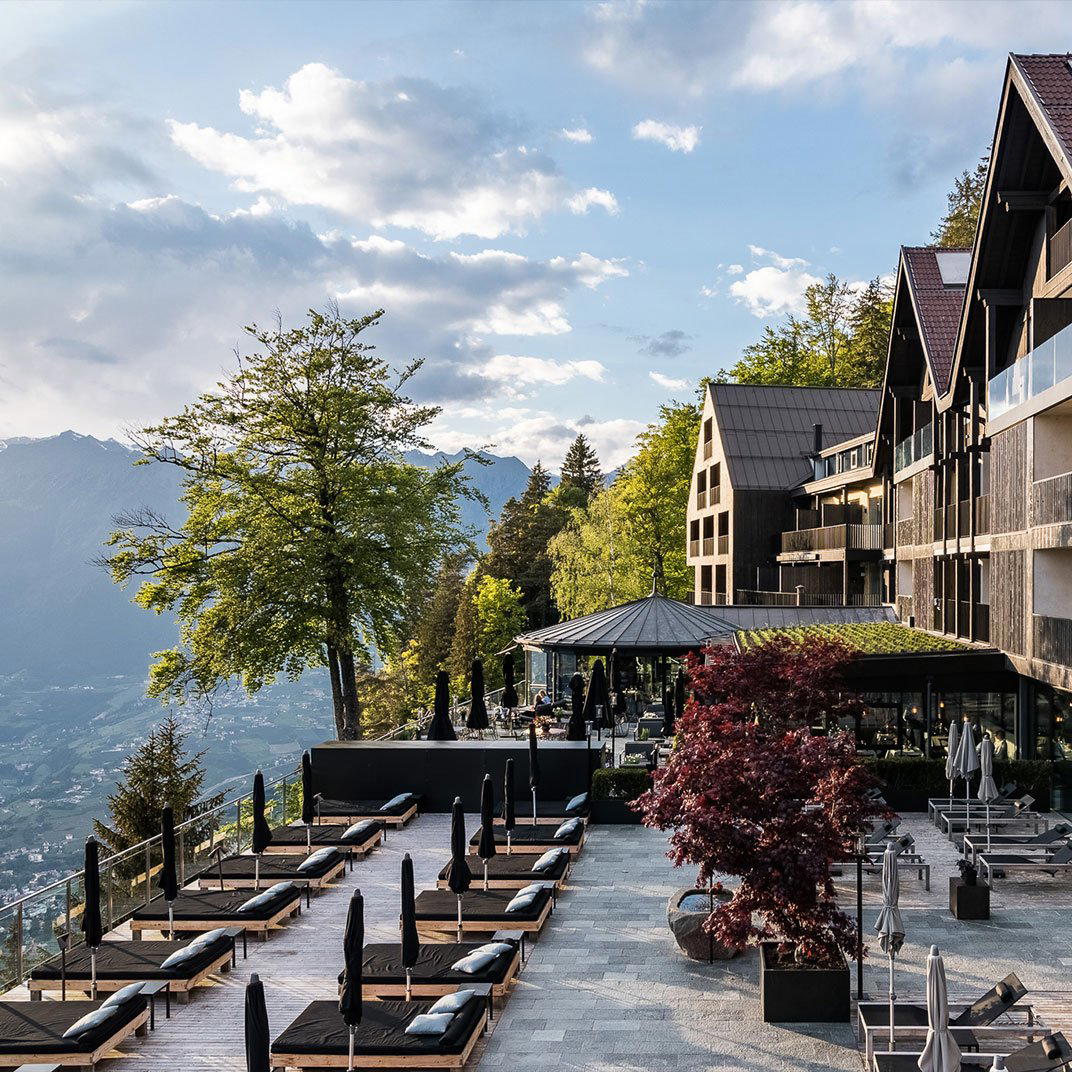
Verano sits at roughly 900 metres above sea level, reached most directly from Merano via the Palade road or, for some access points, the local funicular infrastructure. The village is small enough that the restaurant occupies a meaningful share of its hospitality footprint. In that sense, Alber functions the way many Alpine hotel restaurants do in compact mountain communes: as the de facto dining room for guests staying in the area, and as a table for day visitors who have made the ascent from the valley.
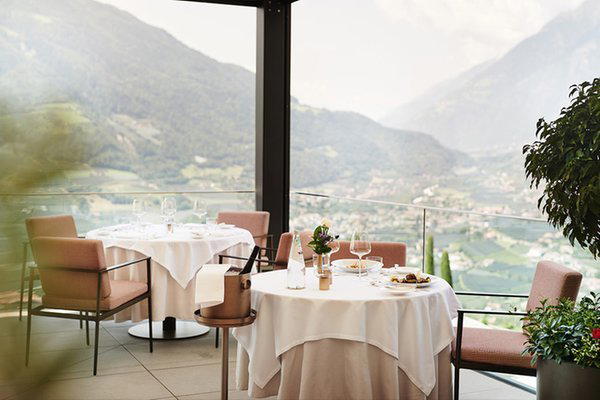
The physical environment arriving at Via Funivia is one of the defining qualities of this tier of South Tyrolean hospitality. The cable-car adjacency is not incidental, it places the property at a transition point between the Merano valley floor and the upland plateau, a location that carries both practical and atmospheric weight. Restaurants at similar altitudes across the region tend to organise their cooking around the seasonal rhythm of that elevation: shorter summers, longer winters, and a landscape that dictates what is available and when.
For context on how Italy's highest-profile hotel restaurants operate, properties like Villa Crespi in Orta San Giulio or La Pergola in Rome represent the end of the spectrum where the hotel dining room becomes a destination in its own right, with Michelin recognition as the organising logic. Alber operates in a different register entirely, one where the draw is place-specificity and the surrounding terrain rather than the tasting-menu format.
South Tyrol in the Wider Italian Dining Context
Italy's most decorated restaurants tend to cluster in the Po Valley, Rome, and the coastal regions. South Tyrol is a particular outlier: German-speaking, Austrian in culinary inheritance, and possessing a regional food identity that predates the modern Italian state. The speck, the knödel, the strudel, the graukäse, these are not Italian dishes that happen to be cooked in the mountains; they are the output of a distinct cultural and agricultural tradition that the Alto Adige has maintained with considerable consistency.
Within that tradition, hotel restaurants like Alber serve a function that the destination tables of Piazza Duomo in Alba or Dal Pescatore in Runate do not: they provide an unmediated encounter with regional cooking at the village level, where the sourcing is local by default and the format is shaped by the community rather than by the logic of international dining circuits. That is not a lesser thing, it is a different access point to the same underlying question of what Italian food actually is when it is rooted in a specific place.
Travellers comparing the South Tyrol experience to, say, the seafood-forward grandeur of Quattro Passi in Marina del Cantone or the creative ambition of Reale in Castel di Sangro are comparing across registers that share a national identity but almost nothing else in sourcing logic, climate, or culinary grammar.
Planning a Visit
Verano is a short drive or cable-car ride from Merano, which is itself reachable by train from Bolzano (roughly 35 minutes). The village's compact scale means accommodation options are limited, and for those eating at Alber, staying in the hotel is one logical base for exploring the upland plateau. Given the limited hospitality infrastructure in Verano relative to the valley towns, contacting the property directly in advance is sensible, particularly in peak summer and winter seasons when the area draws walkers and skiers respectively.
Comparable Venues
Comparable venues nearby, for context on price, style, and recognition.
| Venue | Cuisine | Price | Notes |
|---|---|---|---|
| Hotel Restaurant AlberThis venue — the venue you are viewing | Italian Trattoria | $$ | Not listed |
| Arso Trattoria Moderna | Traditional Roman Trattoria | $$ | .null |
| Gelateria La Romana | Artisanal Italian Gelato | $$ | Sallustiano |
| Monzù Vladì | Creative Regional Italian | $$ | Trastevere |
| Zum Hirschen | South Tyrolean Pizzeria with Neapolitan Pizza | $$ | Vilpian |
| Stube Ida | Modern South Tyrolean | $$ | Lana |
Continue exploring
More in Voran
Restaurants in Voran
Browse all →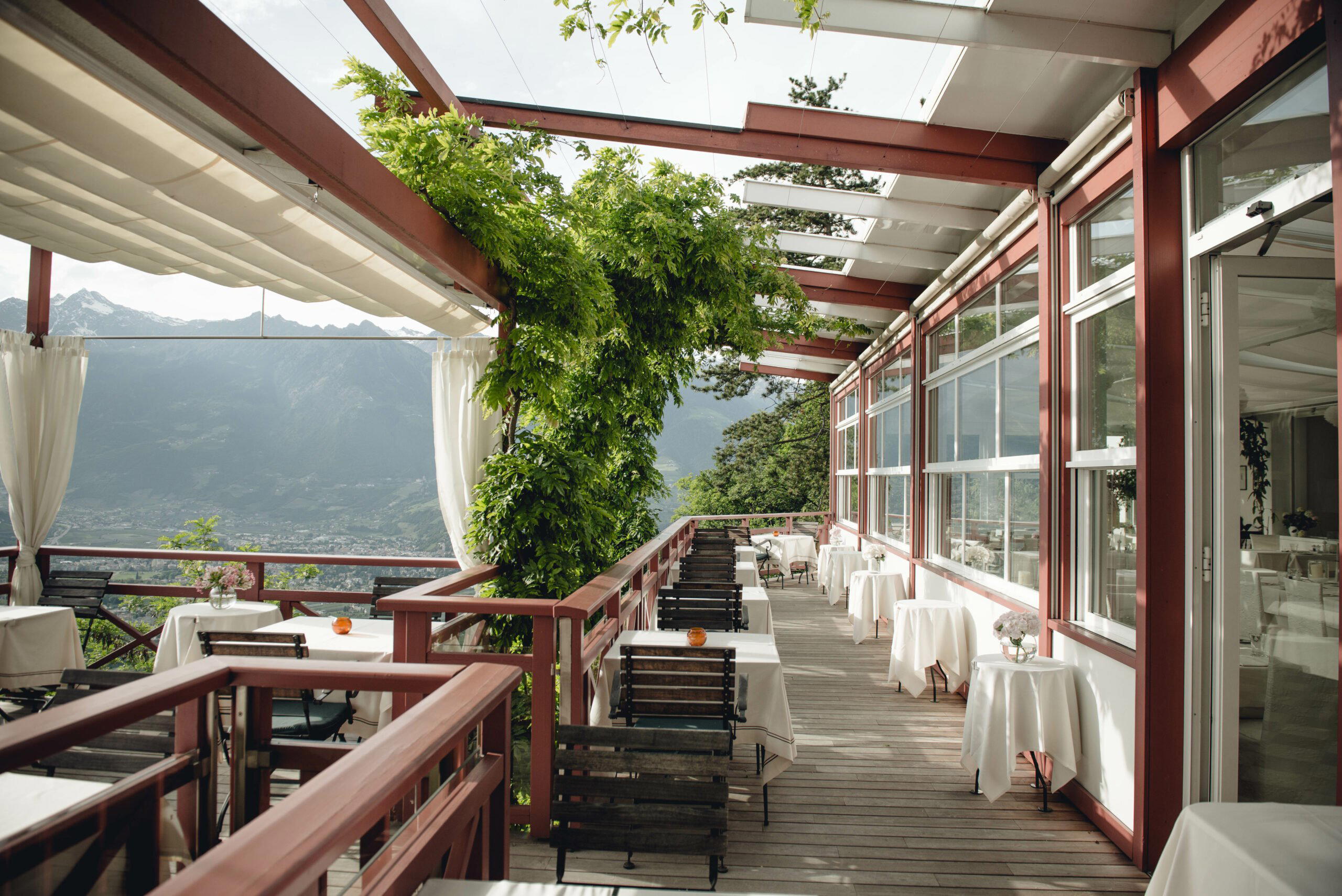
Bars in Voran
Browse all →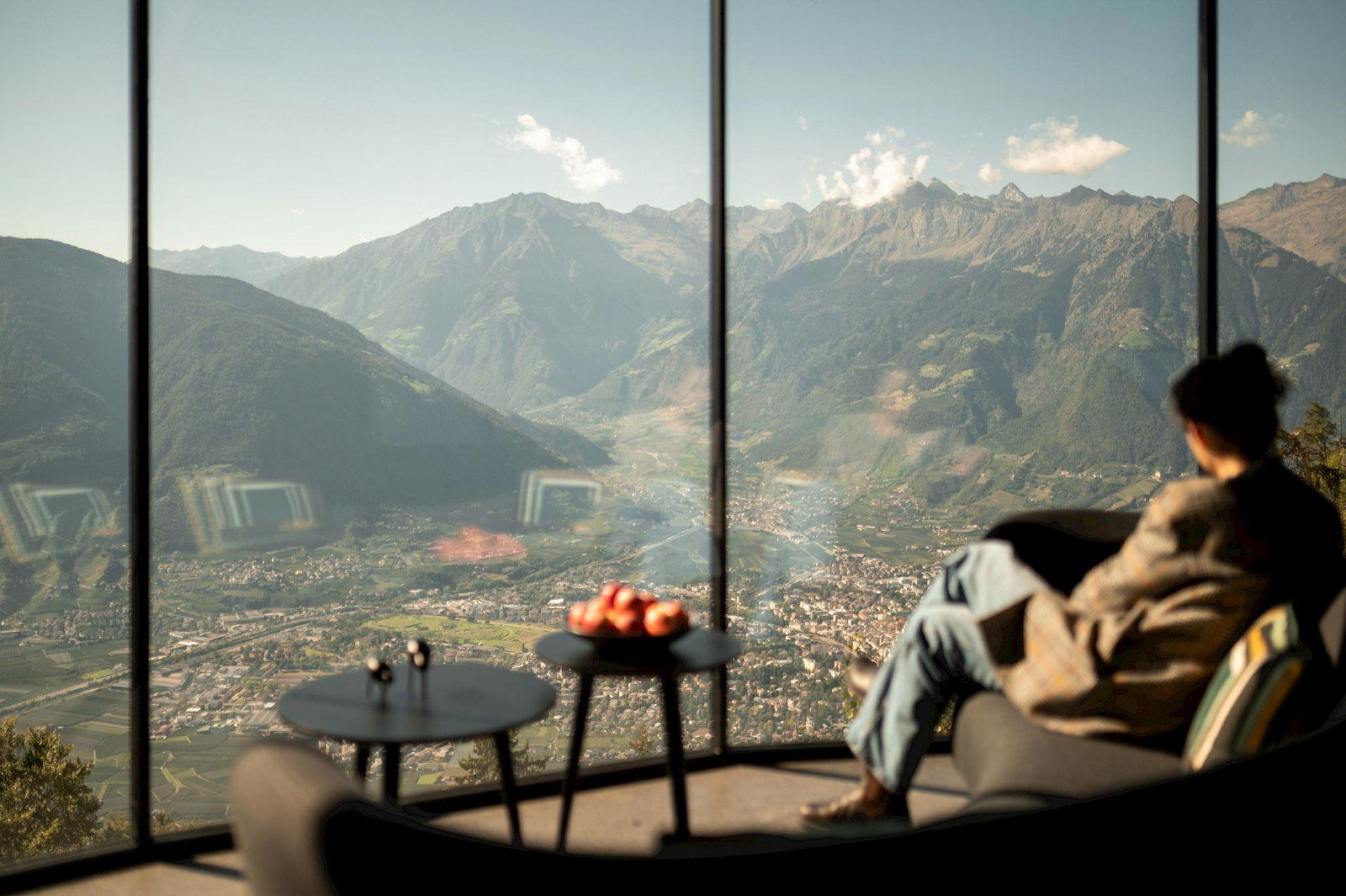
Hotels in Voran
Browse all →
At a Glance
- Casual Hangout
- Hotel Restaurant
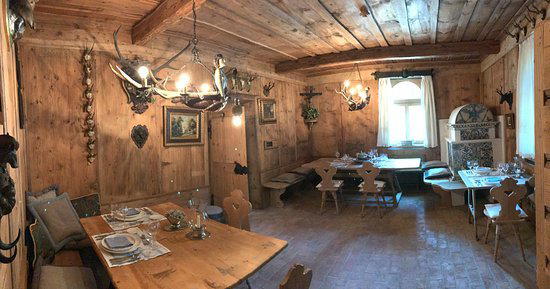
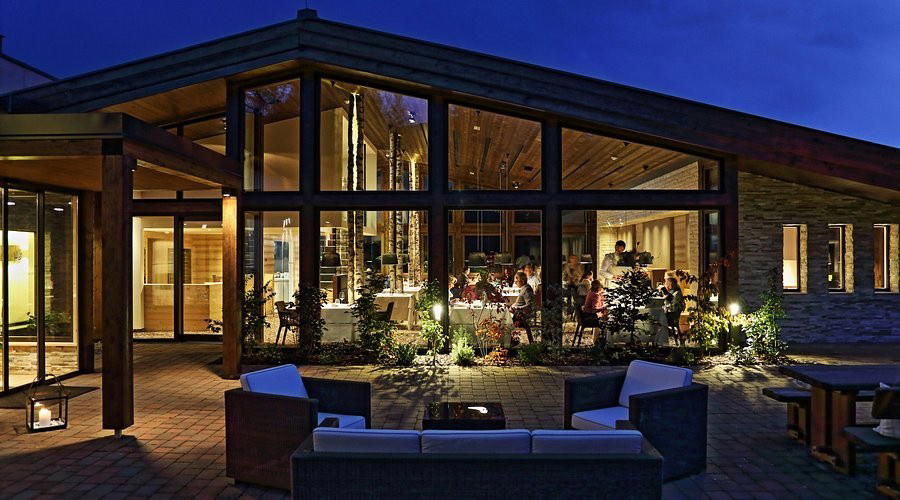
Classic and cozy hotel restaurant atmosphere.