Oberlegar sits in Terlan, a South Tyrolean wine village where Alpine agriculture and Italian culinary tradition converge at close range. The address places it in a region where ingredient provenance is not a marketing position but a structural fact of the food. For travellers moving through the Alto Adige, it belongs on the shortlist alongside the area's most purposeful tables.
Pearl is the En Primeur Club membership app — saves, bookings, and concierge access live there. Same editors, same standards.
- Address
- Via Meltina, 2, 39018 Terlano BZ, Italy
- Phone
- +393343189520
- Website
- roterhahn.it
- Directions
- Get directions
 Saves & bookings on Pearl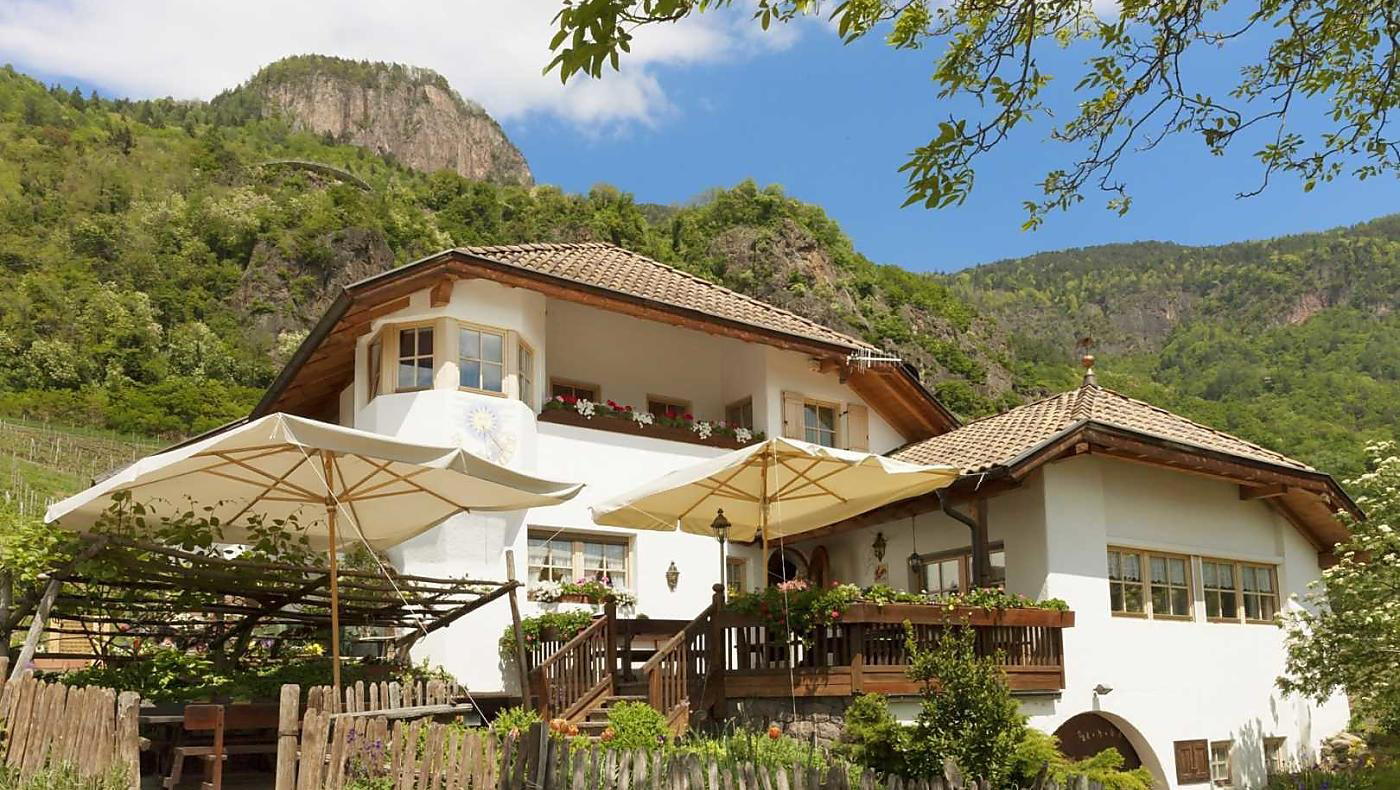
Where the Vineyards Meet the Kitchen
The villages that climb the western slopes of the Adige Valley above Bolzano occupy a particular position in Italian food culture: close enough to Austria to carry Germanic precision into the kitchen, rooted enough in northern Italian tradition to insist on local produce as the grammar of every plate. Terlan, with its DOC wines and apple orchards running up toward the treeline, is one of those villages. The altitude, the diurnal temperature swings, and the mineral-rich soils that make Terlaner Pinot Bianco among the more age-worthy white wines in Europe also shape what grows here and what arrives on local tables. Oberlegar, at Via Meltina 2 in Terlan, is a Tyrolean Wine Tavern that fits inside that agricultural logic rather than apart from it.
South Tyrol has quietly become one of Italy's most concentrated regions for serious dining. The area's kitchens tend to work closer to their raw material than their counterparts in Milan or Florence, not as an ideological choice but as a practical one: the farms are near, the seasons are short, and the produce is specific to a narrow band of elevation and microclimate. Tables like Atelier Moessmer Norbert Niederkofler in Brunico have drawn international attention to the region's capacity for ingredient-led cooking at the highest level. Oberlegar operates in that same regional tradition, grounded in the Terlan terroir rather than looking outward for validation.
Ingredient Sourcing as Structure, Not Story
The Alto Adige model of sourcing differs from the farm-to-table rhetoric that became a hospitality cliché elsewhere in Europe and North America. Here, proximity is geographic reality. The orchards visible from the road supply the kitchens. The dairy farms at altitude produce milk whose fat content changes with the season. The foragers who work the slopes above Terlan know which weeks yield porcini versus chanterelle, and local kitchens adjust accordingly. This is not a curated supply chain assembled for a tasting menu concept; it is the inherited structure of how this region has always fed itself, refined over decades by chefs who chose to stay rather than migrate to larger cities.
That regional discipline contrasts with the broader Italian fine dining circuit, where sourcing increasingly involves long-distance logistics dressed up as locality. At tables like Osteria Francescana in Modena or Enoteca Pinchiorri in Florence, the kitchen's relationship to Italian ingredients is real but filtered through creative reinterpretation at some distance from the source. In Terlan, the distance between field and plate compresses. That compression imposes its own discipline: when the ingredient is the point, the cooking has to be accurate rather than merely inventive.
The South Tyrolean Table in Context
Understanding what Terlan offers as a dining destination requires placing it within a broader map of Italian regional cooking. The Alto Adige tradition sits at an intersection that most Italian regions do not occupy: Austrian-influenced curing and preservation techniques alongside Mediterranean-rooted vegetable and pulse cookery, all disciplined by an Alpine relationship to seasonality that makes the calendar, not the chef's whim, the dominant force on the menu.
This regional character is evident across the valley's restaurants. Zum Hirschen, also in Terlan, represents another articulation of the same local tradition, placing the village among the more coherent dining destinations in the province. The concentration of quality within a small municipality is unusual even by South Tyrolean standards, where villages like Castelrotto and Bressanone already carry significant culinary reputations.
Placed against Italy's most decorated addresses, Le Calandre in Rubano, Piazza Duomo in Alba, Dal Pescatore in Runate, or Villa Crespi in Orta San Giulio, Terlan's tables occupy a quieter register. The ambition here is not to compete with the theatrical tasting menu format that drives recognition at Reale in Castel di Sangro or the product-showcase approach of Da Vittorio in Brusaporto. South Tyrolean cooking tends toward restraint over spectacle, and the better tables in the region are valued for depth of ingredient quality and technical reliability rather than conceptual novelty.
Wine, Altitude, and the Meal
No account of eating in Terlan is complete without acknowledging what the village produces above ground. The Cantina Terlano cooperative, one of the oldest wine cooperatives in Italy, has built a reputation over more than a century for Pinot Bianco and Sauvignon that age at a trajectory more associated with white Burgundy than with Italian whites. The regional wine culture informs dining here in a direct way: sommeliers in Terlan work with a local canon rather than a generalist Italian list, and the food tends to be calibrated to support wine rather than compete with it. That orientation places Terlan restaurants in a different context from coastal Italian tables focused on seafood and aromatic whites, or Piemontese tables structured around Barolo and Barbaresco. The comparison points are Alpine: Val Gardena, the Isarco Valley, and across the border into Tyrol.
Travellers accustomed to the intensity of urban dining in cities like Milan (Enrico Bartolini), Rome (La Pergola), or Verona (Casa Perbellini 12 Apostoli) will find the pace in Terlan different. There is less performance here, more attention to the glass and the plate as objects in themselves. For those arriving from further afield, the reference points shift even more sharply: compared with the technical precision of Le Bernardin in New York City or the conceptual architecture of Atomix, South Tyrolean cooking operates on a different axis entirely, one where the primary intelligence is agricultural rather than culinary in the metropolitan sense.
Planning a Visit
Terlan is accessible by regional train from Bolzano in under fifteen minutes, making it viable as a day excursion from the provincial capital or as a base in its own right during the spring and autumn shoulder seasons when the valley is at its clearest. Reservations are recommended, especially in summer. The leading months for eating through the local produce calendar are May through June and September through October, when the orchards and gardens are at their most varied and the kitchen has the widest range of fresh material to work with. The address at Via Meltina 2 sits in the upper part of the village.
For context on where Terlan sits within the wider circuit of Italian regional dining worth travelling for, the EP Club guides to Uliassi in Senigallia and Quattro Passi in Marina del Cantone illustrate how differently the Italian coastal tradition approaches the same question of ingredient fidelity that defines the Alpine north.
At-a-Glance Comparison
Comparable venues nearby, for context on price, style, and recognition.
| Venue | Cuisine | Price | Notes |
|---|---|---|---|
| OberlegarThis venue — the venue you are viewing | Tyrolean Wine Tavern | $$ | Not listed |
| Zum Hirschen | South Tyrolean Pizzeria with Neapolitan Pizza | $$ | Vilpian |
| TONZHAUS | South Tyrolean Italian Pizzeria | $$ | Val Senales |
| Venchi Cioccogelateria | Italian Chocolate Gelateria | $$ | San Marco |
| Plazores | Rustic Ladin-Italian | $$ | San Vigilio |
| Trattoria S. Martino - Le 3 oche | Lake Garda Italian Trattoria | $$ | Gargnano |
Continue exploring
More in Terlan
Restaurants in Terlan
Browse all →
Bars in Terlan
Browse all →
Hotels in Terlan
Browse all →

At a Glance
- Rustic
- Cozy
- Scenic
- Casual Hangout
- Special Occasion
- Terrace
- Natural Wine
- Local Sourcing
- Mountain
- Vineyard
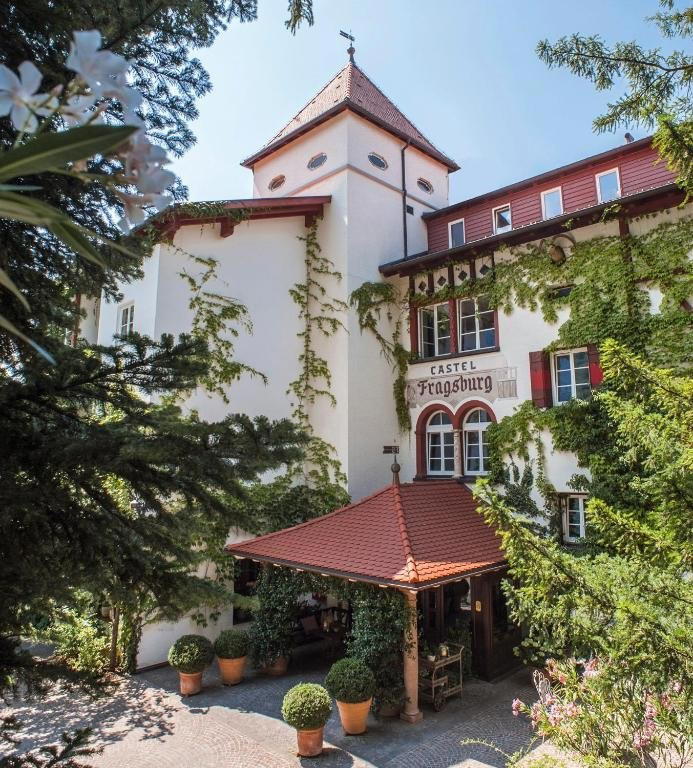
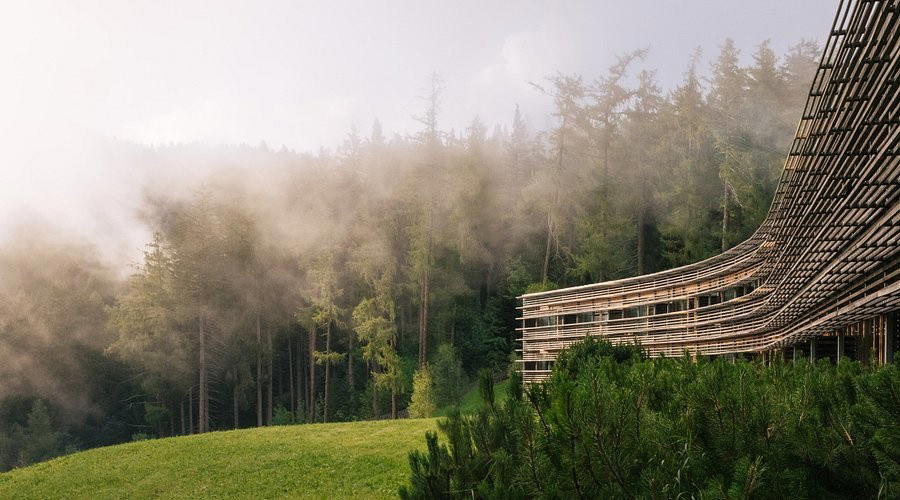
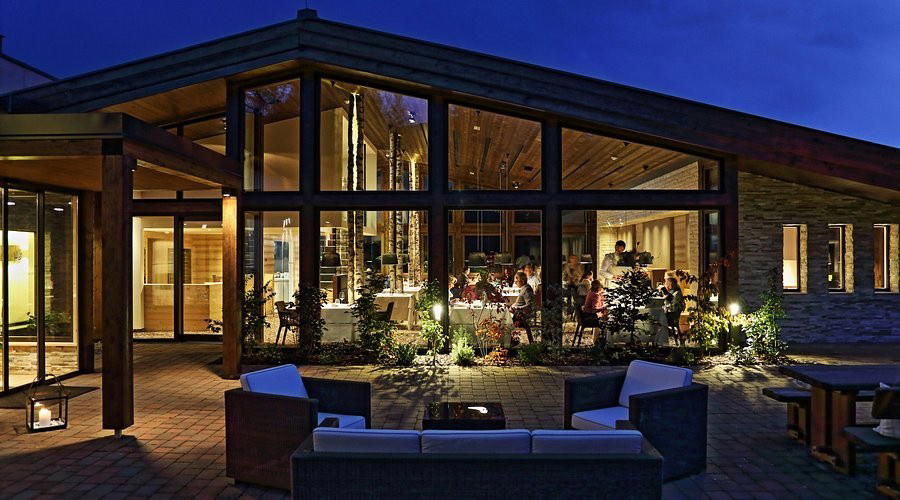
Rustic panelled Stube and pergola seating offering a cozy, traditional South Tyrolean atmosphere.