Mayrl Alm
Mayrl Alm sits in the alpine terrain above Deutschnofen in South Tyrol, a region where the distance between pasture and plate is measured in minutes rather than miles. The cooking here draws directly from the mountain environment, placing it within a long tradition of Alto Adige farmhouse dining that treats local sourcing as a structural principle rather than a marketing position. For travellers moving through the Dolomite foothills, it represents a grounded alternative to the region's more formal restaurant tier.
Pearl is the En Primeur Club membership app — saves, bookings, and concierge access live there. Same editors, same standards.
- Address
- Via Obereggen Eggen, 36, 39050 Nova Ponente BZ, Italy
- Phone
- +393336234245
- Website
- mayrl-alm.com
- Directions
- Get directions
 Saves & bookings on Pearl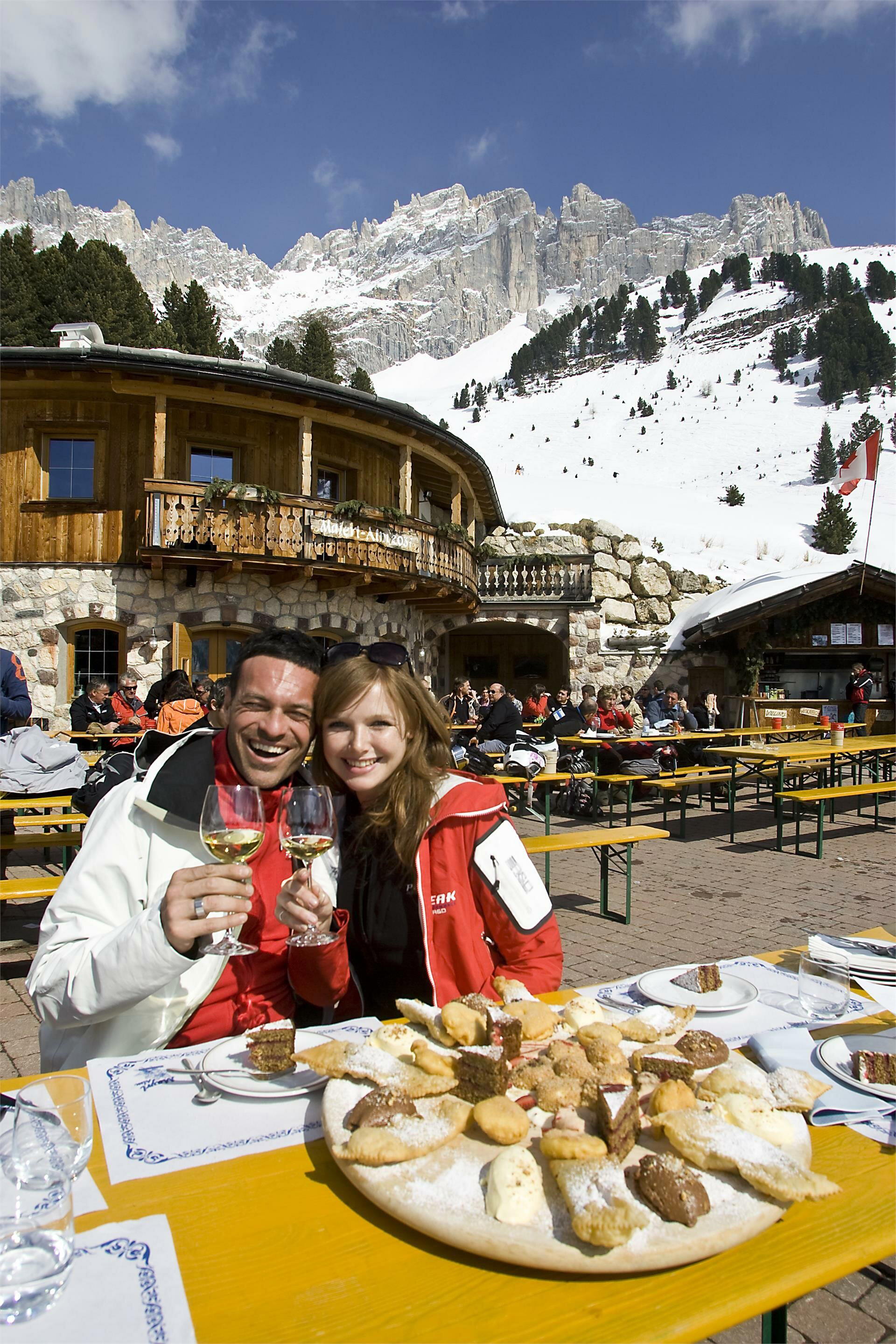
Where the Pasture Sets the Menu
Alto Adige has spent the past two decades developing a farm-to-table tradition, and that tradition looks quite different depending on where you sit in the region's culinary hierarchy. At the formal end, destinations like Atelier Moessmer Norbert Niederkofler in Brunico apply rigorous creative frameworks to the same mountain ingredients that local farmhouses have cooked for generations. Mayrl Alm, positioned in the alpine terrain above Deutschnofen, operates closer to that original source material. The cooking logic here begins not with a tasting menu architecture but with what the surrounding slopes and farms produce on a given day.
This approach is more common than it used to be in the South Tyrolean highlands, but it remains distinct from the kind of ingredient-led fine dining that has spread through Italy's northern regions. Where a table like Piazza Duomo in Alba treats provenance as a narrative layered over precision cooking, mountain alms like Mayrl work in the opposite direction: the provenance is the premise, and the cooking follows from it. The result is a category of dining that resists easy comparison with Italy's more decorated restaurant circuit.
The Dolomite Farmhouse Tradition
South Tyrol's alpine farmhouses occupy a specific and well-defined niche in Italian regional cooking. Unlike the coast-driven creativity of places such as Uliassi in Senigallia or the technically precise kitchens of Le Calandre in Rubano, the alm tradition prioritises a direct relationship between landscape and plate that is geographic as much as culinary. At altitude, the growing season is short, preservation techniques are central to the pantry, and the protein on the table has often been raised within sight of the dining room.
Deutschnofen sits at around 1,400 metres in the Dolomite foothills east of Bolzano, and the farms surrounding it reflect that elevation in what they can realistically produce. Dairy is a cornerstone: the cattle that graze the high pastures above the village through the warmer months yield milk with a fat content and flavour profile distinct from lowland equivalents, and the cheeses and dairy products built from that milk carry a characteristic richness. Cured meats, particularly the speck that runs through South Tyrolean cooking the way prosciutto runs through Emilia, are produced locally and aged in conditions that the mountain air makes almost impossible to replicate elsewhere. A table at Mayrl Alm sits inside this supply chain rather than importing ingredients into it.
Reading the Room and the Setting
The address on Via Obereggen Eggen places Mayrl Alm on a road that connects Deutschnofen to the Obereggen ski area, a location that signals the dual-season rhythm common to South Tyrolean mountain venues. Winter brings skiers descending for warming plates after a morning on the slopes; summer draws walkers and cyclists working through the Dolomite trail network. The timing of a visit shapes the character of the meal as much as the menu does, because what is available locally shifts substantially between a July afternoon and a February lunch.
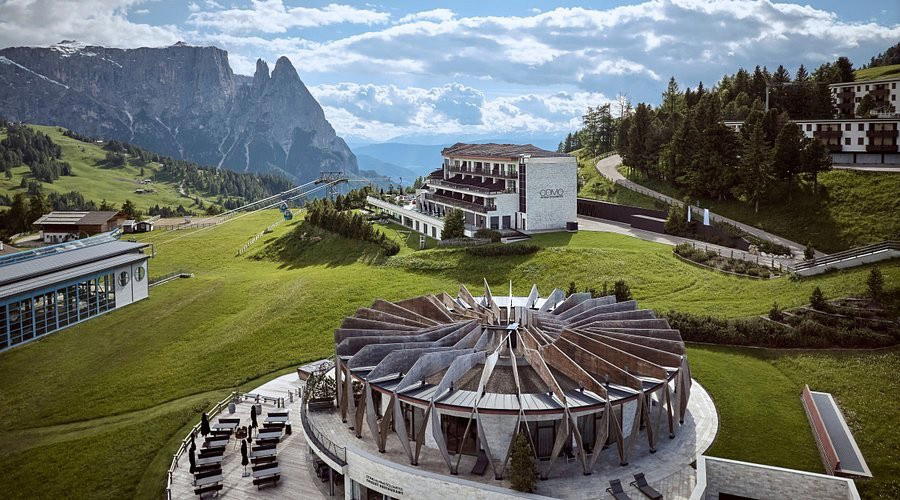
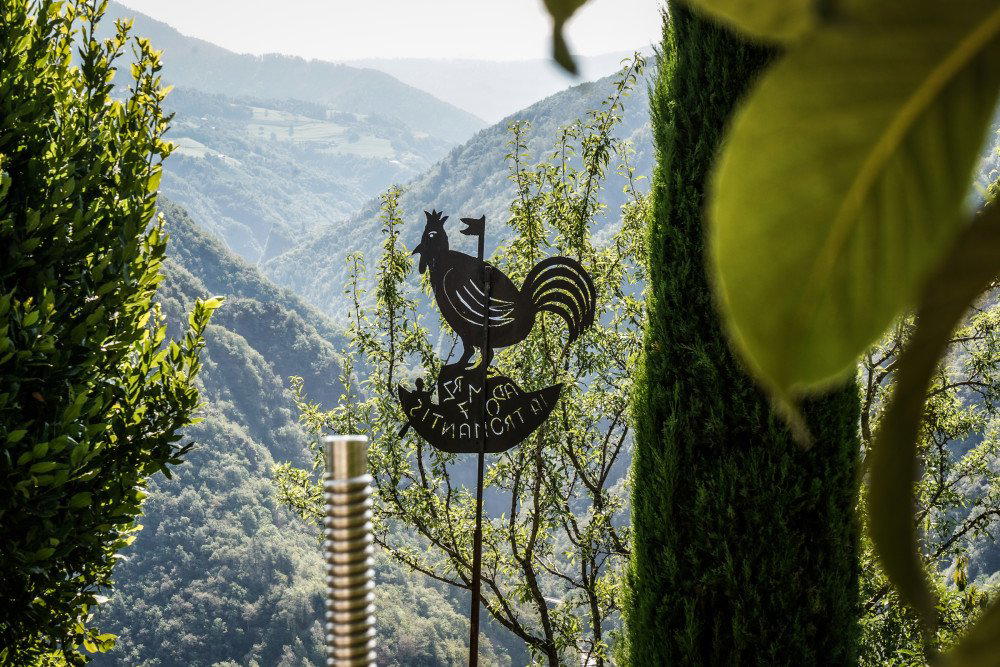
In the warmer months, the setting around Deutschnofen is defined by open pasture, conifer forest, and the kind of uncluttered mountain horizon that makes the drive up from Bolzano feel like a deliberate deceleration. The approach to the restaurant runs through this terrain, and the physical context is not incidental to the meal that follows. Alto Adige's farmhouse dining tradition has always understood that the surroundings are part of the offer, which is why travellers who come directly from a city table often find the contrast more striking than the food alone would suggest.
Oberholz is worth noting as a nearby point of comparison with a different format and altitude.
Sourcing as Structure
The editorial angle on ingredient sourcing matters here because it explains what separates mountain alm dining from the broader conversation about Italian regional cuisine. Italy's most decorated kitchens, from Osteria Francescana in Modena to Dal Pescatore in Runate, work with the leading available ingredients from defined regions, but the sourcing relationship is curatorial. At an alm, the relationship is proximity-based: the supply radius is so small that sourcing decisions are less about selecting from a market and more about working with what the immediate land provides.
That constraint produces a different kind of cooking discipline. South Tyrolean farmhouse kitchens have historically been skilled at making full use of what the season offers and preserving what it does not. The larder logic that results, built around cured meats, aged dairy, root vegetables, and foraged additions depending on the month, is a distinct culinary tradition rather than a simplified version of fine dining. It has no meaningful parallel in the restaurant work of places like Enoteca Pinchiorri in Florence or La Pergola in Rome, which operate within entirely different sourcing and production logics.
For readers accustomed to the formal end of Italian dining, represented elsewhere in the EP Club network by tables including Reale in Castel di Sangro, Villa Crespi in Orta San Giulio, Da Vittorio in Brusaporto, Casa Perbellini 12 Apostoli in Verona, Quattro Passi in Marina del Cantone, and Enrico Bartolini in Milan, the shift to a mountain alm requires recalibrating expectations entirely. The assessment criteria are different: you are not measuring technique against a creative comparable set but evaluating how directly and honestly a kitchen expresses the land it sits on.
Practical Considerations for a Visit
Deutschnofen is accessible from Bolzano, approximately 20 kilometres to the west, and from the Obereggen ski area directly above. The route up from the valley is on mountain roads that require reasonable driving confidence in winter conditions, when snow chains or winter tyres are standard equipment rather than optional extras. The village itself is small, and accommodation is available locally for those who prefer to base themselves in the area rather than commute from Bolzano. Given that the appeal of this part of South Tyrol is tied closely to the pace and rhythm of mountain life, an overnight stay sharpens the experience considerably.
Comparison Snapshot
Comparable venues nearby, for context on price, style, and recognition.
| Venue | Cuisine | Price | Notes |
|---|---|---|---|
| Mayrl AlmThis venue — the venue you are viewing | South Tyrolean Alpine Cuisine | $$ | Not listed |
| Oberholz | Alpine-Mediterranean | $$$ | Obereggen |
| Trattoria Ca' D'Oro - Cucina Tipica Veneziana | Traditional Venetian Trattoria | $$ | Cannaregio |
| Hubenbauer | Traditional Italian Tyrolean with Brewery | $$ | Varna |
| Pardeller | Tyrolean and Italian | $$ | Nova Levante |
| Ban Max | South Tyrolean & Mediterranean | $$ | Truden im Naturpark |
Continue exploring
More in Deutschnofen
Restaurants in Deutschnofen
Browse all →
Bars in Deutschnofen
Browse all →
Hotels in Deutschnofen
Browse all →
At a Glance
- Rustic
- Cozy
- Scenic
- Family
- Casual Hangout
- Terrace
- Panoramic View
- Local Sourcing
- Mountain
Current opening hours
- Monday
- 8 AM–4:30 PM
- Tuesday
- 8 AM–4:30 PM
- Wednesday
- 8 AM–4:30 PM
- Thursday
- 8 AM–4:30 PM
- Friday
- 8 AM–4:30 PM
- Saturday
- 8 AM–4:30 PM
- Sunday
- 8 AM–4:30 PM
Hours can change for holidays and private events. Last verified .
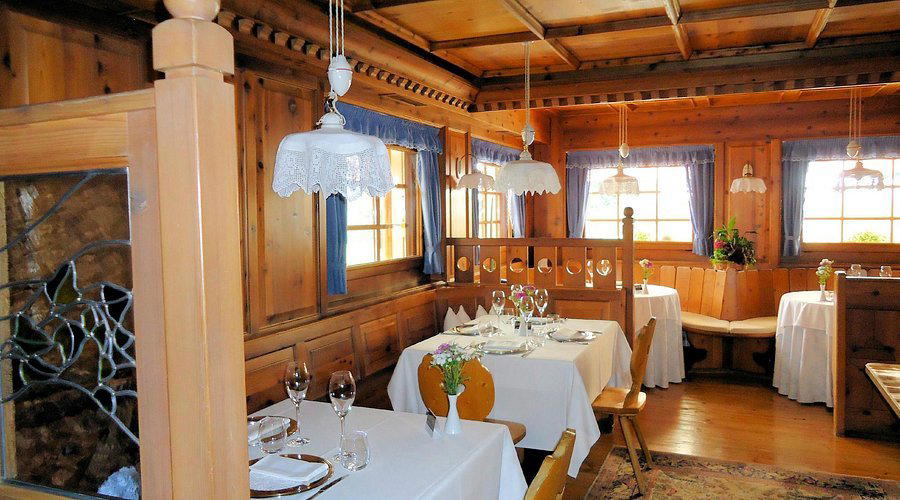
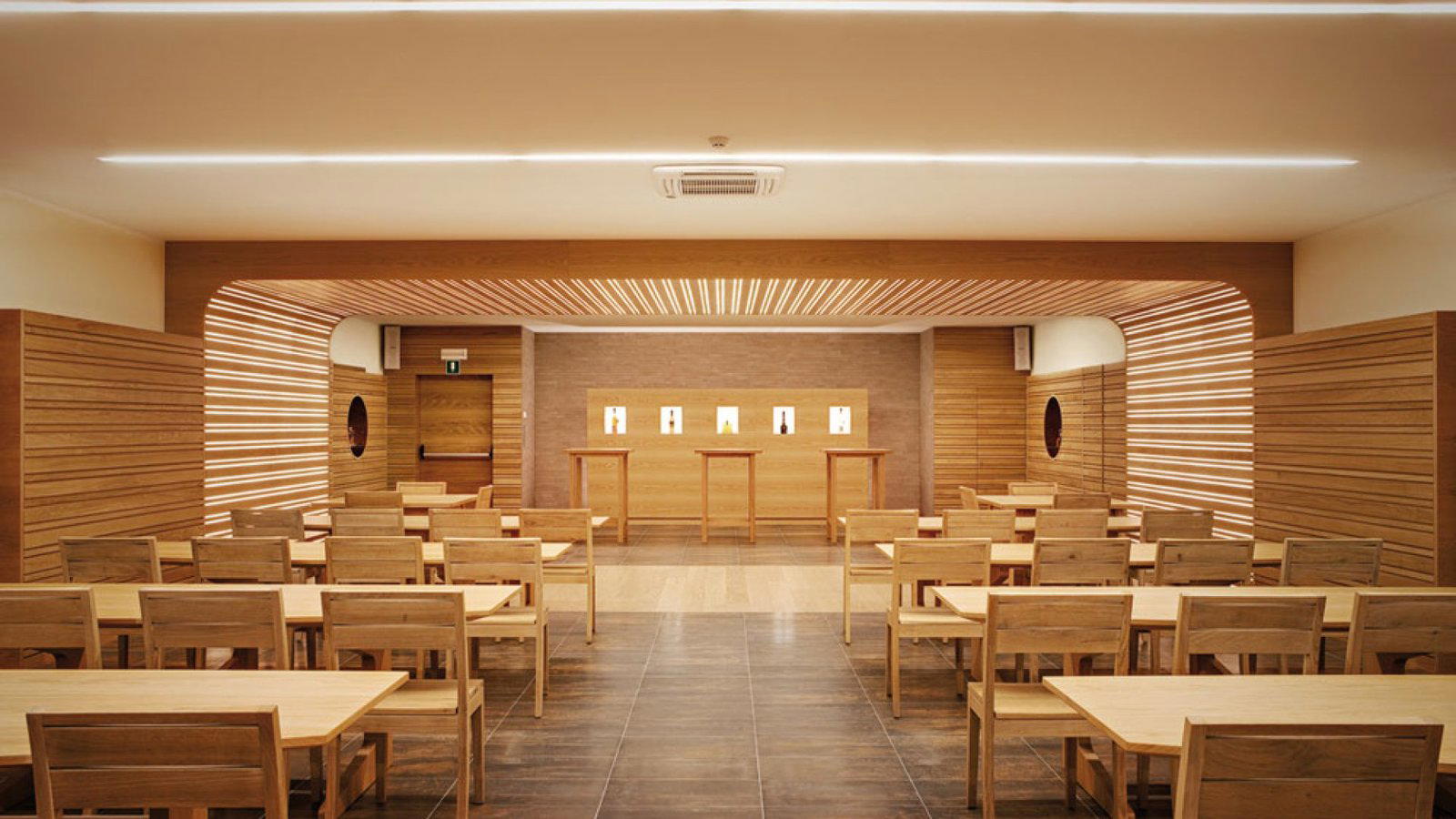
Cozy rustic atmosphere with sunny terrace, well-kept indoor spaces, and a peaceful oasis amid mountains.