Distilleria Psenner operates from Termeno, the Alto Adige village that anchors South Tyrol's most concentrated stretch of high-altitude wine and spirits production. The address on the SP16 wine road places it at the heart of a production zone shaped by alpine elevation and Dolomite-framed terroir.
Pearl is the En Primeur Club membership app — saves, bookings, and concierge access live there. Same editors, same standards.
- Address
- SP16, 1, 39040 Termeno sulla Strada del Vino BZ
- Phone
- +39 0471 860178
- Website
- psenner.com
- Directions
- Get directions
 Saves & bookings on Pearl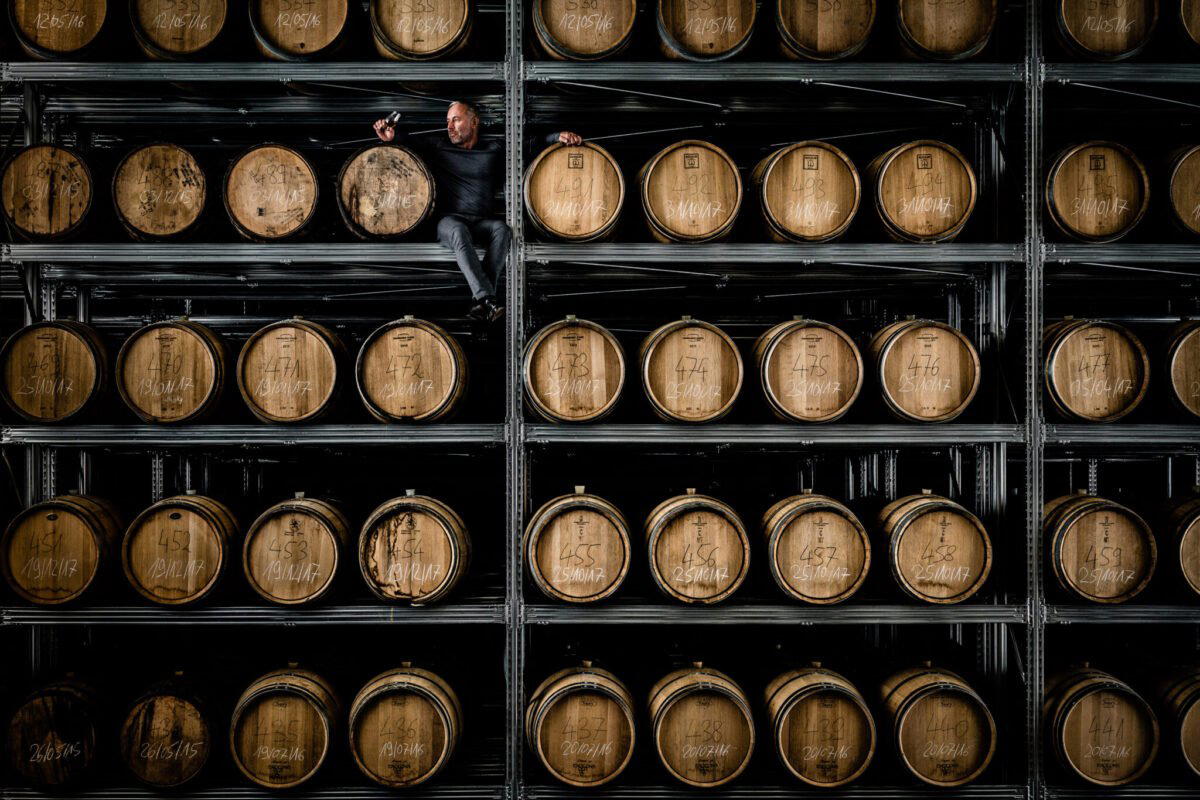
Where Alto Adige's Distilling Tradition Meets Alpine Terroir
The SP16, the Strada del Vino running through South Tyrol's Überetsch plateau, is not a scenic detour. It is a production corridor. The vineyards lining this road sit at elevations that create diurnal temperature swings wide enough to concentrate aromatics in ways flatland growing simply cannot replicate. Termeno, the village anchoring the southern end of this route, has accumulated a density of serious producers: Elena Walch, J. Hofstätter, and Distilleria Roner all operate here, and Distilleria Psenner, at SP16, 1, is positioned at the gateway to this concentration of craft.
The Terroir Argument for Alpine Spirits
South Tyrol's claim on distilling quality is inseparable from its agricultural geography. The Adige valley and its surrounding slopes produce fruit and grape pomace at altitudes where the harvest carries pronounced acidity and tight, complex aromatics, raw material characteristics that translate directly into the character of the spirits produced from them. Grappa, the marc-based distillate that defines the Italian artisan spirits tradition, depends entirely on the quality and variety of the pomace it begins with. In this part of Alto Adige, that means access to varietals that define the zone: Gewürztraminer, Pinot Grigio, Pinot Nero, and Lagrein, each carrying the mineral tension of a growing season regulated by mountain air and Dolomite-reflected light.
That regional specificity is what separates Alto Adige distilling from the broader Italian grappa category. Where Piedmontese producers like Distilleria Romano Levi in Neive draw on Nebbiolo pomace from Langhe's fog-softened hills, and Friulian houses like Nonino Distillery in Pavia di Udine have built a category around single-varietal monovitigno grappa, the Alto Adige tradition leans on a cooler, higher-altitude flavour profile that reads differently in the glass. The aromatics tend toward precision rather than richness, and the mineral undercurrent is a function of geology as much as winemaking.
Psenner Within the Termeno Production Scene
In a village where the boundaries between winery and distillery are deliberately blurred, Psenner occupies a specific position. Alto Adige distilleries of this calibre typically operate at the intersection of grappa production and broader spirits or liqueur ranges, using the same terroir-derived raw materials across a wider portfolio.
The Termeno comparison is instructive. Distilleria Roner and Psenner share the same appellation address and the same access to raw material sourced from one of Italy's most closely observed wine zones. What differentiates producers at this level is not geography, they are working from the same plateau, but the choices made in selection, distillation method, and ageing. For a broader map of what Termeno's producers represent collectively, see our full Termeno guide.
Alto Adige in the Context of Italian Distilling
Italian distilling spans a considerable range of styles, from the large-format commercial houses like Campari in Milan operating at industrial scale, to single-estate producers whose output is measured in hundreds of bottles. The artisan grappa category sits closer to the latter, and Alto Adige producers have historically occupied a quality-signalling role within it. The region's wine producers, including those with international profiles like Ca' del Bosco in Erbusco or estate-focused operations like Castello di Volpaia in Radda in Chianti, have demonstrated that Italian terroir-driven production rewards specificity. In the spirits context, that same logic applies: the more precisely the raw material is sourced and the production method controlled, the more legible the terroir argument becomes in the final product.
That argument is more audible in some categories than others. Grappa made from single-varietal pomace harvested from a defined altitude band carries a traceability that mass-production spirits cannot claim. Producers like Distilleria Marzadro in Nogaredo, operating from the Trentino side of the Adige valley, and Nonino in Friuli have built international reputations on exactly this premise. Psenner's recognition in 2025 places it within the peer conversation those names represent, though its base in Termeno ties its identity specifically to the Überetsch plateau rather than to Trentino or Friuli's distinct growing conditions.
The Setting and How to Approach a Visit
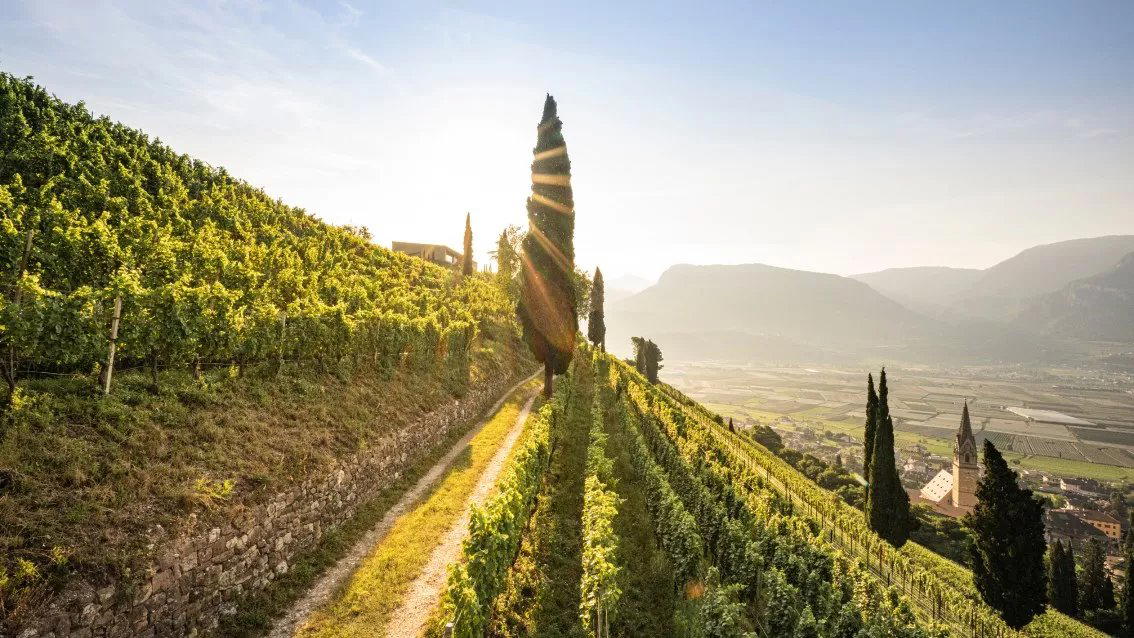
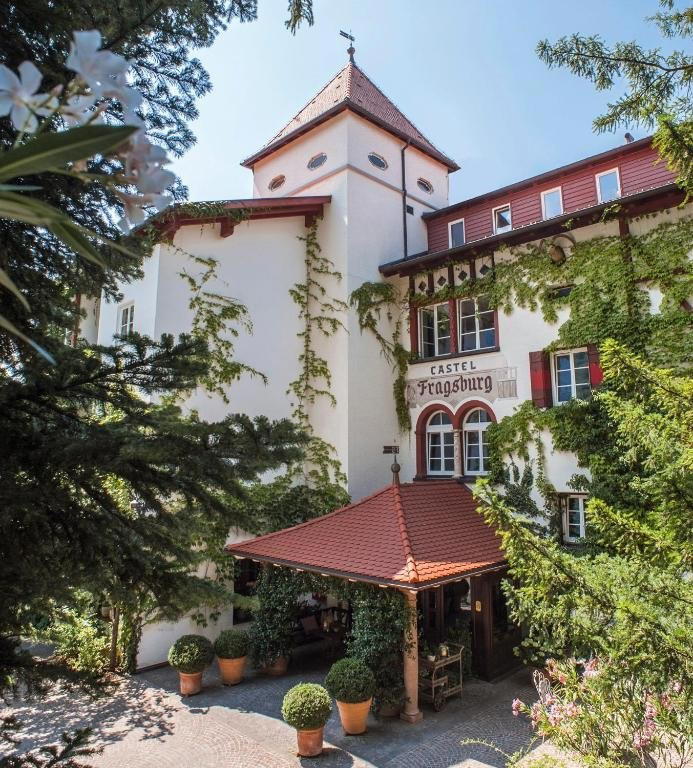
The physical approach to Psenner, on the SP16 wine road, reflects the character of Alto Adige production generally: the road is lined with vine-trained slopes that create a working agricultural backdrop rather than a curated experience environment. The village of Termeno itself is compact, with most of its key producers accessible within a short drive of each other. For visitors arriving from Bolzano, the SP16 runs south through the Überetsch zone, and Termeno's position at the southern end of the wine road means it can be anchored as a destination in its own right rather than a waypoint.
The practical approach for visitors is to plan around the village's broader production calendar. The harvest period in South Tyrol runs from September through October, which is the point at which distilleries on this road are at their most active and when the raw material connection to terroir is most directly observable. Visiting outside harvest still yields access to the production environment and finished portfolio, but the seasonal dimension adds a layer that is worth factoring into timing.
For context on how Termeno's producers structure a broader Alto Adige visit, cross-referencing the full Termeno guide is useful. The density of serious producers in this single village is high enough that a single day's itinerary can cover multiple tiers of production without driving significant distances.
Placing Psenner in a Wider Italian Production Frame
It positions Psenner alongside operations in other Italian regions that have built reputations on geographic specificity: the barrel-aged ambitions of Aldo Conterno in Monforte d'Alba in the wine context, or the long-term estate building visible at Lungarotti in Torgiano, represent the same underlying principle: that Italian production of the highest order is inseparable from the specific land and climate that generated its raw material.
For spirits specifically, that principle operates with particular directness. Grappa does not have oak, time, or blending to mediate the connection between raw material and final product in the way that wine or whisky does. The Speyside tradition at Aberlour or the vineyard-to-cellar logic at Accendo Cellars in St. Helena both involve significant transformation between source and glass. Grappa, particularly unaged grappa, offers almost no such mediation. What arrives in the bottle is a direct expression of what grew on the slope. In Termeno, on the SP16, that slope is among the more closely watched in Italian viticulture. Psenner's position at SP16, 1 is, in that sense, more than a postal address.
How It Stacks Up
Comparable venues nearby, for context on price, style, and recognition.
| Venue | Cuisine | Price | Notes |
|---|---|---|---|
| Distilleria PsennerThis venue — the venue you are viewing | Gewürztraminer, Lagrein | $$ | Not listed |
| Distilleria Roner | Pinot Blanc, Pinot Grigio | $$ | Termeno |
| Elena Walch | Gewürztraminer, Pinot Noir | $$$ | Termeno |
| J. Hofstätter | Pinot Noir, Gewürztraminer | $$$ | Tramin |
| Antoniotti Odilio | Nebbiolo, Croatina | $$ | Casa del Bosco (Sostegno) |
| Distilleria F.lli Brunello | Carmenère, Raboso | $$ | Montegalda |
Continue exploring
More in Termeno
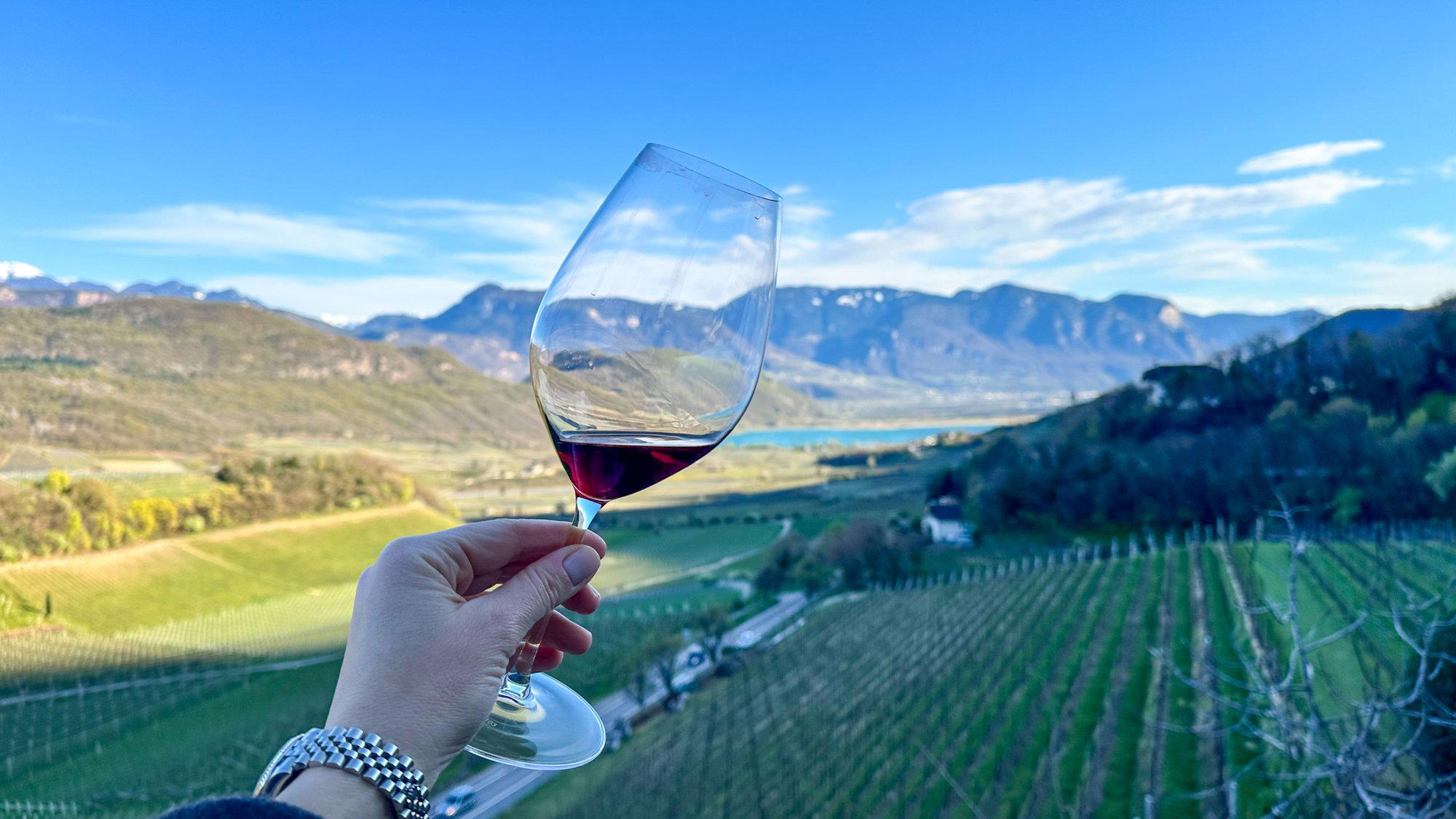
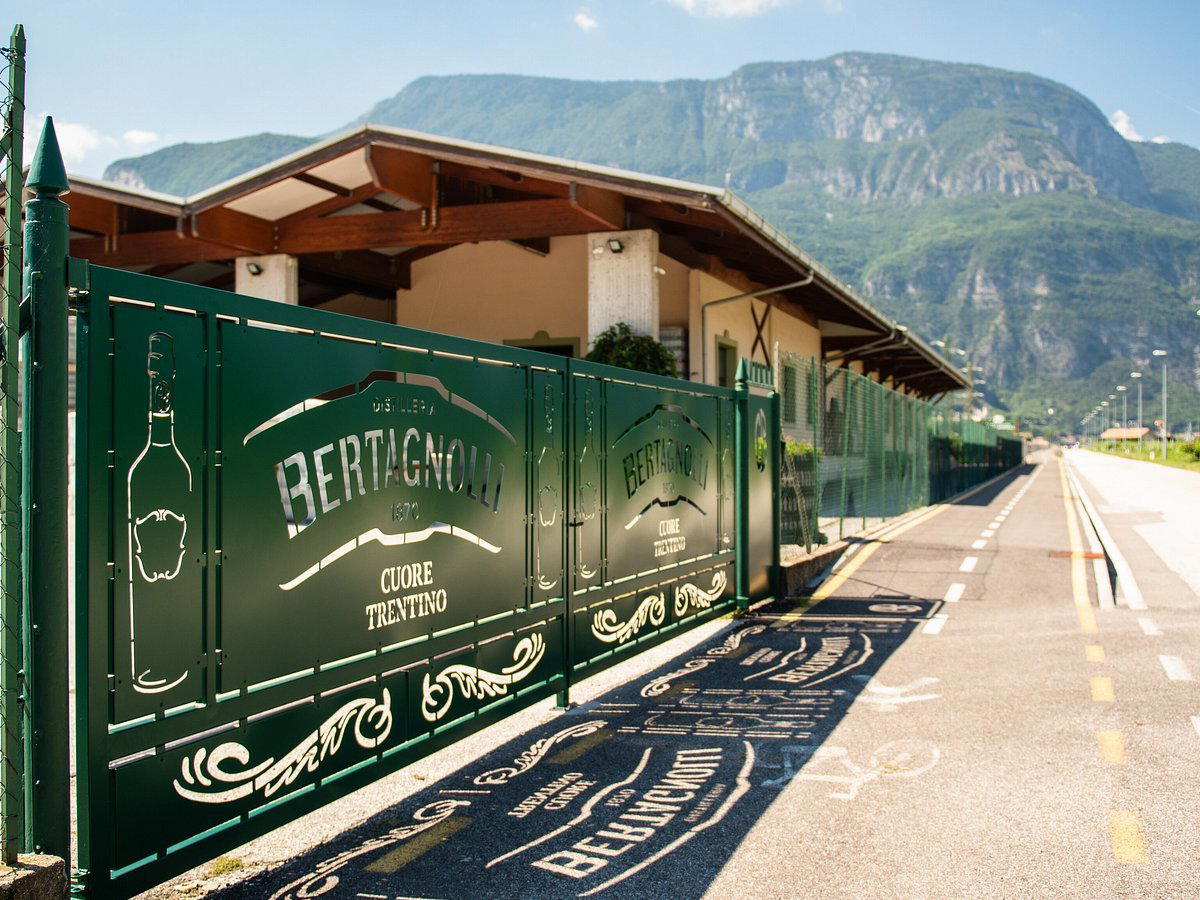
Wineries in Termeno
Browse all →
Bars in Termeno
Browse all →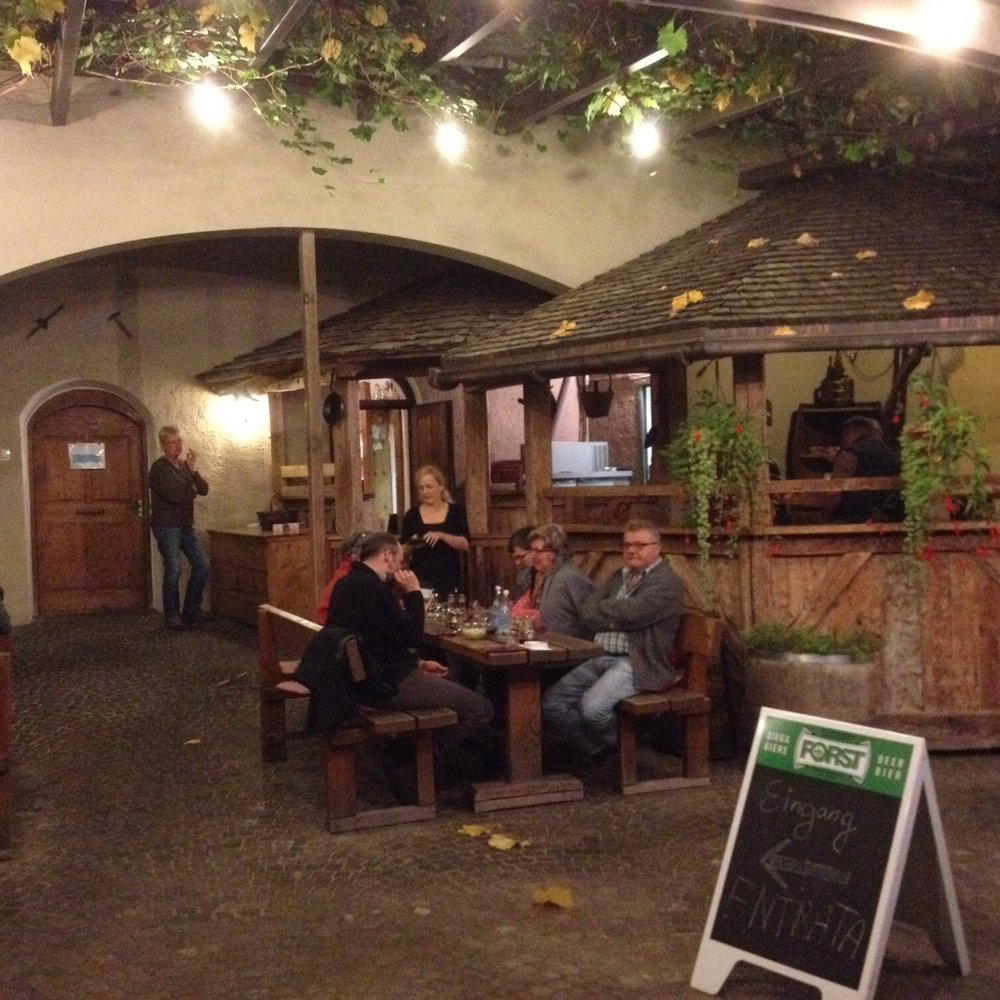
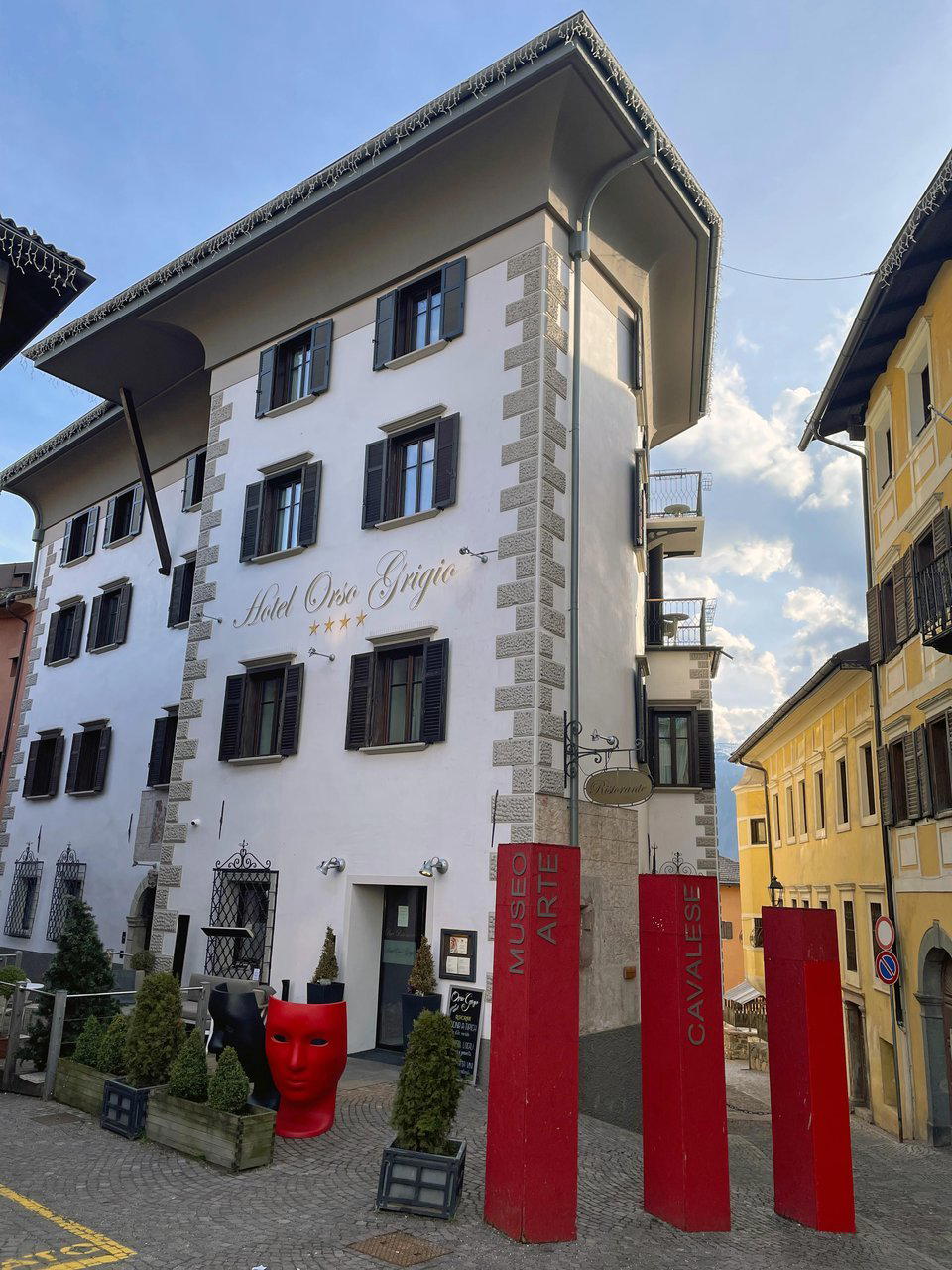
Restaurants in Termeno
Browse all →
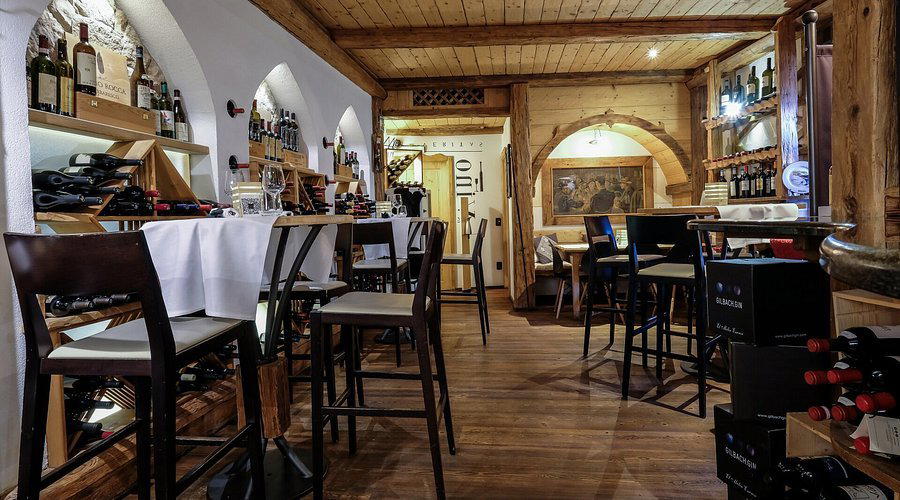
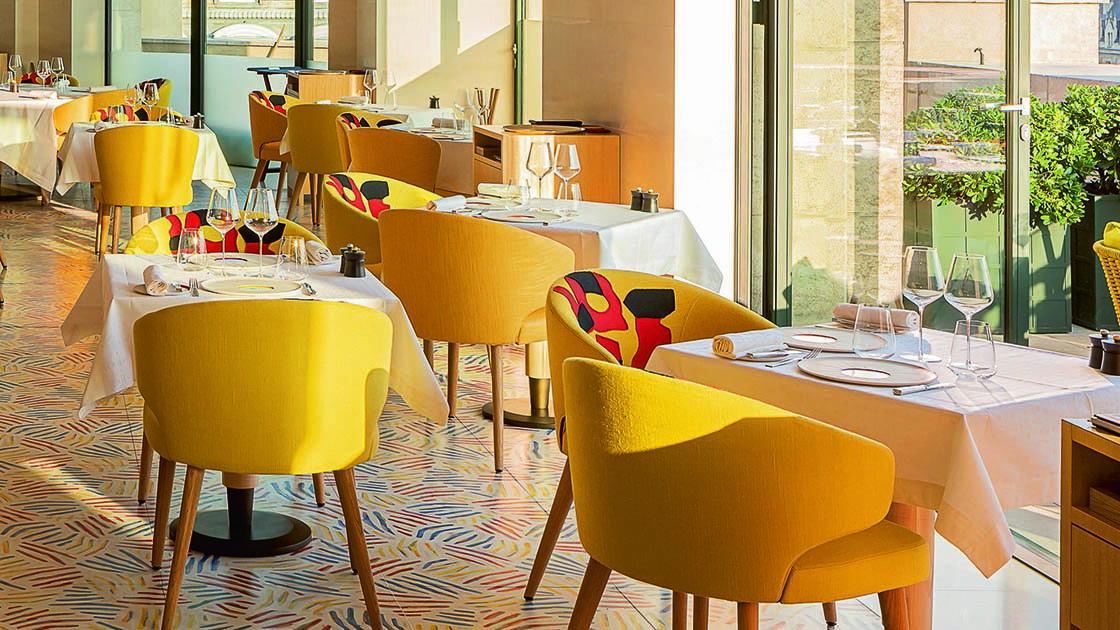
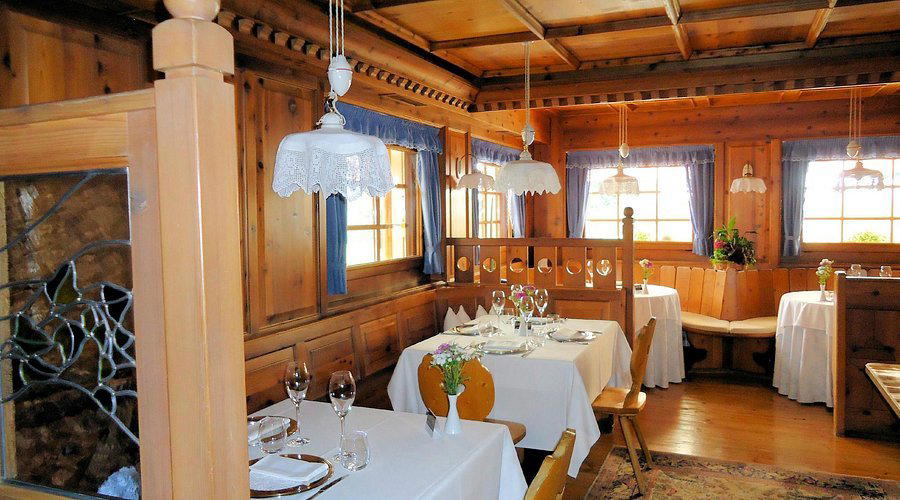
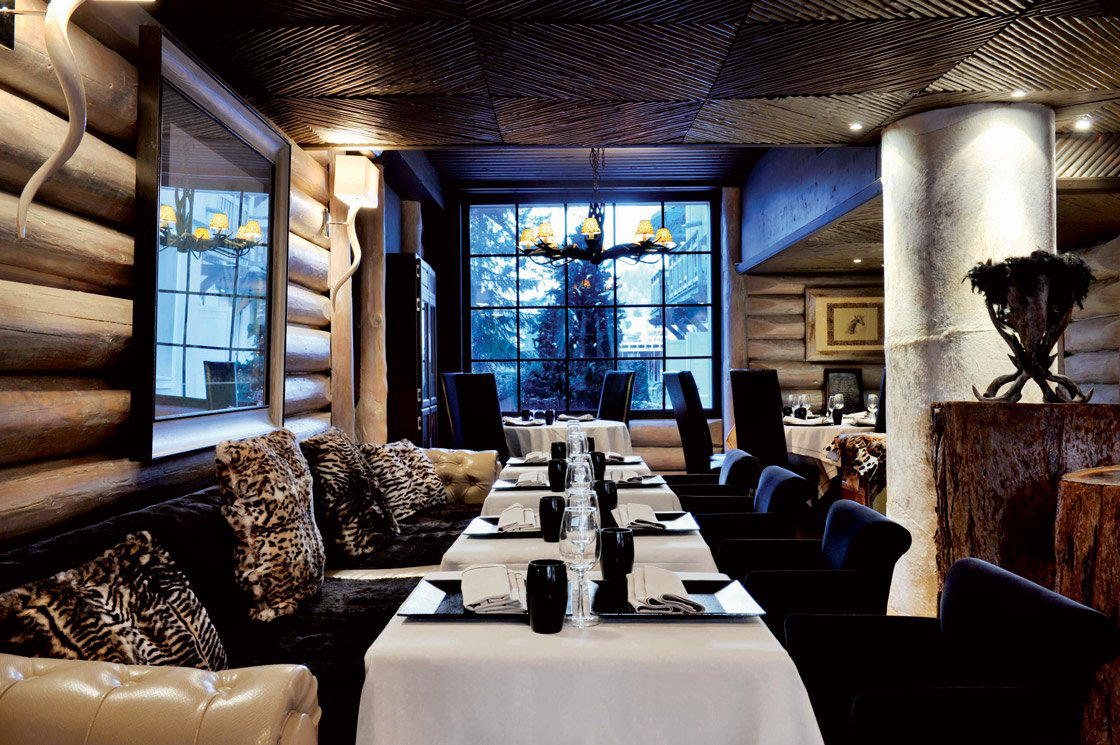
At a Glance
- Classic
- Sophisticated
- Rustic
- Elegant
- Solo Exploration
- Group Outing
- Special Occasion
- Corporate Event
- Historic Building
- Design Destination
- Private Tasting
- Vineyard
- Mountain
- Gewürztraminer
- Pinot Nero
- Lagrein
- Other Local Pomace Varietals
- Fortified
- Guided Tasting
- Distillery Tour
Traditional family distillery atmosphere with a modern, stylish presentation; the brand emphasizes authenticity, heritage, and a refined sensory experience.