
In Viaggio - Claudio Melis pairs modern Italian fine dining with Michelin 1 Star recognition in 2024, 2025 and 2026, plus an extensive wine list for dinner.
Pearl is the En Primeur Club membership app — saves, bookings, and concierge access live there. Same editors, same standards.
- Address
- Via Belvedere, 17, 39012 Merano BZ, Italy
- Phone
- +39 0471 168 4878
- Website
- inviaggioristorante.com
- Directions
- Get directions
 Saves & bookings on Pearl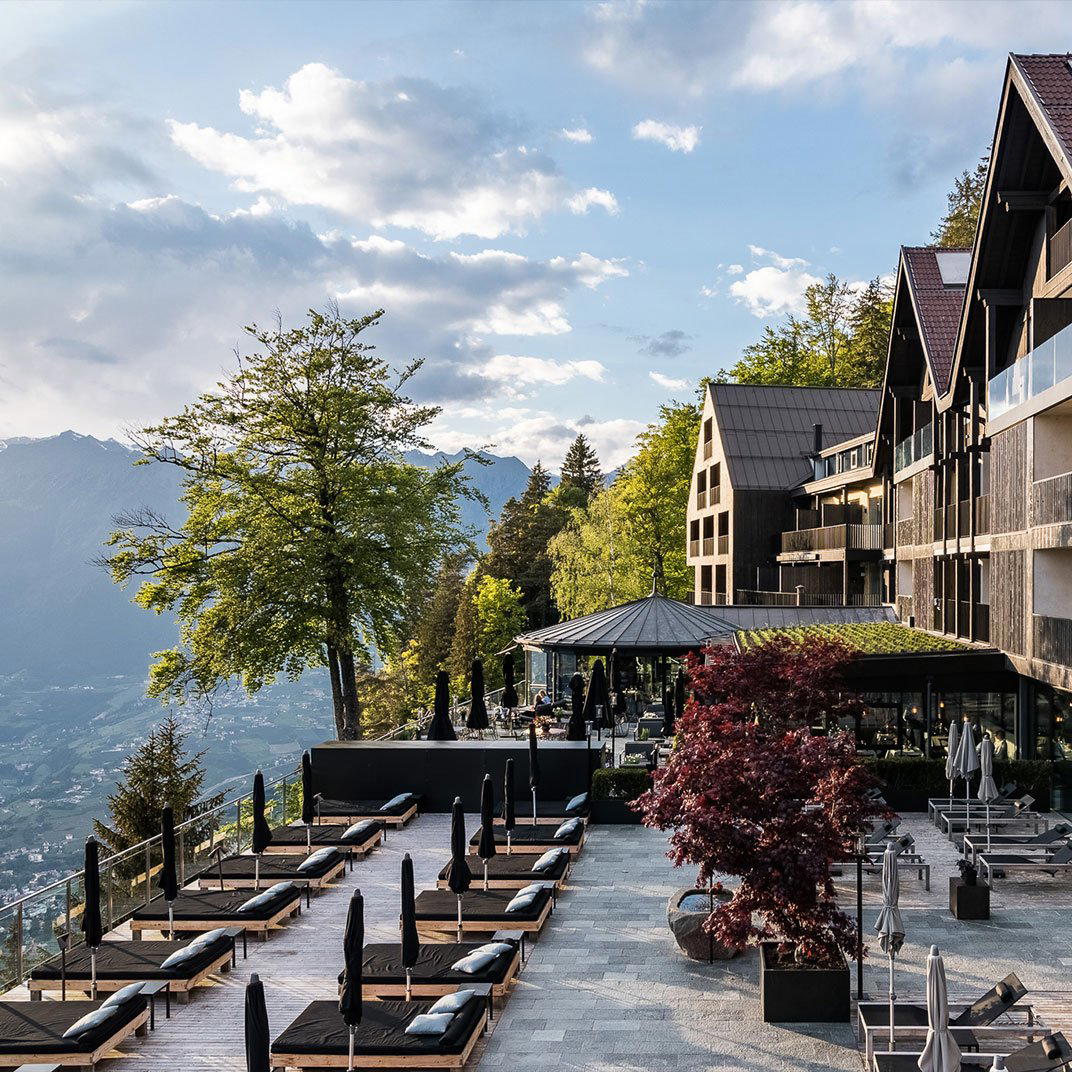
A Few Tables, One Room, and the Full Attention of the Chef
Via Belvedere sits on the quieter residential edge of Merano, where the spa town's Belle Époque grandeur gives way to something more intimate. Arriving at In Viaggio, there is no doorman, no lobby theatre, no ambient soundtrack calibrated by a consultant. The dining room holds just a few tables. The room is quiet in the way that serious dining rooms tend to be when the kitchen has decided that the food is the event. That restraint is a deliberate position, not an oversight.
In Italian Alpine dining, the prevailing model is either the hotel restaurant anchored to a resort property or the destination address that performs a kind of regional identity for visitors. In Viaggio sits outside both of those categories. That schedule is not a compromise. It is the shape of a kitchen built around control rather than volume.
The Structure of the Meal
The tasting menu format has become the dominant grammar of Michelin-starred dining across Europe, but the degrees of formality within it vary considerably. At some addresses, a tasting menu is a sequence of courses delivered by a brigade to a room of strangers. At In Viaggio, the structure functions differently. The chef moves between kitchen and table, explaining each dish personally to guests. That directness collapses the distance that typically separates the person who cooked from the person eating, and it changes the pacing of the meal in ways that no service script can replicate.
Guests choose between five, seven, or nine courses. The decision is not trivial. A five-course menu at this level is a tightly edited argument; nine courses is a full narrative. The choice of format effectively sets the tempo of the evening. At a price range of €€€€, the longer menus represent a significant commitment in both time and cost.
The name of the restaurant, which translates roughly as "in journey" or "on the way," signals the logic of the menu. The kitchen draws from Alpine ingredients alongside sources from countries across the globe. This is not the Alpine-only regionalism that defines places like Atelier Moessmer Norbert Niederkofler in Brunico, where the philosophy of working exclusively within a mountain terroir is the organising principle. In Viaggio takes a different position: the Alps are a starting point, not a constraint. The cuisine type is listed as Creative, which, in the Michelin lexicon, indicates a kitchen that answers primarily to its own logic rather than a regional or national tradition.
Where In Viaggio Sits in the Merano Scene
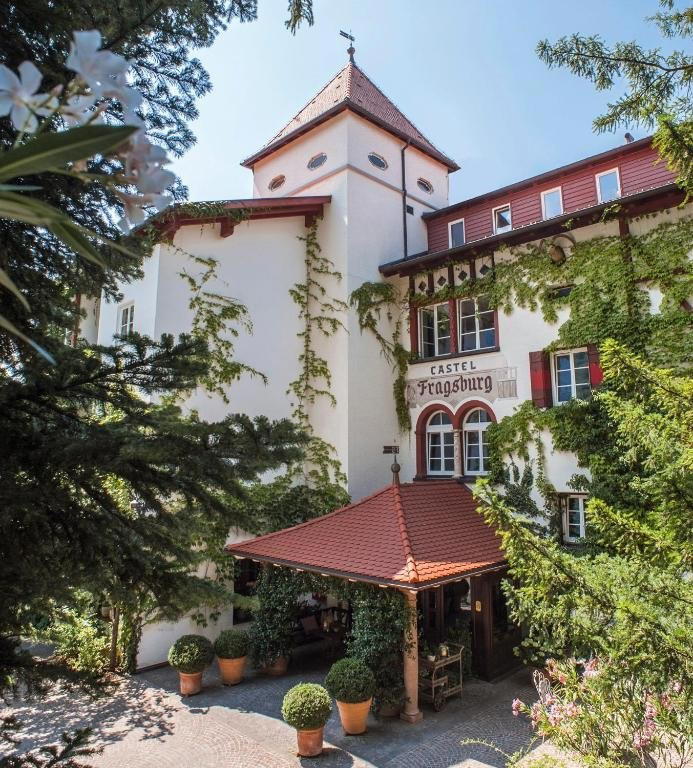
Merano's fine dining tier is small but coherent. The town has attracted serious restaurant investment partly because of its established spa and wellness tourism infrastructure, which brings a consistent flow of guests who are already spending at premium levels. Sissi holds a Michelin star within the Modern Cuisine category at a €€€ price point, making it the more accessible starred option in town. Castel Fragsburg anchors Italian Cuisine to a hotel property. Gourmet Restaurant Prezioso works the Italian Alpine register. In Viaggio, by contrast, operates at the summit of the local price tier with a format that has no hotel affiliation and a culinary identity that is explicitly internationalist rather than regional. The Michelin star awarded in 2024 confirms its standing in the city.
Across Italy, the pattern of independent chef-owned tasting menu restaurants earning Michelin recognition is well established at addresses like Osteria Francescana in Modena, Piazza Duomo in Alba, and Le Calandre in Rubano. What distinguishes these addresses from hotel dining or larger brigade kitchens is the degree to which the menu reflects a single coherent sensibility rather than a committee of investors and marketing decisions. In Viaggio operates in that tradition, with the additional characteristic that the chef's physical presence at the table during service is integral to the format rather than an occasional gesture.
For those who want a wider reference frame, the Creative category at the starred level in Italy also includes Enrico Bartolini in Milan and, further up the prestige tier, Enoteca Pinchiorri in Florence. In Europe more broadly, the chef-explains-the-dish model of intimate tasting menu dining has parallels at Paris addresses like Arpège and Alléno Paris au Pavillon Ledoyen, though those operate at significantly higher scale and price. The comparable intimacy in southern Italy can be found at Quattro Passi in Marina del Cantone and, for the rural tradition, Dal Pescatore in Runate. In Viaggio belongs to that broader category of small, chef-present restaurants where intimacy is structural rather than decorative.
The Ritual of the Evening
The dining ritual at In Viaggio is shaped by constraint in almost every dimension. The room is quiet. The tables are few. The service window is narrow: dinner runs from 7 PM on four evenings. The result is a meal with a clear beginning, middle, and end, conducted at a pace determined by the kitchen rather than by table-turn economics. When the chef explains a dish in person, the explanation is not a performance for a full room; it is a conversation at your table. That changes how the food is received. Context delivered by the person who made the decision to combine those ingredients carries weight that a printed menu description or a waiter's recitation does not.
Guests at this format of restaurant tend to eat more slowly than at comparable prix-fixe addresses. The chef's presence between courses creates natural pauses. A nine-course menu in this setting is likely to occupy a full evening. Those who arrive with other plans for later in the night may find the format at odds with their schedule. Those who arrive with no other plans will find the format rewarding.
At €€€€, the guest pool is self-selected and critical; scores at this level tend to reflect genuine satisfaction rather than volume-generated averaging.
Planning Your Visit
In Viaggio operates Wednesday through Saturday, with dinner service from 7 PM to 8 PM. The restaurant is located at Via Belvedere, 17, 39012 Merano. Given the limited table count and the four-evening operating window, advance booking is advisable. Guests planning around the South Tyrol's peak season periods, when Merano draws visitors for its thermal baths and wine festival, should account for higher demand. The price range at €€€€ places it at the ceiling of Merano's dining market; budgeting for the longer menu formats is recommended if the evening is the primary event rather than a prelude to something else.
Where It Fits
Comparable venues nearby, for context on price, style, and recognition.
| Venue | Cuisine | Price | Awards | Notes |
|---|---|---|---|---|
| In Viaggio - Claudio MelisThis venue — the venue you are viewing | Modern Italian Fine Dining | $$$$ | Michelin 1 Star | Not listed |
| Gourmet Restaurant Prezioso | Modern South Tyrolean Fine Dining | $$$$ | Michelin 1 Star | Merano |
| Sissi | Modern Italian Fine Dining | $$$ | Michelin 1 Star | Merano |
| Rametz | Alpine-Mediterranean with South Tyrolean Specialties | $$$$ | Not listed | Labers |
| Hotel Erika | Modern Italian Gourmet | $$$$ | Not listed | Dorf Tirol |
| Trattoria Mainardo | South Tyrolean & Italian Trattoria | $$ | Not listed | Center of Merano |
Recognition history
Dated appearances from independent guides and award organizations, with the underlying list record or original source where available.
Michelin 1 Star
Michelin
Michelin 1 Star
Michelin
Michelin 1 Star
Michelin
Continue exploring
More in Merano
Restaurants in Merano
Browse all →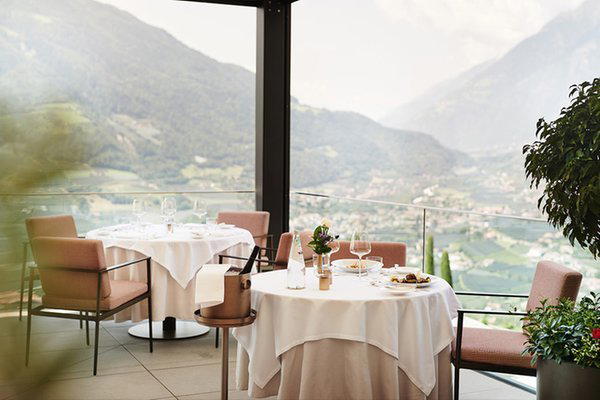
Bars in Merano
Browse all →
Hotels in Merano
Browse all →

At a Glance
- Intimate
- Elegant
- Quiet
- Sophisticated
- Date Night
- Special Occasion
- Chefs Counter
- Extensive Wine List
- Local Sourcing
Current opening hours
- Monday
- Closed
- Tuesday
- Closed
- Wednesday
- 7–8 PM
- Thursday
- 7–8 PM
- Friday
- 7–8 PM
- Saturday
- 7–8 PM
- Sunday
- Closed
Hours can change for holidays and private events. Last verified .
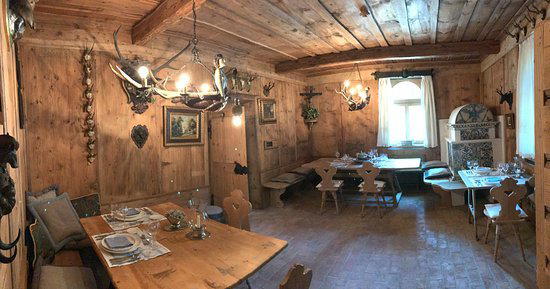
Intimate and tranquil with soft lighting, dark wood furnishings, and a serene atmosphere focused on the culinary experience.