

A 42-room alpine retreat set within a 40-hectare forest reserve near Merano, San Luis earns 91 points in the 2026 La Liste Top Hotels ranking. Wooden chalets and treehouses built from moon-phase harvested timber surround a still, mirror-like lake, with the Clubhouse anchoring a restaurant, spa, and lake-facing pool. Pricing is available on request only.
Pearl is the En Primeur Club membership app — saves, bookings, and concierge access live there. Same editors, same standards.
- Address
- Vöranerstraße, 5, 39010 Hafling, Autonome Provinz Bozen - Südtirol
- Phone
- +39 0473 279570
- Website
- sanluis-hotel.com
- Directions
- Get directions
 Saves & bookings on Pearl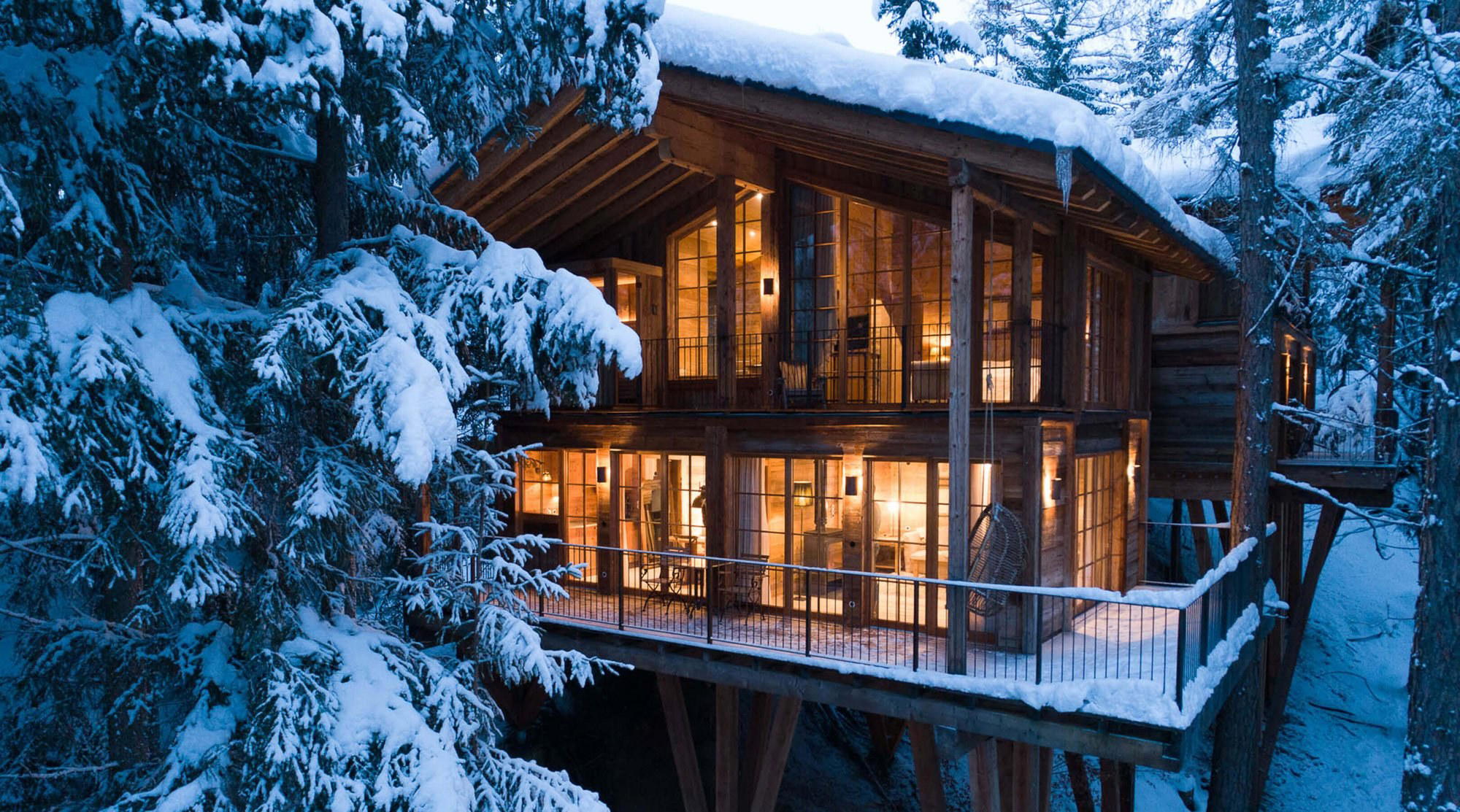
Where the Forest Sets the Agenda
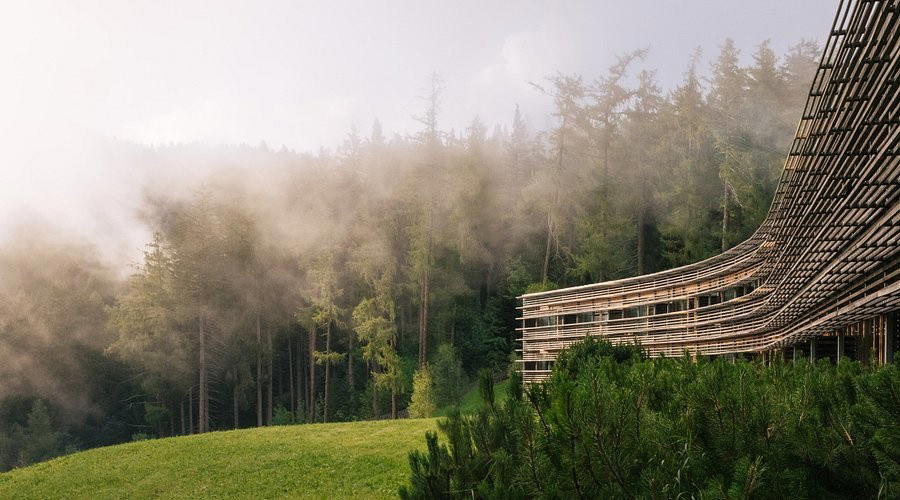
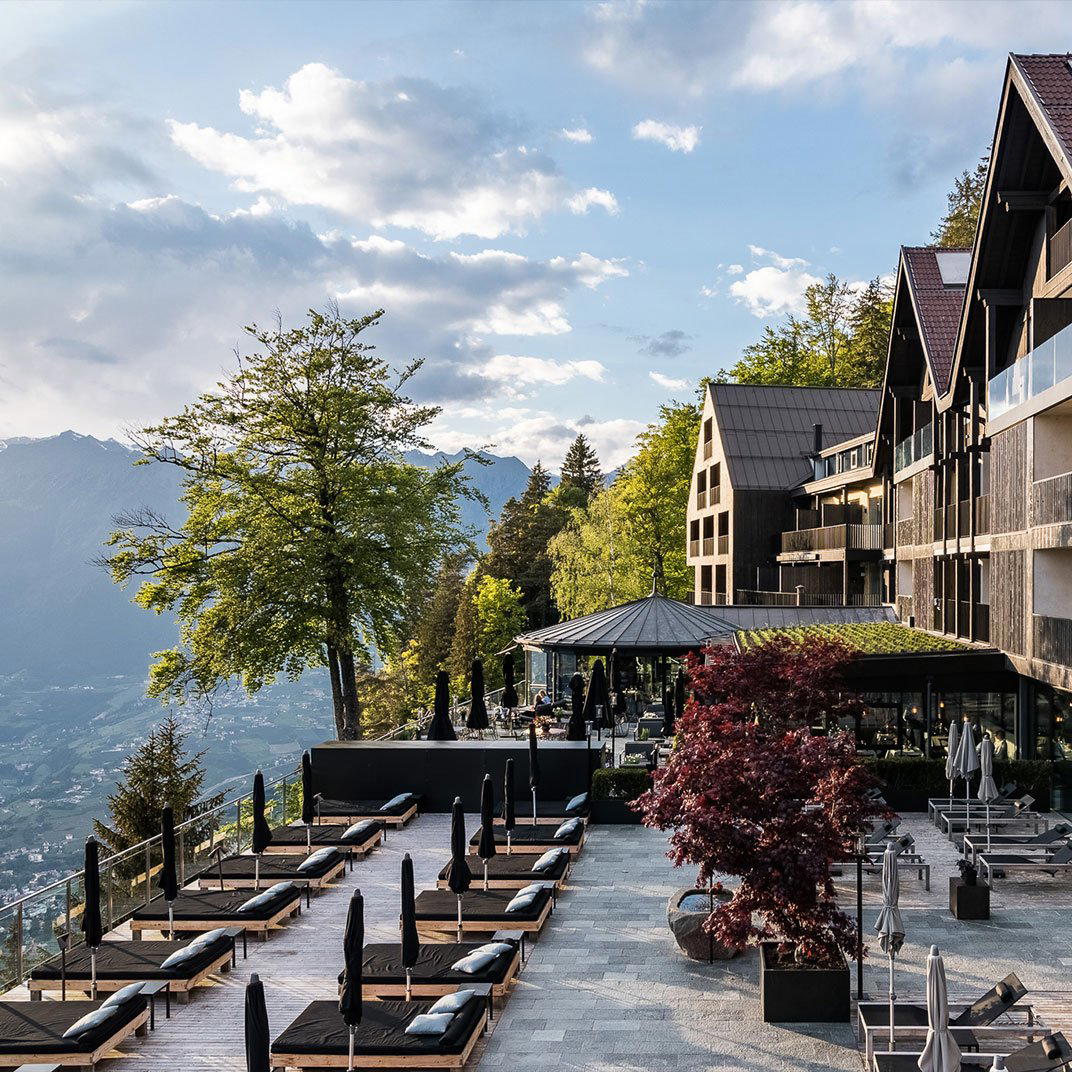
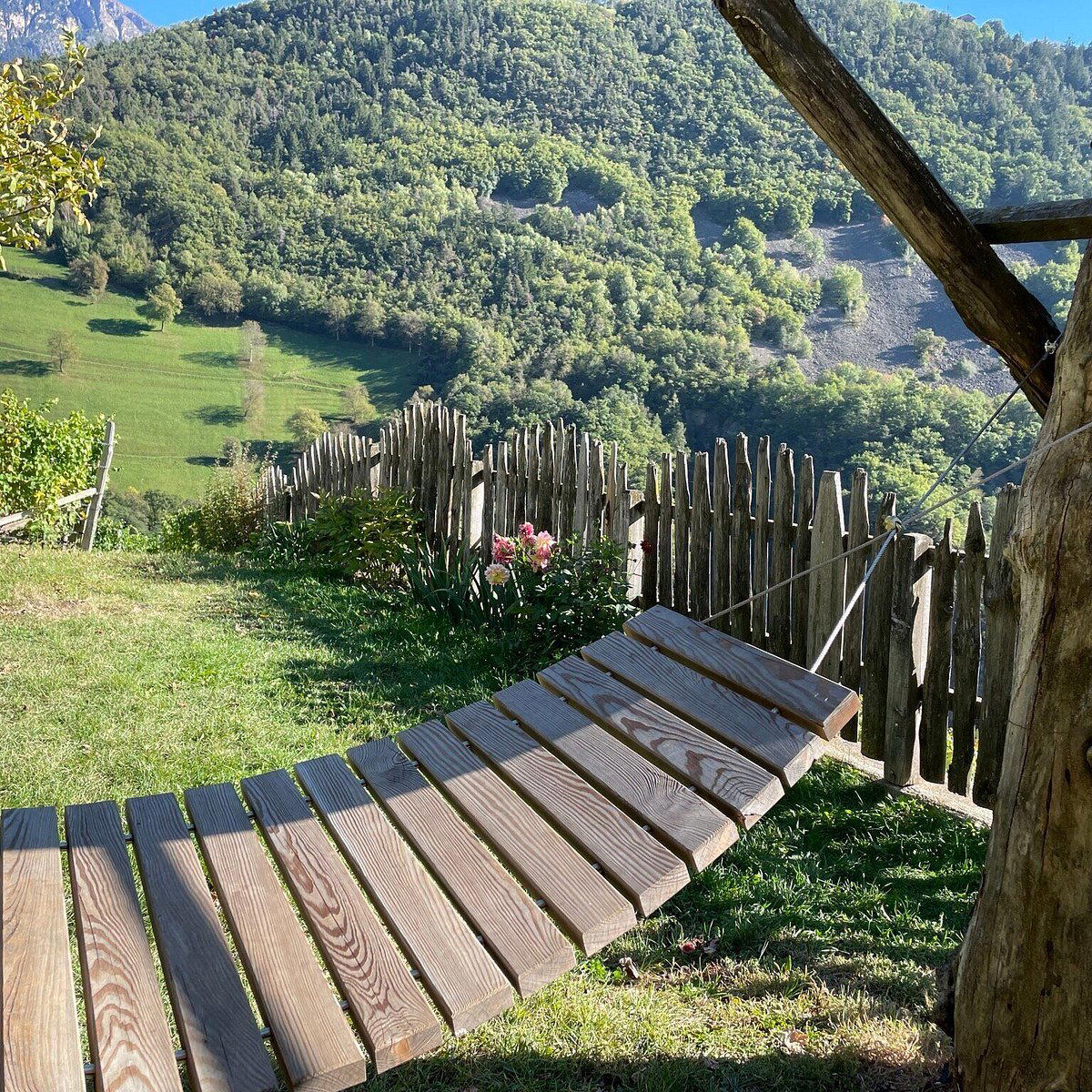
The approach to San Luis tells you everything you need to know about its design logic. The road into the 40-hectare alpine reserve above Merano does not deliver you to a grand entrance or a marble lobby. It delivers you to trees. The built environment here is deliberately subordinate to the natural one: wooden chalets and treehouses emerge from the forest floor with minimal interruption to the canopy, their sightlines oriented toward a mirror-like lake that sits at the property's centre. Before you have unpacked, the architecture has already made its argument.
This approach to alpine hospitality represents a clear departure from the spa-and-pool resort model that has dominated the South Tyrol region for decades. Where many properties in the broader Merano area draw their identity from thermal wellness infrastructure or from commanding panoramic terraces, San Luis draws its identity from density of nature and deliberate quietude. The 42 rooms and lodges are spaced wide enough that guests rarely register one another.
The Architecture of Restraint
The construction materials at San Luis are not incidental. The timber used throughout the chalets and treehouses was harvested according to lunar phases. Whether or not one subscribes to the methodology, the result is a building material that carries a visible narrative: this is not decorative wood, deployed for aesthetic warmth, but wood treated as a serious structural and philosophical choice.
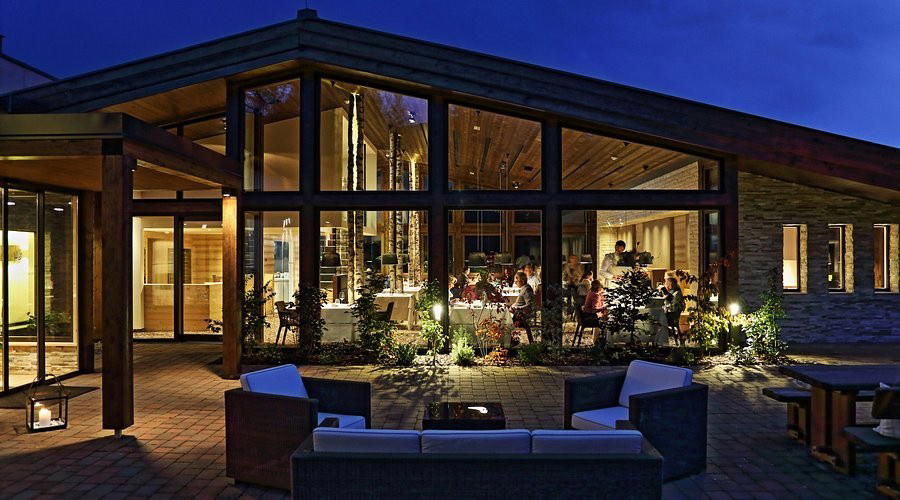
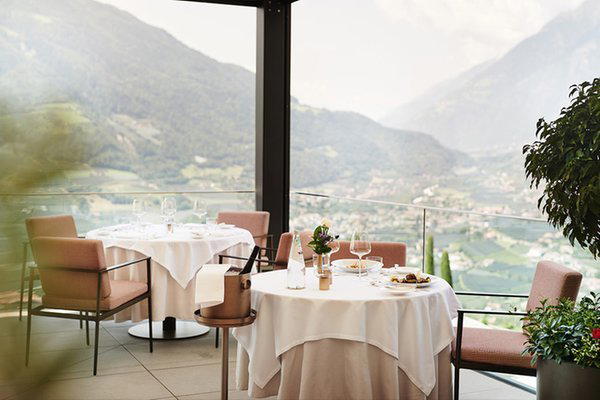
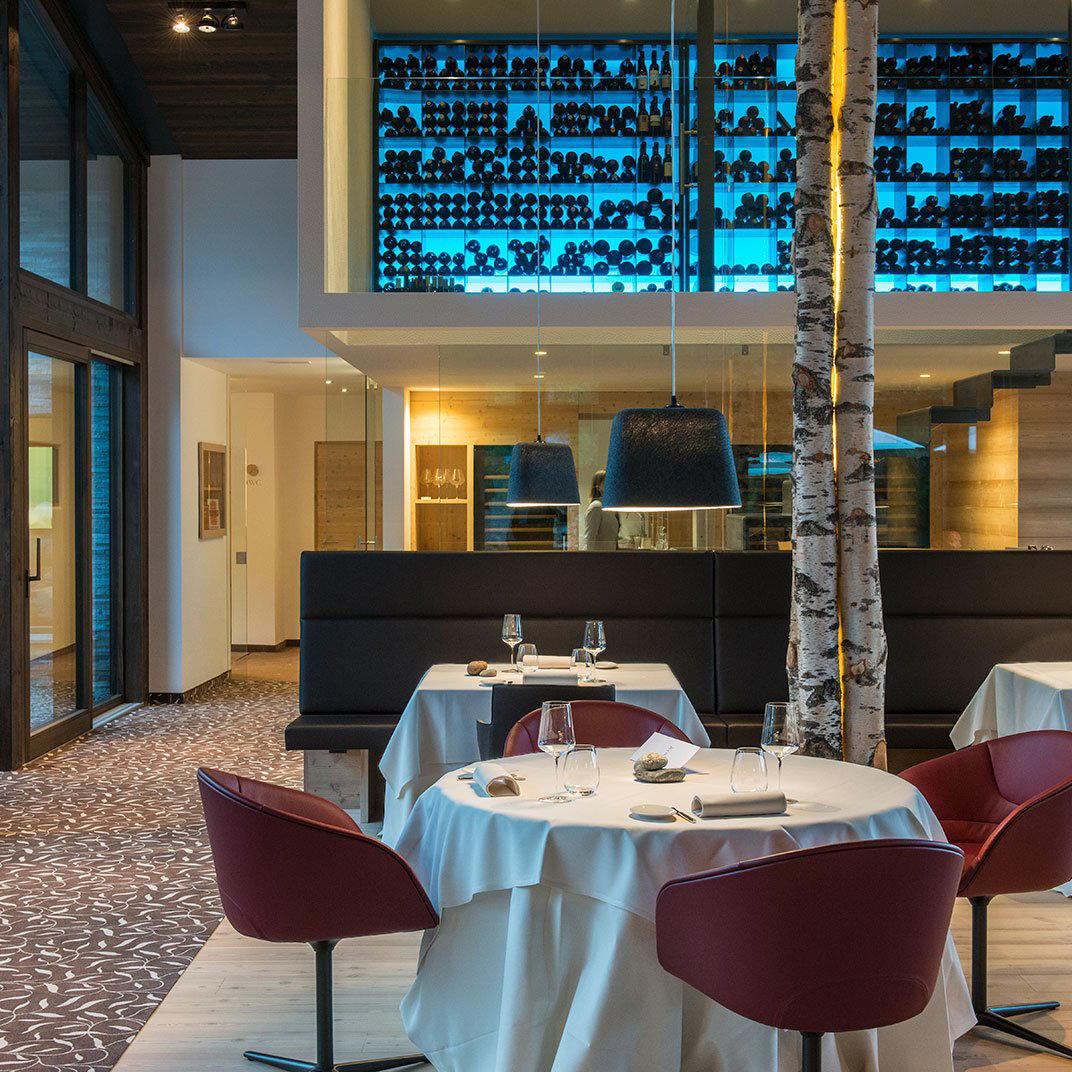
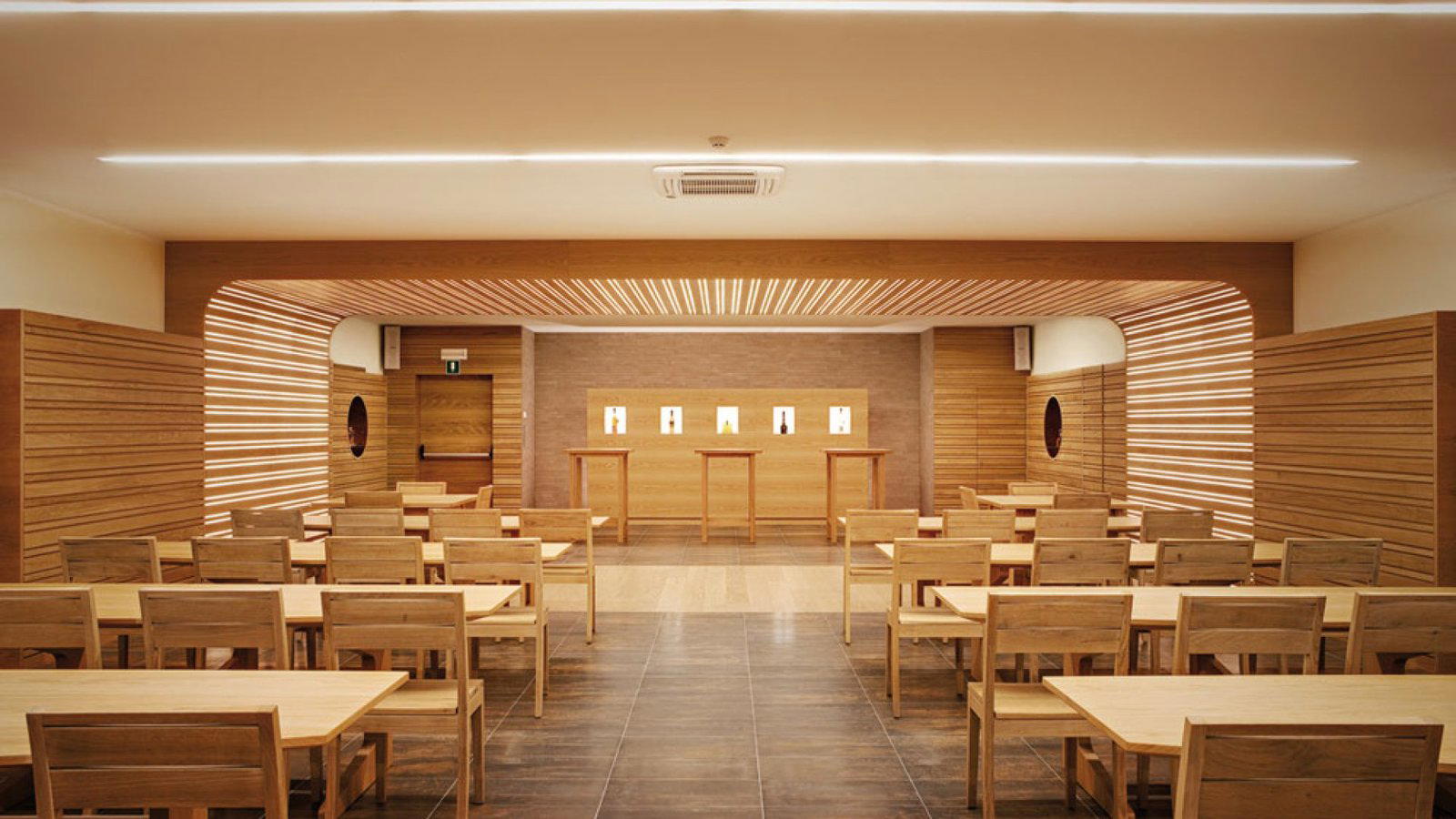
Oversized windows in each accommodation unit are positioned to frame the forest and lake rather than distant mountain silhouettes, which would be the conventional alpine gesture. The effect is immediacy rather than panorama. You are placed inside the landscape, not above it. Natural textures throughout, stone and timber and unbleached linen, maintain that immersion rather than puncturing it with contrast. The Clubhouse, which anchors the social and service infrastructure of the property, maintains the same material grammar while gathering the restaurant, spa, and lake-facing pool under one structure.
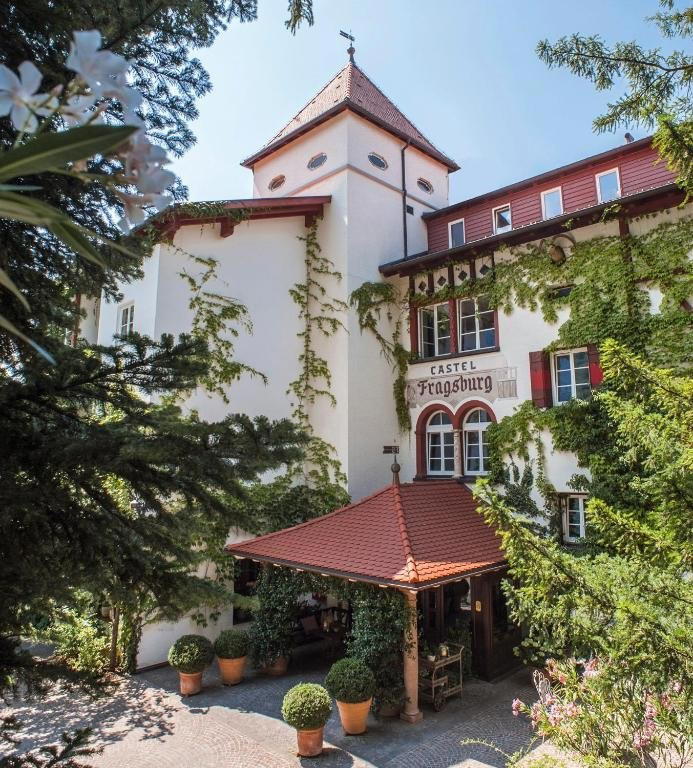
Among Italy's premium retreat category, this design discipline places San Luis in a specific competitive tier. Properties like Forestis Dolomites in Plose share a comparable commitment to architecture-as-landscape-integration in the northern Italian alpine zone, while Castel Fragsburg in Merano occupies nearby territory with a different formal register entirely. Nationally, the contrast with properties like Aman Venice or Bulgari Hotel Roma is instructive: those properties deploy architecture as cultural statement, urban and historically resonant; San Luis deploys it as environmental argument, rural and ecologically grounded. Neither position is wrong, but they serve fundamentally different traveller instincts.
The Lake as Organising Principle
The mirror-like lake at the property's centre is not a decorative amenity. It functions as the spatial organiser around which accommodation, the Clubhouse pool, and walking routes are arranged. In winter, when the broader South Tyrol region attracts guests drawn to snow conditions and the particular low-light quality of the Dolomite foothills, this body of water shifts in character: less the warm-season reflective surface and more a still, grey anchor in a monochrome forest. December, the peak arrival month for the region, brings that quality into sharp focus. The 40-hectare reserve absorbs snow without drama, and the property's low building density means that the landscape reads as continuous winter forest, not as a hotel campus that happens to have snow on it.
This seasonal character is a meaningful distinction. Italy's most-visited premium hotel addresses, from Borgo Santandrea on the Amalfi Coast to Il San Pietro di Positano, are emphatically warm-season propositions. San Luis belongs to a smaller cohort of Italian properties that hold their identity across seasons, and winter may be their most coherent argument.
Recognition and Where It Sits in the Market
San Luis received 91 points in the 2026 La Liste Leading Hotels ranking, placing it in the upper register of that index's Italian entries. La Liste, which aggregates critical data from multiple international guides and sources, uses its point scale to position properties relative to global peers rather than regional ones. A score of 91 carries implied company: other Italian properties in comparable territory on that ranking include names that have been operating at high recognition for considerably longer. For a retreat of 42 rooms, earning that position signals that the design-led, low-intervention model has been validated beyond regional enthusiasm.
Pricing is on request only.
Planning a Stay
The property sits at Vöranerstraße 5 in Hafling, in the Autonomous Province of Bolzano, South Tyrol, above Merano. December arrivals should plan the access road with care, as mountain conditions in the Hafling area can affect smaller vehicles.
How It Stacks Up
Comparable venues nearby, for context on price, style, and recognition.
| Venue | Cuisine | Price | Awards | Notes |
|---|---|---|---|---|
| San Luis Retreat Hotel & LodgesThis venue — the venue you are viewing | Luxe-rustic chalets and treehouses blending seamlessly with nature | $$$$ | Michelin 1 Key | Not listed |
| Lido Palace | Belle Epoque luxury with modern design | $$$$ | Michelin 1 Key | Riva del Garda |
| Vista Verona | Intimate boutique luxury hotel with modern Italian flair in a historic city center setting. | $$$$ | Michelin 1 Key | Citta' Antica |
| Ca’ di Dio | Historic Venetian palace reimagined with 21st-century luxury, blending austere architectural elements with refined contemporary design and locally sourced materials. | $$$$ | Michelin 1 Key | Castello |
| Palazzo Venart Luxury Hotel | Restored 16th-century Venetian palazzo blending historic grandeur with modern luxury | $$$$ | Michelin 1 Key | Santa Croce |
| Monastero di Cortona Hotel & Spa | Converted historic monastery with modern luxury | $$$$ | Michelin 1 Key | Cortona Old Town |
Recognition history
Dated appearances from independent guides and award organizations, with the underlying list record or original source where available.
La Liste Top Hotels
La Liste
Michelin 1 Key
Michelin
Continue exploring
More in Avelengo
Hotels in Avelengo
Browse all →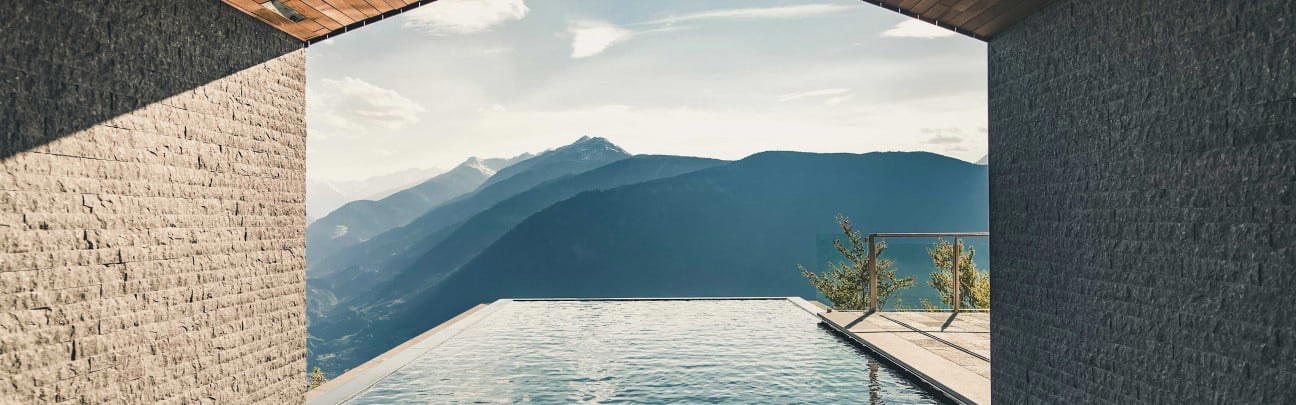
Bars in Avelengo
Browse all →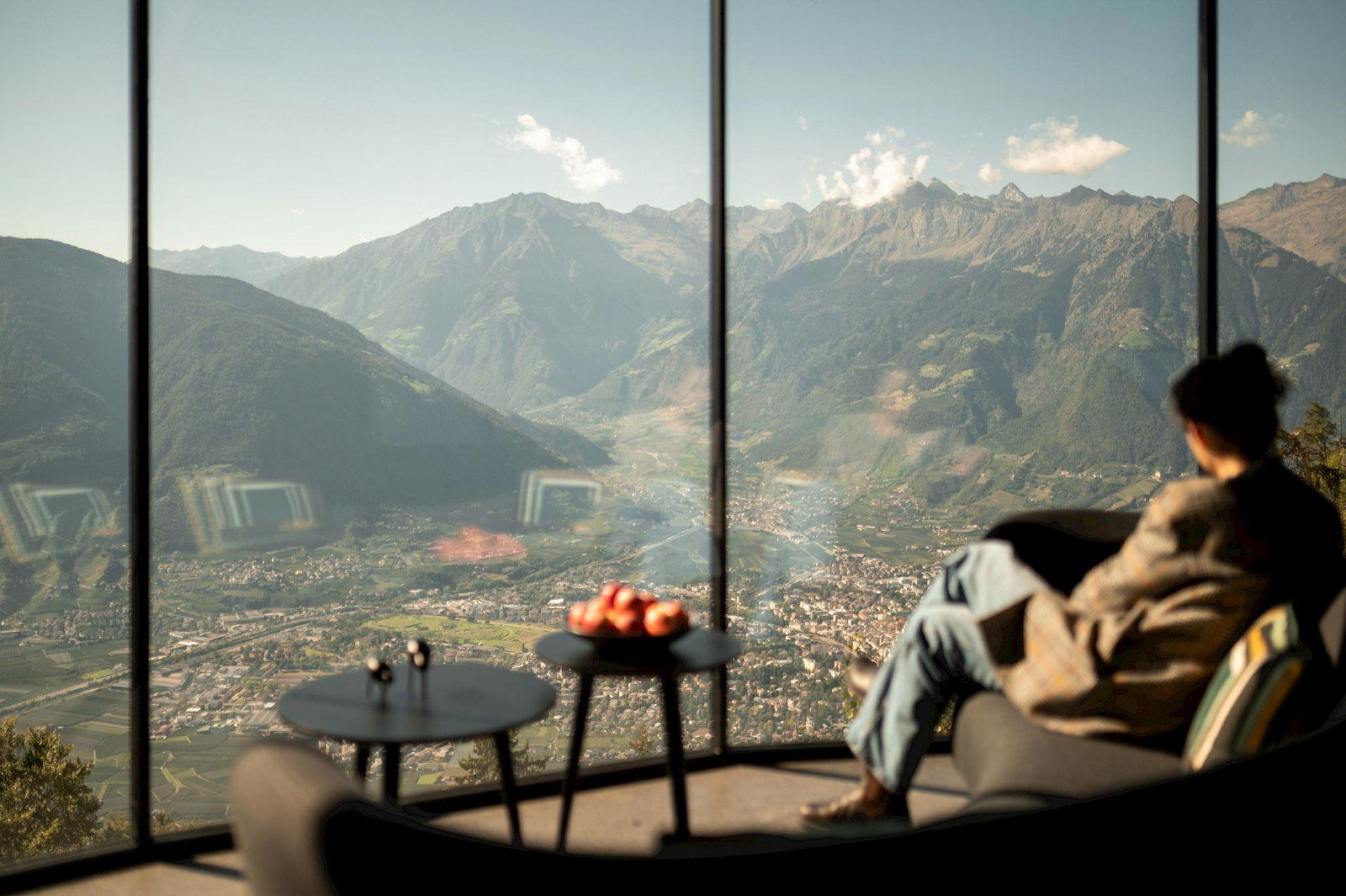
Restaurants in Avelengo
Browse all →
At a Glance
- Quiet
- Rustic
- Scenic
- Cozy
- Elegant
- Romantic Getaway
- Wellness Retreat
- Weekend Escape
- Infinity Pool
- Panoramic View
- Pool
- Spa
- Fitness Center
- Sauna
- Room Service
- Concierge
- Wi Fi
- Restaurant
- Mountain
- Garden
- Pool
- Spa
- Fitness Center
- Sauna
- Room Service
- Concierge
- Wi Fi
- Restaurant
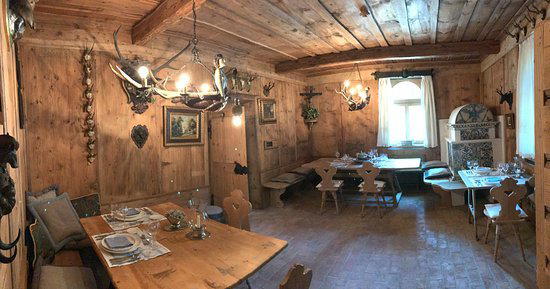
Tranquil and magical with crackling fireplaces, natural wood interiors, lake views, and a deeply relaxing, peaceful atmosphere.