Zoko Retiro sits on Avenida de Menéndez Pelayo at the edge of Madrid's Retiro district, a neighbourhood where the city's dining scene has grown considerably more ambitious over the past decade. Its address places it within reach of the park and the cultural institutions surrounding it, positioning it as a neighbourhood destination rather than a destination-district draw in the mould of Madrid's most-decorated tables.
Pearl is the En Primeur Club membership app — saves, bookings, and concierge access live there. Same editors, same standards.
- Address
- Av. de Menéndez Pelayo, 27, Retiro, 28009 Madrid, Spain
- Phone
- +34617147725
- Website
- grupozoko.com
- Directions
- Get directions
 Saves & bookings on Pearl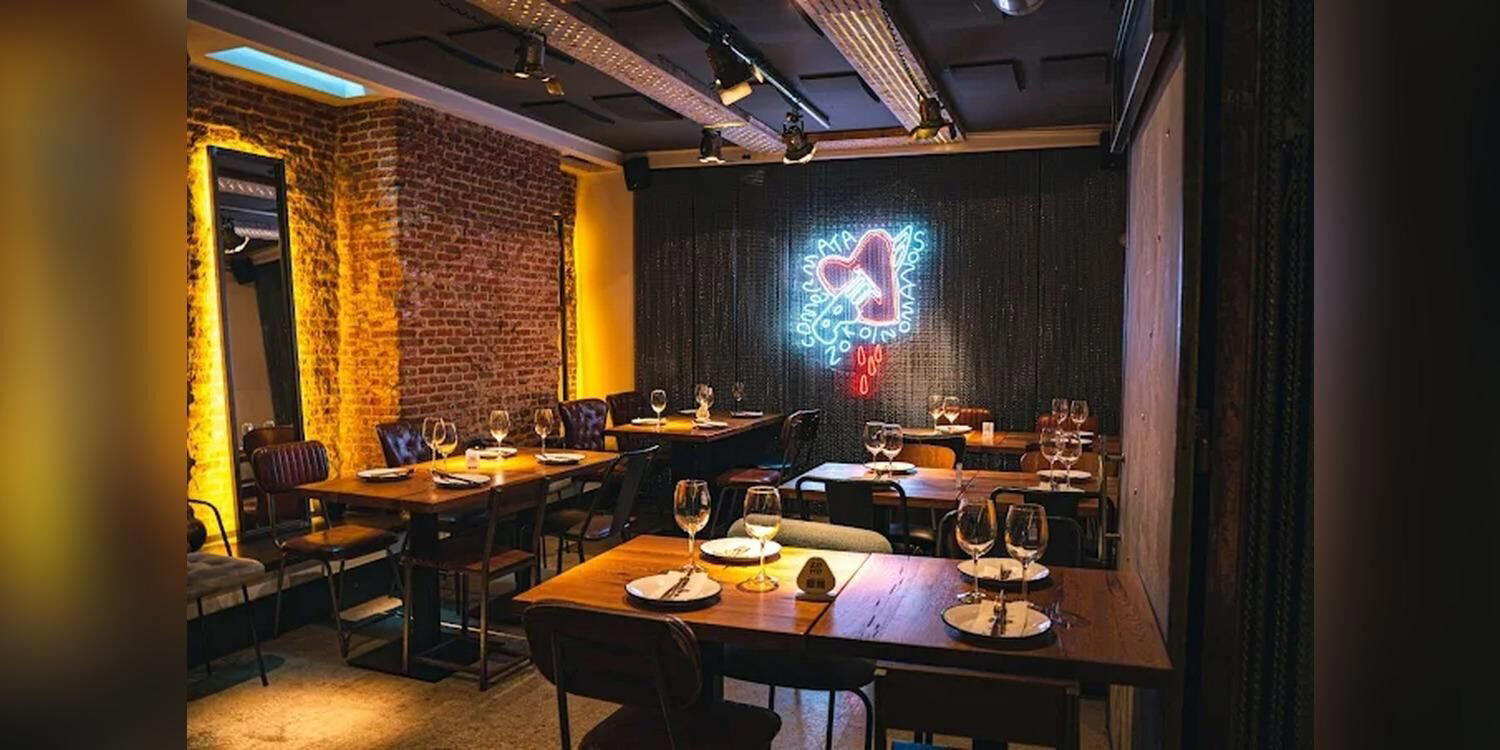
Retiro's Shifting Dining Identity
Madrid's dining geography has never been fixed. For much of the twentieth century, the city's serious restaurant culture concentrated around the old centre and the established bourgeois corridors of Salamanca. Retiro, despite its obvious residential appeal and proximity to one of Europe's great urban parks, remained largely peripheral to that conversation. The last ten to fifteen years have changed that calculus. As the capital's appetite for neighbourhood-level dining grew, and as a generation of operators began looking beyond the predictable high-rent strips, addresses like Avenida de Menéndez Pelayo started to carry real culinary weight. Zoko Retiro occupies one of those addresses, at number 27, sitting at the boundary between the park and the broader Retiro barrio.
That neighbourhood context matters more than it might seem. Retiro diners are not the same as the expense-account crowd hunting Michelin validation on a Friday night in the city centre. The clientele tends to be local, returning, and attentive to value in the Spanish sense of the word: not cheap, but proportionate. A restaurant that survives and earns loyalty here does so through consistency and genuine cooking, not through the sort of theatrical positioning that sustains a table in, say, the orbit of DiverXO or the grand-format productions at Coque.
Where Zoko Retiro Sits in Madrid's Current Scene
Madrid's upper dining tier has become significantly more competitive since the mid-2010s. The arrival and expansion of restaurants like Deessa, DSTAgE, and Paco Roncero pushed creative Spanish cooking into a dense, award-conscious cluster. That cluster, broadly, operates in the €€€€ bracket and courts institutional recognition as part of its identity. Zoko Retiro's competitive set is harder to define from public data alone, but its location and neighbourhood positioning suggest a different register: closer to the serious neighbourhood restaurant than to the tasting-menu destination demanding three months of advance planning.
That is not a limitation. Spain's most compelling dining evolution over the past decade has not happened exclusively at the Michelin-starred level. It has happened in the mid-tier restaurants where Spanish product discipline, classical technique, and a sharper understanding of what the modern diner actually wants have produced cooking that outperforms its price point. The restaurants in Spain that have earned the deepest loyalty, whether El Celler de Can Roca in Girona at one extreme or the focused neighbourhood tables of Barcelona and Madrid at the other, share a common trait: they have a clear point of view that doesn't shift with trends.
The Broader Spanish Context
Placing the restaurant inside the national picture requires acknowledging how dominant the Spanish fine-dining narrative has become internationally. Restaurants like Mugaritz in Errenteria, Arzak in San Sebastián, Azurmendi in Larrabetzu, Martin Berasategui in Lasarte-Oria, Quique Dacosta in Dénia, Ricard Camarena in València, Aponiente in El Puerto de Santa María, Atrio in Cáceres, and Cocina Hermanos Torres in Barcelona have built an international profile for Spanish cuisine that stretches well beyond the Basque Country's original dominance. Madrid, as Spain's largest city and its most visited, absorbs a significant share of that international interest. The visitors arriving with serious culinary intent are, increasingly, looking beyond the headline names toward the restaurants that the city itself rates.
That shift in visitor behaviour, toward neighbourhood discovery rather than destination-only tourism, has benefited addresses like Zoko Retiro's. The restaurant sits within comfortable walking distance of Retiro Park and the area around the Prado and Reina Sofía museum corridor, making it a plausible lunch or dinner option for visitors who are already in the district and who want something grounded in local dining rather than international tourist infrastructure.
Evolution and the Neighbourhood Restaurant Model
The editorial angle worth dwelling on here is how the restaurant model the restaurant represents has itself evolved. A decade ago, the expectation in Spanish neighbourhood dining was largely conservative: traditional preparations, regional product, and a room that priced itself well below the creative vanguard. That expectation has shifted. Neighbourhood restaurants in Madrid's better barrios now carry wine lists with genuine depth, kitchens staffed by cooks with serious training pedigrees, and menus that reflect an awareness of the broader Spanish conversation without trying to replicate what the starred houses are doing.
The restaurants that have navigated that evolution most successfully are those that understood early on that their competitive advantage was not replication but complement: offering something the high-format tasting-menu houses don't, specifically, flexibility, regularity, and the kind of room where you can eat without the meal becoming an event. The restaurant operates within that framework.
For comparison, the international precedent for this kind of evolution is instructive. Restaurants like Le Bernardin in New York City spent decades refining a focused identity without pivoting toward the experimental edge, while newer entrants like Atomix, also in New York, have demonstrated that high-format and neighbourhood intimacy are not mutually exclusive. The lesson for Madrid's mid-tier is the same: the restaurants that last are those that know what they are.
Planning a Visit
The restaurant's address on Avenida de Menéndez Pelayo places it on the eastern edge of the Retiro district, accessible from the Ibiza or Atocha Renfe metro stations on Line 1, and within a ten-to-fifteen minute walk from the main museum corridor around the Paseo del Prado. For visitors staying in the centre, a visit to Retiro Park combined with a meal in the neighbourhood is a coherent half-day. Madrid's better neighbourhood restaurants fill their weekend services on shorter notice than the tasting-menu houses, so midweek visits typically offer the availability.
Cost and Credentials
Comparable venues nearby, for context on price, style, and recognition.
| Venue | Cuisine | Price | Notes |
|---|---|---|---|
| Zoko RetiroThis venue — the venue you are viewing | Not listed | $$ | Not listed |
| ROSA & ESPIGAS | Goya, Modern Spanish Vanguardista | $$ | Not listed |
| La Vanduca | Not listed | $$ | Recoletos, Modern Spanish Mediterranean with Andalusian Touches |
| Casa Alberto | Not listed | $$ | Barrio de las Letras, Traditional Madrilenian |
| Café Comercial | Not listed | $$ | Trafalgar, Traditional Madrid Cuisine with Contemporary Touches |
| Agarimo | Rios Rosas, Modern Galician Taberna | $$ | Not listed |

At a Glance
- Modern
- Lively
- Trendy
- Date Night
- Group Dining
- Casual Hangout
- Terrace
- Extensive Wine List
- Garden
- Street Scene
Current opening hours
- Monday
- Closed
- Tuesday
- 11 AM–11 PM
- Wednesday
- 11 AM–11 PM
- Thursday
- 11 AM–12 AM
- Friday
- 11 AM–12 AM
- Saturday
- 11 AM–12 AM
- Sunday
- 11 AM–8 PM
Hours can change for holidays and private events. Last verified .
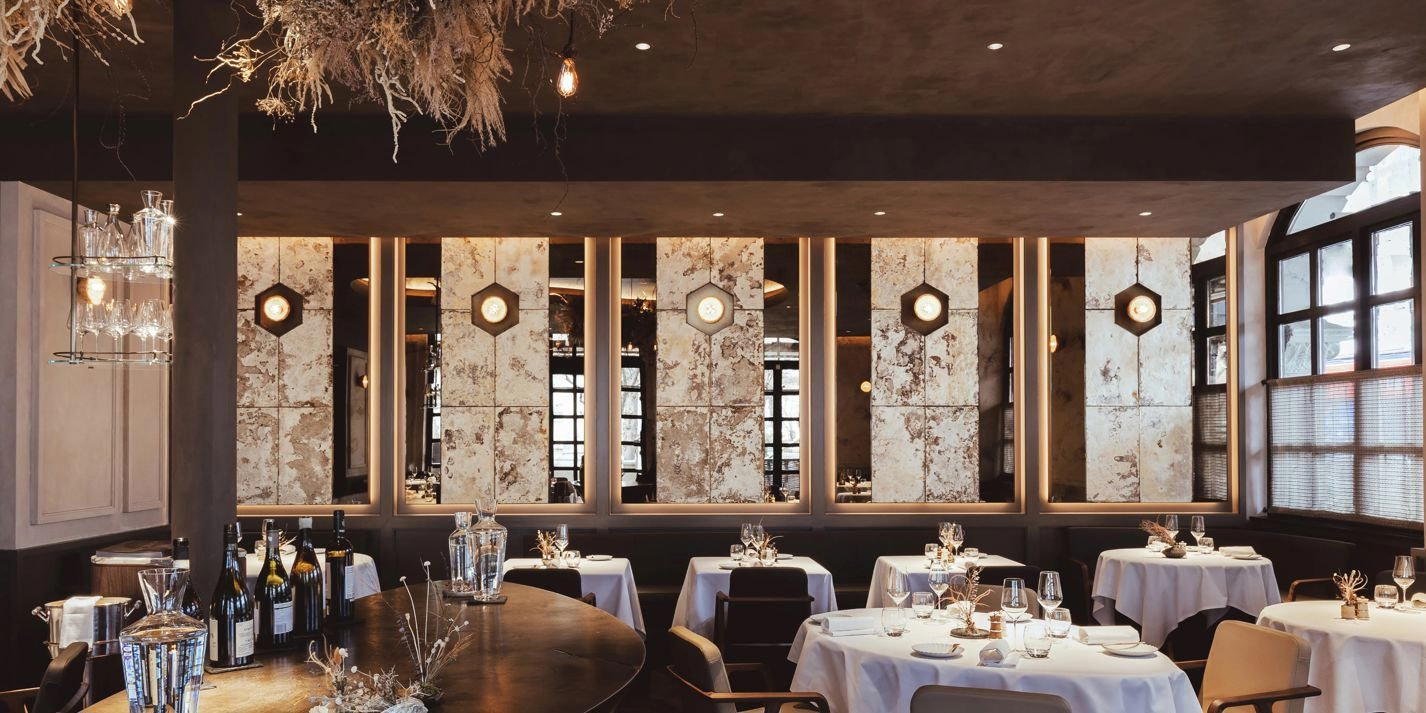
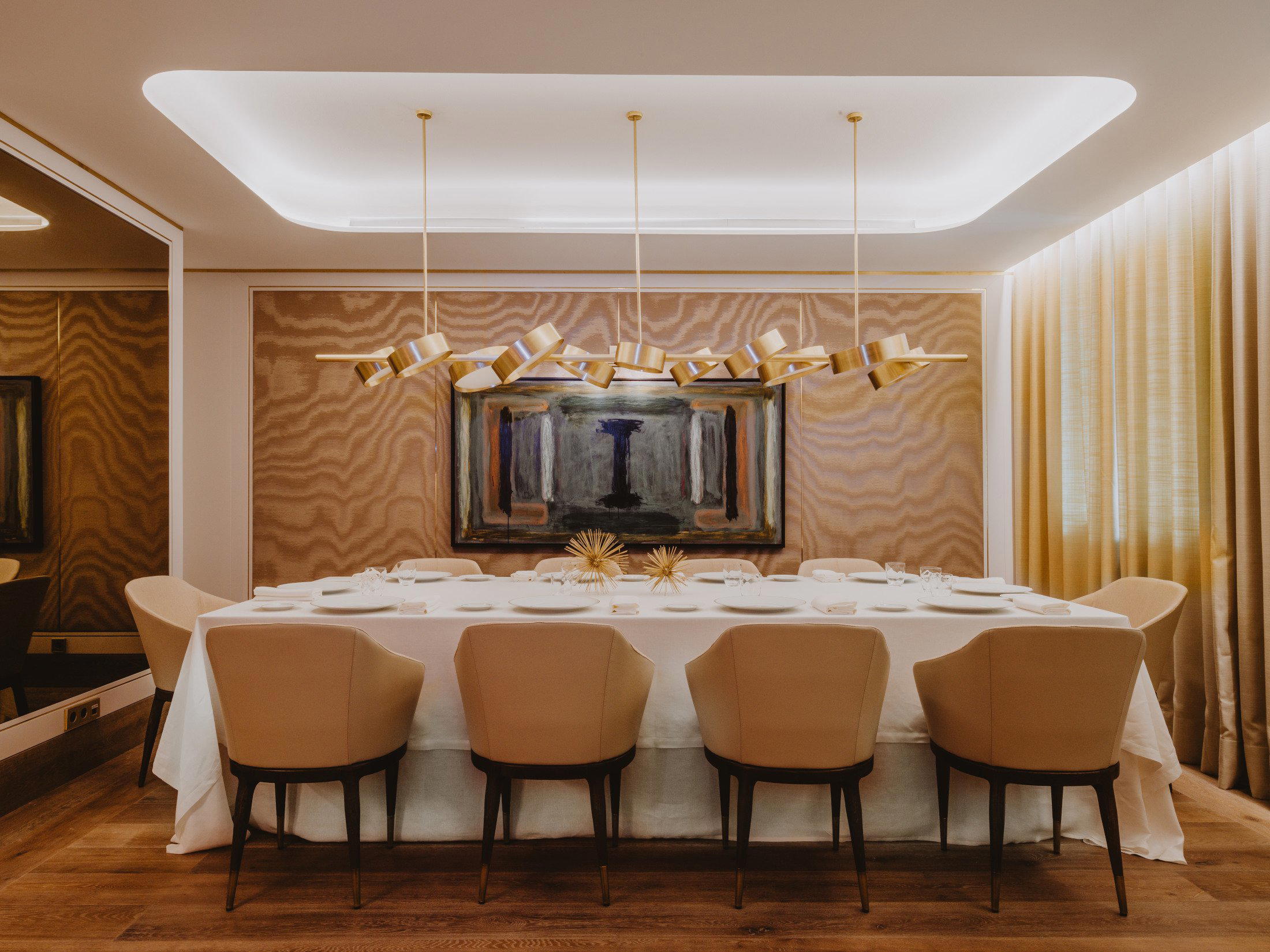
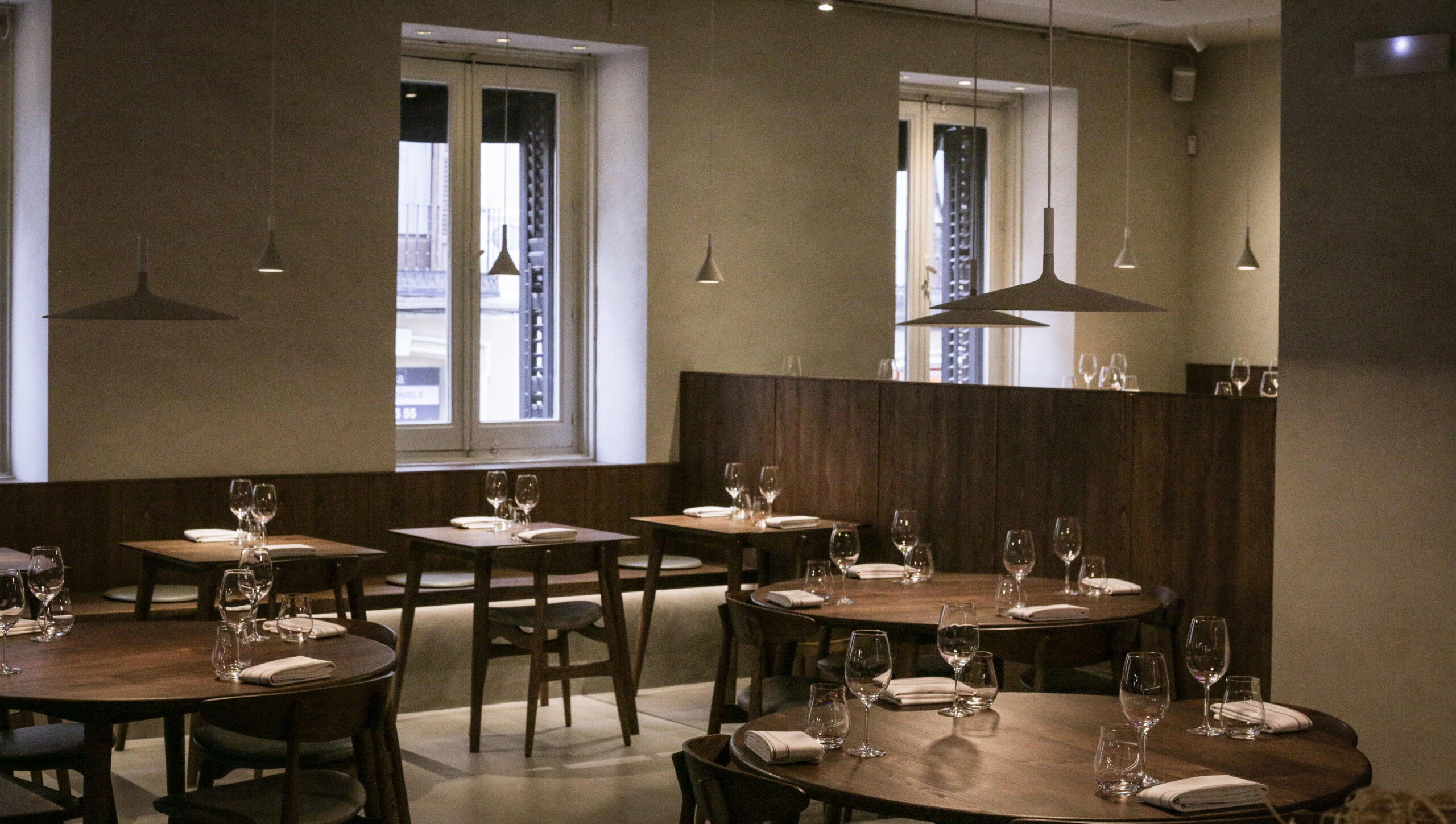
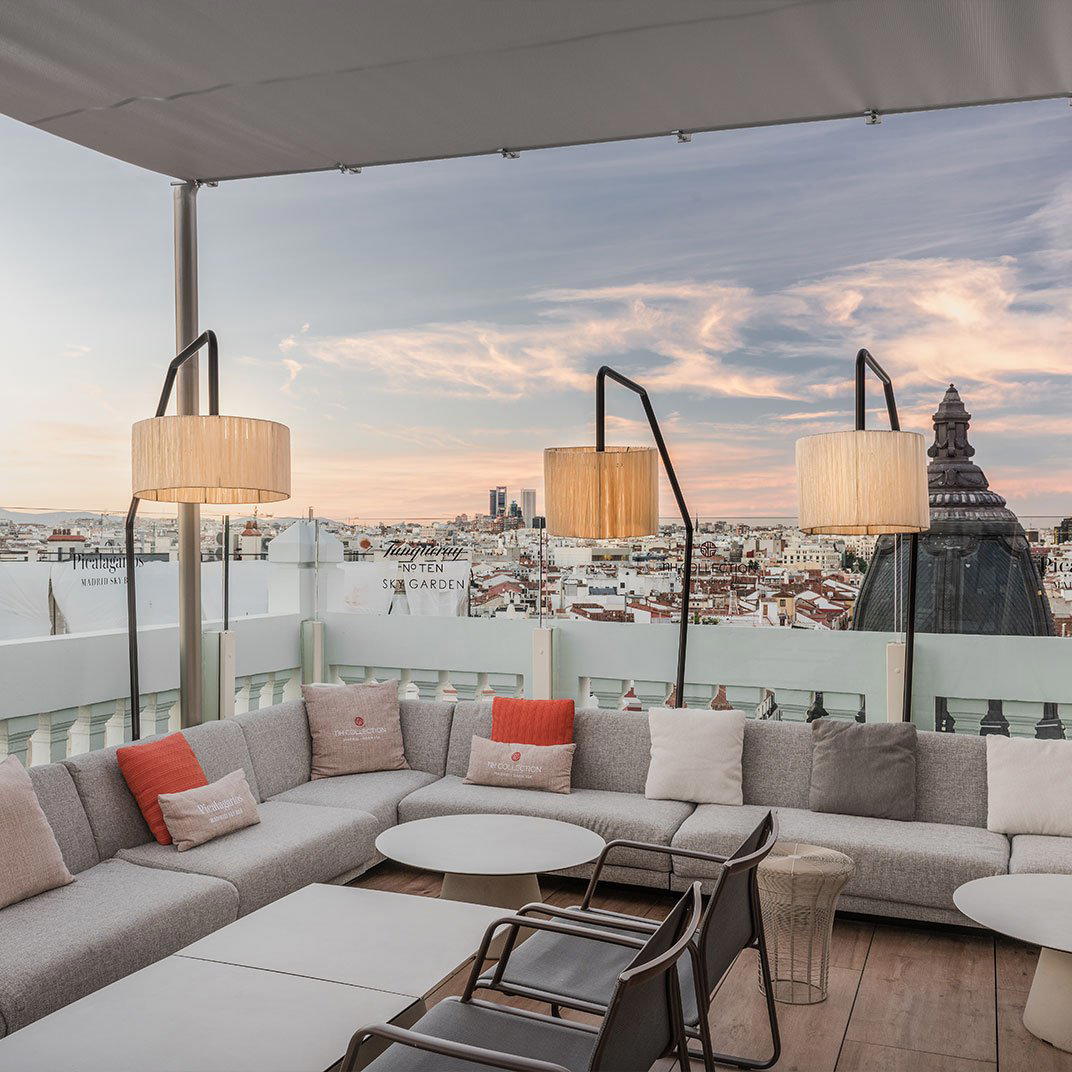
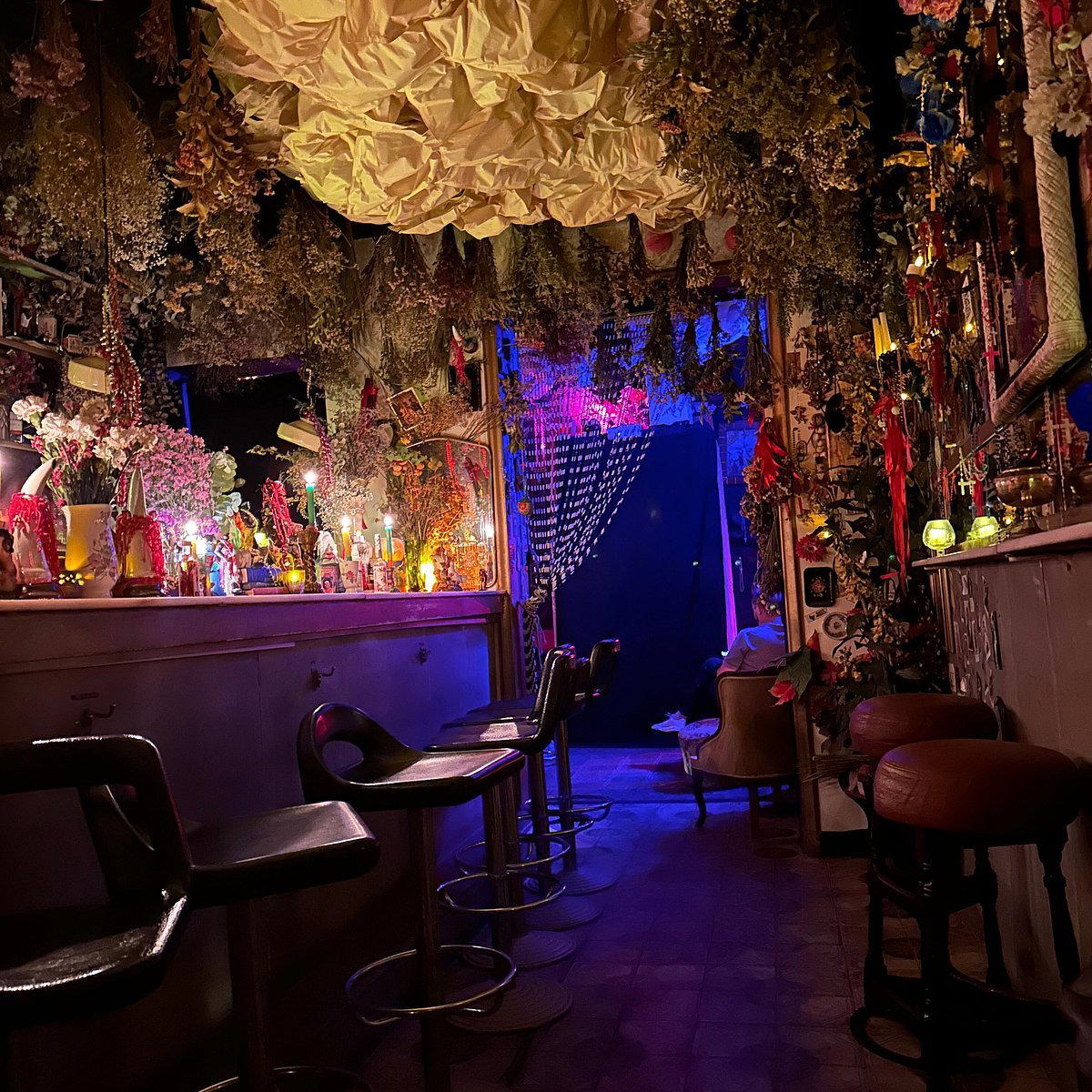
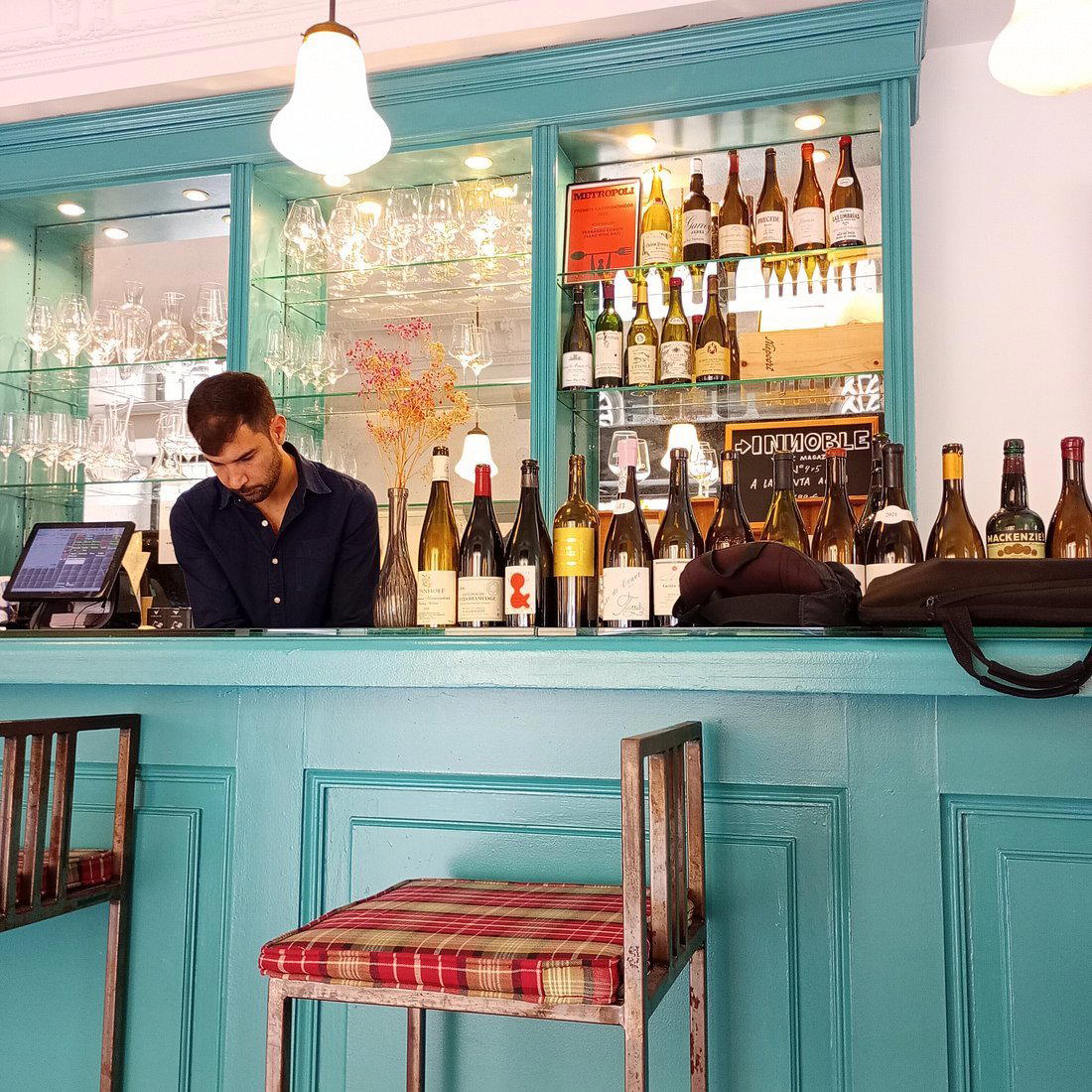
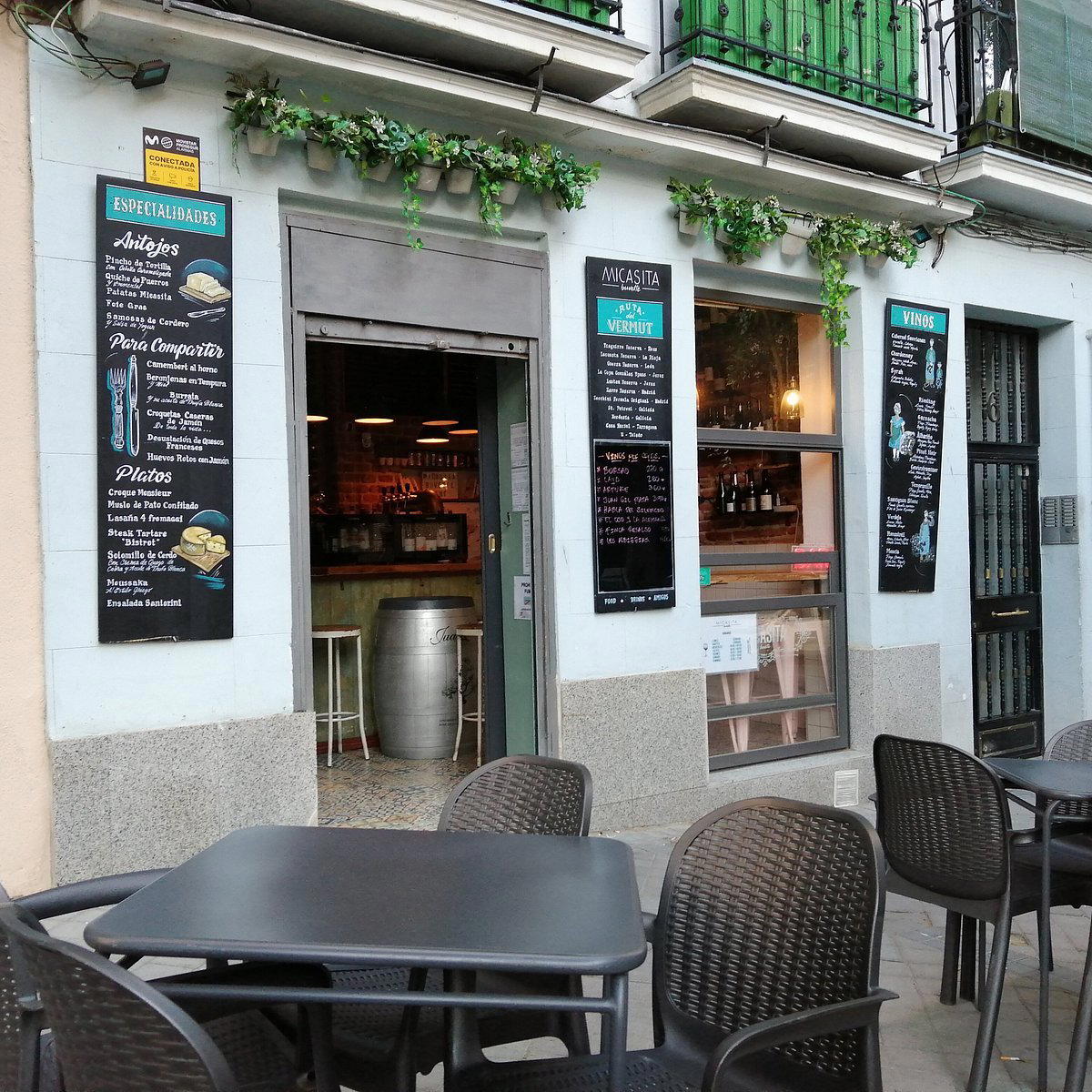
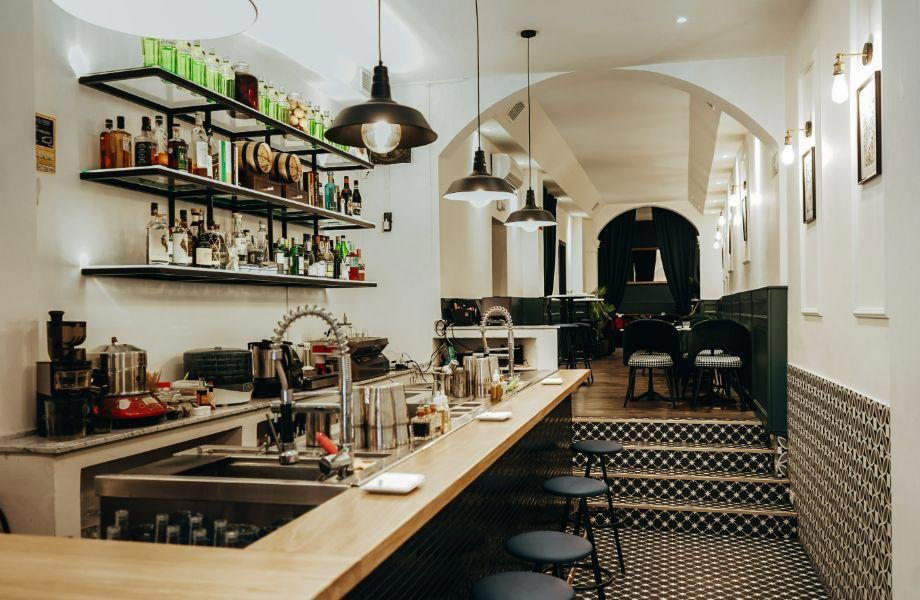
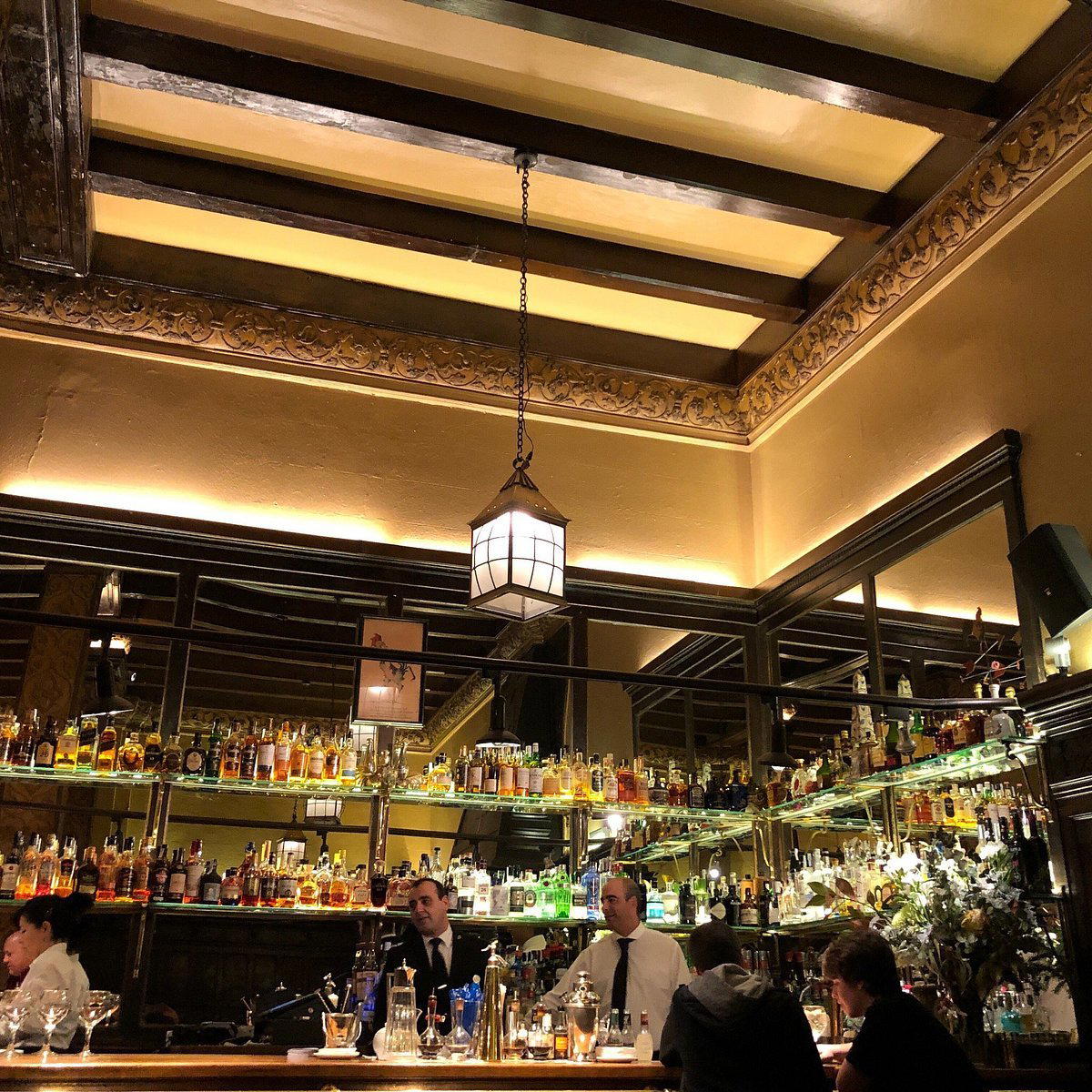
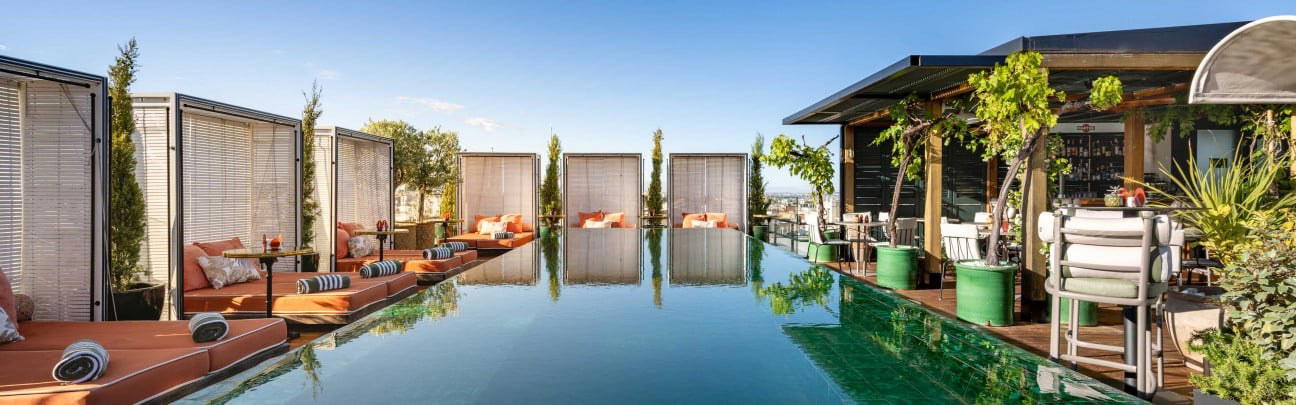
Modern, raucous space with urban vibe, low lighting, loud music, and good energy.