Google: 4.2 · 13 reviews
.png)
A Michelin Bib Gourmand recipient in 2024 and 2025, this decades-old Quanzhou shop has served Fujian-style lor mee for over 40 years from a single address on Baiyuan Road. The owner, now in his 70s, still cooks each order individually to order. Expect a wait, a short menu of honest toppings, and a gravy built on peanuts, garlic, and technique accumulated across four decades.
 Discover on Pearl
Pearl is the En Primeur Club membership app — saves, bookings, and concierge access live there. Same editors, same standards.
Where Quanzhou's Noodle Tradition Concentrates
On Baiyuan Road in Licheng District, the approach to Zhuang Ji Quan Fu Lu Mian Guan requires no decoding. A queue outside a modest shopfront, the faint sharpness of vinegar in the air, and the rhythm of single-portion ladles hitting woks: these are the signals. Quanzhou's street-food identity runs deep, shaped by centuries of maritime trade that deposited culinary influences from across Southeast Asia alongside the city's own Hokkien traditions. Lor mee, the thick-gravied noodle dish that migrated south with Fujian emigrants and took root across the Straits in Singapore and Malaysia, retains its source form here. This shop is one of its clearest surviving expressions in the city.
Fujian's food culture has historically resisted the pressure to scale. The province's most respected food operations tend to stay small, stay local, and stay focused on one or two preparations done at depth rather than breadth. Within Quanzhou's noodle category, that tendency is especially pronounced. Luo Ji Mian Xian Hu operates in the same price tier and applies similar logic to its own format. De Wen Xia Zai Mian represents another point on the same continuum. What connects these shops is an operational discipline that treats repetition as refinement rather than limitation.
The Lor Mee Format and Why It Survives Here
Lor mee in its Fujian form is a specific thing: thick, wheat-based noodles submerged in a starchy, dark gravy that clings rather than pools. At this shop, peanuts and garlic are built into the base, giving the sauce a nuttiness that grounds its salinity and a fragrance that develops as the bowl sits. The toppings, chosen from beef, pork liver, oysters, or shrimp, sit on rather than dissolve into that gravy. Made-to-order vinegar pork and fish roll extend the menu beyond the core dish.
The critical detail is the cooking method: each order is prepared individually, not in bulk. In a city where demand at recognized noodle shops can spike sharply, particularly after Michelin recognition, that commitment to single-portion cooking carries an implicit sustainability logic. There is no vat of pre-cooked protein held warm, no bulk gravy diluted across dozens of bowls simultaneously. Ingredients move through the kitchen in proportion to actual orders. The result is less food held, less waste generated, and a dish that arrives at the temperature and texture it was built for.
That approach also places a ceiling on throughput. A kitchen cooking one bowl at a time is a kitchen that cannot arbitrarily accelerate. The wait this creates is a structural feature, not a flaw. It signals to the diner what they are actually paying for: time and attention at the bowl level, not efficiency at the operation level.
Forty Years, One Kitchen, Two Bib Gourmands
The Michelin Bib Gourmand is awarded to restaurants that offer good cooking at a moderate price. This shop has held the designation in both 2024 and 2025, a consecutive recognition that confirms the cooking is not coasting on reputation accumulated decades ago. The owner, now in his 70s, continues to helm the kitchen personally. In Chinese food culture, the founder-operator who remains physically present at the heat source is a recurring marker of quality at this tier. The institutional knowledge does not delegate; it stays in the room.
Forty-plus years of continuous operation at a single address in Licheng District is itself a form of credential. The Quanzhou food scene has evolved considerably across that span, with new formats, new price points, and new media attention. This shop has remained at the ¥ price tier throughout, which places it in a competitive set defined by value rather than spectacle. For comparison, restaurants like A Qiu Niu Pai on Huxin Street or Antstory operate in different format categories at different price points. The lor mee here is priced and positioned for daily use, not occasion dining.
Across China's broader fine and recognized dining circuit, the contrast between this shop and higher-tier operations is instructive. Xin Rong Ji in Beijing and Imperial Treasure Fine Chinese Cuisine in Guangzhou represent the upper tier of formal Chinese dining recognition. Chef Tam's Seasons in Macau sits at a similar altitude. The Bib Gourmand category sits outside that tier deliberately, identifying cooking that earns recognition not through luxury positioning but through consistency and honest craft at accessible prices. This shop is precisely that.
For noodle-specific context elsewhere in the region, A Bing Bao Shan Mian in Hangzhou and A Kun Mian in Taichung represent comparable formats in their respective cities, each operating at the intersection of regional tradition and sustained local reputation. Ru Yuan in Hangzhou and 102 House in Shanghai show where Chinese regional dining goes when it adds formal ambition; the Quanzhou lor mee shop makes an opposite argument, that depth and ambition can coexist with radical simplicity of format.
The Sustainability Argument Built Into the Model
Small-format, made-to-order cooking is not typically framed through an environmental lens, but the operational logic supports it. A shop cooking single portions on demand purchases ingredients in proportion to expected demand rather than in bulk hedges against uncertain volume. Perishable toppings like oysters, shrimp, and pork liver move quickly through a kitchen with steady, predictable turnover built on 40 years of neighborhood regulars. The model does not depend on refrigerating large quantities of prepared food for eventual sale.
The use of peanuts and garlic as structural elements in the gravy, rather than expensive imported proteins or processed additives, reflects a sourcing logic rooted in Fujian's agricultural and culinary tradition. These are local, available, and cheap. The fish roll, made to order, draws on the same coastal-produce tradition that has defined Fujian cooking for centuries. None of this is positioned as an environmental statement; it simply reflects what a well-run, long-standing local shop looks like when its operational habits align with ingredient integrity.
This matters in a broader context where Quanzhou's food recognition is growing. Shops like Che Qiao Tou Wen A Shui Wan on Daxi Street represent the city's traditional food culture at different points along the same lineage. As Quanzhou draws more attention following its 2021 UNESCO World Heritage designation, the pressure on its food institutions to scale up or modernize will increase. Operations that have held their format across 40 years are the ones most likely to resist that pressure.
Planning Your Visit
The shop sits at 3 Baiyuan Road in Licheng District, Quanzhou. At the ¥ price point, the financial commitment is minimal; the time commitment is less predictable. Single-portion cooking means the queue is real, and arrival timing matters. Going early, before the late-morning rush that follows local market activity, is the practical choice for a shorter wait. The menu centers on lor mee with your choice of topping, beef, pork liver, oysters, or shrimp, and the vinegar pork and fish roll are worth ordering alongside rather than instead of the main bowl. No website or booking method is available; this is a walk-in operation by nature.
For broader orientation across the city's food options, our full Quanzhou restaurants guide covers the range. Accommodation options are mapped in our Quanzhou hotels guide, and our bars guide, wineries guide, and experiences guide cover the rest of the city's offer. Xin Rong Ji in Chengdu offers a useful point of comparison for how regional Chinese food traditions translate across provincial contexts.
Side-by-Side Snapshot
A compact peer set to orient you in the local landscape.
| Venue | Cuisine | Price | Awards | Notes |
|---|---|---|---|---|
| Zhuang Ji Quan Fu Lu Mian Guan | Noodles | ¥ | Bib Gourmand | This venue |
| Chun Sheng | Fujian | ¥¥ | Fujian, ¥¥ | |
| Jiang Nan Yuan | Vegetarian | ¥¥¥ | Vegetarian, ¥¥¥ | |
| Luo Ji Mian Xian Hu | Noodles | ¥ | Noodles, ¥ | |
| Qing You Yu | Seafood | ¥¥¥ | Seafood, ¥¥¥ | |
| Che Qiao Tou Wen A Shui Wan (Daxi Street) |
Continue exploring
More in Quanzhou
Restaurants in Quanzhou
Browse all →




At a Glance
- Classic
- Cozy
- Casual Hangout
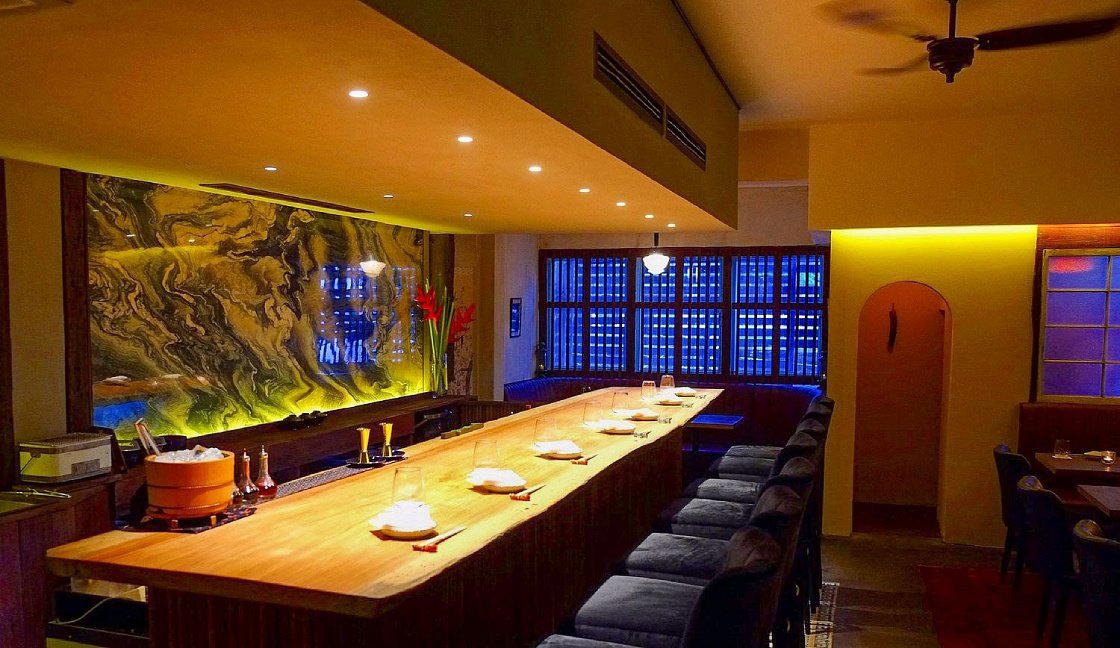
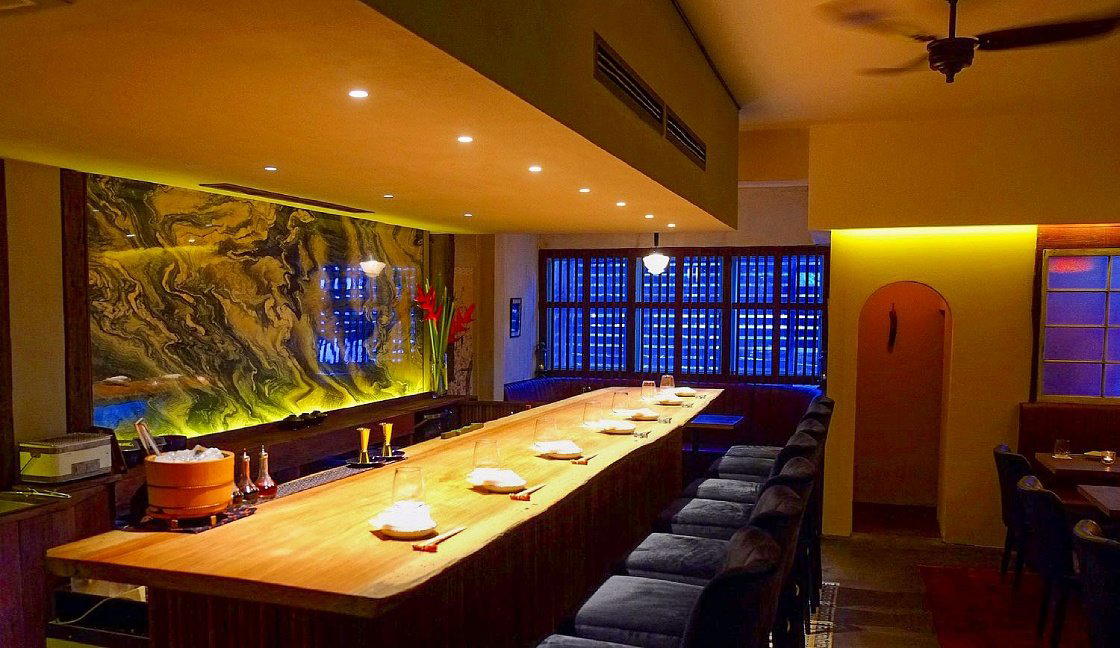
Pragmatic and unpretentious with functional lighting, bench-style seating, and a lively counter atmosphere focused on quick turnover and warmth.