
A former department store at the heart of Quanzhou's historic Lychee City district, Kaipuu Belfry converts a mid-century commercial landmark into a contemporary hotel with a restaurant grounded in local Fujianese tradition. The transformation preserves the building's civic presence while introducing a design sensibility that reads as a deliberate response to the city's UNESCO-recognised heritage. For travellers who want proximity to Quanzhou's Old City without sacrificing comfort, this address makes a credible case.
Pearl is the En Primeur Club membership app — saves, bookings, and concierge access live there. Same editors, same standards.
- Address
- No, 2 East Street, 鲤城区泉州市福建省362000
- Phone
- +86 595 2838 7777
- Directions
- Get directions
 Saves & bookings on Pearl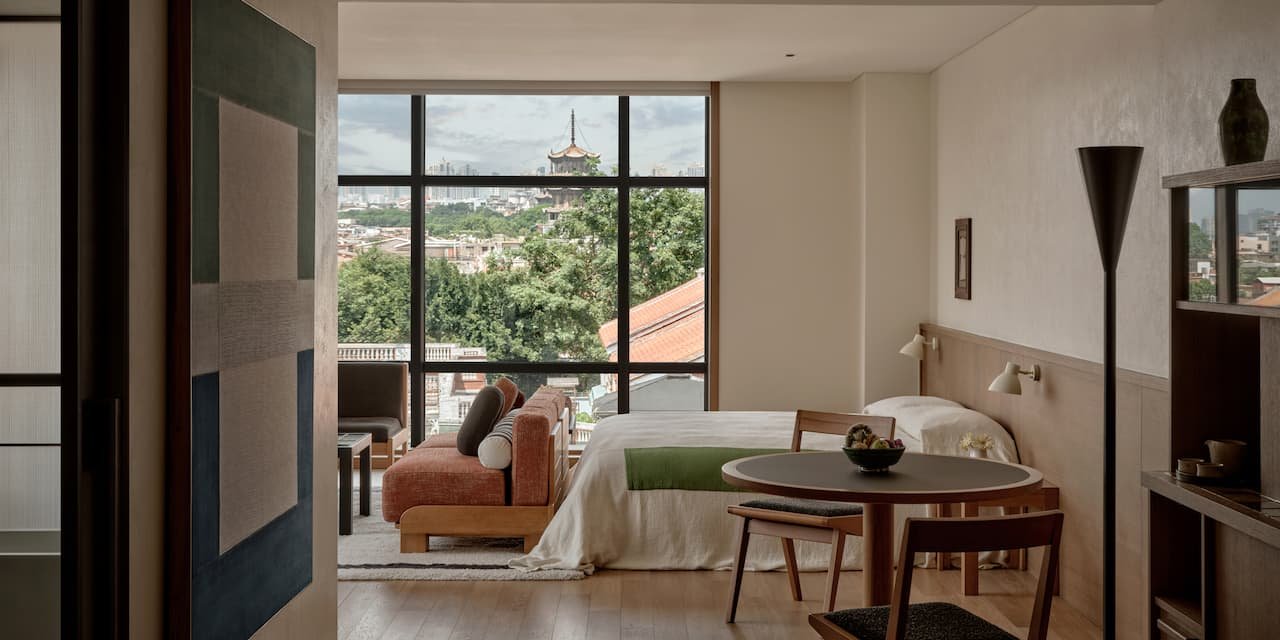
A Commercial Monument Reconsidered
East Street in Quanzhou's Licheng district has always functioned as a civic axis, the kind of pedestrian corridor where the city's daily rhythms and its historical weight occupy the same pavement. The Quanzhou Belfry Department Store stood on that street for decades as a recognisable commercial fixture, the sort of building that anchors a neighbourhood's memory even when its retail function has long since shifted elsewhere. Adaptive reuse of this kind of structure, a mid-century shopping hub reprogrammed as a hotel, is now a familiar move in China's second- and third-tier cities, where heritage pressure and tourism investment intersect. What distinguishes the more considered projects from direct renovations is how much of the building's original civic authority survives the conversion. At Kaipuu Belfry, the address at No. 2 East Street keeps the structure at the centre of a historically significant block, and the hotel's name directly acknowledges the building's former identity rather than erasing it.
China has developed a recognisable tier of adaptive-reuse hotels over the past decade, from repurposed factory compounds in Shanghai's former industrial belts to courtyard conversions in Beijing's hutong network. The projects that hold up critically tend to be those where the original structure's character informs the interior logic rather than simply providing a shell. Amanfayun in Hangzhou uses a preserved village of Song-dynasty tea-workers' cottages as its guest accommodation, making the architecture inseparable from the stay. Amandayan in Lijiang positions itself within the old town's Naxi architectural grammar. Kaipuu Belfry operates at a different scale and price point, but the underlying question it answers is the same: can a building with a specific civic history become a hotel without losing what made the building worth preserving?
What the Belfry Conversion Actually Delivers
Quanzhou earned UNESCO World Heritage status in 2021 as a site of historical maritime trade, the so-called Emporium of the World, a designation that placed the city alongside ports and trade networks stretching from Arabia to Southeast Asia. That recognition has accelerated interest in the city's built environment, particularly along the corridors connecting the old Licheng commercial district to the harbour-adjacent heritage sites. East Street sits within this zone of intensified cultural attention, which gives Kaipuu Belfry a locational argument that goes beyond simple proximity to landmarks. Guests are staying in a building that is itself part of the urban narrative the city is now curating for international visitors.
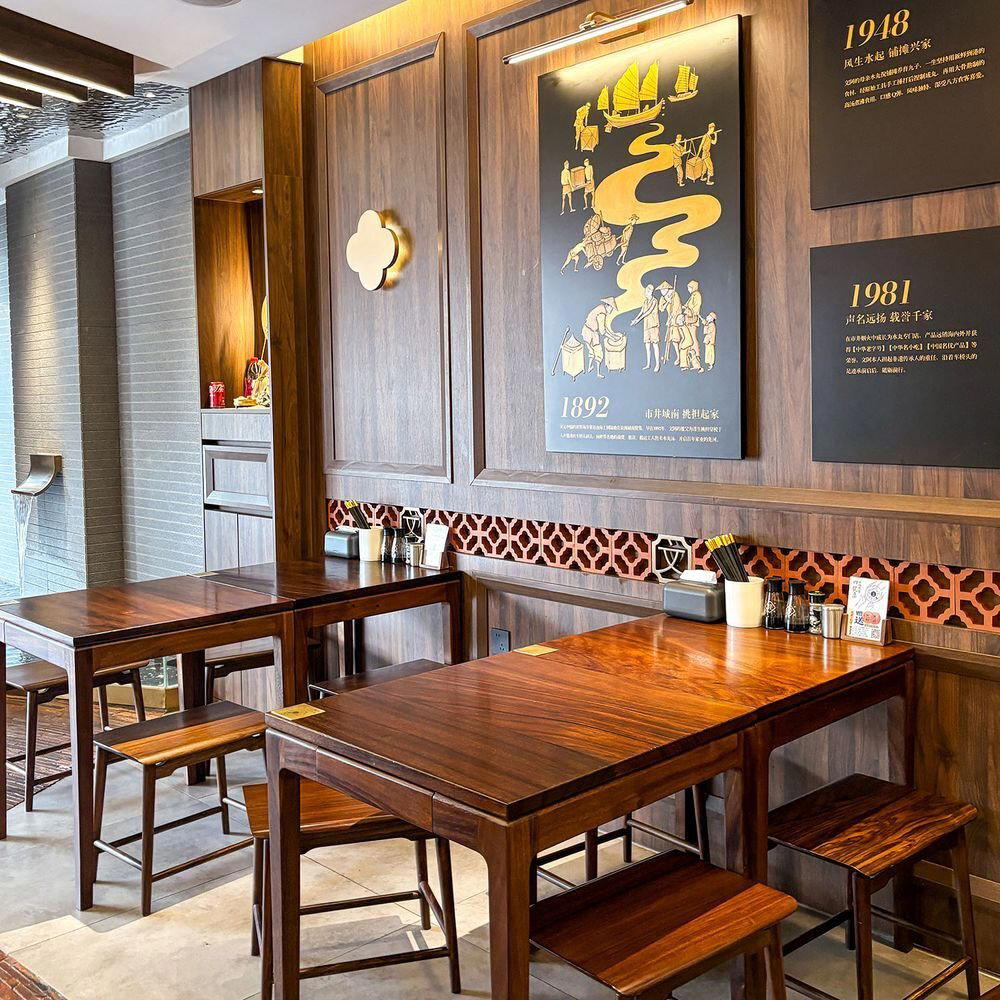
The hotel's restaurant operates under a specifically local brief, grounded in Quanzhou's Fujianese culinary tradition rather than defaulting to a pan-Chinese or internationally generic format. This is a meaningful distinction in a city where the food culture is genuinely specific: Quanzhou cuisine shares the broader Min Nan (Southern Fujian) family with Xiamen and Chaozhou cooking, but carries its own emphases rooted in the city's merchant history and its long exchange with Southeast Asian communities. For comparison, Xiamen Yunding Resort operates in the same regional culinary context, roughly two hours along the coast, where the shared Hokkien food heritage surfaces in different local variants. A hotel restaurant genuinely anchored in Quanzhou's specific traditions, rather than a regional approximation, is the more credible editorial choice for a property in this location.
Across China's premium hotel sector, design-led conversions increasingly split between two approaches. The first deploys contemporary interiors as a deliberate contrast to the host building, leaning into tension between old structure and new language. The second attempts to draw a continuous thread between the building's historical identity and its new program. Given that Kaipuu Belfry takes its name directly from the building's former life as a department store landmark, the second approach appears to be the operating logic here. The Belfry identity is not being suppressed; it is being extended.
For travellers cross-referencing the Chinese hotel market at the luxury end, it is worth mapping Kaipuu Belfry against properties that represent different points on the design and heritage spectrum. Mandarin Oriental Qianmen in Beijing sits adjacent to the city's most politically and culturally loaded precinct, with a design program calibrated to that specific historical weight. Andaz Shenzhen Bay represents the opposite pole, a contemporary build in a forward-facing urban zone with no adaptive-reuse dimension at all. Kaipuu Belfry occupies middle ground, carrying genuine heritage context without the institutional scale of a flagship international brand. Quanzhou itself, as a city, is at an earlier stage of international tourism infrastructure than Beijing or Shanghai, which means the competitive set for a hotel at this address is still forming.
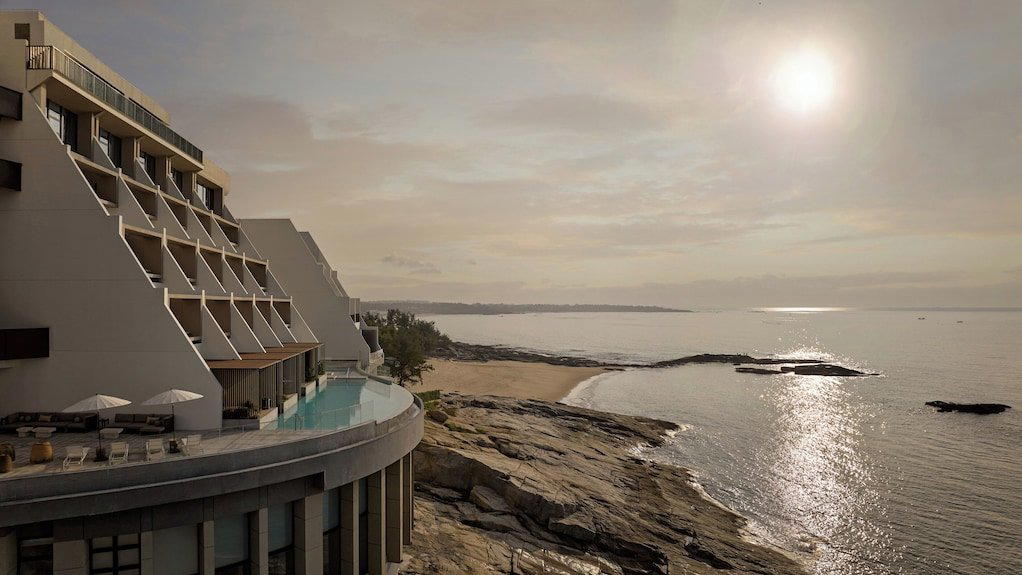
For those exploring the wider Fujian and Southeast China coast, Kaipuu on the Reef offers a different spatial register from the same hotel group, positioned against a coastal rather than urban backdrop. The two properties together suggest a brand logic that is specifically interested in Quanzhou as a destination rather than simply operating there by coincidence.
Planning a Stay: Practical Considerations
Quanzhou is accessible by high-speed rail from Xiamen in under an hour and from Fuzhou in approximately 40 minutes, placing it within easy reach of both cities without requiring an overnight stay. For travellers combining Fujian's heritage sites, the rail connections make Quanzhou a natural anchor point rather than a day-trip. East Street's position within the Licheng district puts the hotel within walking distance of the Kaiyuan Temple complex, the Qingjing Mosque, and the cluster of sites that formed the basis of the UNESCO submission. Booking details, current room rates, and reservation options are best confirmed directly through the property, as pricing and availability data is not published through this listing. Our full Quanzhou restaurants guide covers the broader dining options across the city for guests who want to move beyond the hotel's own restaurant programming.
Travellers building a wider China itinerary around culturally significant hotel properties might also consider Amanfayun in Hangzhou, Banyan Tree Ringha in , or Conrad Jiuzhaigou as complementary stops where architecture, landscape, and heritage intersect with the hotel program in substantive ways. For urban properties in China's major centres, JW Marriott Hotel Shanghai at Tomorrow Square and Altira Macau represent the branded international end of the spectrum, providing useful calibration for what Kaipuu Belfry's more locally specific approach is consciously choosing to do differently.
How Kaipuu Belfry Quanzhou compares with similar nearby venues.
| Venue | Awards |
|---|---|
| Kaipuu Belfry | Small Luxury Hotels of the World Member (2025) |
Recognition history
Dated appearances from independent guides and award organizations, with the underlying list record or original source where available.
Small Luxury Hotels of the World Member
Small Luxury Hotels of the World
Continue exploring
More in Quanzhou
Hotels in Quanzhou
Browse all →
At a Glance
- Modern
- Elegant
- Sophisticated
- Scenic
- Romantic Getaway
- Weekend Escape
- Celebration
- Garden
- Terrace
- Historic Building
- Design Destination
- Panoramic View
- Wi Fi
- Restaurant
- Bar
- Concierge
- 24 Hour Front Desk
- Fitness Center
- EV Charging
- Street Scene
- Skyline
- Wi Fi
- Restaurant
- Bar
- Concierge
- 24 Hour Front Desk
- Fitness Center
- EV Charging
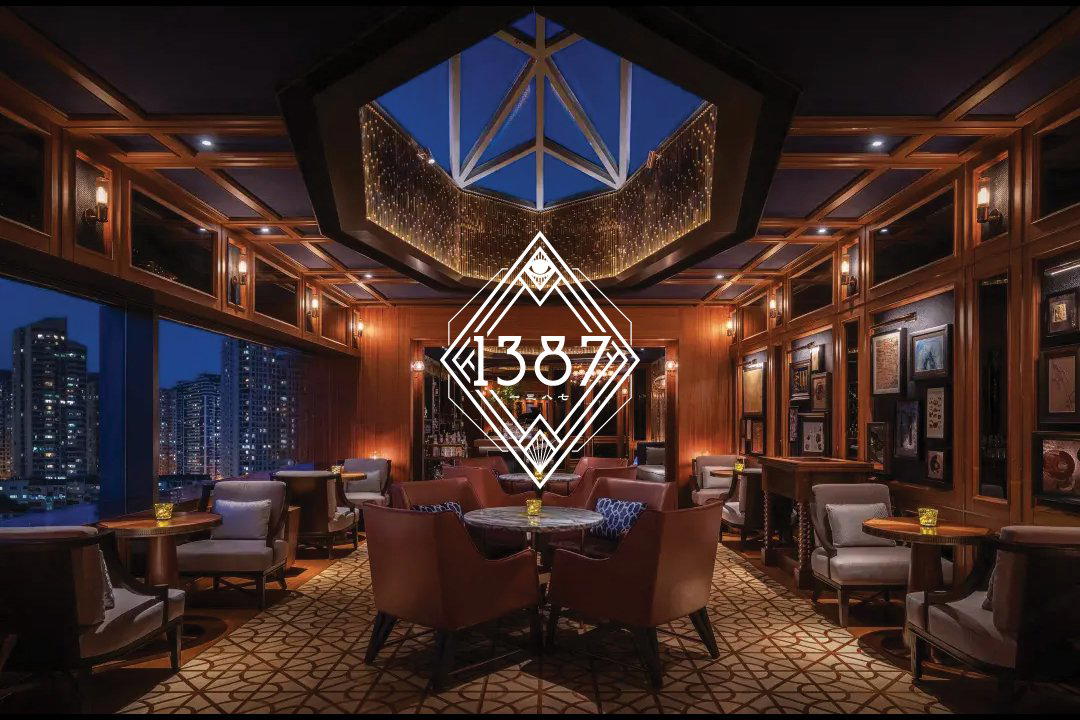
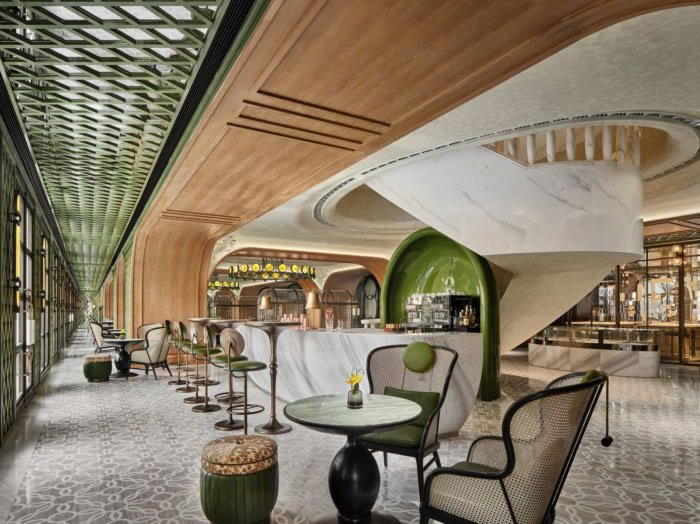
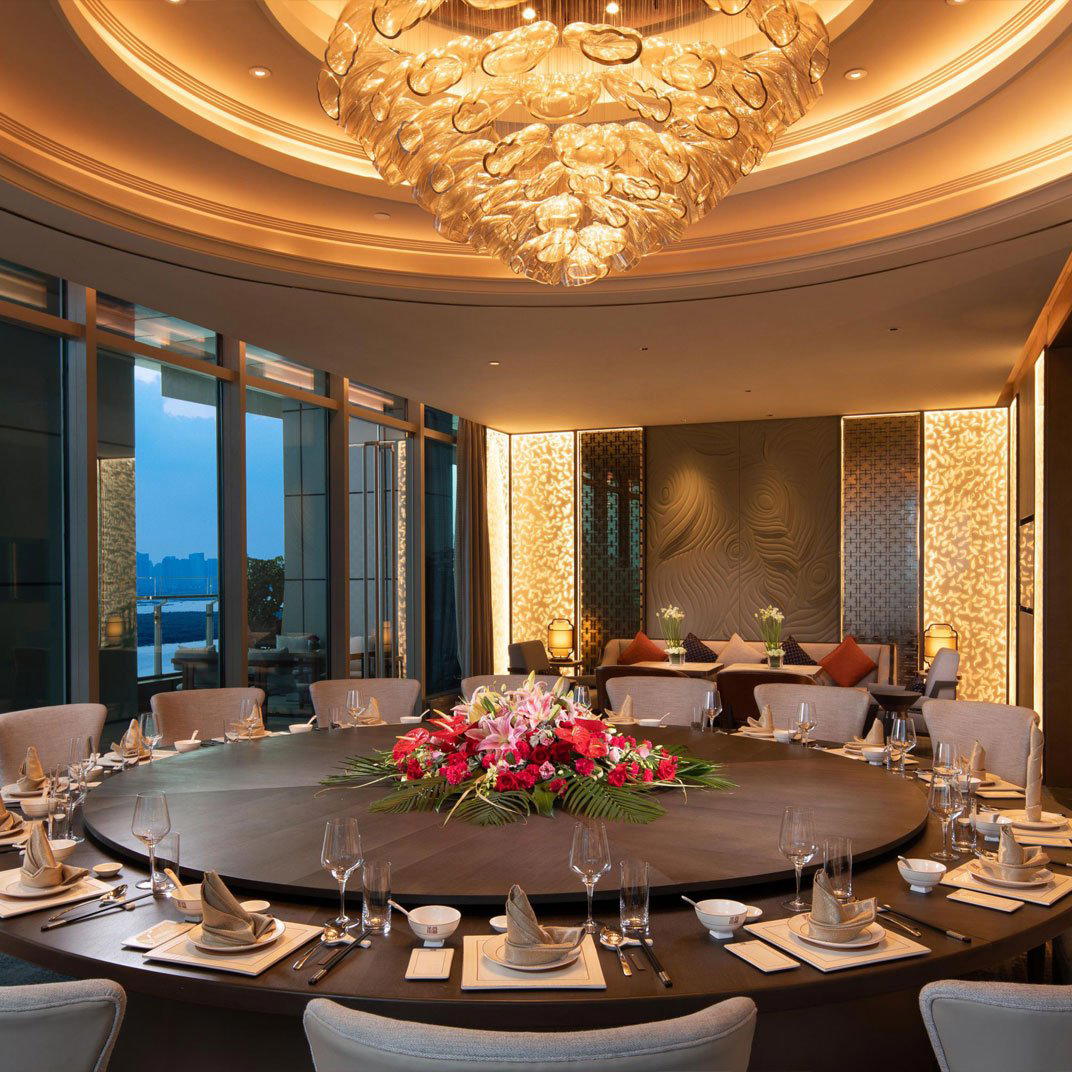
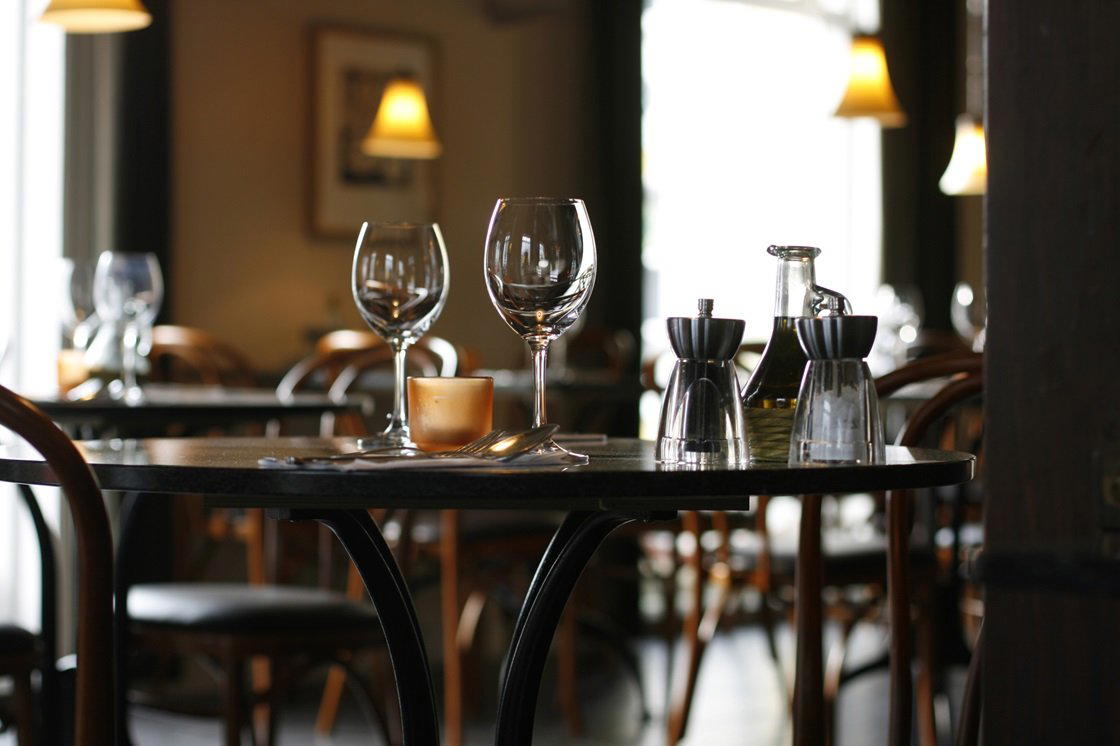
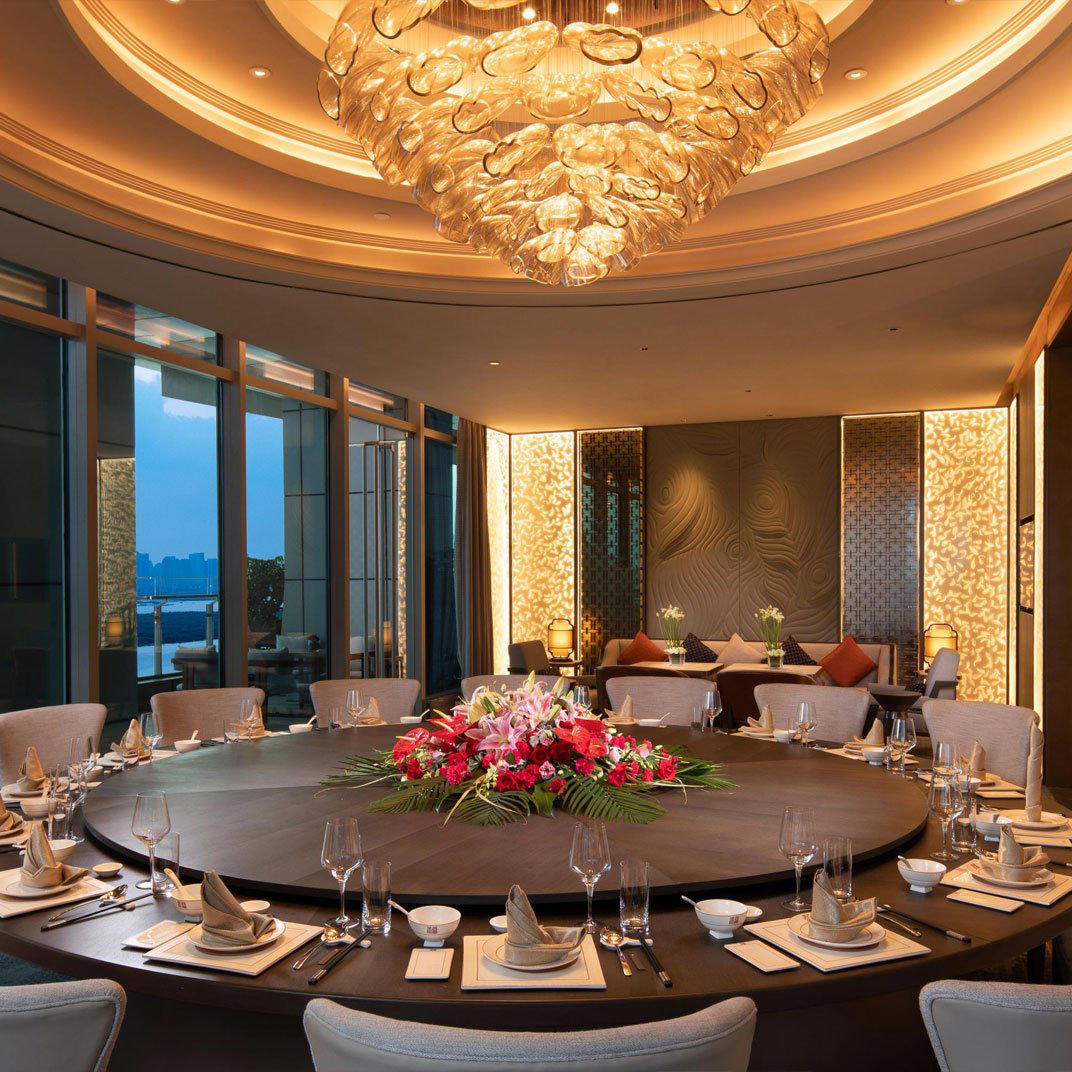
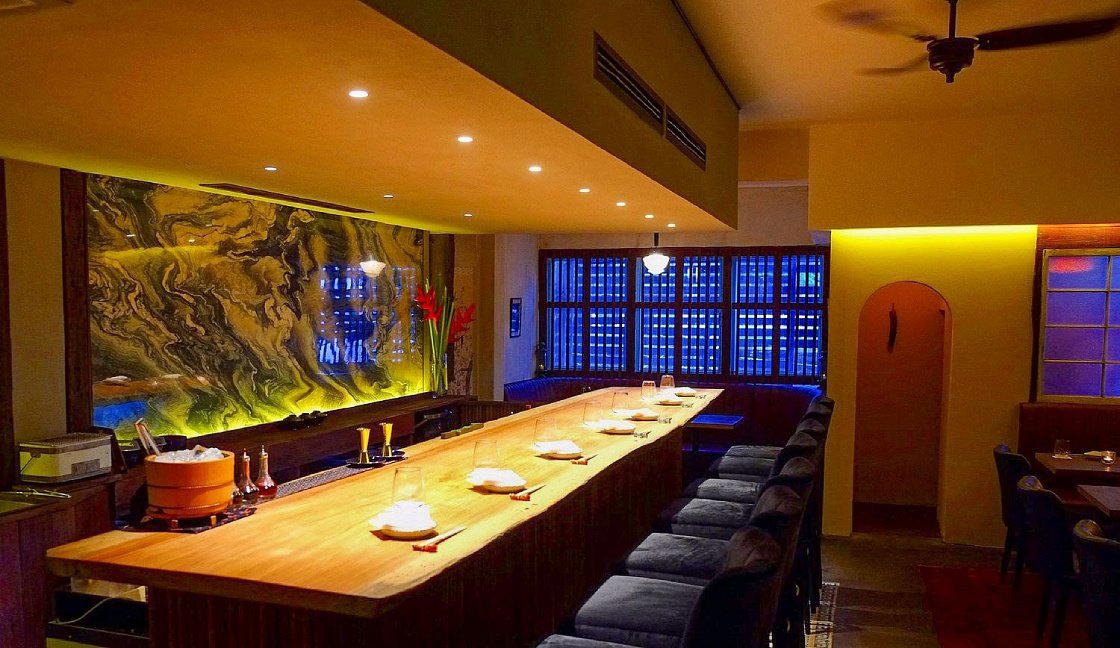
Bright, airy spaces with honey-toned wood floors and all-white walls accented with pops of color; warm mid-century modern aesthetic with intimate rooftop dining overlooking the city's historic streetscapes.
Know Before You Go
- Getting there
- No, 2 East Street, 鲤城区泉州市福建省362000