Zhiwei Cold Noodle sits on Xingye Road in Xi'an's Xincheng district, squarely in the tradition of Shaanxi cold noodle preparation that has defined street-level eating in this city for generations. The format is direct: bowls of hand-pulled or pressed noodles served at room temperature or chilled, dressed in layered sauces with a precision that separates serious practitioners from casual operators. For visitors tracing Xi'an's noodle culture beyond the museum circuit, this is a practical, low-cost reference point.
Pearl is the En Primeur Club membership app — saves, bookings, and concierge access live there. Same editors, same standards.
- Address
- 7X9M+MQ5, Xingye Rd, 交大商业街区 Xincheng, Xi'An, Shaanxi, China, 710033
- Directions
- Get directions
 Saves & bookings on Pearl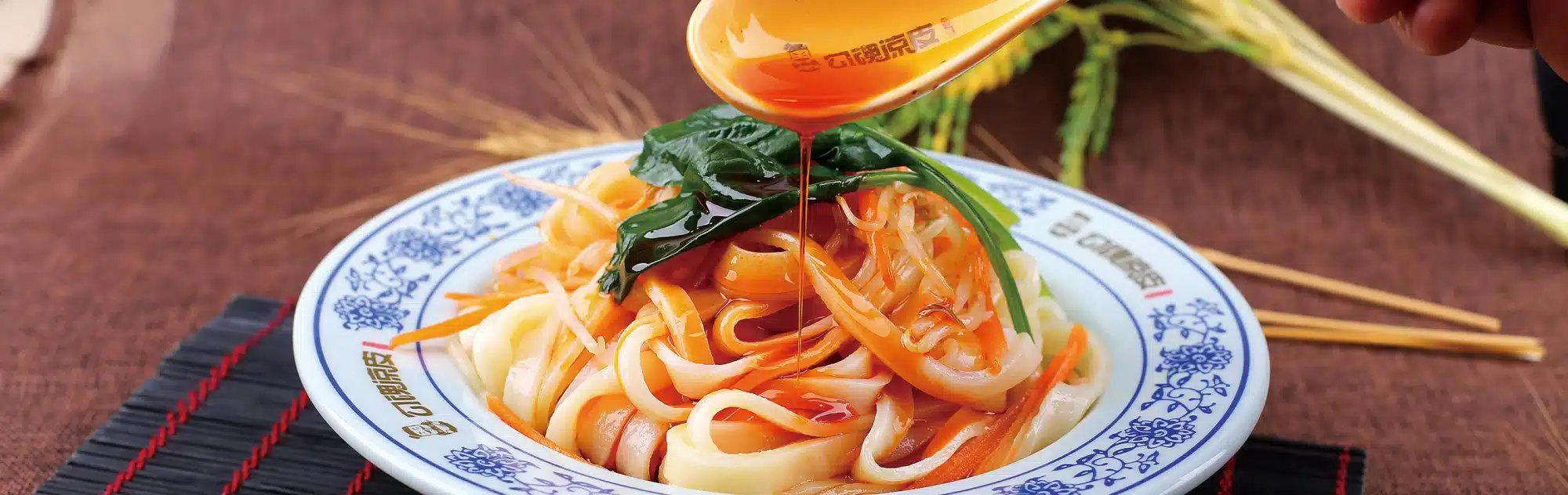
Xi'an's Cold Noodle Tradition and Where Zhiwei Fits
Xi'an's reputation in Chinese food culture rests heavily on wheat: thick hand-torn noodles in broth, belt-wide biangbiang in chili oil, and the less-discussed but deeply rooted category of cold noodles, known locally as liangpi or lengjin mian depending on preparation. The cold noodle form has been a fixture of Shaanxi street eating for well over a century, appearing in market stalls, alleyway windows, and increasingly in sit-down formats that apply more consistent technique to what was once purely improvised fare. Zhiwei Cold Noodle, operating on Xingye Road in the Xincheng district, is a restaurant serving Shaanxi-style cold noodles at a fixed address on a commercial strip.
In cities like Beijing or Shanghai, cold noodles occupy a niche position, often imported as a regional novelty. In Xi'an, they are local infrastructure. The question for any specific operator in this category is not whether cold noodles belong on the table but whether the ratio of sauce components, the texture of the noodle itself, and the balance of vinegar, chili oil, and sesame have been worked out to the degree that justifies a deliberate visit. The answer at Zhiwei, based on its presence and sustained local custom in the Xincheng commercial corridor, suggests it has earned its position in that conversation.
The Xincheng Setting and What It Signals
The Xincheng district occupies Xi'an's northeastern quadrant, away from the Tourist-facing density of the Muslim Quarter and the Drum Tower area. Xingye Road and the surrounding Jiaoda commercial strip serve a largely local population: university affiliates, office workers from the surrounding development zones, and residents who eat here out of habit rather than occasion. That context matters when reading Zhiwei Cold Noodle as a dining destination. This is not a venue pitching to inbound visitors with English menus and translated signage. It operates within a neighbourhood food economy where price sensitivity is real and repeat custom is the primary commercial engine.
That neighbourhood function places Zhiwei in a different bracket from Xi'an's more formal Shaanxi operators. Compare it with the format at Hanyangguan or the scope at Defachang, and you see the distinction between casual daily-use eating and more curated presentations of Shaanxi cuisine. Zhiwei sits firmly in the former register. Across the city, Feng Cheng Ba Lu and Lianhu Road similarly anchor local eating culture in ways that operate outside formal critical frameworks, demonstrating that Xi'an's food identity extends well beyond its most-photographed streets.
Cold Noodles as a Craft Category
The production of a well-made bowl of cold noodles in the Shaanxi tradition involves more variables than the format implies. The noodle base, whether rice-starch liangpi steamed in thin sheets or wheat-based cold noodles pulled to order, carries different textures and responds differently to dressing. The sauce layer typically involves Shaanxi-style chili oil, aged vinegar from nearby Zhenjiang or local producers, sesame paste thinned to the right viscosity, and in some preparations, a measure of garlic water. Proportions are calibrated by operator and adjusted by customer request. The garnish layer, frequently including cucumber strips, bean sprouts, and sometimes a protein element, adds temperature contrast and textural variation.
At the level Zhiwei operates, consistency across service periods is the primary technical challenge. Street-level cold noodle formats have historically been vulnerable to inconsistency as sauce batches run low and are replenished mid-service. Fixed-address operators with a loyal local base tend to develop more stable preparation protocols because they cannot afford to alienate regulars who eat there multiple times per week. That dynamic, common across casual noodle operators in Chinese cities, functions as a quiet quality mechanism. Across China's more formal dining tier, practitioners like Fu He Hui in Shanghai or Xin Rong Ji in Beijing operate with explicit investment in technical consistency; at Zhiwei, the equivalent mechanism is neighbourhood accountability.
The Team Format at Street-Level Operations
At operations like Zhiwei, the editorial angle of team dynamics takes a different shape than it does at formal restaurant counters. There is no sommelier and no formal front-of-house hierarchy in the conventional sense. What exists instead is a small-team division of labour where noodle preparation, sauce assembly, order-taking, and payment processing are often handled by two or three people working in close coordination during peak service. The efficiency of that coordination determines the customer experience as much as any individual preparation decision. In Xi'an's busiest noodle formats, this kind of operational fluency is visible: the rhythm of bowls moving from prep to counter, the speed of customisation for heat level or protein additions, the pace of turnover that keeps queues manageable without sacrificing consistency.
That team structure also shapes the customer interaction. At operations in this format, regulars communicate preferences without menu consultation, and the front-facing staff hold those preferences in working memory across repeat visits. It is a form of service intelligence that formal dining establishments attempt to replicate through CRM systems; in casual Xi'an noodle formats, it is simply operational knowledge accumulated over time. The contrast with internationally trained front-of-house teams, such as those at Chef Tam's Seasons in Macau or Imperial Treasure Fine Chinese Cuisine in Guangzhou, illustrates how service intelligence manifests across entirely different scales and formats.
Planning a Visit
Zhiwei Cold Noodle is located at Xingye Road in the Jiaoda commercial strip of Xincheng, Xi'an, postal area 710033. Walk-in is the operative approach. The surrounding Xincheng district is accessible via Xi'an metro and by taxi or rideshare from the city centre. A morning or lunchtime visit pairs well with the broader Xincheng neighbourhood. Nearby in Xi'an's noodle universe, Biangbiang Mian covers the hot-noodle end of the Shaanxi wheat spectrum, making the two a reasonable pairing for anyone building a focused Shaanxi noodle itinerary.
For context on how Xi'an's casual food culture compares to other Chinese cities with serious regional noodle traditions, Ru Yuan in Hangzhou, Dai Yuet Heen in Nanjing, and Fleurs Et Festin in Xiamen each illustrate how different regional food cultures negotiate the relationship between casual format and serious craft.
Cost and Credentials
Comparable venues nearby, for context on price, style, and recognition.
| Venue | Cuisine | Price | Notes |
|---|---|---|---|
| Zhiwei Cold NoodleThis venue — the venue you are viewing | Dining | Not listed | Not listed |
| Defachang | Not listed | $$ | Bell Tower, Traditional Shaanxi Dumpling House |
| Feng Cheng Ba Lu | Not listed | $ | Weiyang District, Traditional Shaanxi Street Food |
| Qu Jiang Lu | Not listed | $$ | Qujiang New District, Varied Chinese Cuisine |
| Maijia Alabo Barbecue | Hsi-an, Chinese Barbecue | $ | Not listed |
| Lianhu Road | Lianhu District, NorthWestern Chinese | $$ | Not listed |

At a Glance
- Classic
- Cozy
- Solo
- Casual Hangout
- Family
- Standalone
- Beer Program
- Street Scene
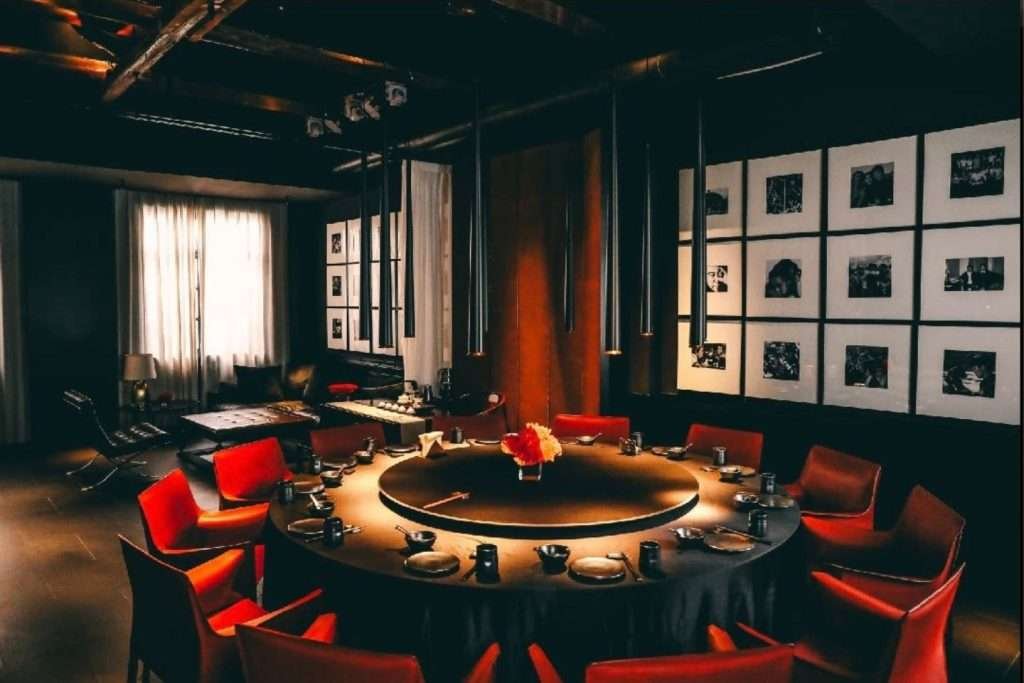
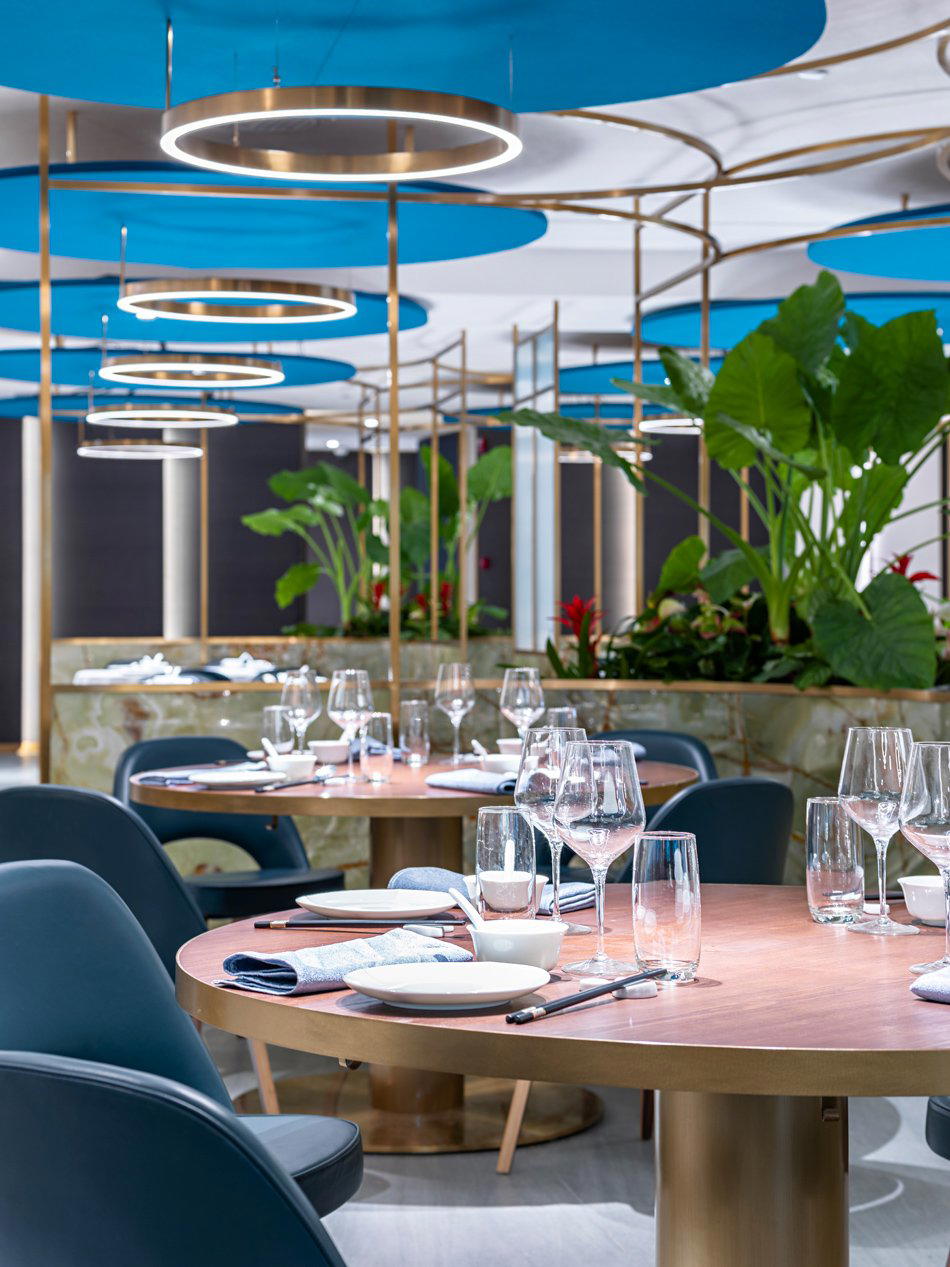
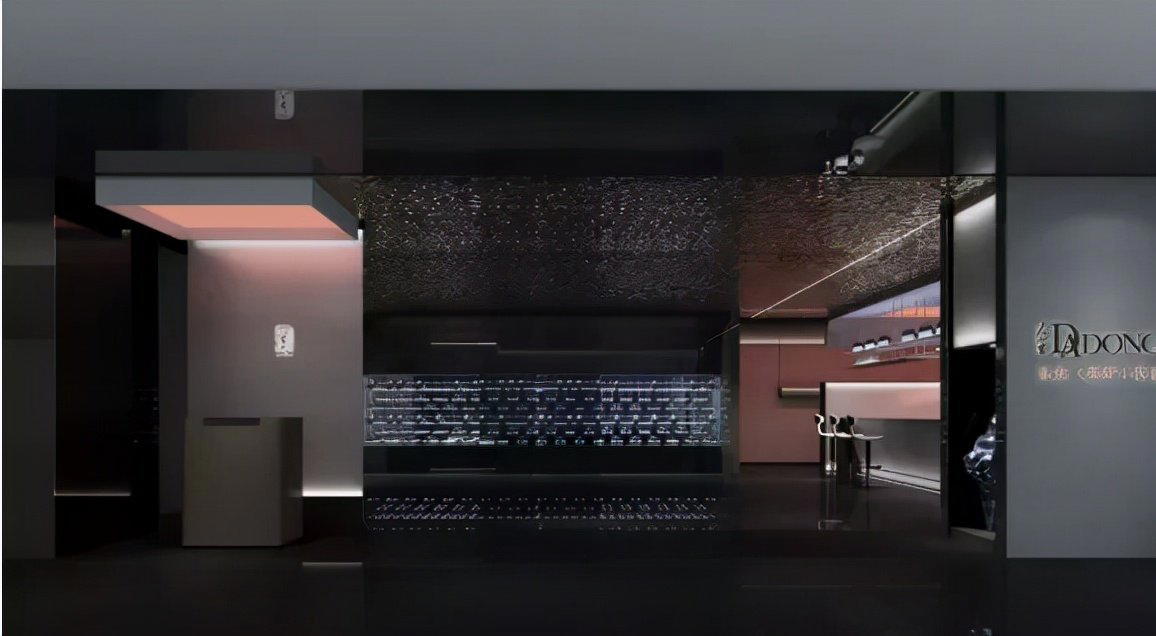
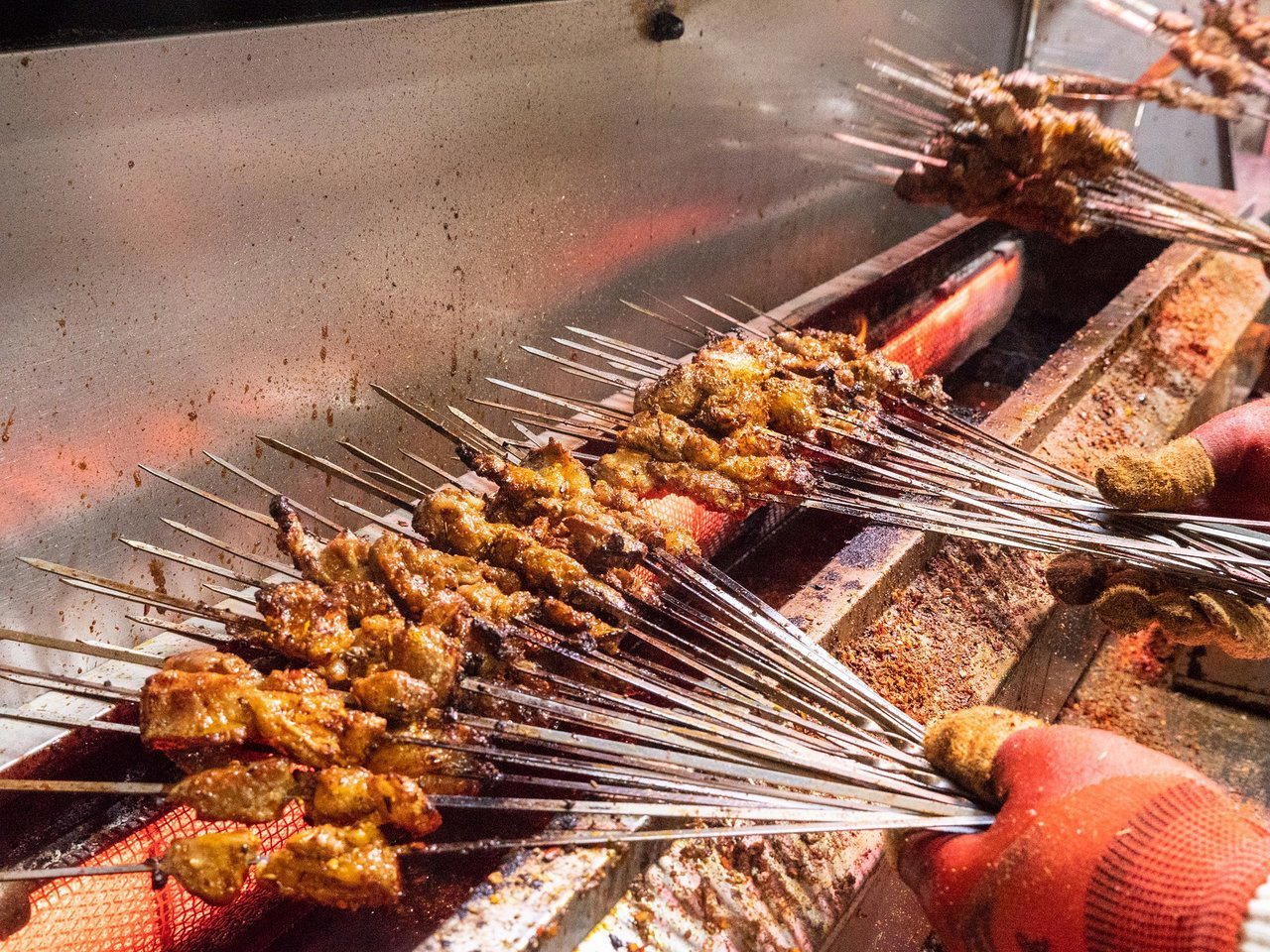
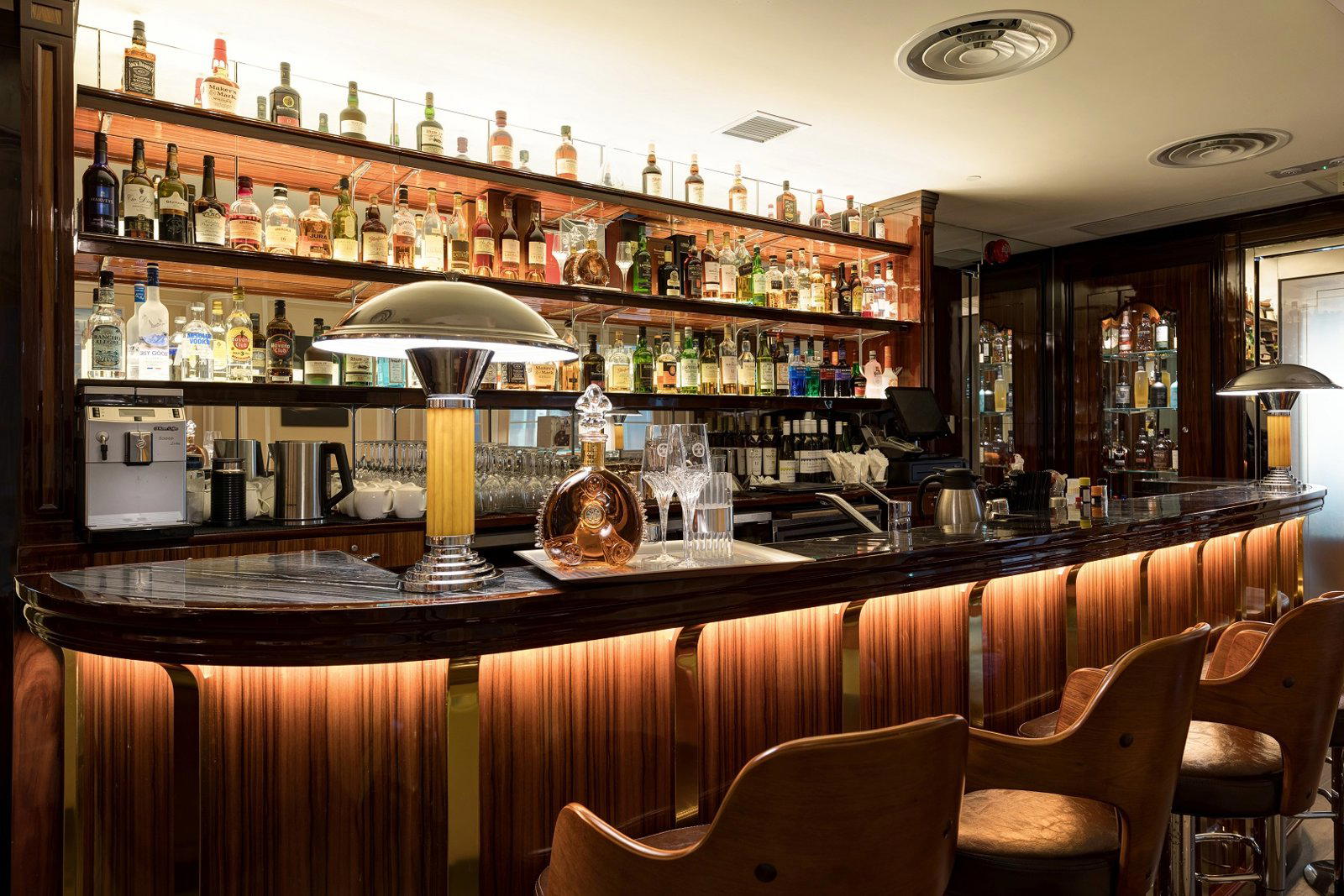
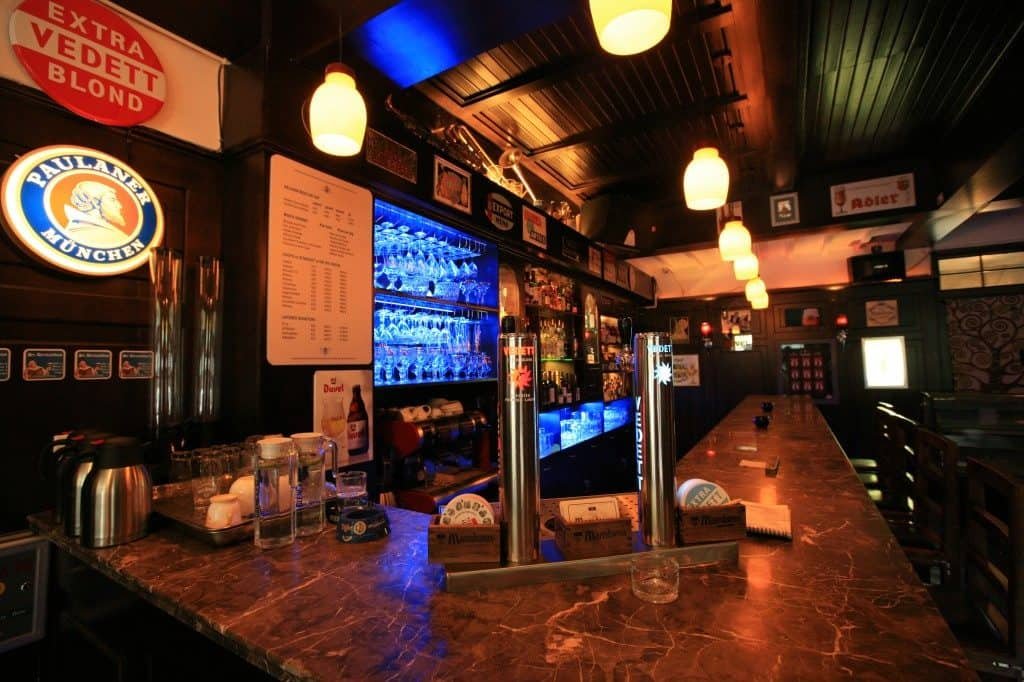
Simple, street-level, and utilitarian, with a casual local-noodle-shop feel rather than a polished dining-room atmosphere.