Zhishi Sushi
Sushi in a Steel City: What the Format Demands Magnitogorsk is not a city where Japanese cuisine has deep roots. Built around one of Russia's largest steel complexes, it operates at a remove from the coastal food cultures and metropolitan...
Pearl is the En Primeur Club membership app — saves, bookings, and concierge access live there. Same editors, same standards.
- Address
- Ulitsa Truda, 23г, Magnitogorsk, Chelyabinsk Oblast, Russia, 455021
- Phone
- +79227590091
- Website
- ji-shi.ru
- Directions
- Get directions
 Saves & bookings on Pearl
Sushi in a Steel City: What the Format Demands
Magnitogorsk is not a city where Japanese cuisine has deep roots. Built around one of Russia's largest steel complexes, it operates at a remove from the coastal food cultures and metropolitan restaurant scenes that usually incubate serious sushi programs. Yet that distance creates its own kind of pressure on a venue like Zhishi Sushi, located on Ulitsa Truda in the city's central zone. When a dining format travels this far from its source, the question is not whether it replicates Tokyo or even Moscow, it is whether the ritual itself survives the translation.
Sushi, in its disciplined forms, is a format built around sequencing. The meal moves through temperature, texture, and fat content in a deliberate order. Rice arrives at a specific warmth. Each piece is consumed within seconds of being placed. That pacing is the point. In cities where sushi is treated primarily as delivery food or a casual sharing plate, those conventions collapse. What distinguishes a serious sushi operation from a passing one is whether it preserves the logic of the sequence even when the surrounding context pushes against it.
The Dining Ritual at Zhishi Sushi
The address on Ulitsa Truda places Zhishi Sushi in a working district of Magnitogorsk, a city of roughly 400,000 in the Chelyabinsk Oblast of Russia's Southern Urals. The industrial character of the city is not incidental to how this kind of restaurant operates. Diners here are not arriving from a night at a gallery or between meetings in a financial district. The meal at Zhishi Sushi exists in a different social register than its counterparts in, say, the restaurant corridors of Moscow or Saint Petersburg, where venues like Twins Garden in Moscow and 1913 in Saint Petersburg draw on dense urban dining cultures and well-traveled clientele.
In that context, what the restaurant offers is a signal that the city's dining expectations have shifted. Russia's provincial cities have seen consistent growth in Japanese restaurant formats over the past decade, driven partly by urban migration patterns and partly by the spread of Japanese-influenced delivery platforms that normalized the cuisine before serious sit-down versions arrived. The restaurant sits at a point in that progression where the format is moving from convenience toward something closer to a considered meal.
When a sushi restaurant in a city like Magnitogorsk functions at its leading, the ritual structure of the meal carries a different kind of weight. There are no celebrity-chef press cycles to pre-frame expectations, no Michelin inspectors setting the benchmark. The standard is set by whether the dining experience holds its own logic: whether rice temperature is managed, whether fish is sourced with enough regularity to maintain quality, whether the pacing of service reflects an understanding of the format's conventions rather than treating each plate as an independent transaction.
Provincial Japanese Dining and the Russian Urban Tier
Russia's sushi culture is now stratified in ways that were not true fifteen years ago. At the leading end, restaurants in Moscow and Saint Petersburg have professionalized significantly, with trained sourcing networks, imported fish, and kitchen teams with direct Japanese training. Made in China in St. Petersburg represents one part of that Asian-cuisine evolution in major Russian cities, while venues further afield, such as Kukhterin in Tomsk and Grisha in Omsk, show how Siberian and Ural-region cities are developing their own credible dining cultures across different cuisines.
In that broader picture, a venue like Zhishi Sushi occupies the provincial tier of Russia's Japanese dining scene, a category that has its own internal range. At one end are operations that function primarily as high-volume roll delivery with a storefront attached. At the other are smaller operations where kitchen discipline is more apparent and the dining experience is constructed with some intentionality. Which end of that range the restaurant occupies is a function of details, sourcing frequency, rice preparation, service pacing, that are not publicly documented for this venue. What the address and format signal is that it is operating in a market where that distinction matters increasingly to diners.
Magnitogorsk's restaurant scene overall reflects a city in transition. The options documented on our full Magnitogorsk restaurants guide include venues like Uchkuduk and Zhi-Shi, suggesting a range of cuisines from Central Asian to broader Asian-influenced formats. This diversity points to a local dining public that is engaging with cuisines beyond Russian domestic cooking, even in a city whose identity is tied to industrial production rather than tourism or cultural export.
Comparing Formats: What You Bring to a Meal Like This
Dining rituals carry different expectations depending on what a guest brings to the table. At a venue operating in a metropolitan center, at the level of Atomix in New York City or Le Bernardin in New York City, the guest typically arrives with a pre-formed understanding of the format's conventions. In a provincial Russian city, that shared knowledge is being built in real time, which places a different kind of responsibility on the restaurant to communicate what the meal is.
That communication happens through environmental cues: how the space is arranged, whether chopstick etiquette is supported or quietly ignored, whether the menu is structured to suggest an order of progression or presented as a flat selection. These are the signals that tell a first-time guest how to engage and that tell a returning guest whether the operation has sharpened or slipped. Venues like Alanskaya Kukhnya in Krasnodar and Dzhani Restorani in Nizhny Novgorod demonstrate how regional Russian dining venues can build strong identity around a particular culinary tradition. The challenge for a sushi-specific venue in Magnitogorsk is navigating the same identity question with a cuisine that is not local by origin.
For comparison across the broader Russian dining picture, Khmeli Suneli in Yekaterinburg, Lev I Ptichka in Saint Petersburg City, Cafe Pushkin in Moscow, krevetka in Voronezh, Konditerskaya Kuzina in Syktyvkar, and Burger Records in Novosibirsk each illustrate a different way regional Russian cities are building dining scenes with defined character. The restaurant is part of that broader story, representing the moment when a non-Russian format becomes integrated into a provincial city's regular dining vocabulary.
Planning Your Visit
The restaurant is located at Ulitsa Truda, 23г, Magnitogorsk, Chelyabinsk Oblast, 455021. The restaurant is open daily from 10 AM to 12 AM, and reservations are recommended.
Style and Standing
Comparable venues nearby, for context on price, style, and recognition.
| Venue | Cuisine | Price | Notes |
|---|---|---|---|
| Zhishi SushiThis venue — the venue you are viewing | Japanese Sushi | $$ | Not listed |
| Uchkuduk | Uzbek & Middle Eastern | $$$ | Central |
| Zhi-Shi | Japanese Sushi | $$ | Center |
| Cococo | Modern Russian Fine Dining | $$$ | Admiralteysky |
| Birch | Modern Fusion Tasting Menu | $$$ | Tsentralny District |
| Китайская грамота | Кантонская кухня | $$$ | Бульварное кольцо |
Continue exploring
More in Magnitogorsk
Restaurants in Magnitogorsk
Browse all →
At a Glance
- Cozy
- Modern
- Casual Hangout
- Sake Program
Current opening hours
- Monday
- 10 AM–12 AM
- Tuesday
- 10 AM–12 AM
- Wednesday
- 10 AM–12 AM
- Thursday
- 10 AM–12 AM
- Friday
- 10 AM–12 AM
- Saturday
- 10 AM–12 AM
- Sunday
- 10 AM–12 AM
Hours can change for holidays and private events. Last verified .
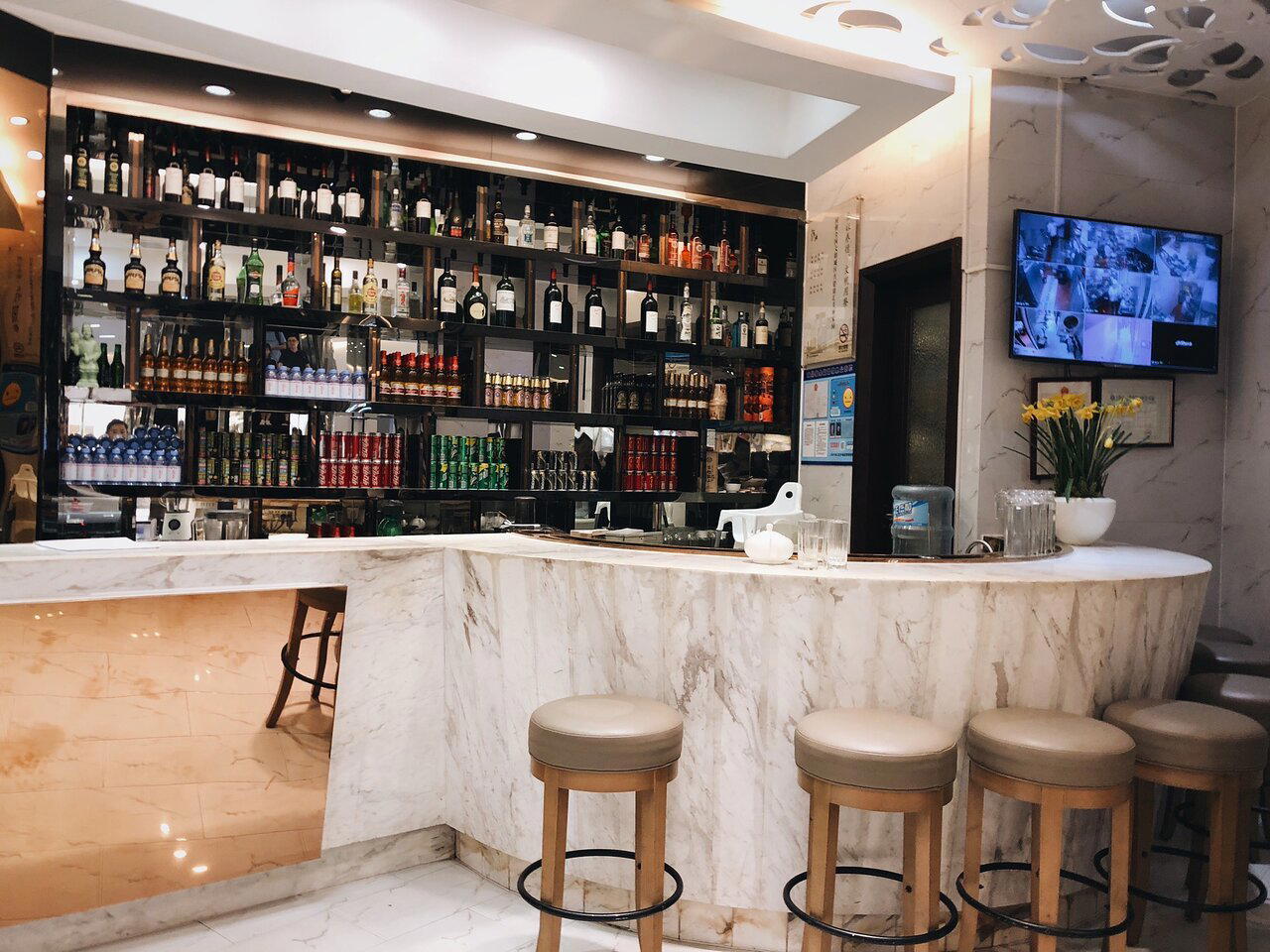
Stylish and cozy interiors with attentive professional service.