Zhi-Shi
Zhi-Shi operates on Ulitsa Gertsena in central Magnitogorsk, a city better known for steel than dining ambition. The address places it within reach of the city's commercial core, and the name, rendered in Russian as knowledge or cognition, signals something deliberate about its positioning. For Magnitogorsk, where serious restaurant culture is still assembling itself, that deliberateness carries weight.
Pearl is the En Primeur Club membership app — saves, bookings, and concierge access live there. Same editors, same standards.
- Address
- Ulitsa Gertsena, 6, Magnitogorsk, Chelyabinsk Oblast, Russia, 455017
- Phone
- +79227590091
- Website
- ji-shi.ru
- Directions
- Get directions
 Saves & bookings on Pearl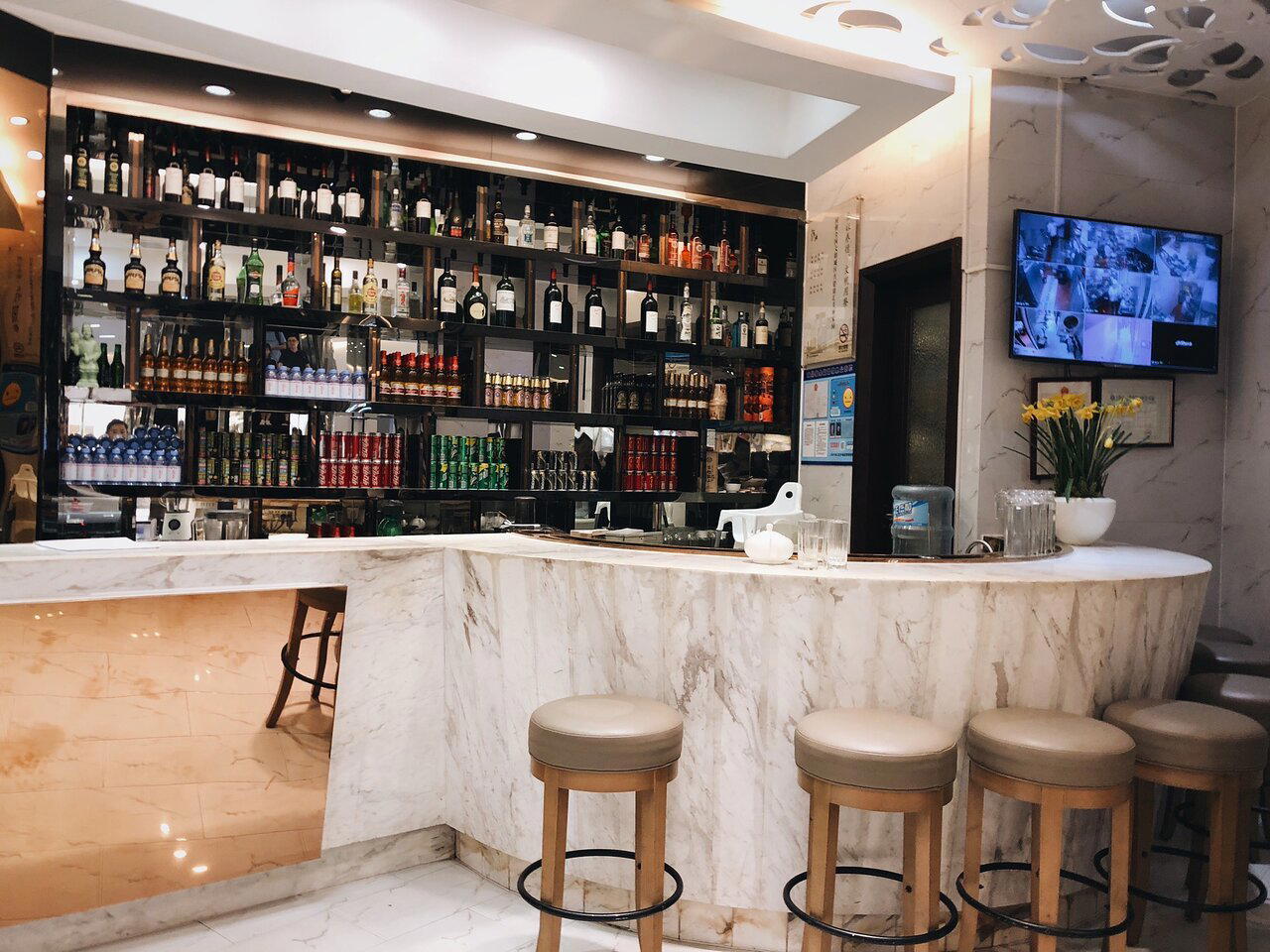
Dining in an Industrial City Finding Its Own Register
Zhi-Shi is a Japanese sushi restaurant at Ulitsa Gertsena, 6, in Magnitogorsk, Chelyabinsk Oblast, with, walk-in-friendly format. Magnitogorsk is, by its own design, a city built around function. The steel combine that defines it was the Soviet Union's industrial ambition made physical, and for decades the city's relationship with food was shaped accordingly: canteens, practicality, sustenance over ceremony. What is happening now, slowly, is a recalibration. A cohort of addresses on streets like Ulitsa Gertsena are trying to establish something closer to a genuine dining scene, not by importing a Moscow template wholesale, but by responding to local conditions with whatever sophistication the market will support. Zhi-Shi sits on that street, at number 6, and its name (the Russian word carries connotations of knowledge and cognition) suggests an operator with an opinion about what this city's dining should become.
This kind of ambition is not distinctive to Magnitogorsk. Across Russia's mid-sized industrial cities, Omsk, Chelyabinsk, Yekaterinburg, a similar pattern has played out over the past decade: a first wave of European-leaning cafes, followed by a more considered wave of addresses drawing on regional and pan-Russian identity. Khmeli Suneli in Yekaterinburg represents one version of this, working through the Caucasian register that has become a reliable shorthand for quality in Russian provincial dining. Grisha in Omsk represents another. Where Zhi-Shi positions itself within this pattern is best understood through its Japanese sushi focus.
The Cultural Weight of the Name
Naming a restaurant in a Chelyabinsk Oblast steel city after the concept of knowledge is not a neutral act. It implies a philosophy about what eating out should involve, that a meal should transmit something, teach something, or at least signal that the kitchen has thought carefully about its material. This is a posture recognizable from a certain tier of Russian restaurant culture, one that has become more pronounced since the 2010s as chefs trained in or influenced by Moscow's more ambitious scene began returning to provincial cities with different expectations about what a restaurant could be.
At the higher end of the Russian spectrum, that movement produced addresses like Twins Garden in Moscow, which built an identity around agricultural provenance and intellectual coherence. At the accessible end, it produced a proliferation of thoughtfully named cafes in cities like Magnitogorsk that may or may not have the kitchen depth to justify their branding. Zhi-Shi's position on that spectrum requires a visit to assess with confidence.
Magnitogorsk's Dining Context
For visitors arriving from elsewhere in Russia or internationally, Magnitogorsk is not a dining destination in the way that Saint Petersburg or even Yekaterinburg might be. Its restaurant scene is developing rather than developed, and the addresses worth knowing tend to be concentrated in the central districts near the commercial and cultural infrastructure the city built after its industrial peak. Ulitsa Gertsena, where the restaurant operates, falls within this zone.
Among the other addresses in the city drawing attention from outside its immediate neighborhood, Uchkuduk offers a point of comparison with a Central Asian-inflected approach, while Zhishi Sushi, a name that shares sonic territory with the restaurant, occupies the Japanese format that has become a default signifier of aspiration in Russian provincial dining. The two names are close enough to create occasional confusion for first-time visitors, so the distinction is worth noting before booking. Our full Magnitogorsk restaurants guide maps the broader scene for those planning more than one meal in the city.
What Provincial Chinese and Pan-Asian Dining Looks Like in Russia
Across Russia's provincial cities, Chinese and broadly Asian cuisine has moved through several phases. The earliest wave was utilitarian: buffet formats, low price points, dishes adjusted heavily for local palates. The second wave, arriving through cities like Novosibirsk and Yekaterinburg in the 2010s, introduced more considered formats, izakaya-adjacent spaces, sushi counters with Japanese-trained staff, and a handful of addresses attempting genuine regional Chinese cooking rather than a composite approximation. Made in China in St. Petersburg sits at the more ambitious end of this trajectory for Russia's larger cities.
In Magnitogorsk, that ambition has fewer reference points and a smaller diner base to sustain it. What typically survives in this context is a practical middle register: menus that cover enough territory to draw a broad audience while retaining enough specificity to signal that the kitchen has made decisions rather than simply aggregating popular dishes.
Framing the Broader Russian Dining Moment
The post-2022 period has accelerated a particular trend in Russian provincial dining: the partial decoupling from Western European culinary models and a renewed interest in both Central Asian and East Asian reference points that feel culturally adjacent rather than imported. Dzhani Restorani in Nizhny Novgorod and Alanskaya Kukhnya in Krasnodar both reflect this, working through Caucasian and Central Asian registers that have become more prominent. Magnitogorsk, with its geographic position in the southern Urals and its significant non-Russian population, has cultural reasons to engage with these influences that go beyond trend-following.
For comparison at the higher end of the Russian scene, 1913 in Saint Petersburg demonstrates what Russian culinary identity looks like when filtered through a century of self-conscious refinement. At the global tier, Le Bernardin in New York City and Atomix in New York City offer a useful external calibration point for what serious cooking looks like when kitchen philosophy and execution are aligned at the highest level, a standard that provincial Russian dining is in conversation with, even if from a considerable distance.
Planning a Visit
The restaurant is at Ulitsa Gertsena, 6, in Magnitogorsk, Chelyabinsk Oblast. The restaurant is open daily from 10 AM to 12 AM, and walk-ins are welcome. For visitors building a broader Ural-region itinerary, Kukhterin in Tomsk and Lev I Ptichka in Saint Petersburg are worth adding to the broader reading list, along with Cafe Pushkin in Moscow for those routing through the capital. For a different register entirely, Burger Records in Novosibirsk and Konditerskaya Kuzina in Syktyvkar indicate how casual formats are developing across the Siberian and Ural corridor. Krevetka in Voronezh rounds out a picture of how seafood-forward thinking is spreading into landlocked Russian cities.
Price Lens
Comparable venues nearby, for context on price, style, and recognition.
| Venue | Cuisine | Price | Notes |
|---|---|---|---|
| Zhi-ShiThis venue — the venue you are viewing | Center, Japanese Sushi | $$ | Not listed |
| Uchkuduk | Central, Uzbek & Middle Eastern | $$$ | Not listed |
| Zhishi Sushi | Center, Japanese Sushi | $$ | Not listed |
| Kazbek (Казбек) | Пресненский, Georgian | $$$ | Not listed |
| Китайская грамота | Бульварное кольцо, Кантонская кухня | $$$ | Not listed |
| Pyshechnaya | Not listed | $ | Nevskiy, Russian Pyshechnaya (Donut Cafe) |
Continue exploring
More in Magnitogorsk
Restaurants in Magnitogorsk
Browse all →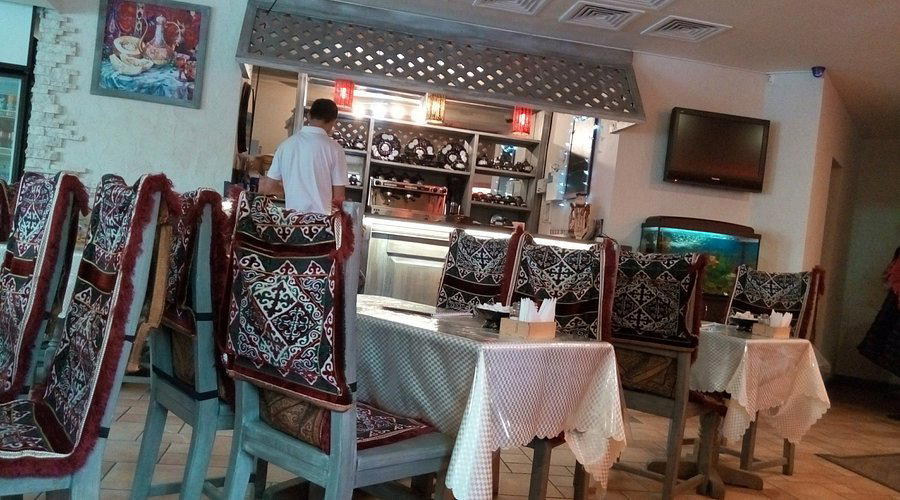
At a Glance
- Cozy
- Elegant
- Casual Hangout
Current opening hours
- Monday
- 10 AM–12 AM
- Tuesday
- 10 AM–12 AM
- Wednesday
- 10 AM–12 AM
- Thursday
- 10 AM–12 AM
- Friday
- 10 AM–12 AM
- Saturday
- 10 AM–12 AM
- Sunday
- 10 AM–12 AM
Hours can change for holidays and private events. Last verified .
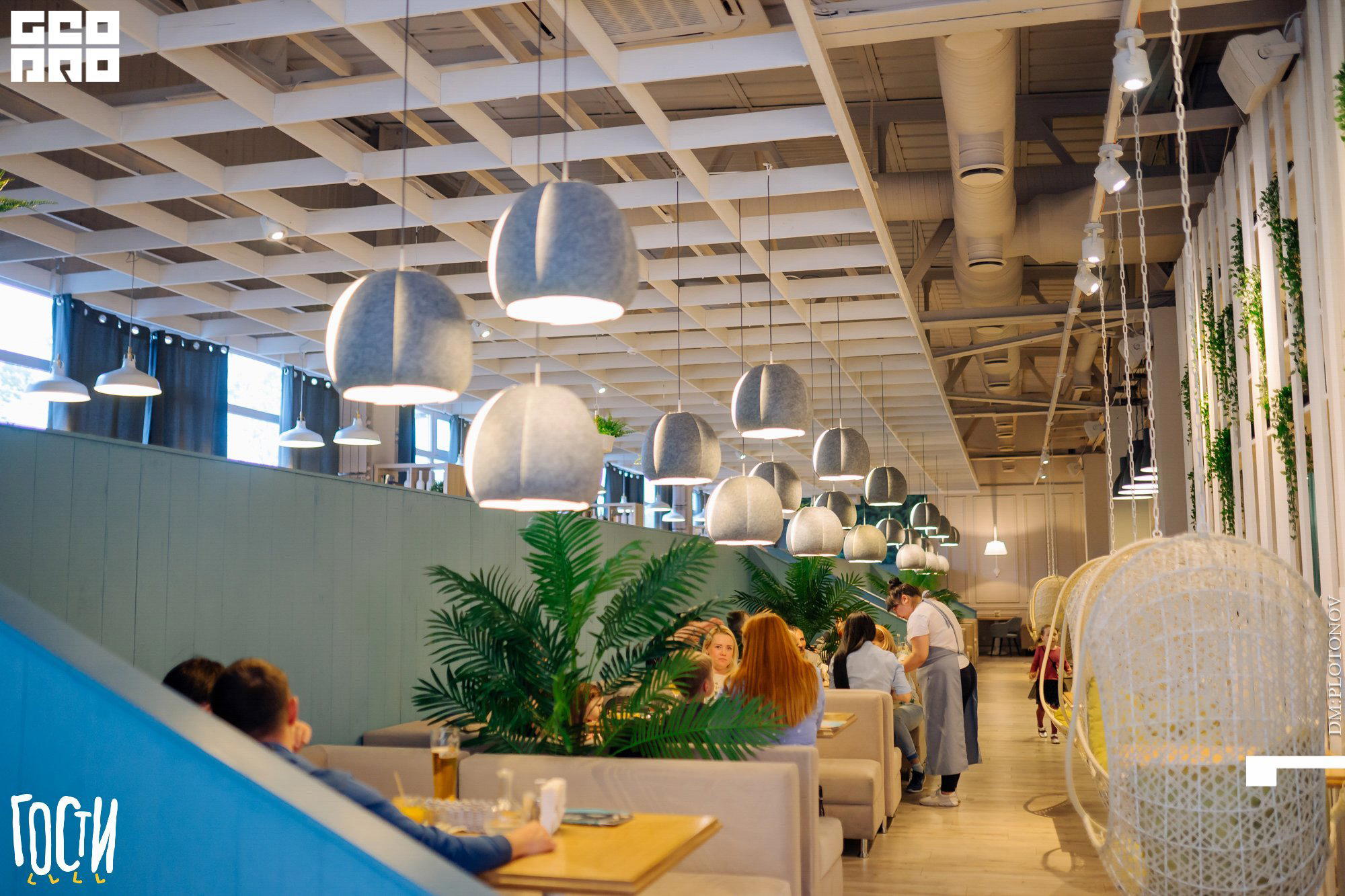
Cozy and stylish interior with pleasant atmosphere.