Zero Base

Michelin Plate
Our verdict
Zero Base brings a focused Japanese dining format to Suyeong-gu, earning consecutive Michelin Plate recognition in 2024 and 2025. Positioned at the ₩₩₩ tier, it occupies a specific niche within Busan's growing Japanese restaurant category, serious enough to reward advance planning, compact enough to feel considered.

Pearl is the En Primeur Club membership app, where members save venues, book tables and use the concierge.
The menu
What to order
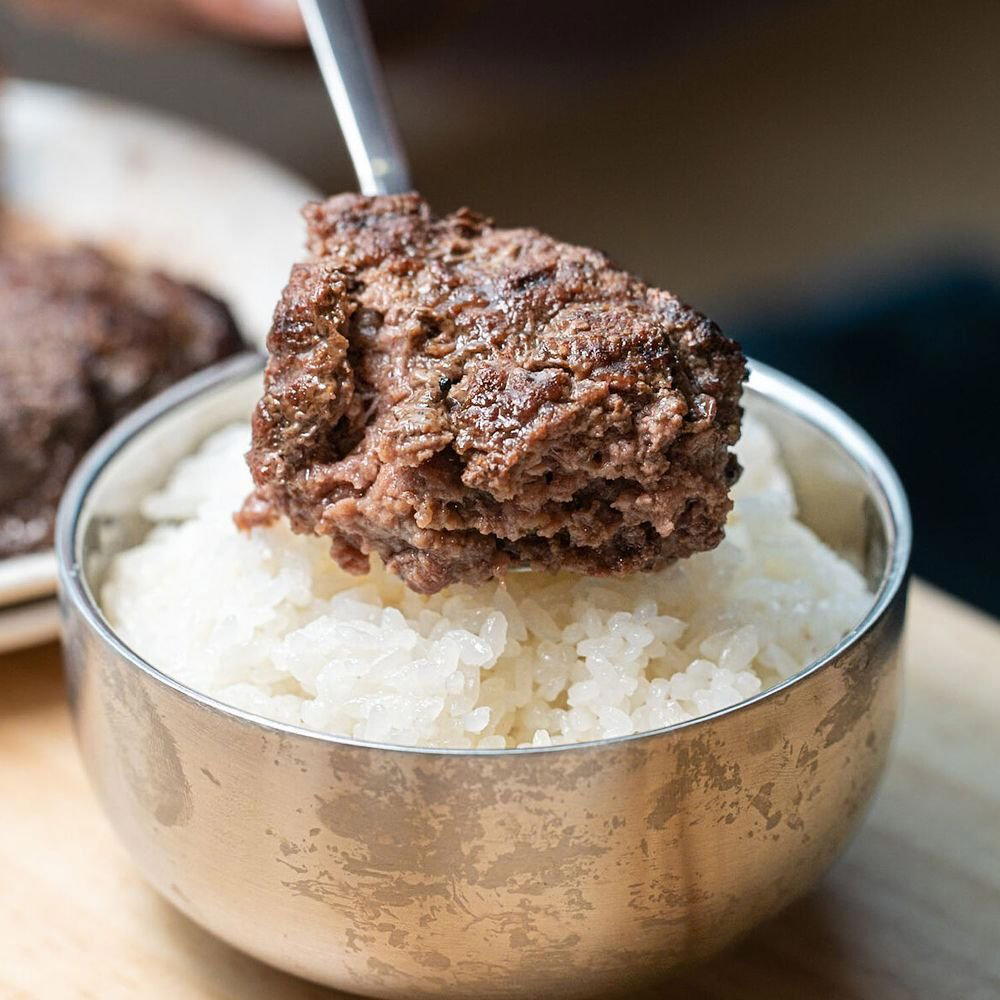
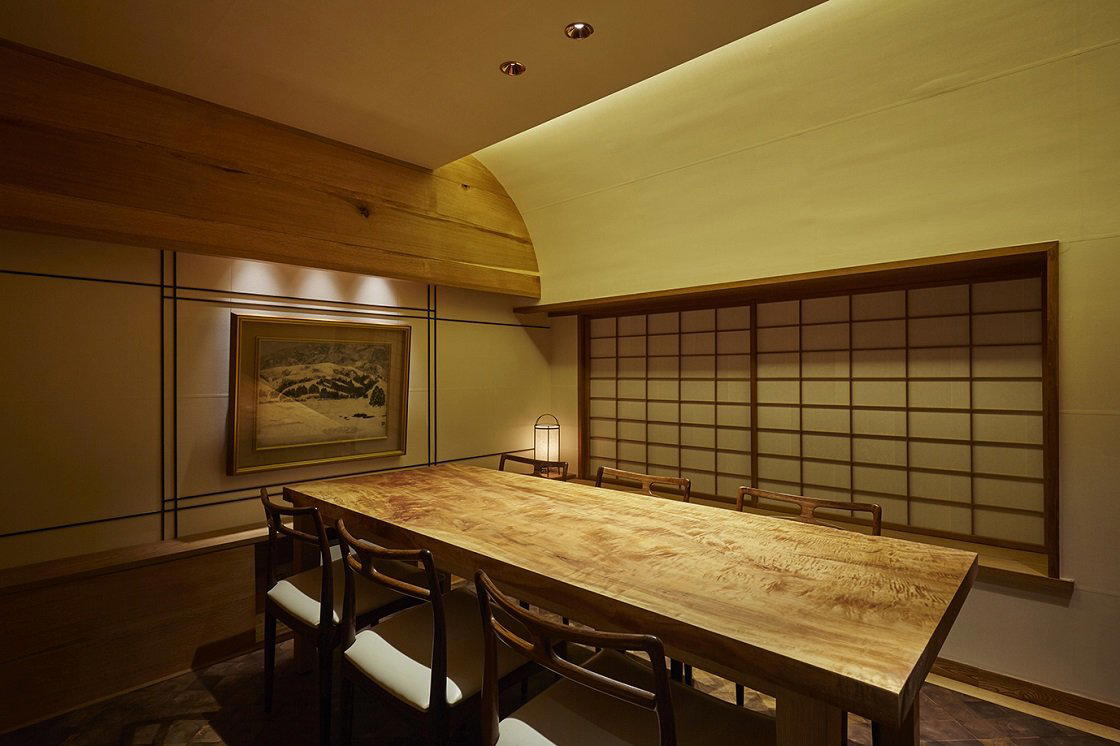
- Seasonal seafood omakase
- Rice from chef's father's farm
Japanese Precision in Suyeong-gu
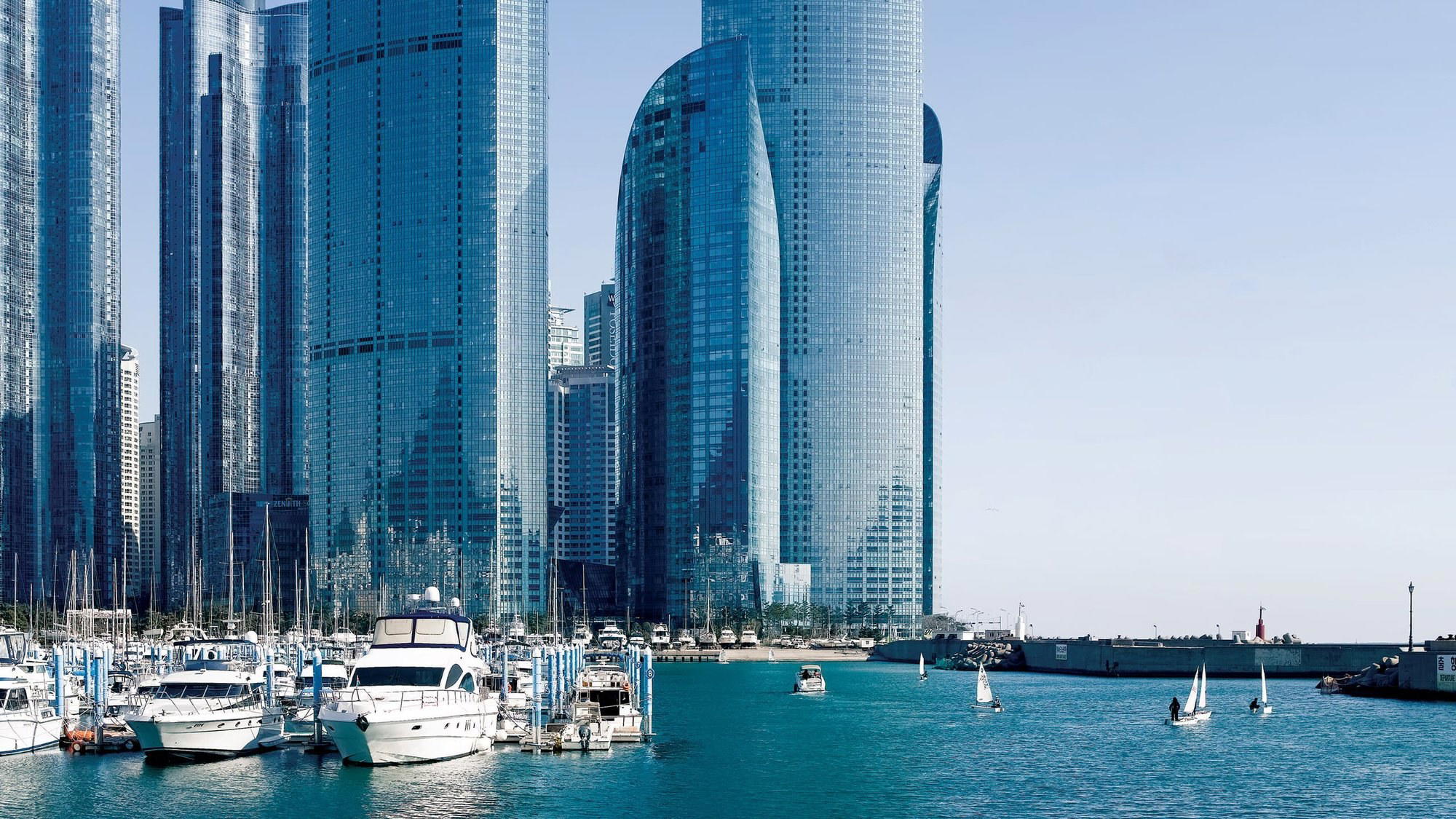
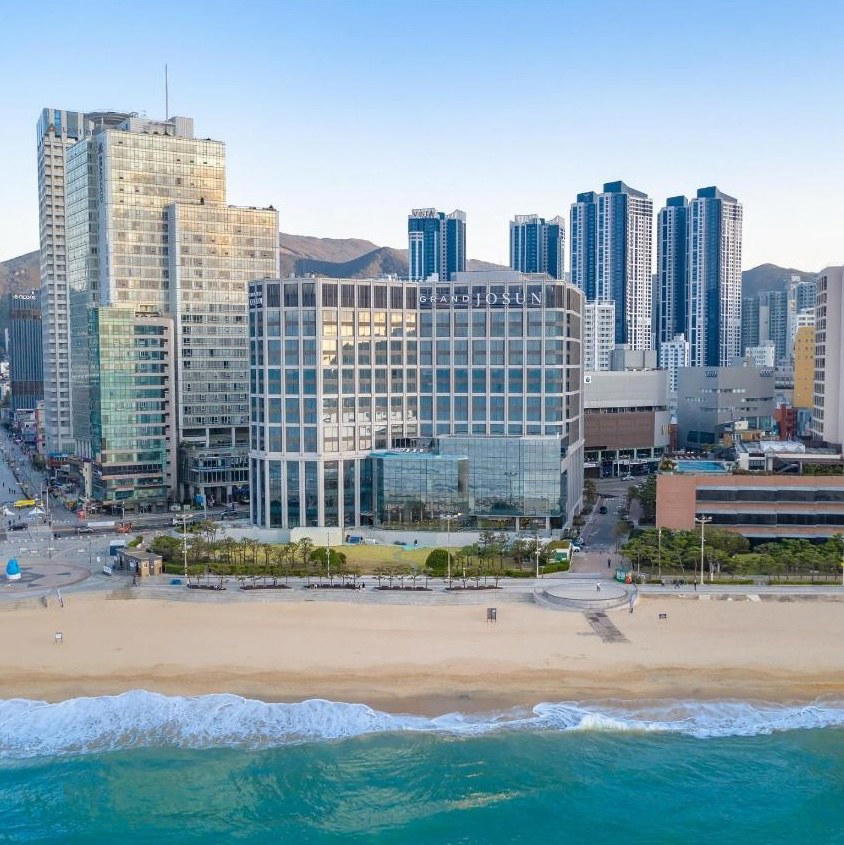
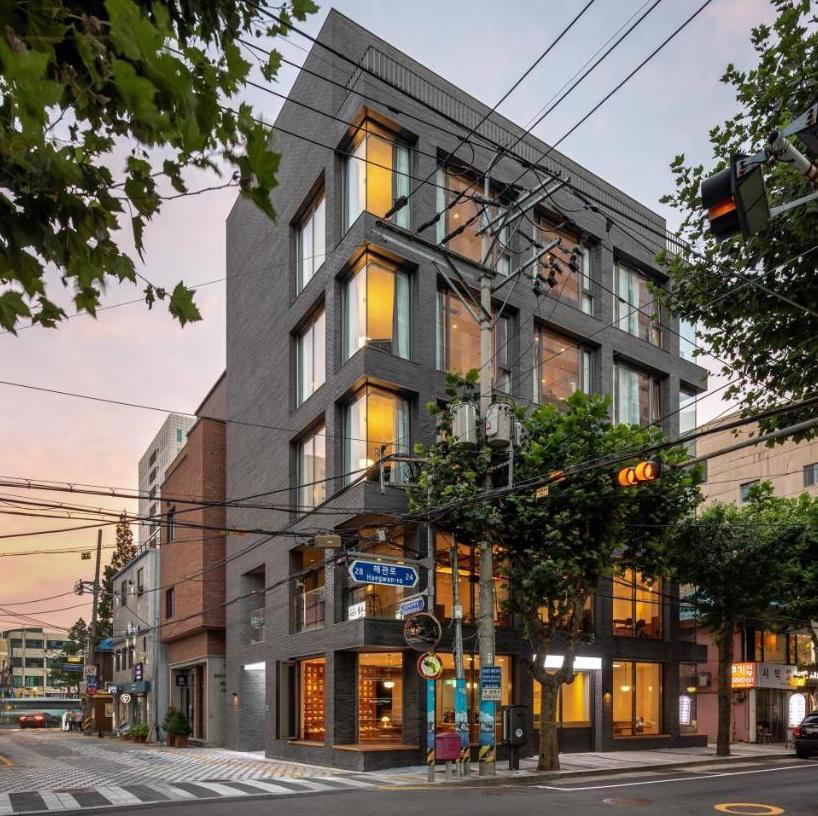
Busan's serious dining scene has long clustered around Haeundae and Centum City, but Suyeong-gu has been quietly building its own concentration of considered restaurants. The neighbourhood's residential character keeps foot traffic lower than Haeundae's coastal strip, which means the venues that hold their ground here do so on repeat custom and word-of-mouth rather than tourist volume. Zero Base, on Millak-ro 33beon-gil, sits inside that pattern: a Japanese restaurant operating at the ₩₩₩ price tier in a district where the audience tends to be local, intentional, and returning.
That neighbourhood context matters because it shapes how a restaurant like this is discovered. You are unlikely to walk past Zero Base on the way to somewhere else. You go because someone told you to, or because you have been before. That dynamic, common to the smaller, format-disciplined restaurants now appearing across Busan's non-Haeundae districts, rewards the reader who does the advance research rather than the spontaneous visitor who wanders in off the street.
What the Michelin Plate Means Here
Consecutive Michelin Plate recognition in 2024 and 2025 places Zero Base in a specific tier of the Busan dining conversation. The Plate is Michelin's signal that a restaurant produces consistently good cooking, it is not a star, but it is a formal acknowledgement that the kitchen meets a threshold the inspectors found worth marking twice. In a city where Michelin coverage has expanded but starred venues remain a small group, Plate restaurants occupy a meaningful middle ground: credentialed enough to appear on the shortlists of visiting food-focused travellers, accessible enough in format and price that they do not require the same level of occasion-planning as a multi-star counter.
At ₩₩₩, Zero Base sits at the same price tier as Mori, another Japanese-format restaurant in Busan that has attracted similar attention. That shared positioning is instructive: the ₩₩₩ bracket for Japanese cuisine in Busan now supports multiple credentialed options, which means the category is developing genuine depth rather than relying on a single reference point. For comparison, Palate (Contemporary) operates at ₩₩, and the city's steakhouse tier pushes to ₩₩₩₩, so the mid-upper range for Japanese here is a coherent and competitive segment.
The broader South Korean context is worth keeping in mind. Seoul carries the density of starred Japanese dining, with venues like Mingles in Seoul and Gaon in Seoul anchoring the capital's premium dining map. Busan's version of that category is smaller and less internationally profiled, but the Michelin presence at Zero Base and its peers signals that the gap is narrowing. For a comparison with how Japanese cuisine operates at the highest credential level, Myojaku in Tokyo, Azabu Kadowaki in Tokyo, and Isshisoden Nakamura in Kyoto represent the standard against which serious Japanese restaurants across the region are implicitly measured.
Planning Your Visit: What to Know Before You Go
The booking question at Michelin-recognised restaurants in Busan's quieter districts is worth thinking through carefully. Small-format Japanese restaurants at this price tier, particularly those with consecutive Michelin recognition, tend to operate with limited covers, and the combination of credential visibility and word-of-mouth reputation in a residential neighbourhood means demand can outpace casual assumptions about availability. Treating this as a walk-in option is the kind of planning error that results in a wasted trip to Suyeong-gu.
Address on Millak-ro 33beon-gil places the restaurant in the 202호 unit, so confirming the specific entrance and floor before arrival is practical rather than optional, particularly for first-time visitors unfamiliar with the building layout typical of Korean mixed-use structures. For visitors building a Busan itinerary around food, pairing Zero Base with a meal at Haemok, Iwa, or Eutteum Iroribata builds a sensible cross-neighbourhood dining circuit without doubling up on format or price tier.
In Busan, Japanese restaurants at this tier often operate through reservation platforms including Naver, KakaoTalk channels, or direct in-person booking. A Korean-speaking contact or a hotel concierge with local restaurant knowledge will be the most reliable route to securing a table, particularly for travellers who do not read Korean. Those staying in Busan's hotel stock, covered in our full Busan hotels guide, should flag Zero Base to the concierge on arrival rather than attempting to arrange it independently from abroad.
Zero Base in the Wider Busan Picture
Japanese cuisine has a specific and long-established presence in Busan that differs from its Seoul equivalent. The city's proximity to Japan, combined with its port history and the density of Japanese-influenced food culture in neighbourhoods like Choryang and Gwangbok-dong, means Japanese cooking here operates inside a different set of reference points than it does in the capital. Busan diners are, broadly speaking, more familiar with Japanese flavour structures at the everyday tier, which raises the bar for what a ₩₩₩ Japanese restaurant needs to deliver to justify the step up in price and formality.
That context makes the consecutive Michelin Plate recognition at Zero Base more pointed. It is not simply a credential awarded in a vacuum; it signals that the kitchen is meeting expectations in a city where the baseline for Japanese cooking is already relatively calibrated. For visitors approaching Busan through its Korean dining traditions, the dwaeji-gukbap shops of Nampodong, the naengmyeon counters, the broader seafood-forward local repertoire, Zero Base represents a deliberate cross-register choice. It belongs to Busan's dining map as evidence of the city's range, rather than as a concession to foreign tastes.
Explore more of the city's restaurant options in our full Busan restaurants guide. For the wider picture beyond food, our full Busan bars guide, our full Busan experiences guide, and our full Busan wineries guide cover the rest of the city's premium leisure options. Visitors planning a longer South Korean circuit may also find the regional perspective useful: 권숙수, Kwon Sook Soo in Gangnam-gu, Baegyangsa Temple in Jangseong-gun, and 더 플라잉 호그, The Flying Hog in Seogwipo each represent different facets of the country's broader dining geography.
Frequently asked questions
What should I budget for a meal at Zero Base?
Pricing at Zero Base is listed as ₩₩₩.
Is Zero Base award-winning?
Zero Base has received recognition including: Michelin Plate (2025); Michelin Plate (2024).
What's the best thing to order at Zero Base?
Given that baseline, the omakase or chef-led formats typical of Michelin-recognised Japanese counters in Korea tend to represent the strongest value. Confirm current menu options directly when booking.
What type of food is Zero Base known for?
What's the address for Zero Base?
Zero Base is located at South Korea, Busan, Suyeong-gu, Millak-ro 33beon-gil, 17 202 호, Busan.
Should I book Zero Base in advance?
Yes. Michelin-listed Japanese restaurants in Busan's quieter districts fill faster than their central-district peers precisely because capacity is smaller and walk-in culture is limited. Booking ahead is the practical approach.
What's Zero Base best at?
Zero Base has built its Michelin Plate standing on Japanese cuisine in a Busan neighbourhood, Suyeong-gu, that sits outside the city's more trafficked dining corridors in Haeundae and Centum City. That positioning, sustained across two consecutive Plate years at the ₩₩₩ price tier, suggests a kitchen focused on precision over spectacle. It occupies a specific and credible place in Busan's Japanese dining conversation.
Similar Picks
A small set of peers for context, based on recorded venue fields.
| Venue | Cuisine | Price | Awards | Notes |
|---|---|---|---|---|
| Zero BaseThis venue (the venue you are viewing) | Modern Japanese Omakase | $100–150 | Michelin Plate | Not listed |
| Palate | Contemporary French with Korean Fusion | $150–200 | 1 Michelin Star · La Liste Top Restaurants | Contemporary |
| Mori | Japanese Kaiseki | $200–300 | 1 Michelin Star | Japanese |
| Born and Bred | Modern Hanwoo Beef Omakase Steakhouse | $100–150 | Michelin Plate · World's 50 Best #51 | Steakhouse |
| 100.1. Pyeongnaeng | Pyongyang-style Naengmyeon | $10–20 | Michelin Bib Gourmand | Naengmyeon |
| Anmok | Modern Korean Dwaeji-Gukbap | $10–20 | Michelin Bib Gourmand | Dwaeji-gukbap |
Recognition history
Dated appearances from independent guides and award organizations, with the underlying list record or original source where available.
Michelin Plate
Michelin
Full recognition history (2 entries)
Michelin Plate
Michelin