
A Bib Gourmand recipient in both 2024 and 2025, Jingmei Wuxi Noodles brings the braised-pork richness of Wuxi noodle tradition to Jingan's Hengfeng Road. The single-price-tier format keeps the proposition simple: a bowl that earns Michelin recognition without the reservation anxiety. For Shanghai's noodle circuit, it sits at the more affordable end of recognised quality.
Pearl is the En Primeur Club membership app — saves, bookings, and concierge access live there. Same editors, same standards.
- Address
- China, CN 上海市 静安区 恒丰路 299 299号太阳CITY1层 邮政编码: 200071
- Phone
- +86 191 0218 1275
- Directions
- Get directions
 Saves & bookings on Pearl
Wuxi Noodles in the City: What the Format Means
Shanghai's relationship with noodles is older and more layered than any single shop can represent. The city draws from Suzhou, Wuxi, and its own shanghainese traditions, producing a spectrum that runs from the thinnest, most delicate hand-pulled strands to the thick, sauce-drenched bowls of inland influence. Within that range, Wuxi noodles occupy a particular register: braised pork as the dominant force, a sweetness in the broth that reflects Jiangnan cooking's preference for sugar and soy in balance, and a general instruction to eat quickly before the noodles absorb too much of the liquid.
In Jingan district, the density of recognised noodle shops has grown steadily over the past decade. The neighbourhood's character is partly commercial, Hengfeng Road sits near the rail hub at Shanghai Railway Station, and partly residential, which means the lunch and breakfast crowd is drawn from both commuters and locals who expect value without compromise. That context matters for understanding where a place like Jingmei Wuxi Noodles is a Bib Gourmand Wuxi noodles restaurant in Jingan, Shanghai.
What Michelin's Bib Gourmand Signals Here
Michelin's Bib Gourmand designation, awarded to Jingmei Wuxi Noodles in both 2024 and 2025, carries a specific meaning that is worth reading carefully. The Bib is not a star; it is not a judgment about complexity or refinement in the fine-dining sense. It is Michelin's mechanism for marking value: good cooking at prices accessible enough that the reviewer considers them notable relative to quality. In Shanghai's noodle category, a Bib Gourmand two years running is a signal that the kitchen maintains consistency, that the bowl delivers reliably, and that the pricing sits within the ¥ tier.
Across Shanghai's recognised noodle houses, Bib Gourmand status tends to cluster around shops that have both local loyalty and a degree of culinary focus. Rongjia Noodles Soup with Yellow Croaker (Jingan) earns its recognition through a specific ingredient specialisation. A Niang Mian Guan and Lao Di Fang Mian Guan represent other points in the city's diverse noodle tradition. The consistent thread is that Michelin's noodle-tier recognition in Shanghai rewards discipline and repeatability rather than ambition or novelty. Jingmei's back-to-back Bibs confirm that it is holding a line, not chasing one.
Hengfeng Road and the Jingan Noodle Context
The address at 299 Hengfeng Road, in the Taiyang City commercial complex on the ground floor, places Jingmei inside a modern retail-and-food development rather than a legacy laneway or converted longtang. This is a meaningful distinction in Shanghai's noodle geography. Some of the city's most discussed bowls are served in spaces that have barely changed in thirty years, with worn stools and plastic-covered tables that form part of the experience. Others, particularly those that have opened since 2015, operate in purpose-built or refitted commercial spaces that trade the patina for ease of access, cleaner service, and a format that suits the working lunch crowd.
Hengfeng Road's proximity to Shanghai Railway Station gives it a transit logic: the area is not a dining destination in the way that Xintiandi or Anfu Road might be, but it sustains a high volume of people who need to eat quickly, eat well, and move on. A Wuxi noodle shop that earns Michelin recognition in this setting is effectively serving two mandates simultaneously: the commuter who wants a fast, reliable meal, and the curious visitor who has noted the Bib in a guide. Both find roughly the same bowl.
The Wuxi Noodle Tradition in Brief
Wuxi, roughly 130 kilometres west of Shanghai in Jiangsu province, produces a regional noodle style defined by long-braised pork belly, a sweet-soy broth that carries the fat and collagen of hours of cooking, and noodles typically cooked to absorb rather than resist. The style sits within the broader Jiangnan cooking tradition, which prizes subtlety and sweetness over the heat and numbing spice of Sichuan or the fermented depth of Hunan. In Shanghai, Wuxi-influenced noodle shops have operated for generations, and the style is familiar enough to function as everyday food rather than a curiosity. What distinguishes the recognised shops from the unremarkable ones is almost entirely in the broth: the quality of the pork, the patience of the braise, and the precision of the seasoning.
That culinary context connects Shanghai's noodle tradition to the wider regional picture. Noodle-focused recognition appears across the Yangtze Delta cities: A Bing Bao Shan Mian in Hangzhou operates within a comparable low-price, high-recognition tier, and A Kun Mian in Taichung shows how noodle culture extends across the Chinese-speaking world at a similar register. The form is democratic; the execution is where the gap opens.
Positioning on Shanghai's Wider Dining Map
Jingmei Wuxi Noodles operates at a considerable distance, in both price and format, from the recognised fine-dining addresses in Shanghai. The city's starred restaurants, including multi-starred vegetarian destination Fu He Hui at the ¥¥¥¥ tier, occupy a different category entirely, as do the Cantonese rooms and European tables that fill the ¥¥¥ range. The Bib tier, by contrast, is where Shanghai's noodle, dumpling, and street-food culture receives formal acknowledgment, and it is the tier that reflects the widest cross-section of how the city actually eats.
For visitors building an itinerary around Shanghai's restaurant scene, the Bib Gourmand listings form a useful counterweight to the star table. Wei Xiang Zhai on Yandang Road and Xiao Tao Mian Guan are among the other recognised addresses worth mapping alongside Jingmei if the plan is to trace the city's noodle culture across districts. Regional comparisons across China's dining cities are also worth considering: Ru Yuan in Hangzhou, Xin Rong Ji in Beijing, and Imperial Treasure Fine Chinese Cuisine in Guangzhou each illustrate how Chinese regional cooking earns recognition at different price points and registers.
Know Before You Go
- Address: 299 Hengfeng Road, Taiyang City, Ground Floor, Jingan District, Shanghai 200071
- Cuisine: Wuxi-style noodles
- Price tier: ¥ (single-tier, accessible)
- Awards: Michelin Bib Gourmand 2024 and 2025
- Hours: Hours not listed.
- Booking: Walk-in format typical for noodle shops in this tier; walk-in friendly
- Getting there: Close to Shanghai Railway Station; accessible by metro nearby
Accolades, Compared
Comparable venues nearby, for context on price, style, and recognition.
| Venue | Cuisine | Price | Awards | Notes |
|---|---|---|---|---|
| Jingmei Wuxi Noodles (Jingan)This venue — the venue you are viewing | Wuxi Noodles | $$ | Bib Gourmand | Not listed |
| Rongjia Noodles Soup with Yellow Croaker (Jingan) | Yellow Croaker Noodle Soup | $$ | Bib Gourmand | Huangpu |
| Yunhe Noodle (Huangpu) | Modern Shanghainese Noodle House | $$ | Bib Gourmand | Lao Ximen |
| Yu Ge Zhanjiang (Jingan) | Zhanjiang Cantonese | $$ | Bib Gourmand | Dabazi |
| Lu Bo Lang | Traditional Shanghainese Dim Sum | $$ | Bib Gourmand | Lan Ni Du |
| Hong Yu Fang | Authentic Shanghainese Dim Sum | $$ | Michelin Plate | Lao Ximen |
Recognition history
Dated appearances from independent guides and award organizations, with the underlying list record or original source where available.
Michelin Bib Gourmand
Michelin
Michelin Bib Gourmand
Michelin
At a Glance
- Retro
- Cozy
- Casual Hangout
- Brunch
- Standalone
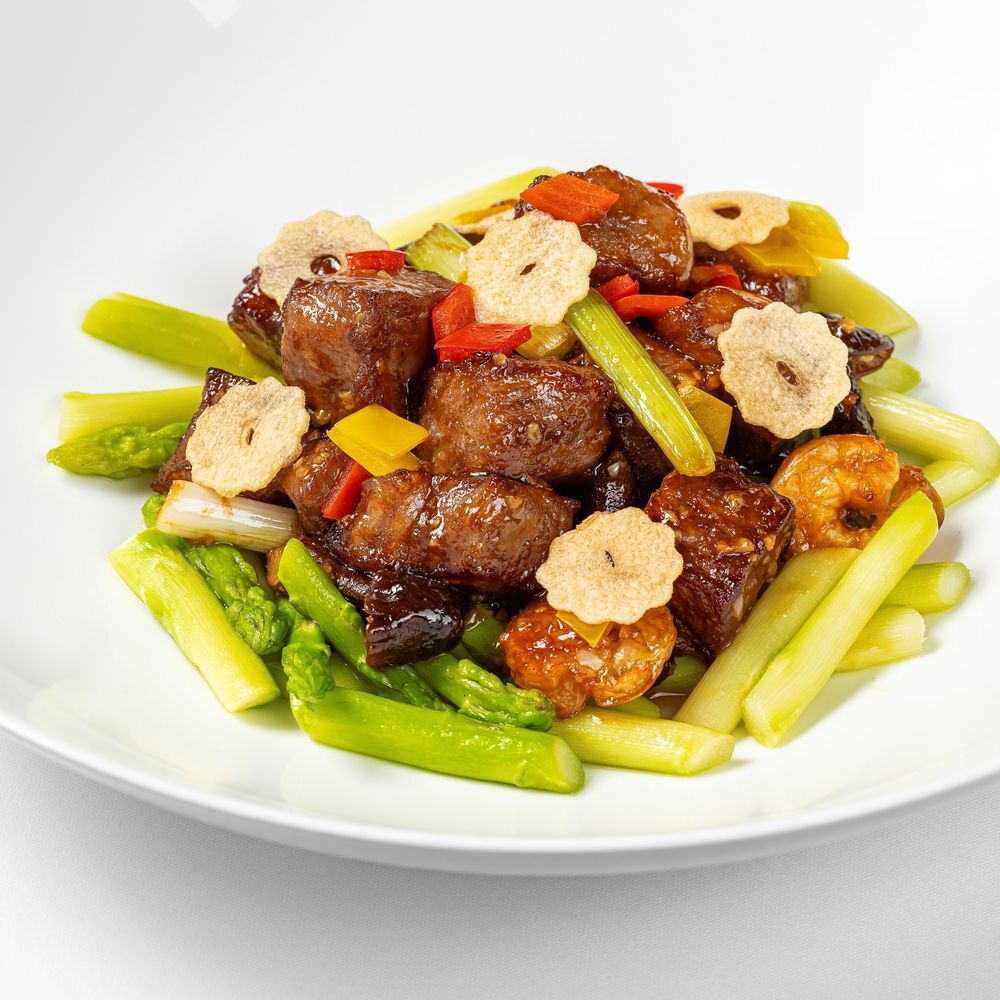
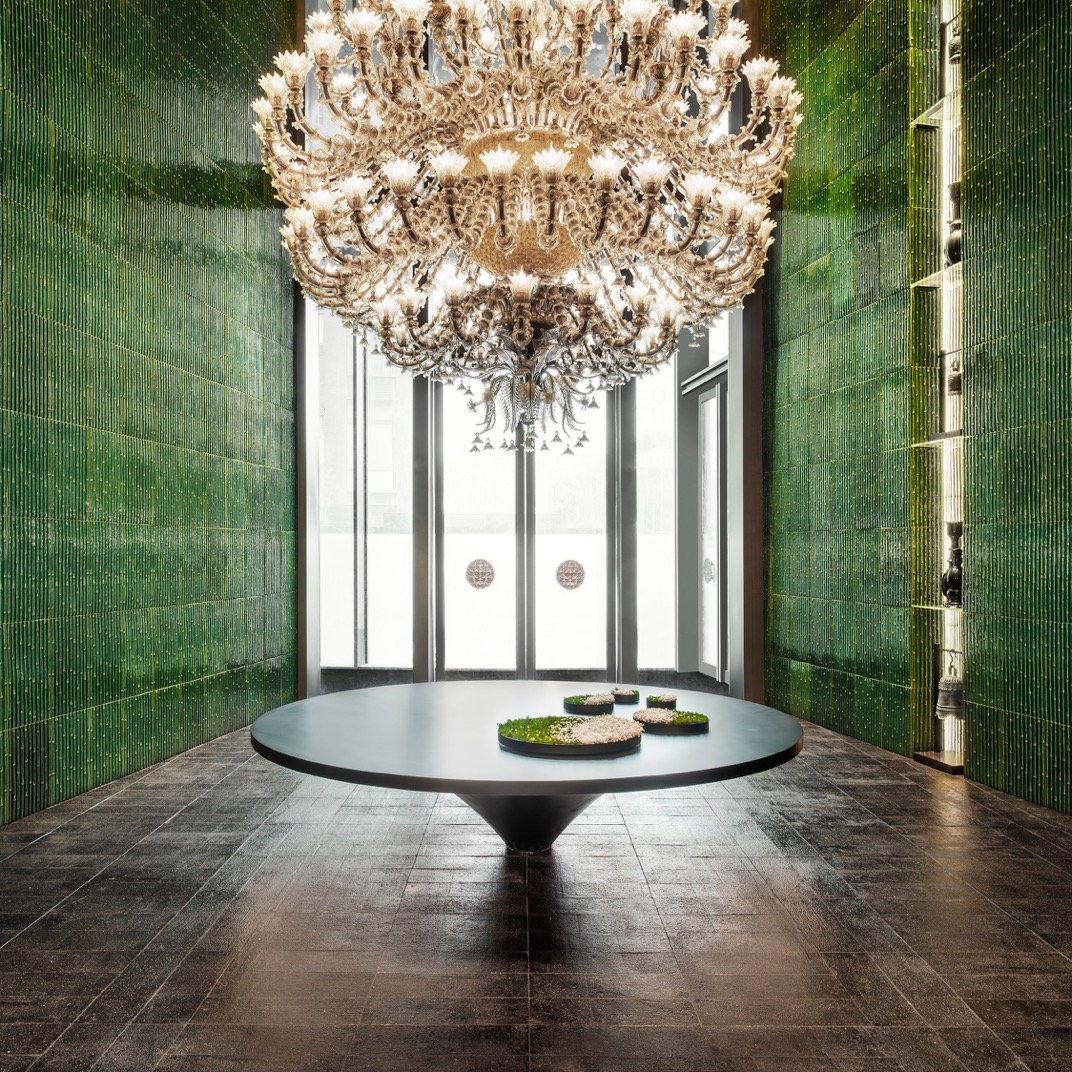
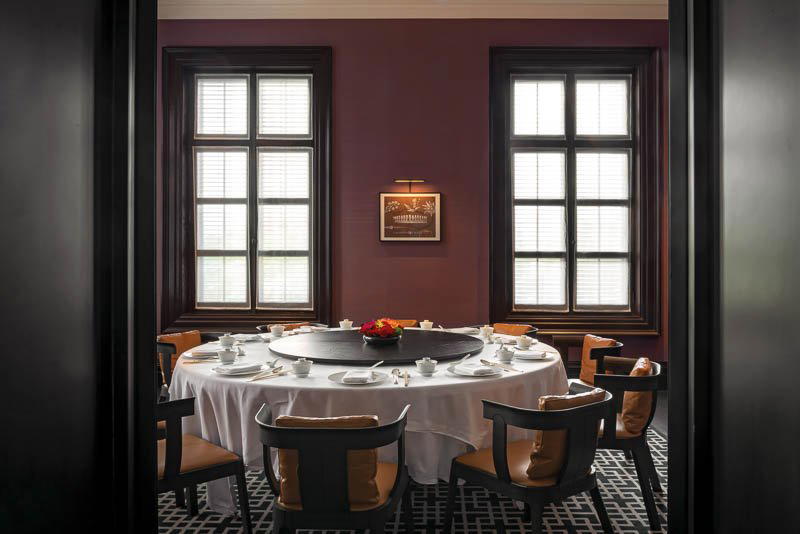
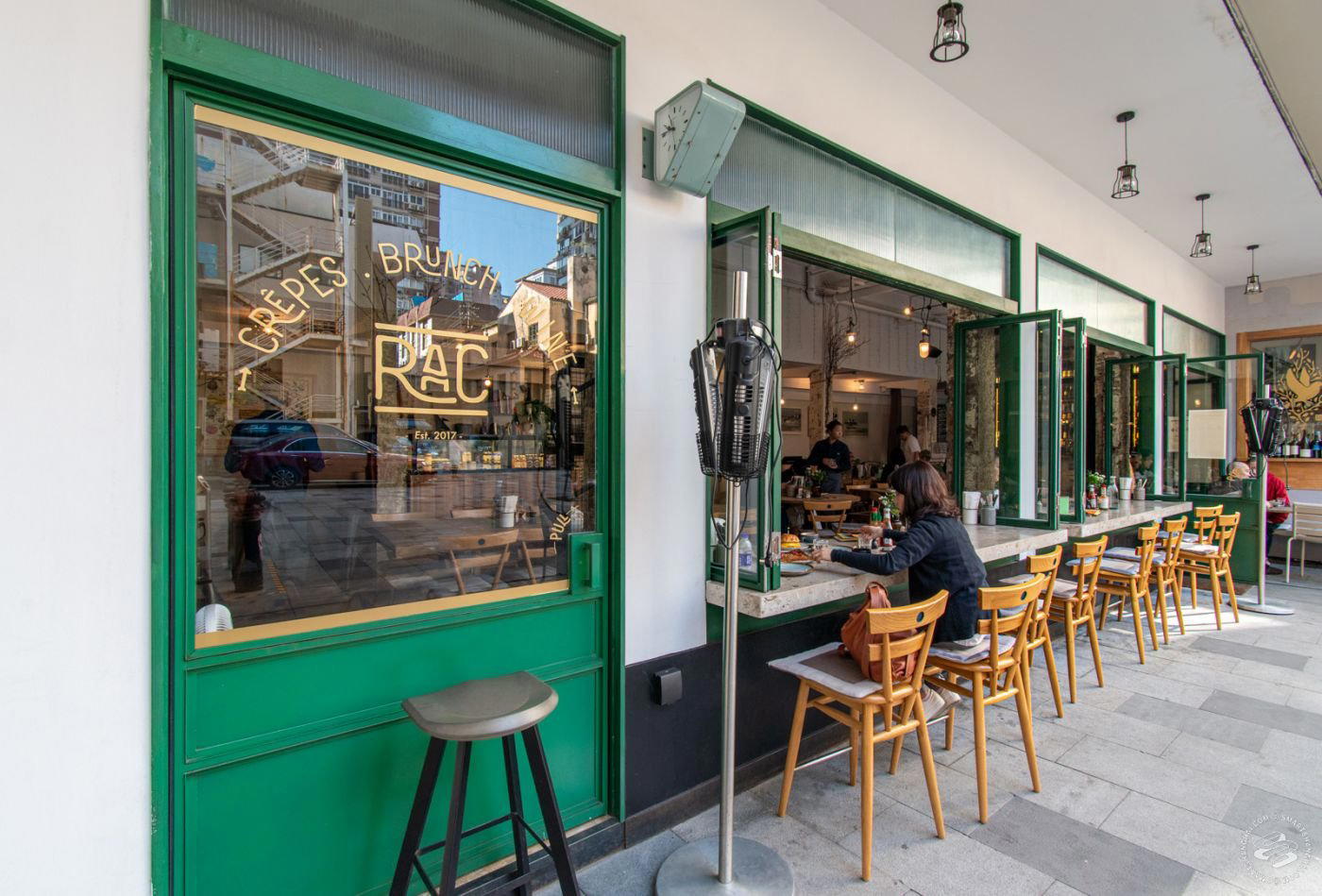
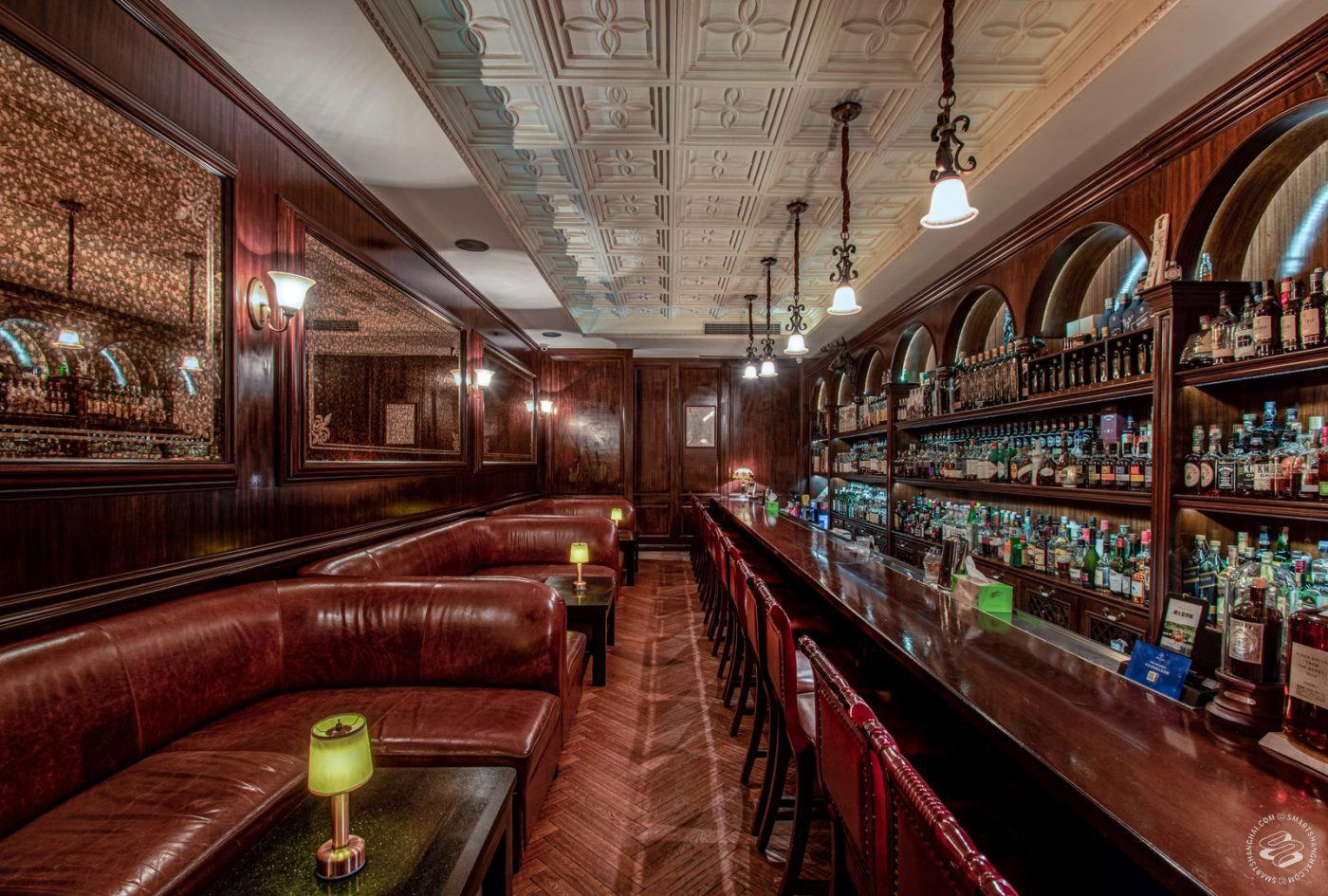
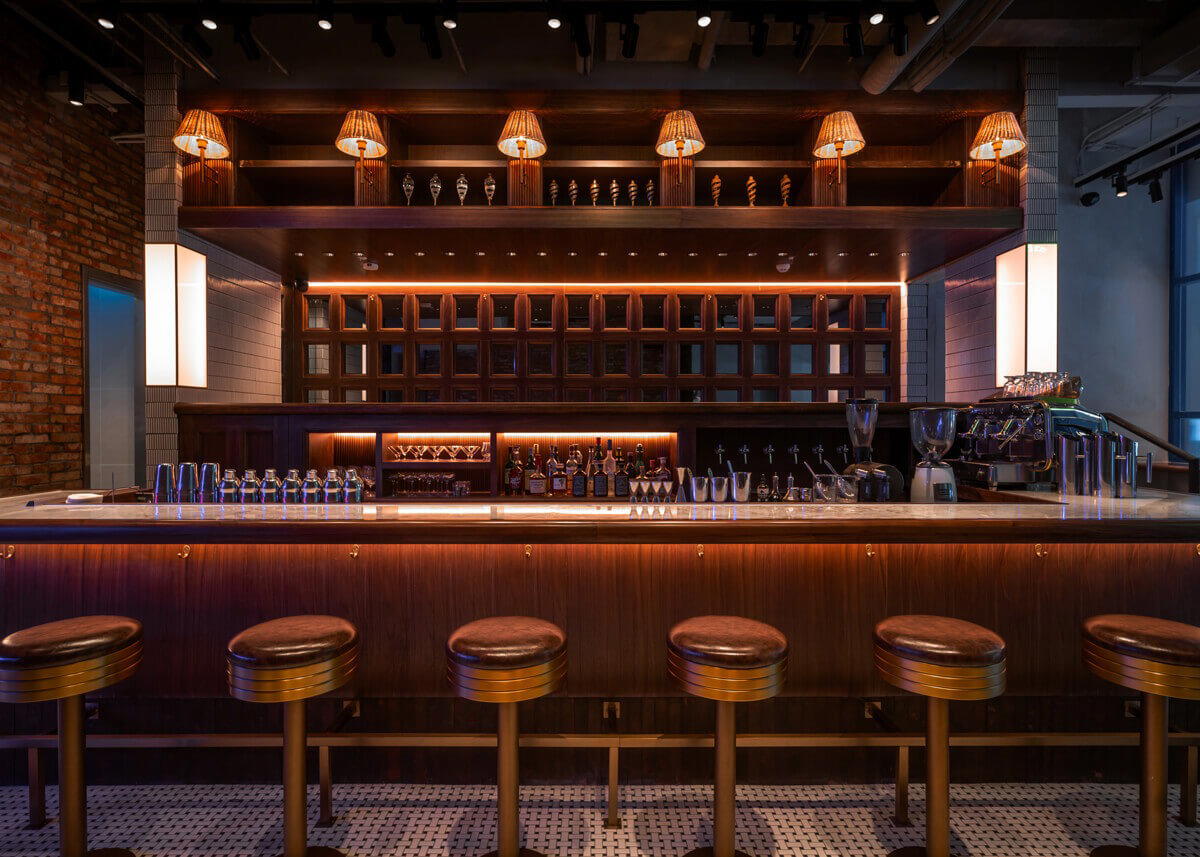
Small, cramped dining room brimming with retro Chinese style character, wooden tables, and fast-paced atmosphere.