
Yoshoku SAEKI gives Kobe’s yoshoku tradition a compact, counter-led frame: hamburger steak, curry, and Japanese-style Western cooking rather than ceremony. Its selection for Tabelog 100 Yoshoku WEST 2025 places it in a serious regional conversation, while the small room and sauce-refill detail point to a restaurant built around repeatable comfort rather than luxury theatre.
Pearl is the En Primeur Club membership app — saves, bookings, and concierge access live there. Same editors, same standards.
- Address
- 兵庫県神戸市灘区岩屋北町5-2-13 SIハイツ岩屋 1F
- Phone
- +81788822667
- Website
- tabelog.com
 Saves & bookings on Pearl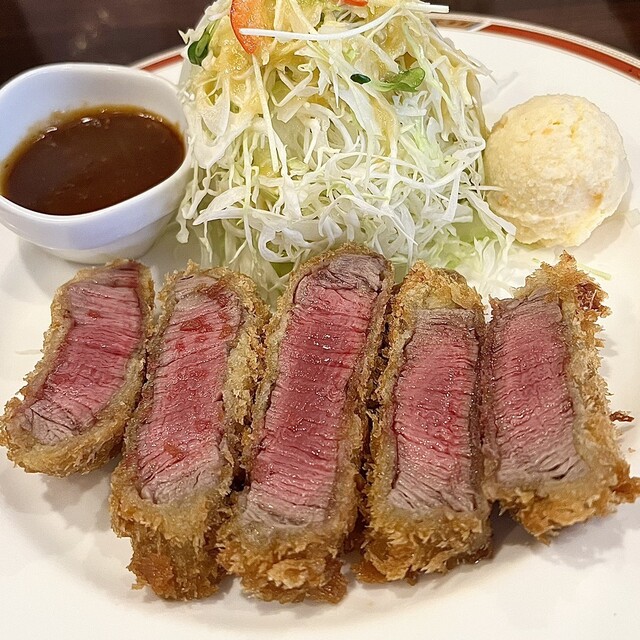
Approaching Kobe from the Iwaya side, the city changes register. The grand hotel-and-harbour image gives way to station exits, apartment blocks, small dining rooms, and restaurants whose reputations travel faster than their façades. Here, yoshoku makes sense: Western cooking filtered through Japanese habits of rice, sauce, set meals, and lunch-counter efficiency, not imported nostalgia but a domestic cuisine refined for more than a century.
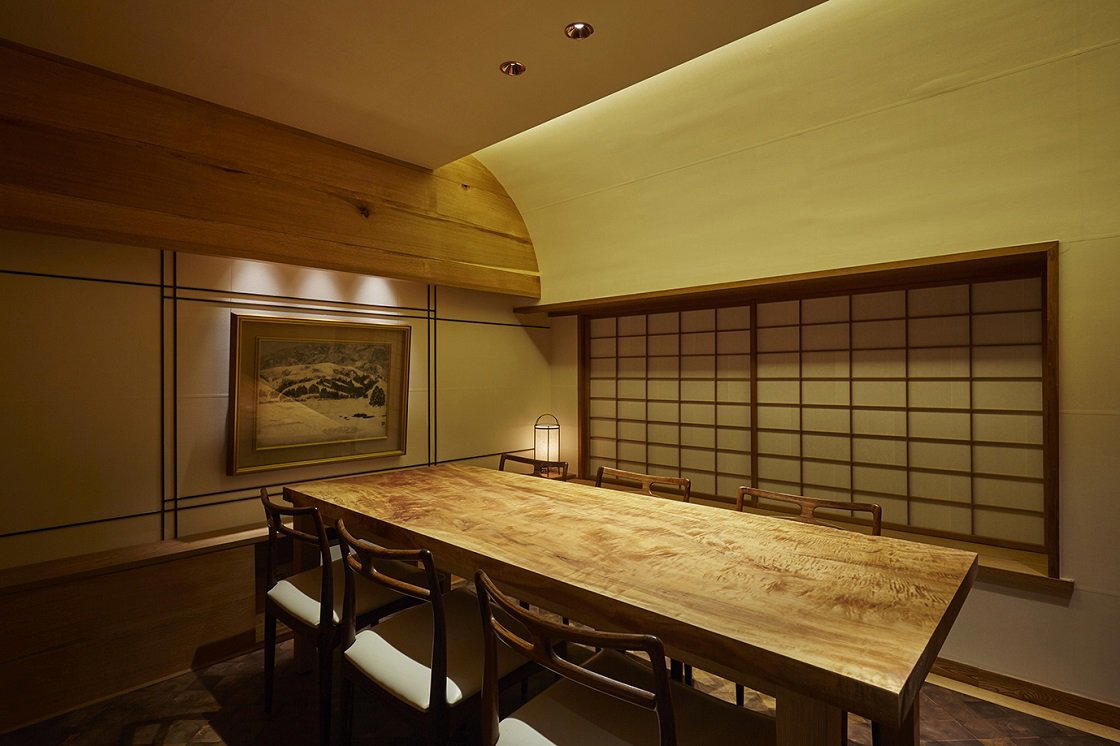
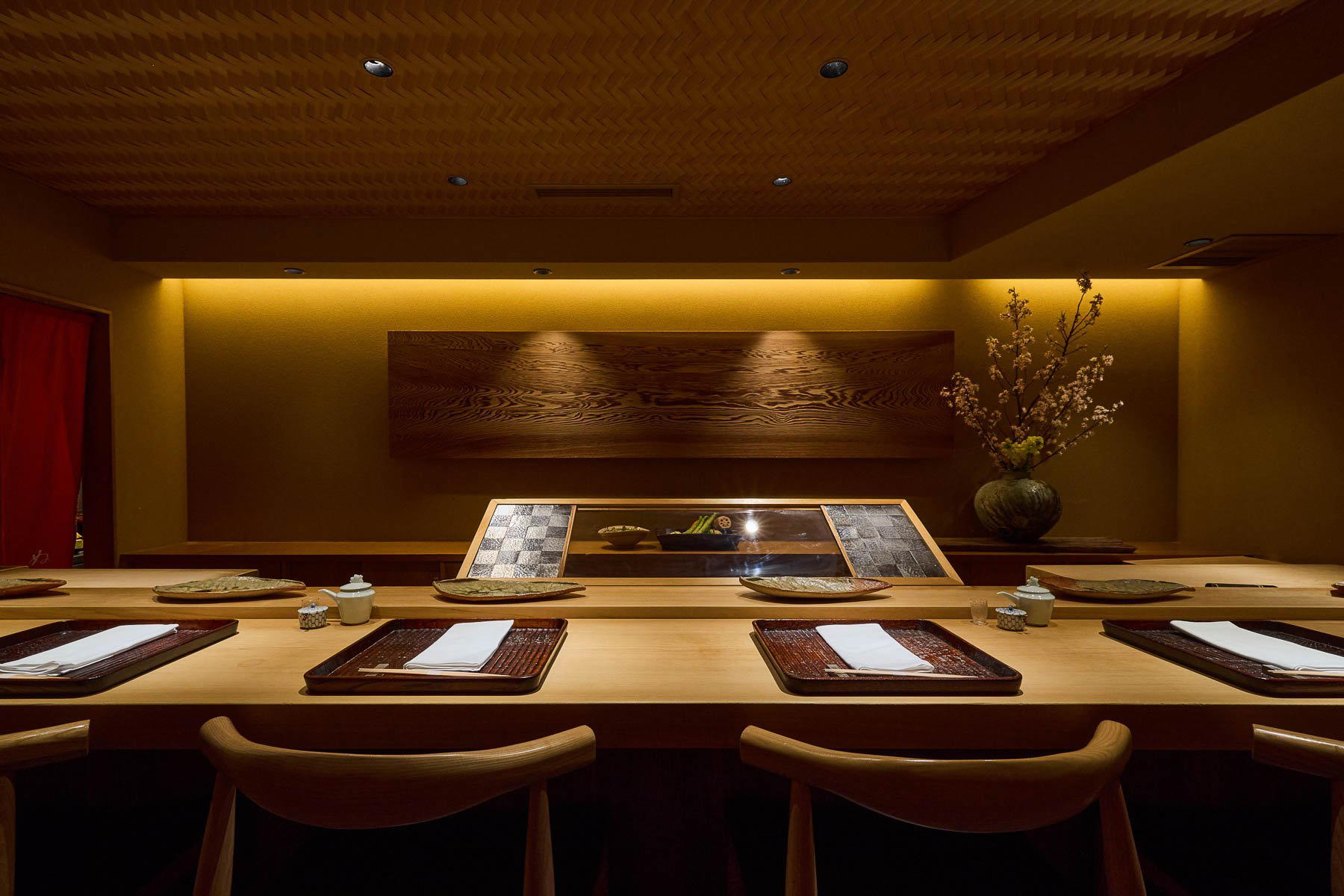
Yoshoku SAEKI fits that Kobe grammar. The room has 23 seats: 9 at the counter and 14 at tables. That split shapes the meal before the food arrives. Counter seats suit solo diners or pairs treating lunch as a focused stop; tables let families and small groups use it as a neighbourhood meal, not a formal occasion. In a city often divided between high-priced beef rooms and casual station food, this is the middle band with standards, where design is measured in sightlines, turnover, and how close the sauce sits to the plate.
A compact room for Kobe's everyday Western-Japanese canon
Yoshoku is sometimes mistaken by visitors for retro Western food. In Japan, it is its own category. Hamburger steak, curry, cutlets, omelette rice, demi-glace, tartar sauce, and plated rice meals follow local rules, with texture, sauce balance, and kitchen consistency mattering more than imported authenticity. Kobe suits it: the port history matters, but so does the modern appetite for meals that feel urban, quick, and carefully made without ceremony.
The categories here are clear: yoshoku, hamburger steak, and curry. That wording usefully places the restaurant away from Kobe’s internationally visible beef circuit and closer to the city’s lunch-and-dinner vernacular. For travellers mapping Kobe, this stop explains how locals eat between destination meals. A steakhouse such as Aburi Niku Kobo Wakkoku Shinkobe ten or Aburi Niku Kobo Wakkoqu Kitano Sakamoto Ten speaks to another Kobe identity; a yoshoku counter shows the daily one.
The Tabelog 100 Yoshoku WEST 2025 selection gives the room a credible external marker without making it a luxury restaurant. It was also selected for Tabelog 100 Yoshoku in 2023, suggesting recognition beyond one season. The listed Tabelog score is 3.61, which reads differently in Japan than on many global review platforms, where high-scoring casual restaurants often sit in a narrow band. The signal is not spectacle but category authority: a modest-format yoshoku restaurant recognised within western Japan.
Sauce, seating, and the discipline of a small-format meal
Room’s practical intelligence is in the details. Unlimited refills of sauces, including demi-glace and tartar sauce, are not decorative; they define the plate’s rhythm across hamburger steak, fried items, and curry-adjacent meals. In a larger dining room, refills can feel like service flourish. In a 23-seat restaurant, they become operating language: repeatable, generous, and tied tightly to the food category.
No private rooms and no private-use service keep the experience public and compact, which matters for a cuisine built on accessibility. Yoshoku loses force when over-formalised. Its convincing version lives where the counter is visible, table spacing is practical, and the meal works for weekday lunch, early dinner, or a family stop. Children are welcomed, including preschool and school-age children, further separating it from Kobe’s reservation-heavy, hushed end.
Against nearby casual names in the supplied Kobe set, Yoshoku SAEKI sits in a useful middle position. ENISHI and Kanmidokoro Akachaya occupy a lower spend band; Karapincha is closer on price but in another culinary lane. Kiraku and Daiei sit far higher in spend, turning the choice from everyday meal into planned dining event. The point is function, not hierarchy. Kobe rewards travellers who know food culture is not only in expensive rooms. Sometimes the more revealing meal is a counter, a plate of rice, and a sauce pot that keeps returning.
The design also affects pacing. Counter seats reduce solo-dining friction; table seats absorb groups without making the restaurant large-format. Non-smoking status keeps the room meal-focused, while shochu, wine, and cocktails widen it beyond a quick canteen stop. Credit cards and electronic money are not part of the payment setup, while PayPay is accepted, a planning detail for visitors who assume Japan’s casual dining rooms have standardised cashless systems.
How to place it in a Kobe itinerary
For a first Kobe trip, this restaurant works better as a city-reading meal than a trophy reservation. Pair it with a day including Nada or the eastern side of town rather than forcing it into a harbourfront circuit. The nearest-transport context is central to its identity: Iwaya and Nada put it in a lived-in zone, not the polished visitor corridor. That is the advantage. The meal adds texture to Kobe between high-profile beef addresses, coffee rooms, and bar stops.
A broader itinerary might use Akaneya Coffee Ten for the city’s coffee-house side, Akari for another local dining register, or Ali's Halal Kitchen for a different reading of Kobe’s international food habits. For broader planning, see Our full Kobe restaurants guide, along with Our full Kobe hotels guide, Our full Kobe bars guide, Our full Kobe wineries guide, and Our full Kobe experiences guide.
Travellers using Japan’s wider casual-dining map can place this stop beside other category-specific addresses rather than luxury benchmarks: -Grilled beef Sukiyaki- KAMAKURA TANUKIAN 鎌倉 たぬき庵 in Kamakura. 鮪と炭火焼き うお炭 秋葉原店 in Tokyo.cafe in Osaka.know in Kumamoto, (Shoku) Vietnam in Kawasaki, and [Curry Senmon Ten] Maruyama Kyoju. in Sapporo. For Japanese dining threads outside Japan, Jōdo Saké Bar in Los Angeles and Onigiri Time in Pasadena show how tightly defined formats travel when the premise is clear.
The verdict is simple: a small Kobe yoshoku room with recognition, disciplined seating, and a format that rewards diners who care about everyday food culture. Not Kobe as ceremony or expense account, but Kobe as sauce, counter seats, curry, hamburger steak, and a local category taken seriously.
Similar Picks
Comparable venues at a glance for context.
| Venue | Cuisine | Price | Notes |
|---|---|---|---|
| Yoshoku SAEKIThis venue — the venue you are viewing | Japanese Western-style yoshoku (hamburger steak & curry) | $$ | Not listed |
| 鮨 çç² | japanese | Not listed | Higashinada |
| 老虎菜 本店 | japanese | Not listed | Higashinada |
| Moriguchi | Okonomiyaki & Teppanyaki | $$ | Nada |
| ENISHI | Tantanmen ramen specialist | $ | Nada |
| 北野坂木下 | Japanese Restaurant | $ | Chūō |
Recognition history
Dated appearances from independent guides and award organizations, with the underlying list record or original source where available.
Tabelog 100 #10 · No. 10
Tabelog · Tabelog 100 - Yoshoku - WEST - 2025
Continue exploring
More in Kobe
Restaurants in Kobe
Browse all →
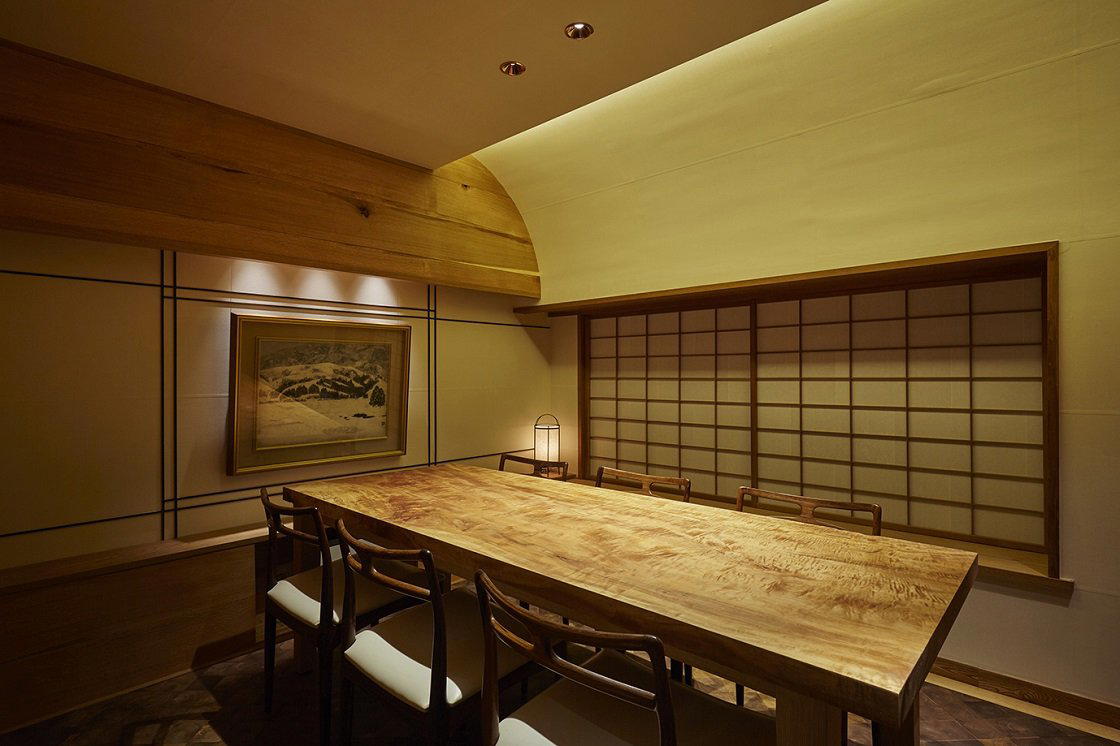
Bars in Kobe
Browse all →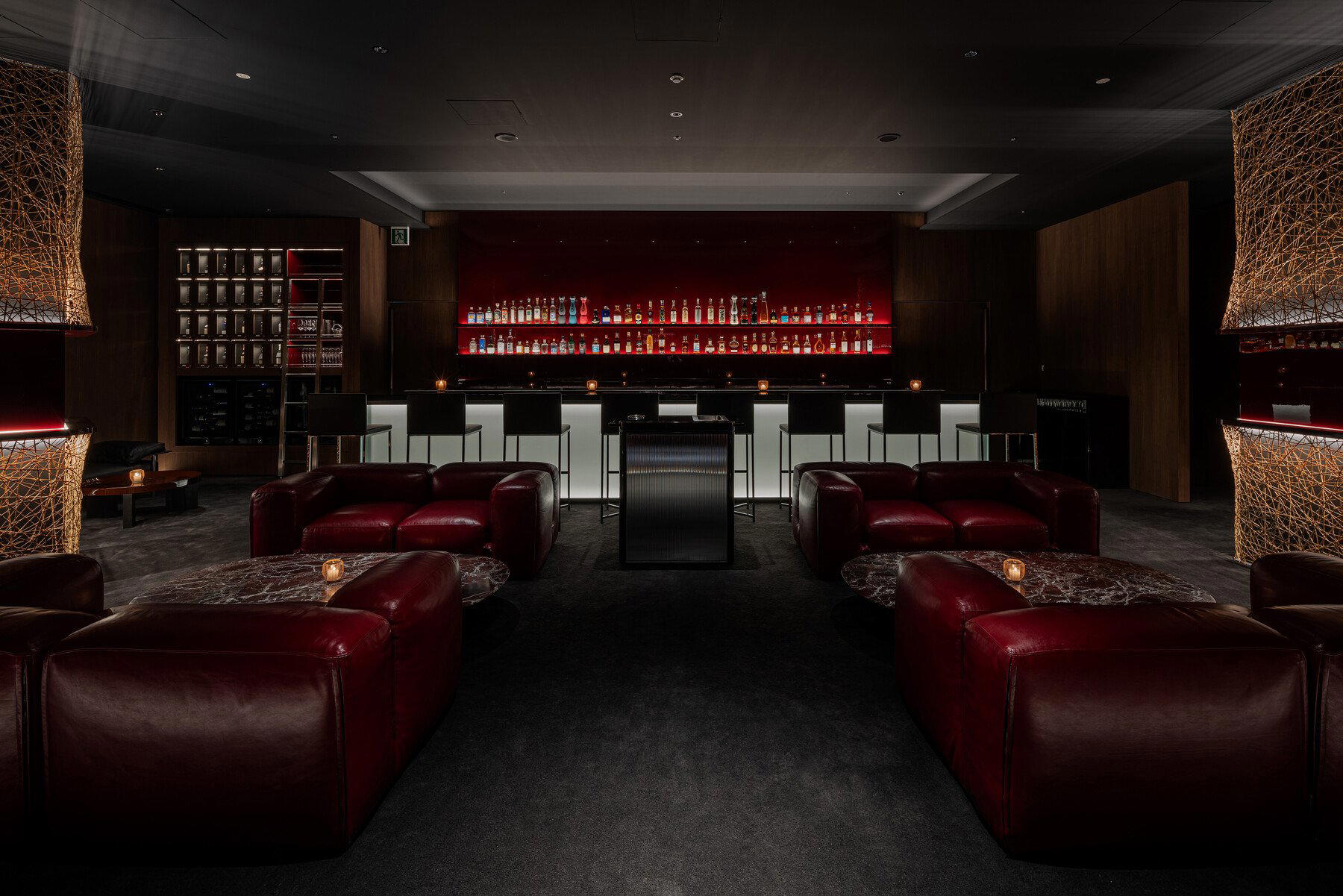



Hotels in Kobe
Browse all →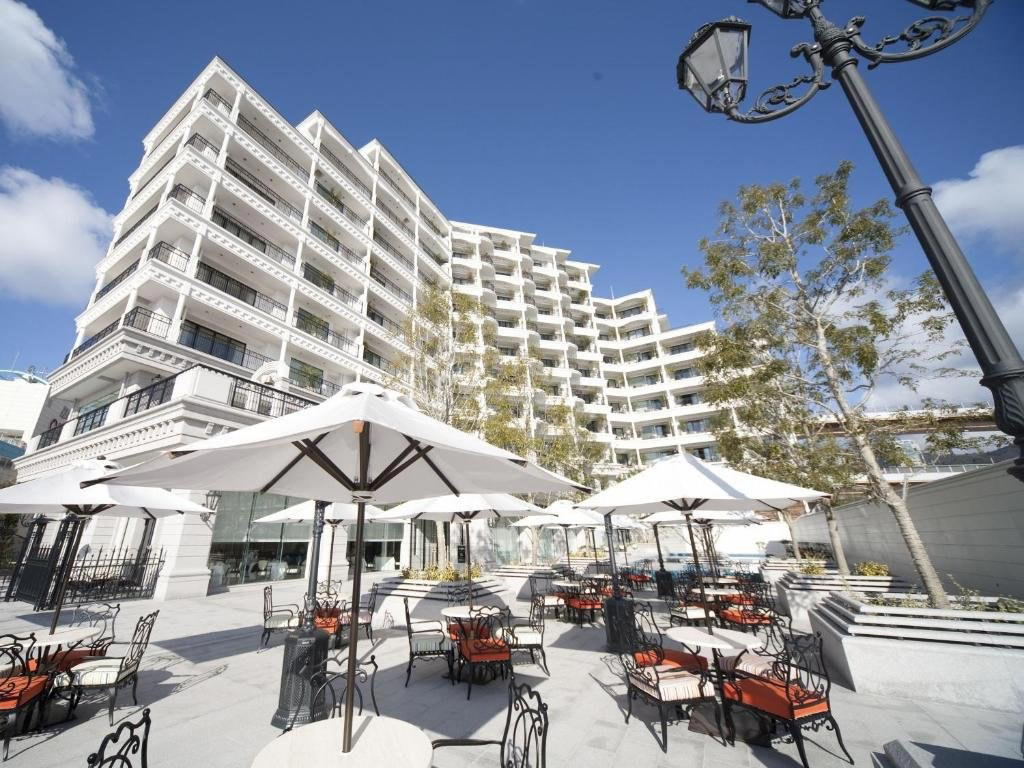


At a Glance
- Cozy
- Modern
- Lively
- Family
- Casual Hangout
- Solo
- Group Dining
- After Work
- Date Night
- Standalone
A small, non‑smoking neighborhood spot with a stylish yet relaxed interior, counter and table seating, and a casual, family‑friendly atmosphere that often draws lines at lunch for its comforting Western‑style Japanese plates.