
Moriguchi is a Rokkomichi okonomiyaki and teppanyaki address in Kobe’s Nada Ward, selected for Tabelog’s Okonomiyaki 100 in 2022, 2023, 2024, and 2025. The appeal is cultural as much as culinary: a Kansai griddle format where pancake, tavern cooking, and neighborhood rhythm sit in the same room.
Pearl is the En Primeur Club membership app — saves, bookings, and concierge access live there. Same editors, same standards.
- Address
- 1 Chome-10-11 Biwacho, Nada Ward, Kobe, Hyogo 657-0041, Japan
- Phone
- +81 78-843-1931
- Website
- tabelog.com
 Saves & bookings on Pearl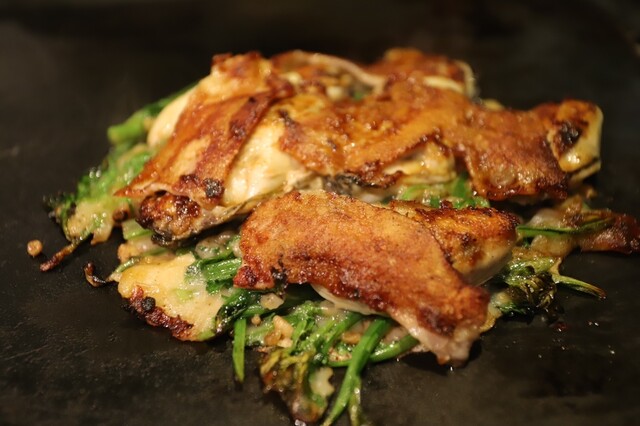
Approaching an okonomiyaki room in Kobe is rarely ceremonial. The signal is practical: a griddle-led kitchen, compact counter and table seating, and the informality Kansai does better than almost anywhere in Japan. In Nada Ward, Moriguchi belongs to that lineage, treating okonomiyaki not as novelty but as evening food with tavern logic: shared, hot, direct, and built around the plancha rather than the chef’s biography.
Kobe’s dining identity is often flattened into beef, but its everyday food culture is broader and more revealing. The port-city story explains some international range; the Kansai base matters more here. Okonomiyaki sits between snack, supper, and social format; teppanyaki gives heat and pacing; izakaya habits give easy rhythm. Moriguchi’s repeated inclusion in Tabelog’s Okonomiyaki 100 from 2022 through 2025 places it in a national conversation around a category travelers too often treat casually and locals fiercely.
Rokkomichi puts okonomiyaki back in its neighborhood setting
Rokkomichi matters because it keeps the meal away from polished hotel-restaurant Kobe. This is a station-area dining zone, not a waterfront performance district, and that changes expectations. A griddle restaurant here competes on repeat local use, service speed, and a room comfortable for groups of friends as much as destination diners. The format rewards appetite rather than reverence.
Okonomiyaki should not be judged against kaiseki or sushi counters. Its discipline is different: batter management, cabbage texture, heat control, toppings, sauces, and timing all matter, but the pleasure is collective rather than hushed. In Kansai, the dish carries practical intelligence: inexpensive ingredients, griddle craft, and a flexible structure that absorbs local preference without losing identity. Moriguchi’s Tabelog recognition matters because the list treats okonomiyaki as its own field, not a generic restaurant hierarchy.
For a wider Kobe itinerary, the contrast is instructive. Beef-focused addresses such as Aburi Niku Kobo Wakkoku Shinkobe ten and Aburi Niku Kobo Wakkoqu Kitano Sakamoto Ten speak to the city’s luxury shorthand, while Akari, Akaneya Coffee Ten, and Ali's Halal Kitchen show how varied Kobe becomes beyond steak. Moriguchi fits that second reading: less postcard, more lived-in appetite.
The griddle is the point, not a prelude
Okonomiyaki suffers when described only as a Japanese savory pancake. The translation works, but misses the social mechanics. A good okonomiyaki restaurant is kitchen, tavern, and heat-management exercise. The griddle becomes the room’s center of action, and the meal’s tempo follows cooking rather than plating, making the category closer to yakitori or casual teppanyaki than to Western pancake analogies.
Moriguchi’s listed categories, okonomiyaki, teppanyaki, and izakaya, are not incidental tags. Together they describe a Kansai dining grammar: flour-and-cabbage mains, iron-plate side dishes, drinks, and a room built for conversation. Seating includes tables, raised seating, and a small counter component, so the restaurant suits different party types rather than one tasting-menu script. Private rooms and private use are not part of the format; the energy is shared-room dining, not enclosed hospitality.
There is a useful price-tier distinction within Kobe. Compared with ramen specialists such as Tsukemen Shigeta and Men Hikyu Rokkoumichi ten, okonomiyaki occupies a fuller dinner register. Compared with a higher-spend restaurant such as Ngam Ngam Hou, it stays closer to everyday Kansai eating. BARMOS and Ipposhi sit in different casual brackets, but the shared lesson is that Kobe’s mid-range and casual dining can be more instructive than its prestige categories. The city is easier to understand through these rooms than through a single trophy meal.
The trade-off is atmosphere. Smoking is allowed, credit cards and electronic money are not accepted, parking is unavailable, and the room is limited in scale. Those facts push the experience old-school. For some travelers, that is the reason to go; for others, it defines the limits. This is not polished, multilingual, reservation-platform Japanese dining. It is a compact Kansai room with a recognized specialty and the constraints of that style.
How to place it inside a Kobe trip
Moriguchi works better as a cultural correction than a status dinner. Kobe visitors often arrive with a checklist of beef, harbor views, and Kitano’s foreign-residence architecture. A Rokkomichi okonomiyaki meal changes the register, returning the itinerary to the local rail line, the griddle, and food residents can argue about without ceremony. For travelers who care about Japanese regional foodways, that shift has value.
The restaurant’s repeated Tabelog Okonomiyaki 100 selections give the address a clear credential, but the bigger point is what the award category acknowledges. Okonomiyaki has its own benchmarks, and Kansai’s are demanding. Selection across consecutive years suggests consistency in a field where many venues are casual, locally loved, and hard for outsiders to parse. The recognition translates a neighborhood format for travelers who might otherwise over-index on Michelin-style signals.
Planning Kobe should keep categories separate. Use Our full Kobe restaurants guide for dining breadth, Our full Kobe hotels guide for where to stay, Our full Kobe bars guide for late-evening drinking, Our full Kobe wineries guide for regional wine context, and Our full Kobe experiences guide for cultural planning beyond meals. Travelers extending the food route across Japan can compare regional formats through -Grilled beef Sukiyaki- KAMAKURA TANUKIAN 鎌倉 たぬき庵 in Kamakura. 鮪と炭火焼き うお炭 秋葉原店 in Tokyo.cafe in Osaka.know in Kumamoto, (Shoku) Vietnam in Kawasaki, and [Curry Senmon Ten] Maruyama Kyoju. in Sapporo. Outside Japan, Jōdo Saké Bar in Los Angeles and Onigiri Time in Pasadena show how Japanese drinking and casual-food formats change when transplanted abroad.
The editorial call is simple: treat Moriguchi as a serious casual-dining stop, not a detour from Kobe’s better-known specialties. Its value lies in framing Kansai comfort food with enough recognition to justify the trip across town, while keeping the meal grounded in the shared-room, griddle-first culture that gives okonomiyaki its force.
Budget Reality Check
Comparable options at the same price tier.
| Venue | Cuisine | Price | Notes |
|---|---|---|---|
| MoriguchiThis venue — the venue you are viewing | Nada, Okonomiyaki & Teppanyaki | $$ | Not listed |
| QUATTRO | Not listed | $$ | Chūō, Kobe yoshoku (Japanese-style Western) |
| Yoshokuya Yuuki | Not listed | $$ | Hyōgo, Japanese yoshoku (Western-style comfort food) |
| Stand Classic | Not listed | $$ | Chūō, Japanese standing bar (tachinomi) with a sake focus |
| Yakitori Takashima | Not listed | $$$ | Higashinada, Refined Yakitori & Chicken Kaiseki |
| Yuzaburo | Chūō, Japanese Yakiniku & Wagyu Steak | $$$ | Not listed |
Recognition history
Dated appearances from independent guides and award organizations, with the underlying list record or original source where available.
Tabelog 100 #80 · No. 80
Tabelog · Tabelog 100 - Okonomiyaki - 2025
Continue exploring
More in Kobe
Restaurants in Kobe
Browse all →


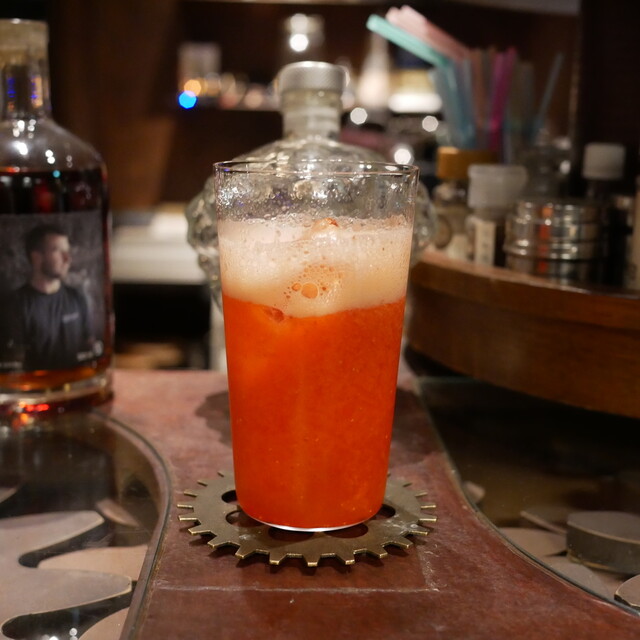
Bars in Kobe
Browse all →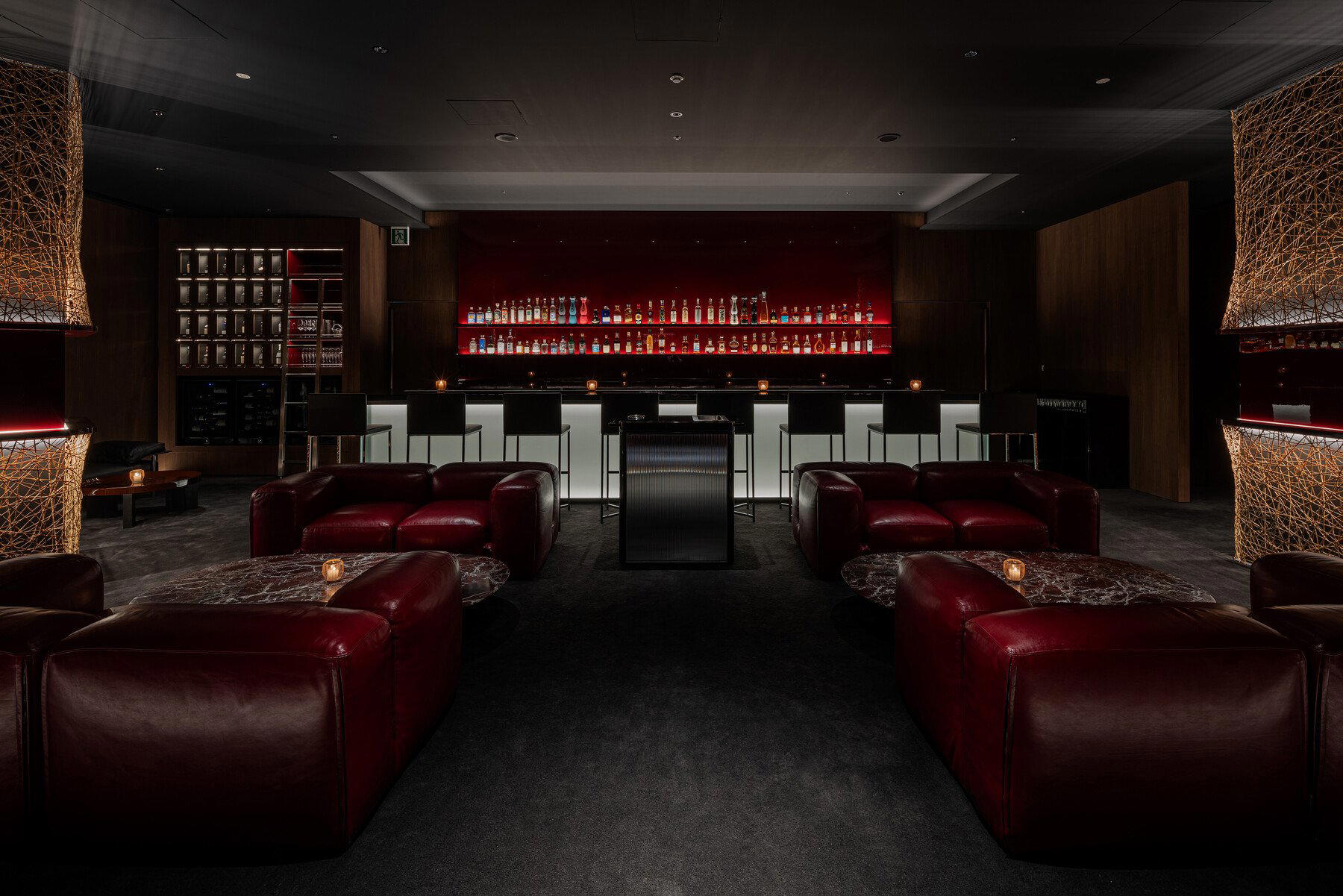



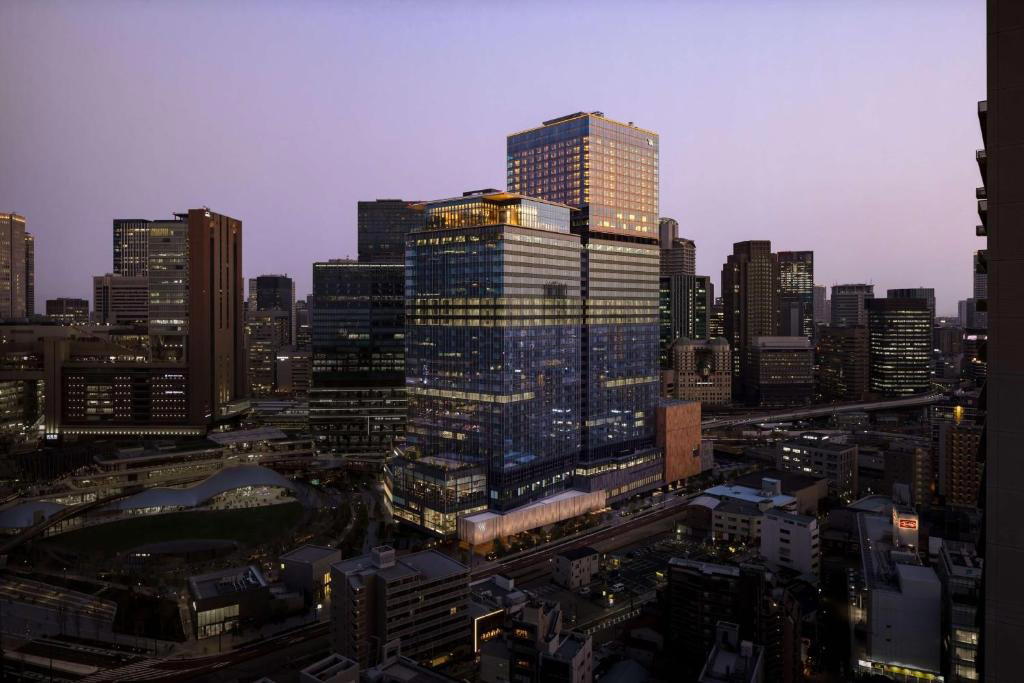
Hotels in Kobe
Browse all →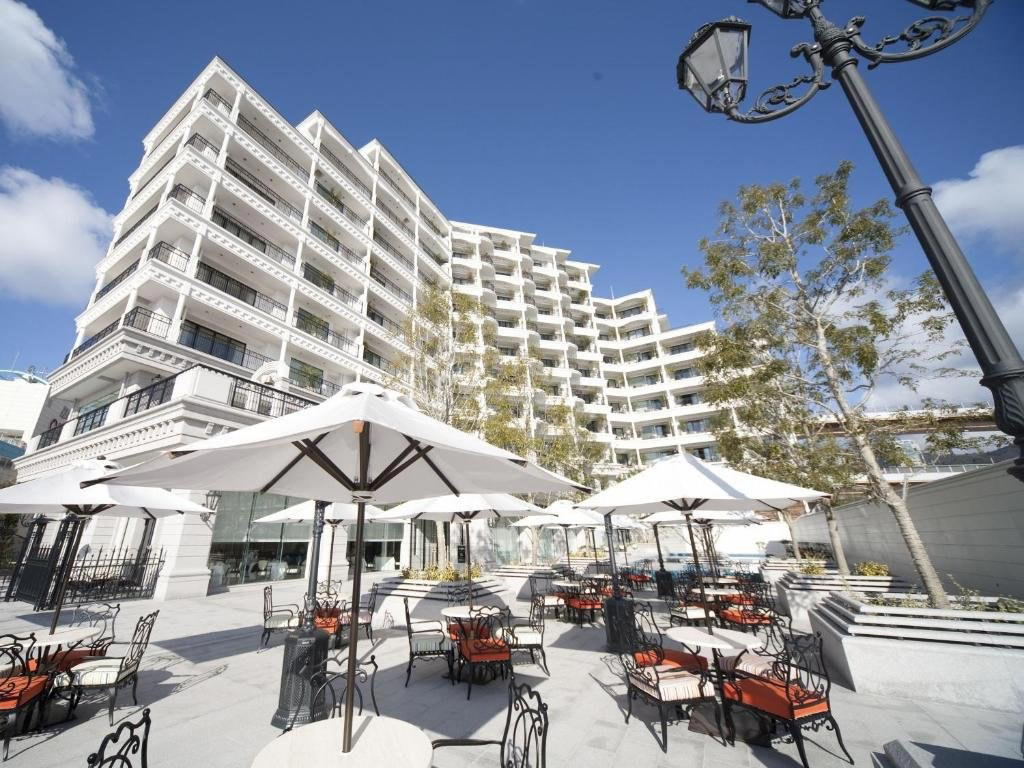



At a Glance
- Classic
- Cozy
- Well Known
- Group Dining
- Casual Hangout
- After Work
- Open Kitchen
- Standalone
Current opening hours
- Monday
- 4–10 PM
- Tuesday
- 4–10 PM
- Wednesday
- 4–10 PM
- Thursday
- 4–10 PM
- Friday
- 4–10 PM
- Saturday
- 4–10 PM
- Sunday
- 4–10 PM
Hours can change for holidays and private events. Last verified .
Casual, compact, and popularity-driven rather than polished; the atmosphere suggests a busy, local teppan-style dining room with limited seating and a lively service rhythm.