
Kobe’s soba culture rewards restraint: buckwheat handling, dipping broth balance, and the quiet discipline of a small counter. Soba Mae Nakate Touha belongs in that conversation through an eight-seat counter format, sake-friendly soba-mae orientation, and selection for Tabelog 100 Soba WEST 2025, placing it among the region’s serious buckwheat specialists rather than casual noodle stops.
Pearl is the En Primeur Club membership app — saves, bookings, and concierge access live there. Same editors, same standards.
- Address
- Japan, 〒650-0004 Hyogo, Kobe, Chuo Ward, Nakayamatedori, 4 Chome−22−16 ノベラ中山手
- Phone
- +81 78-964-6888
- Website
- ameblo.jp
 Saves & bookings on Pearl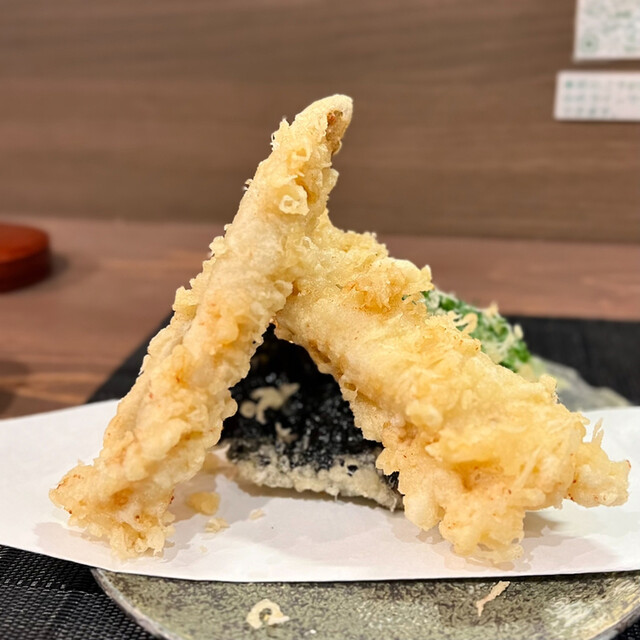
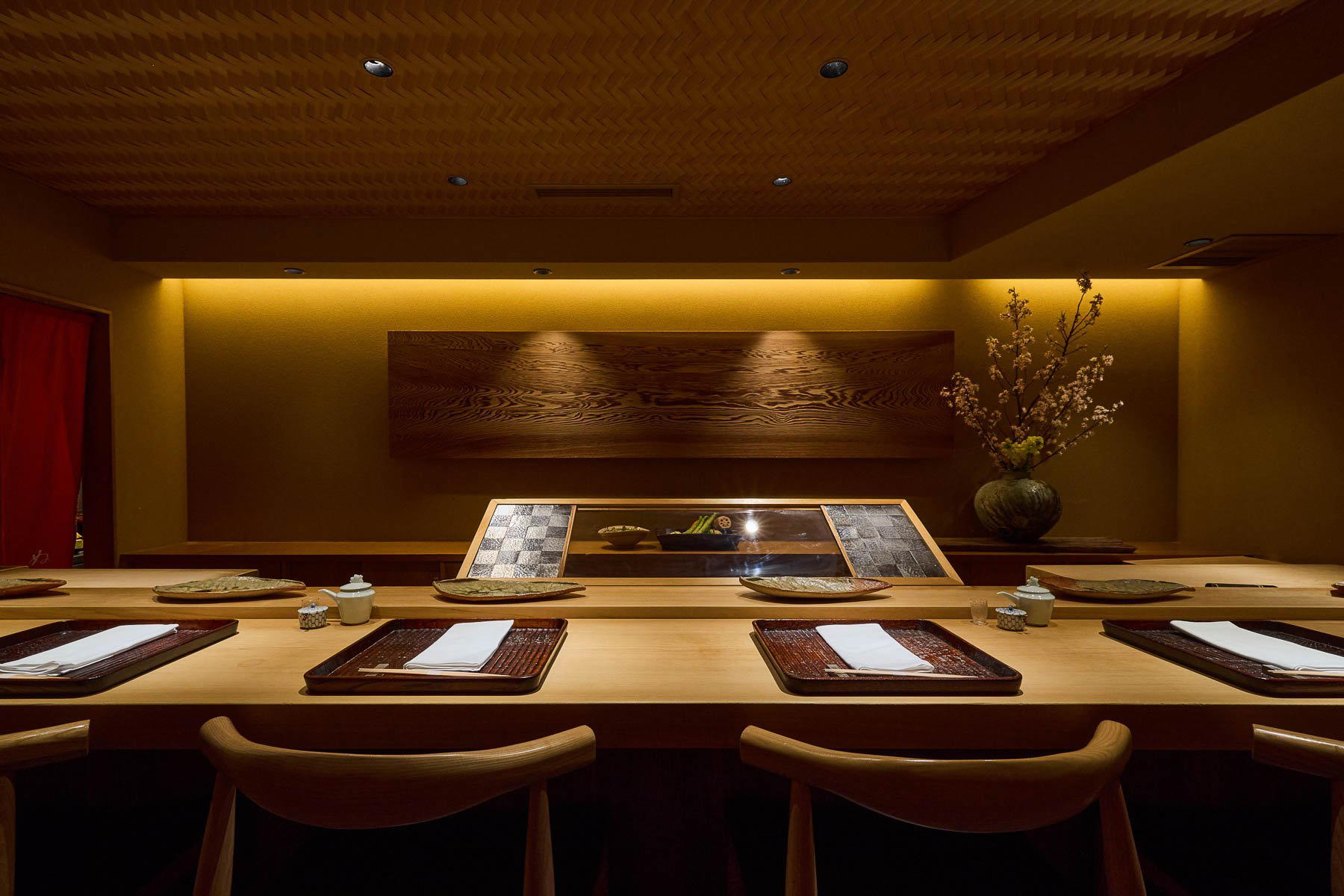
A serious soba counter in Kobe is usually quieter than the city’s steak mythology suggests. In Nakayamatedori, the rhythm narrows to counter seats, short service windows, and cuisine built on grain, water, knife work, and timing. Soba Mae Nakate Touha fits that scale: an eight-seat counter that turns noodles into a focused study of buckwheat.
Soba is unforgiving. Unlike ramen, which can lean on fat, tare, and volume, soba has fewer places to hide. The noodle carries the argument: how the buckwheat is milled, how much wheat flour gives structure, how the dough is cut, how long it rests, and how cleanly it is cooked and shocked. Kobe’s dining identity is often framed through beef, French technique, and port-era cosmopolitan cooking, but this counter points to another local pleasure: compact rooms where craft is measured in small margins.
Buckwheat, sake, and the slower logic of soba-mae
Soba-mae, the practice of drinking and eating small dishes before noodles, gives soba restaurants a slower tempo than lunch-counter noodle shops. Nihonshu signals that tradition here: the meal can move through drinking snacks before closing with soba, rather than making noodles the entire event. The format suits Kobe, where dinner often divides between polished destination meals and smaller specialist rooms. Soba Mae Nakate Touha sits in the latter camp, where sourcing and preparation matter more than theatrical plating.
The ingredient story is not luxury in the usual sense. Buckwheat has regional variation, a short aromatic life after milling, and sensitivity to humidity and handling. In Kansai, where udon culture is strong and dashi preferences tend lighter than in the east, a soba counter must make a case for depth without heaviness. Good soba depends on restraint: broth that supports rather than overwhelms, garnishes that sharpen rather than decorate, and noodles served before texture and aroma fade. Small counters can compete above their footprint because capacity forces discipline.
The Tabelog 100 Soba WEST 2025 selection is the clearest public marker of that discipline. It places the restaurant in a regional soba conversation, not merely Kobe’s general restaurant field. For travellers, the useful comparison is not a grand tasting-menu room but buckwheat specialists across western Japan. For the city’s wider range, Our full Kobe restaurants guide gives the larger map, from beef counters to coffee rooms and late-night drinking food.
Where it sits in Kobe's dining hierarchy
Kobe rewards specialization. The city supports Spanish fine dining, yoshoku nostalgia, steak counters, coffee houses, and compact Japanese rooms without forcing them into one lane. Ca Sento represents the European-facing side of the city’s dining culture; yokoyama sits in a higher-price bracket; Shinshin and Yoshoku GURa occupy more everyday local territory. Within that spread, Soba Mae Nakate Touha is neither luxury spectacle nor casual convenience. It is a small-format soba address with enough recognition to draw serious noodle travellers.
Choose it when the point is precision rather than abundance. The counter format also suits solo dining, important in Japan, where some of the strongest meals happen without a group dynamic. The no-smoking policy, absence of private rooms, and child restriction create a grown-up, compact atmosphere rather than a family restaurant setting. That does not make the room formal in the Western sense; it makes it focused.
Kobe’s beef reputation still shapes itineraries, and meat-led travellers will naturally look at Aburi Niku Kobo Wakkoku Shinkobe ten or Aburi Niku Kobo Wakkoqu Kitano Sakamoto Ten. The better itinerary does not force soba to compete with wagyu; it uses soba as contrast: grain after fat, dashi after char, a quieter counter after a performative grill. Coffee can play the same role, especially at Akaneya Coffee Ten, while Akari and Ali's Halal Kitchen show how varied Kobe’s restaurant map becomes beyond expected categories.
How to plan around a counter built for eight
Small soba rooms reward planning because the experience depends on timing as much as appetite. Reservations are available, and an eight-seat counter leaves little room for improvisation at peak periods. Payment is cash-oriented, with credit cards, electronic money, and QR payments not accepted, so arrive prepared and treat the meal as a focused sitting, not a flexible drop-in.
The location near Kenchomae is useful for travellers moving between Kitano, Motomachi, and Sannomiya. It folds easily into a day beyond restaurants: morning in the hillside districts, soba lunch, coffee after, then a different register at dinner. For hotels, drinking, wineries, and cultural planning, use the broader city rails: Our full Kobe hotels guide, Our full Kobe bars guide, Our full Kobe wineries guide, and Our full Kobe experiences guide.
Readers extending a Japan food itinerary can use this meal as a calibration point for specialist dining elsewhere: beef sukiyaki at -Grilled beef Sukiyaki- KAMAKURA TANUKIAN 鎌倉 たぬき庵 in Kamakura, grilled tuna and charcoal cooking at. 鮪と炭火焼き うお炭 秋葉原店 in Tokyo, cafe culture at.cafe in Osaka, contemporary dining at.know in Kumamoto, Vietnamese cooking at (Shoku) Vietnam in Kawasaki, and curry specialization at [Curry Senmon Ten] Maruyama Kyoju. in Sapporo. Outside Japan, Jōdo Saké Bar in Los Angeles and Onigiri Time in Pasadena offer counterpoints for how Japanese food culture is translated abroad.
The editorial case is narrow and strong: the restaurant is for diners who understand that a soba meal can be as serious as a tasting menu, with fewer signals of expense. The evidence is in the format, the regional soba recognition, and a tradition where sourcing and handling buckwheat decide the meal.
How It Stacks Up
Comparable venues to calibrate price, style, and recognition.
| Venue | Cuisine | Price | Notes |
|---|---|---|---|
| Soba Mae Nakate TouhaThis venue — the venue you are viewing | Traditional soba & soba-mae counter | $$ | Not listed |
| Kakomo | Japanese izakaya & standing bar | $$ | Higashinada |
| Koube Kitano Asahi Yaseinikuten | Kobe beef diner & butcher eat-in | $$ | Chūō |
| Stand Classic | Japanese standing bar (tachinomi) with a sake focus | $$ | Chūō |
| Grill Ippei Sannomiya ten | Classic Kobe yoshoku (Japanese-style Western food) | $$ | Chūō |
| Kisetsu Ippin Ryori Fujiwara | Seasonal Japanese Izakaya & Seafood | $$ | Chūō |
Recognition history
Dated appearances from independent guides and award organizations, with the underlying list record or original source where available.
Tabelog 100 #31 · No. 31
Tabelog · Tabelog 100 - Soba - WEST - 2025
Continue exploring
More in Kobe
Restaurants in Kobe
Browse all →
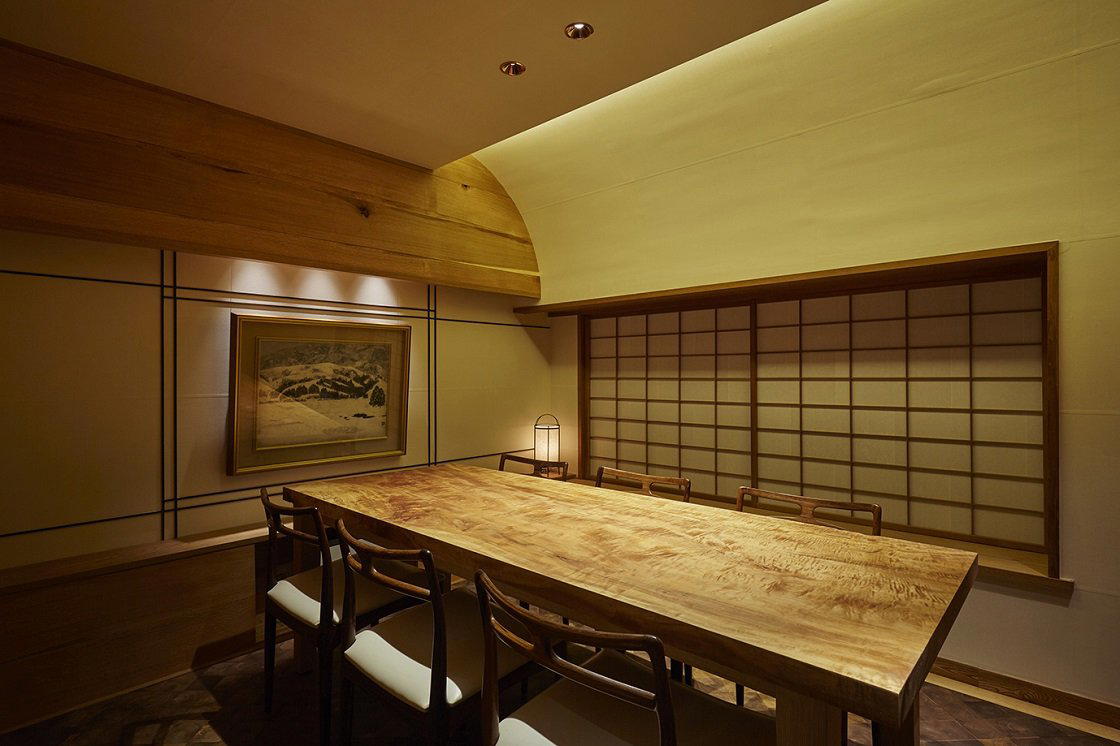
Bars in Kobe
Browse all →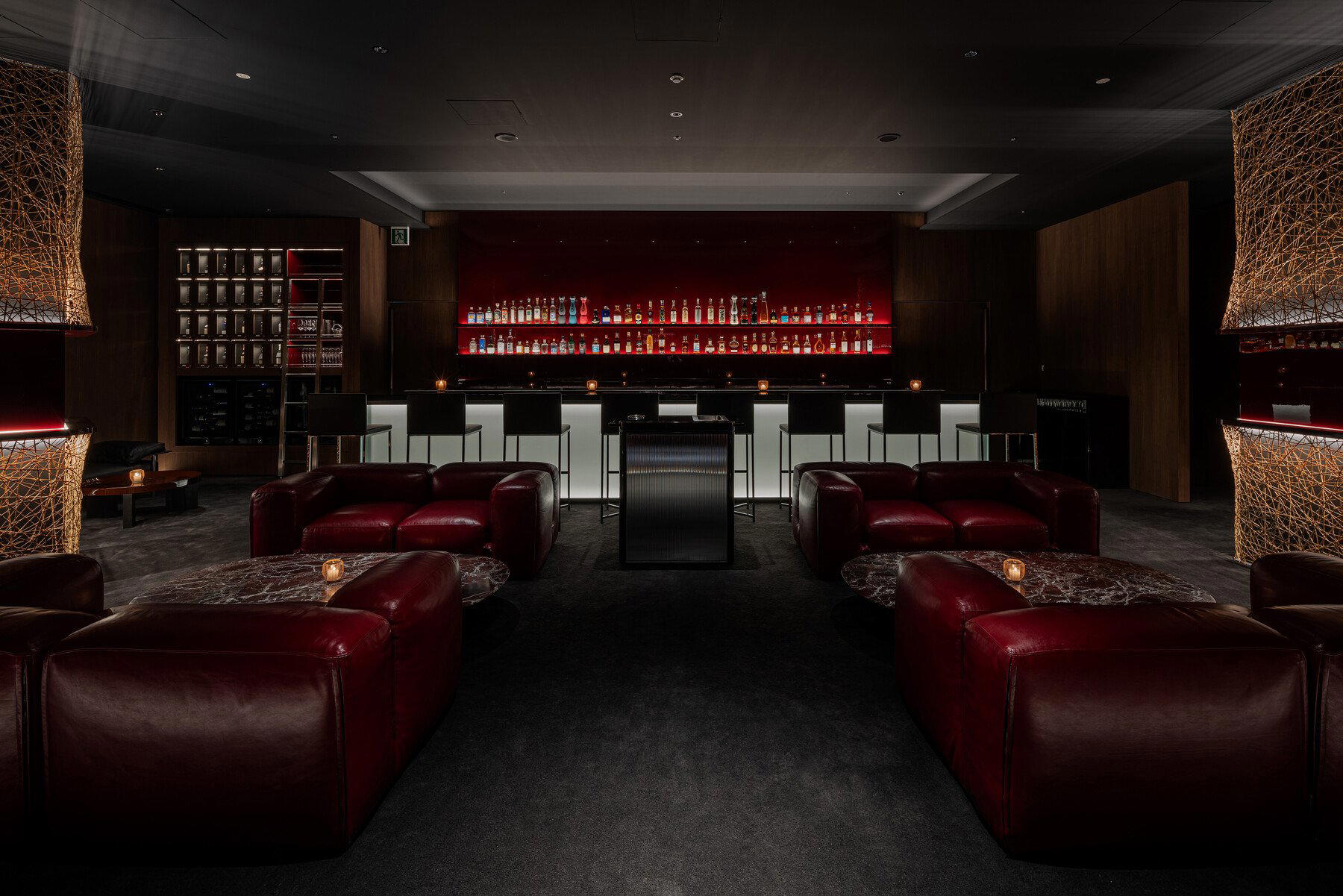



Hotels in Kobe
Browse all →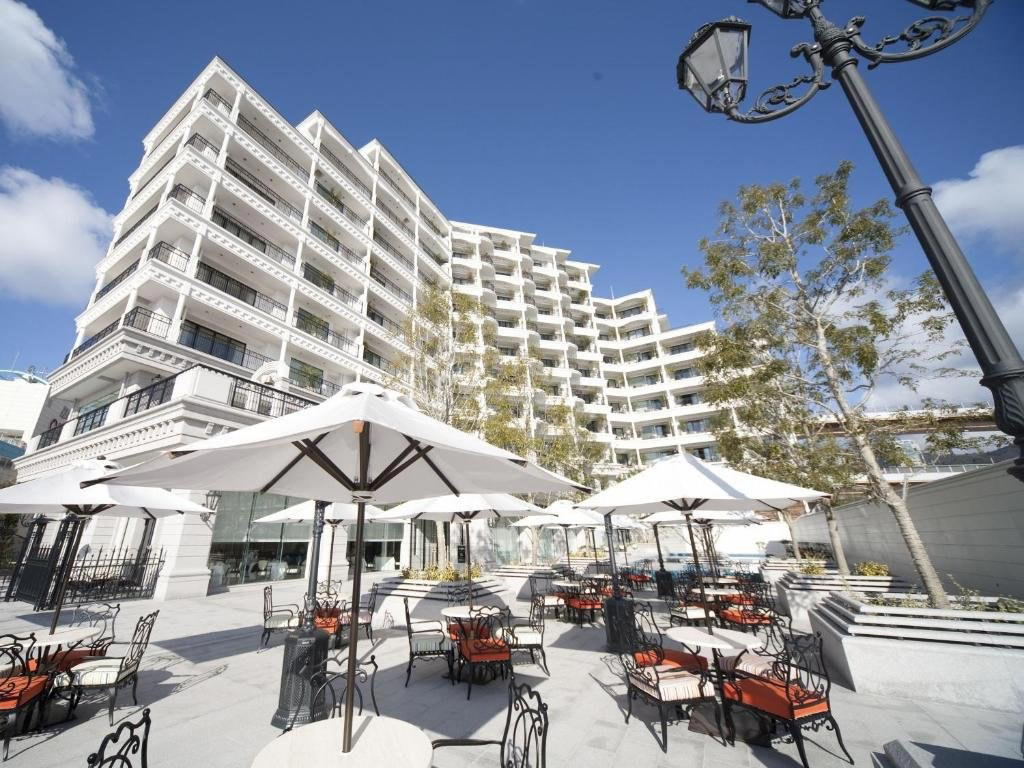


At a Glance
- Intimate
- Cozy
- Classic
- Solo
- After Work
- Casual Hangout
- Date Night
- Chefs Counter
- Standalone
- Design Destination
- Sake Program
Current opening hours
- Monday
- 12–2 PM, 6–9 PM
- Tuesday
- 12–2 PM, 6–9 PM
- Wednesday
- Closed
- Thursday
- 12–2 PM, 6–9 PM
- Friday
- 12–2 PM, 6–9 PM
- Saturday
- 12–2 PM, 6–9 PM
- Sunday
- 12–2 PM, 6–9 PM
Hours can change for holidays and private events. Last verified .
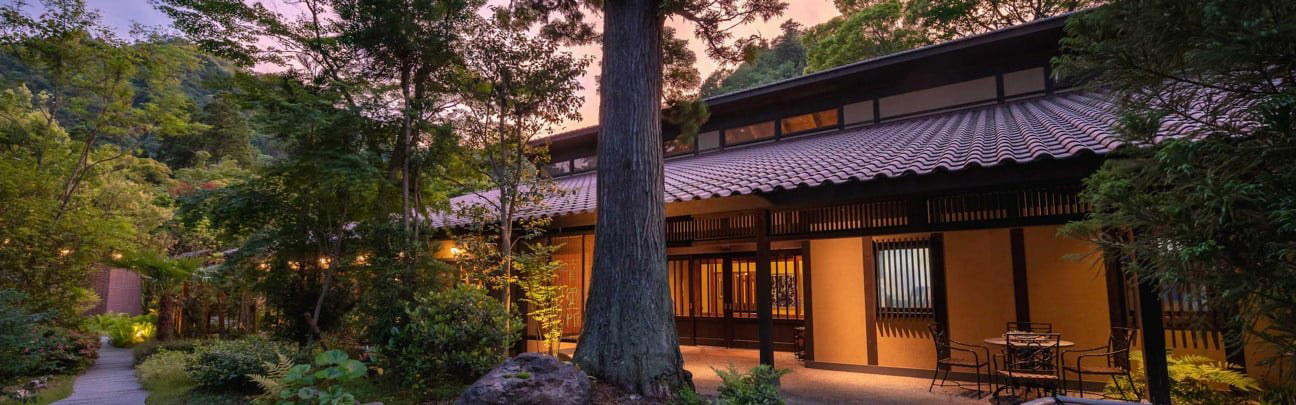
A quiet, intimate counter-only space tucked away in a secluded spot, with a relaxed classic soba-ya feel that encourages solo visits and leisurely soba-mae drinking rather than large, noisy groups.