
Yoshoku Kimura Noge ten belongs to Yokohama’s old-school yoshoku tradition: Japanese-style Western cooking shaped by port-city appetite rather than fine-dining ceremony. Its Tabelog 100 Yoshoku EAST 2025 selection, long Kannai roots, and Noge location place it in a category where everyday pricing and local memory matter as much as recognition.
Pearl is the En Primeur Club membership app — saves, bookings, and concierge access live there. Same editors, same standards.
- Address
- 1 Chome-3 Nogecho, Naka Ward, Yokohama, Kanagawa 231-0064, Japan
- Phone
- +81 45-231-8706
- Website
- yo-kimura.com
 Saves & bookings on Pearl
Approaching Noge, Yokohama changes register. The city’s waterfront polish gives way to tighter streets, small drinking rooms, after-work counters, and restaurants that carry the memory of a port town rather than the posture of a dining district. Yoshoku belongs naturally in that setting. It is Western food translated through Japanese kitchens: hamburger steak, croquette, sauces with domestic habits, and a sense of comfort that does not need ceremony to justify itself.
That is the useful frame for Yoshoku Kimura Noge ten. The restaurant is not part of Yokohama’s luxury chase, and that is precisely the point. In a city with serious Chinese dining, sushi counters, izakaya culture, and a growing spread of contemporary casual rooms, yoshoku occupies a separate lane: inherited, familiar, and resistant to trend cycles. Selection for Tabelog 100 Yoshoku EAST 2025 gives this address a clear external signal, but the category itself is more modest than the award language can make it sound. The pleasure lies in a Japanese reading of Western staples, not in imported grandeur.
Noge makes yoshoku feel local rather than nostalgic
Yokohama’s food identity has always been tied to contact: foreign trade, Chinatown, hotel dining, jazz bars, and hybrid cooking that settled into daily life. Yoshoku is one of the clearest expressions of that history because it stopped being foreign long ago. In Noge, the style lands differently than it would in a department-store dining floor or hotel grill. The surrounding streets are built for repeat use, not destination performance, and that helps explain why a house-restaurant format suits the genre.
The founding note matters here: the Kimura name traces its roots to Kannai in 1938. That does not need to be inflated into mythology. It simply places the cooking within a Yokohama timeline long enough to predate the current restaurant-discovery economy. In yoshoku, longevity is a stronger credential than novelty because recipes, sauces, and portion expectations are judged against memory as much as technique.
The menu categories tell the story with admirable clarity: Japanese-style Western cuisine, hamburger steak, and croquette. Those are not throwaway comfort dishes in this context. Hamburger steak in Japan carries its own grammar, closer to a domestic restaurant staple than an American diner reference. Croquette sits in the same family of foods that move easily between lunch counters, family restaurants, and specialists. The higher-end reading of yoshoku depends less on rare ingredients than on consistency, sauce work, texture, and whether the meal feels rooted rather than generic.
Recognition without the fine-dining apparatus
Yoshoku’s appeal for serious eaters is often misunderstood because the price tier and ingredients appear ordinary beside sushi, tempura, or kaiseki. The comparison is misleading. A Tabelog 100 yoshoku selection rewards a different kind of performance: durability, category fluency, and customer trust within a crowded field of casual Japanese-Western restaurants. Yoshoku Kimura Noge ten’s 2025 EAST listing, with prior Tabelog 100 yoshoku selections in 2022 and 2020, places it among repeat-recognized addresses in a field where the margin is not luxury but reliability.
Within Noge’s broader orbit, that positioning is useful. Hoppy Sennin and Sumire Yokohama ten sit in a similar everyday spending bracket, while Noge Highball and Banri point toward the area’s drinking-and-snacking rhythm; BAKE ROOM moves into a higher casual tier. Against that local mix, yoshoku offers a seated meal with a different tempo. It is a better fit for readers who want Yokohama’s neighbourhood cooking culture without reducing the evening to bar-hopping.
The drinks note also says something about the category. Sake and wine both appear, which is normal for a Japanese restaurant genre that has never been purely Western despite its name. That hybridity is the argument: the room does not have to choose between imported reference and local habit. It can serve a plate shaped by Western form and a dining culture shaped by Yokohama routine.
How to place it in a Yokohama itinerary
This is the kind of restaurant that works around Noge rather than above it. Pair it with a walk from Sakuragicho or Kannai and the meal becomes a neighbourhood read: rail stations, low-rise streets, small bars, and the older Yokohama that sits behind the postcard skyline. The dining room’s listed scale, private-room availability, non-smoking policy, and course-only reservation condition make it more structured than a counter-only stop, but the spirit remains casual and local.
For a wider Yokohama food map, contrast this address with yakitori at 1000 (Yakitori (Grilled chicken skewers)), Chinese cooking at Aichun, curry at Ajowan or Alpenjiro Honten, and everyday dining at Anzen Shokudo. The broader city planning pages are useful too: Our full Yokohama restaurants guide, Our full Yokohama hotels guide, Our full Yokohama bars guide, Our full Yokohama wineries guide, and Our full Yokohama experiences guide.
Travellers building a Japan-wide casual-dining route can extend the comparison beyond Yokohama: sukiyaki in Kamakura at -Grilled beef Sukiyaki- KAMAKURA TANUKIAN 鎌倉 たぬき庵 in Kamakura, seafood and charcoal cooking at. 鮪と炭火焼き うお炭 秋葉原店 in Tokyo, café culture at.cafe in Osaka, Kumamoto dining at.know in Kumamoto, Vietnamese cooking at (Shoku) Vietnam in Kawasaki, curry in Hokkaido at [Curry Senmon Ten] Maruyama Kyoju. in Sapporo, and Japanese-leaning dining in California at Jōdo Saké Bar in Los Angeles and Onigiri Time in Pasadena.
The editorial case is simple: come for Yokohama’s yoshoku tradition, not for spectacle. Yoshoku Kimura Noge ten is valuable because it connects a port-city genre, a Noge setting, and repeat category recognition without asking the diner to treat comfort cooking as fine dining. That restraint is the reason it belongs on a serious Yokohama list.
A Tight Comparison
Comparable options at the same price tier.
| Venue | Cuisine | Price | Notes |
|---|---|---|---|
| Yoshoku Kimura Noge tenThis venue — the venue you are viewing | Not listed | $$ | Not listed |
| Hetchikan Fukutomichou honten | Naka, Ramen & Japanese Sake Bar | $$ | Not listed |
| Toraya | Not listed | $$ | Naka, Tempura / Japanese Seafood |
| KITCHEN TAKANO | Kanagawa, Modern chicken tsukesoba ramen | $$ | Not listed |
| Ramen Sugimoto | Aoba, Traditional Japanese Ramen | $$ | Not listed |
| Ramen Torikku | Minami, Chicken-focused ramen | $$ | Not listed |
Recognition history
Dated appearances from independent guides and award organizations, with the underlying list record or original source where available.
Tabelog 100 #10 · No. 10
Tabelog · Tabelog 100 - Yoshoku - EAST - 2025










At a Glance
- Classic
- Cozy
- Lively
- Well Known
- Casual Hangout
- Family
- After Work
- Solo
- Group Dining
- Standalone
- Street Scene
Current opening hours
- Monday
- Closed
- Tuesday
- Closed
- Wednesday
- 11:30 AM–2 PM, 5–8:30 PM
- Thursday
- 11:30 AM–2 PM, 5–8:30 PM
- Friday
- 11:30 AM–2 PM, 5–8:30 PM
- Saturday
- 11:30 AM–8:30 PM
- Sunday
- 11:30 AM–8 PM
Hours can change for holidays and private events. Last verified .
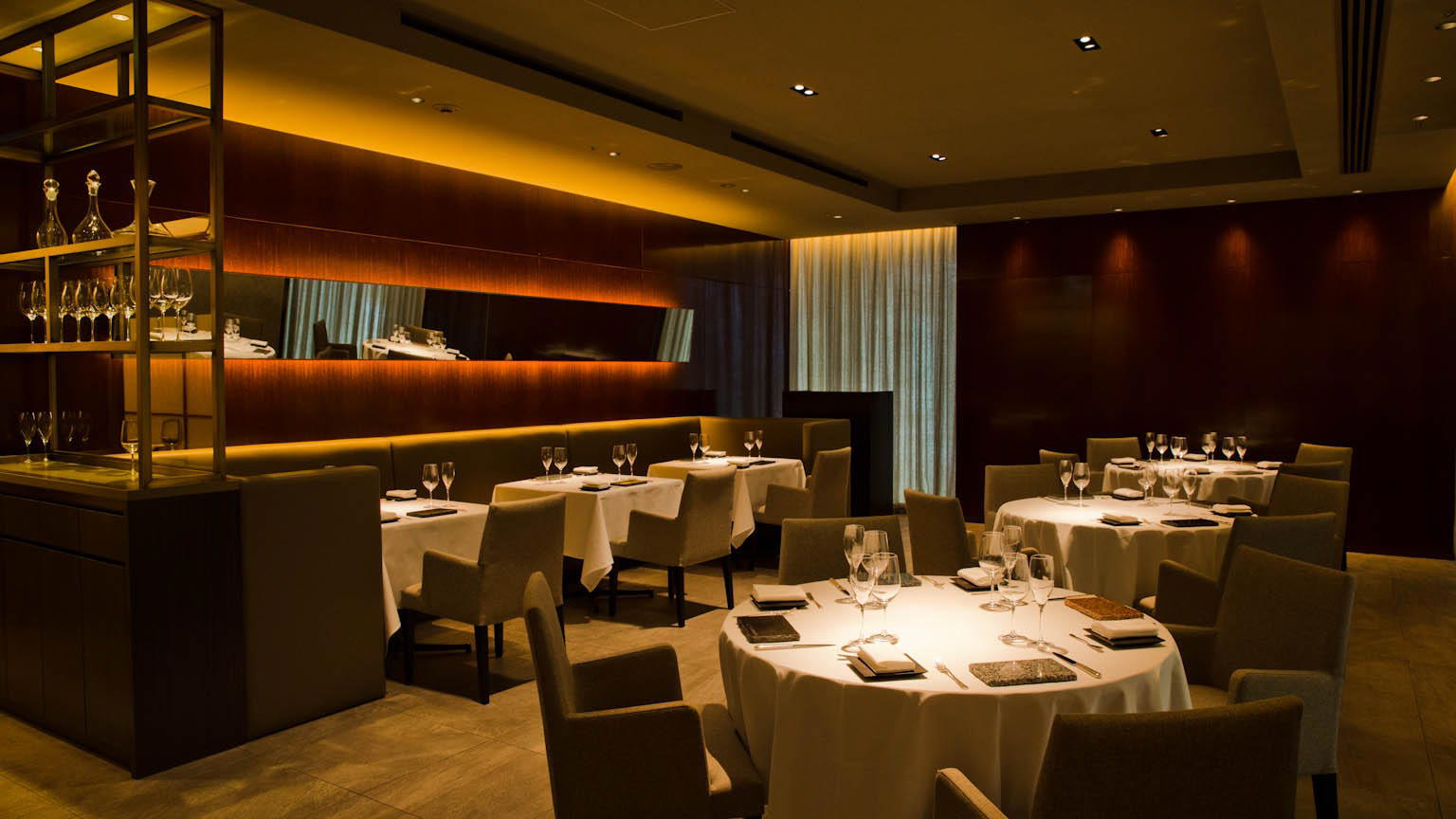
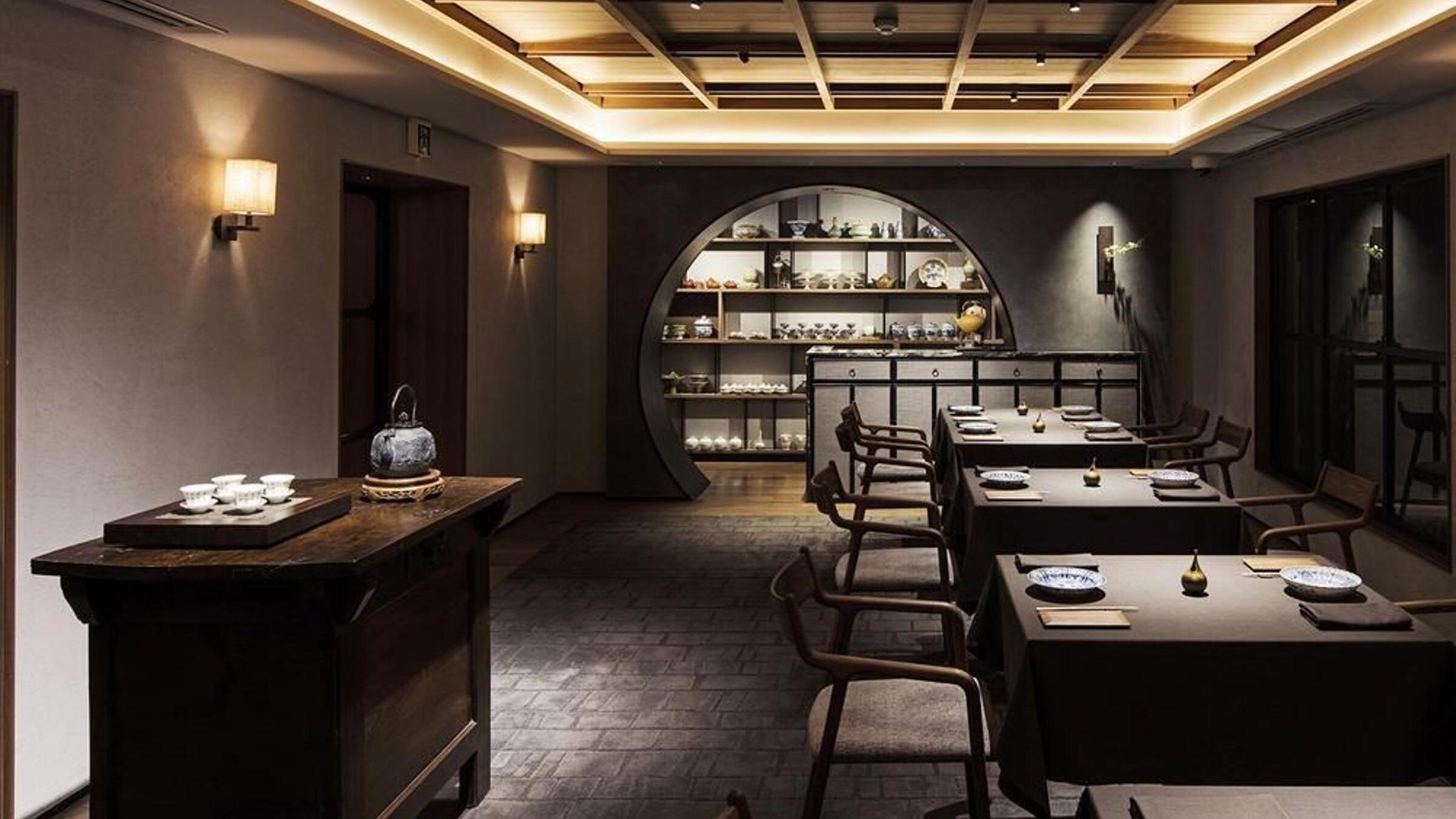
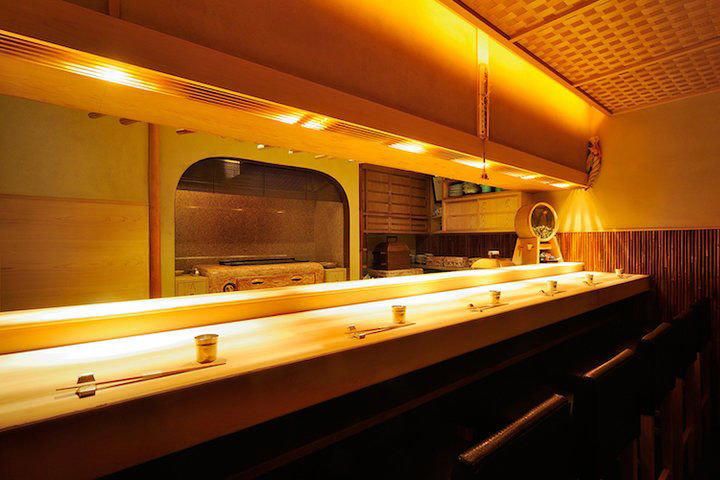
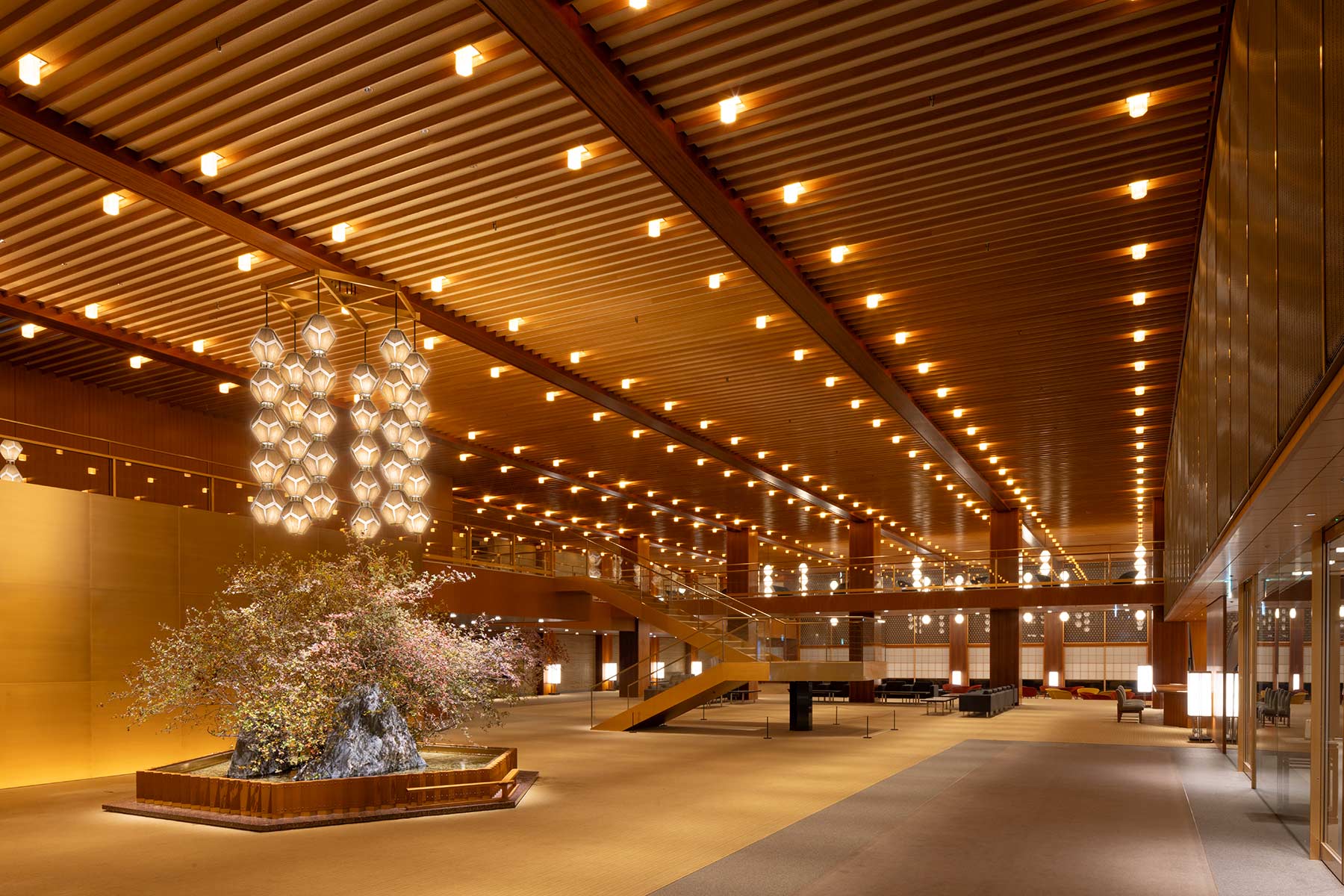
A classic, retro Japanese yoshoku restaurant with warm lighting, closely set tables, and the bustle of a busy neighborhood favorite; more homey and nostalgic than polished, with a casual, lived‑in feel that emphasizes comfort over design.