
Yoshoku GURa belongs to Kobe’s practical yoshoku tradition: Western-derived comfort cooking filtered through Japanese rice, sauce work, and compact counter culture. Its Tabelog 100 - Yoshoku - WEST - 2025 selection, 15-seat format, and focus on hamburger steak and omurice place it in a narrow, value-conscious tier rather than the city’s beef-led luxury circuit.
Pearl is the En Primeur Club membership app — saves, bookings, and concierge access live there. Same editors, same standards.
- Address
- 兵庫県神戸市中央区下山手通4-13-1
- Phone
- +81786000122
- Website
- tabelog.com
 Saves & bookings on Pearl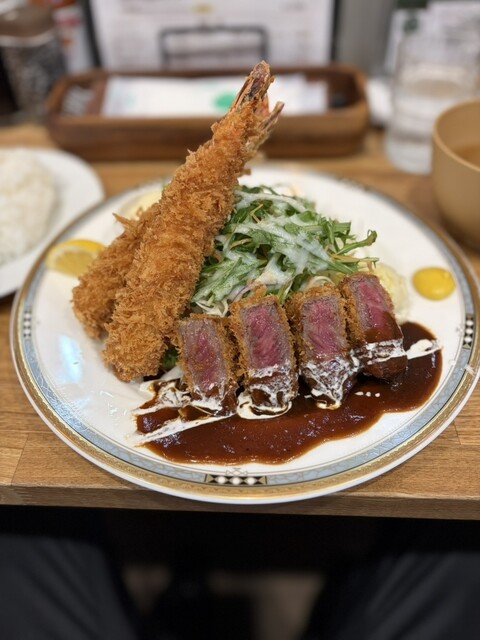
Shimoyamatedori is not Kobe’s harbor-postcard version. Around Kenchomae and Motomachi, the city feels lived-in: government offices, shopping arcades, small counters, and restaurants sustained by repeat local traffic rather than scenery. That setting suits yoshoku, a cuisine built less on spectacle than repetition: rice, demi-glace, cutlets, omelettes, hamburger steak, and the Japanese domestication of Western technique.
Yoshoku GURa sits in that tradition with a compact 15-seat room split between counter and table seating. The scale matters. Yoshoku often reads clearest in small rooms where kitchen timing controls the meal: omelette rice cannot wait, sauces need heat, and hamburger steak depends on the interval between pan, plate, and table. This is short-distance cooking, not a grand dining format, and Kobe is a good city for it because its appetite for Western-influenced food has historical depth without requiring every meal to announce itself as heritage.
Yoshoku in Kobe is about technique, not nostalgia
Yoshoku is often reduced to “Japanese Western food,” but the better reading is adaptation: Western pantry ideas absorbed into Japanese meal structure, served with rice, sharpened by sauce, and portioned for everyday use. Kobe’s long contact with foreign trade gave it early familiarity with Western dining, yet the strongest yoshoku counters are not museum pieces. They are working restaurants measured by consistency.
The listed categories, yoshoku, hamburger steak, and omurice, place the restaurant at the genre’s core. Hamburger steak tests grind, fat, sear, and sauce; omurice tests rice seasoning, egg handling, and the ability to keep a simple plate from becoming heavy. Ingredient sourcing is not presented through farm-name theatre. It appears in choices diners read indirectly: how meat is treated, how eggs are cooked, how rice carries sauce, and whether the plate feels composed rather than merely filling.
That makes the Tabelog 100 - Yoshoku - WEST - 2025 selection a useful signal. It places the restaurant in a regional yoshoku conversation rather than the fine-dining race shaping much destination eating in Japan. A Tabelog score of 3.59 also indicates meaningful local attention on a platform where small score differences matter. The better comparison is not Kobe’s expensive tasting-menu or wagyu circuits, but its smaller specialist rooms, where a narrow menu identity must justify repeat meals.
Within Kobe, that distinction helps. Beef-focused rooms such as Aburi Niku Kobo Wakkoku Shinkobe ten and Aburi Niku Kobo Wakkoqu Kitano Sakamoto Ten speak to the city’s premium meat identity. Coffee rooms such as Akaneya Coffee Ten show Western influence absorbed into daily ritual. Yoshoku GURa sits between those poles, closer to the everyday counter than the ceremonial steakhouse, but recognized enough to rise above anonymous lunch rotation.
A small-room format keeps the cooking accountable
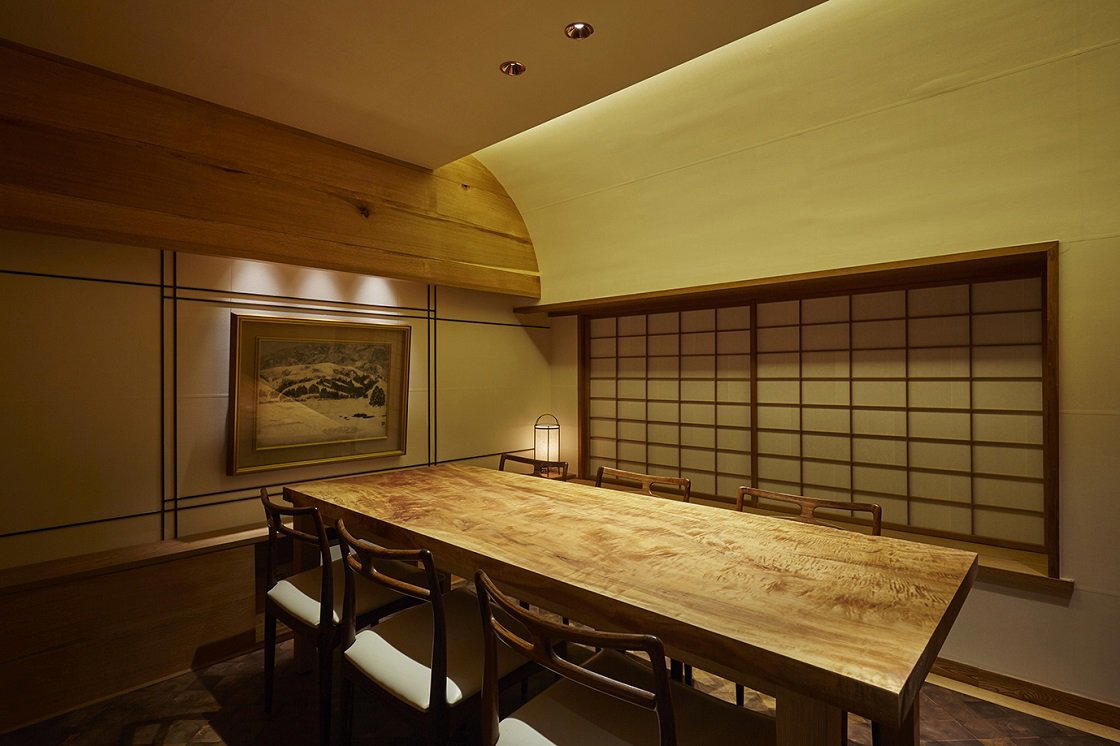
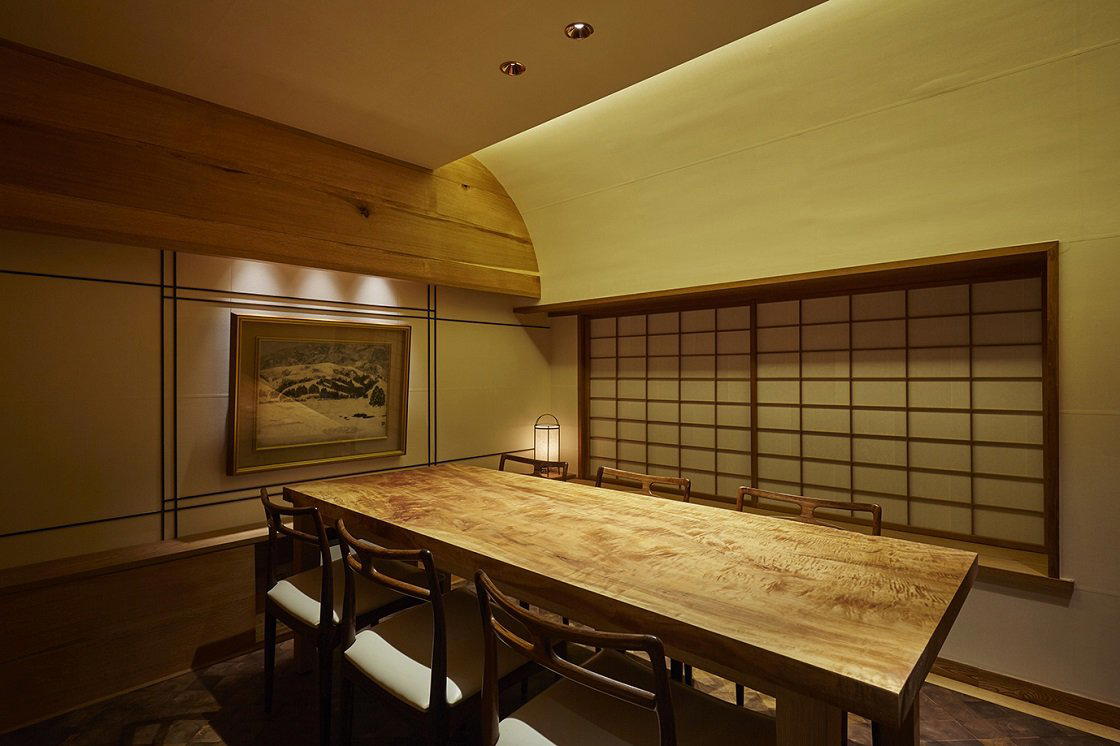
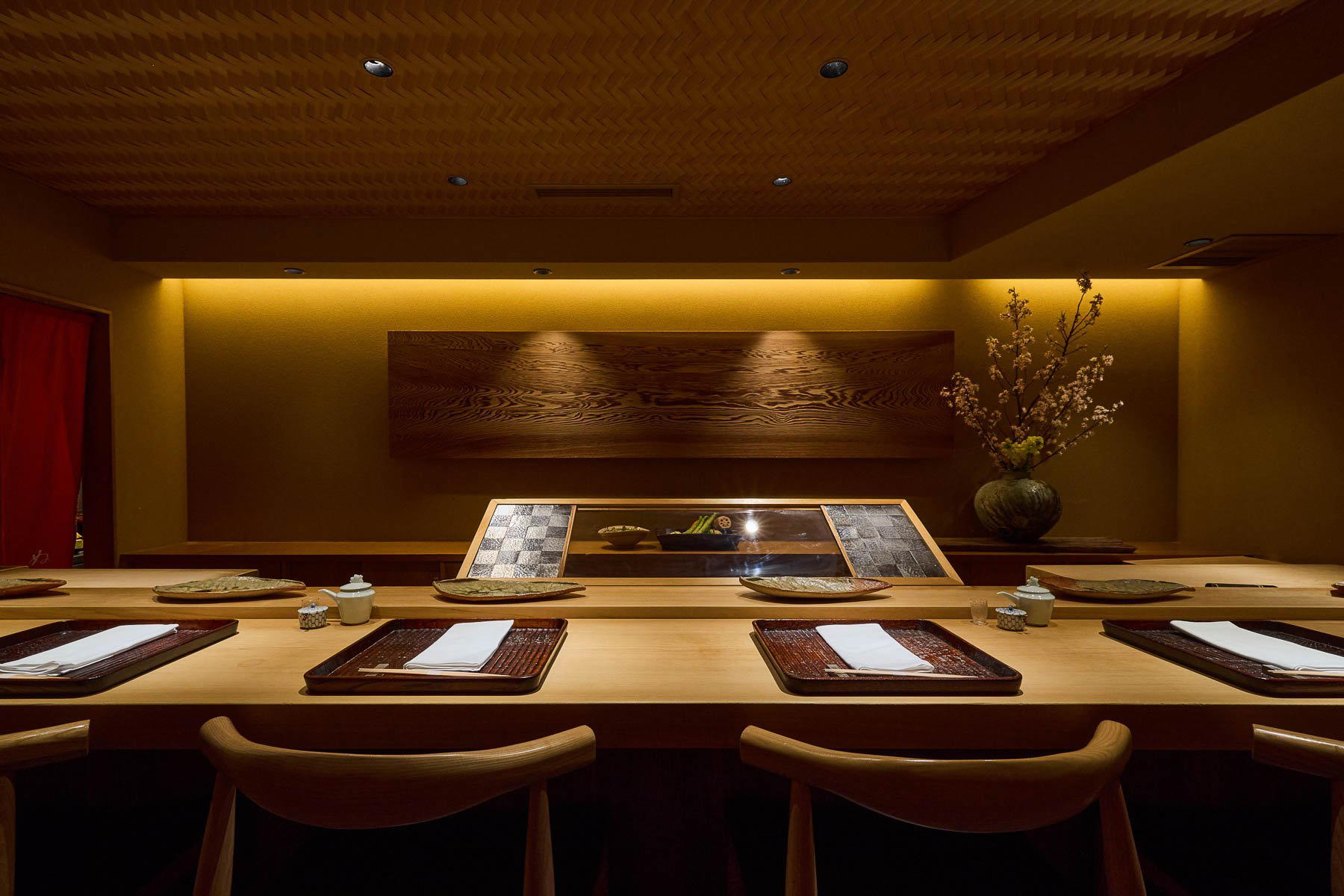
Capacity changes how this cuisine lands. With 7 counter seats and 8 table seats, the room feels closer to a neighbourhood kitchen than a production dining room. That suits yoshoku, because the dishes lose authority as banquet food. Sauces need freshness, fried or seared elements need pace, and egg dishes punish delay. The format also suits solo diners, a key detail in Japan’s better casual restaurants: a counter seat is not a compromise, but often the cleanest way to read the kitchen.
The price band keeps the restaurant in democratic Kobe dining: lunch at JPY 1,000 - JPY 1,999 and dinner at JPY 2,000 - JPY 2,999. Against city comparisons, that matters. Shinshin is higher at dinner while keeping lunch in a similar entry band; yokoyama sits in a much more expensive tier; La Pierre Blanche Motomachi ten overlaps around the lower-to-mid casual range. Yoshoku GURa is not luxury substitution. It is precision at a price where flaws are often forgiven and recognition must come from execution, not ceremony.
The location reinforces that. Kenchomae and Motomachi suit a yoshoku meal before or after a central Kobe day rather than a special-occasion detour. The restaurant is a short walk from Kobe Municipal Subway Prefectural Office Station, JR Motomachi Station, and Hanshin Motomachi Station, making it practical for travellers near Sannomiya or moving between hillside and waterfront. Parking is unavailable, so this is a rail-and-walk address, not a taxi-and-valet plan.
Operationally, it follows small Japanese counter rhythm: daytime and evening service on listed operating days, with closures at the start and end of the week. Reservations are available, with evening reservations limited to one group per day. For a 15-seat restaurant, that can change the room’s flow, so walk-in expectations should be calibrated. Payment is also practical: credit cards and electronic money are not accepted, while PayPay is listed.
Where it fits in a Kobe eating itinerary
For travellers, this address gives Kobe texture. It does not replace a beef dinner, Chinatown grazing session, or harbor-facing hotel bar. It fills another slot: Japanese comfort cooking with enough critical recognition to make the stop intentional. Treat it as a central Kobe lunch or early dinner anchor, then build the day around Motomachi, the prefectural office area, or Sannomiya rather than forcing it into a cross-city chase.
Readers comparing categories can use broader EP Club Kobe pages to map the day around the meal: Our full Kobe restaurants guide, Our full Kobe hotels guide, Our full Kobe bars guide, Our full Kobe wineries guide, and Our full Kobe experiences guide. For a wider sense of how Japanese casual and specialist formats travel across cities, compare -Grilled beef Sukiyaki- KAMAKURA TANUKIAN 鎌倉 たぬき庵 in Kamakura. 鮪と炭火焼き うお炭 秋葉原店 in Tokyo.cafe in Osaka.know in Kumamoto, (Shoku) Vietnam in Kawasaki, [Curry Senmon Ten] Maruyama Kyoju. in Sapporo, Jōdo Saké Bar in Los Angeles, and Onigiri Time in Pasadena.
The editorial case is clear: the restaurant is for diners who want Kobe beyond beef shorthand, with cooking that depends on sourcing, sauce, and timing rather than imported luxury cues. The room is small, the category specific, and the 2025 Tabelog 100 selection gives external validation within western Japan’s yoshoku field. Plan it as a compact central-city meal, not a lingering destination dinner, and the format makes sense.
Fast Comparison
Comparable venues to anchor price and recognition.
| Venue | Cuisine | Price | Notes |
|---|---|---|---|
| Yoshoku GURaThis venue — the venue you are viewing | Japanese Western (Yoshoku) | $$ | Not listed |
| European Ryori Mon | Classic Yoshoku (Japanese Western-style) | $$ | Chūō |
| Sion | European-style Japanese curry & beef stew | $$ | Chūō |
| Kakomo | Japanese izakaya & standing bar | $$ | Higashinada |
| Kitanosaka Kobayashi | Traditional Soba (Buckwheat Noodles) | $$ | Chūō |
| Yakiniku Horumon Bar Bovin | Yakiniku & Horumon Bar | $$ | Chūō |
Recognition history
Dated appearances from independent guides and award organizations, with the underlying list record or original source where available.
Tabelog 100 #20 · No. 20
Tabelog · Tabelog 100 - Yoshoku - WEST - 2025
Continue exploring
More in Kobe
Restaurants in Kobe
Browse all →
Bars in Kobe
Browse all →



Hotels in Kobe
Browse all →


At a Glance
- Classic
- Cozy
- Family
- Solo
- Casual Hangout
- Standalone
- Craft Cocktails
- Beer Program
A small, casual, popular neighborhood restaurant with a hideout feel and a busy, line-prone service pattern according to guest reviews.