
Sion belongs to Kobe’s quieter curry-and-yoshoku tradition, where Western-style technique, Japanese rice culture, and careful sourcing matter more than spectacle. Its Tabelog Curry WEST 100 selection in 2023 and 2024 places it in a serious regional conversation, while the small counter-and-kotatsu format keeps the experience grounded and local.
Pearl is the En Primeur Club membership app — saves, bookings, and concierge access live there. Same editors, same standards.
- Address
- Japan, 〒650-0022 Hyogo, Kobe, Chuo Ward, Motomachidori, 5 Chome−2−2 18yuzenビル 1階
- Phone
- +81 78-335-6248
- Website
- sion.foodre.jp
 Saves & bookings on Pearl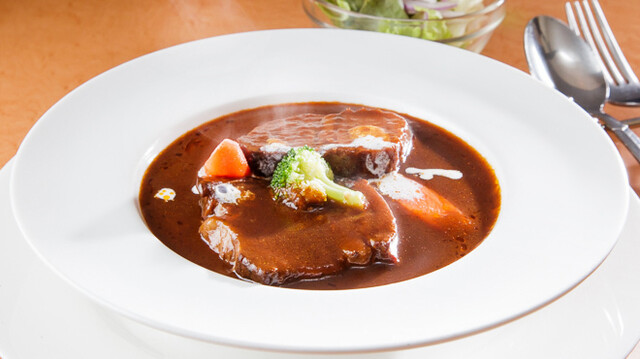
Motomachidori moves differently from Kobe’s waterfront showpieces and Kitano dining rooms: narrower streets, slower pace, practical lunch culture, and office workers, families, and regulars passing between stations, shops, and small restaurants without theatre. Sion fits that register. The compact room, with counter seats and kotatsu tables, feels closer to neighbourhood yoshoku than destination dining, yet its recognition says more: a small curry address operating inside a regional award conversation.
Visitors often misread Japanese curry as comfort before craft. In western Japan, stronger examples sit close to yoshoku, the Japanese adaptation of Western cooking that took hold in the late nineteenth and early twentieth centuries and became a cuisine of sauces, rice plates, cutlets, stews, omelette rice, and curry. Its discipline is not fine-dining luxury produce, but base work, heat control, sweetness, bitterness, spice, and how sauce carries across rice without heaviness. Sion’s curry-and-yoshoku listing matters because it places the kitchen in that lineage, not in Osaka’s newer, more experimental spice-curry idiom.
Kobe curry through the lens of yoshoku sourcing
Kobe’s food identity is often reduced to beef, but its port history matters as much. Foreign trade, hotel dining rooms, bakeries, coffee shops, and Western-style kitchens made Kobe unusually fluent in imported culinary forms. Yoshoku is part of that inheritance: Japanese in appetite and format, Western in certain techniques, and local in its absorption of everyday ingredients. Curry here is not only a spice dish; it is a sauce tradition.
Sion’s public description connects the restaurant to chefs from the former Oriental Hotel, a useful Kobe credential because hotel kitchens helped formalize the city’s Western-style cooking culture. That should not become mythology, but it explains why a curry-and-yoshoku room in Motomachidori can draw attention beyond its scale. The point is discipline: roux, stock, aromatics, rice, and garnish judged by balance, not novelty.
The sourcing angle is less about named farms than how ingredients become legible through yoshoku structure. Curry rewards kitchens that understand how vegetable sweetness, browning bitterness, spice warmth, and fat behave over time. In casual settings, those choices can be invisible; in award-listed curry rooms, they separate a filling plate from one with architectural control. Sion’s inclusion in Tabelog Curry WEST 100 in both 2023 and 2024 is meaningful because the list is category-specific, regional, and focused on curry rather than general prestige.
Within Kobe’s dining spread, that places it apart from beef-focused rooms such as Aburi Niku Kobo Wakkoku Shinkobe ten and Aburi Niku Kobo Wakkoqu Kitano Sakamoto Ten. Those addresses express Kobe’s premium meat economy. Sion speaks to a humbler but no less exacting tradition: the everyday Western-style plate refined until it earns regional notice.
A small-room format that keeps the cooking in focus
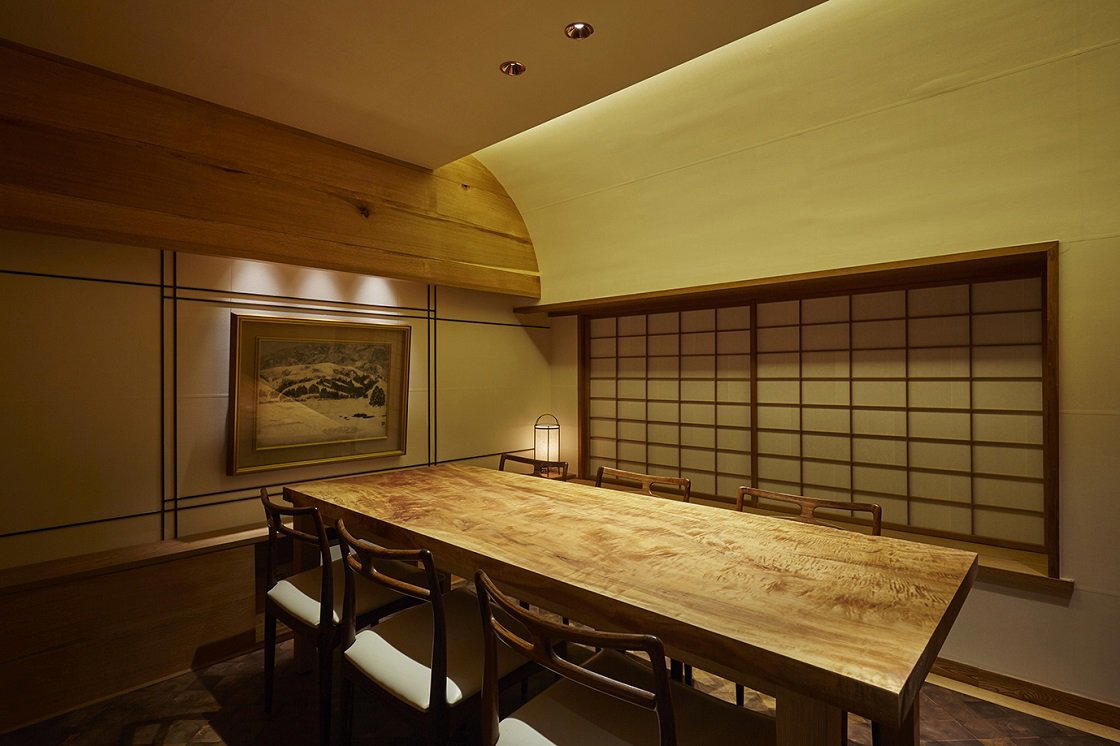
The seating shapes the meal’s tempo. A counter suits quick solo dining and attention to the kitchen’s pacing; kotatsu tables suit small groups and families. That duality is common in Japan’s stronger casual restaurants, where the category may be inexpensive by luxury standards but operations are tight. A 20-seat room also resets expectations: not a sprawling curry hall built for churn, but a small format where consistency carries reputation.
That scale makes the wine note interesting. Curry restaurants in Japan are rarely judged by drinks, yet Sion is marked as particular about wine. Without turning the meal into a pairing exercise, that suggests a yoshoku mindset rather than pure fast lunch. Wine has long suited Western-style Japanese cooking because demi-glace, cutlets, stewed dishes, and browned sauces share a grammar with bistro food, even when served with rice. It is a quiet clue to the restaurant’s self-positioning.
Compared with nearby casual names in the same city, the price tier sits above snack-and-sweets addresses such as Mama no Eranda Motomachi Cake Motomachi honten and Le Shmiki, closer to everyday dining rooms like BRISK STAND Koube honten than higher-spend restaurants such as Ouraku En or Mangetsu. That middle position is part of the appeal. Kobe has plenty of meals organized around occasion; Sion is built around category excellence at a scale locals can fold into routine.
For readers mapping Kobe beyond one meal, the contrast helps. Akaneya Coffee Ten points toward the city’s coffee-shop culture, Akari gives another restaurant reference point, and Ali's Halal Kitchen shows how international foodways sit naturally in a port city. Sion is not an isolated curiosity; it belongs to Kobe’s broader habit of absorbing outside forms and making them local.
How to read its award signal
Tabelog’s Hyakumeiten lists are not Michelin stars and should not be treated as interchangeable. Their value is category specificity. A Curry WEST 100 selection says Sion has been recognized within a defined regional curry field, not folded into a general popularity ranking. The 2024 selection, following 2023, is the relevant trust marker: repeat recognition in a category where small shops compete with deeply followed specialists across western Japan.
The editorial takeaway is narrow and strong. This is the Kobe address to consider when the aim is not steak, sushi, or a hotel dining room, but yoshoku-rooted curry with enough credibility to justify planning around it. The meal belongs in a day that leaves space for Motomachi, Nishi-Motomachi, and the city’s older commercial streets, not just the harbourfront. It suits travellers who care how ordinary Japanese categories become precise through repetition, sourcing choices, and sauce work.
To place it inside a wider itinerary, use Our full Kobe restaurants guide for dining context, then branch into Our full Kobe hotels guide, Our full Kobe bars guide, Our full Kobe wineries guide, and Our full Kobe experiences guide. For broader Japan and overseas contrasts, compare category-driven casual dining with -Grilled beef Sukiyaki- KAMAKURA TANUKIAN 鎌倉 たぬき庵 in Kamakura. 鮪と炭火焼き うお炭 秋葉原店 in Tokyo.cafe in Osaka.know in Kumamoto, (Shoku) Vietnam in Kawasaki, [Curry Senmon Ten] Maruyama Kyoju. in Sapporo, Jōdo Saké Bar in Los Angeles, and Onigiri Time in Pasadena.
In Context: Similar Options
Comparable venues to calibrate price, style, and recognition.
| Venue | Cuisine | Price | Notes |
|---|---|---|---|
| SionThis venue — the venue you are viewing | European-style Japanese curry & beef stew | $$ | Not listed |
| Kisetsu Ippin Ryori Fujiwara | Seasonal Japanese Izakaya & Seafood | $$ | Chūō |
| Yakiniku Possam Chip | Kobe beef & offal yakiniku with Korean-style cold noodles | $$ | Hyōgo |
| Yoshokuya Yuuki | Japanese yoshoku (Western-style comfort food) | $$ | Hyōgo |
| QUATTRO | Kobe yoshoku (Japanese-style Western) | $$ | Chūō |
| Koube Kitano Asahi Yaseinikuten | Kobe beef diner & butcher eat-in | $$ | Chūō |
Recognition history
Dated appearances from independent guides and award organizations, with the underlying list record or original source where available.
Tabelog 100 #3 · No. 3
Tabelog · Tabelog 100 - Curry - WEST - 2024







At a Glance
- Cozy
- Elegant
- Intimate
- Classic
- Solo
- Business Dinner
- Group Dining
- Casual Hangout
- Family
- Celebration
- Chefs Counter
- Standalone
- Historic Building
Current opening hours
- Monday
- Closed
- Tuesday
- 11:30 AM–2:30 PM
- Wednesday
- 11:30 AM–2:30 PM
- Thursday
- 11:30 AM–2:30 PM
- Friday
- 11:30 AM–2:30 PM
- Saturday
- 11:30 AM–2:30 PM, 6–8 PM
- Sunday
- 11:30 AM–2:30 PM, 6–8 PM
Hours can change for holidays and private events. Last verified .
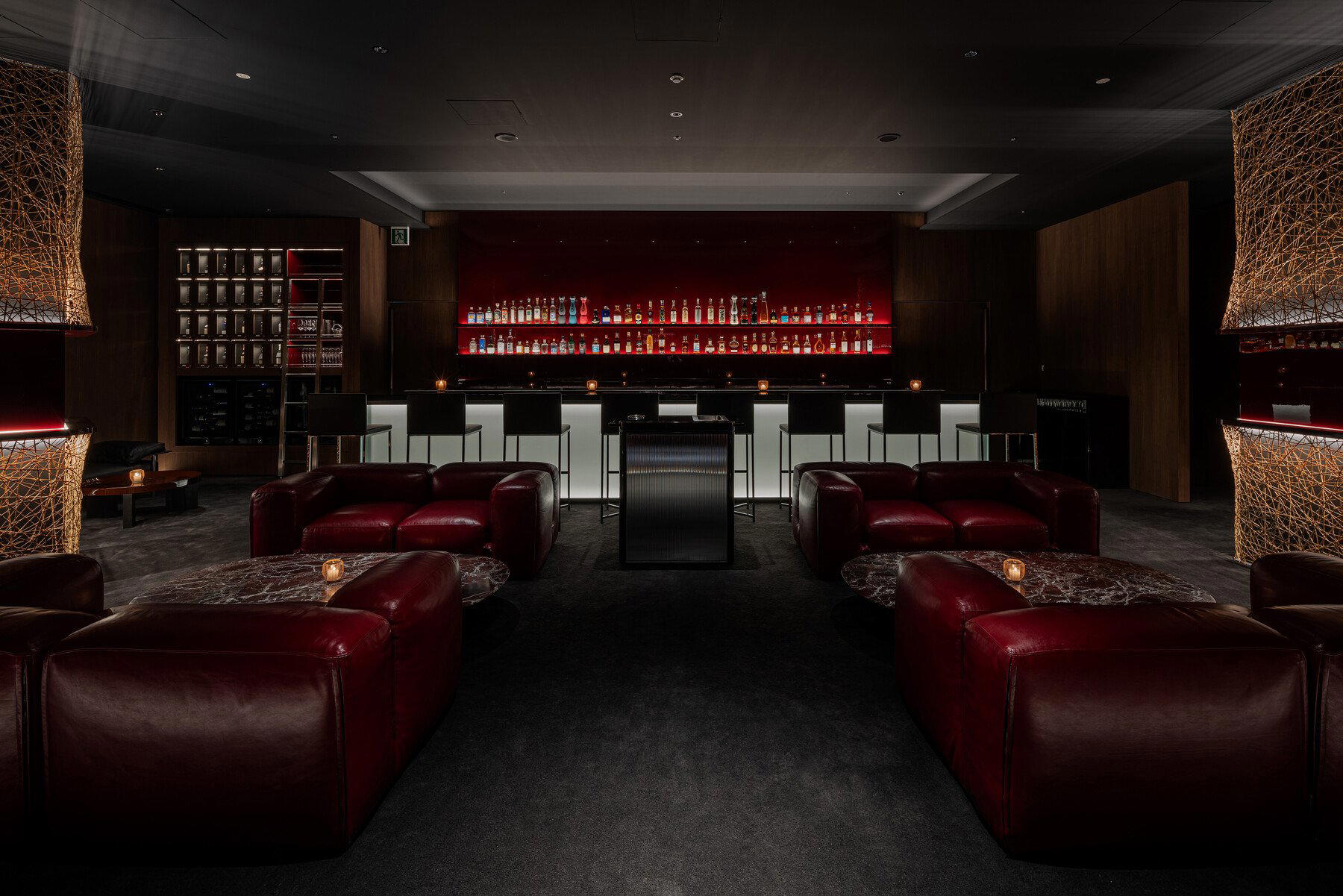
Small, clean and softly lit with an elegant yet relaxed feel; counter seats let guests watch the chef work, while low horigotatsu tables create a calm, unhurried atmosphere suited to quiet conversation and business meals rather than a noisy curry shop vibe.