Live river fish and bold hot pots await
 Discover on Pearl
Pearl is the En Primeur Club membership app — saves, bookings, and concierge access live there. Same editors, same standards.
- Address
- 1 Tongzilin E Rd, 桐梓林 Wuhou District, Chengdu, Sichuan, China, 610044
- Phone
- +862885199019
- Website
- yangyayy.com
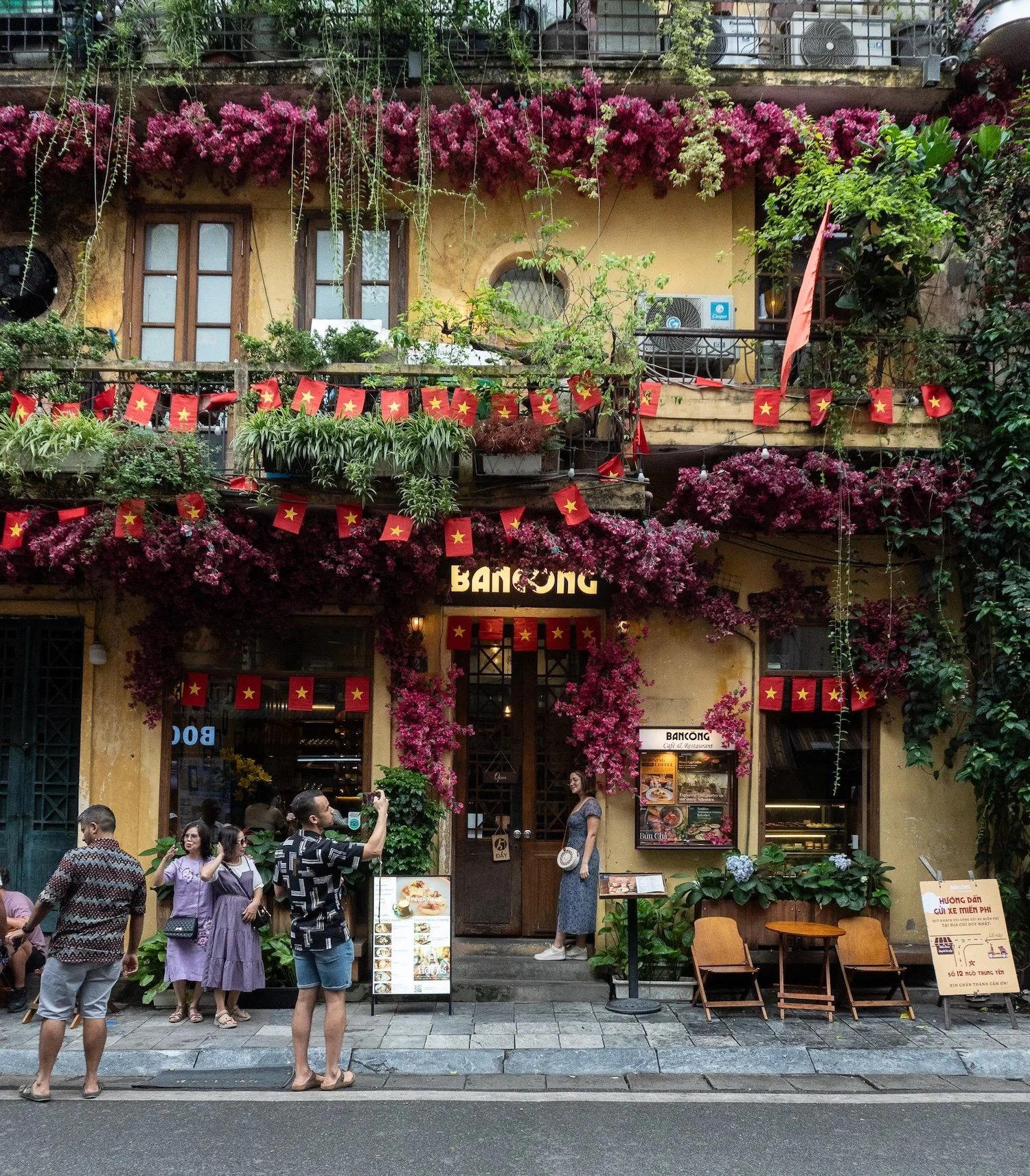
Wuhou's Quiet Hexian Proposition
Tongzilin East Road sits in Wuhou District, Chengdu. The streets here carry more residential weight, and the dining rooms that line them tend to reflect that: less theater, more cooking. Yongya Hexian occupies that context, and for anyone mapping Chengdu's broader dining spread, that address is itself an editorial signal about what to expect. Hexian cuisine, for those who have not encountered it, belongs to the Sichuan tradition but draws from the river town of He County, where freshwater fish and pickled vegetable preparations have evolved over centuries into a distinct repertoire, separate from the mainstream mala hotpot identity that most visitors associate with the city.
Where Indigenous Products Meet Applied Technique
Sichuan cooking has long balanced technique with tradition, especially where fermentation and careful fire management are concerned. Cities like Shanghai and Beijing have seen that shift at the fine-dining tier. Chengdu has been slower to absorb that shift, partly because its culinary identity is unusually stable and partly because local diners are resistant to abstraction when the reference point is this concrete and this beloved.
Hexian cooking specifically sits at an interesting position in that debate. The ingredient base is hyper-local: fish pulled from Sichuan waterways, preserved vegetables sourced from small-scale producers in the surrounding basin, Pixian doubanjiang that carries the umami depth no imported substitute can replicate. The question for a place like Yongya Hexian is how technique shapes the material. Comparable trajectories appear at Chengdu addresses where the ambition runs higher, including Yu Zhi Lan, which occupies the city's high-formality Sichuan tier, and Xin Rong Ji, which brings Taizhou seafood handling methods into the Chengdu market. Both signal what happens when external culinary logic is brought to bear on local produce with enough conviction to generate a distinct comparable set.
Positioning Inside Chengdu's Dining Spread
Chengdu's restaurant scene clusters into recognizable tiers. At one end, you have approachable Sichuan houses such as Chen Mapo Tofu. At the other, you have formal tables where the cooking argues for a more elaborate expression of Sichuan. Yongya Hexian fits neither extreme. Its Wuhou address and Hexian specialization place it in a mid-register that is underrepresented in international coverage of the city, where most attention concentrates on either hotpot culture or the handful of nationally recognized fine-dining rooms.
For a reader building a multi-day Chengdu itinerary, that positioning matters. You do not come here for the performance of a tasting menu; you come for the specific culinary logic of He County cooking applied with consistency. That makes it a different kind of case than, say, Fang Xiang Jing or Fu Rong Huang, both of which carry stronger individual venue profiles and more documented credentials. Yongya Hexian operates in a less-documented segment of the market.
The Hexian Tradition in Context
He County cuisine merits a short explanation for readers who have not encountered it outside Sichuan itself. The style is categorically lighter than the Chengdu mainstream, with a stronger emphasis on braised and slow-cooked freshwater fish, sour-pickled preparations, and broth-based dishes that let individual ingredient quality read clearly rather than masking it under the city's characteristic numbing heat. That restraint is not the absence of flavor; it is a different model for how Sichuan produce can perform, one closer in spirit to the approach you find at river-town dining rooms across the basin and further afield in places like Fuzhou, where Jiangnan Wok Rong applies a comparable philosophy of ingredient-forward regional cooking.
In the broader map of Chinese regional styles now gaining traction outside their home provinces, Hexian cooking remains among the less-traveled. Hokkien cuisine has developed an international following partly through diaspora communities, and the Chengdu location of Hokkien Cuisine shows how transplanted regional styles find audiences in a city with serious appetite for diversity. Hexian cooking does not have that diaspora mechanism, which keeps it concentrated in and around Chengdu, and keeps places like Yongya Hexian reliant on local knowledge rather than international press for their customer base.
Planning a Visit
Yongya Hexian is at 1 Tongzilin East Road in Wuhou District, a neighborhood that rewards exploration on foot and has enough surrounding dining density that a broader evening in the area is easy to construct. For the Chengdu context, Tongzilin sits south of the historic core, accessible by metro and well within reach of the main visitor accommodations around Tianfu Square or Chunxi Road. Arriving with a Chinese-language contact or using a local concierge can help with hours and reservations. The seasonal peak for Hexian fish preparations in Sichuan aligns with autumn and early winter, when freshwater catches are at their densest and the braising-forward dishes that define the style read leading against cooler temperatures.
Readers tracing comparable regional-specialist formats beyond Chengdu will find useful reference points in Imperial Treasure Fine Chinese Cuisine in Guangzhou, Dai Yuet Heen in Nanjing, Dingshan Jiangyan in Suzhou, and Fleurs Et Festin in Xiamen, each of which applies serious technical intent to a defined regional tradition. At the international scale, the logic of applying precision technique to indigenous produce finds some of its clearest expression at Le Bernardin in New York City and Atomix in New York City, and Shang Palace in Yangzhou offers a useful regional reference for how formal Chinese dining frames local produce within a structured service context.
Peers Worth Knowing
Comparable venues nearby, for context on price, style, and recognition.
| Venue | Cuisine | Price | Notes |
|---|---|---|---|
| Yongya HexianThis venue — the venue you are viewing | Sichuan River Fish Hot Pot | $$$ | |
| Drunk Whaft Hot Pot | Chengdu Hot Pot | $$ | Chengdu |
| Xinrongji | Taizhou Jiangzhe Fine Dining | $$$$ | Wuhou District |
| YouYun•LuHuiTianFu | Sichuan Cuisine | $$$ | Tianfu 1911 |
| Chaimen Residence | Modern Sichuan Fine Dining | $$$$ | Chengdushi |
| 银芭 Yinba (科学城) | Modern Sichuan Cuisine | $$$ | Suangliuxian |
At a Glance
- Elegant
- Lively
- Special Occasion
- Group Dining
- Open Kitchen
- Local Sourcing
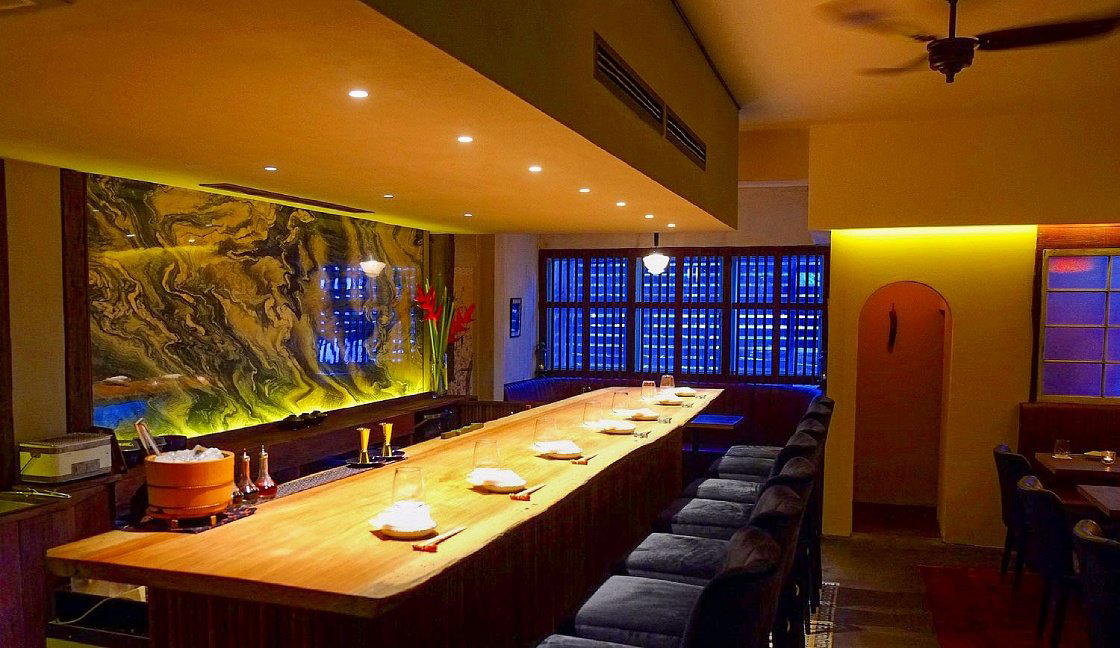
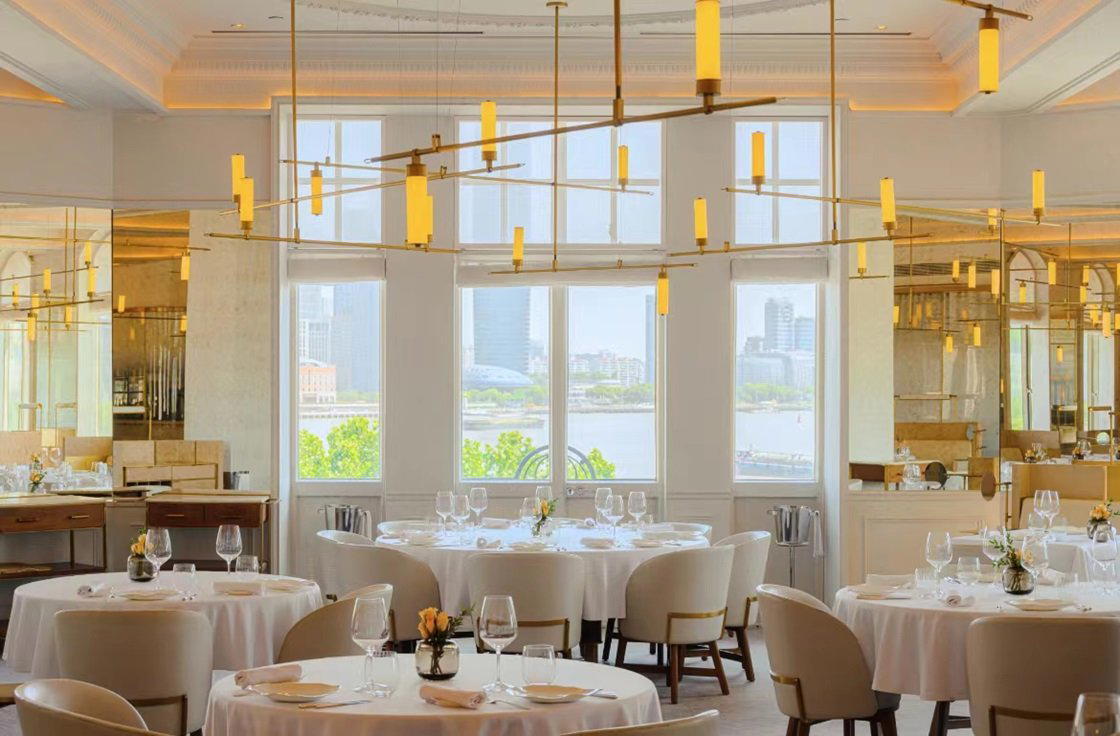
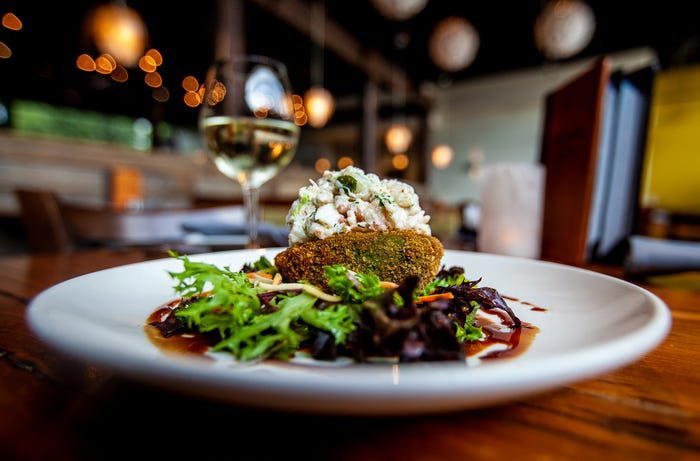
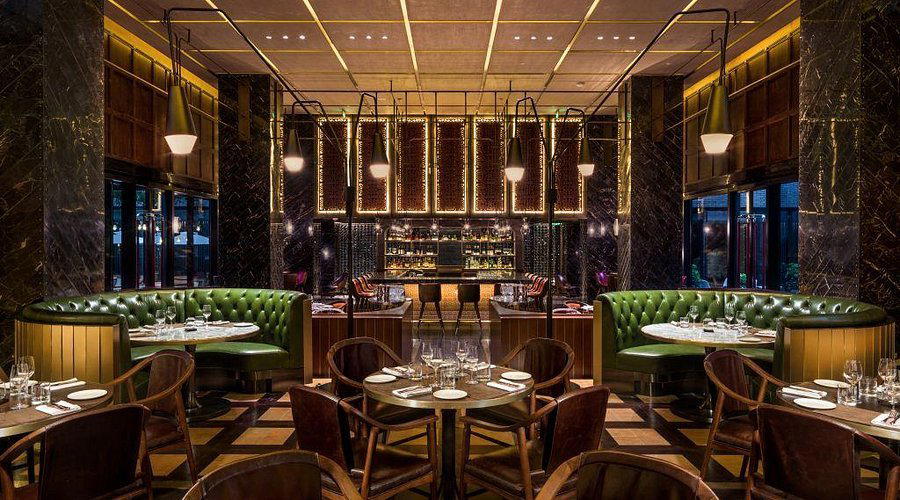
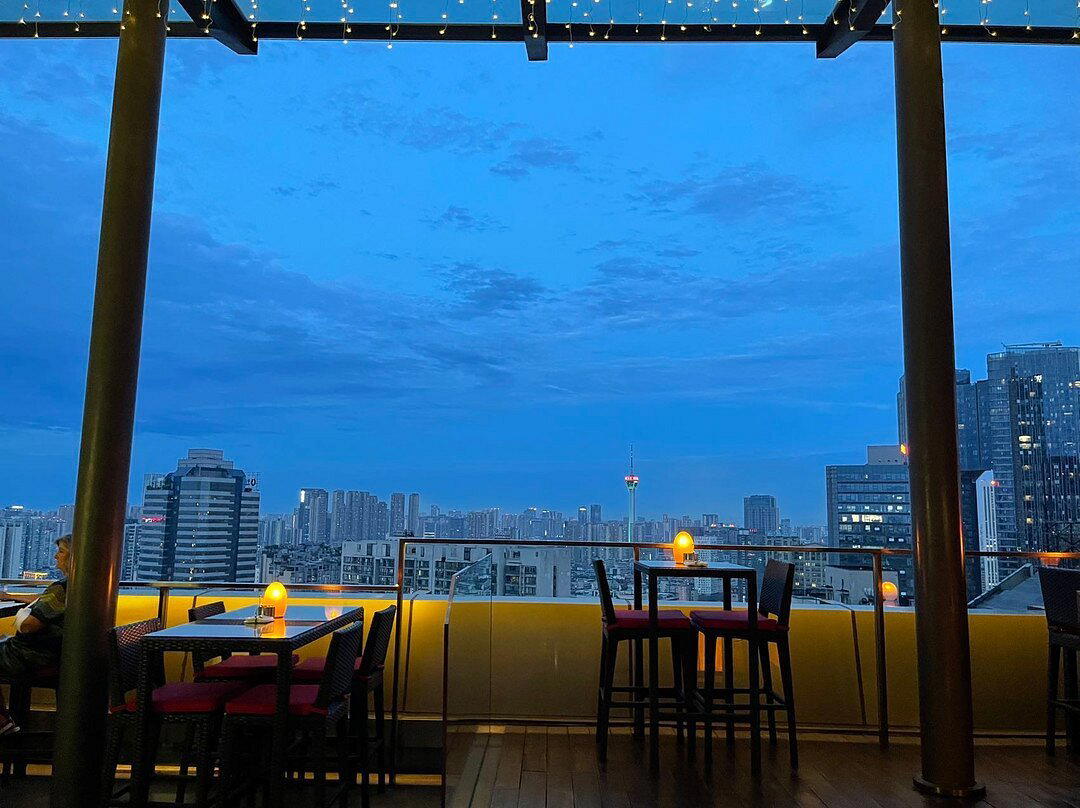
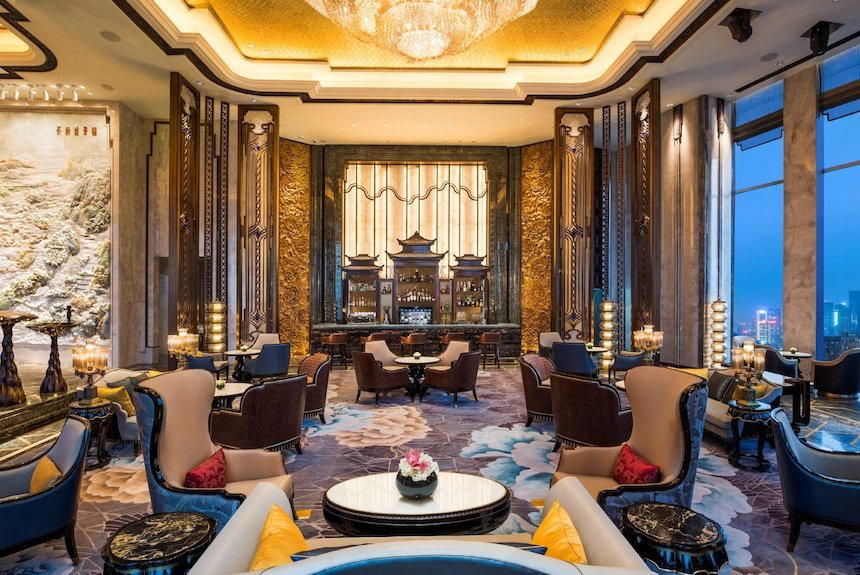
Energetic atmosphere with rhythmic staff preparing dual broths and confident knife work defining the Sichuan river cuisine experience.[1][10]