Yongkangzzie

Michelin Plate
Our verdict
A Michelin Plate-recognised noodle shop in Busan's Suyeong-gu district, Yongkangzzie sits at the affordable end of the city's recognised dining scene, earning consecutive Michelin Plate distinctions in 2024 and 2025. For a city where broth-forward, single-bowl formats define everyday eating, it represents the tier where Michelin's inspectors have found consistent, focused cooking at ₩ price points.

Pearl is the En Primeur Club membership app, where members save venues, book tables and use the concierge.
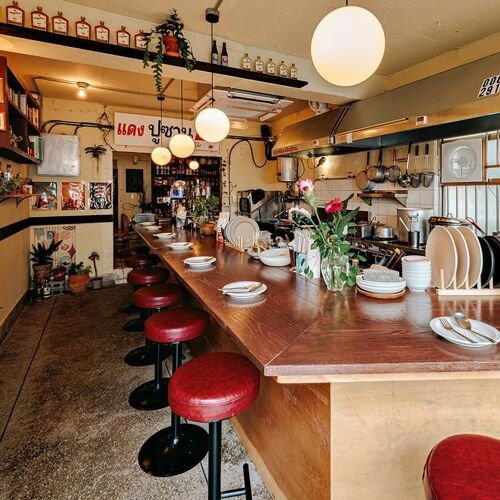
The menu
What to order
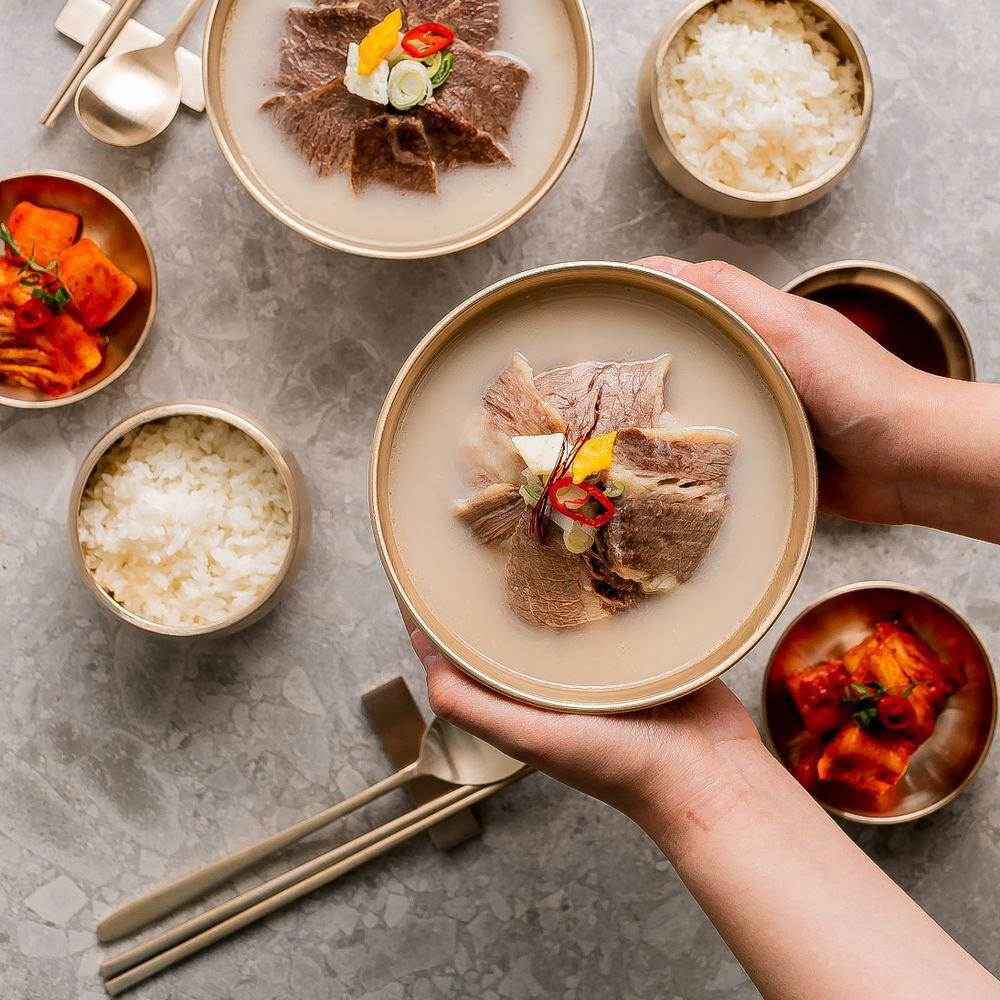
- Beef noodle soup
Noodles, Suyeong, and the Economics of a Michelin Plate
Busan's dining recognition has historically clustered around its raw seafood markets and pork-broth institutions, but the Michelin Guide's expansion into the city brought a different kind of validation: inspector attention to single-dish, low-price-point specialists that might otherwise be overlooked by international travellers oriented toward tasting menus. Yongkangzzie, located on Gwanganhaebyeon-ro in Suyeong-gu, sits in that tier. It has held a Michelin Plate distinction in both 2024 and 2025, placing it among the handful of noodle-focused addresses in Busan that the Guide considers worth a visitor's time.
The Michelin Plate, distinct from a star, signals consistent quality cooking rather than a destination-dining proposition. For noodle houses, this framing matters: the format is inherently focused, the price point stays low, and the kitchen's discipline shows in repetition rather than invention. Yongkangzzie operates at ₩ pricing, the most accessible bracket in the city's recognised scene, which puts it in a different conversation from the contemporary and Japanese formats that dominate Busan's upper tiers, places like Palate at ₩₩ or Mori at ₩₩₩. For comparative context at the same ₩ price level, Busan's broth-and-bowl tradition runs deep: Anmok represents the dwaeji-gukbap side of that tradition, while 100.1. Pyeongnaeng anchors the naengmyeon end. Yongkangzzie holds its own recognised position within this affordable-but-serious cohort.
Suyeong-gu: The Neighbourhood Context
Suyeong-gu occupies the coastal corridor between Haeundae to the north and the older residential blocks to the west. It is not primarily a dining district in the way that Haeundae or Seomyeon are understood by visitors, which means addresses here tend to draw local repeat custom rather than tourist traffic. For a noodle shop, that dynamic is almost ideal: the clientele is self-selecting, the pace is set by regulars, and there is no pressure toward the kind of theatrical service that creeps into more tourist-facing areas. The address on Gwanganhaebyeon-ro places it within reach of Gwangalli Beach, a stretch that has developed a more design-conscious café and dining presence in recent years without yet losing its neighbourhood character.
Within South Korea's broader noodle geography, Busan occupies a specific position. The city's cold-noodle tradition is less dominant here than in Pyongyang-style naengmyeon houses further north, and the local preference leans toward warmth and depth, gukbap, milmyeon, and broth-heavy formats that reflect the port city's appetite for substantial, fast, affordable eating. Yongkangzzie's recognition by the Michelin Guide places it alongside a small number of Korean noodle specialists that have drawn international inspector attention, a group that includes, at higher price points and with fuller star recognition, the kind of focused discipline seen at celebrated noodle formats in Seoul and across the wider region. For regional comparison in the noodle-specific category, it sits in the same editorial conversation as A Bing Bao Shan Mian in Hangzhou, A Kun Mian in Taichung, and A Niang Mian Guan in Shanghai, all Michelin-recognised addresses where a single format is executed with enough consistency to earn sustained inspector attention.
Planning Your Visit: What to Know Before You Go
The booking experience at Michelin Plate noodle shops in Korea follows a different logic from the reservation-heavy tasting-menu circuit. Places like this typically operate on a walk-in basis, with queuing rather than advance booking as the mechanism for managing demand. That said, Michelin recognition, even at Plate level, reliably compresses available seating during peak hours, particularly on weekends and during summer, when Gwangalli Beach draws heavier foot traffic to Suyeong-gu. Arriving close to opening or after the lunch rush tends to reduce wait times; mid-afternoon visits on weekdays represent the lowest-friction window at shops of this type.
The ₩ price point means a meal here sits well below the threshold that would require financial planning, and the single-dish format keeps the ordering process simple. For visitors building a Busan itinerary around the city's Michelin-recognised scene, Yongkangzzie adds a grounding counterpoint to the higher-cost tiers: it demonstrates that the Guide's Busan coverage extends meaningfully below the ₩₩ and ₩₩₩ brackets where places like Born and Bred at ₩₩₩₩ sit at the far upper end.
Phone and website details are not publicly listed in available data, which is consistent with how many small Korean noodle specialists operate, their presence is sustained by word of mouth and foot traffic rather than online reservation infrastructure. The address, 10 Gwanganhaebyeon-ro 277 beon-gil, Suyeong-gu, is specific enough to navigate directly via Korean mapping apps such as Naver Map or Kakao Map, both of which handle Korean address formatting more accurately than Western alternatives for locations of this type.
Busan's Recognised Scene, Mapped More Widely
For visitors using Yongkangzzie as an entry point into Busan's dining map, the city offers a range that extends well beyond the noodle category. The EP Club guides cover the full scope: our full Busan restaurants guide places the city's dining scene in comparative context, while the hotels guide, bars guide, wineries guide, and experiences guide map the wider infrastructure for a multi-day visit.
Within Korea's broader Michelin landscape, the contrast with Seoul is instructive. The capital's recognised scene runs to three-star institutions with deep tasting-menu traditions, Gaon and Mingles anchor the formal end, while Kwon Sook Soo in Gangnam-gu represents the premium Korean fine-dining tier. Busan's Michelin presence is less dense and operates at lower average price points, which makes the Plate-level noodle specialists here proportionally more significant to a visitor's understanding of the city than they might be in Seoul's larger, more segmented scene. Beyond the urban centres, Korean temple cuisine adds another register entirely: Baegyangsa Temple in Jangseong-gun represents how recognition in Korea now extends to formats and geographies well outside the obvious fine-dining corridors. And for island contrast, The Flying Hog in Seogwipo shows how Jeju's scene has developed its own Michelin-adjacent vocabulary. Yongkangzzie fits into a picture of Korean dining recognition that is broader and more geographically distributed than it was even five years ago.
Frequently asked questions
at Yongkangzzie?
Yongkangzzie is a noodle-focused specialist, the cuisine type that earned its consecutive Michelin Plate recognitions in 2024 and 2025. At a ₩ price point and with a focused format, the kitchen's strength lies in the noodle preparation itself rather than a broad menu. At a noodle house of this type, ordering the house noodle preparation is the standard approach; elaboration beyond that risks overcomplicating a format built around simplicity.
Do I need a reservation for Yongkangzzie?
No advance reservation infrastructure is publicly listed for Yongkangzzie, which is consistent with how walk-in noodle specialists typically operate in South Korea. However, Michelin Plate recognition since 2024 has raised the venue's profile, and queues during weekend lunch hours or peak summer season near Gwangalli Beach are a reasonable expectation. If your itinerary is time-sensitive, an early-opening or off-peak mid-afternoon visit is the lower-risk approach. The ₩ price point means the trade-off for any wait is low.
What do critics highlight about Yongkangzzie?
The Michelin Guide has awarded Yongkangzzie a Plate distinction in both 2024 and 2025, the Guide's marker for consistent, good-quality cooking. For a noodle specialist at ₩ pricing in Suyeong-gu, this level of sustained inspector attention signals that the kitchen's consistency, rather than ambition or innovation, is what earns repeat recognition. No extended critical write-ups are available in current published data, but within Busan's recognised dining scene, the consecutive Plate awards place Yongkangzzie in a small group of affordable specialists that the Guide considers worth a detour from the city's more prominent dining districts.
Reputation Context
Comparable options at a glance, pulled from our tracked venues.
| Venue | Cuisine | Price | Awards | Notes |
|---|---|---|---|---|
| YongkangzzieThis venue (the venue you are viewing) | Taiwanese Noodles | $10–20 | Michelin Plate | Not listed |
| Palate | Contemporary French with Korean Fusion | $150–200 | 1 Michelin Star · La Liste Top Restaurants | Contemporary |
| Mori | Japanese Kaiseki | $200–300 | 1 Michelin Star | Japanese |
| Born and Bred | Modern Hanwoo Beef Omakase Steakhouse | $100–150 | Michelin Plate · World's 50 Best #51 | Steakhouse |
| 100.1. Pyeongnaeng | Pyongyang-style Naengmyeon | $10–20 | Michelin Bib Gourmand | Naengmyeon |
| Anmok | Modern Korean Dwaeji-Gukbap | $10–20 | Michelin Bib Gourmand | Dwaeji-gukbap |
Recognition history
Dated appearances from independent guides and award organizations, with the underlying list record or original source where available.
Michelin Plate
Michelin
Full recognition history (3 entries)
Michelin Plate
Michelin
Michelin Plate
Michelin
Continue exploring
More in Busan
Restaurants in Busan
All restaurants in Busan →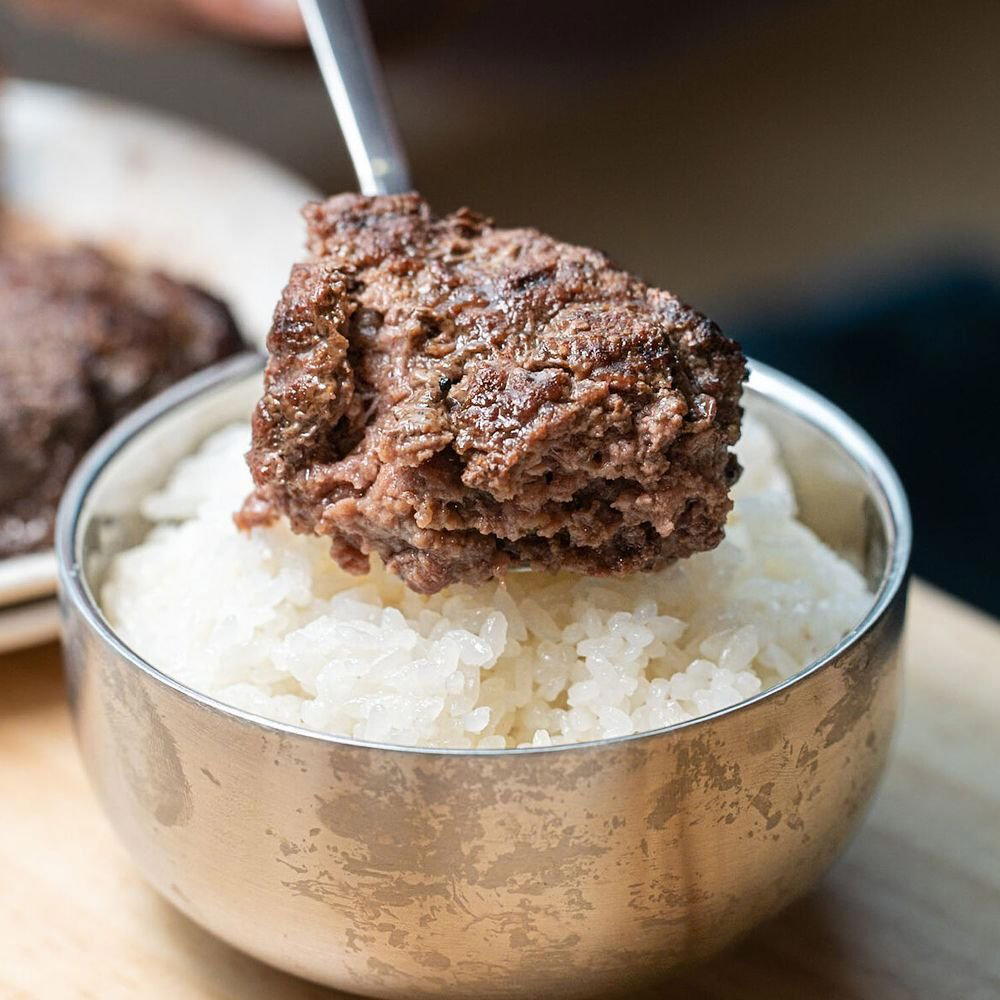
Bars in Busan
All bars in Busan →
Details
- Cozy
- Trendy
- Solo
- Casual Hangout
- Standalone
- Street Scene
- A La Carte
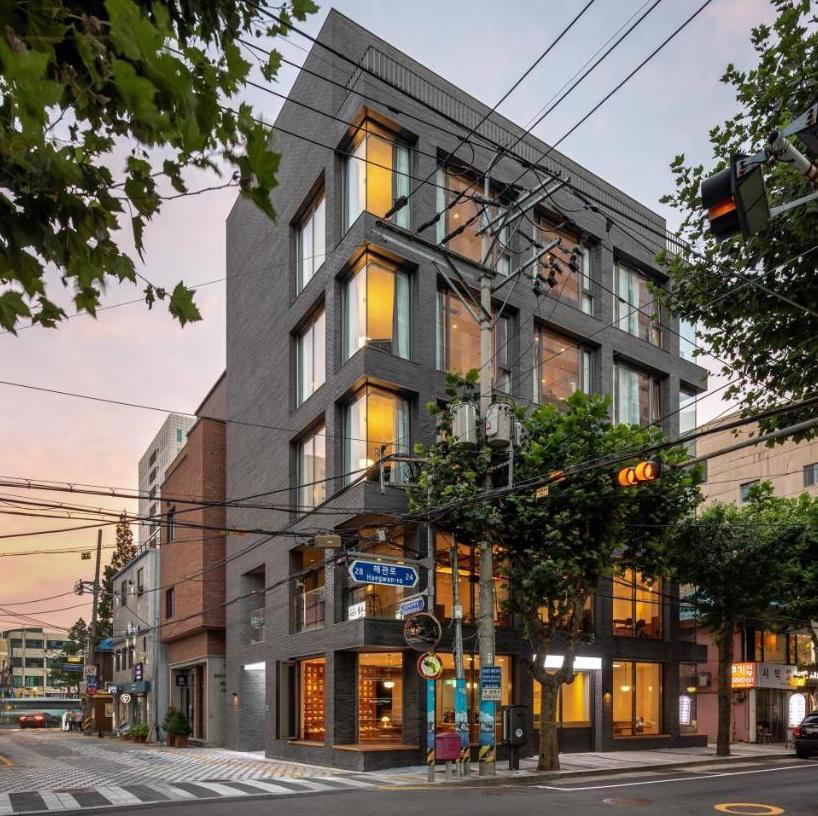
Casual and exotic Taiwanese-inspired atmosphere with cohesive design, detailed decor, and a vibe that evokes Taiwan.