
La Liste Top Restaurants
Our verdict
银芭 Yinba in Chengdu's Tianfu Science City district carries a 2025 La Liste score of 79.5 points, placing it among the tracked tier of Sichuan restaurants drawing attention beyond the city's historic centre. The address in Shuangliu's lakeside commercial strip signals a newer geography for serious Chengdu dining, away from the tourist corridors and toward the residential and business communities of the city's southward expansion.

Pearl is the En Primeur Club membership app, where members save venues, book tables and use the concierge.
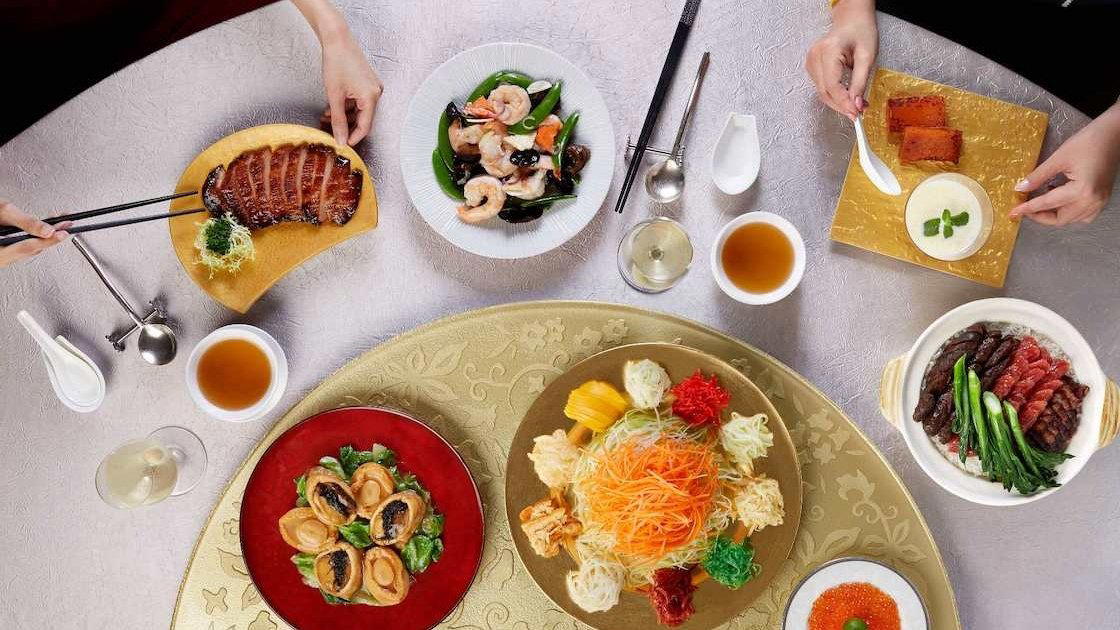
Occasion Dining in a City That Takes Food Seriously
Chengdu has long operated on the understanding that a meal is an event. Birthdays, promotions, family reunions, and business closings are conducted at the table with the same gravity afforded to formal ceremony elsewhere. The restaurants that serve these occasions are not interchangeable: Chengdu diners choose their venue the way they choose a venue for any milestone, with reference to reputation, precision, and setting. It is in this context that 银芭 Yinba, positioned in the Tianfu Science City district, earns its place in the conversation. A 2025 La Liste score of 79.5 points places it within the recognised tier of Chinese fine dining, a credential that carries weight when the occasion demands more than the everyday.
The New Geography of Chengdu's Dining Scene
For decades, the restaurants that commanded attention in Chengdu clustered around Jinli, Kuanzhai Alley, and the older commercial districts of the city's northern and central zones. The southward push into Tianfu New Area and Shuangliu has redistributed that gravity. Science City's lakeside commercial strip now hosts dining addresses that cater to the professional and residential communities that have followed the technology and finance sectors south. 银芭 Yinba sits at湖边商铺1013, a lakeside retail unit that positions the restaurant in that newer geography, away from tourist-facing districts and toward a more local, occasion-conscious clientele.
This shift mirrors a broader pattern visible across Chinese tier-one cities, where the emergence of new business districts generates a parallel demand for fine dining addresses that serve private celebrations and corporate entertaining. The venues that fill this role in Chengdu's southern corridor are not serving reinterpreted tourist Sichuan; they are addressing diners who know the cuisine and expect precision. For those planning a significant meal in the Science City area, the alternatives require a longer journey into the city centre, where Yu Zhi Lan (Sichuan) and Fu Rong Huang (Sichuan) represent the established La Liste-recognised tier.
Sichuan Cuisine as the Language of Celebration
Sichuan cooking is not a single register. The same province that produces street-level doubanjiang-heavy dishes also supports a refined banquet tradition in which heat and complexity are calibrated rather than maximised. The occasion-dining tier of Chengdu's Sichuan restaurants operates in this second register, where the mala spectrum is deployed with restraint and the cooking demonstrates mastery of techniques that casual dining formats rarely require. La Liste's recognition system, which aggregates international and local critical assessments, tends to identify precisely these venues: restaurants where Sichuan's canonical flavour architecture is treated as a discipline rather than a default.
Across the city's recognised dining addresses, the contrast is instructive. At the accessible end, venues like Chen Mapo Tofu on Qinghua Road represent a single-dish institution (¥ tier) built around one preparation taken to a very high level of consistency. At the opposite end, multi-course Sichuan formats at venues carrying La Liste scores require the kitchen to sustain that level across an entire progression of dishes. 银芭 Yinba's 79.5-point score situates it inside that latter group, alongside other Chengdu addresses tracked by international recognition systems. For comparable Sichuan fine dining elsewhere in China, Fang Xiang Jing (Sichuan) and Hokkien Cuisine (Fujian) in Chengdu offer additional reference points within the city's recognised tier.
Where 银芭 Yinba Sits in the Wider Chinese Fine Dining Picture
La Liste's 79.5-point entry for 银芭 Yinba in 2025 places it in the same tracking system that records addresses across China's major cities. In Shanghai, 102 House and in Hangzhou, Ru Yuan occupy equivalent positions in their respective cities' fine dining tiers. In Macau, Chef Tam's Seasons and in Guangzhou, Imperial Treasure Fine Chinese Cuisine represent the same recognition tier applied to Cantonese formats. The point is not that these restaurants are equivalent in style; it is that 银芭 Yinba is operating at a level where international critical systems are paying attention, which matters to diners who use such signals when selecting a venue for occasions that warrant that level of scrutiny.
For Chengdu specifically, the comparison with Xin Rong Ji (Taizhou), a ¥¥¥¥ address with its own La Liste recognition, illustrates how the city's fine dining tier is populated by venues from different regional traditions, not exclusively Sichuan houses. 银芭 Yinba's Sichuan identity within this tier is its specific credential. Internationally, for diners who benchmark Chinese fine dining against global fine dining more broadly, addresses like Le Bernardin in New York City and Atomix in New York City sit within the same La Liste tier and provide a sense of the scoring system's expectations. Chengdu's leading Sichuan kitchens are operating in that tracked conversation, not outside it.
Planning a Meal at 银芭 Yinba
The restaurant is located in Shuangliu District, within Tianfu New Area's Science City commercial zone, at 湖边商铺1013. For visitors based in central Chengdu, this means a southward journey of meaningful distance; those staying in or visiting the Tianfu New Area on business or for other reasons will find it more accessible. For occasions where the stakes are high and the distance from the city centre is a factor, booking in advance is the reasonable assumption for any La Liste-recognised address in Chengdu. For those whose occasion dining plans extend to hotels or bars in the same city, our full Chengdu hotels guide and our full Chengdu bars guide cover the wider planning picture.
For a complete view of the city's recognised dining addresses across cuisines, formats, and price tiers, our full Chengdu restaurants guide maps the scene from street-level institutions to multi-course formats. Those interested in the city's other dimensions can also consult our full Chengdu experiences guide and our full Chengdu wineries guide.
Frequently asked questions
What is the signature dish at 银芭 Yinba (科学城)?
Do I need a reservation for 银芭 Yinba (科学城)?
What makes 银芭 Yinba (科学城) worth seeking out?
Style and Standing
Comparable venues nearby, for context on price, style, and recognition.
| Venue | Cuisine | Price | Awards | Notes |
|---|---|---|---|---|
| 银芭 Yinba (科学城)This venue (the venue you are viewing) | Modern Sichuan Cuisine | Not listed | La Liste Top Restaurants | Not listed |
| Nantangguan Sichuan Cuisine Cultural Restaurant | Refined Sichuan Cuisine | $50–100 | Black Pearl 1 Diamond | Wuhou District |
| YouYun•LuHuiTianFu | Sichuan Cuisine | Not listed | Black Pearl 2 Diamond | Tianfu 1911 |
| Xujia Cai | Modern Sichuan Fine Dining | Not listed | 1 Michelin Star · Black Pearl 1 Diamond | Chengdushi |
| Xinrongji | Taizhou Jiangzhe Fine Dining | $50–100 | Black Pearl 1 Diamond | Wuhou District |
| Yinba | Modern Sichuan Cuisine | Not listed | La Liste Top Restaurants | Suangliuxian |
Recognition history
Dated appearances from independent guides and award organizations, with the underlying list record or original source where available.
La Liste Top Restaurants
La Liste
Continue exploring
More in Chengdu
Restaurants in Chengdu
All restaurants in Chengdu →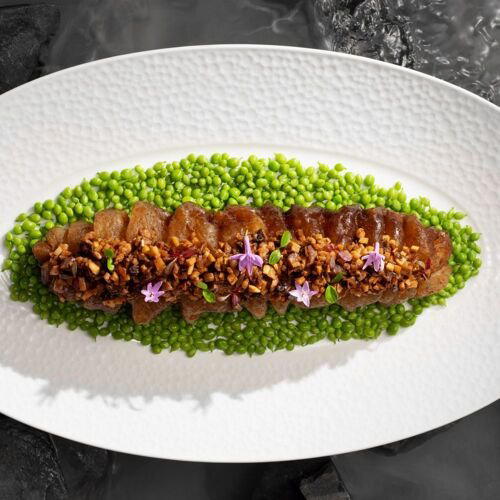
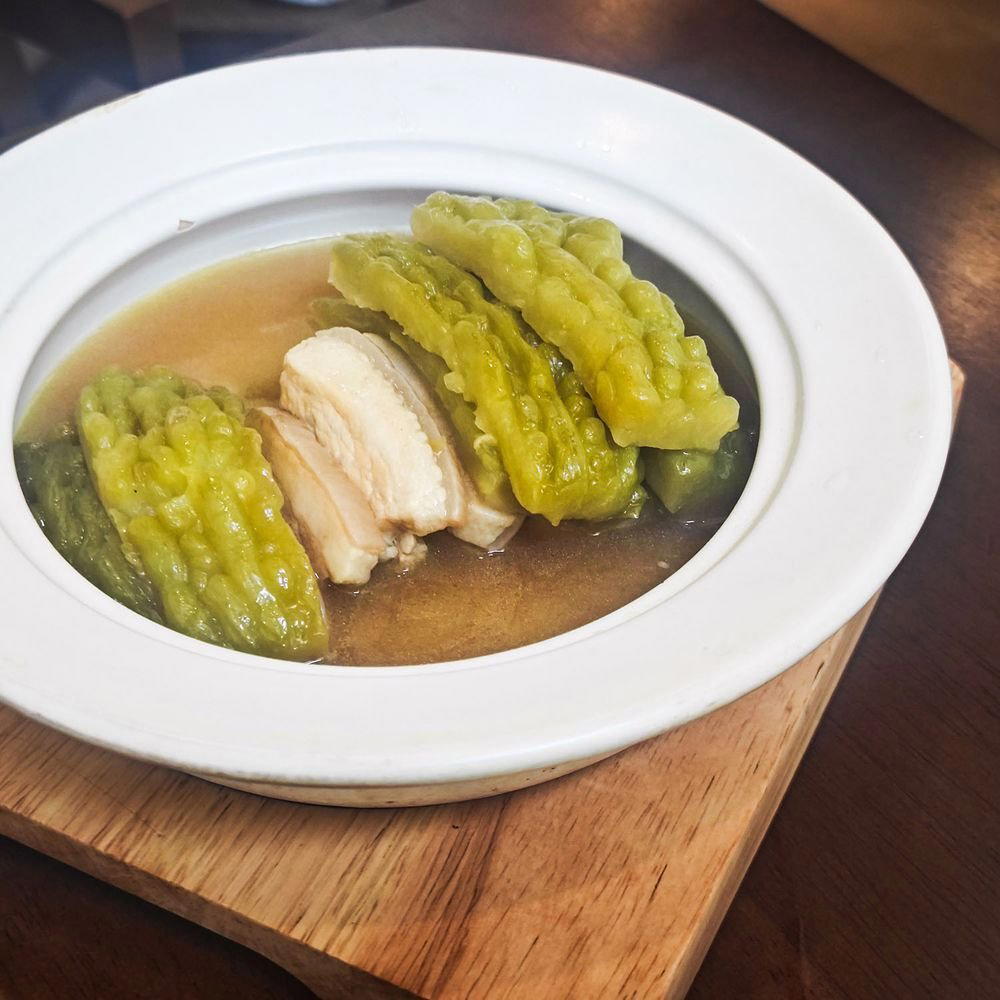
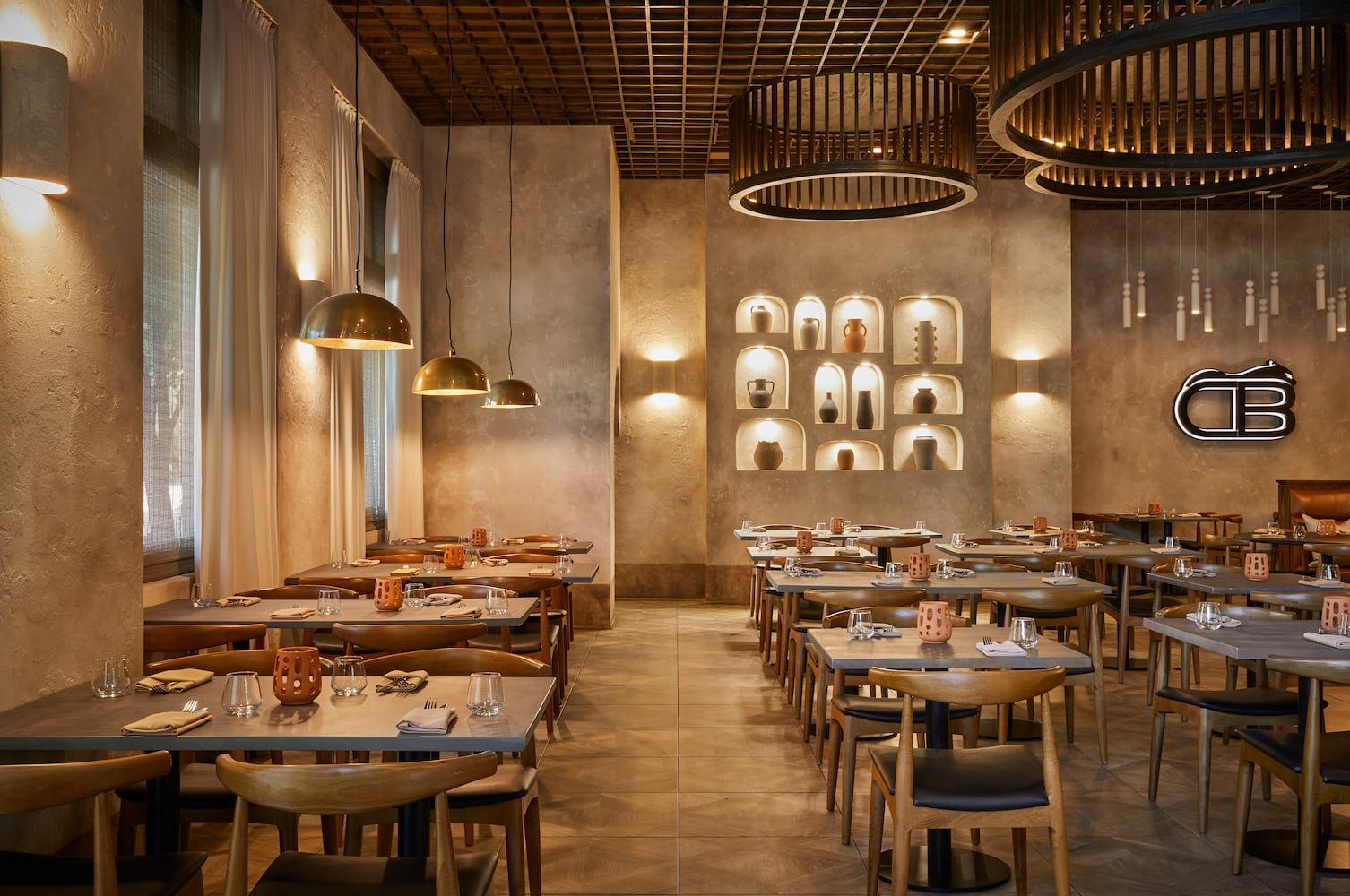
Bars in Chengdu
All bars in Chengdu →
Details
- Elegant
- Intimate
- Sophisticated
- Special Occasion
- Business Dinner
- Private Dining
- A La Carte
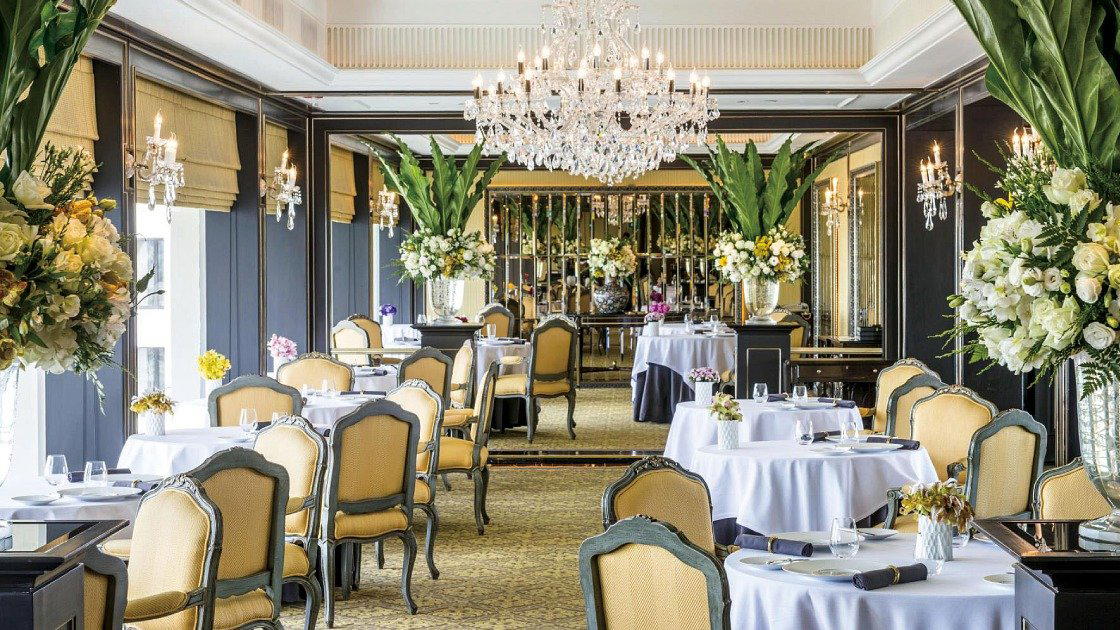
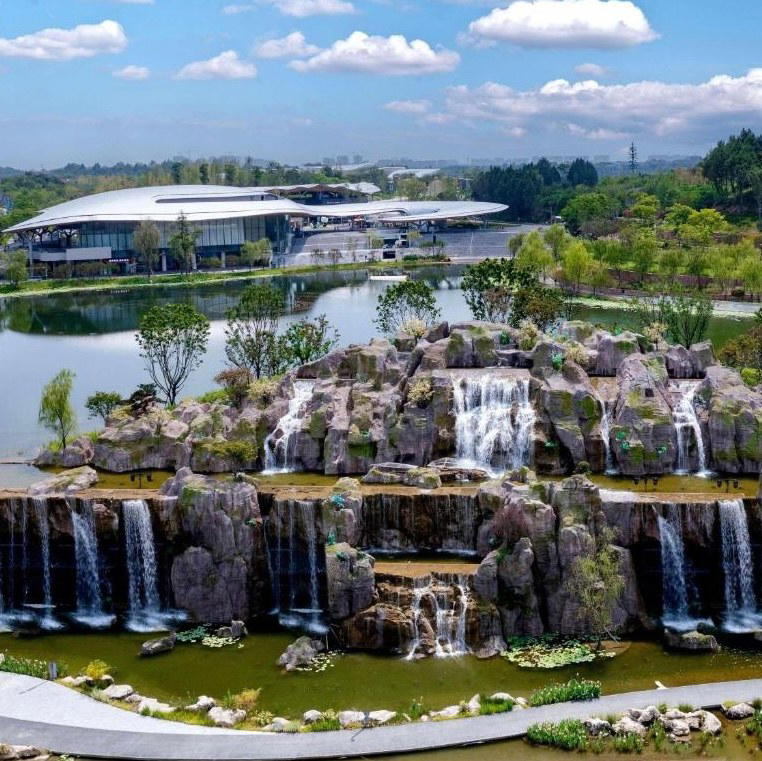
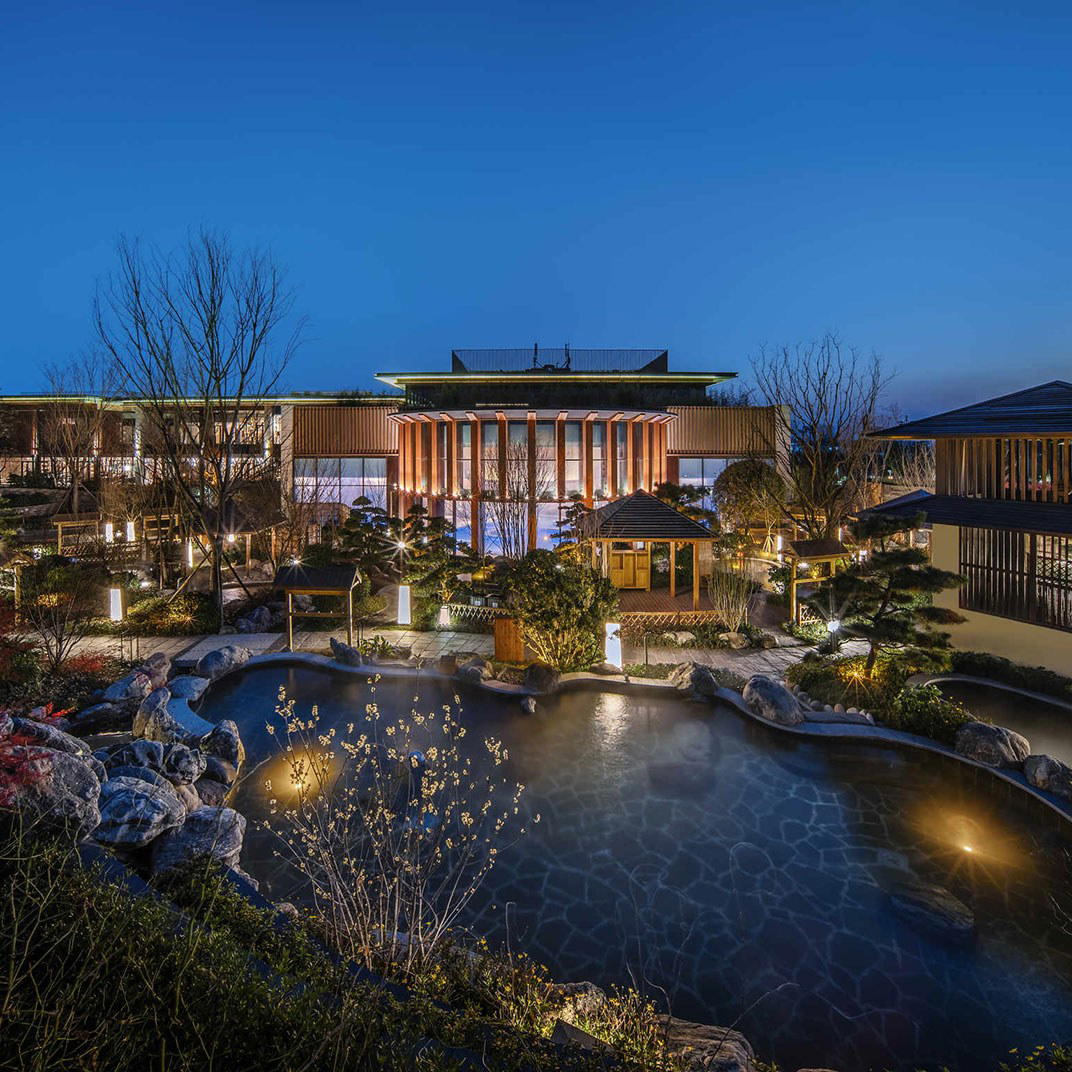
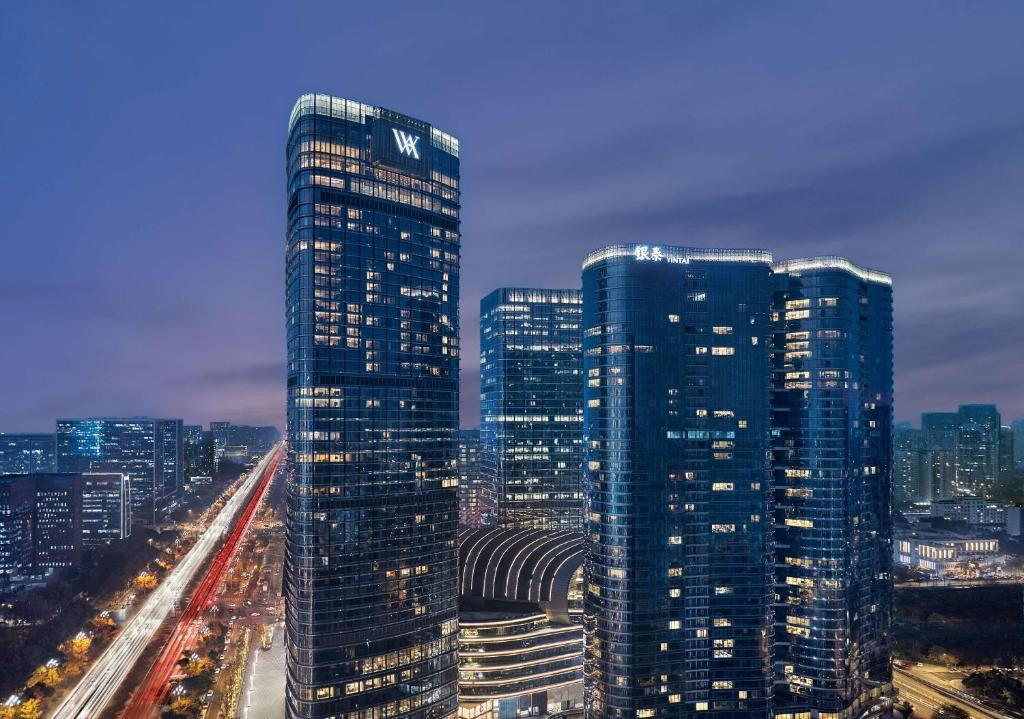
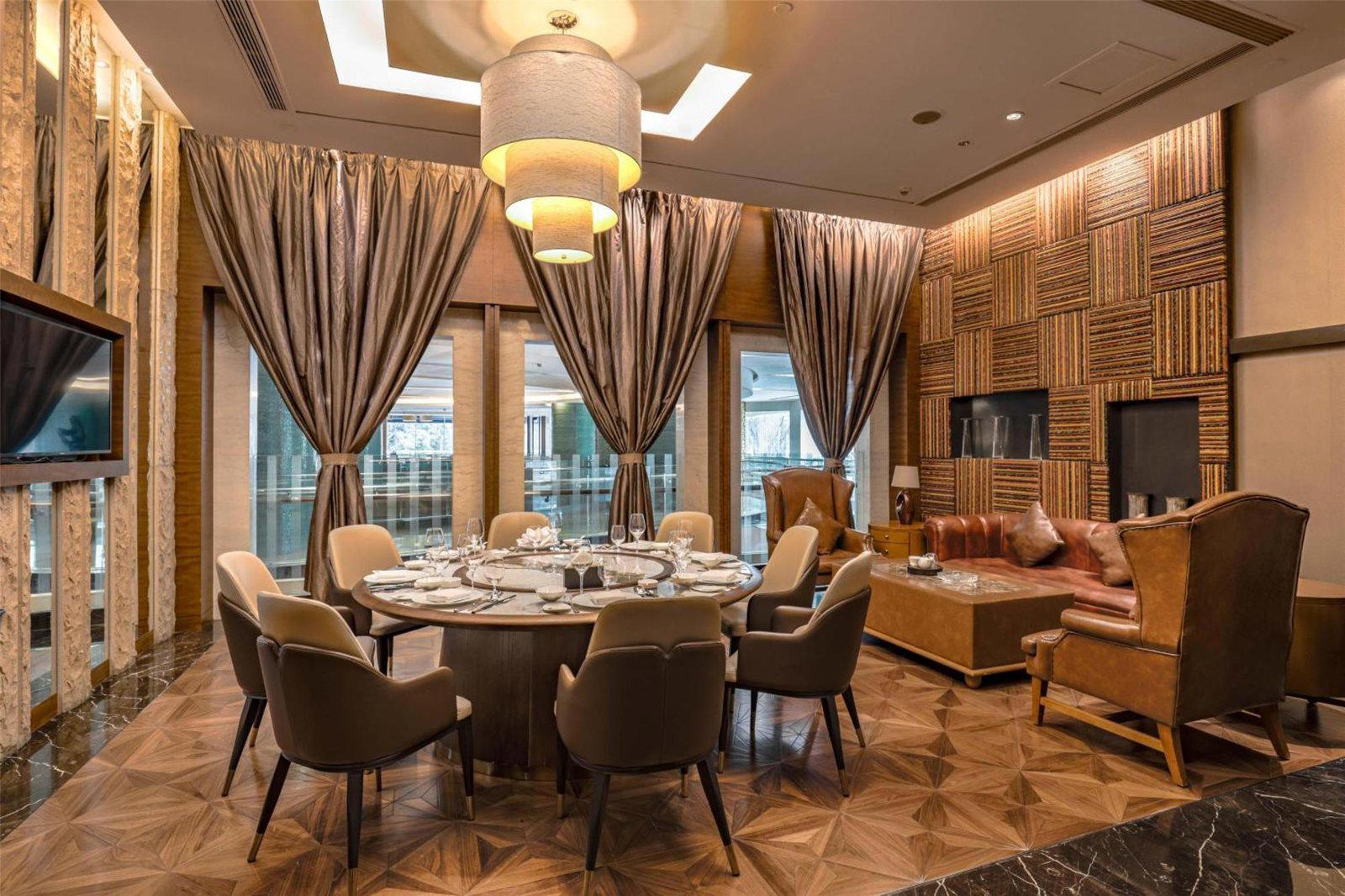
Comfortable dining rooms divided into different areas offering privacy, with a good atmosphere in private rooms.