
Tabelog 100 #6
Our verdict
Yamamoto Mambo belongs to Kyoto’s everyday iron-plate tradition rather than its kaiseki mythology: okonomiyaki and teppanyaki served in a compact, counter-forward room near Kyoto Station. Its Tabelog Okonomiyaki 100 selections from 2022 through 2025 place it in a nationally watched category, while the modest price band keeps the experience grounded in casual Kansai cooking.

Pearl is the En Primeur Club membership app, where members save venues, book tables and use the concierge.
The menu
What to order
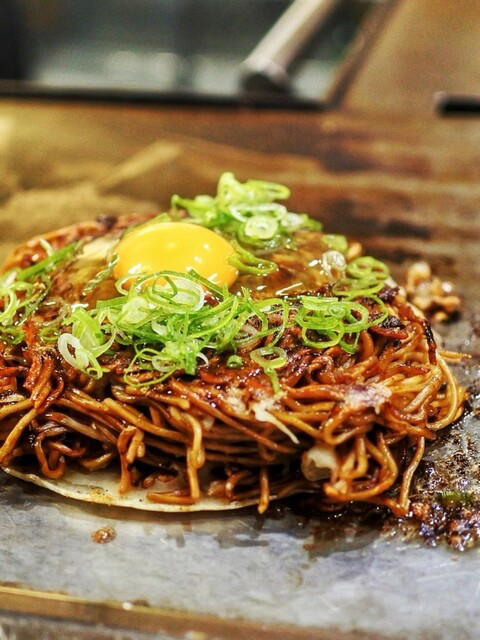
- Manbo-yaki (Kyoto-style okonomiyaki with crispy noodles and offal)
- Okonomiyaki
- Teppanyaki dishes
Approach Yamamoto Mambo in Kyoto and the city’s polished temple-city image gives way to everyday dining rhythms, small dining rooms, and food cooked on iron. Here, okonomiyaki makes more cultural sense than another formal meal: democratic Japanese cooking built from batter, cabbage, sauce, heat, and speed, though serious shops treat the griddle as discipline, not shortcut.
Yamamoto Mambo belongs to that lineage. It does not compete with Kyoto’s ceremonial restaurants; it belongs to the city’s workday table, showing how locals and visitors can eat between errands, appointments, and family obligations. The scale feels compact and direct because okonomiyaki is proximity cuisine. The cooking surface is not merely background; technique, timing, and turnover sit close to the guest, giving the meal a different authority from a tasting counter.
Kyoto's casual-food culture has its own serious canon
Kyoto is often treated as a ceremonial dining city, but its casual-food culture is dense: ramen queues, coffee counters, takeout counters, family restaurants, and small specialists serving residents as much as visitors. Here, a meal can stay in the JPY 1,000 to JPY 1,999 band and still face real selection pressure if the category is competitive.
The Tabelog Hyakumeiten recognition in 2025 is the key trust signal, alongside a listed score of 3.68. It places the shop in a broader okonomiyaki conversation, not just on a convenient Kyoto lunch map. That matters because okonomiyaki is easy to underestimate from outside Japan. The format looks casual, but better rooms are judged on heat control, batter structure, ingredient balance, and keeping a griddle moving without turning the meal into assembly-line food.
Kyoto’s casual spectrum is broad. Honke Daiichi Asahi Honten anchors one everyday dining instinct, while Kaikado Cafe works a calmer café register. Yamamoto Mambo occupies another lane: iron-plate cooking with enough local gravity to reward a planned stop, not just a convenient one. For a wider read on how these categories sit beside sushi counters, kappo rooms, cafés, and drinking dens, see Our full Kyoto restaurants guide, alongside the city’s adjacent travel layers in Our full Kyoto hotels guide, Our full Kyoto bars guide, Our full Kyoto wineries guide, and Our full Kyoto experiences guide.
Okonomiyaki is everyday food, but the format rewards precision
The cooking category is listed as okonomiyaki and teppanyaki, a pairing that says more than a menu label. Okonomiyaki carries the comfort-food associations; teppanyaki supplies the performance logic and technical frame. Pleasure lies not only in richness or sauce, but in the griddle’s management of steam, browning, compression, rest, and texture. A close view of the cooking makes that logic easier to read.
The shop’s appeal gives the place weight without turning into nostalgia. Yamamoto Mambo is best understood as a focused Kyoto specialist rather than a room built around spectacle. In a city where casual addresses face sharper online scrutiny, a recognized okonomiyaki name cannot rely on sentiment alone; its 2025 Hyakumeiten selection suggests the format remains competitive within its category.
This is where Yamamoto Mambo differs from Kyoto restaurants built around quiet ceremony. The relevant comparison is not a multi-course kappo room, but purpose-led casual addresses where the format is narrow and execution carries the visit. Within Kyoto, that could mean other counter-led cooking, everyday comfort-food stops, or contemporary rooms that keep the experience focused. For different registers, the city also offers European-influenced dining, older snack traditions, coffee culture, and specialist counters that show how Kyoto can absorb varied formats without flattening them.
The broader lesson is that Kyoto food culture is not split cleanly between luxury and street food. Its strength lies in specialized repetition. Some addresses polish a single sweet, some serve dumplings, some focus on coffee, and some commit to iron-plate staples. That is why this room belongs in a serious Kyoto itinerary even if the bill sits closer to an everyday meal than a destination dinner.
How to place it in a Kyoto eating day
The practical appeal is clear: Kyoto, casual, and suited to a meal that requires no ceremonial dressing. The listed budget is Dinner: JPY 1,000 - JPY 1,999; Lunch: JPY 1,000 - JPY 1,999, which keeps the decision simple for travelers trying to balance one more formal meal with something more immediate. As with many compact specialists, timing matters when demand builds around a narrow format.
Payment and logistics should be checked directly before visiting, especially for travelers moving between hotels, shops, and transport plans. The category is straightforward, but the experience is still shaped by the usual realities of small Kyoto dining: space, pace, and the rhythm of the griddle. For visitors, that is part of the point rather than an inconvenience.
For travelers reading across Japan, the address fits a national pattern: compact specialists with modest prices can be as revealing as formal dining rooms. Beef-focused cooking, seafood-and-charcoal dining, coffee culture, regional casual formats, and Japanese dining outside Japan all show the same larger idea: focused formats can carry as much cultural information as luxury rooms. Yamamoto Mambo belongs to that practical, specific, category-driven side of eating well.
The editorial case is simple: come for Kyoto’s griddle culture, not ceremony. The reward is a compact expression of Japanese comfort cooking with enough recognition to separate it from a random stop, and enough everyday character to keep the meal from feeling staged for visitors.
Frequently asked questions
What's Yamamoto Mambo's location?
Kyoto.
What does dinner at Yamamoto Mambo typically cost?
Pricing at Yamamoto Mambo is listed as JPY 1,000 - JPY 1,999 JPY 1,000 - JPY 1,999.
When is Yamamoto Mambo open?
Check Yamamoto Mambo directly for current opening hours before visiting.
What's Yamamoto Mambo best at?
Yamamoto Mambo is strongest when you want okonomiyaki in Kyoto without stretching the budget, with dinner and lunch both listed at JPY 1,000–JPY 1,999 and teppanyaki also listed as a category. Its Tabelog Hyakumeiten recognition for okonomiyaki in 2025 is the clearest credential.
Booking and Cost Snapshot
Comparable venues for context, by category and price tier.
| Venue | Cuisine | Price | Awards | Notes |
|---|---|---|---|---|
| Yamamoto MamboThis venue (the venue you are viewing) | Kyoto-style okonomiyaki & teppanyaki | $10–20 | Tabelog 100 #6 | Not listed |
| Kaidashi Men Kitada | Shellfish Ramen | $10–20 | Tabelog 100 #5 | Shimogyō, Shellfish Ramen |
| 熙怡 | Kyoto Saba Sushi | $10–20 | Tabelog 100 #86 | Shimogyō, Kyoto Saba Sushi |
| Kamesuehiro | Traditional Kyoto Wagashi (Japanese Sweets) | Not listed | Tabelog 100 #13 | Nakagyō, Traditional Kyoto Wagashi (Japanese Sweets) |
| Flip up! | Kyoto bakery & bagel shop | $1–10 | Tabelog 100 #58 | Nakagyō, Kyoto bakery & bagel shop |
| Onkashi Tsukasa Shioyoshiken | Traditional Kyoto Wagashi (Japanese confectionery) | $10–20 | Tabelog 100 #91 | Kamigyō, Traditional Kyoto Wagashi (Japanese confectionery) |
Recognition history
Dated appearances from independent guides and award organizations, with the underlying list record or original source where available.
Tabelog 100 #6 · No. 6
Tabelog · Tabelog 100 - Okonomiyaki - 2025
Continue exploring
More in Kyoto
Restaurants in Kyoto
All restaurants in Kyoto →
Bars in Kyoto
All bars in Kyoto →
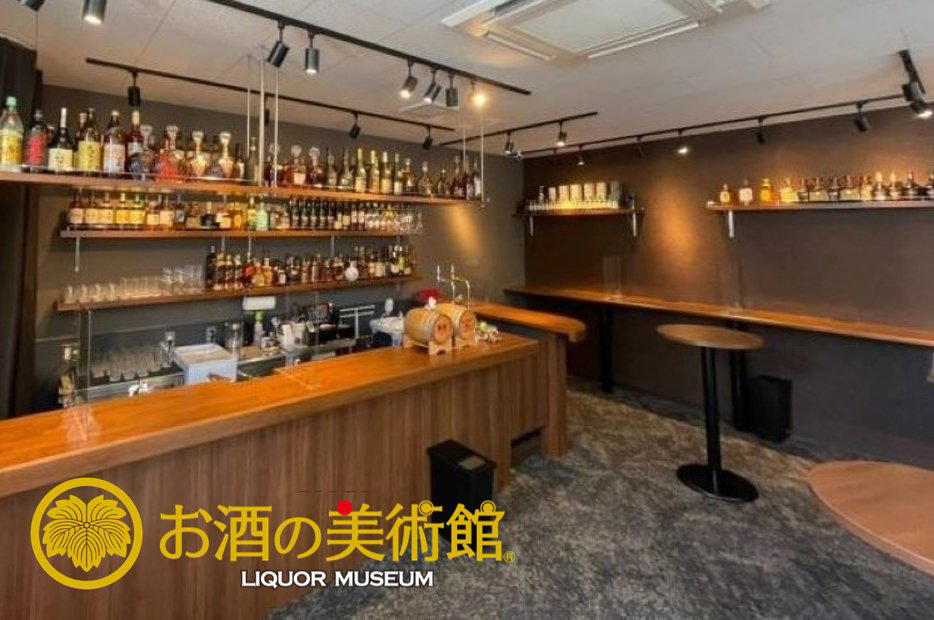
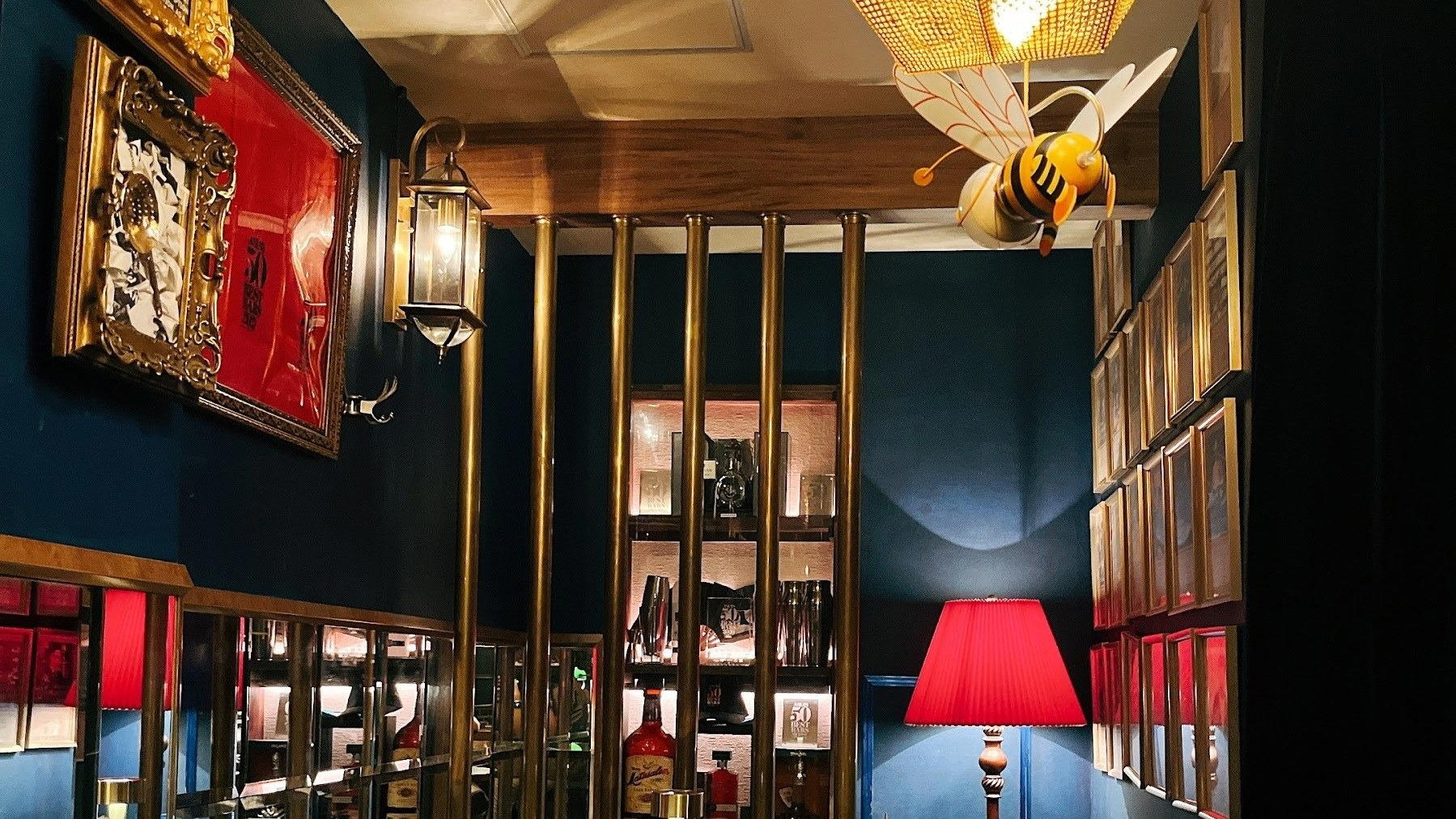
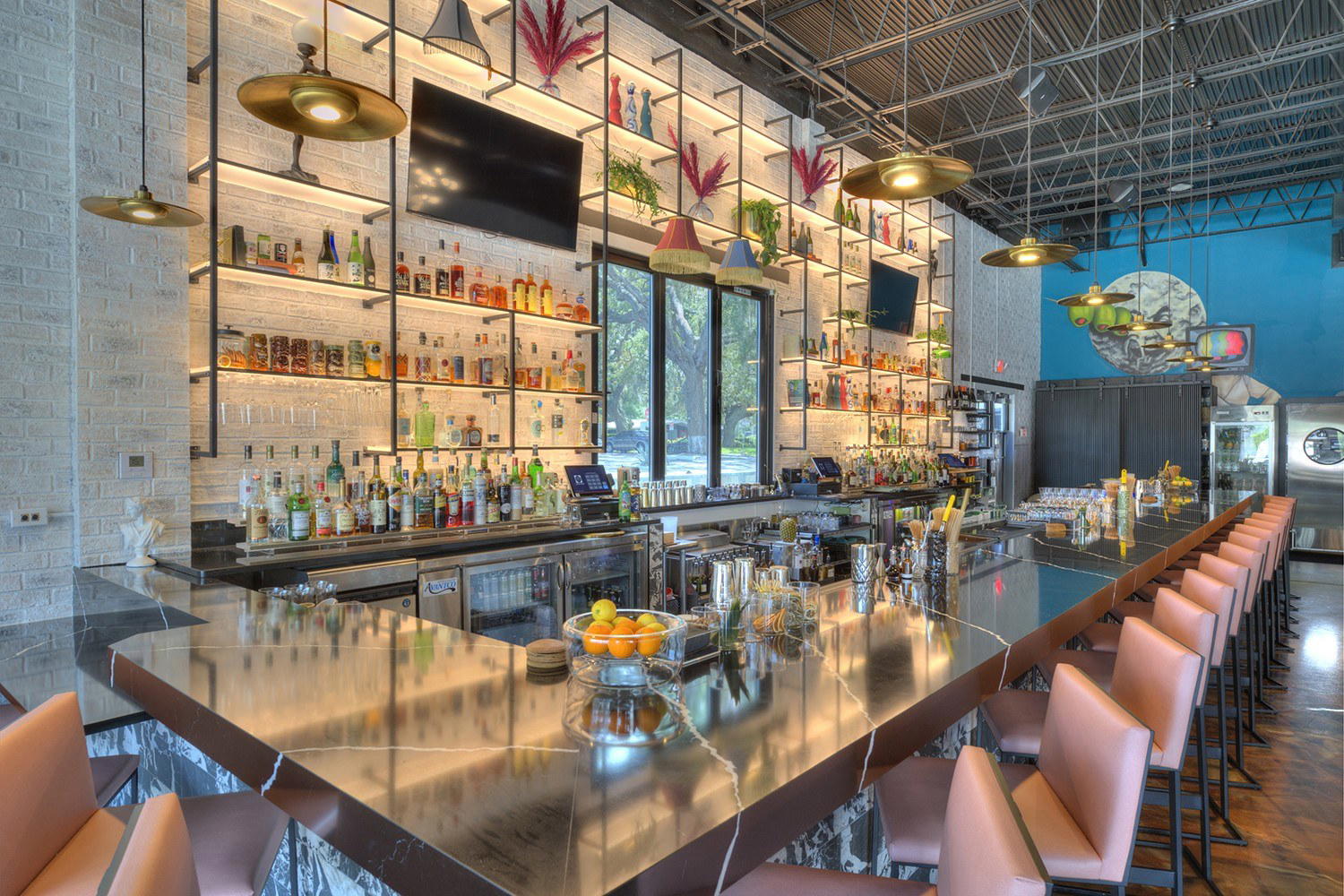
Hotels in Kyoto
All hotels in Kyoto →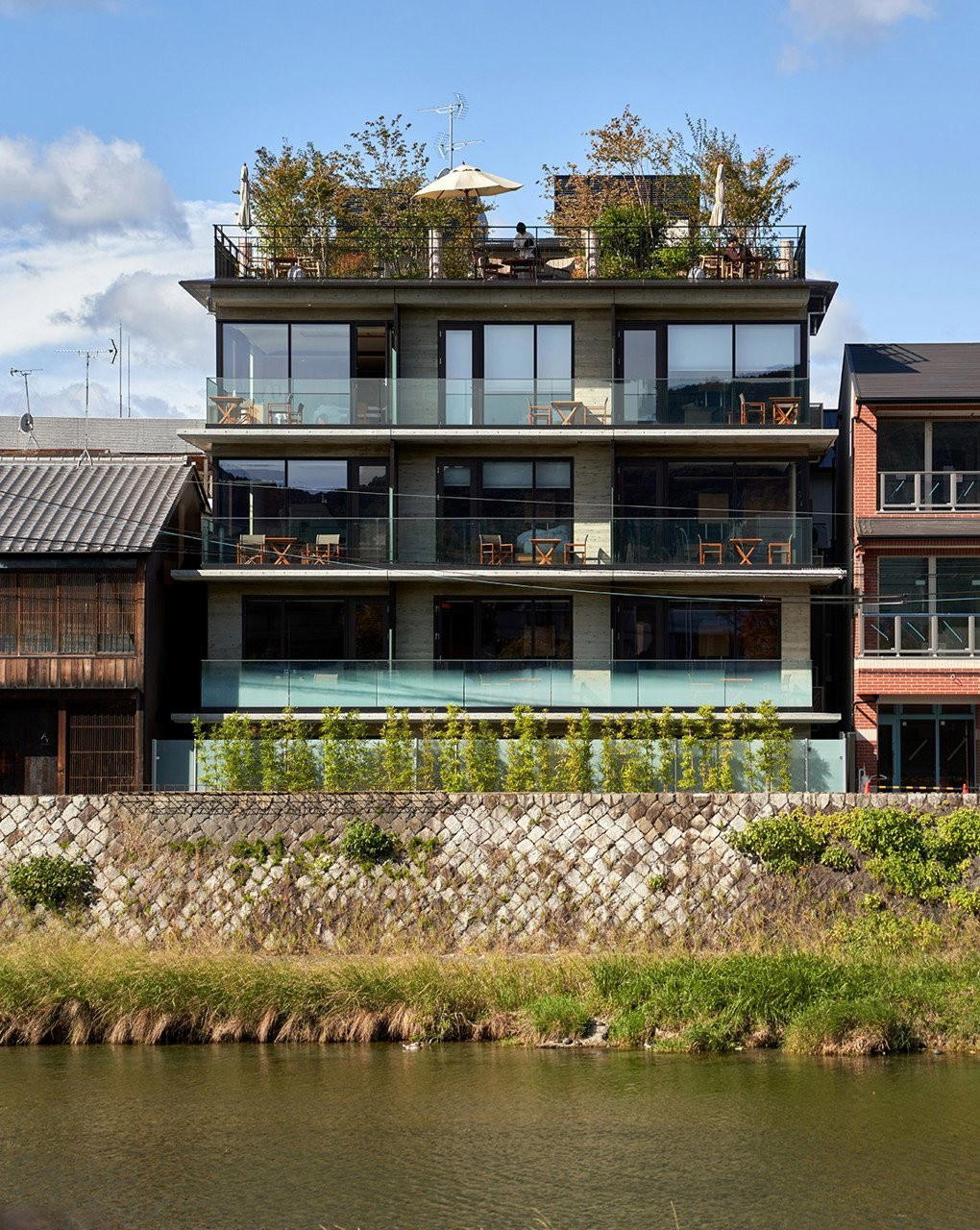
Wineries in Kyoto
Browse all →
Details
- Lively
- Cozy
- Classic
- Casual Hangout
- Solo
- Family
- Group Dining
- Late Night
- Standalone
- Open Kitchen
- Beer Program
- A La Carte
- Counter Dining
- Beer
Current opening hours
- Monday
- 10 AM–9:30 PM
- Tuesday
- 10 AM–9:30 PM
- Wednesday
- Closed
- Thursday
- 10 AM–9:30 PM
- Friday
- 10 AM–9:30 PM
- Saturday
- 10 AM–9:30 PM
- Sunday
- 10 AM–9:30 PM
Hours can change for holidays and private events. Hours as of .