
Tabelog 100 #91
Our verdict
Kyoto’s wagashi culture rewards restraint, seasonality, and precision over spectacle. Onkashi Tsukasa Shioyoshiken belongs to the city’s serious traditional-sweets circuit, with repeated Tabelog 100 recognition for Japanese sweets and a take-out format that suits a daytime Kyoto itinerary rather than a long evening meal.

Pearl is the En Primeur Club membership app, where members save venues, book tables and use the concierge.
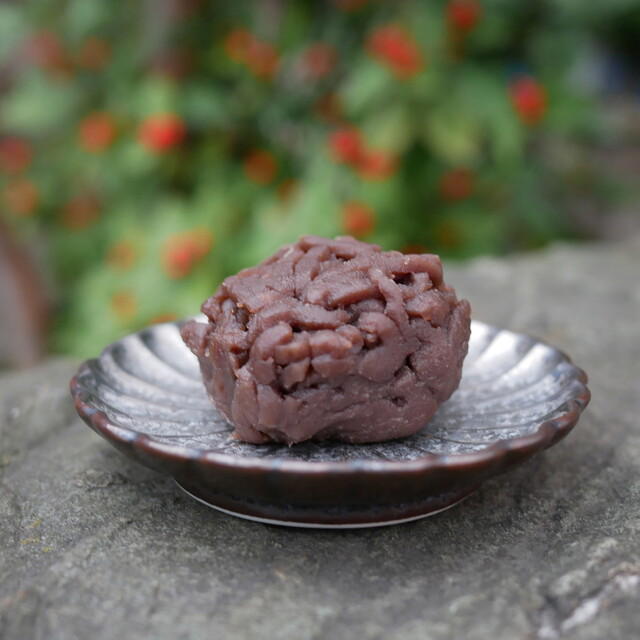
Kyoto changes the pace of eating. Around the city’s older cultural rhythms, food culture is less about neon dining rooms than counters, shopfronts, tea-adjacent sweets, and the quiet arithmetic of seasonality. Wagashi belongs naturally to that rhythm: made for tea, gifting, visits, and short daytime detours rather than the extended theatre of dinner.
Onkashi Tsukasa Shioyoshiken sits inside that older Kyoto register. Its recognition in the Tabelog Hyakumeiten selection in 2023 places it among a narrower group than the city’s restaurant conversation usually covers. Kyoto dining coverage often gravitates toward meal-based restaurants; wagashi asks for a different lens, one based on craft discipline, occasion, and how sweets function within tea culture and domestic ritual.
Daytime wagashi, not dinner theatre
The useful distinction here is not lunch versus dinner in the restaurant sense. It is daytime purchase versus evening meal. Wagashi shops in Kyoto serve a city that still treats sweets as part of a broader cultural schedule: before tea, after a visit, as a seasonal gift, or as something carried home. That makes the format closer to a specialist stop than a destination dinner.
This is where Onkashi Tsukasa Shioyoshiken makes sense in a Kyoto day. The category is Japanese traditional sweets. That matters. A traveller planning the city around long lunches and reservations will misread the experience; the sharper move is to treat it as a focused stop between cultural stops and city walks. The value sits in precision and context rather than duration.
Kyoto has many ways to eat between set meals. A visitor might compare the role of wagashi here with older snack culture or with more contemporary casual stops elsewhere in the city. The point is not that these places do the same thing. It is that Kyoto’s daytime eating has its own hierarchy, and the city rewards travellers who leave room for it.
What recognition says about Kyoto sweets
Wagashi does not compete on the same terms as tasting-menu restaurants. There is no need for a long chef biography when the category itself carries the argument: Kyoto sweets are measured by technique, season, form, and the ability to communicate occasion through small objects. Selection in the 2023 Tabelog Japanese traditional sweets category gives the shop a clear trust signal within a field where casual visitors often lack a vocabulary for judging quality.
That recognition also helps separate specialist sweets culture from Kyoto’s broader dining field. Meal-based venues such as Masumasu Masuda or Yusokuryori Mankamero belong to one kind of itinerary; a pastry-leaning stop like OHAYO biscuit works in another register again. Onkashi Tsukasa Shioyoshiken is useful because it keeps the reader inside the wagashi lane, where the purchase is smaller but the cultural signal is dense.
For travellers building a Kyoto food day, the comparison is practical. A reserved table, a casual bite, or a European meal elsewhere in the city answers hunger in a conventional way. Wagashi answers a different question: how Kyoto encodes season, hospitality, and restraint into something portable.
How to fit it into a Kyoto itinerary
The smart approach is to place this kind of stop early in the day, before the schedule becomes restaurant-led. Kyoto is not one single dining proposition; some of its most rewarding food stops are better suited to deliberate routing than spontaneous bar-hopping. That city context is part of the appeal. Kyoto’s older food culture often sits slightly away from the easiest tourist flows.
Because the category is sweets, this is also a lower-commitment entry point into Kyoto food culture than a formal booking. It suits travellers who want a precise local signal without turning every meal into an event. Families may also find a sweets-focused stop easier than a long counter dinner, while serious food travellers get a clean example of how Kyoto’s sweet-making tradition sits beside, rather than beneath, its restaurant culture.
Use it as one piece of a wider Kyoto map rather than the whole plan. For dining context, see Our full Kyoto restaurants guide; for stays, Our full Kyoto hotels guide; for late-day drinking, Our full Kyoto bars guide; for regional wine context, Our full Kyoto wineries guide; and for cultural planning beyond meals, Our full Kyoto experiences guide.
For readers comparing Japanese food travel beyond Kyoto, the contrast is useful: beef-focused dining, charcoal cooking, café culture, regional dining, Vietnamese cooking, curry specialization, sake-led dining, and Japanese casual formats abroad all frame the same point from another angle. Kyoto’s wagashi tradition is quieter, but it is not secondary. It is one of the city’s clearest measures of taste.
Frequently asked questions
Is Onkashi Tsukasa Shioyoshiken better for a quiet night or a lively one?
It is a Japanese traditional sweets shop in Kyoto, so it is better understood as a calm sweets-focused stop than as an evening-out venue.
What are the opening hours for Onkashi Tsukasa Shioyoshiken?
Specific opening hours are not provided here. Check the venue's official channels for the latest details.
Is Onkashi Tsukasa Shioyoshiken expensive?
Pricing at Onkashi Tsukasa Shioyoshiken is listed as JPY 1,000 - JPY 1,999 - JPY 999 View spending breakdown.
Where do I go for Onkashi Tsukasa Shioyoshiken?
Kyoto.
What has Onkashi Tsukasa Shioyoshiken built its reputation on?
Its clearest credential is selection for Tabelog Hyakumeiten in 2023, with the listed category of Japanese traditional sweets.
Is Onkashi Tsukasa Shioyoshiken good for vegetarians?
Onkashi Tsukasa Shioyoshiken is listed as a Japanese traditional sweets specialist. Vegetarian suitability is not specified here, so check the venue's official channels for the latest details.
Reputation First
Comparable venues at similar price and category levels.
| Venue | Cuisine | Price | Awards | Notes |
|---|---|---|---|---|
| Onkashi Tsukasa ShioyoshikenThis venue (the venue you are viewing) | Traditional Kyoto Wagashi (Japanese confectionery) | $10–20 | Tabelog 100 #91 | Not listed |
| Mitsubachi | Traditional Japanese sweets café (anmitsu & kakigori) | $10–20 | Tabelog 100 #33 | Kamigyō |
| Gyoza Hohei Gion honten | Gyoza specialty shop | $10–20 | Tabelog 100 #38 | Higashiyama |
| Senmon Ten Gion honten | Kyoto Gion one‑bite gyoza specialty shop | $20–30 | Tabelog 100 #18 | Higashiyama |
| Menya Takakura Nijou | Kyoto ramen and tsukemen shop | $10–20 | Tabelog 100 #66 | Nakagyō |
| Honke Gepaikeya Naomasa | Traditional Kyoto Wagashi & Mochi Shop | $10–20 | Tabelog 100 #24 | Nakagyō |
Recognition history
Dated appearances from independent guides and award organizations, with the underlying list record or original source where available.
Tabelog 100 #91 · No. 91
Tabelog · Tabelog 100 - Japanese traditional sweets / Japanese sweets cafe - WEST - 2023
Continue exploring
More in Kyoto
Restaurants in Kyoto
All restaurants in Kyoto →


Bars in Kyoto
All bars in Kyoto →


Hotels in Kyoto
All hotels in Kyoto →



Wineries in Kyoto
Browse all →
Details
- Classic
- Quiet
- Well Known
- Solo
- Family
- Casual Hangout
- After Work
- Historic Building
- Standalone
- Local Sourcing
- A La Carte
Current opening hours
- Monday
- 9 AM–5:30 PM
- Tuesday
- 9 AM–5:30 PM
- Wednesday
- 9 AM–5:30 PM
- Thursday
- 9 AM–5:30 PM
- Friday
- 9 AM–5:30 PM
- Saturday
- 9 AM–5:30 PM
- Sunday
- Closed
Hours can change for holidays and private events. Last verified .
A calm, traditional Kyoto wagashi shop atmosphere with a modest storefront in a historic Nishijin neighborhood, simple interior focused on the display of seasonal confections rather than seating, giving a quiet, classic and slightly formal feel.