
Yakiniku Koyo sits in Osaki’s practical, station-led dining orbit rather than Tokyo’s showier restaurant districts. The appeal is a tightly focused yakiniku format: Japanese barbecue, dinner spending around JPY 8,000–9,999, and recognition on Tabelog’s Yakiniku Tokyo 100 for 2025, with earlier selection in the Grill Tokyo 100 in 2024.
Pearl is the En Primeur Club membership app — saves, bookings, and concierge access live there. Same editors, same standards.
- Address
- 東京都品川区大崎3-6-7
- Phone
- +81334939272
- Website
- tabelog.com
 Saves & bookings on Pearl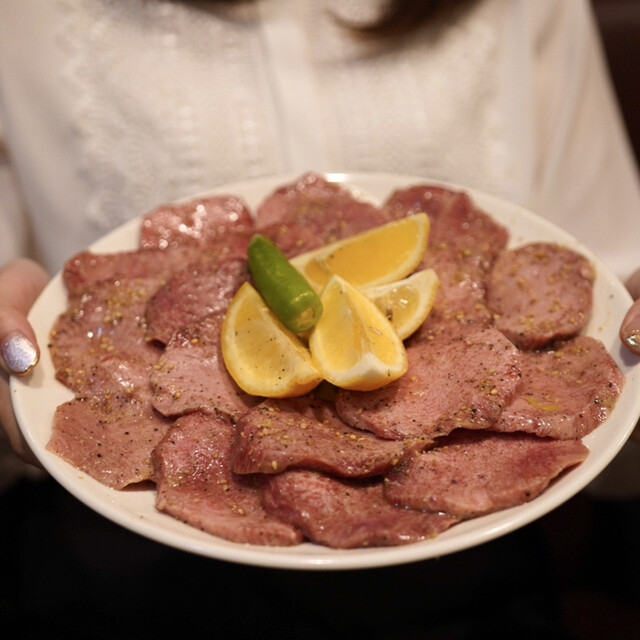
Osaki does not announce dinner with Ginza polish or Ebisu nightlife theatre. It moves at commuter rhythm: office exits, station concourses, small side streets, and restaurants built on repeat local demand rather than destination spectacle. That context matters for yakiniku. Tokyo barbecue ranges from celebratory wagyu counters to casual smoke-heavy group rooms. Yakiniku Koyo sits in the narrower middle-premium tier, where the meal depends on careful ordering, table heat, and pacing rather than a chef-led tasting script.
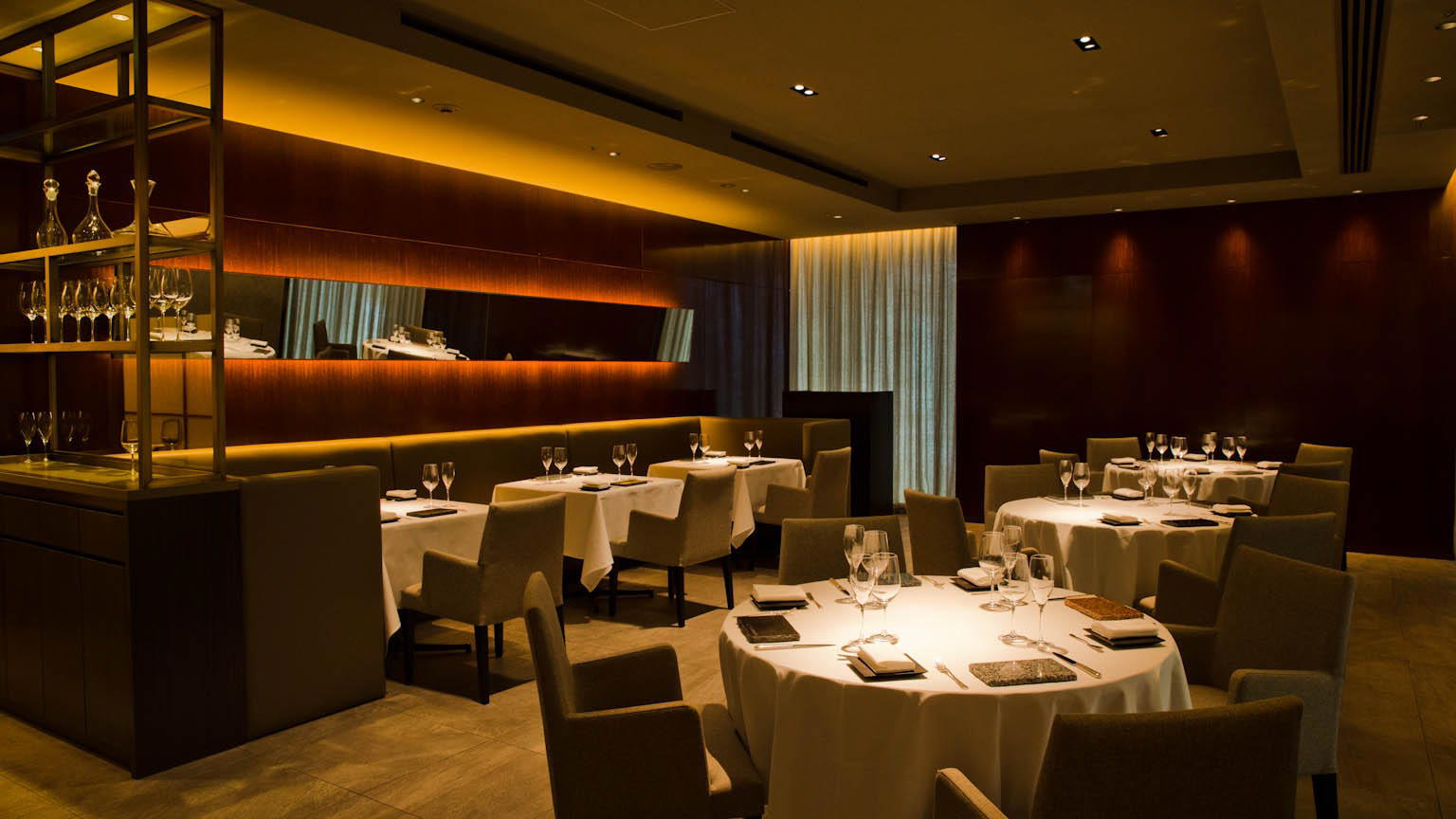
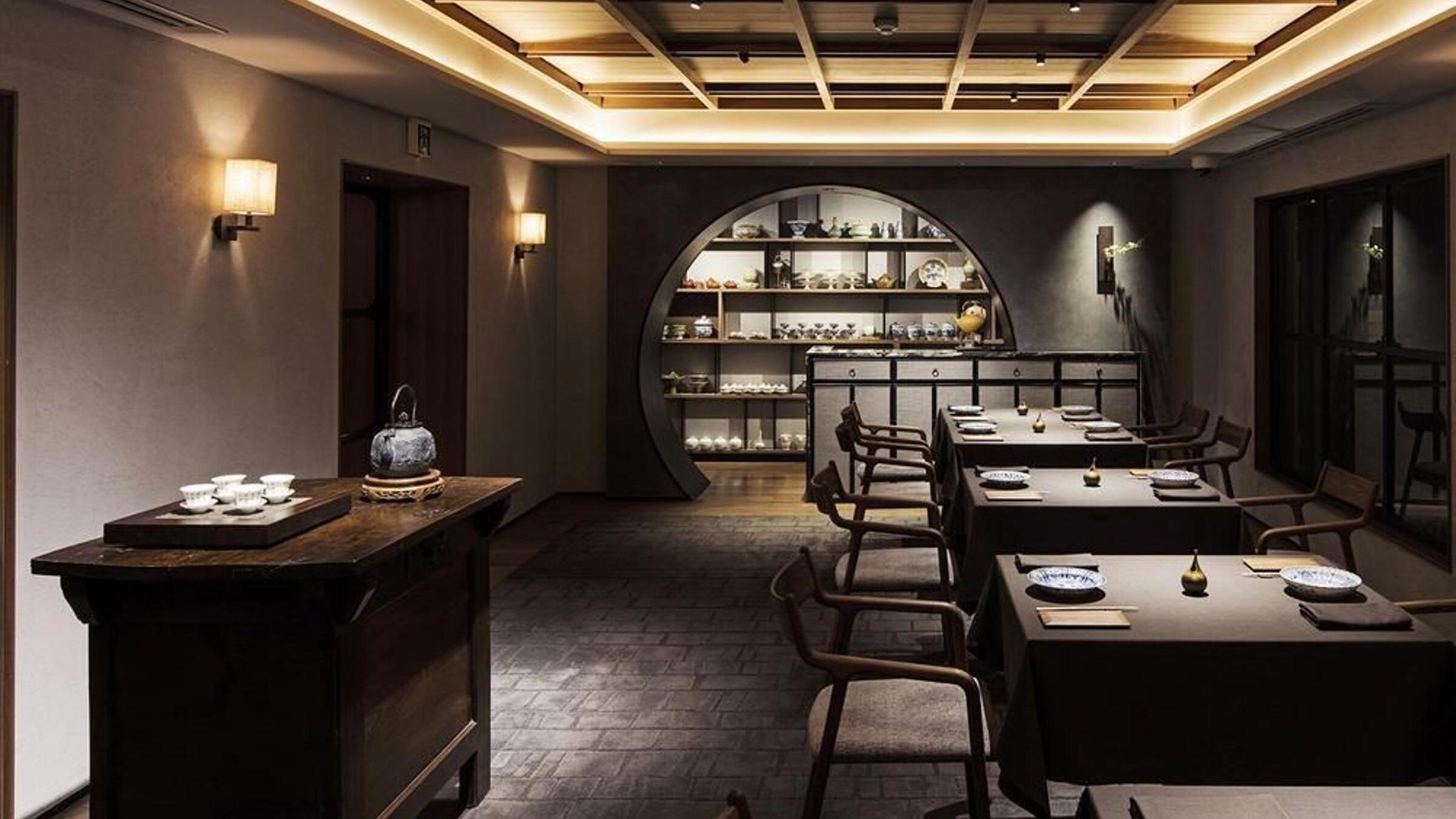
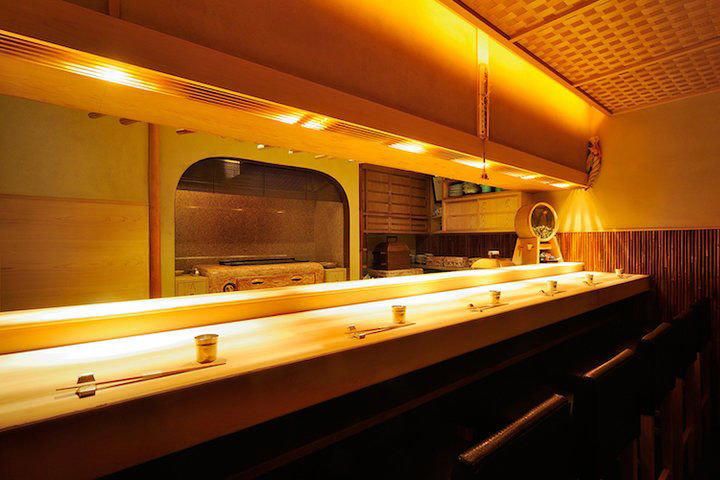
The room is described as a house restaurant, useful in a city where yakiniku can swing from basement intensity to polished private-room dining. Here the format reads controlled and social: non-smoking, no private rooms, no private use, and an occasion profile pointing toward friends. That places it closer to everyday Tokyo seriousness than expense-account ceremony. The address in Shinagawa’s Osaki area, close to Osaki Station, also frames the choice: not a long cross-town pilgrimage for atmosphere alone, but a focused barbecue dinner in a neighbourhood that rewards precision.
A yakiniku format built around ordering discipline, not performance
Yakiniku is often misunderstood by visitors as simply Japanese barbecue at the table. In Tokyo, better rooms are judged by sourcing, cut selection, grill management, sauce balance, ventilation, and sequence. Menus usually ask diners to think by category: lean cuts before richer ones, salted preparations before sauced, offal if the room has confidence in freshness, rice and soup as pacing tools rather than afterthoughts. No named signature dish is needed. The appeal is the format: heat, meat, timing, and restraint.
Yakiniku Koyo’s public category is Yakiniku (Japanese BBQ), and dinner spend is JPY 8,000–9,999. In Tokyo, that bracket matters: above casual chain yakiniku and below rarefied rooms where branded beef programs and private rooms push bills much higher. The comparison is not omakase sushi or kaiseki, where the restaurant controls the arc. Yakiniku returns responsibility to the table, which makes confident ordering essential. Value lies in how much quality and control the room delivers before the bill enters Tokyo’s heavier celebratory tier.
Recognition gives the address a firmer place in the city’s barbecue map. Selection for Tabelog’s Yakiniku Tokyo 100 in 2025, after selection for Grill Tokyo 100 in 2024, places it inside a crowded category where local diners scrutinize small differences. Tabelog’s 3.71 score is another useful marker in Japan’s rating culture, where high scores are hard-earned and category-specific. Awards are not a substitute for appetite, but in yakiniku they help separate disciplined neighbourhood specialists from places trading only on beef terminology.
Osaki gives the meal a different tempo from central Tokyo dining districts
Location shapes use. Osaki sits in Shinagawa’s orbit, connected by the JR Yamanote Line and built around workday flows rather than late-night wandering. That makes this yakiniku effective for a planned small-group dinner. The schedule concentrates service into weekday evenings, an earlier Saturday window, and Sunday closure, tighter than all-purpose dining districts chasing several waves. Saturdays carry a specific constraint: reservations are not accepted.
The practical profile is plain and useful. Payment is cash-oriented; credit cards, electronic money, and QR code payments are unavailable. Parking is unavailable. Children are not part of the stated dining policy. None of this should surprise anyone familiar with serious small-format Tokyo restaurants, but it affects planning. The smarter reading is not inconvenience; it is focus. A restaurant with this profile expects diners to know the rules before arriving, then let the grill work.
For travellers building a wider Tokyo itinerary, this is a different register from the city’s counter-dining canon. It sits nearer the local-specialist model than the trophy-reservation model. Within the supplied Tokyo comparison set, Koko ni Motodaka occupies a similar JPY 8,000–9,999 spend band, while Shokudo Todaka and Tachinomi Todaka sit higher at JPY 10,000–14,999. That does not make one category superior; it shows how Tokyo’s mid-to-high dining economy is segmented by format. Yakiniku spends money on ingredients and turnover at the grill. Izakaya-adjacent and course-led rooms spend it on sequence, drinks, and a longer seated arc.
How to place it in a Tokyo food itinerary
Yakiniku Koyo makes most sense when the evening calls for concentration without ceremony. It suits diners who understand Tokyo barbecue is interactive: the table manages heat, timing, and appetite. The lack of private rooms and friends-oriented occasion profile point to a social meal, not a hushed business dinner. The non-smoking policy and spacious-seating description also matter in a category historically associated with smoke and density.
Tokyo rewards this specificity. A visitor could spend days chasing genre-defining counters, but the deeper pleasure is often choosing the right format for the right night. For a broader map, use Our full Tokyo restaurants guide, then place this dinner alongside other low-to-mid and specialist formats such as . 鮪と炭火焼き うお炭 秋葉原店, 12/10 Shinjuku ten, 124. KAGURAZAKA (Yakitori), 2D Cafe, and 3 Chome no Curry Ya San. The city context extends beyond restaurants too: Our full Tokyo hotels guide, Our full Tokyo bars guide, Our full Tokyo wineries guide, and Our full Tokyo experiences guide help frame the rest of the trip.
For a national comparison of how Japanese dining formats travel across regions, keep an eye on -Grilled beef Sukiyaki- KAMAKURA TANUKIAN 鎌倉 たぬき庵 in Kamakura.cafe in Osaka.know in Kumamoto, (Shoku) Vietnam in Kawasaki, [Curry Senmon Ten] Maruyama Kyoju. in Sapporo, and [ki:] in Kyoto. For Japanese food culture seen from abroad, Jōdo Saké Bar in Los Angeles and Onigiri Time in Pasadena offer useful counterpoints.
Comparable Options
Side-by-side context: comparable cuisine and price.
| Venue | Cuisine | Price | Notes |
|---|---|---|---|
| Yakiniku KoyoThis venue — the venue you are viewing | Traditional Yakiniku (Japanese BBQ) | $$$ | Not listed |
| はなぶさ 麻布十番店 | Kansai-Style Charcoal-Grilled Unagi | $$$ | Azabu-Juban |
| Sushiya Ono | Edomae Sushi | $$$ | Shibuya |
| Igarashi | Traditional Japanese Fugu Kaiseki | $$$ | Shibuya |
| Oni Tei | Traditional chicken yakiniku / yakitori in Shibuya | $$$ | Shibuya |
| MO-MO-PARADISE Shibuya Koendori | Shabu-Shabu & Sukiyaki All-You-Can-Eat | $$$ | Shibuya |
Recognition history
Dated appearances from independent guides and award organizations, with the underlying list record or original source where available.
Tabelog 100 #100 · No. 100
Tabelog · Tabelog 100 - Yakiniku - TOKYO - 2025









At a Glance
- Cozy
- Lively
- After Work
- Casual Hangout
- Group Dining
- Date Night
- Standalone
A stylish yet relaxed house-style yakiniku restaurant with non-smoking, spacious seating; the atmosphere feels cozy and comfortable, popular for casual dinners with friends rather than formal occasions.