Yakiniku Gen East Village
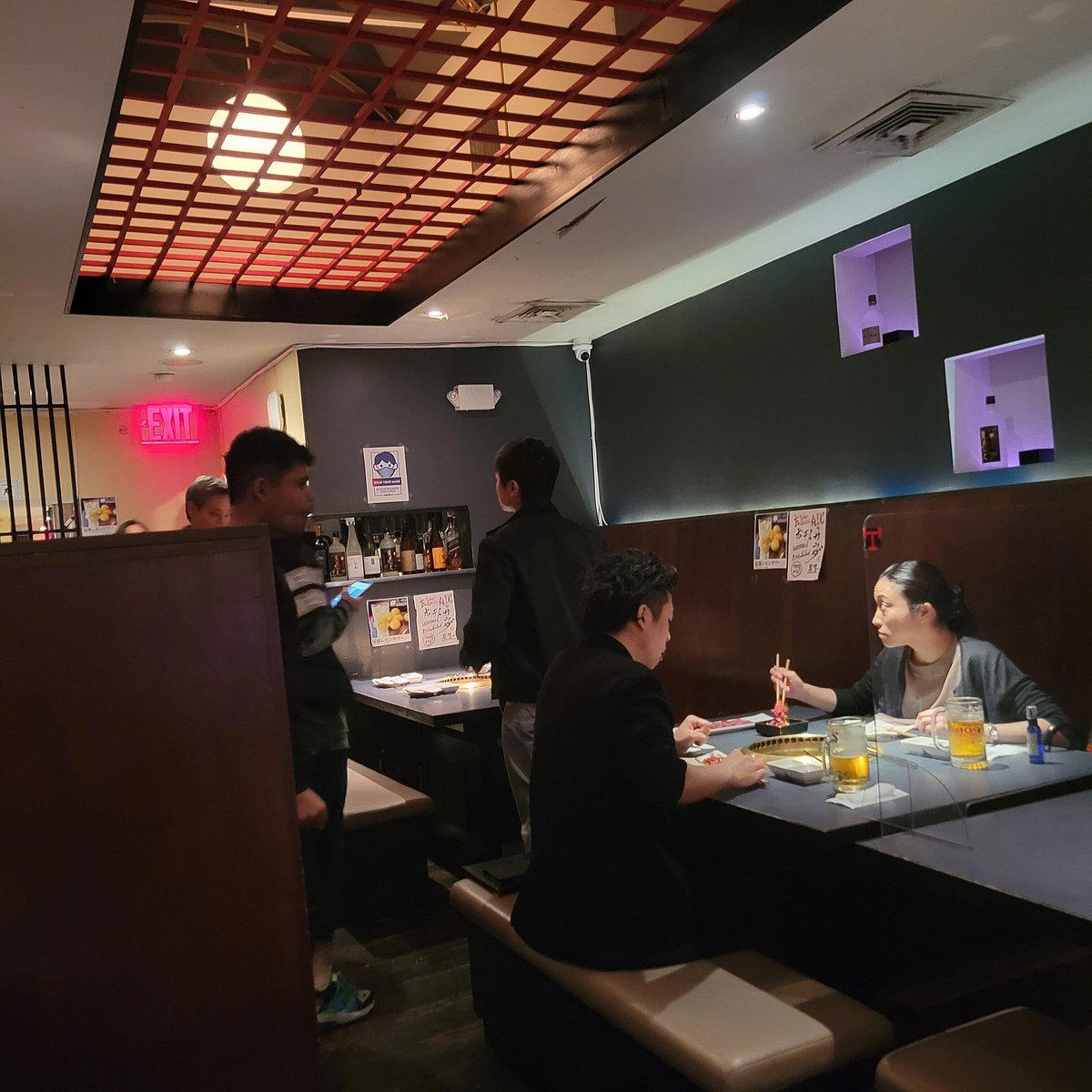
Yakiniku Gen brings the precision of Japanese tabletop grilling to East Village at 218 E 9th Street, occupying a quieter register than the neighbourhood's louder dining crowd. The format centres on quality cuts presented for self-grilling, a tradition that rewards attentive diners over passive ones. For New York's broader Korean and Japanese grill scene, it sits as a neighbourhood-level counter-point to the high-production yakiniku rooms further uptown.
 Discover on Pearl
Pearl is the En Primeur Club membership app — saves, bookings, and concierge access live there. Same editors, same standards.
- Address
- 218 E 9th St, New York, NY 10003
- Phone
- +16466610582
- Website
- yakinikugen.com
East Village and the Case for Neighbourhood Yakiniku
New York's yakiniku scene has historically clustered around Koreatown on 32nd Street, where volume, ventilation systems, and mid-range pricing define the format. The outliers are the venues that have moved into residential neighbourhoods, trading the district's foot traffic for a more deliberate clientele. Yakiniku Gen on East 9th Street sits in the East Village, where the dining room isn't competing with the density of Midtown's barbecue corridor. The address alone signals a different kind of evening: quieter, more considered, and without the queue mechanics that define the 32nd Street experience.
That geographic separation matters more than it first appears. The East Village has long supported a range of Japanese and Japanese-adjacent formats, from ramen counters to sake bars, and the neighbourhood's dining culture tends toward regulars over tourists. A yakiniku room here draws from a different reservation pool than one in the Koreatown cluster, and the result is a dining room where the format itself has room to breathe. In that context, Yakiniku Gen functions less as a destination grill house and more as a neighbourhood anchor for a specific kind of meal.
For context on what New York's premium end looks like, counters such as Masa and tasting formats like Atomix or Jungsik New York represent the city's most structured Japanese and Korean fine-dining tiers. Yakiniku Gen occupies a different register entirely: informal, participatory, and priced for repeat visits rather than special occasions.
The Lunch and Dinner Divide in Yakiniku Service
Yakiniku as a format behaves differently depending on the time of day, and that divide is more pronounced in neighbourhood rooms than in high-volume grill houses. At dinner, the experience is social and paced: cuts arrive in sequence, smoke accumulates pleasantly, and the meal extends over ninety minutes or more without pressure. The grill becomes a focal point for conversation in a way that a plated tasting menu structurally cannot be. At lunch, the same format compresses. Portions are typically smaller, the pace quickens, and the value calculus shifts toward efficiency rather than leisure.
For East Village workers and locals, a midday yakiniku service offers something relatively rare in the neighbourhood: a hot, protein-forward meal that doesn't require thirty minutes of queue time. The dinner version of the same room rewards those who arrive with a reservation and time to commit. Neither service is better in the abstract; they serve different decisions. If the evening is available, the longer format is the one that justifies the format's logic. If the calendar is tight, lunch represents a practical entry point into a cuisine that typically demands more of a diner's evening. Yakiniku Gen is open daily from 12 to 11 PM, making it easy to plan around either lunch or dinner.
This lunch-versus-dinner split mirrors patterns visible at other participatory dining formats across American cities. The communal grill tradition in Korean and Japanese cuisine is fundamentally a slow-food format that has been adapted, with varying success, into fast-casual frameworks. The venues that maintain the original format's integrity tend to keep dinner as the primary experience and treat lunch as an accessible but secondary offering. Yakiniku Gen's East Village positioning suggests a similar approach, even if the specifics of its service schedule require direct confirmation before planning.
Where Yakiniku Sits in New York's Broader Grill Tradition
American barbecue and Japanese yakiniku share the tabletop grill as a conceptual object but diverge sharply in execution. Yakiniku prioritises thin, precisely cut meat cooked quickly over high heat, with emphasis on the quality of individual cuts rather than the cumulative result of long smoke. In New York, the format arrived through the Korean barbecue tradition before Japanese-style yakiniku carved out its own following among diners interested in the finer cut distinctions: wagyu grades, tongue preparations, harami versus skirt, the logic of fat-to-lean ratios at different temperatures.
That specificity is what separates a capable yakiniku room from a generic grill house. At the same price point, a diner in Koreatown is often paying for volume and variety. A yakiniku room with a more focused menu is making a different argument: that fewer, better cuts, grilled with attention, produce a more coherent meal. Whether Yakiniku Gen makes that argument in its menu structure is something the room itself will confirm, but the East Village positioning and the format's own logic suggest a narrower, more deliberate selection than the all-you-can-eat tier.
For those who want to place this within a wider frame of American fine dining, the participatory format also appears in very different guises at venues like Alinea in Chicago or Lazy Bear in San Francisco, where the diner's physical involvement in the meal is engineered deliberately. Yakiniku achieves a version of the same effect through a centuries-old technique rather than avant-garde design. The grill at the table is not a novelty; it is the method.
Planning Your Visit to East 9th Street
Yakiniku Gen is at 218 E 9th Street in the East Village, accessible from the L train at First Avenue or the 6 at Astor Place, both within a short walk. The neighbourhood is compact and walkable, with a density of bars and cafes that makes pre- or post-dinner plans direct to arrange.
For comparison, the city's most reservation-intensive Japanese counters, including Masa, require weeks of advance planning. Yakiniku Gen, Reservations are recommended, though weekend evenings in the East Village can be busier. Reservations are recommended, and a weekday lunch or early dinner is the lowest-friction entry point.
New York's broader restaurant scene includes a range of Korean and Japanese formats from the tasting-menu precision of Atomix and Jungsik New York to the seafood-driven French discipline of Le Bernardin and the contemporary formality of Per Se. Yakiniku Gen operates at none of those price points or formality levels, which is precisely the argument for it: an evening of participatory grilling in a residential neighbourhood is a different kind of New York dining decision, and a valid one.
Comparable Venues
Comparable venues nearby, for context on price, style, and recognition.
| Venue | Cuisine | Price | Notes |
|---|---|---|---|
| Yakiniku Gen East VillageThis venue — the venue you are viewing | Authentic Japanese Yakiniku | $$$ | |
| Sushi Sen-Nin | Traditional Japanese Sushi & Yakitori | $$$ | Midtown South-Flatiron-Union Square |
| Sushi Ouji | Modern Japanese Omakase | $$$ | SoHo-Little Italy-Hudson Square |
| Soba Ulala | House-Made Soba Noodles | $$$ | Soho |
| Kumiko Room | Modern Japanese Cocktail Bar & Omakase | $$$$ | West Loop |
| Zuma New York | Modern Japanese Izakaya | $$$$ | Midtown-Times Square |
Continue exploring
More in New York City
Restaurants in New York City
Browse all →
Bars in New York City
Browse all →
Hotels in New York City
Browse all →


At a Glance
- Cozy
- Trendy
- Intimate
- Group Dining
- Casual Hangout
- Date Night
- Open Kitchen
- Sake Program
Warm and inviting with pleasant lighting, ideal for conversation during interactive grilling.