Kumiko Room
Kumiko Room brings the counter-seat omakase format to New York City, where proximity to the chef and the choreography of preparation define the experience as much as the fish itself. It occupies the concentrated, high-attention tier of Manhattan sushi, where seat count and booking depth matter more than dining-room scale. For the city's serious omakase circuit, it belongs in the conversation alongside the rooms that have shaped the format here.
Pearl is the En Primeur Club membership app — saves, bookings, and concierge access live there. Same editors, same standards.
- Address
- New York City, United States
- Website
- barkumiko.com
- Directions
- Get directions
 Saves & bookings on Pearl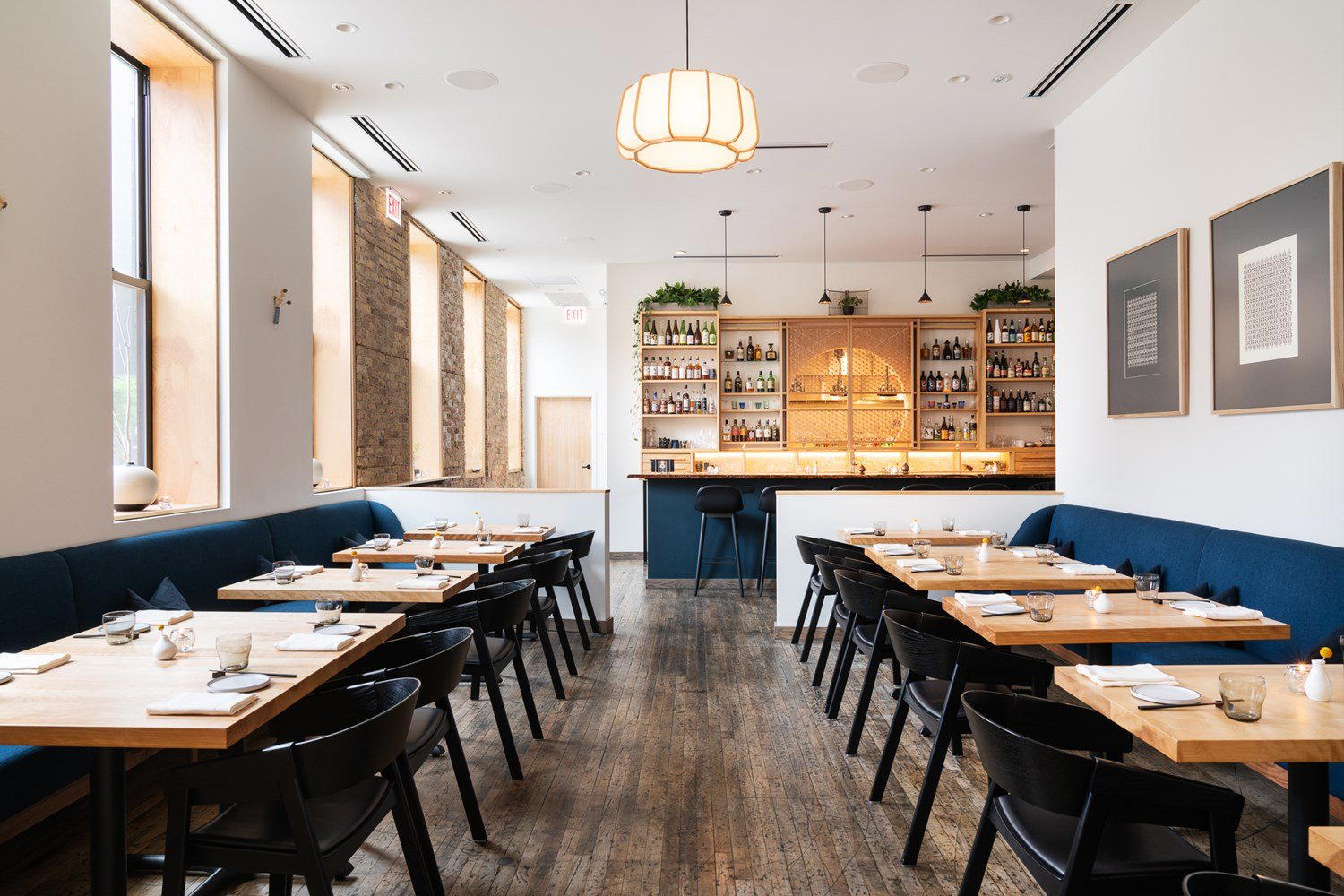
The Counter as the Whole Point
Kumiko Room is a New York City restaurant focused on modern Japanese cocktail bar and omakase dining. The preparation is the performance, and the distance between your hands and the chef's is measured in inches. This is the logic that drives the counter-seat omakase format, and it is the logic that Kumiko Room is built around.
Manhattan has developed one of the densest concentrations of high-end omakase rooms outside Japan. Kumiko Room sits at a premium price tier, with meals around $130 per person.
What the Counter Format Actually Demands
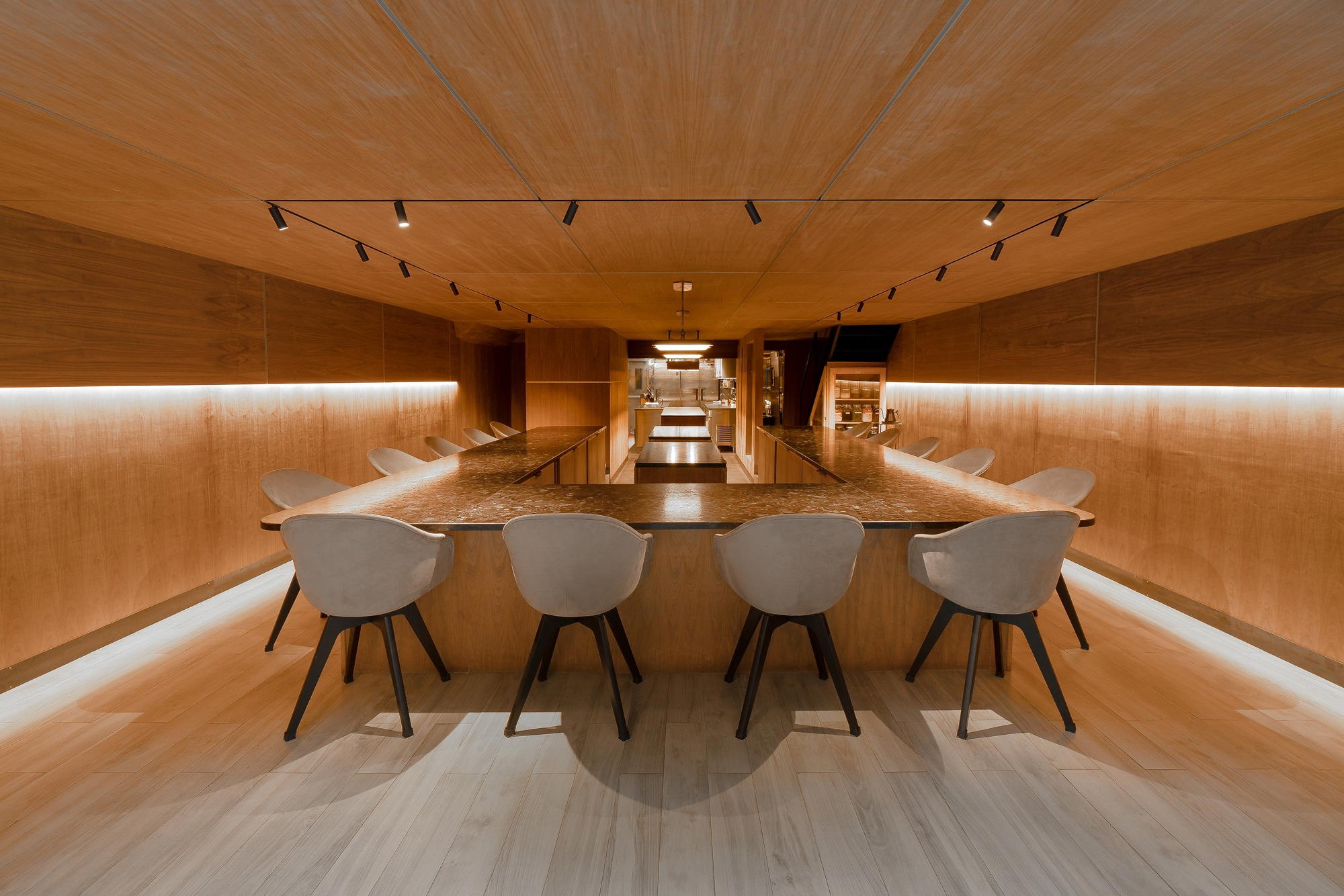
Counter omakase succeeds or fails on choreography. An eight-seat or similarly compact room creates a shared rhythm: courses arrive at pace, the chef's movements are visible, the temperature of each piece is immediate because the transfer from hand to counter to guest is seconds. In larger dining rooms, that chain of custody is longer and the intimacy dilutes. The counter format, at its most disciplined, eliminates the gap between production and consumption almost entirely.
New York's most referenced rooms in this tier operate with comparable precision.
For a useful sense of how New York's fine dining tier more broadly compares, consider that rooms like Le Bernardin and Per Se represent the European-lineage end of serious cooking in this city, where tasting menus and formal service set the register. The counter omakase format operates on a different axis entirely: less hierarchical service, less architectural plating, but a different kind of intensity that comes from watching every cut happen in real time.
The City's Omakase Tier: Where Kumiko Room Fits
The premium omakase segment in Manhattan has grown and then compressed in the years since the format took hold. Compressed not in number of rooms but in the distance between strong examples among them. Fish sourcing has become more rigorous across the tier; chefs with Japanese training credentials have opened or joined programs throughout the city; the expectations of regular guests have risen. What was distinctive five years ago, aged fish, curated sake pairing, counter seating, is now the baseline for rooms operating at this price and prestige level.
In that context, the restaurant's positioning is about discipline and focus.
Across the United States, the counter omakase format has spread from New York and Los Angeles to mid-sized cities. Rooms like Providence in Los Angeles represent the West Coast's serious seafood commitments, and the comparison is instructive: different traditions, different sourcing geographies, but the same underlying argument that serious fish demands serious attention. In San Francisco, Lazy Bear demonstrates how the intimate, high-involvement format can carry across cuisine types. Internationally, 8½ Otto e Mezzo Bombana in Hong Kong and Alain Ducasse at Louis XV in Monte Carlo illustrate what full-commitment fine dining looks like at different price and prestige registers globally, useful context for calibrating what serious dining investment means across cities.
The Theatre of Preparation
What the counter format offers that no tasting menu room can replicate is unmediated access to process. In a conventional restaurant, the kitchen is a closed system: product disappears through a pass and returns as a plate. At a counter, the mise en place is your tablescape. The rice is seasoned in front of you. The knife work is close enough to study. The temperature management, which is everything in sushi, is visible as practice rather than implied by outcome.
This is why counter omakase rewards repeat visits in a way that tasting menu restaurants do not always manage. On a first visit, the sequence is the story. On subsequent visits, the details accumulate: the pace, the chef's hand positions, the way particular fish are handled differently from others. The counter becomes a classroom in which you are also a guest, and the educational dimension is available to those who want it without being imposed on those who don't.
The leading American analogy for this dual register, theatre and instruction simultaneously available, might be Alinea in Chicago, where the experience is designed for multiple levels of engagement depending on how closely you pay attention. The comparison across cuisine types is inexact, but the structural argument is similar: the room is designed so that observation is rewarded.
Planning Your Visit
Booking is recommended.
Dress code at counter omakase rooms in New York tends toward smart casual rather than formal, reflecting the Japanese service tradition where the food commands attention rather than ceremony. That said, the investment level of the meal sets a natural register: this is not the room in which you arrive underprepared.
For context on what the city's fine dining circuit looks like across price tiers and cuisine types, César and Saga represent the contemporary American end of serious eating in New York, while Emeril's in New Orleans and The French Laundry in Napa provide a national calibration point for what commitment to a format looks like at the highest levels. Single Thread Farm in Healdsburg is particularly useful as a comparative reference: a room where Japanese aesthetic discipline has been applied to a Northern California ingredients program, demonstrating how far the counter-omakase sensibility has travelled from its origin point.
Comparable Options
Comparable venues nearby, for context on price, style, and recognition.
| Venue | Cuisine | Price | Notes |
|---|---|---|---|
| Kumiko RoomThis venue — the venue you are viewing | Modern Japanese Cocktail Bar & Omakase | $$$$ | Not listed |
| Sushi Sho | Edomae Omakase Sushi | $$$$ | Midtown East |
| Sushi Beauu | Traditional Japanese Omakase | $$$ | Midtown South-Flatiron-Union Square |
| Kizuna | Japanese Omakase | $$$ | Upper East Side-Lenox Hill-Roosevelt Island |
| Sushi Lab | Modern Japanese Omakase | $$$ | Midtown-Times Square |
| Sake No Hana | Modern Japanese Izakaya | $$$$ | SoHo-Little Italy-Hudson Square |
Continue exploring
More in New York City
Restaurants in New York City
Browse all →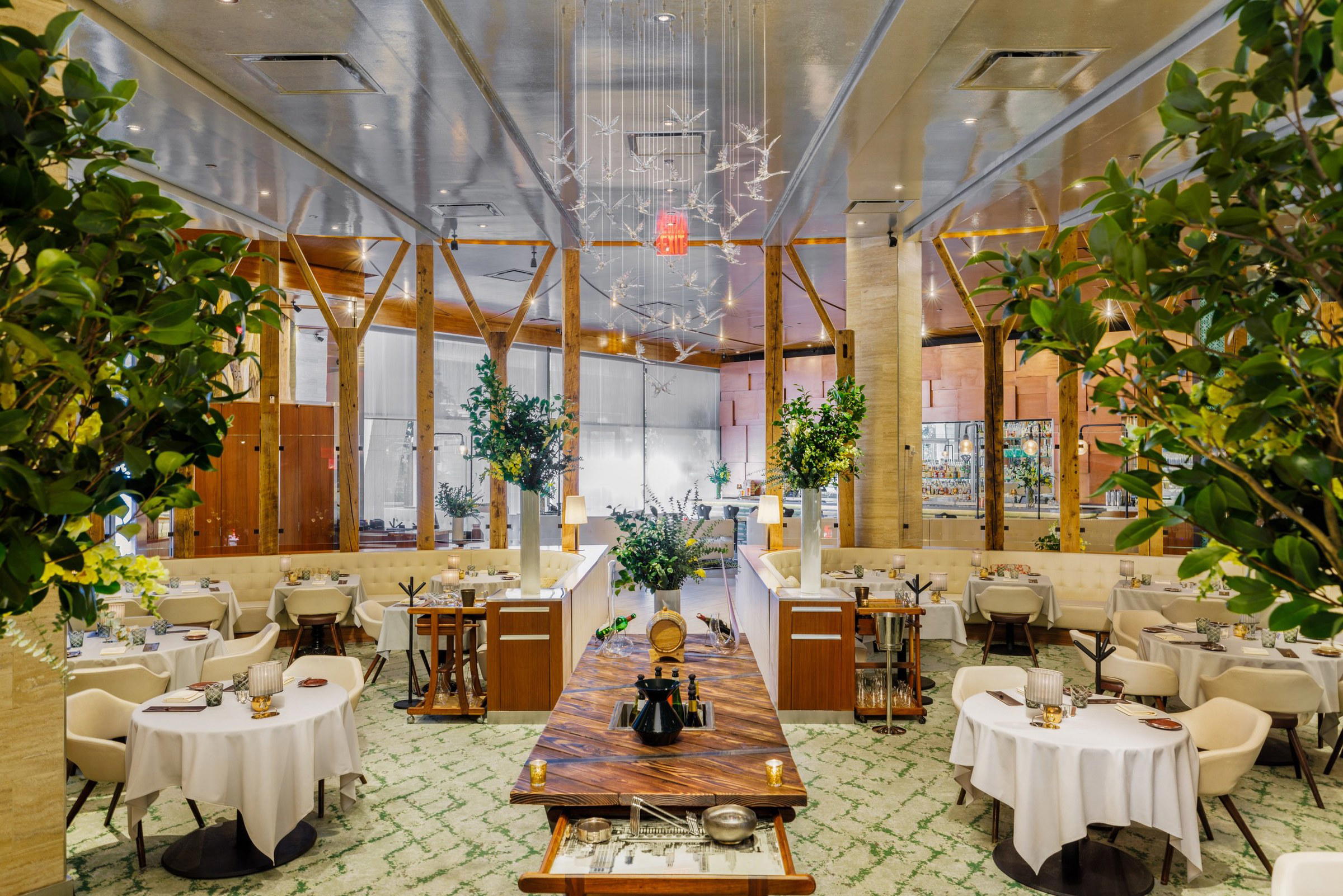
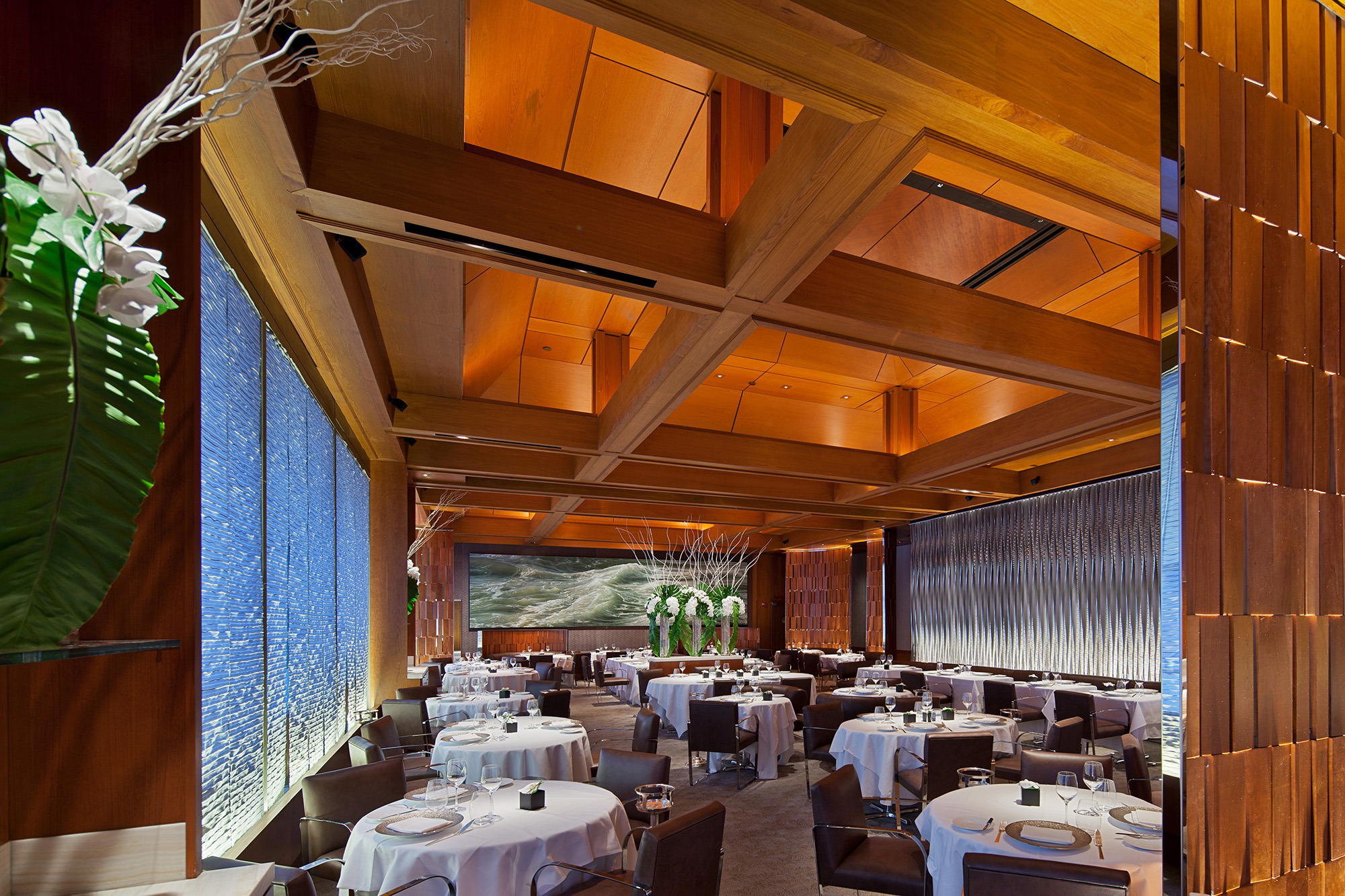
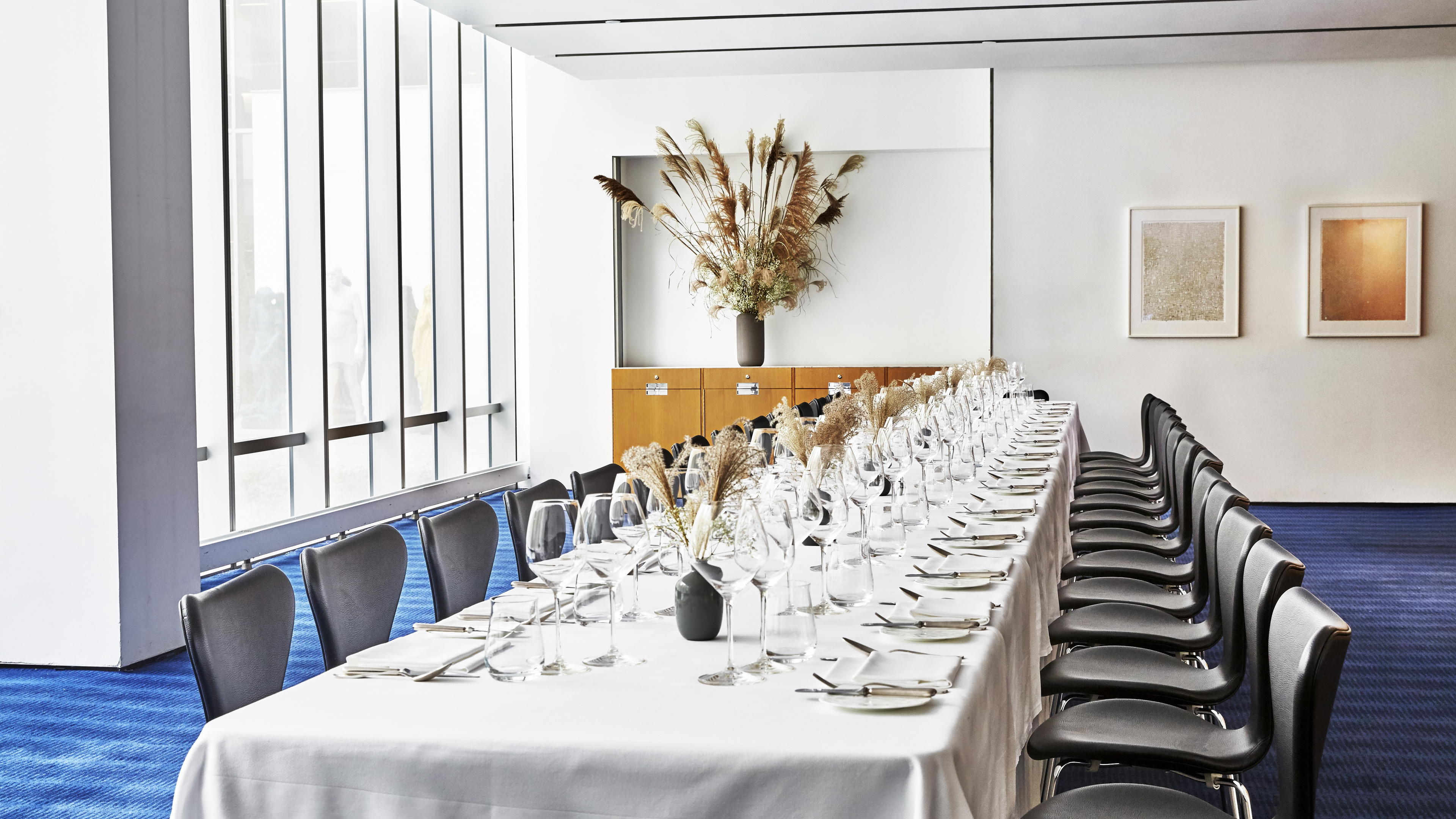
Bars in New York City
Browse all →
Hotels in New York City
Browse all →





At a Glance
- Elegant
- Intimate
- Sophisticated
- Date Night
- Special Occasion
- Chefs Counter
- Craft Cocktails
- Sake Program
Intimate yet polished atmosphere with measured pace, care, and a secluded, subdued basement space.