Zuma New York

Zuma New York brings the global izakaya format that Rainer Becker established in London in 2002 to Midtown Manhattan, operating from 261 Madison Ave. The format spans a robata grill, sushi counter, and main kitchen, a structure that produces meaningfully different experiences at lunch and dinner. For New York's $$$$ Japanese tier, it occupies a distinct position between tasting-menu precision and social dining energy.
Pearl is the En Primeur Club membership app — saves, bookings, and concierge access live there. Same editors, same standards.
- Address
- 261 Madison Ave, New York, NY 10016
- Phone
- +1 212 544 9862
- Website
- zumarestaurant.com
- Directions
- Get directions
 Saves & bookings on Pearl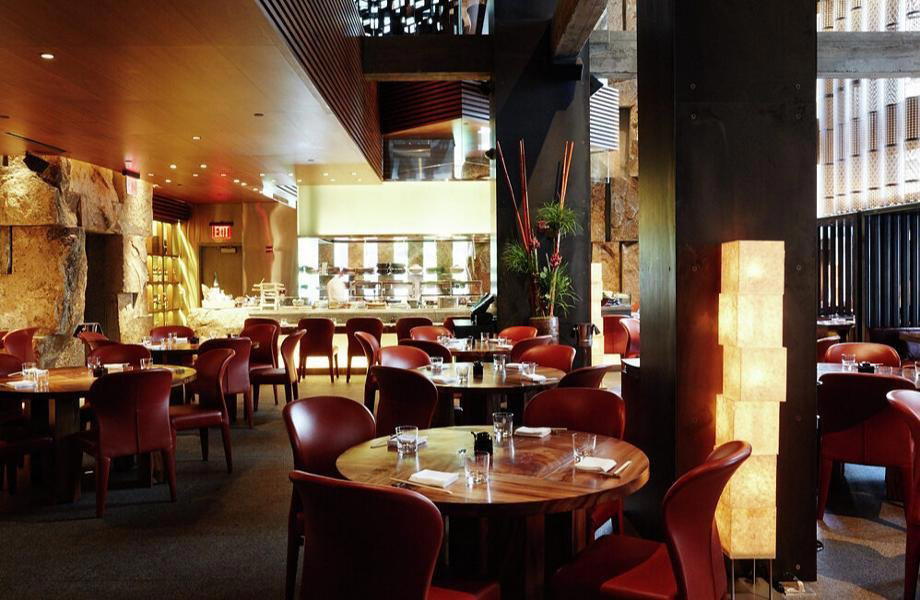
The Izakaya Format Arrives on Madison Avenue
Zuma New York is a modern Japanese izakaya at 261 Madison Ave in Midtown East, with a smart-casual dress code and essential reservations. The New York outpost at 261 Madison Ave extends that global footprint into among the more competitive dining markets in the world, where the $$$$ Japanese tier already includes tasting-counter institutions like Masa and the broader range of high-investment Japanese dining that has defined Manhattan's upper bracket for decades.
What separates Zuma's positioning from the omakase-counter model favored by places like Masa is format plurality. A single visit can move across a raw bar, a sushi preparation, and dishes from the robata charcoal grill, a structure that encourages sharing and ordering in rounds rather than surrendering to a chef's fixed sequence. In a city where Eleven Madison Park and Per Se have built their reputations on chef-directed tasting menus, Zuma represents a contrasting philosophy: the guest controls the pace.
Lunch and Dinner as Separate Propositions
The lunch-versus-dinner divide at premium Japanese restaurants in New York is often substantial. At the counter-format end of the market, lunch sets often provide a particularly accessible entry point into a kitchen's output, compressed tasting menus at reduced price that pull from the same sourcing and technique as evening service. Zuma's multi-kitchen format creates a different kind of split. Midday service in Midtown carries a business-lunch register: the room draws from the surrounding office density of the Murray Hill and Grand Central corridor, and the pace reflects that. Plates move faster, the robata's smoke doesn't have time to settle into the evening's social rhythm, and the bar, a significant feature of the full Zuma experience globally, plays a supporting rather than central role.
Evening service reorganizes the same physical space into something closer to the brand's original London intent. The robata becomes the anchor, the sake and cocktail programs come forward, and the ordering structure tilts toward the extended multi-round format that the izakaya tradition actually demands. For anyone planning a first visit, dinner is where the format logic fully reveals itself. Lunch works well as a focused, lower-commitment introduction to the kitchen's output, particularly for the sushi and sashimi preparations, but the communal energy that distinguishes izakaya dining from conventional Japanese restaurant formats requires the evening window to operate properly.
This distinction matters practically. Zuma New York is priced at about $78 per person, with dinner generally carrying the fuller version of the menu. For Zuma, the robata-forward dinner format represents the fuller expression of what the concept does; lunch is the more transactional version of the same kitchen.
Where Zuma Sits in New York's Japanese Tier
New York's premium Japanese dining splits roughly into two competitive sets. The first is the omakase-counter model, where a fixed sequence, limited seating, and chef-controlled pacing define the experience, Masa being one price-extreme example, with a peer group that extends to the Ginza-lineage counters that have proliferated in recent years. The second is the social Japanese format: larger rooms, shared plates, sake-driven bar programs, and cuisine drawn from multiple Japanese cooking traditions rather than a single discipline. Zuma belongs firmly to the second category.
Within that second category, Zuma's closest comparison set in New York includes other high-investment Japanese social-dining operations rather than the tasting-counter world. The brand's international presence, London, Dubai, Miami, Hong Kong, among others, gives it a different kind of credibility signal than the single-location chef-driven restaurants that dominate New York critical conversation. Recognition in markets like those requires consistent execution across kitchens and service teams, which is a different achievement than perfecting a single counter. Atomix, which operates a completely different format (modern Korean, tasting-counter, two Michelin stars), illustrates the contrast well: Atomix's value proposition is chef specificity and critical recognition; Zuma's is format breadth and global consistency.
For a sense of how this model plays out at the upper end of American fine dining more broadly, it's worth considering how other premium multi-format restaurants handle the same tension between consistency and specificity, from Smyth in Chicago to Providence in Los Angeles. The formats differ significantly, but the underlying question is the same: what does consistency across a complex kitchen operation signal to a guest, and how does it compare to the signal sent by a single chef at a dedicated counter?
The Madison Avenue Address and Its Implications
261 Madison Ave places Zuma in Midtown East, a few blocks north of Grand Central Terminal. This is not the downtown dining corridor that has drawn most of New York's newer premium openings in recent years, and the address carries specific implications for who visits and when. Midtown East's lunch trade is driven by finance, law, and media offices; its dinner trade skews toward pre-theater, business entertainment, and hotel guests rather than the neighborhood-resident regulars who anchor downtown restaurants.
For locals, the neighborhood context means Zuma functions as a destination for occasions and business meals.
Know Before You Go
- Address: 261 Madison Ave, New York, NY 10016
- Nearest Transit: Grand Central Terminal (4/5/6, 7, S lines), approximately 3 blocks south
- Price Tier: $$$$ (comparable to New York's upper-tier Japanese and contemporary dining)
- Format: Multi-kitchen izakaya, robata grill, sushi counter, main kitchen; shared-plate ordering
- Lunch vs. Dinner: Lunch suits a focused, faster visit; dinner is the full format experience
- Booking: Advance reservations recommended, particularly for dinner and weekend service; Midtown location means lunch walk-in availability can be higher on weekdays
- Context: Part of the global Zuma group, founded in London 2002
Cost and Credentials
Comparable venues nearby, for context on price, style, and recognition.
| Venue | Price | Notes |
|---|---|---|
| Zuma New YorkThis venue — the venue you are viewing | $$$$ | Not listed |
| Morimoto | $$$$ | Chelsea-Hudson Yards, Contemporary Japanese |
| NONONO | $$$ | Midtown South-Flatiron-Union Square, Japanese Yakitori Grill |
| Ume | $$$$ | Williamsburg, Modern Japanese Sushi Omakase |
| Satsuki | $$$$ | Midtown-Times Square, Traditional Japanese Omakase |
| Sugiyama | $$$$ | Midtown West, Traditional Japanese Kaiseki |
Recognition history
Dated appearances from independent guides and award organizations, with the underlying list record or original source where available.
Wine Spectator Best of Award of Excellence
Wine Spectator
Continue exploring
More in New York City
Restaurants in New York City
Browse all →
Bars in New York City
Browse all →
Hotels in New York City
Browse all →





At a Glance
- Sophisticated
- Elegant
- Modern
- Trendy
- Energetic
- Date Night
- Business Dinner
- Special Occasion
- Group Dining
- Open Kitchen
- Private Dining
- Sake Program
- Craft Cocktails
Current opening hours
- Monday
- 11:30 AM–3 PM, 5–11 PM
- Tuesday
- 11:30 AM–3 PM, 5–11 PM
- Wednesday
- 11:30 AM–3 PM, 5–11 PM
- Thursday
- 11:30 AM–3 PM, 5–11:30 PM
- Friday
- 11:30 AM–3 PM, 5–11:30 PM
- Saturday
- 5–11:30 PM
- Sunday
- 5–10 PM
Hours can change for holidays and private events. Last verified .
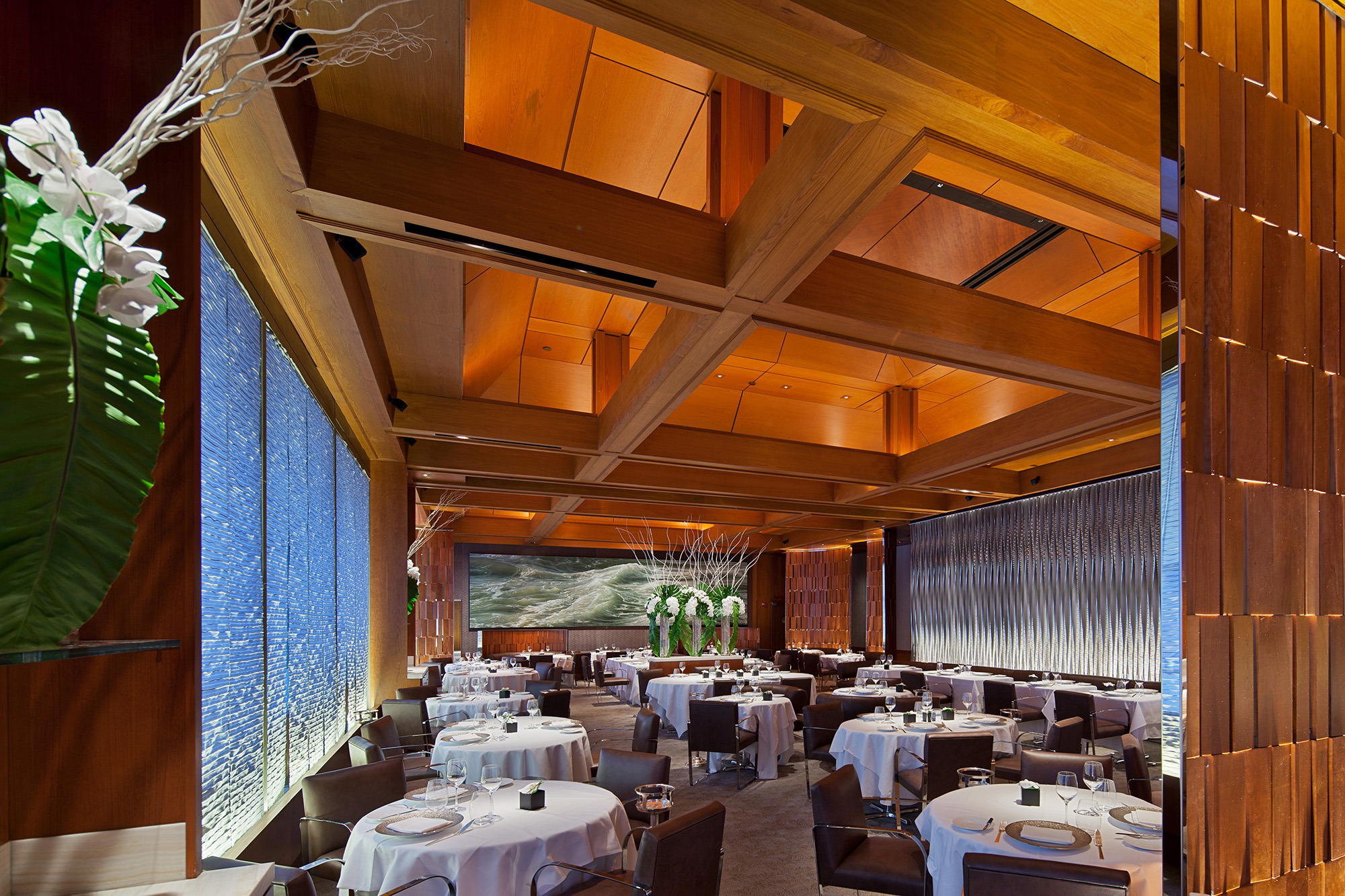
Contemporary yet cozy dining room with leather, iron, and glass elements, lively and seductive atmosphere blending modern sophistication with energetic izakaya energy.