Sushi Sen-Nin
Sushi Sen-Nin operates from 30 East 33rd Street in Midtown Manhattan, placing it in a neighborhood that fields a broad range of Japanese dining options at varying price points. The address sits well south of the sushi belt running through the 40s and 50s, which positions it as an accessible entry point into New York's Japanese counter culture rather than a destination splurge on the level of the city's top omakase rooms.
Pearl is the En Primeur Club membership app — saves, bookings, and concierge access live there. Same editors, same standards.
- Address
- 30 E 33rd St, New York, NY 10016
- Phone
- +12128892208
- Website
- sushisennin.com
- Directions
- Get directions
 Saves & bookings on Pearl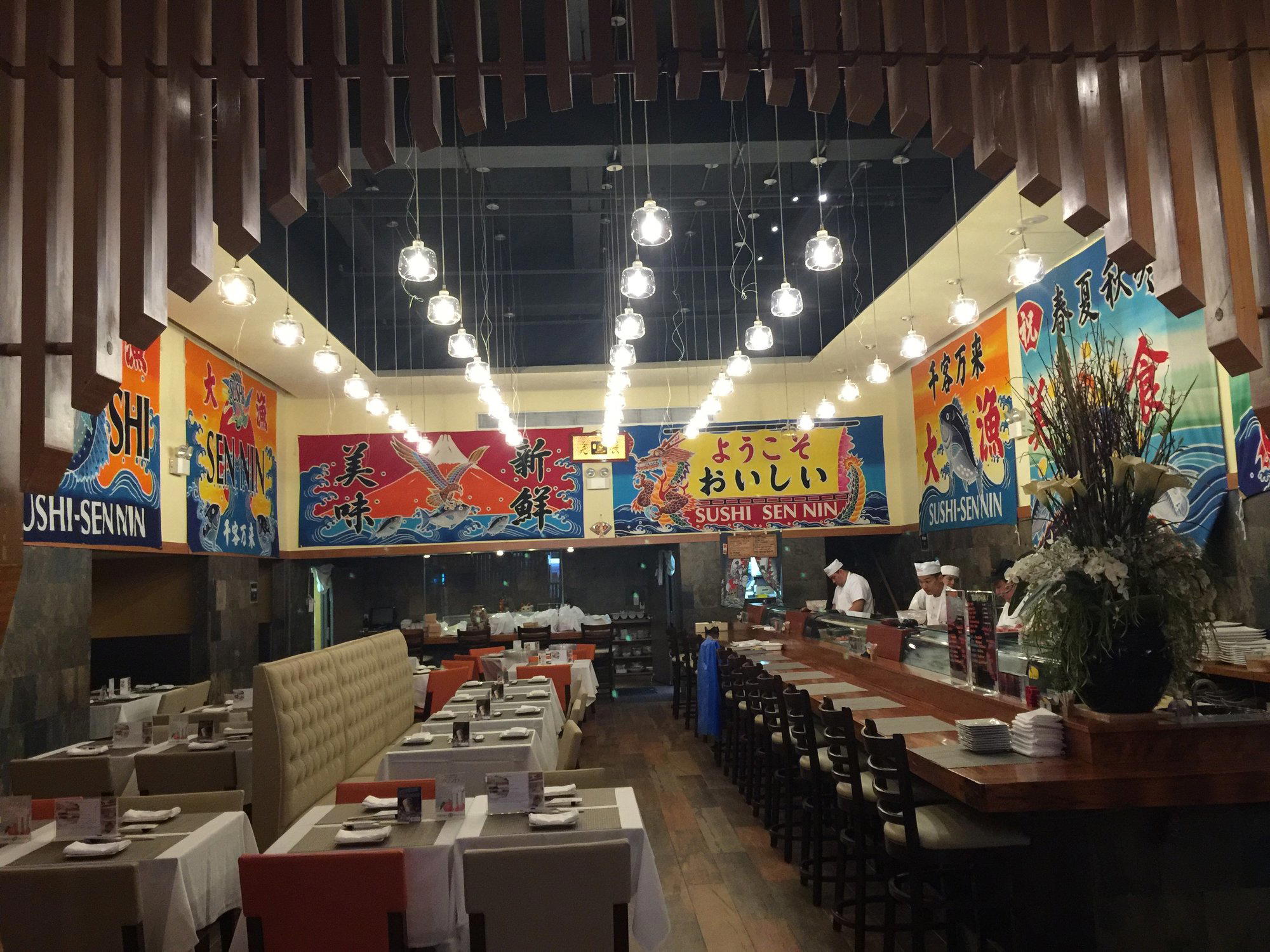
Where Midtown's Sushi Scene Sits in the Wider City
New York's Japanese dining spectrum has widened considerably over the past two decades, pulling apart at both ends. At the leading, counters like Masa operate at price points that rival any tasting menu in the country, with omakase experiences that run several hundred dollars per person before drinks. Below that tier, a larger and more varied middle ground exists: neighborhood sushiya, counter-style lunch operations, and accessible dinner formats that allow a broader dining public to engage with serious Japanese technique without the reservation lead times or the financial commitment of the city's upper-tier rooms. Sushi Sen-Nin at 30 East 33rd Street sits in this Midtown segment, where foot traffic from Murray Hill and the blocks around the Empire State Building produces a working dining population that eats out frequently and expects consistency over spectacle.
That geography matters. The stretch of East 33rd Street between Madison and Fifth is not a destination dining corridor in the way that the West Village or the lower stretches of the East Village have become. It is a neighborhood where restaurants serve a local function first, drawing from nearby offices, residential buildings, and the Korean business community that has historically anchored the blocks surrounding 32nd Street's Koreatown. A sushi address in this context competes differently than one on the Upper West Side or in Tribeca. The comparison set is more horizontal than vertical, and the dining expectation centers on value, reliability, and proximity rather than on star credentials or chef provenance.
The Cultural Roots of Counter Dining in New York
Sushi's path into American dining culture has been long and, at points, deeply misrepresented. For most of the twentieth century, the form was flattened into a few accessible templates: the California roll, the dragon roll, the all-you-can-eat format that turned a precision-based craft into a volume exercise. The recovery from that period has been uneven. Some corners of the market moved sharply upmarket, producing the omakase boom of the 2010s in which intimate counter formats, often eight to twelve seats, commanded enormous prices and cultivated reservation queues measured in months. Other parts of the market simply got more honest about what they were: neighborhood Japanese restaurants that serve reliably made fish at prices that allow for regular visits.
The craft tradition behind even modest sushi is worth understanding. Edo-style nigiri, the form that anchors most serious Japanese menus, developed in early nineteenth-century Tokyo as a street food built around the catch of Tokyo Bay. The rice is the technical foundation, not the fish: correct temperature, correct vinegar ratio, and correct pressure in forming the rice determine whether the piece holds together and releases cleanly on the palate. The fish selection and sourcing matter enormously, but they rest on that rice base. Restaurants operating in New York's middle tier inherit this tradition at varying levels of fidelity. Strong examples among them maintain the technical core even when they are not working at the scale or price point of the city's recognized destination counters.
New York's wider fine dining scene, which includes institutions like Le Bernardin and Per Se, operates in a different register entirely, but the cultural mechanics are similar: technique, sourcing, and consistency over novelty. That discipline also runs through the city's progressive Korean dining scene, represented by counters like Atomix and Jungsik New York, where the same depth of culinary tradition is applied to a different cultural inheritance. For diners accustomed to those formats, a Midtown sushi address reads as a lower-friction alternative: shorter lead times, lower spend, and a more casual format that still connects to a substantive culinary lineage.
Midtown as a Dining Context
Murray Hill and the blocks flanking it are not where New York's food press focuses its attention, but they sustain a dense and functional dining economy. The Korean restaurant cluster on 32nd Street, a few blocks north and west of Sushi Sen-Nin's address, has operated as a genuine cultural hub for decades, pulling in both Korean-American diners and a wider public looking for late-night meals and authentic regional dishes. That proximity gives the immediate neighborhood a more grounded food culture than the chain-heavy corridors closer to Grand Central and Penn Station might suggest.
For visitors orienting around Midtown's fixed attractions, or for professionals working in the office blocks between Park and Fifth Avenues in the 30s, a sushi address on East 33rd fills a specific gap. The meal can be shaped around a lunch window or an early dinner without the planning overhead of a reservation-required destination. That is a different proposition from what you encounter at the city's most recognized Japanese rooms, but it answers a real need in the neighborhood's dining rotation.
How It Compares to Destination Sushi Elsewhere
The conversation around serious Japanese dining in America has expanded well beyond New York. Omakase and counter formats have taken hold in cities where they would have seemed marginal fifteen years ago. Lazy Bear in San Francisco represents the chef's-counter model applied to a different cuisine entirely, while Alinea in Chicago and The French Laundry in Napa show how destination dining formats have spread across American cities. Closer to the sushi category, Providence in Los Angeles addresses Japanese technique through a different cultural lens, while Single Thread Farm in Healdsburg applies Japanese kaiseki discipline to Northern California ingredients. Internationally, 8½ Otto e Mezzo Bombana in Hong Kong and Alain Ducasse's Louis XV in Monte Carlo show how the same demand for technical credibility and sourcing integrity plays out in different culinary traditions.
Sushi Sen-Nin operates at a different scale and ambition than any of those references, but the underlying question for any Japanese restaurant is the same: is the rice correctly made, is the fish handled at the right temperature, and does the piece arrive with the structural integrity the tradition demands? Those are the criteria that separate a sushi address from a sushi-themed restaurant, regardless of price tier.
Other strong American dining references for context include Blue Hill at Stone Barns in Tarrytown, Addison in San Diego, Emeril's in New Orleans, The Inn at Little Washington, and Bacchanalia in Atlanta, each of which represents the kind of place-specific culinary commitment that sets a dining room apart from its surroundings.
Planning Your Visit
Sushi Sen-Nin is located at 30 East 33rd Street in Murray Hill, Manhattan, a short walk from the 6 train at 33rd Street and accessible from both the B/D/F/M lines at 34th Street-Herald Square. Reservations are recommended. Dress: casual. Budget: plan for about $45 per person.
Credentials Lens
Comparable venues nearby, for context on price, style, and recognition.
| Venue | Cuisine | Price | Notes |
|---|---|---|---|
| Sushi Sen-NinThis venue — the venue you are viewing | Traditional Japanese Sushi & Yakitori | $$$ | Not listed |
| Sushi Damo | Modern Japanese Sushi & Omakase | $$$ | Upper West Side-Lincoln Square |
| Sushi Lab | Modern Japanese Omakase | $$$ | Midtown-Times Square |
| Kissaki Sushi | Traditional Japanese Omakase | $$$ | East Village |
| TOKIODELIC | Japanese Fusion Kawaii Café | $$$ | SoHo-Little Italy-Hudson Square |
| Umi | Japanese Sushi | $$ | Fresh Meadows |
Continue exploring
More in New York City
Restaurants in New York City
Browse all →
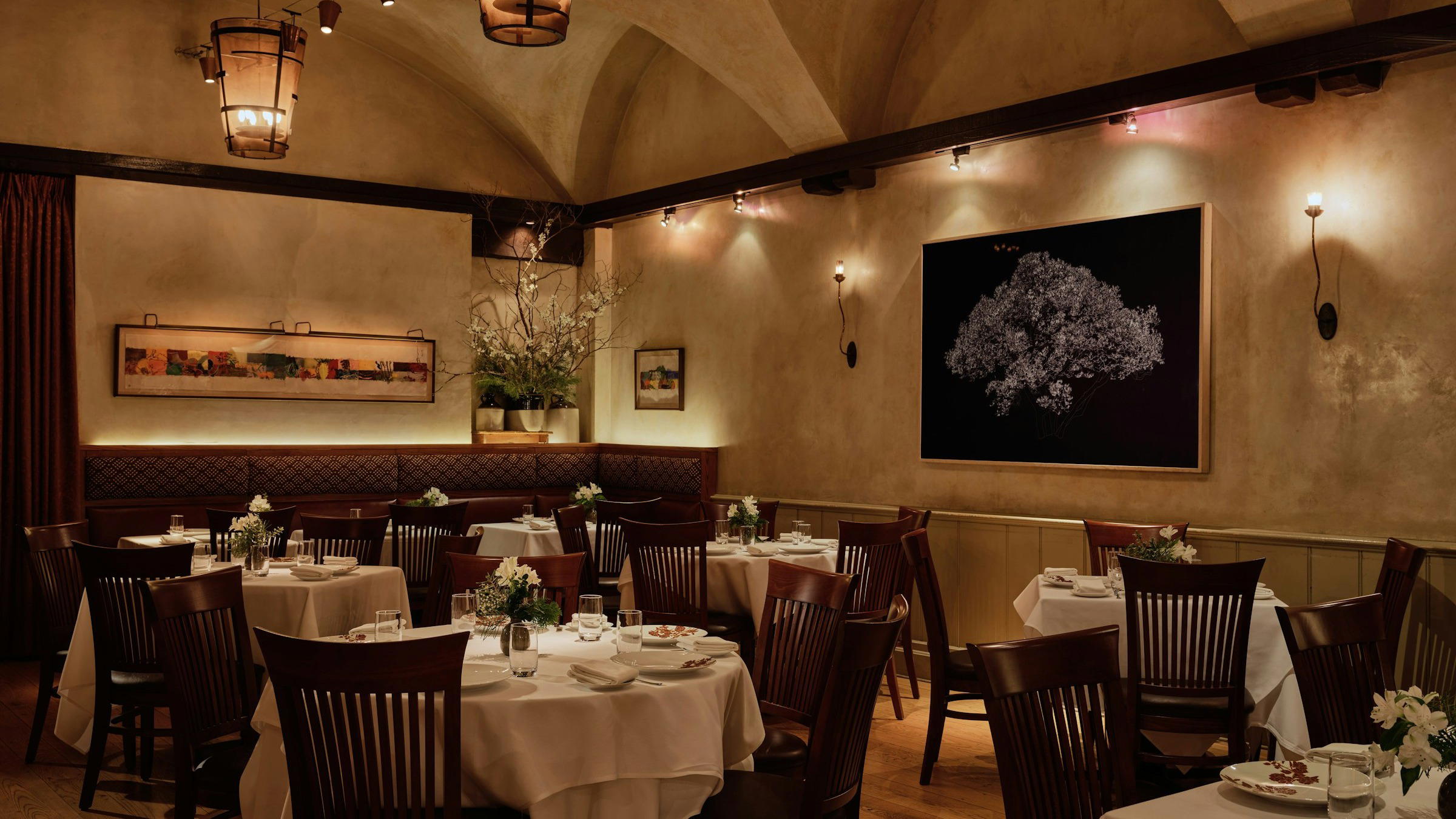
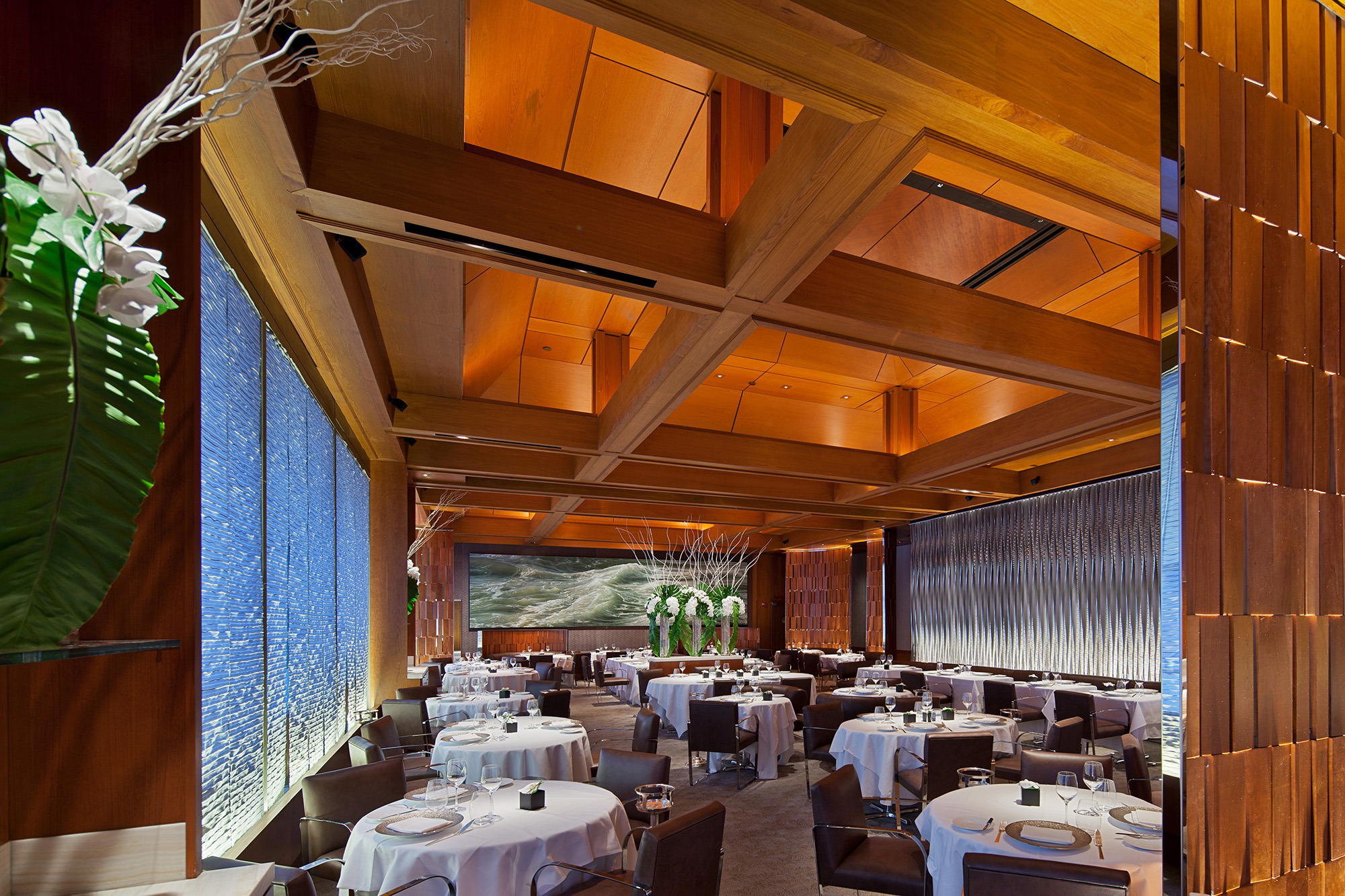
Bars in New York City
Browse all →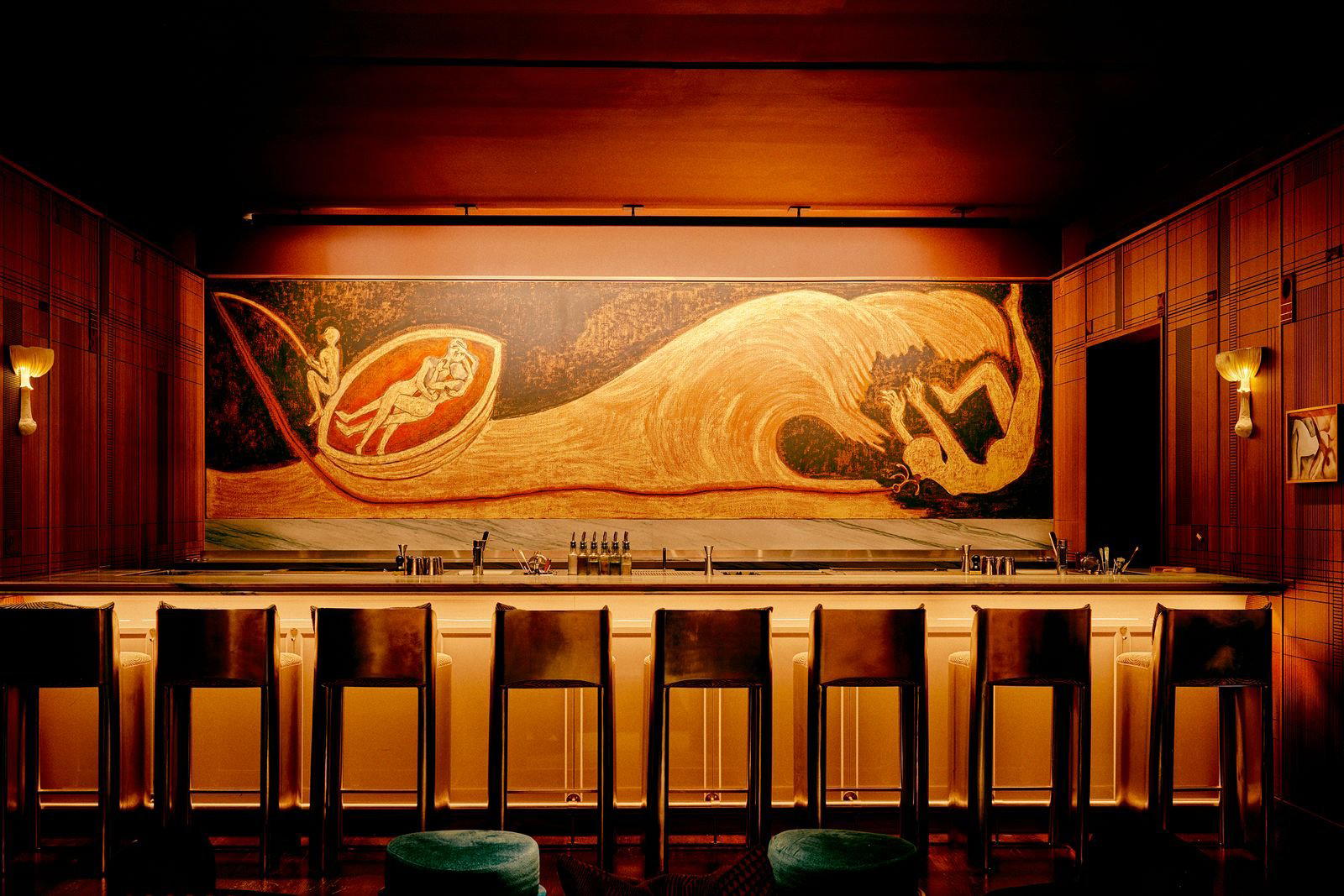
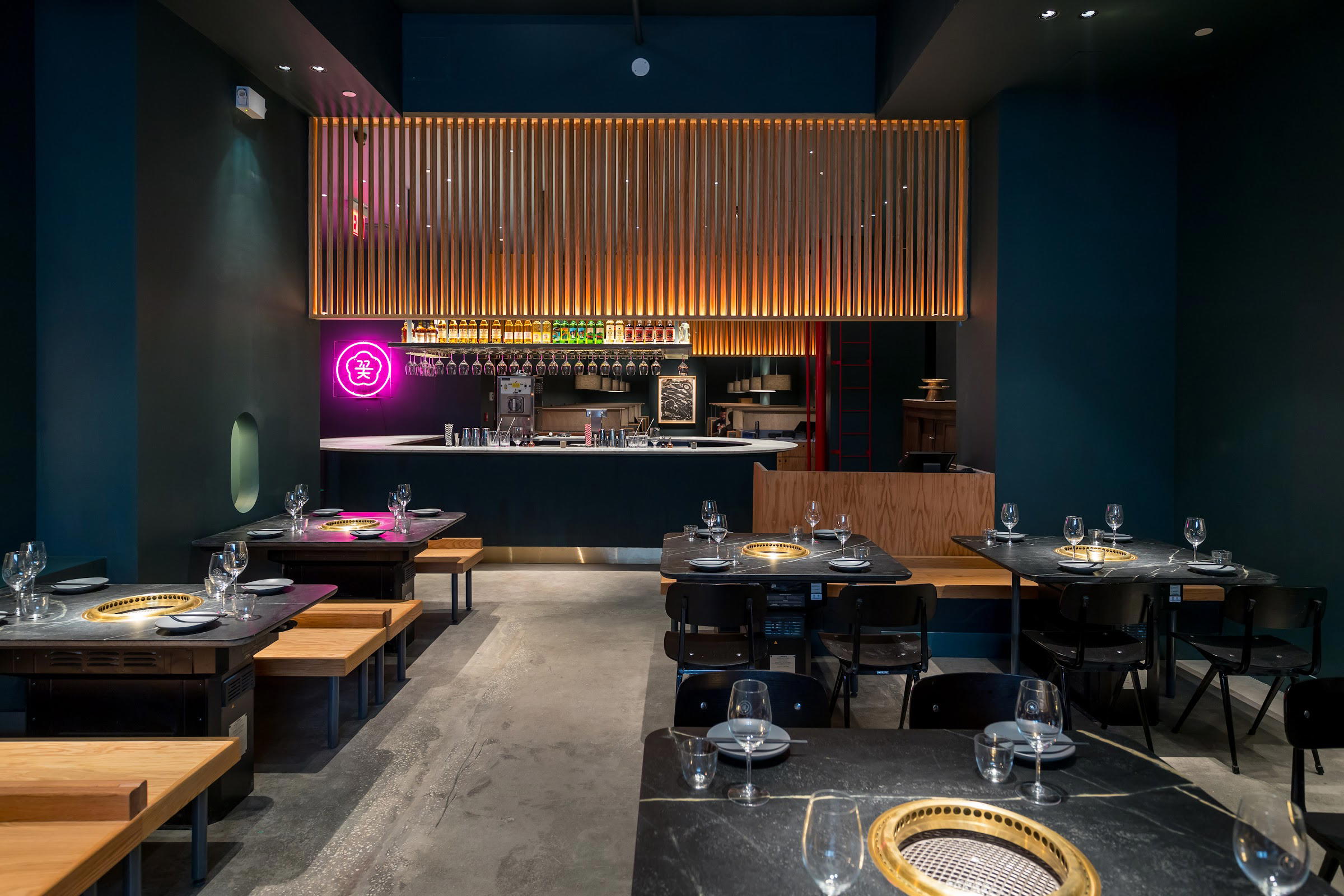
Hotels in New York City
Browse all →




At a Glance
- Classic
- Lively
- Group Dining
- Business Dinner
- Casual Hangout
- Chefs Counter
- Open Kitchen
- Private Dining
- Sake Program
- Sustainable Seafood
Current opening hours
- Monday
- 11:45 AM–2:30 PM, 4:30–9 PM
- Tuesday
- 11:45 AM–2:30 PM, 4:30–9 PM
- Wednesday
- 11:45 AM–2:30 PM, 4:30–9 PM
- Thursday
- 11:45 AM–2:30 PM, 4:30–9 PM
- Friday
- 11:45 AM–2:30 PM, 4:30–9 PM
- Saturday
- Closed
- Sunday
- Closed
Hours can change for holidays and private events. Last verified .
Lively and exuberant with kitschy Japanese decorations; features traditional table seating, Japanese-style floor seating, and a prominent sushi bar; upstairs private room with futuristic tunnel design.