Sushi Ouji

New York Times Best Restaurants in New York City
Our verdict
In a city where omakase routinely clears $300 a head, Sushi Ouji in SoHo delivers a 14-course menu of otsumami, nigiri, and futomaki at roughly a quarter of that cost, with fish flown directly from Tokyo's Toyosu Market.For value-to-quality ratio in New York sushi, few counters come close.

Pearl is the En Primeur Club membership app, where members save venues, book tables and use the concierge.
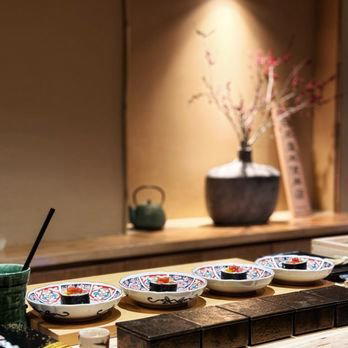
Where New York Omakase Meets Responsible Sourcing at an Accessible Price
New York's omakase tier has long operated as a two-speed market. At one end sit the major counters Masa and its peers, where a seat routinely demands $300 to $600 before drinks, while the lower end of the price scale has historically struggled to match quality with cost. The gap between those two poles is where SoHo's Sushi Ouji operates, and the arithmetic it delivers is worth paying attention to: a 14-course omakase at roughly a quarter of what the top-tier counters charge, sourced from the same wholesale origin that supplies many of those expensive rooms.
The sourcing model is the clearest editorial point here. Most of the fish at Sushi Ouji arrives directly from Toyosu Market in Tokyo, the successor to Tsukiji and the largest wholesale seafood market in the world. That supply chain matters for reasons beyond quality: Toyosu's grading system and cold-chain logistics represent one of the more traceable paths a piece of fish can take from ocean to counter. In a dining category where provenance claims often go unverified, a direct Toyosu pipeline is a verifiable credential, and it aligns Sushi Ouji with a sourcing standard normally associated with counters charging four times the price.
The Fourteen-Course Format and What It Signals
The menu structure at Sushi Ouji follows a classical omakase arc: otsumami (small composed dishes) first, nigiri through the middle, and futomaki as a closing register. The 14-course count places it in mid-length omakase territory, longer than abbreviated lunch formats common at entry-level spots, but shorter than the extended 20-plus-course sequences that characterise the high end of the New York market at places like Atomix or Le Bernardin's tasting structure. The otsumami courses are described as inventive, which in the omakase context typically means composed dishes that reflect seasonal awareness and chef-led interpretation rather than straight raw presentation, a marker of ambition at any price point.
Futomaki close is worth noting. In many stripped-down omakase formats, the menu ends with nigiri and a simple miso soup. A crafted futomaki finish requires knife skill and rice discipline; it is not the path of least resistance for a kitchen running a cost-efficient operation. That it appears here as a consistent element of the format suggests the kitchen is not cutting corners where technique is most visible.
Environmental angle in sourcing decisions at this price tier deserves direct attention. Toyosu Market operates under Japan's Fisheries Agency oversight and applies species-specific catch documentation standards. For a New York counter sourcing from that system, it means the variety question, what fish is on the menu, and from where, carries more traceability than is typical in the city's mid-market sushi segment. The quality and variety are described as consistently superb across visits, which for a Toyosu-sourced menu reflects the market's grading consistency as much as any individual kitchen decision.
SoHo's Position in the New York Dining Tier
SoHo is not historically a sushi neighbourhood. The area's dining character runs toward Italian-American, contemporary European, and upscale casual formats, a reflection of its real estate premium and tourist density. Serious omakase counters tend to cluster in Midtown (near Masa and the high-end Japanese concentration around 57th Street) or in the East Village, which carries a longer sushi tradition at various price points. A value-driven omakase counter landing in SoHo is a slightly unexpected placement, and that location on Prince Street puts it within easy reach of both downtown residents and visitors who may not extend their sightseeing to the omakase neighbourhoods further north.
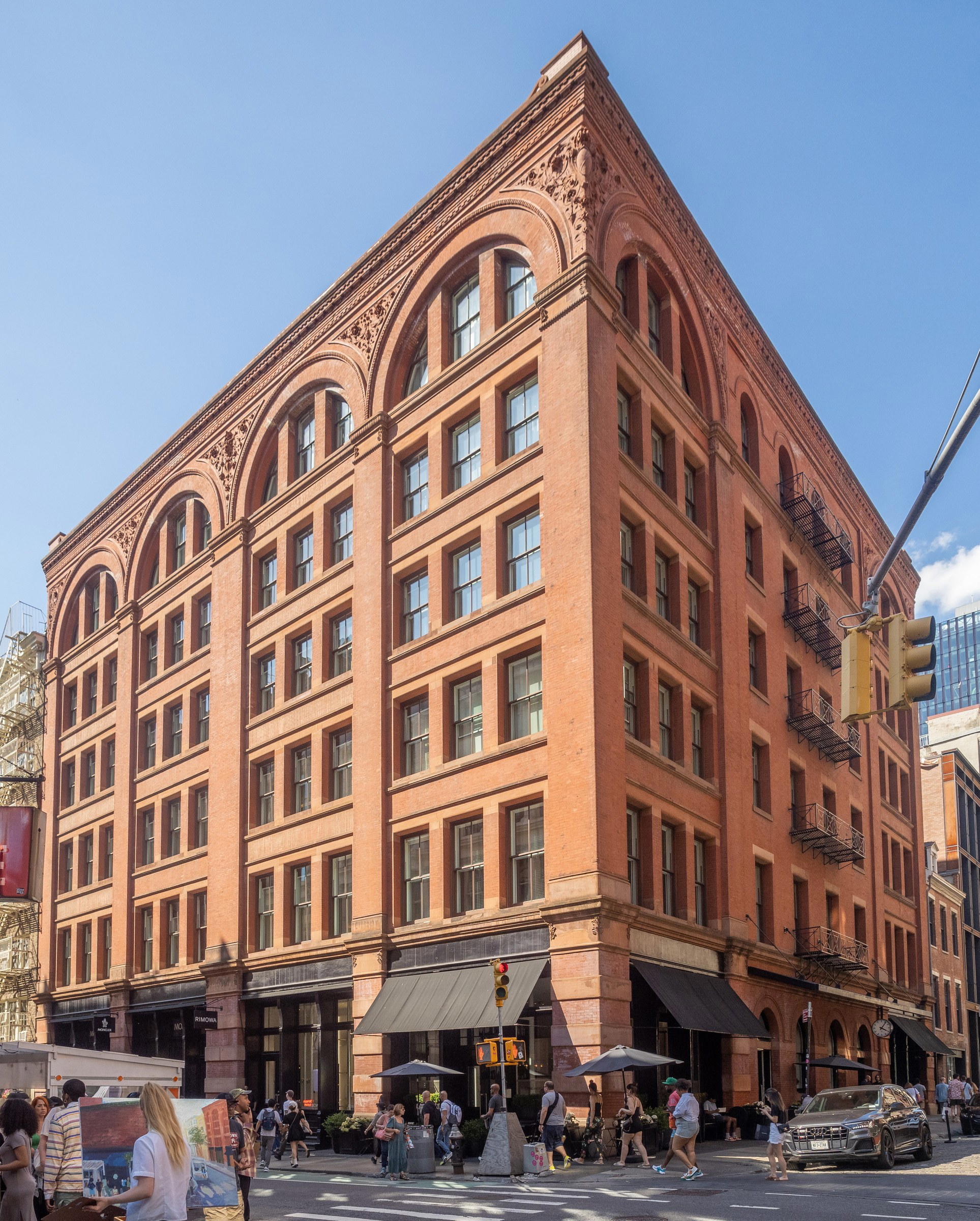
The address at 196 Prince Street places Sushi Ouji in the western SoHo pocket, a few blocks from the cast-iron district core. It is a neighbourhood that skews toward experiential dining rather than destination chef temples; the competitive set here is broad casual and mid-range Italian rather than other omakase counters, which means Sushi Ouji occupies a relatively uncrowded niche in its immediate geography. For visitors staying in nearby hotels or moving through lower Manhattan, it represents an omakase option that does not require either a Midtown detour or a month-ahead booking queue comparable to the top-tier rooms.
Honest Assessment: What Works and What Doesn't
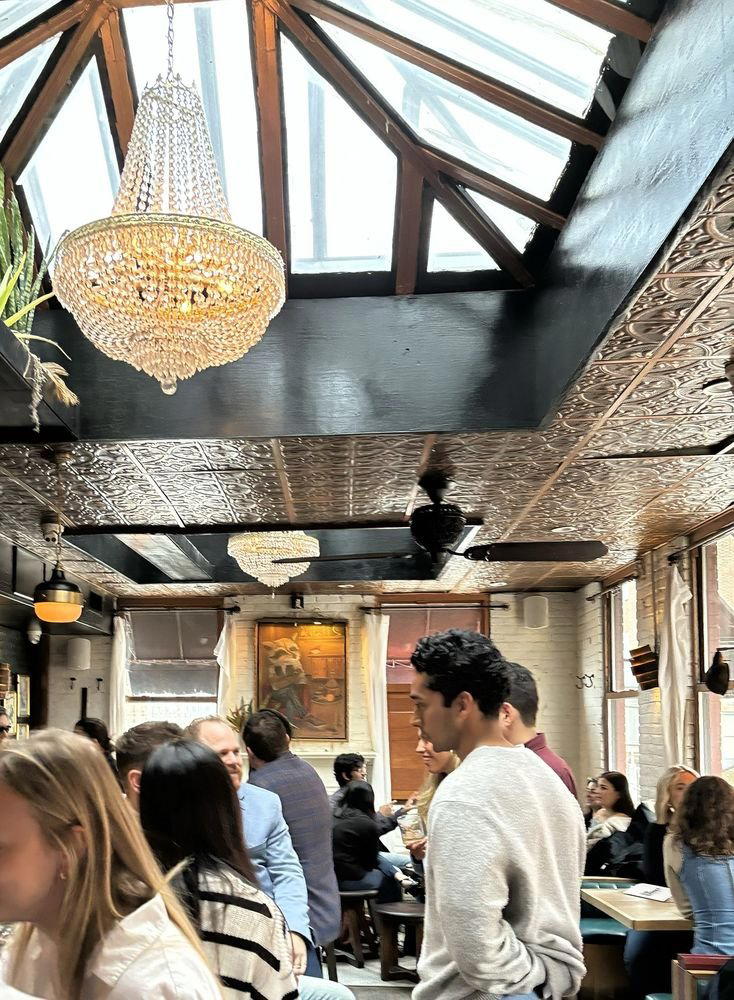
Service can feel rushed, and the room is described as too brightly lit. Neither of these is a trivial concession. In omakase dining, pacing is part of the format; the leading counters, and here the comparison to Eleven Madison Park or Per Se's approach to sequenced service is instructive, treat temporal rhythm as a designed element. A rushed service at Sushi Ouji compresses that experience, and a bright room removes the atmospheric register that omakase usually depends on.
These are real trade-offs, not marketing footnotes. What the venue is not doing is obscuring them. At this price point, the honest equation reads as follows: Toyosu-sourced fish, a coherent 14-course structure, and inventive otsumami in exchange for a room that prioritises throughput over atmosphere and a service pace that reflects the economic model. Compared to the full-atmosphere, full-pacing experiences at the city's high-end omakase counters, Sushi Ouji delivers a different product, but one where the fish quality closes much of the gap that the price differential implies.
The value argument also holds up in a wider comparative frame. Across the American fine-dining circuit, from Alinea in Chicago to The French Laundry in Napa and Providence in Los Angeles, the direction of travel has been toward higher prices and longer menus at the prestige tier. Entry points into structured tasting formats have not kept pace. What Sushi Ouji represents in New York's omakase segment is the same access argument that counters like Lazy Bear in San Francisco or Single Thread Farm in Healdsburg make in their respective categories: serious sourcing and format discipline at a price that widens the audience without collapsing the standard.
Internationally, the model also echoes what the leading mid-tier Japanese counters do in Asian markets, where high sourcing standards and technical competence are not exclusively tied to luxury pricing. Counters at restaurants like 8½ Otto e Mezzo Bombana in Hong Kong demonstrate that rigorous ingredient standards operate across price tiers when the supply infrastructure supports it. In New York, where the high end is represented by rooms comparable to Alain Ducasse at Louis XV or Emeril's in ambition if not in cuisine, Sushi Ouji's Toyosu sourcing reads as a deliberate positioning statement about where ingredient quality sits in the priority stack.
Planning Your Visit
Sushi Ouji is located at 196 Prince Street in SoHo, Manhattan. Address: 196 Prince St, New York, NY 10012. Neighbourhood: SoHo, accessible via the C/E trains at Spring Street or the N/R/W at Prince Street. Format: 14-course omakase including otsumami, nigiri, and futomaki. Price tier: $$ (significantly below the city's top-tier omakase counters, which typically run $$$$). Booking: Dress: No confirmed dress code; smart casual is appropriate for the SoHo location and omakase format. Leading timing: Given the service pace noted in editorial assessments, later seatings on quieter evenings may allow more room to breathe through the courses.
For further context on where Sushi Ouji sits in the broader New York dining picture, see our full New York City restaurants guide, along with our New York City hotels guide, bars guide, wineries guide, and experiences guide.
Frequently asked questions
Is Sushi Ouji better for a quiet night or a lively one?
What is the signature dish at Sushi Ouji?
Standing Among Peers
Comparable venues nearby, for context on price, style, and recognition.
| Venue | Cuisine | Price | Awards | Notes |
|---|---|---|---|---|
| Sushi OujiThis venue (the venue you are viewing) | Modern Japanese Omakase | $100–150 | New York Times Best Restaurants in New York City | Not listed |
| THE GALLERY by odo | Modern Japanese Small Plates & Sushi | $50–100 | Not listed | Midtown South-Flatiron-Union Square |
| NONONO | Japanese Yakitori Grill | $50–100 | Not listed | Midtown South-Flatiron-Union Square |
| Sushi Beauu | Traditional Japanese Omakase | $100–150 | Not listed | Midtown South-Flatiron-Union Square |
| Wano | Modern Japanese Izakaya | $50–100 | Not listed | East Midtown-Turtle Bay |
| Salt + Charcoal | Japanese Robata Grill & Steakhouse | $50–100 | Not listed | Williamsburg |
Recognition history
Dated appearances from independent guides and award organizations, with the underlying list record or original source where available.
New York Times Best Restaurants in New York City
New York Times
Continue exploring
More in New York City
Restaurants in New York City
All restaurants in New York City →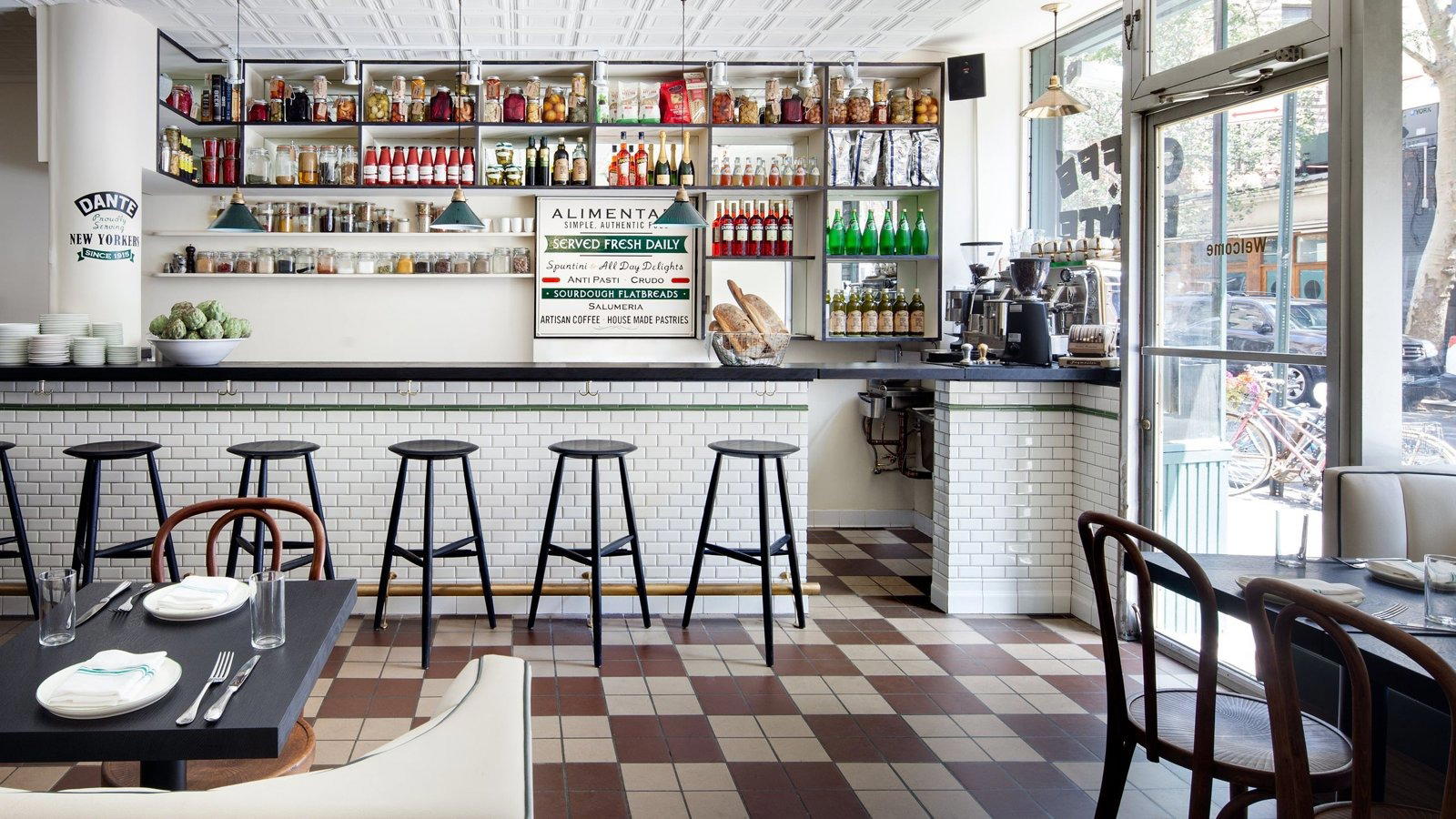
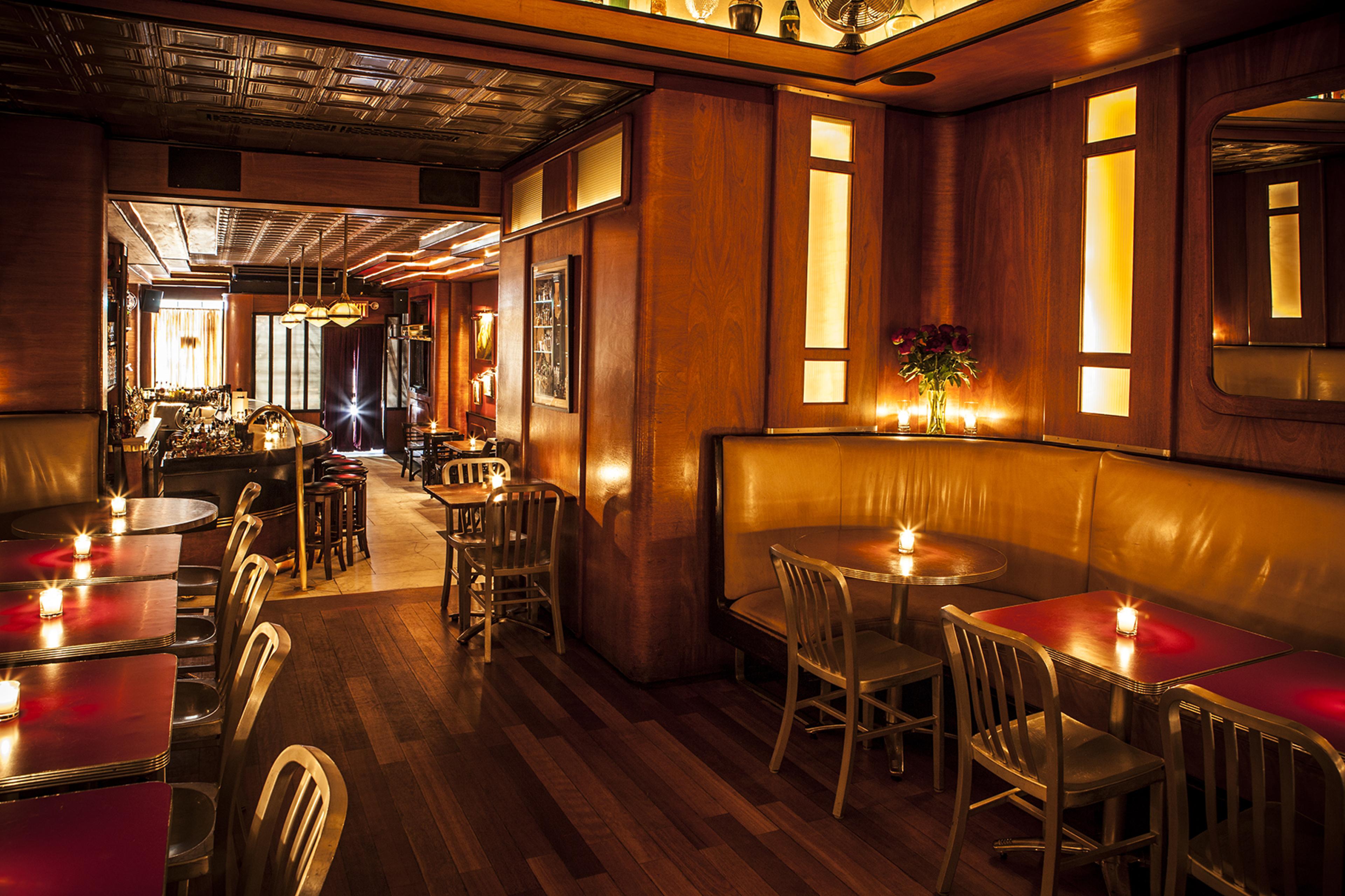
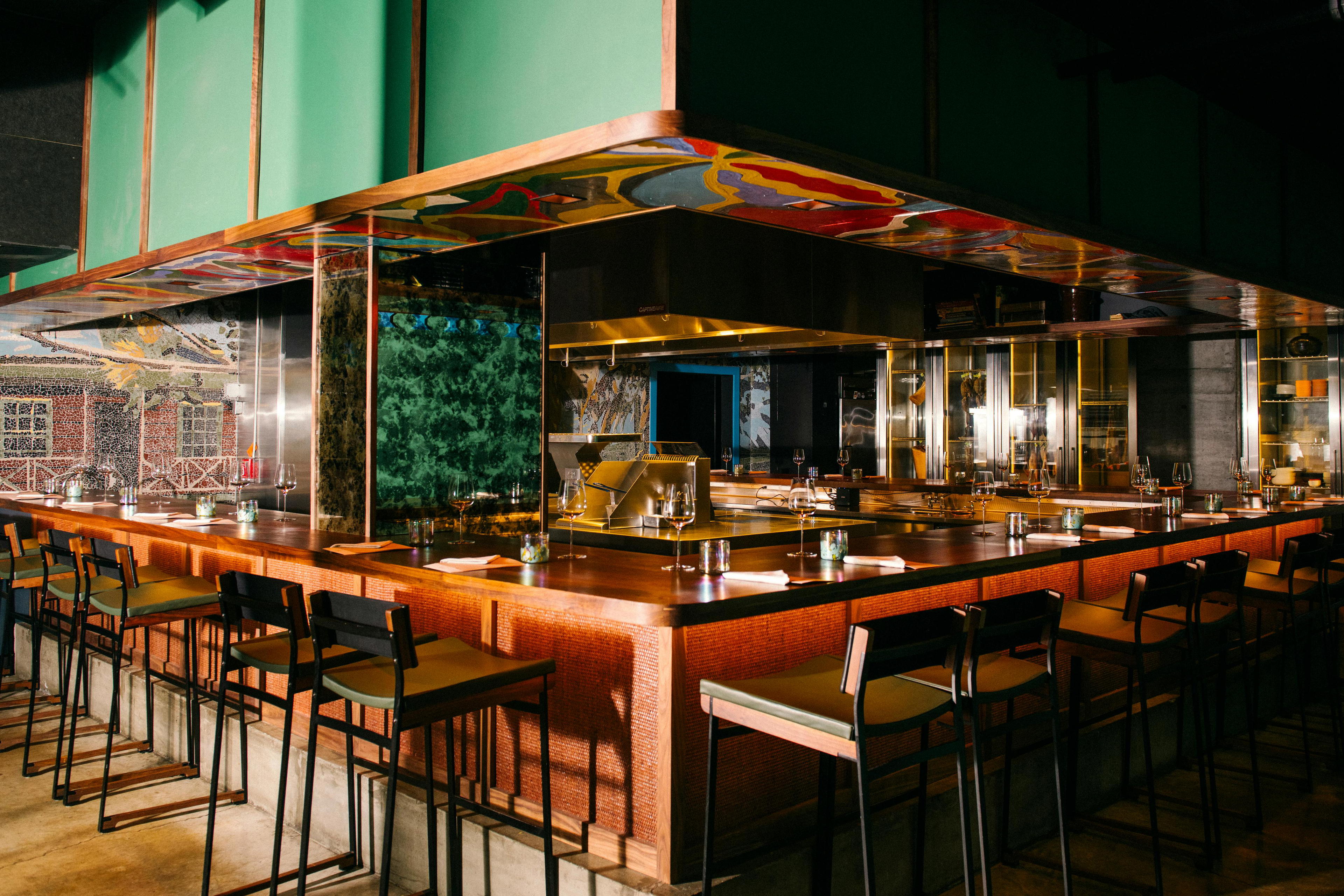
Bars in New York City
All bars in New York City →




Details
- Intimate
- Elegant
- Date Night
- Business Dinner
- Special Occasion
- Chefs Counter
- Sake Program
- Sustainable Seafood
- Omakase
- Counter Dining
Current opening hours
- Monday
- Closed
- Tuesday
- 5–10:30 PM
- Wednesday
- 5–10:30 PM
- Thursday
- 5–10:30 PM
- Friday
- 5–10:30 PM
- Saturday
- 5–10:30 PM
- Sunday
- 5–10:30 PM
Hours can change for holidays and private events. Hours as of .
Intimate sushi setting with personable chef interaction and accommodating service.