Xujia Cai serves Modern Sichuan Cuisine in Chengdu, with a 24-flavour-profile set menu and pond loach seared with green Sichuan pepper for a leisurely dinner.
Pearl is the En Primeur Club membership app — saves, bookings, and concierge access live there. Same editors, same standards.
- Address
- China, è¿CN åå·ç æé½å¸ æ¦ä¾¯åº ææ±è·¯ 1 1å·æ ¼æå¨æ²»å¹¿åº8å¹¢é1å· Wangjianglou Park é®æ¿ç¼ç
- Phone
- +862885291388
- Directions
- Get directions
 Saves & bookings on Pearl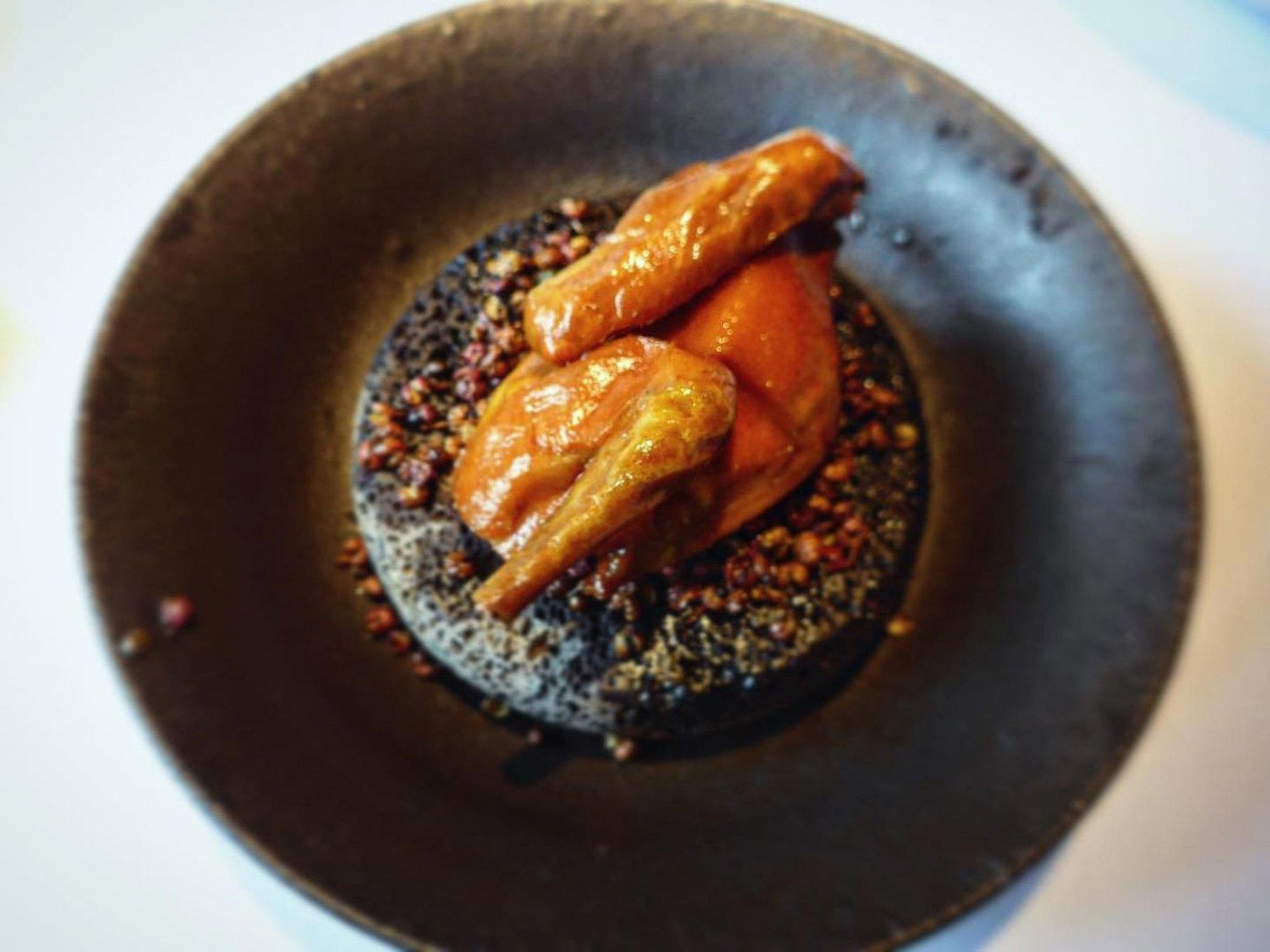
Wangjianglou Park and the Architecture of the Sichuan Dining Room
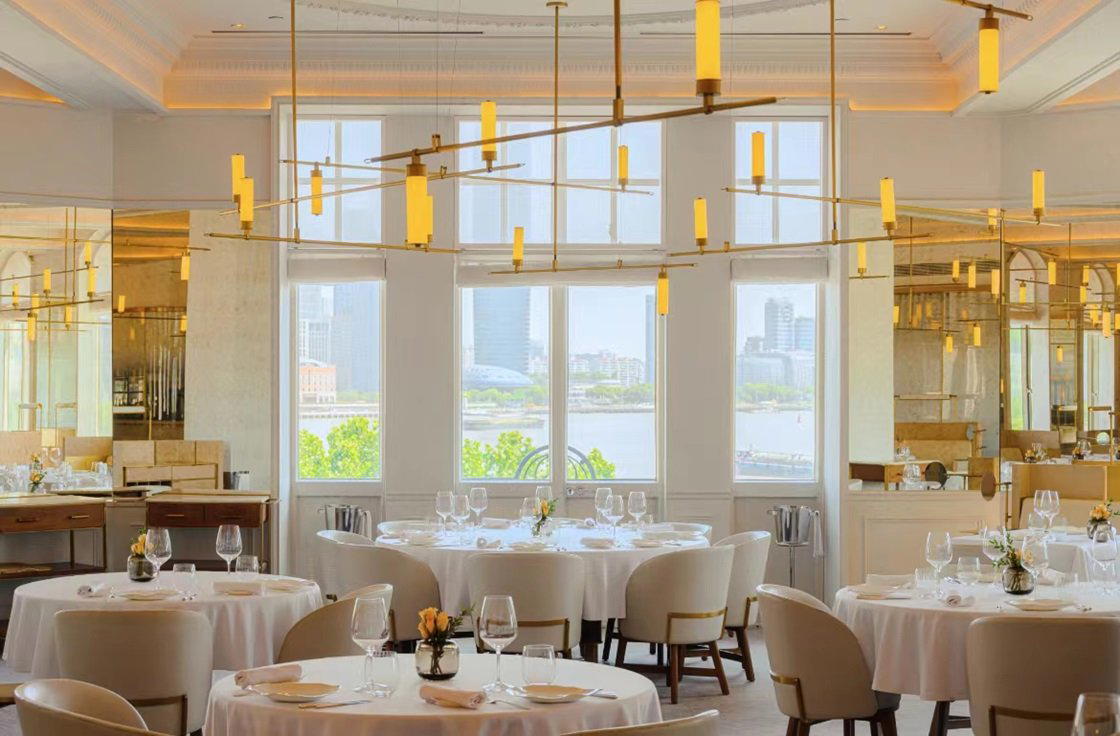
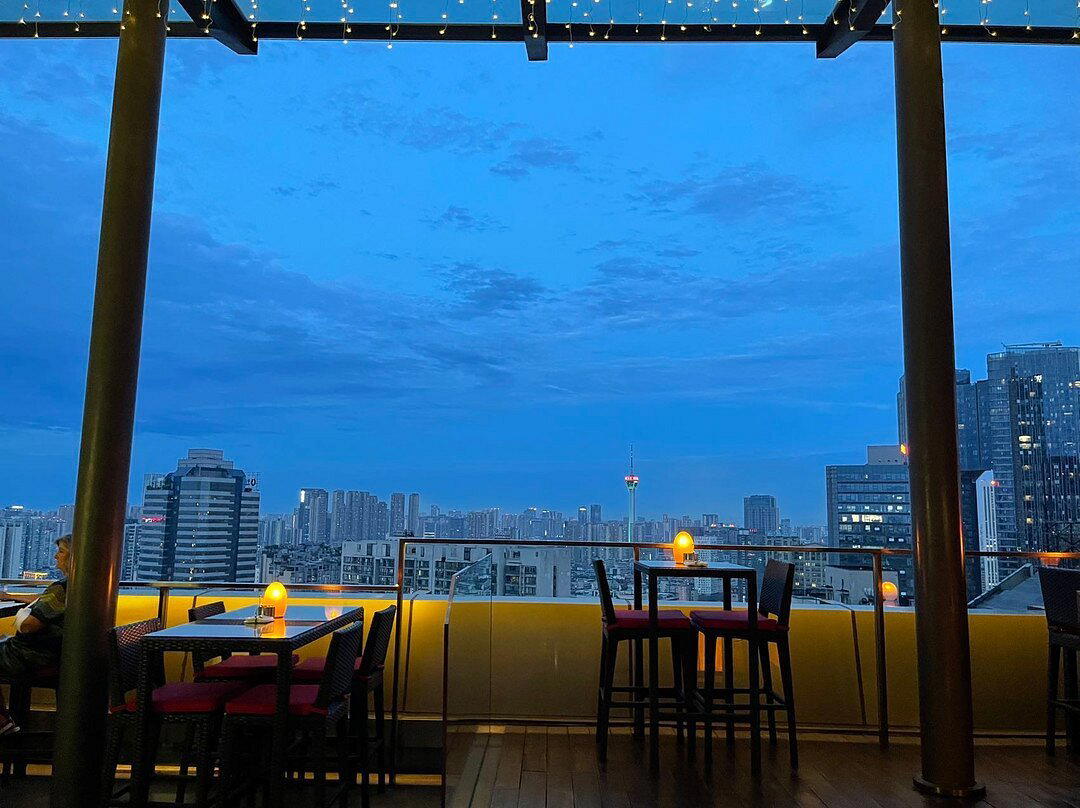
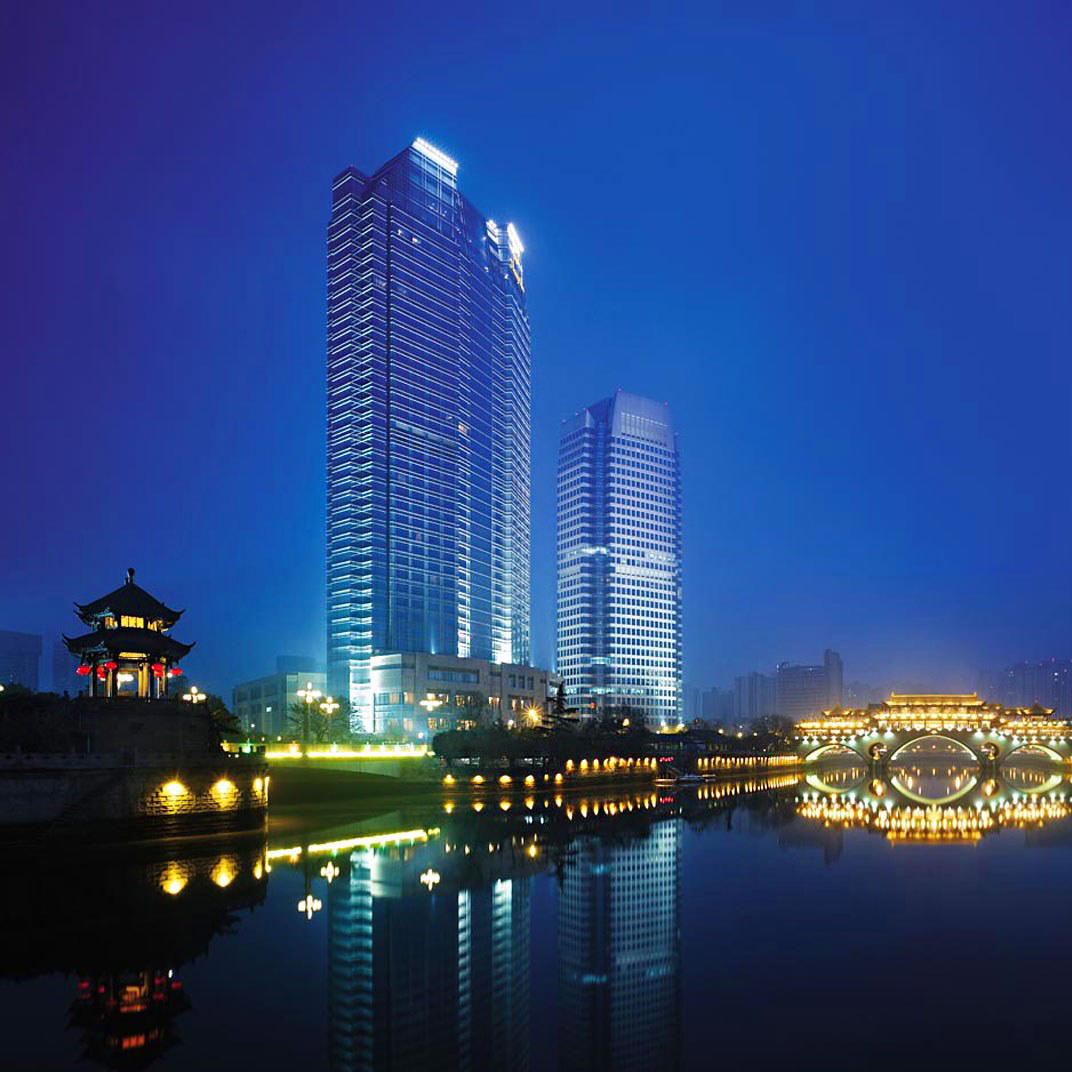
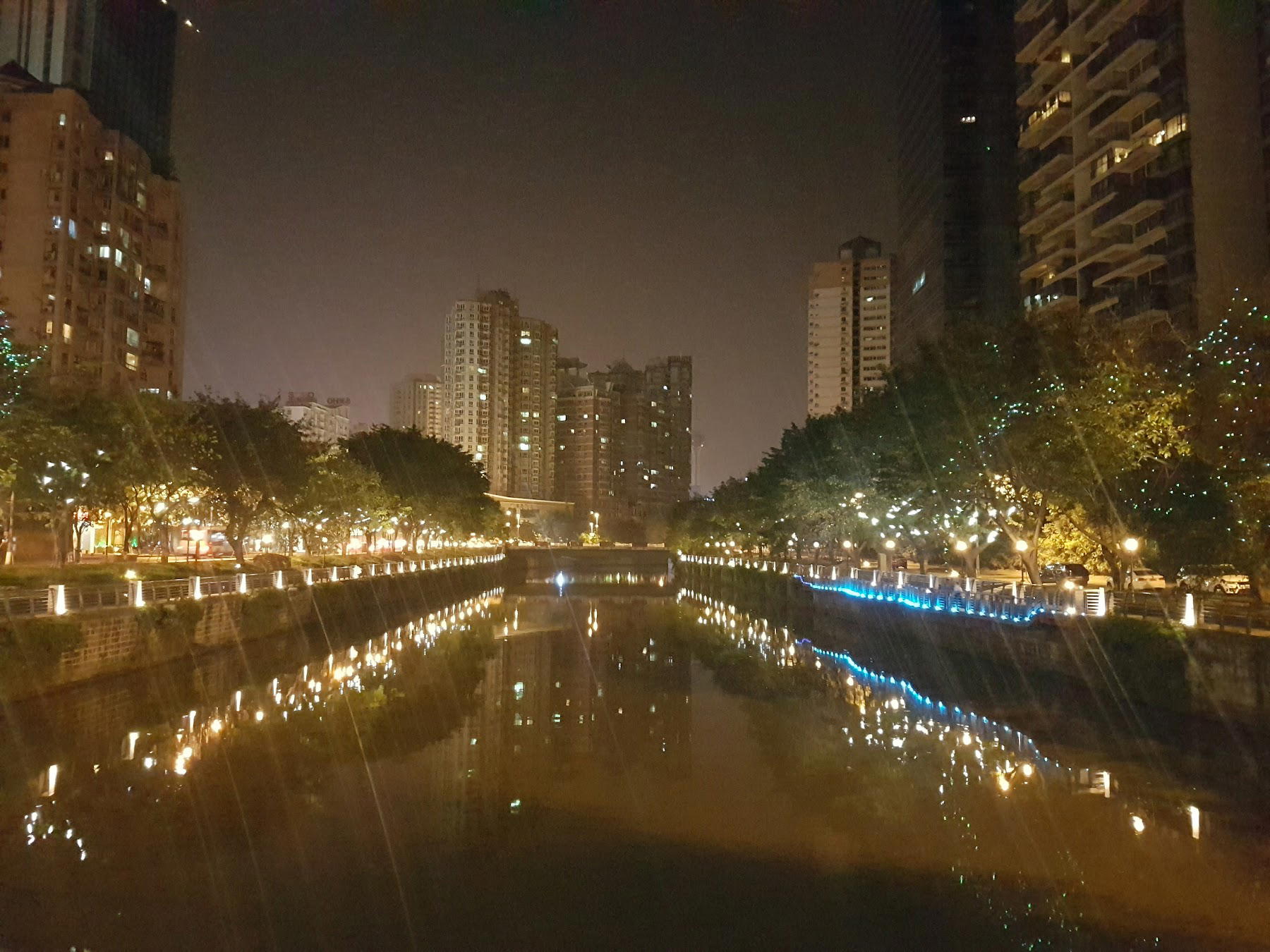
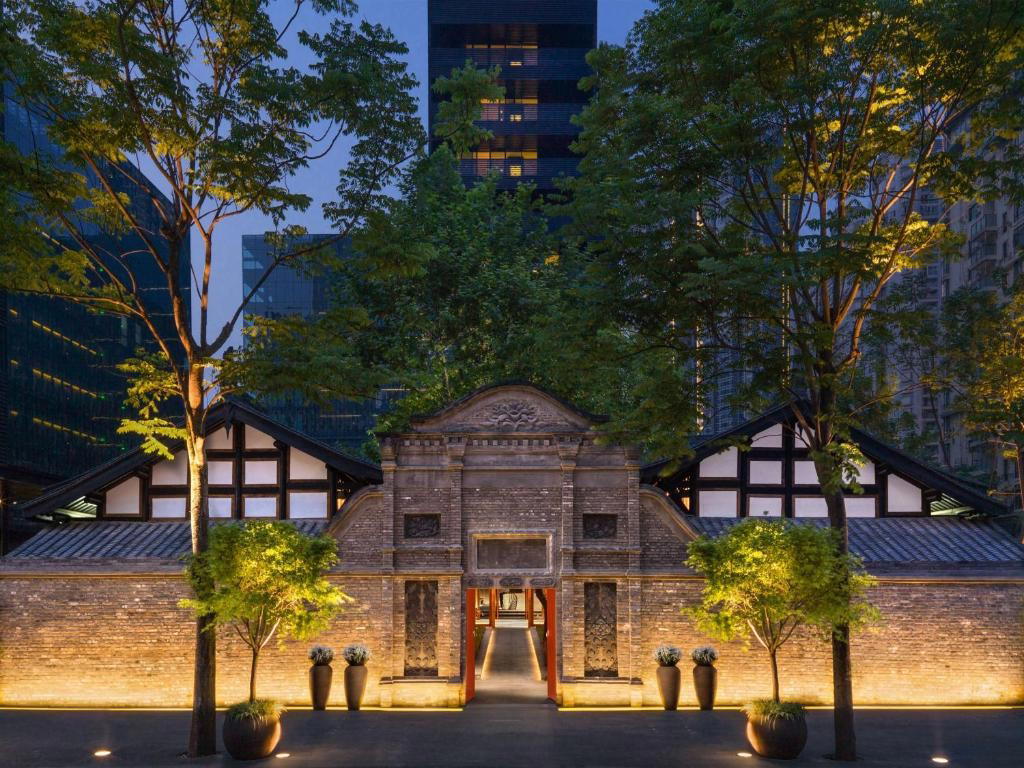
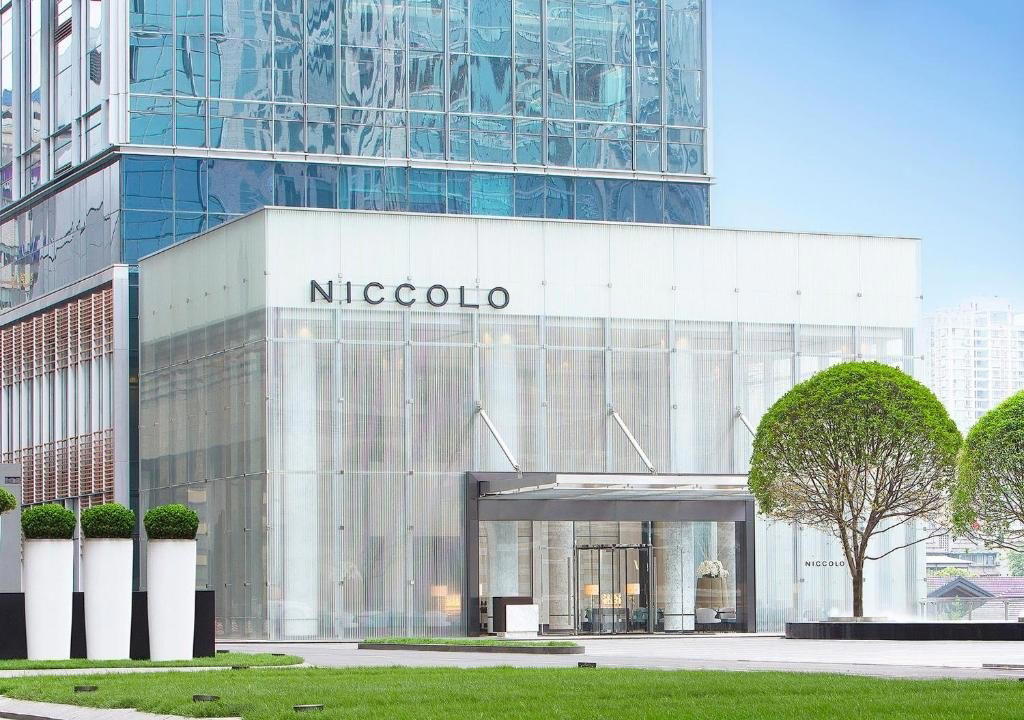
The eastern edge of Chengdu, where Wangjianglou Park meets the Jin River, has always operated at a different pace from the city's commercial dining corridors. The bamboo groves that define the park's character carry into the spatial logic of the restaurants that have taken root here over decades. Xujia Cai occupies this address at 1 Sahua Road within the park grounds. In a city where Sichuan restaurants increasingly compete on spectacle and scale, a park-embedded address signals something closer to the classical tradition of Chinese dining rooms designed around natural surroundings rather than interior decoration for its own sake.
That spatial relationship between building and landscape sits at the heart of how traditional Sichuan private dining rooms have historically differentiated themselves from street-level canteens and modern restaurant groups. Where venues like Yu Zhi Lan represent the refined tasting-menu model and Xin Rong Ji occupies the polished banquet tier, a park-facing dining room of this type positions itself in a category defined by environmental context as much as cooking. The physical container here is not neutral; it is part of what you are paying for.
Chengdu's Park-Adjacent Dining Tradition
Chengdu has a long civic habit of locating important social eating within or immediately adjacent to its parks and teahouse gardens. This is not nostalgia management; it reflects the city's foundational view that dining and leisure exist on the same continuum. Wangjianglou Park carries particular cultural weight in the city's eastern districts. Restaurants that operate within its boundaries inherit that context whether they seek it or not, and the more serious among them treat the surroundings as a design constraint that shapes service rhythm, seating configuration, and even the proportion of private to shared dining space.
For comparison, consider how analogous traditions play out elsewhere in China. Ru Yuan in Hangzhou operates within a garden setting that frames the meal as much as the kitchen does, and 102 House in Shanghai uses heritage architecture as the organizing principle of its dining experience. Xujia Cai belongs to this broader Chinese tradition of space as editorial statement, even if its specific expression is rooted in Chengdu rather than the Jiangnan aesthetic.
The Physical Space as the Argument
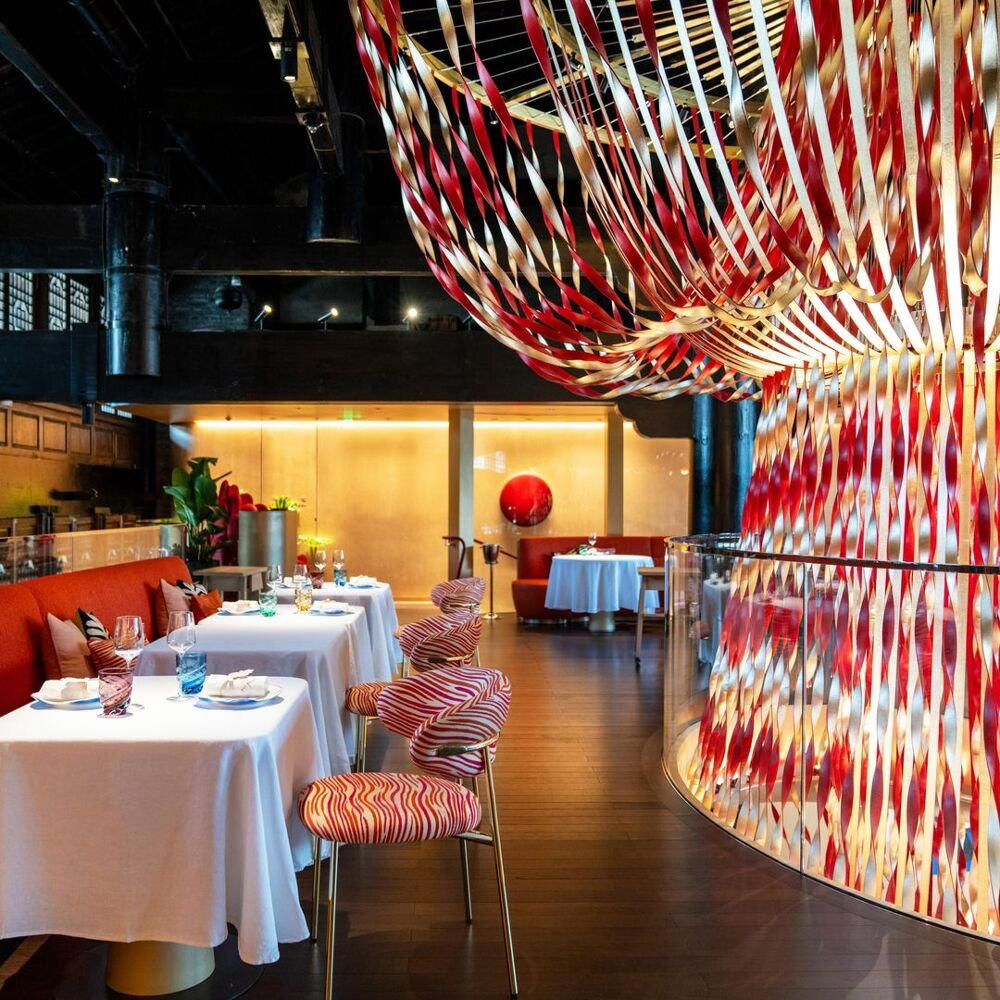
The design logic of park-embedded restaurants in Chengdu tends toward private rooms arranged to capture views and natural light, with covered outdoor areas that extend the dining floor seasonally. This format suits the Sichuan custom of extended meals shared across multiple courses, where the room must sustain attention for two hours or more without relying on ambient noise or visual busyness. The architectural approach is essentially subtractive: remove urban distraction, let the park provide movement and sound, and keep interior surfaces calm enough that the food reads clearly.
This stands in contrast to the maximalist interiors that have come to define many of Chengdu's newer restaurant openings, where lighting design and statement furniture compete with the food for attention. The quieter, more contextually embedded model that Xujia Cai represents is rarer in contemporary Chengdu, which is precisely why the address carries weight among locals who understand the city's dining geography.
Sichuan Cooking in a Classical Frame
Sichuan cuisine at the serious end of the market has split into two recognizable streams over the past decade. One stream moves toward refinement and restraint, deploying the cuisine's canonical flavors (mala heat, doubanjiang depth, the clean sweetness of Pixian broad bean paste) within smaller, more composed formats. Fang Xiang Jing and Fu Rong Huang represent different points along this spectrum in Chengdu's current scene. The second stream maintains the banquet-style format of shared dishes, cold appetizers, and braised centrepieces that defined Sichuan home cooking and restaurant cooking alike through most of the twentieth century.
A venue located within Wangjianglou Park and trading on the Xujia name situates itself clearly in the second tradition. The family-restaurant model in Sichuan, where the restaurant name carries a surname, implies a lineage claim. These are not branded restaurant groups with multiple locations and corporate kitchens; they are operations where the cooking identity is attached to a specific family's approach to Sichuan technique. That framing matters when you are choosing between the polished tasting-menu format that venues like Chef Tam's Seasons in Macau represent and the more direct, family-rooted model that has always been the backbone of serious provincial Chinese cooking.
For those arriving from outside Chengdu with reference points from other Chinese regional cuisines, it is worth noting that the Sichuan family-restaurant tradition differs substantially from the Taizhou seafood formalism of Xin Rong Ji in Beijing, the Cantonese banquet precision of Imperial Treasure in Guangzhou, or the Fujian coastal register of Hokkien Cuisine, which has its own Chengdu outpost. Each tradition has a different relationship to heat, fat, fermentation, and ceremony. Sichuan's version is probably especially confrontational among the group, which is part of its international appeal and part of what requires a setting calm enough to let the food speak without additional noise.
Planning Your Visit
Wangjianglou Park sits in the Wuhou District on Sahua Road, accessible from the city centre by taxi or metro. The park address means that arrival itself is part of the experience. Given the park setting and the traditional format, this is a lunch or early-dinner destination rather than a late-night option, in keeping with Chengdu's broader habit of treating the midday meal as the main event. Diners interested in analogous park-and-garden dining formats in other Chinese cities may find Dingshan Jiangyan in Suzhou and Jiangnan Wok Rong in Fuzhou useful points of comparison. For international reference on what serious regional cooking looks like when it operates within a defined architectural and environmental frame, Fleurs Et Festin in Xiamen and Dai Yuet Heen in Nanjing offer instructive contrasts. Those benchmarking against Western fine-dining equivalents where space and setting carry as much editorial weight as the menu might look at Le Bernardin in New York or Atomix for how physical environment functions as argument in a dining room.
The Short List
Comparable venues nearby, for context on price, style, and recognition.
| Venue | Cuisine | Price |
|---|---|---|
| Xujia CaiThis venue — the venue you are viewing | Chengdushi, Modern Sichuan Cuisine | $$$ |
| Yinba | Suangliuxian, Modern Sichuan Fine Dining | $$$ |
| Yu’s Family Kitchen | Chengdushi, Modern Sichuan Fine Dining | $$$ |
| Young Art Yongya Hexian | Wuhou District, Sichuan Hot Pot | $$$ |
| Huang Cheng Old Beef Restaurant | Qingyang District, Sichuan Muslim Beef | $$ |
| Kuanzuo | Chengdushi, Traditional Sichuan Hotpot | $$ |
Continue exploring
More in Chengdu
Restaurants in Chengdu
Browse all →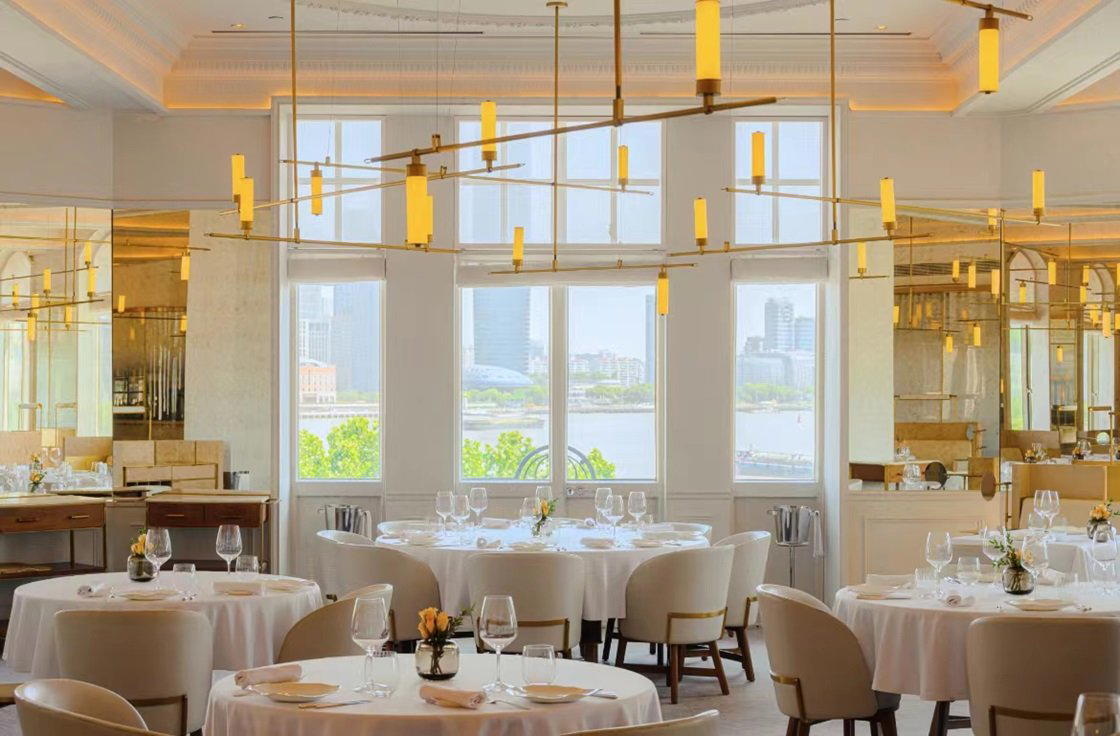
At a Glance
- Elegant
- Sophisticated
- Classic
- Business Dinner
- Special Occasion
- Celebration
- Open Kitchen
- Local Sourcing
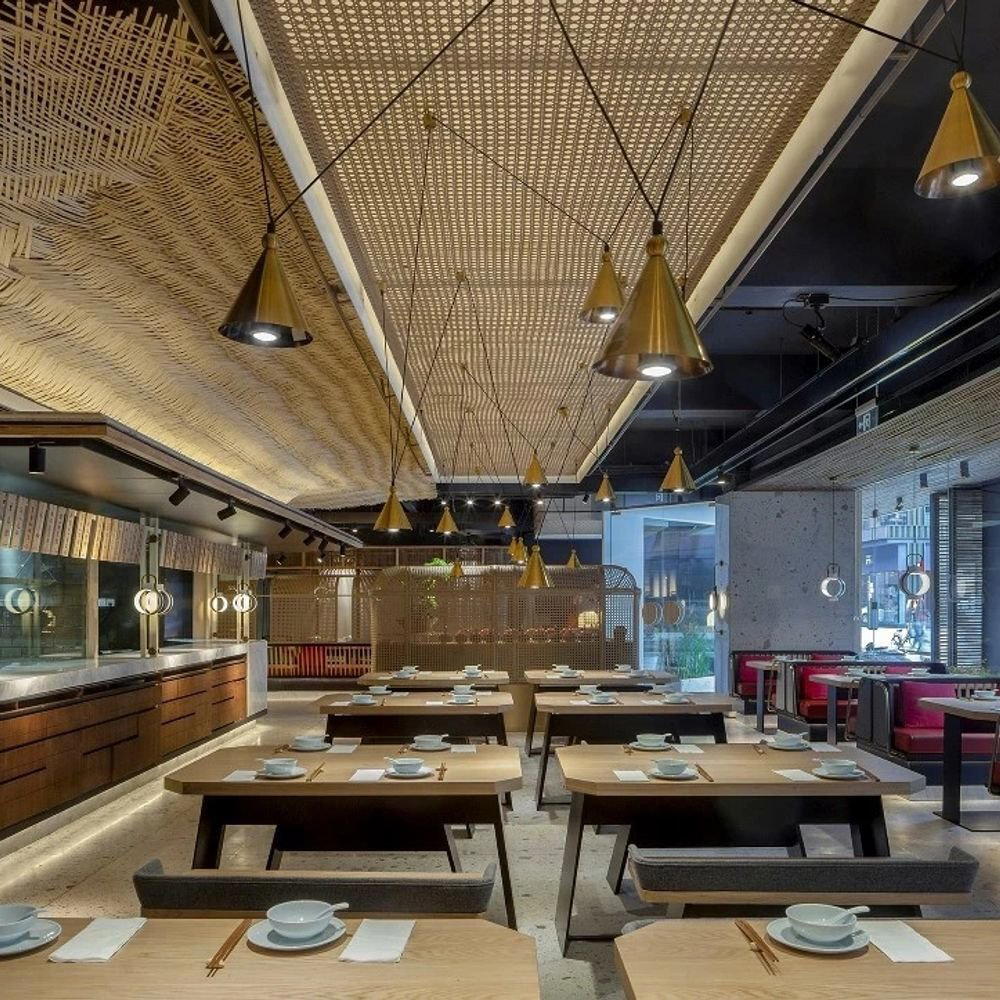
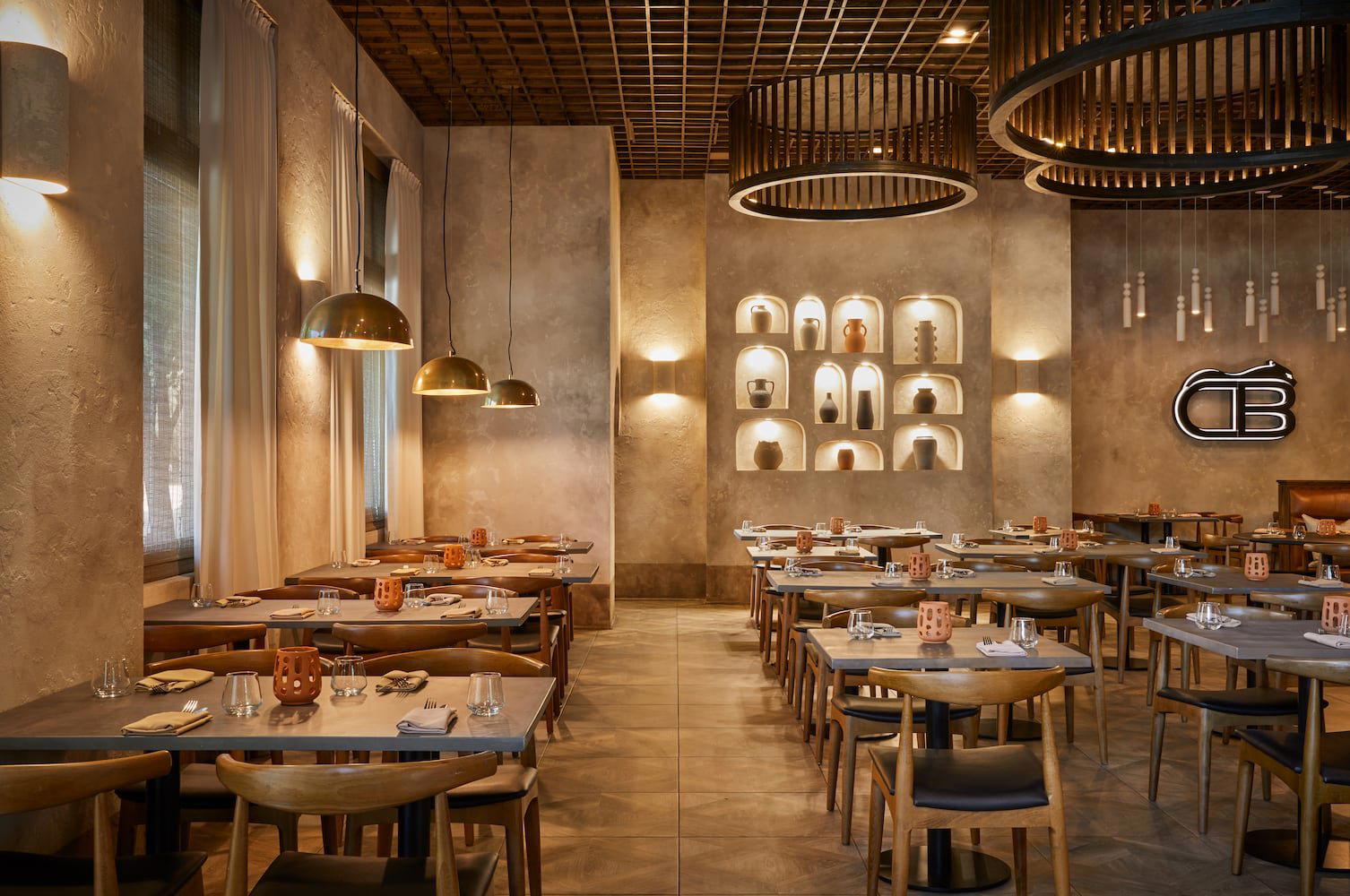
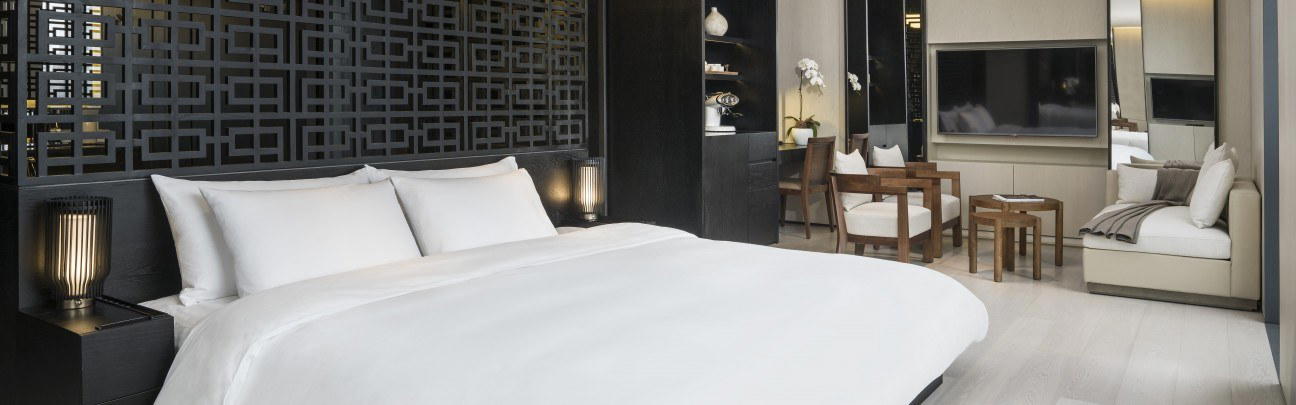
Refined and elegant with a tank of live fish by the entrance, creating an upscale yet approachable atmosphere that honors traditional Sichuan culinary heritage.