Located on Wiesingerstraße in Vienna's First District, XPEDIT occupies a neighbourhood defined by the city's most decorated dining addresses.
Pearl is the En Primeur Club membership app — saves, bookings, and concierge access live there. Same editors, same standards.
- Address
- Wiesingerstraße 6, 1010 Wien, Austria
- Phone
- +436766535378
- Website
- xpedit.at
- Directions
- Get directions
 Saves & bookings on Pearl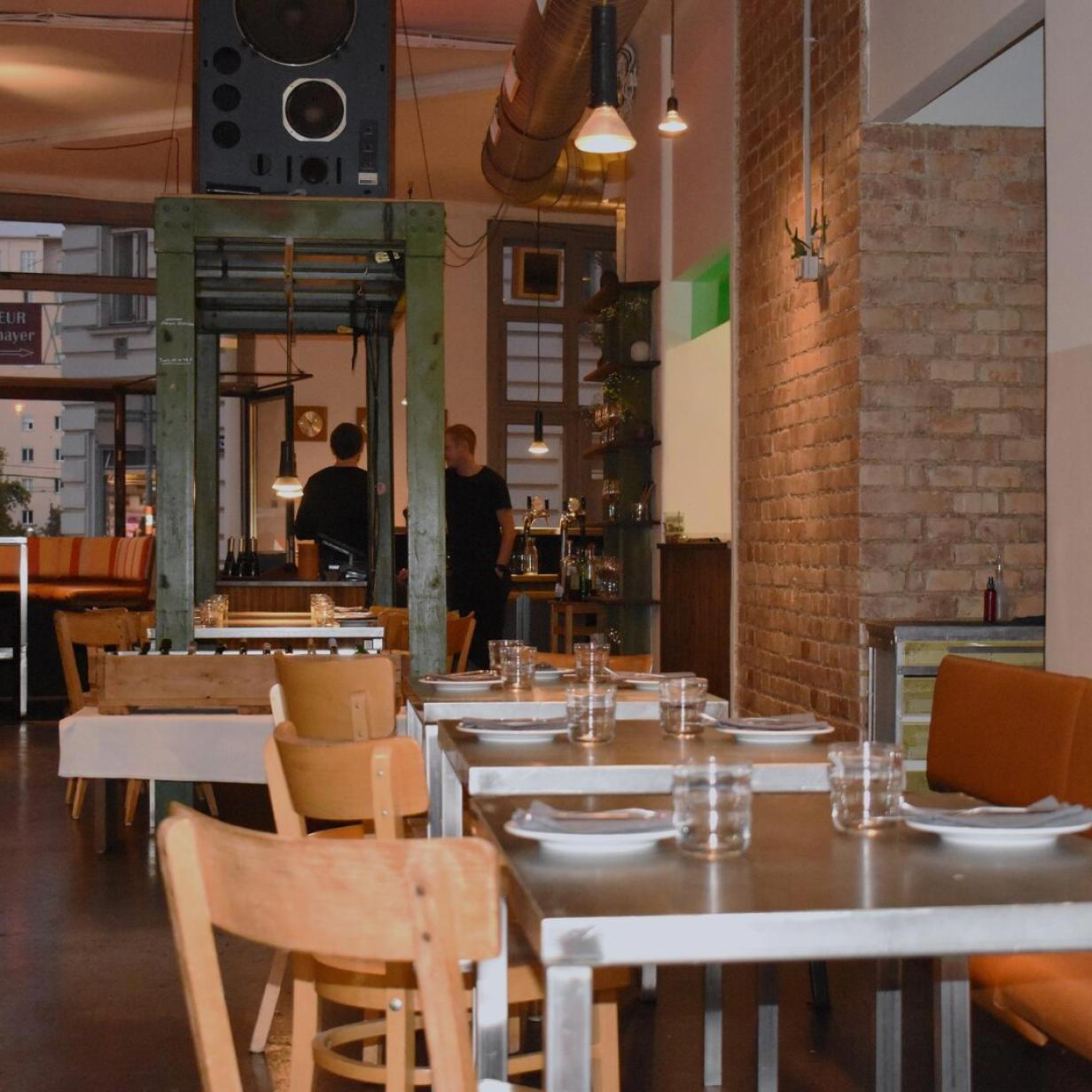
Vienna's First District and the Weight of a Dining Address
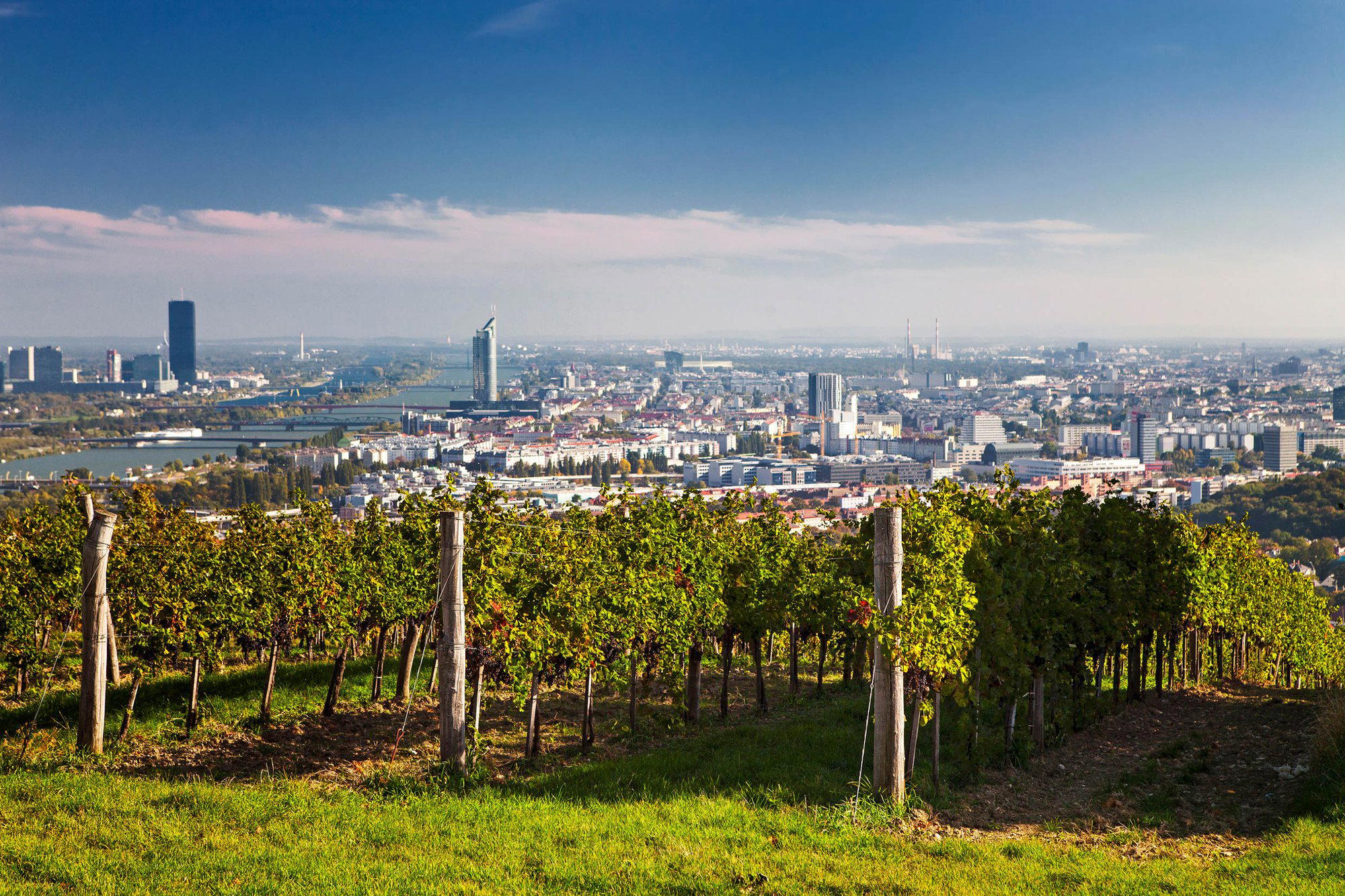
An address in Vienna's First District carries a particular burden. The Innere Stadt has been the city's culinary centre of gravity for generations, and the concentration of serious restaurants within its boundaries means that any new or lesser-known entry must position itself against neighbours with Michelin stars, decades of tenure, and established rituals that diners return to year after year. Wiesingerstraße 6, where XPEDIT operates, sits inside that dense competitive frame.
Vienna's fine dining scene has historically organised itself around a specific kind of formality: the extended evening, the deliberate pacing, the expectation that a meal is a structured event rather than a transaction. That tradition runs from the grand Viennese coffee-house culture through to the modern tasting-menu format that now defines the upper bracket of the city's restaurant tier. Venues like Steirereck im Stadtpark and Konstantin Filippou have built their reputations partly on format discipline, the sense that the meal unfolds on its own terms, not the diner's impatience.
The Ritual Logic of Vienna's Dining Culture
What distinguishes Vienna from comparable European capitals is the degree to which dining ritual is treated as a civic inheritance rather than a restaurant-by-restaurant choice. The city's relationship with the extended meal predates modern gastronomy: the Viennese table has long been a place where time is given freely, where the sequence of courses is respected, and where the interval between dishes is understood as part of the experience rather than a failure of kitchen pace. This applies across price tiers, from neighbourhood Gasthaus to more formal multi-course menus in the centre.
At the upper end of the market, that ritual sensibility takes on a more structured form. The restaurants in XPEDIT's immediate comparable set, places like Amador, Mraz & Sohn, and Doubek, operate formats where the diner is expected to surrender to the kitchen's sequence. The menu is not a list of options so much as a declared intention, and the evening is measured in hours rather than covers-per-sitting. That format convention shapes what a First District address implies, even before a single dish arrives.
The etiquette that travels with these meals is largely unspoken. Arriving on time matters in a way it does not at more casual venues, because the kitchen times courses to a room, not to individual tables. The interaction between service and guest at this level tends toward a formality that is warm but deliberate, information is offered without being pressed, recommendations are made with confidence, and the rhythm of the meal is kept by the front-of-house team rather than ceded to the diner. For visitors accustomed to the more permissive pacing of London or New York dining rooms, the Viennese approach can read as unusually structured. It is, but that structure is the point.
A Scene Defined by Credential Density
Few European cities of Vienna's size can match the concentration of decorated addresses in its central districts. The Austrian capital holds multiple Michelin-starred restaurants within walking distance of one another in the First District alone, a density that creates both opportunity and pressure for any venue operating in the same postcodes. The comparison set is not abstract: diners choosing where to spend a serious evening in Vienna are weighing options against a peer group that includes particularly credentialled kitchens in the German-speaking world.
Austria's broader restaurant geography reinforces this. The country's acclaimed dining extends well beyond Vienna, Döllerer in Golling an der Salzach, Ikarus in Salzburg, Obauer in Werfen, and Landhaus Bacher in Mautern an der Donau among them, which means that Vienna's central venues compete not only with each other but with destinations that draw serious diners out of the city entirely. The Alpine corridor, running from Tirol through to Salzburgerland, has produced a cluster of restaurants, Gourmetrestaurant Tannenhof in Sankt Anton am Arlberg, Griggeler Stuba in Lech, Schwarzer Adler in Hall in Tirol, Kräuterreich by Vitus Winkler in Sankt Veit im Pongau, Restaurant 141 by Joachim Jaud in Mieming, and Ois in Neufelden, that have made the country's regional dining circuit a genuine alternative to capital-city concentration.
For international visitors arriving in Vienna with one serious dinner to allocate, that context matters. The decision is not simply between city venues but between a capital dining room and a regional destination that might offer a more distinct sense of place. Vienna's First District addresses compete on convenience, concentration, and the specific pleasure of eating well in a city whose architectural density gives even a walk to a restaurant a certain weight.
What to Know
What the address alone signals is geographic proximity to a serious dining neighbourhood. The First District's restaurant density means that venues operating there are, by default, in conversation with a demanding comparable set, from the tasting-menu formality of the inner city's starred addresses to the more accessible but no less considered bistro tier that has grown in Vienna over the past decade. That conversation is worth understanding before a booking decision is made, even when the specific terms of one venue's participation in it remain unclear.
For a sense of what the leading international tier looks like by comparison, Le Bernardin in New York City and Atomix in New York City offer useful reference points for format discipline and credential-driven dining at the highest level.
Planning Your Visit
Address: Wiesingerstraße 6, 1010 Wien, Austria. Dress: No dress code confirmed; the neighbourhood norm at serious First District addresses trends toward smart casual at minimum. Getting there: The First District is served by the U1 and U3 lines; Stephansplatz is the central interchange and places most addresses within walking distance.
Cuisine and Recognition
Comparable venues nearby, for context on price, style, and recognition.
| Venue | Cuisine | Price | Notes |
|---|---|---|---|
| XPEDITThis venue — the venue you are viewing | Italian-inspired Nature to Table | $$ | Not listed |
| TARTUFO | Traditional Italian | $$ | Neujedlersdorf |
| Rossini | Traditional Italian Trattoria | $$ | Innere Stadt |
| Pizzis and Cream | Vegan Pizza | $$ | Hofburg |
| La Pausa | Neapolitan Pizza | $$ | Neubau |
| Passione-Da Ferdinando | Neapolitan Pizza | $$ | Hietzing |
At a Glance
- Cozy
- Modern
- Casual
- Date Night
- Casual Hangout
- Open Kitchen
- Terrace
- Extensive Wine List
- Farm To Table
- Local Sourcing
Current opening hours
- Monday
- Closed
- Tuesday
- 6 PM–12 AM
- Wednesday
- 6 PM–12 AM
- Thursday
- 6 PM–12 AM
- Friday
- 6 PM–12 AM
- Saturday
- 6 PM–12 AM
- Sunday
- Closed
Hours can change for holidays and private events. Last verified .
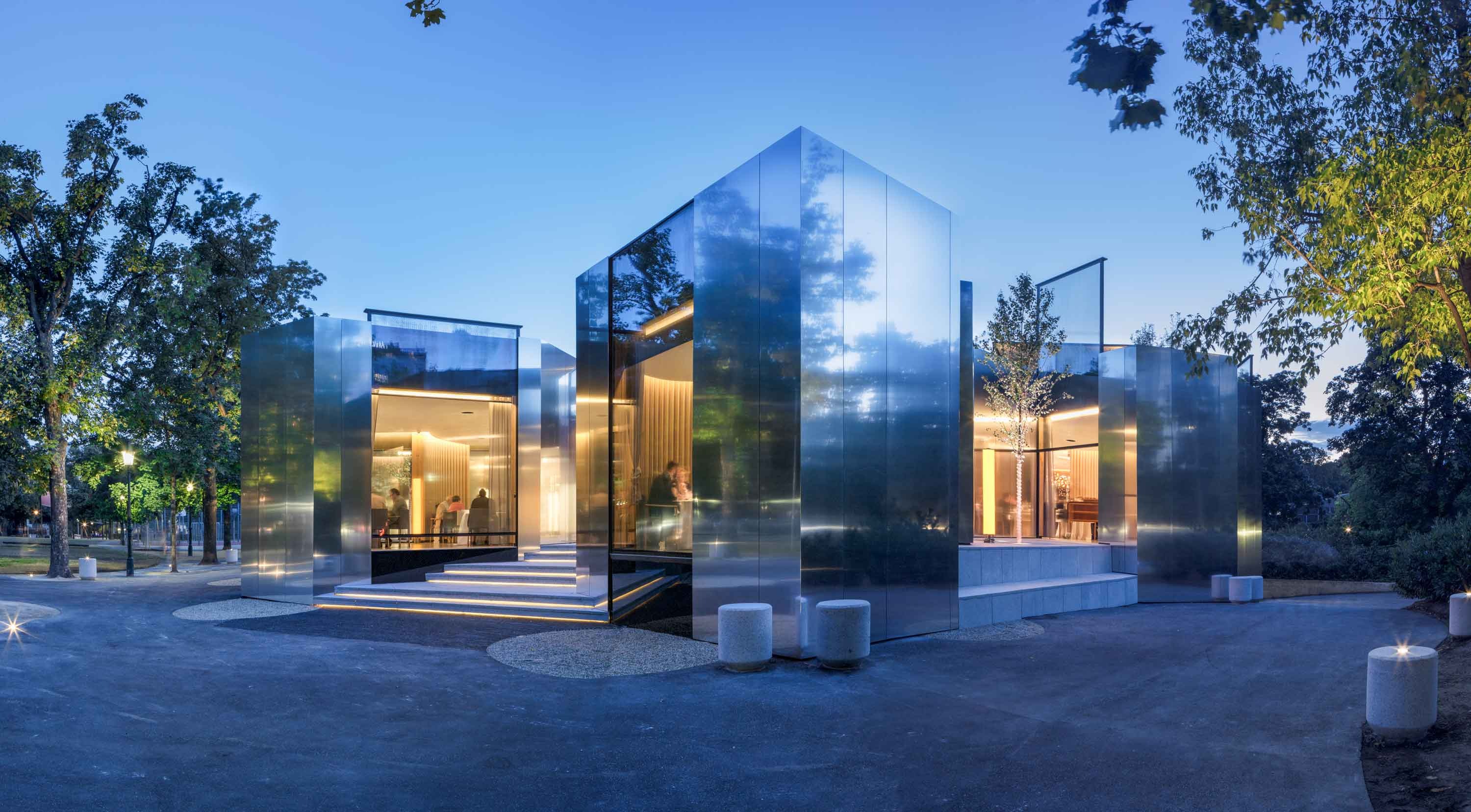
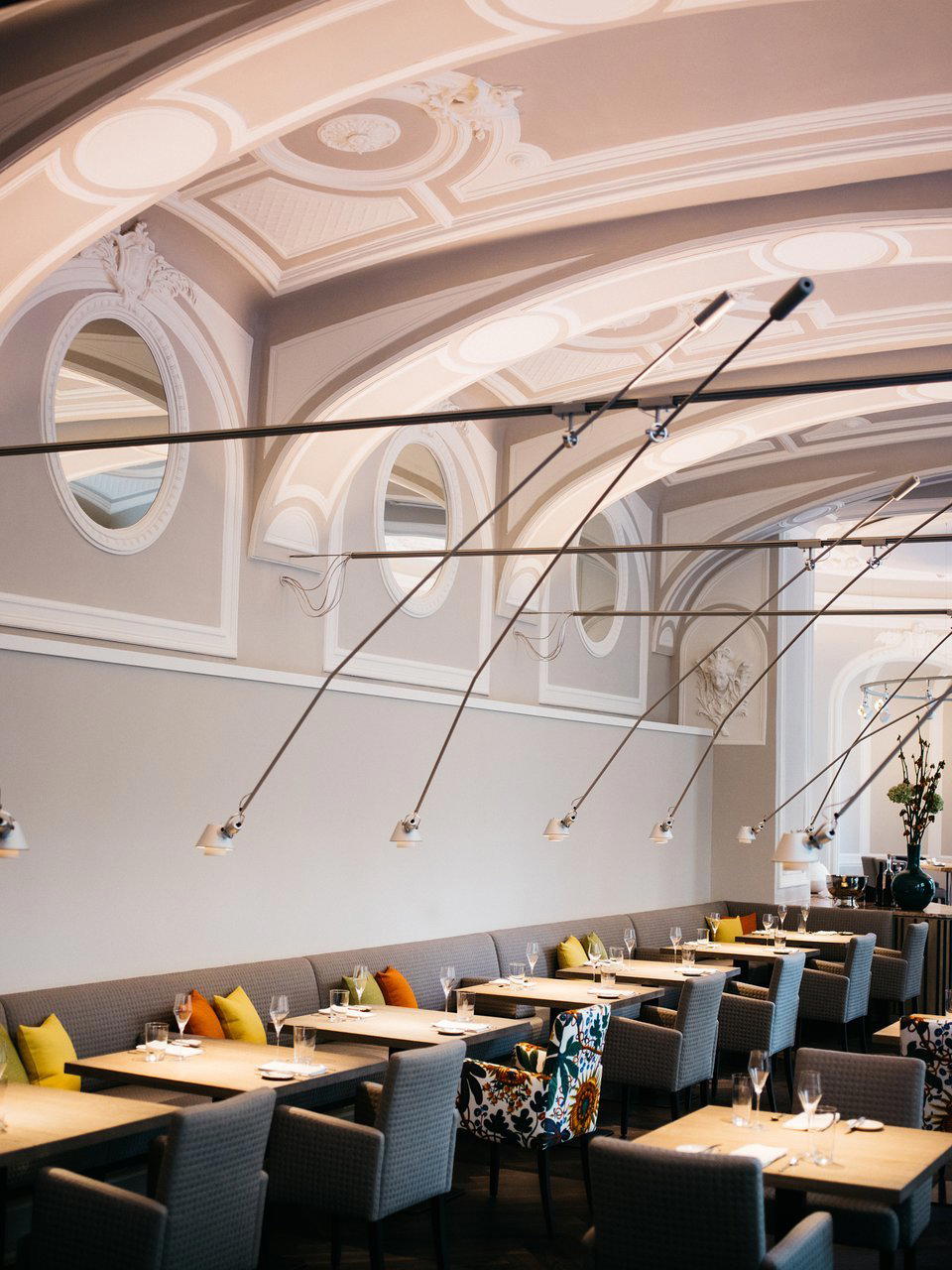
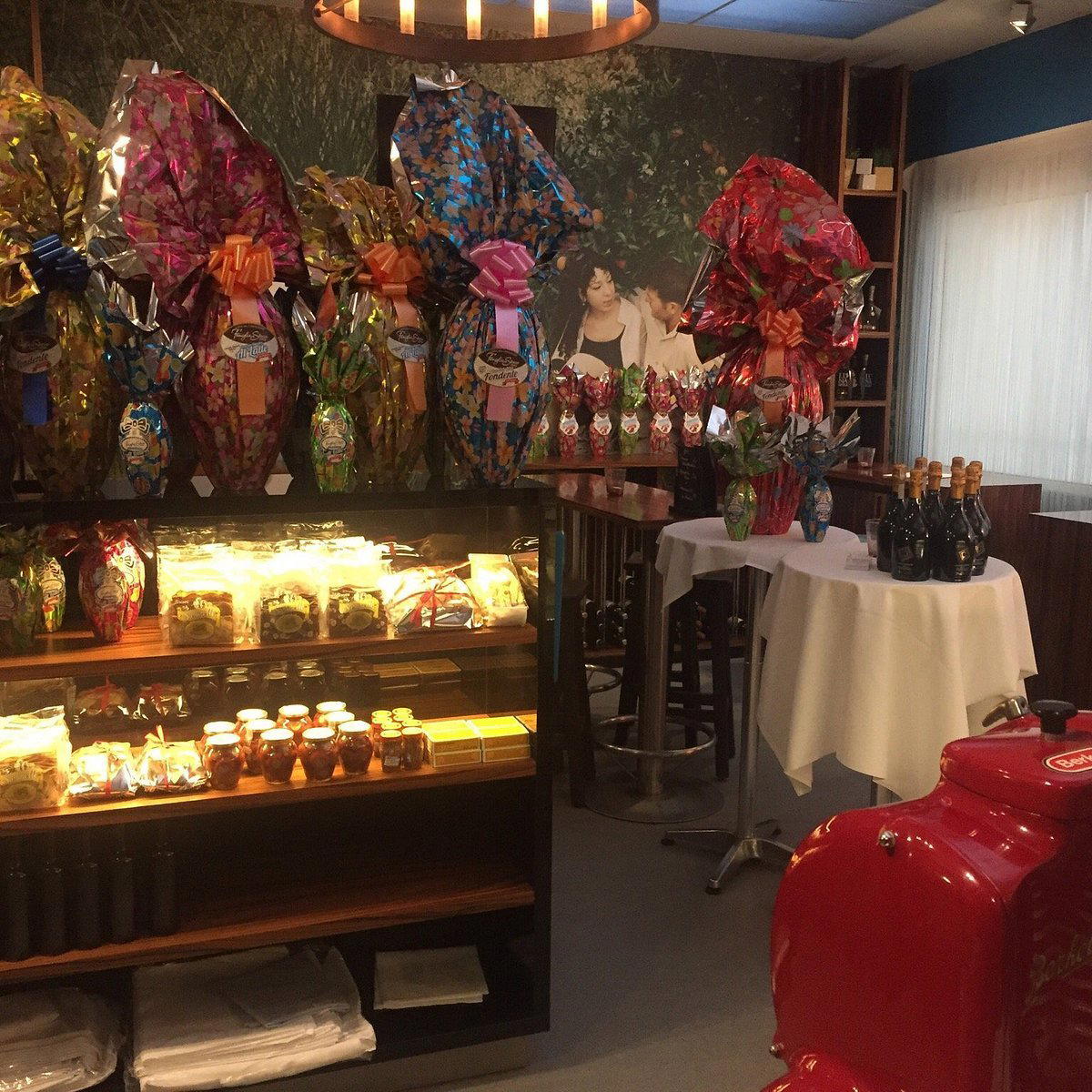
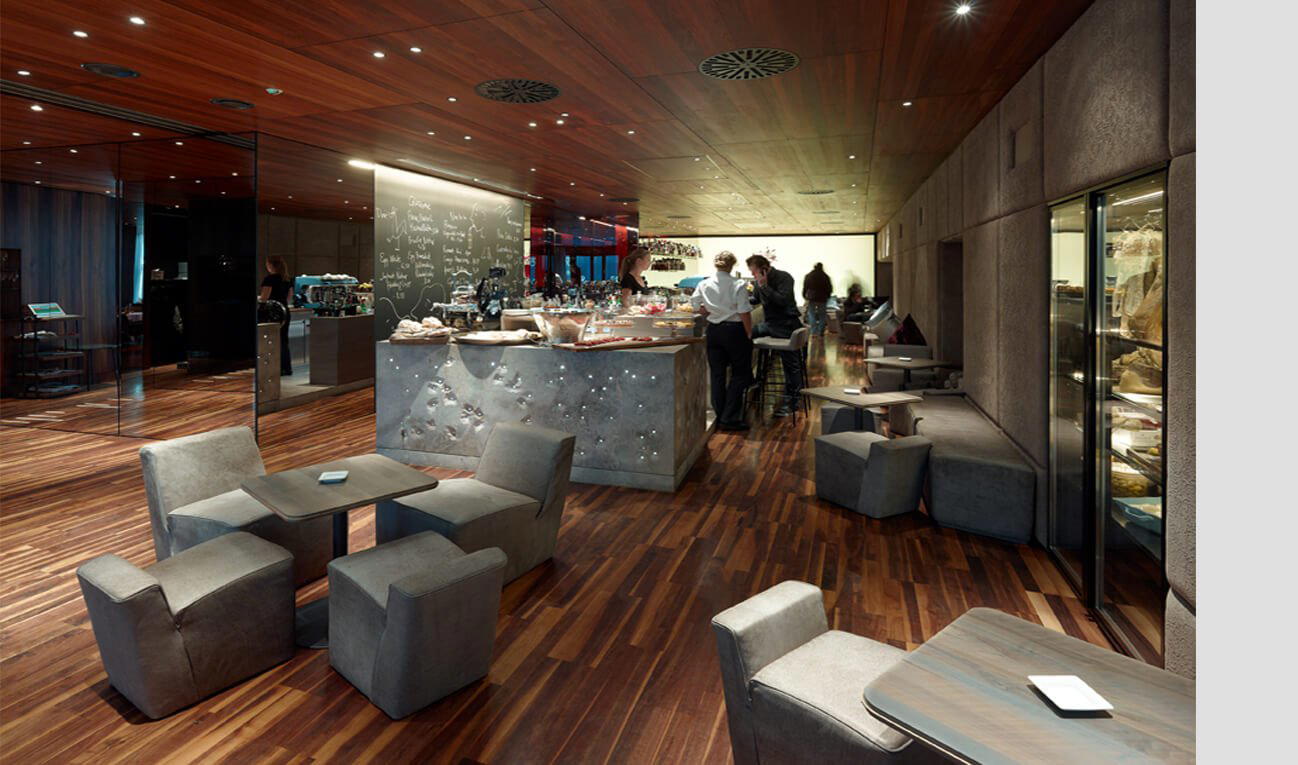
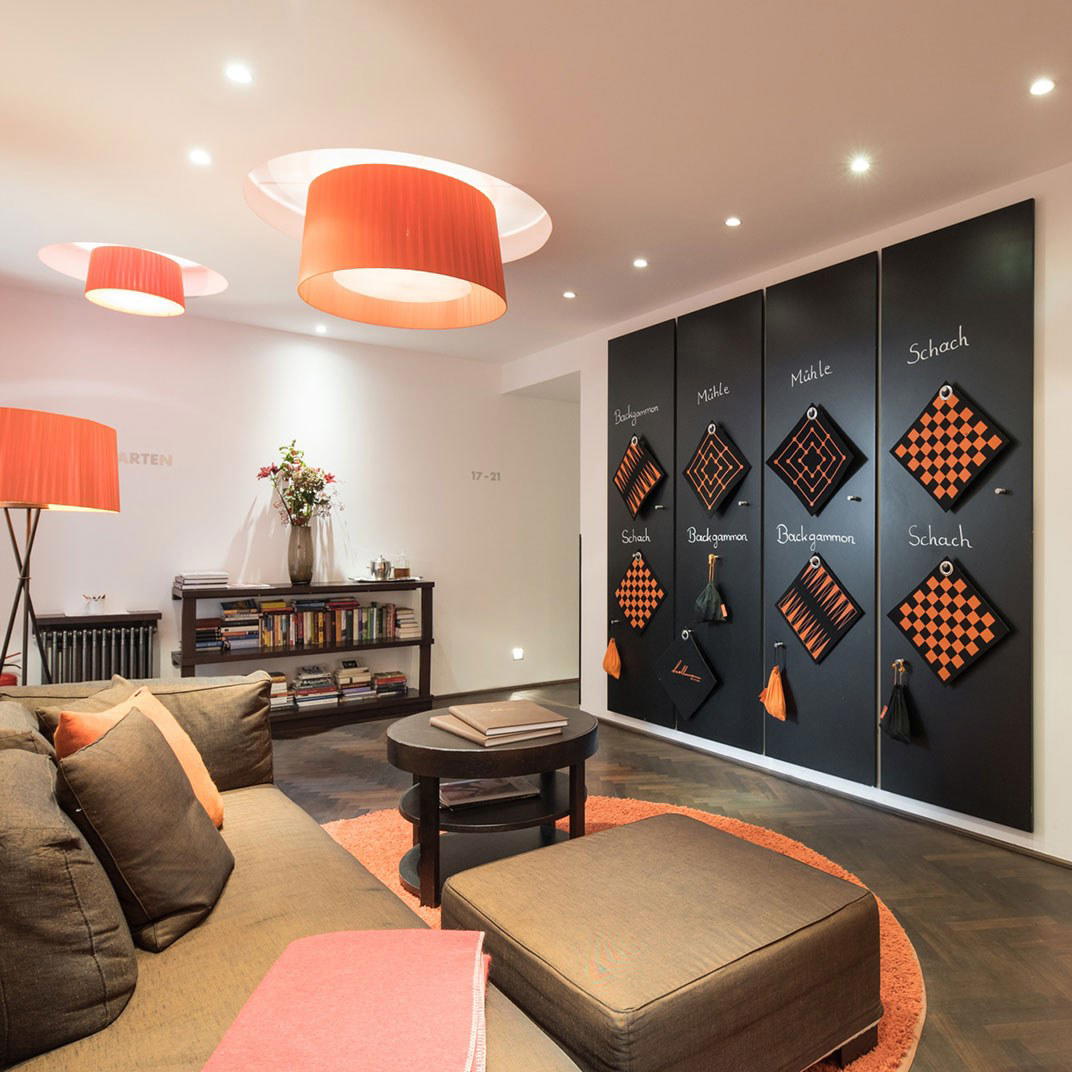
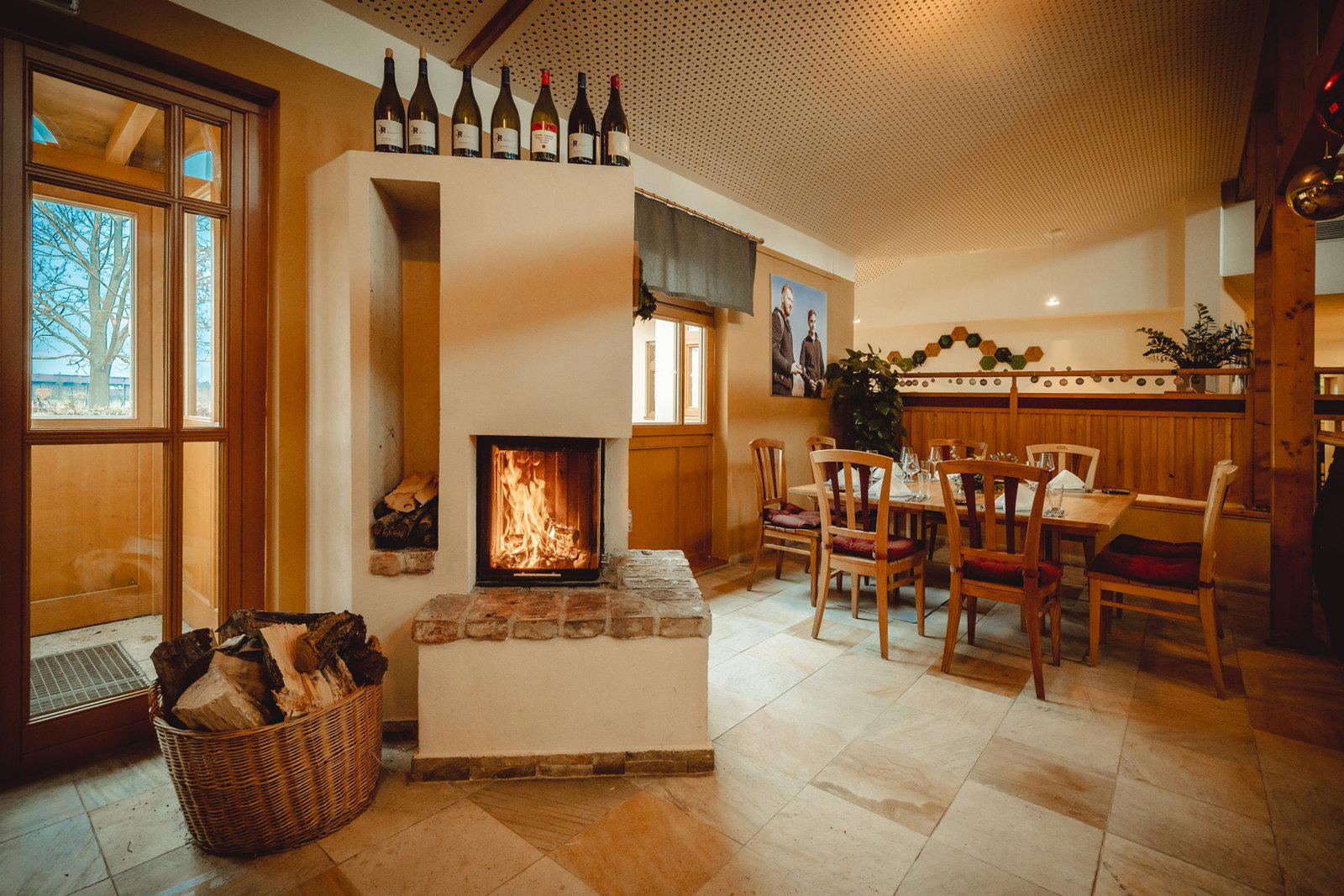
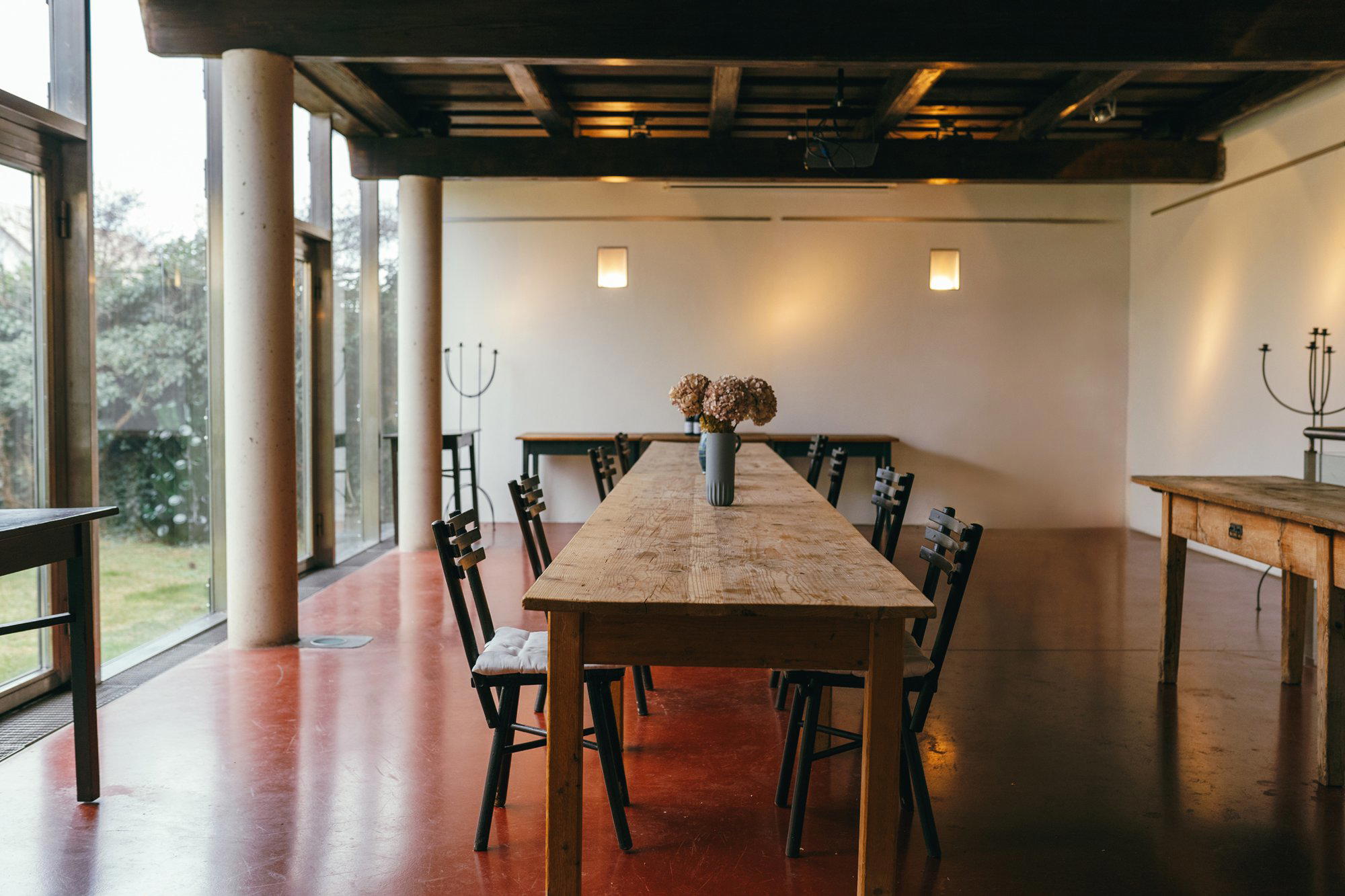
Cozy and welcoming with simple, industrial-inspired decor, warm service, and a relaxed atmosphere.