On Schönlaterngasse, one of the First District's most atmospheric medieval lanes, Rossini occupies a setting that frames any meal in Vienna's layered dining history. The address places it within walking distance of the city's upper-tier restaurant corridor, where Italian-influenced cooking and serious wine curation have long held their own against the dominant Austrian fine-dining canon.
Pearl is the En Primeur Club membership app — saves, bookings, and concierge access live there. Same editors, same standards.
- Address
- Schönlaterngasse 11, 1010 Wien, Austria
- Phone
- +434315126214
- Website
- rossini-ristorante.at
- Directions
- Get directions
 Saves & bookings on Pearl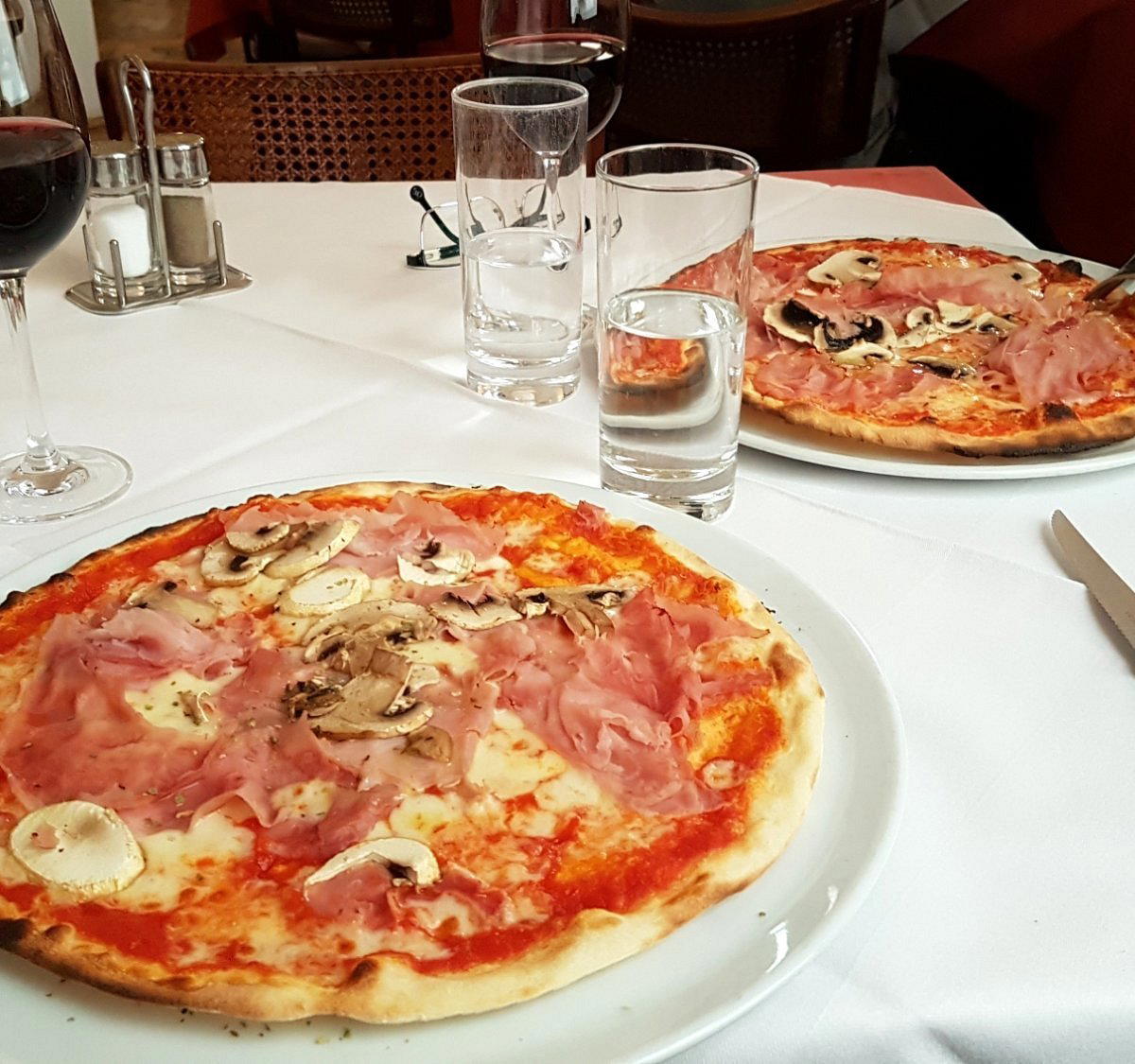
A Street That Sets the Terms
Schönlaterngasse, the narrow cobbled lane in Vienna's First District where Rossini has its address, belongs to a particular category of central European street that does most of the atmospheric work before a guest even sits down. The lane runs through the old Jesuit quarter, a short walk from the Dominikanerbastei and the Schottenstift precinct, and it has carried the lantern that gives it its name since the early eighteenth century. Restaurants that occupy this kind of address in Vienna's Innere Stadt are not making a neutral choice about real estate. They are positioning themselves inside a tradition of considered, unhurried dining that the district has sustained across centuries of political upheaval and culinary fashion cycles.
Vienna's fine-dining scene today is split between two broad orientations. The first, represented by houses like Steirereck im Stadtpark and Mraz & Sohn, pushes modern Austrian technique through a creative, produce-first lens. Rossini is a Traditional Italian Trattoria in Vienna's First District, recommended for reservations and positioned at a casual price tier. The second draws on the city's deep historical relationship with Italian culture, a relationship that shaped Viennese music, architecture, and food for three hundred years of Habsburg rule. Rossini operates in that second tradition, and the name itself is a declaration: Gioachino Rossini, the Italian composer who died a famous gourmand and gave his name to one of classical cookery's most enduring garnish formulas, was the kind of figure Vienna's cosmopolitan aristocracy celebrated as their own.
The Wine List as Argument
In a city where the sommelier corps at the summit tier competes on cellar depth as seriously as any other discipline, the wine list at an Italian-oriented restaurant in Vienna's First District carries editorial weight. The dominant model at Vienna's leading addresses, from Konstantin Filippou to Amador, is a list that anchors Austrian and German producers at the leading and uses French and Italian references as a counterpoint. A restaurant named for Rossini, however, inverts that hierarchy in at least one dimension: the Italian cellar becomes the primary argument, and the question for any serious drinker is how deeply that argument runs.
The geography of Italian wine has become considerably more complex for buyers in the past two decades. Barolo and Barbaresco no longer define the ceiling of Italian ambition in the way they did when Vienna's Ringstrasse restaurants were first assembling serious cellars. Campanian whites built on Fiano and Greco di Tufo, Etna's altitude-grown Nerello Mascalese, and the recovering prestige of Nebbiolo from Valtellina have all entered the calculation. A wine list at this kind of address in 2024 that is limited to the canonical northern Italian appellations reads as a period piece. One that ranges across the peninsula's current critical geography reads as a living document. The distinction matters because it signals whether the kitchen's Italian references are equally current or are working from a more fixed point in time.
For guests who want to cross-reference the Austrian fine-dining canon before or after a visit to Rossini, the EP Club's full Vienna restaurants guide covers the range from the First District to the outer Gürtel. Outside the capital, the country's serious wine-led dining extends to houses like Landhaus Bacher in Mautern an der Donau, which has built one of Austria's most respected Danube-focused wine programs over decades, and Döllerer in Golling an der Salzach, where the cellar reflects a sustained commitment to Austrian terroir across all price points.
Italian Cooking in a Habsburg Frame
The cuisine type that Rossini represents in Vienna is not Italian cooking imported wholesale. It is Italian cooking filtered through the expectations of a city that spent centuries absorbing southern European influence into its own framework. That means certain things are likely true at this kind of address regardless of specific menu details: portion architecture that leans toward the formal multi-course structure of Austrian fine dining rather than the looser convivial model of a Roman trattoria, service pacing calibrated for an evening rather than an hour, and a relationship between kitchen and cellar that treats the wine list as a co-equal part of the proposition.
The Italian repertoire that resonates most in this context tends to be the one with the longest Viennese pedigree: veal preparations, risotto built on long stock reductions, pasta in forms that the Habsburg court would have recognised. Whether a kitchen at this address is working within that tradition or pushing against it is a question that only a current menu can answer, and What is available is the address, and the address at Schönlaterngasse 11 places this restaurant in one of the First District's most historically dense dining corridors.
Placing Rossini in the Vienna comparable set
Vienna's top tier at the moment of writing is anchored by a cluster of restaurants operating at the €€€€ price point with Michelin recognition: Steirereck, Konstantin Filippou, Mraz & Sohn, and Silvio Nickol at the Palais Coburg. Below that cluster, a second tier of serious restaurants operates with strong wine programs and considered cooking but without the same award density. An Italian-named restaurant on Schönlaterngasse most plausibly sits in that second tier, where the competitive logic is different: the question is not how many stars it holds but whether the cooking and cellar together justify the First District premium over comparable Italian-influenced addresses in the second and third districts.
For guests who have covered the Vienna fine-dining circuit and are considering regional Austrian alternatives, the EP Club tracks several addresses worth noting. Obauer in Werfen and Ikarus in Salzburg represent the Salzburg axis of serious Austrian cooking, while Griggeler Stuba in Lech, Gourmetrestaurant Tannenhof in Sankt Anton am Arlberg, and Schwarzer Adler in Hall in Tirol anchor the Tyrolean end of the spectrum. Smaller-scale projects like Ois in Neufelden, Kräuterreich by Vitus Winkler in Sankt Veit im Pongau, and Restaurant 141 by Joachim Jaud in Mieming represent the country's appetite for chef-led destination dining outside the major cities. For a transatlantic reference point on what ambitious Italian-influenced cooking looks like at stronger examples from the market, Le Bernardin in New York City and the rigorous tasting-menu discipline at Atomix set a useful benchmark for the standard of craft that serious diners carry as a reference. Closer to home in Austria, Doubek provides another Vienna data point for the kind of considered, wine-forward dining that the Innere Stadt does at its most confident.
Planning a Visit
Rossini is located at Schönlaterngasse 11 in Vienna's First District, within the compact medieval street grid between the Rotenturmstrasse and Bäckerstrasse axes. The lane is pedestrian-friendly and reachable on foot from the Schwedenplatz U-Bahn station in under ten minutes. Rossini is recommended for reservations and operates daily at lunch and dinner. Booking ahead is sensible.
Budget and Context
Comparable venues nearby, for context on price, style, and recognition.
| Venue | Cuisine | Price | Notes |
|---|---|---|---|
| RossiniThis venue — the venue you are viewing | Not listed | $$ | Not listed |
| May 31 | Lainz, Italian Trattoria | $$ | Not listed |
| Viva la Mamma | Not listed | $$ | Staatsoper, Authentic Italian Pasta & Pizza |
| SOFI Vera Pizza Napoletana | Hernals, Authentic Neapolitan Pizza | $$ | Not listed |
| Lido | Stephansdom, Italian Cicchetti Bar | $$ | Not listed |
| Bacco | Wieden, Authentic Tuscan Italian | $$ | Not listed |
At a Glance
- Cozy
- Classic
- Romantic
- Date Night
- Family
- Group Dining
- Casual Hangout
- Open Kitchen
- Standalone
- Beer Program
- Local Sourcing
Current opening hours
- Monday
- 12–2:30 PM, 6–11:30 PM
- Tuesday
- 12–2:30 PM, 6–11:30 PM
- Wednesday
- 12–2:30 PM, 6–11:30 PM
- Thursday
- 12–2:30 PM, 6–11:30 PM
- Friday
- 12–2:30 PM, 6–11:30 PM
- Saturday
- 12–2:30 PM, 6–11:30 PM
- Sunday
- 12–3 PM, 6–10 PM
Hours can change for holidays and private events. Last verified .
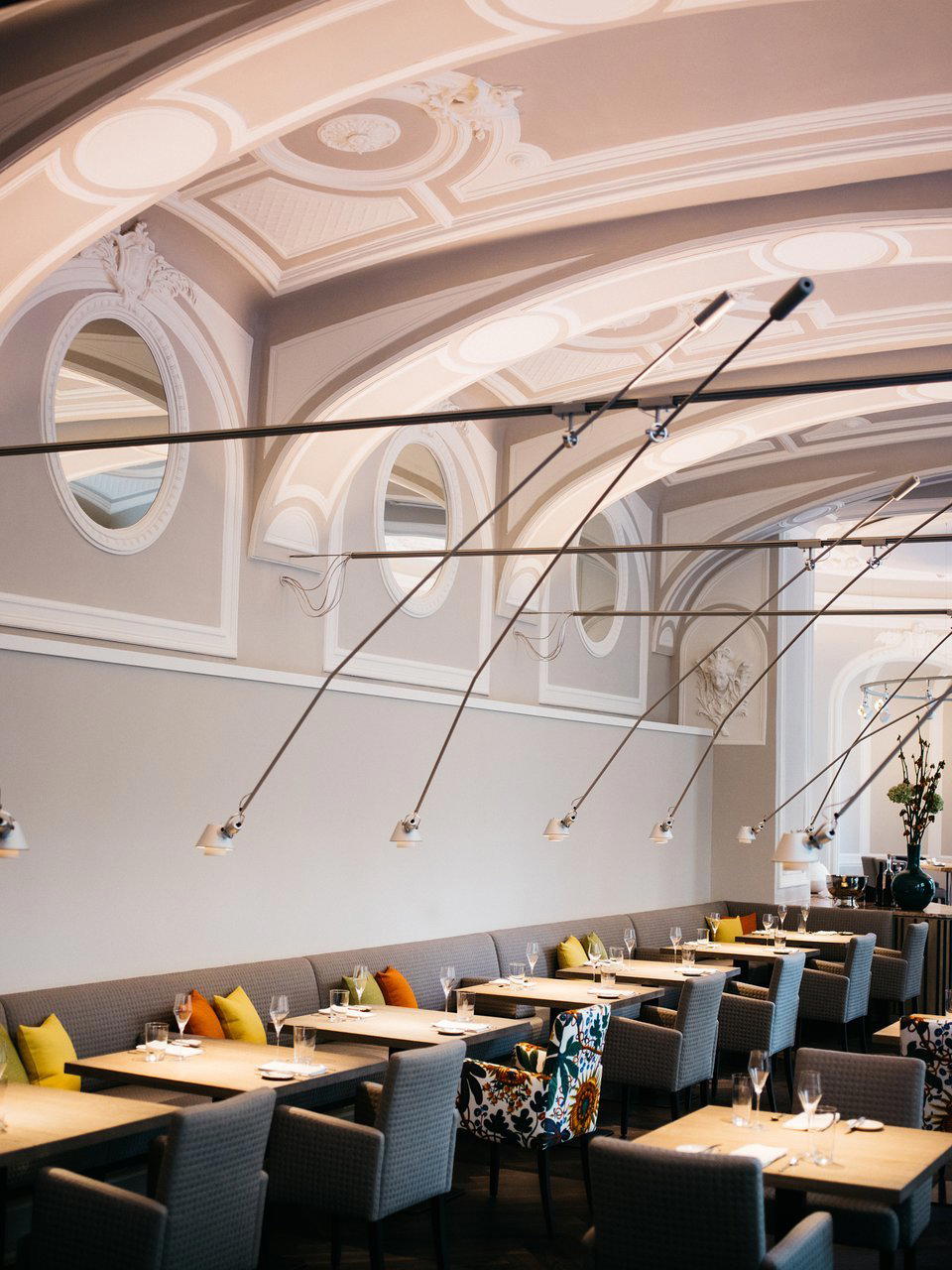
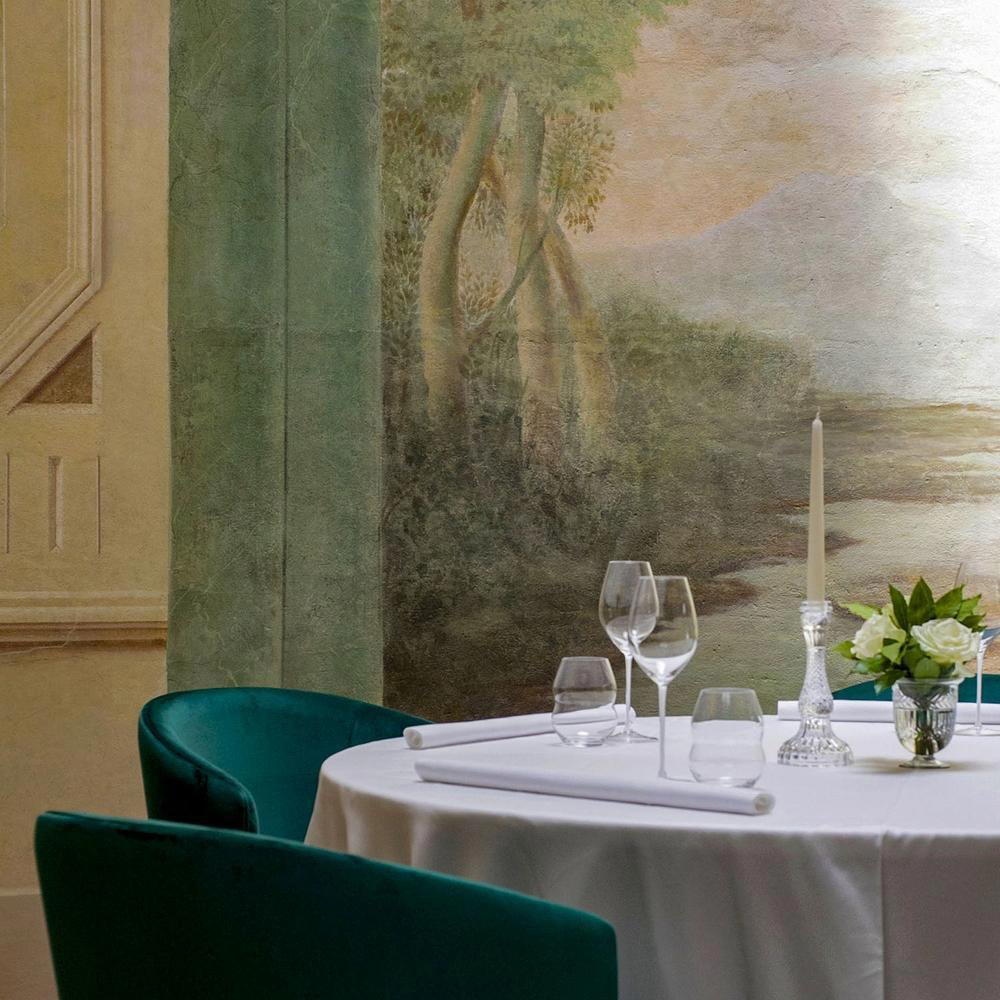
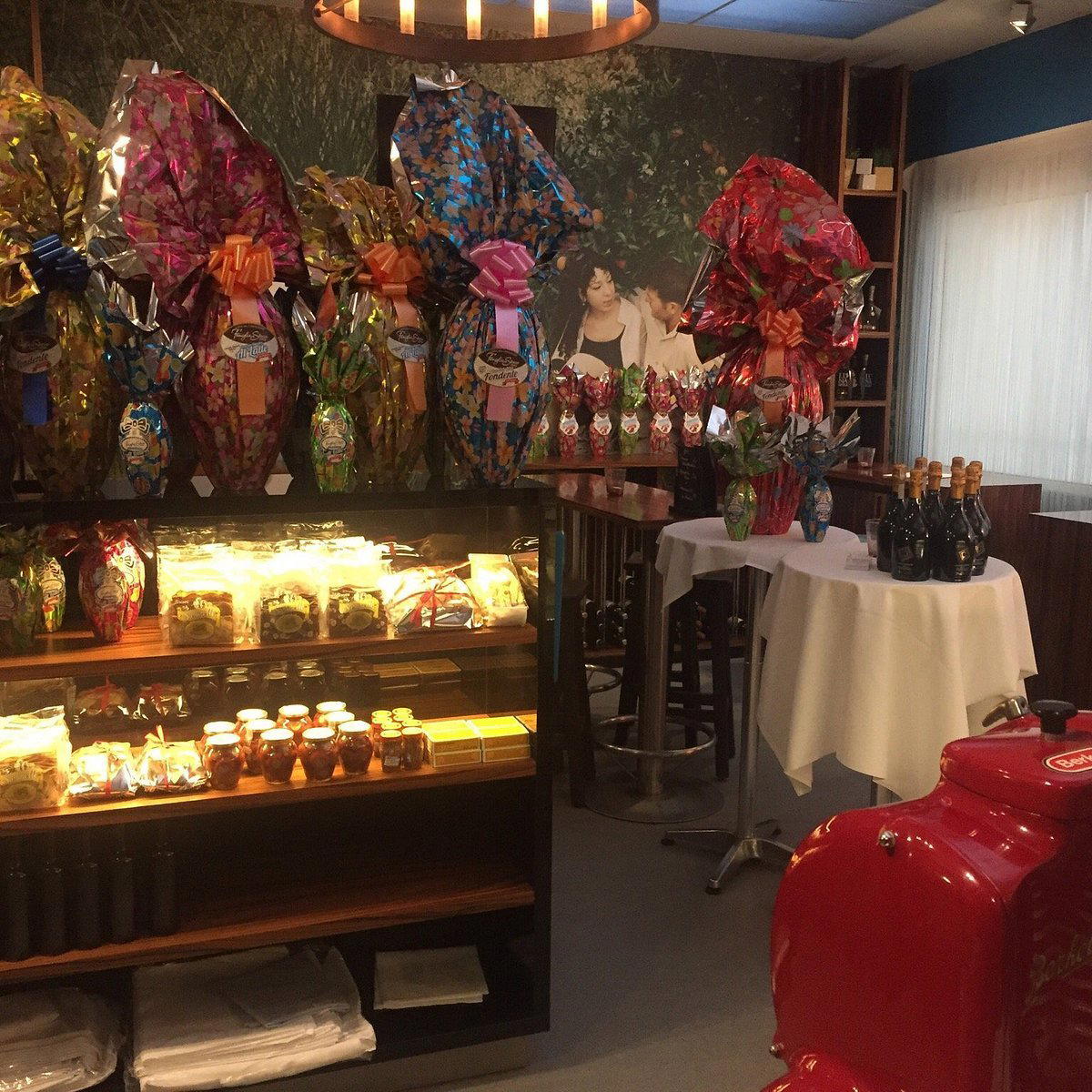
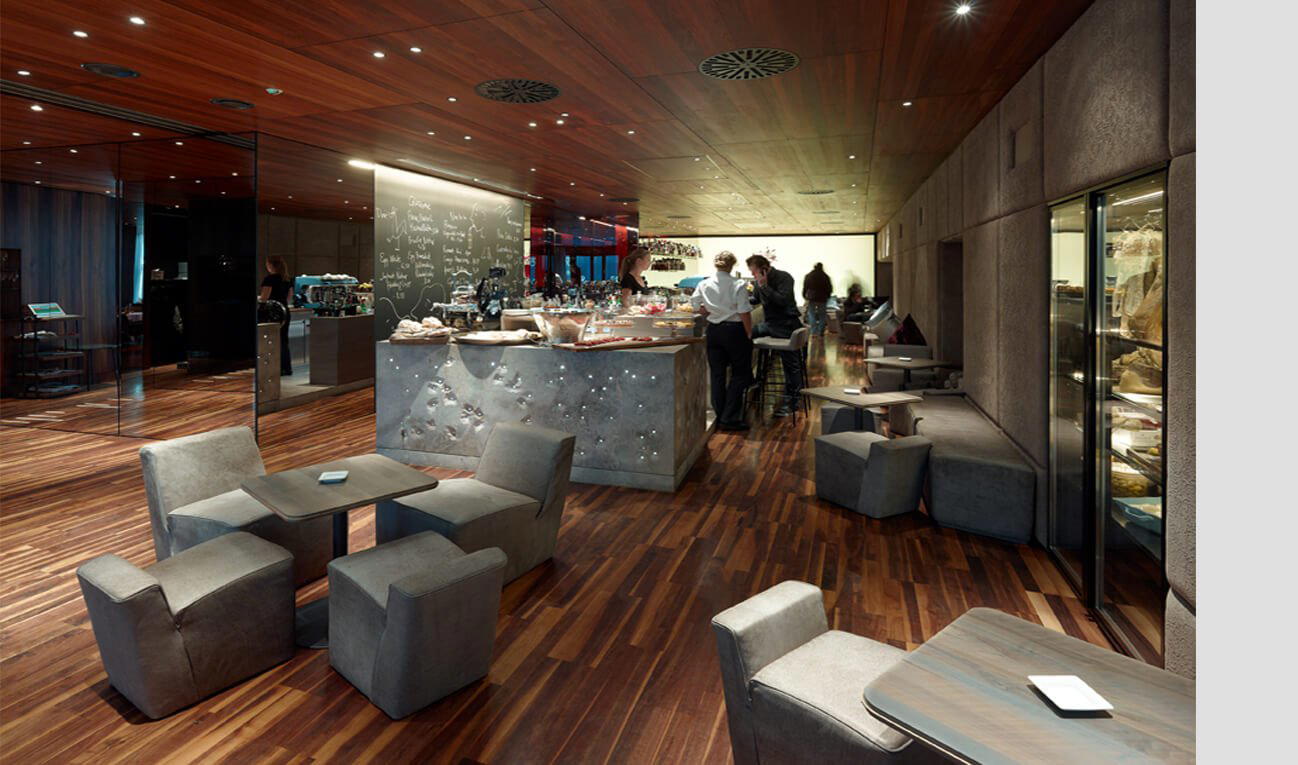
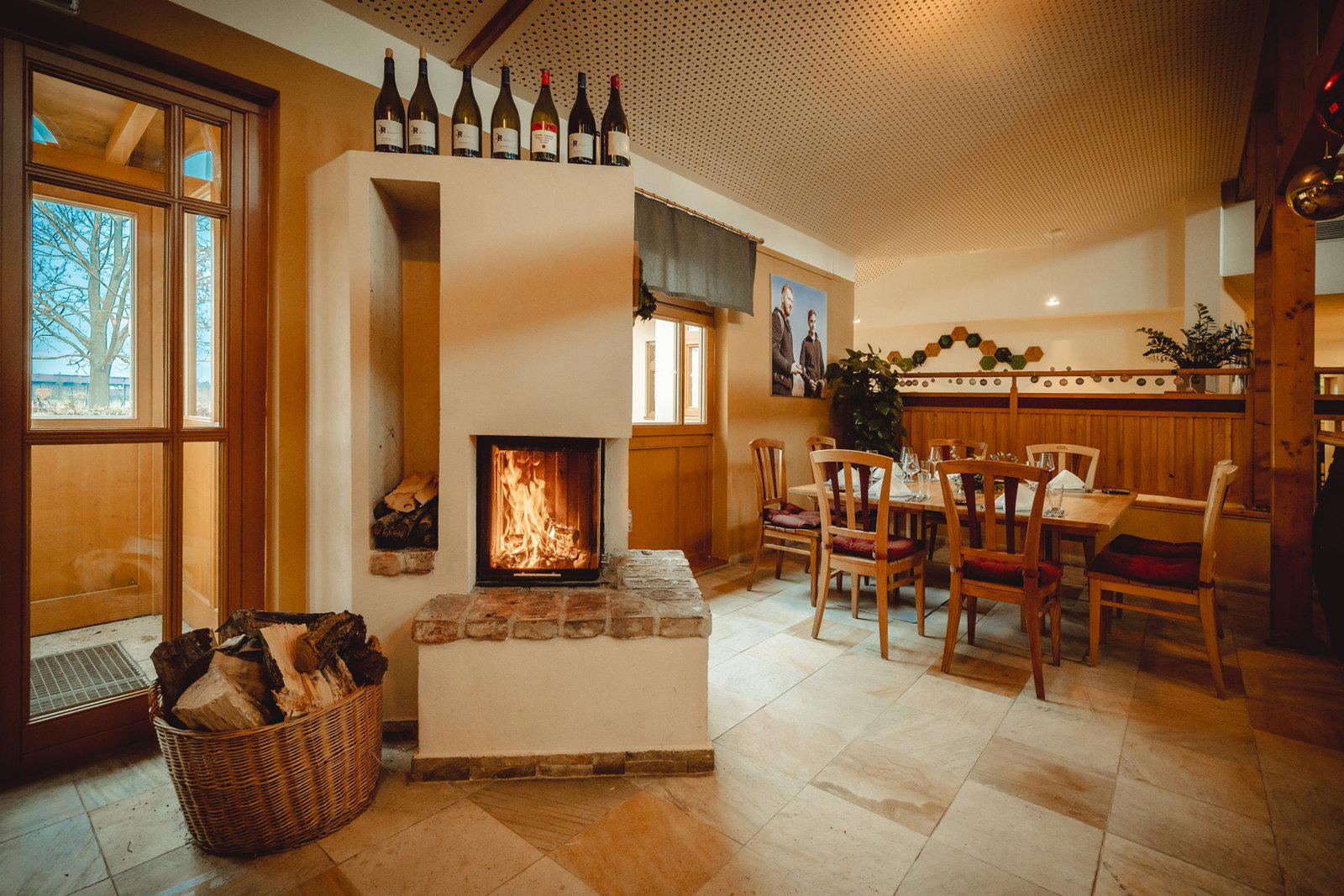
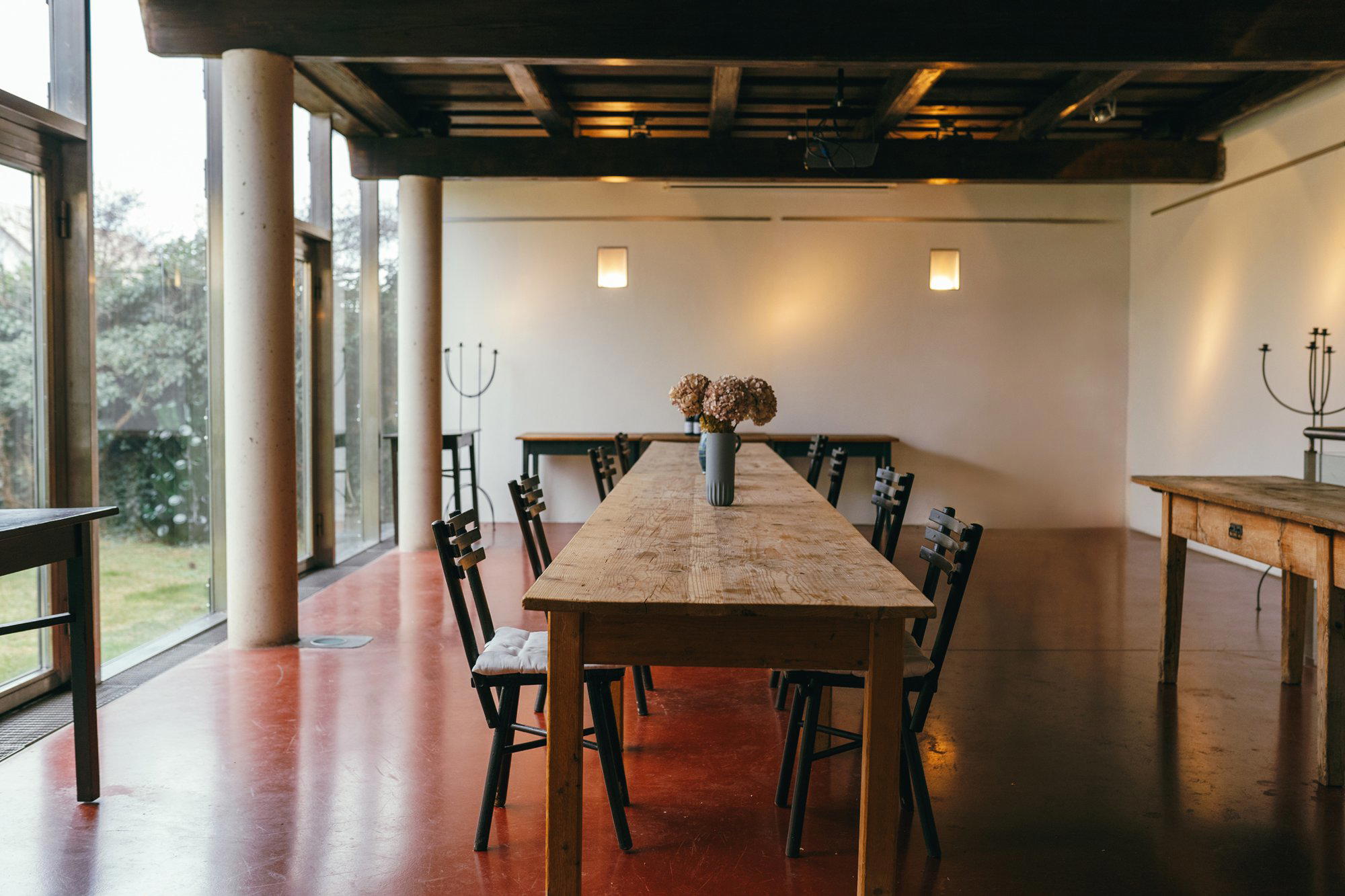
Warm and inviting with traditional Italian charm; guests can watch the pizza maker at work in the open kitchen; cozy atmosphere that encourages lingering.