Passione-Da Ferdinando occupies a quiet address on Hietzinger Hauptstraße, away from Vienna's inner-district dining concentration, positioning it within the city's neighbourhood-restaurant tier rather than its trophy-table circuit. The kitchen draws on Italian-influenced cooking in a city where that tradition sits in a smaller, more specialist niche than Austrian or Modern European formats.
Pearl is the En Primeur Club membership app — saves, bookings, and concierge access live there. Same editors, same standards.
- Address
- Hietzinger Hauptstraße 6, 1130 Wien, Austria
- Phone
- +434318764490
- Website
- passione-daferdinando.at
- Directions
- Get directions
 Saves & bookings on Pearl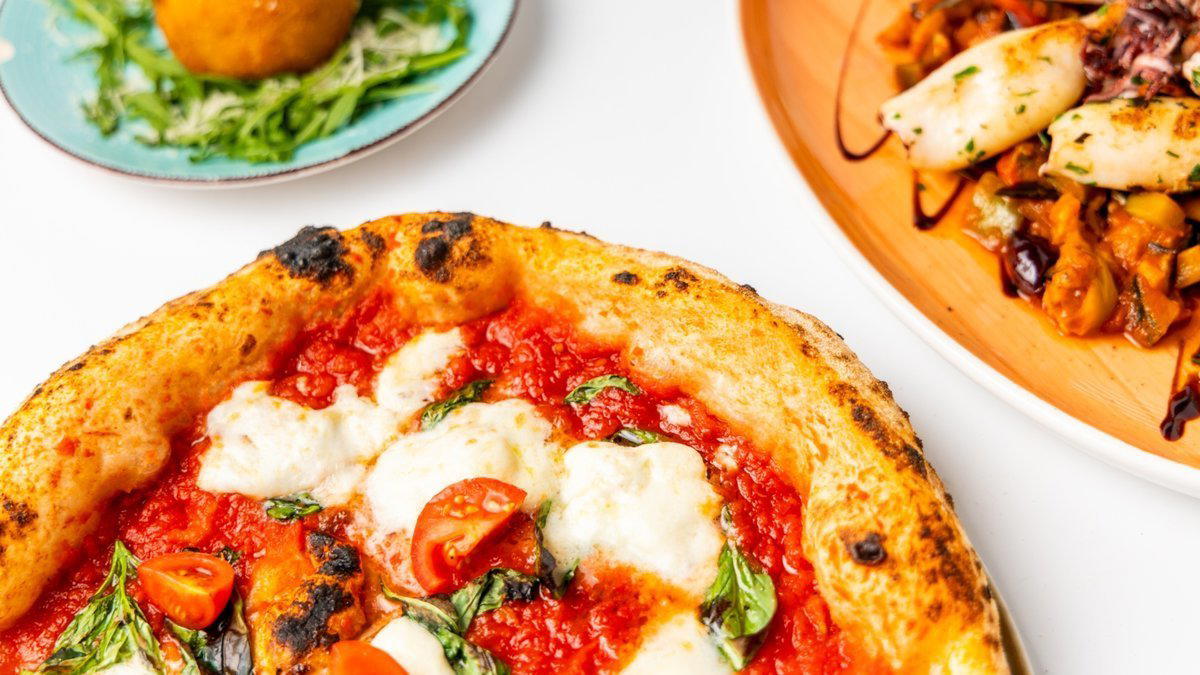
Hietzing and the Case for Dining Outside the Ring
Steirereck im Stadtpark, the rigorous modern European work at Konstantin Filippou, the experimental Austrian-creative programme at Mraz & Sohn. The conversation about where to eat in Vienna rarely begins in the 13th district. Hietzing, the residential neighbourhood that abuts Schönbrunn Palace's western flank, functions on a different register: quieter streets, a local clientele that returns weekly rather than quarterly, and restaurants that earn loyalty through consistency rather than event-dining spectacle. Passione-Da Ferdinando is a Neapolitan Pizza restaurant at Hietzinger Hauptstraße 6, 1130 Wien, Austria, with.
What the Menu Architecture Reveals
In Vienna, Italian-influenced dining occupies a narrower niche than in cities where Italian cooking functions as the default mid-market register. Austrian diners tend to have strong attachments to their own culinary tradition, and the city's most-decorated rooms, from Amador to Doubek, work from Central European or broadly modern European frameworks. An Italian-inflected kitchen operating in a Hietzing residential setting is therefore making a specific bet: that the neighbourhood's appetite for a recognisable, coherent cuisine tradition will sustain it better than chasing the wider city's appetite for innovation.
The name itself carries structural information. "Passione" signals a menu built around emotional attachment to a culinary tradition rather than technical showmanship. "Da Ferdinando" uses the Italian trattoria convention of naming a place after a person, which in that tradition implies a fixed personality, a house style, dishes that do not rotate seasonally in the way a modernist tasting menu does. Together, the name describes a menu architecture likely to be recognisable and consistent: pasta made in-house or sourced carefully, proteins treated with classical Italian method, a wine list weighted toward Italian regions, and a dessert section that does not attempt to surprise. That is a different structural logic from the format of, say, Ikarus in Salzburg, where the menu rotates entirely with guest chefs, or the precision-ingredient-led format of Kräuterreich by Vitus Winkler in Sankt Veit im Pongau. Passione-Da Ferdinando's architecture, as the name implies, is about repetition and mastery within a defined vocabulary, not expansion of it.
That format has a specific appeal for a certain kind of diner. When a restaurant commits to a stable menu identity, regulars can order with confidence, recommend specific dishes to guests, and return for the same plate they ate six months ago. The cooking either justifies that return or it does not. There is nowhere to hide behind novelty. Compared to the broader Austrian dining scene, where houses like Landhaus Bacher in Mautern an der Donau and Obauer in Werfen have built multi-decade reputations on exactly this principle of consistent identity, the trattoria model in Hietzing is operating on a familiar logic, just from a different culinary tradition.
Neighbourhood Position and Competitive Set
Placing Passione-Da Ferdinando within Vienna's dining tier system requires separating the city's two dominant layers: the international-reputation tier, where Michelin stars and 50 Best citations drive bookings from outside Austria, and the neighbourhood-institution tier, where local knowledge and repeat custom drive the business. The address on Hietzinger Hauptstraße places this restaurant firmly in the second category. That is not a diminishment; in many European cities, the neighbourhood-institution tier produces honest cooking and one economically rational dining experience. The equivalent logic applies in Austria's regions, where places like Schwarzer Adler in Hall in Tirol or Ois in Neufelden occupy a respected local-institution role without requiring international validation to sustain them.
The Italian trattoria format, when executed well in a neighbourhood setting, competes less against other Italian restaurants than against the broader category of "the restaurant a local family uses for birthdays, anniversaries, and Friday evenings." That is a wider competitive set and a more demanding one in some ways: the cooking has to work for a table of four who ate there last month, not just for a visitor eating once. Vienna has a long tradition of exactly this kind of establishment in the Beisl format, and a good Italian room in Hietzing is essentially making the same promise with a different culinary vocabulary.
Vienna in a Wider Austrian Context
Austria's dining scene has developed two distinct trajectories in the past decade. The first is a Michelin-facing, ingredient-led, often tasting-menu format concentrated in Vienna and the alpine resort towns: the work of Döllerer in Golling an der Salzach, Gourmetrestaurant Tannenhof in Sankt Anton am Arlberg, and Griggeler Stuba in Lech all belong to this register. The second is an older, less visible tradition of craft cooking in fixed formats, serving local communities with consistency and without the apparatus of press nights and tasting-menu launches. The restaurant's address and naming convention suggest it belongs to the second category. Internationally, the parallel would be the kind of neighbourhood Italian room in New York that does not attempt the ambition of Le Bernardin or the tasting-menu precision of Atomix, but earns its place through a different kind of fidelity. For visitors to Vienna, understanding which tier a restaurant operates in shapes the right expectations more than any other single factor.
For a fuller picture of where the restaurant fits within the city's broader offer, the EP Club Vienna restaurants guide maps the full range from neighbourhood kitchens to the city's most-decorated rooms. For those planning a regional itinerary, the restaurant at Restaurant 141 by Joachim Jaud in Mieming represents another example of a kitchen building a strong local reputation outside Vienna's orbit.
Planning Your Visit
Pricing, Compared
Comparable venues nearby, for context on price, style, and recognition.
| Venue | Cuisine | Price | Notes |
|---|---|---|---|
| Passione-Da FerdinandoThis venue — the venue you are viewing | Hietzing, Neapolitan Pizza | $$ | Not listed |
| Da Capo | Not listed | $$ | Innere Stadt, Traditional Italian Trattoria |
| XPEDIT | Not listed | $$ | Innere Stadt, Italian-inspired Nature to Table |
| Francesco | Not listed | $$ | Alsergrund, Authentic Italian Pizza and Pasta |
| La Stella | Staatsoper, Italian Apericafe & Deli | $$ | Not listed |
| Matteo | Not listed | $$ | Hofburg, Traditional Italian Homemade Pasta & Tapas |
Continue exploring
More in Vienna
Restaurants in Vienna
Browse all →
![[aend] restaurant in Vienna](https://cdn.enprimeurclub.com/storage/v1/object/public/images/locations/recsVyRkMfzCxPmp0/hero2.jpg?width=3840&quality=75)
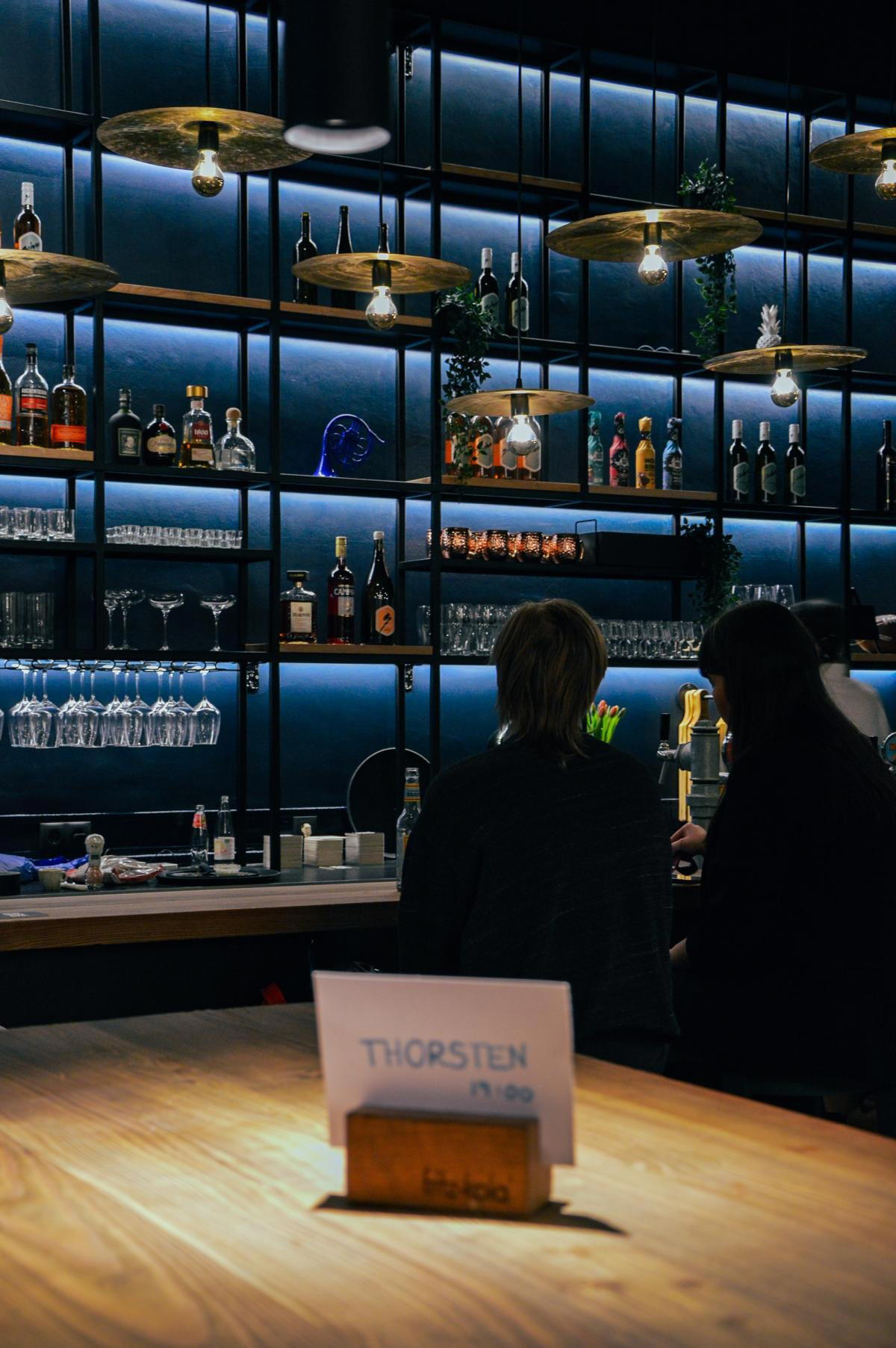
Bars in Vienna
Browse all →

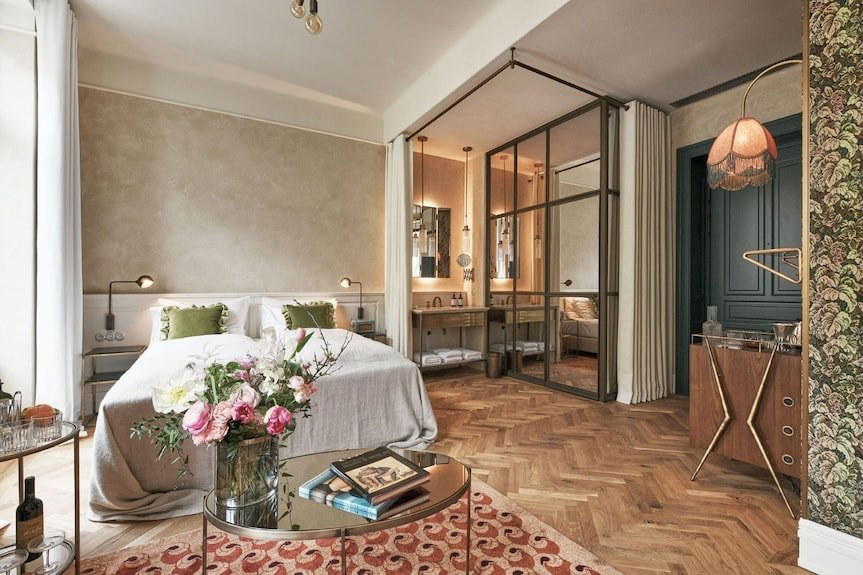
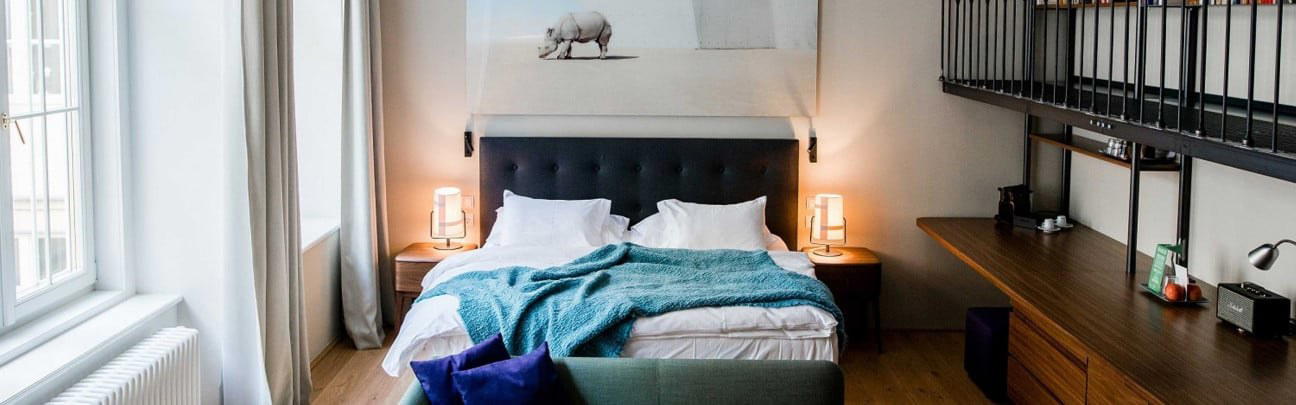
Hotels in Vienna
Browse all →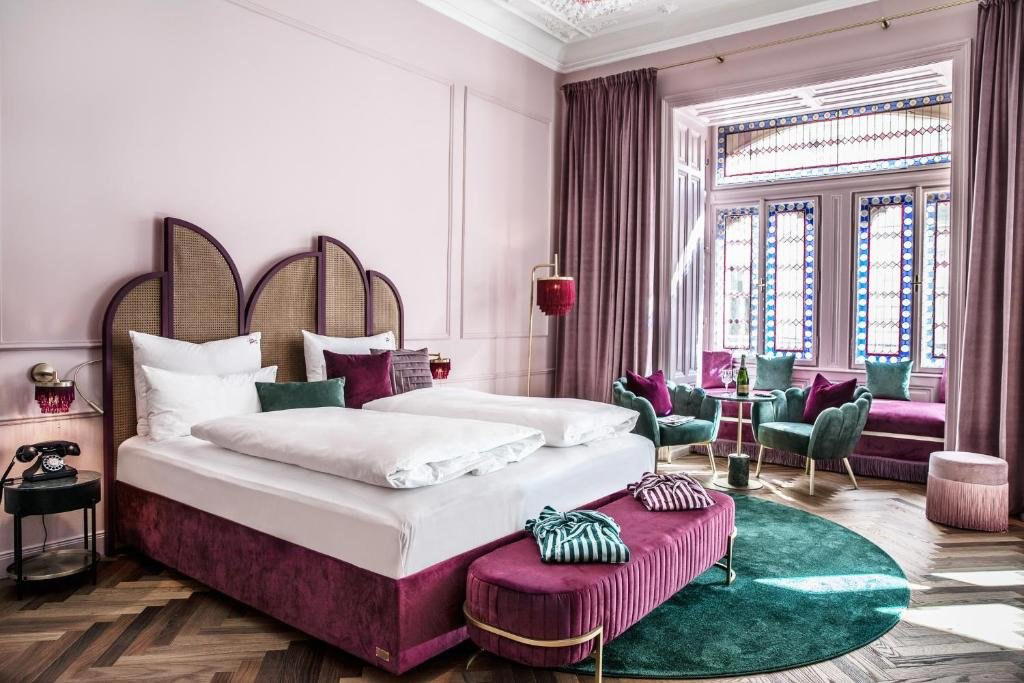
At a Glance
- Cozy
- Classic
- Family
- Casual Hangout
- Standalone
Current opening hours
- Monday
- 11 AM–10 PM
- Tuesday
- 11 AM–10 PM
- Wednesday
- 11 AM–10 PM
- Thursday
- 11 AM–10 PM
- Friday
- 11 AM–10 PM
- Saturday
- 11 AM–10 PM
- Sunday
- 11 AM–10 PM
Hours can change for holidays and private events. Last verified .
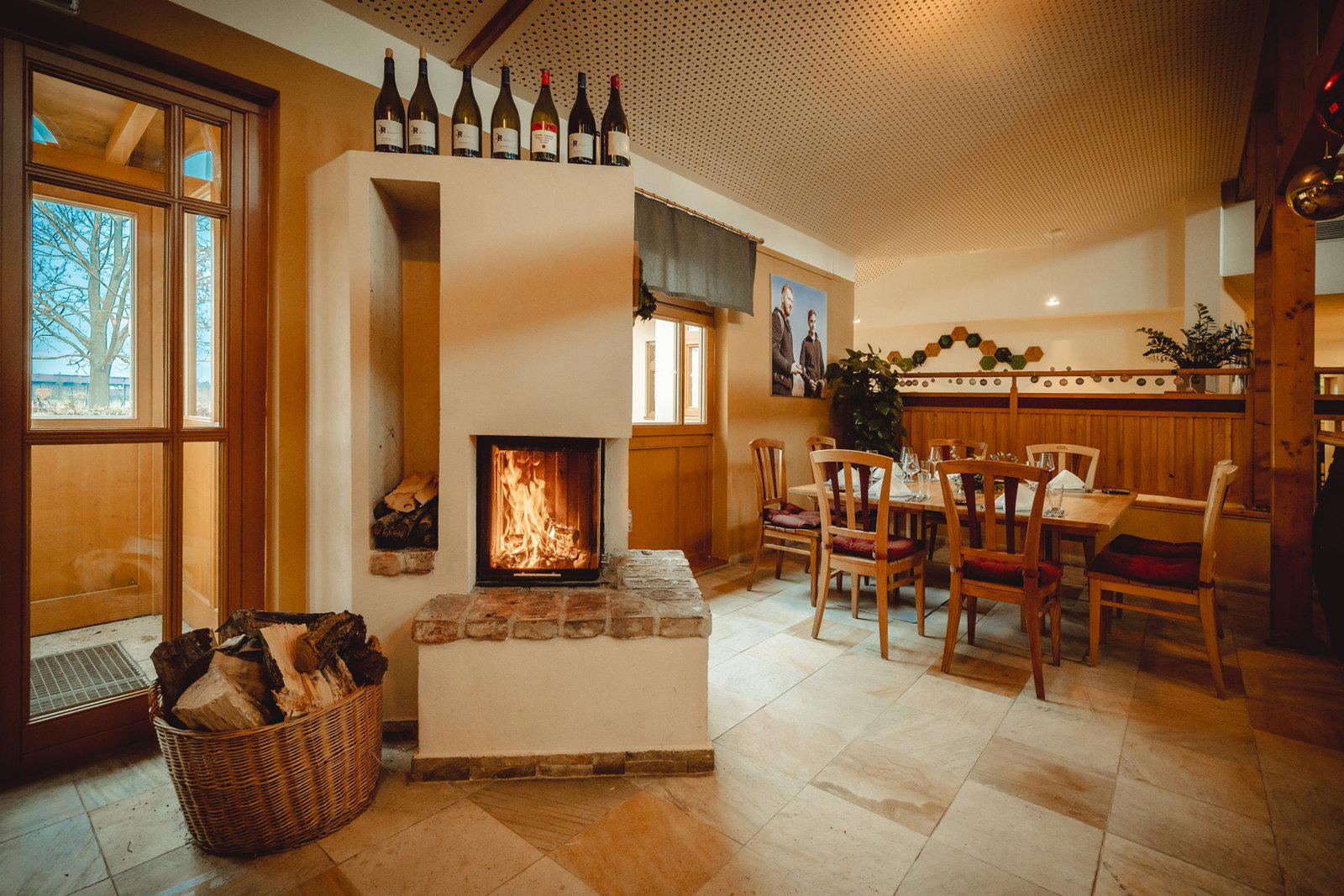
Cozy, comfortable, and inviting Italian atmosphere.