Michelin Plate
Our verdict
Xiu brings Jiangzhe cooking to Suzhou's Wuzhong district with enough seriousness to earn a 2025 Michelin Plate, recognition that places it inside the city's tighter circle of regionally grounded fine dining. The kitchen works within the Jiangzhe tradition of precise seasoning and ingredient clarity, drawing a clientele that returns for consistency rather than novelty. Price sits at the ¥¥¥ tier, making it a considered but accessible choice among Suzhou's better Jiangsu-adjacent tables.

Pearl is the En Primeur Club membership app, where members save venues, book tables and use the concierge.

The menu
What to order
- Squirrel mandarin fish
Where Suzhou's Jiangzhe Tradition Finds Its Regulars
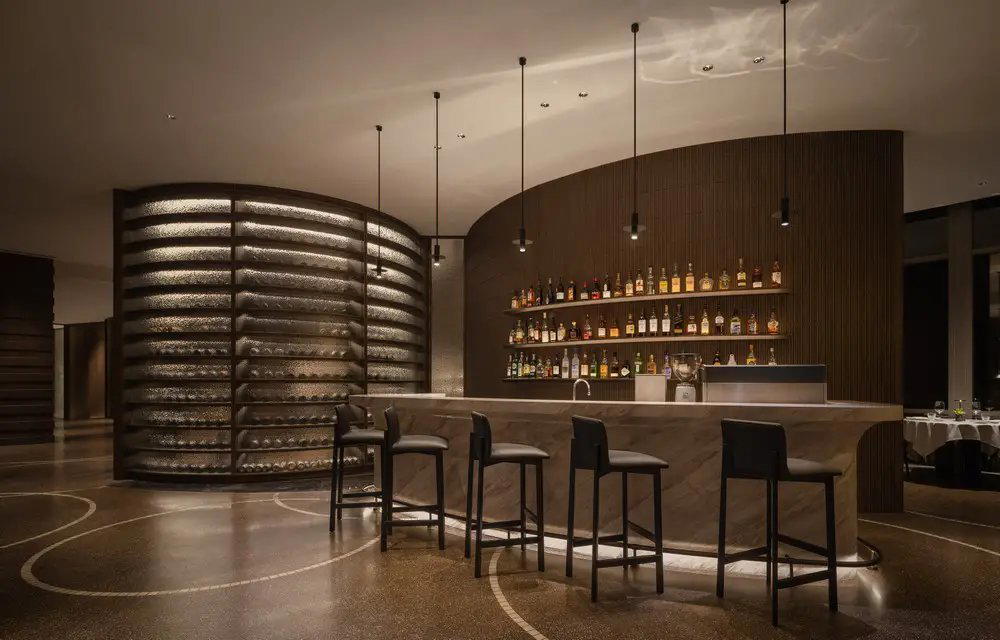
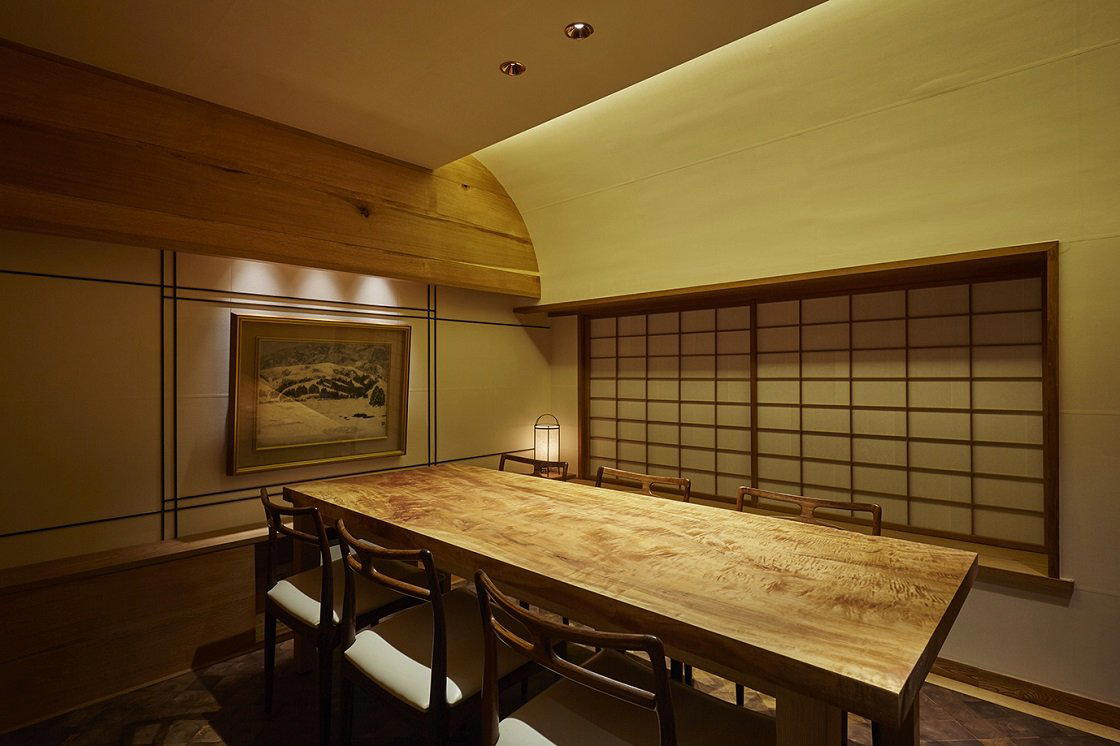
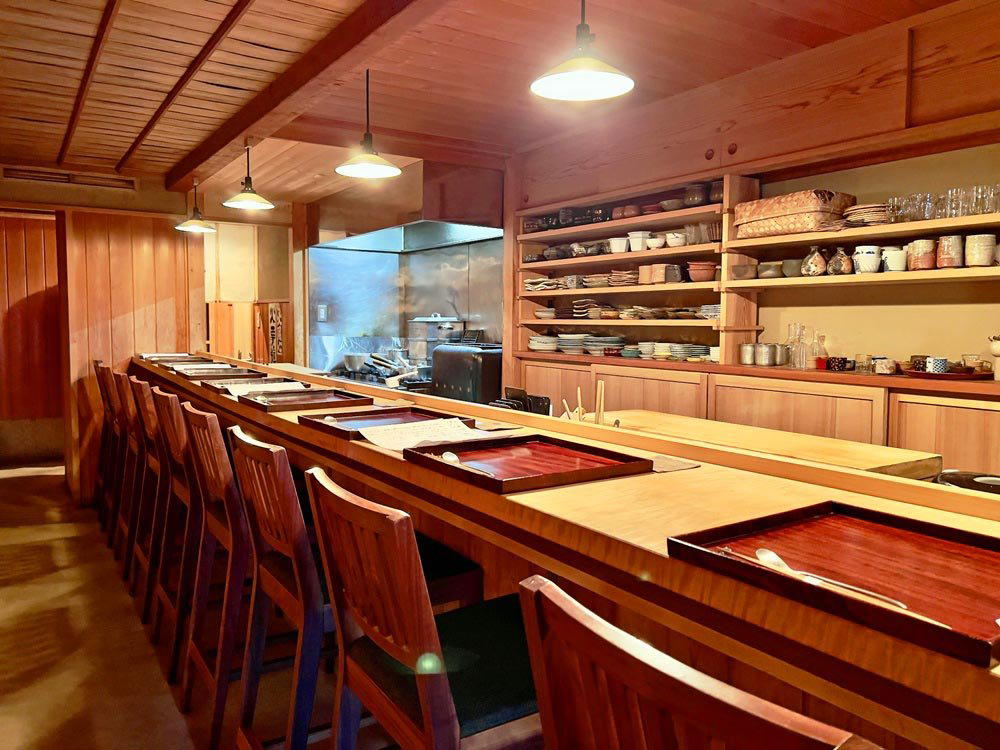
There is a particular kind of Suzhou restaurant that does not need to announce itself. No theatrical entrance, no lobby theatrics, just a dining room in Wuzhong's quieter commercial fabric, at 旺墩路288号, that fills through word of mouth and the loyalty of guests who have learned what to order before they sit down. Xiu operates in that register. The physical approach along Wangdun Road is unremarkable by design: the neighbourhood is functional rather than scenic, which means the room itself carries the whole argument. What greets you is the structure of a meal built around Jiangzhe principles, restraint in seasoning, clarity of ingredient, a kitchen that does not feel the need to compete with its own technique.
The Jiangzhe Framework in a Suzhou Context
Jiangzhe cuisine, the cooking tradition that spans Jiangsu and Zhejiang provinces, is among the most disciplined of China's eight recognised culinary schools. Where Cantonese cooking privileges freshness above all, and Sichuan works through spice architecture, Jiangzhe operates on subtlety: light stocks, careful braising, and a preference for seasonal ingredients handled with minimum interference. In Suzhou specifically, this tradition has a long history connected to the city's imperial-era garden culture and the merchant class that sustained it. The question for any modern Suzhou table working in this idiom is whether it treats that inheritance as a living practice or a museum exhibit.
Xiu's 2025 Michelin Plate recognition positions it in the former category. A Michelin Plate, distinct from a star, signals food worth seeking out, a kitchen judged to be cooking well and consistently, even if it has not yet climbed into the star tier. The award is an anchor for the regulars who already knew, and a useful signal for first-timers deciding how to read the room.
What Keeps Regulars Returning
The most reliable sign of a restaurant worth trusting is a dining room where the same faces reappear. At Xiu, the evidence is in the behaviour: the table that sends back the menu without reading it, because they already know what they want. This is a common dynamic at mid-to-upper Jiangzhe tables, where the repertoire is deep enough to reward exploration over many visits but grounded enough that the kitchen can execute familiar dishes with the kind of consistency that builds loyalty. Novelty is not the pitch here. The pitch is precision repeated.
Jiangzhe regulars often build their loyalty around a small number of dishes, typically a braised preparation, a delicate stock-based soup, and something that showcases the kitchen's handling of freshwater fish or seasonal vegetables. The cuisine's emphasis on texture and timing means that the gap between a good version and a great version of any given dish is often measured in minutes and temperature. A kitchen that gets this right on the tenth visit earns a different kind of trust than one that impresses on the first.
Across the Jiangzhe dining tier in the Yangtze Delta, this regulars' logic plays out at venues well beyond Suzhou. 102 House in Shanghai and Ru Yuan in Hangzhou operate in the same tradition of repeat-visit depth. Further afield, the Jiangzhe sensibility surfaces at addresses like Moose (Changning) in Shanghai and Chi Man in Nanjing. Xiu sits in that broader current, though its Suzhou address gives it a specificity of local ingredient access, particularly around the freshwater produce of Taihu Lake, that defines its particular expression of the tradition.
Placing Xiu in the Wuzhong Tier
Wuzhong district occupies Suzhou's southern urban quadrant, distinct from the canal-heavy historic core that draws most visitors. Dining here is aimed at a local clientele, residents and business guests rather than tourists navigating old-town lanes. That audience is demanding in a different way: they have options, they eat out regularly, and they know what they are comparing against. A restaurant that survives in this environment through repeat business has cleared a practical test that no award alone confers.
At the ¥¥¥ price tier, Xiu sits in the same bracket as Dingshan·Jiangyan (Xiangcheng), making the two natural points of comparison for a Suzhou visitor choosing between regionally grounded addresses at this spend level. Pingjiangsong pushes into the ¥¥¥¥ bracket, occupying the higher-ceremony end of the Jiangsu cuisine spectrum. The choice between them depends on what you are asking the evening to deliver: Pingjiangsong for occasion dining with a longer tasting arc, Xiu for a meal that rewards familiarity.
For those tracing Jiangzhe cooking across the region's fine dining tier, the tradition also surfaces in different registers at Xin Rong Ji in Beijing, Xin Rong Ji in Chengdu, and, outside the mainland, at Chef Tam's Seasons in Macau and Imperial Treasure Fine Chinese Cuisine in Guangzhou. Each of these addresses speaks a related culinary language; the differences in execution and local ingredient access reveal what each city does to the tradition.
Suzhou's Broader Dining Tier
Suzhou has developed a coherent fine dining tier over the past decade, anchored in regional cuisine rather than imported formats. Addresses like Jin Jing Ge and Zhuo Yan·Zhuo Mian occupy different positions in this structure, the former leaning into ceremony, the latter into a more focused noodle-adjacent format. Xiu sits in the mid-to-upper register of this scene, defined by Michelin recognition and a price point that signals intent without demanding occasion-dressing from the guest.
For anyone building a Suzhou itinerary around serious regional eating, the city's restaurant tier rewards planning. See our full Suzhou restaurants guide for context across price tiers and cuisine types, and consult our Suzhou hotels guide, bars guide, wineries guide, and experiences guide for a full picture of the city's premium options.
Planning Your Visit
Xiu is located at 旺墩路288号 in Wuzhong district (postal code 215027), in a part of the city that is most easily reached by car or taxi rather than on foot from the historic centre. Given that the restaurant operates at the ¥¥¥ tier with Michelin Plate recognition, booking ahead is advisable, particularly for weekend evenings when Suzhou's better tables fill with local regulars rather than passing visitors. Timing a visit during late autumn, when freshwater fish from Taihu Lake is at its seasonal peak, aligns the kitchen's strengths with what the season makes available, and reflects how the cuisine's leading advocates have always understood it: as something that improves when you arrive at the right moment.
What Dish Is Xiu Famous For?
Xiu's Michelin Plate recognition anchors its reputation in the Jiangzhe tradition, where the cuisine's identity is built around braised and stock-based preparations, precise handling of freshwater fish, and seasonal vegetable dishes that demonstrate the kitchen's control of texture and seasoning. Visitors with access to recent local dining commentary, or a trusted Suzhou contact, will have the clearest picture of what the kitchen is currently executing at its highest level.
Frequently asked questions
What type of food is Xiu known for?
Is Xiu more mid-range or high-end?
Pricing at Xiu is listed as ¥¥¥.
What's Xiu known for in terms of accolades?
Xiu has received recognition including: Michelin Plate (2025).
What dish is Xiu famous for?
Xiu's 2025 Michelin Plate recognition is grounded in the Jiangzhe tradition, a culinary framework built around braised and stock-based preparations where technique and restraint carry more weight than theatrical presentation. Jiangzhe cooking draws from both Jiangsu and Zhejiang provinces and is considered one of the most disciplined of China's eight recognised culinary traditions. At Xiu, that tradition is the identity of the menu rather than a single signature dish.
Where is Xiu located?
Xiu is located at China, Jiang Su Sheng, Su Zhou Shi, Wu Zhong Qu, 旺墩路288号 邮政编码: 215027, Suzhou.
Comparable Spots
Comparable venues nearby, for context on price, style, and recognition.
| Venue | Cuisine | Price | Awards | Notes |
|---|---|---|---|---|
| XiuThis venue (the venue you are viewing) | Refined Jiangzhe Chinese with Cantonese and Sichuan influences | Not listed | Michelin Plate | Not listed |
| Gu Su Qiao (Diyi Tianmen) | Modern Jiangnan Noodles | Not listed | Michelin Plate | Gusu |
| Chao 27 | Refined Chaozhou Cuisine | $100–150 | Michelin Plate | Suzhou Industrial Park |
| Hua Chi 88 | Authentic Suzhou Jiangsu Cuisine | Not listed | Michelin Plate · Black Pearl 1 Diamond | Suzhou Industrial Park |
| Lao Zhen Yuan (Zhuangqiao Road) | Refined Suzhou Classics | $30–50 | Michelin Bib Gourmand | Wujiang old town |
| Yu Mian Tang | Suzhou Heritage Noodles | $20–30 | Michelin Bib Gourmand | Gusu |
Recognition history
Dated appearances from independent guides and award organizations, with the underlying list record or original source where available.
Michelin Plate
Michelin
Full recognition history (2 entries)
Michelin Plate
Michelin