
1 Michelin Key
Michelin Selected for 2025, Kimpton Bamboo Grove Suzhou sits in Suzhou's Gusu District, where the brand's design-forward approach meets the city's enduring garden and waterway aesthetic. The property belongs to a tier of internationally flagged hotels in Suzhou that compete less on scale than on spatial character and considered interiors. For travellers weighing the city's premium accommodation options, it offers a recognisable service frame with locally rooted visual identity.

Pearl is the En Primeur Club membership app, where members save venues, book tables and use the concierge.
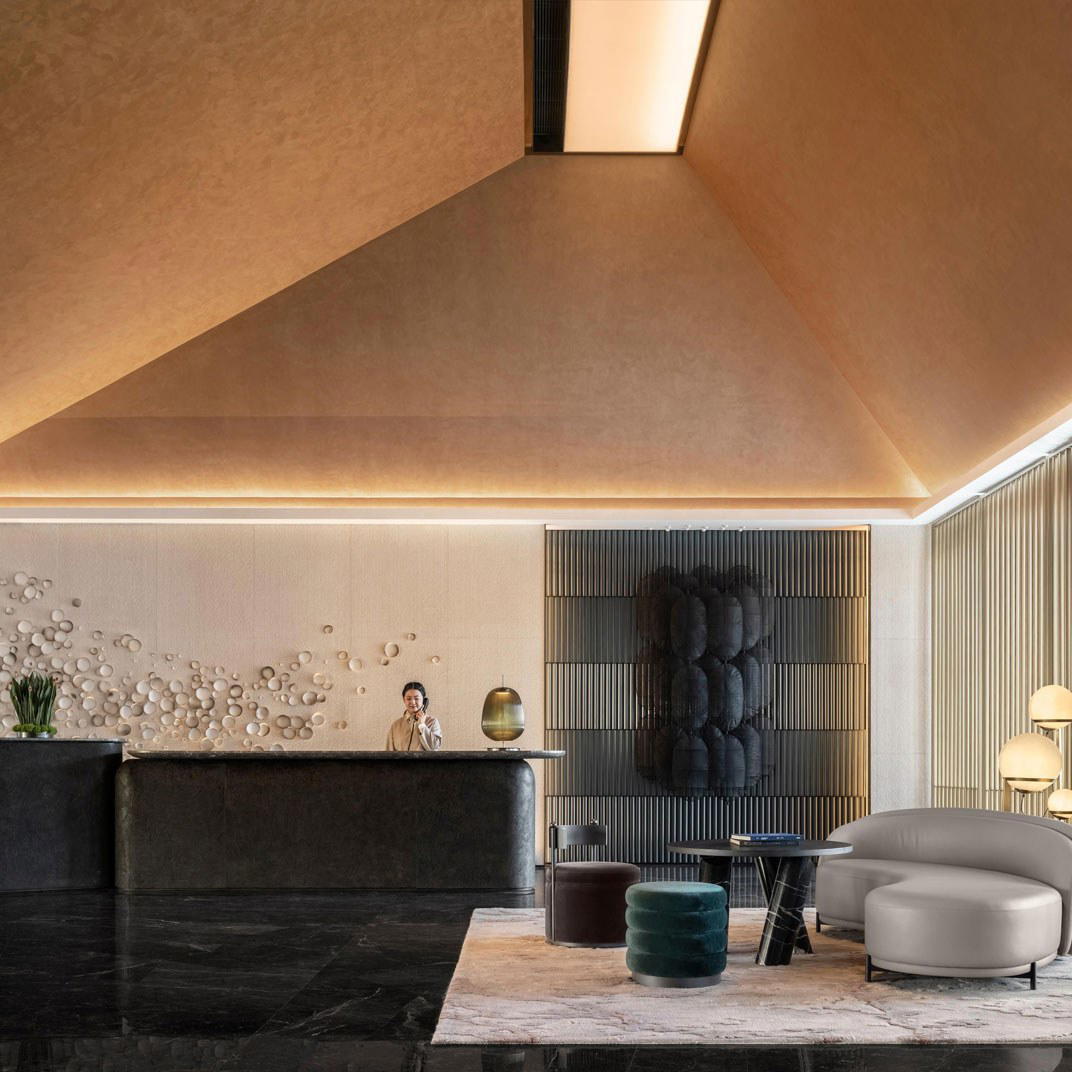
Where Bamboo and Brick Meet the Garden City
Suzhou rewards a particular kind of attention. The city's classical gardens, most of them UNESCO World Heritage listed, have been shaping how architects and designers think about enclosed space, layered greenery, and the relationship between built form and natural material for centuries. Against that backdrop, hotels in the premium segment face a genuine test: position too far from the local aesthetic and you read as a generic international transit stop; lean too hard into pastiche and you lose the credibility that makes design-led travel worth the premium. Kimpton Bamboo Grove Suzhou, on Zhuhui Road in the Gusu District, earns its Michelin Selected designation for 2025 partly because the property engages that tension rather than ignoring it.
The Kimpton brand, now operating under IHG's portfolio, has built its international reputation on properties where design is treated as a programmatic element rather than a coat of paint applied at the end. In Suzhou, that approach finds a particularly sympathetic context. Gusu is the historic core of the city, the district where garden walls, whitewashed facades, and dark-tiled rooftops set the visual register for everything around them. A hotel that enters this environment with a bamboo-forward identity is not making an arbitrary aesthetic choice; it is referencing a material that appears throughout classical Suzhou garden design as a symbol of resilience and refinement.
Design Logic in a City Built Around Gardens
The editorial case for staying in Gusu rather than the newer commercial districts to the east comes down to proximity and grain. Suzhou's most significant classical gardens, including Humble Administrator's Garden and the Lingering Garden, sit within the historic district, and the street-level experience in Gusu retains a texture that newer development zones have traded away for efficiency. Hotels that position themselves here are making a statement about who their guest is: someone who came to Suzhou for Suzhou, not for a conference centre with a Chinese-city backdrop.
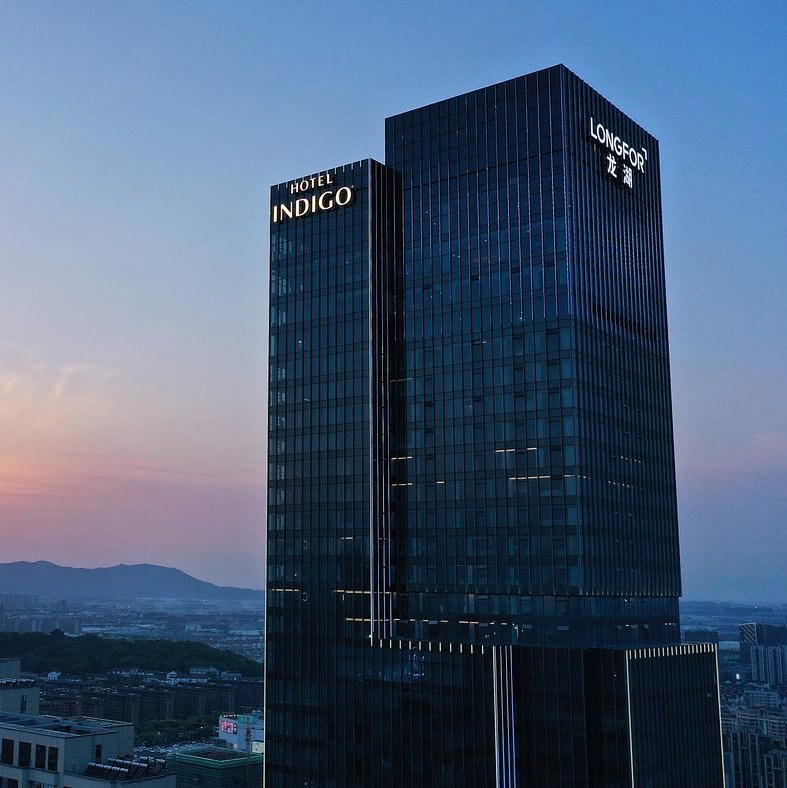
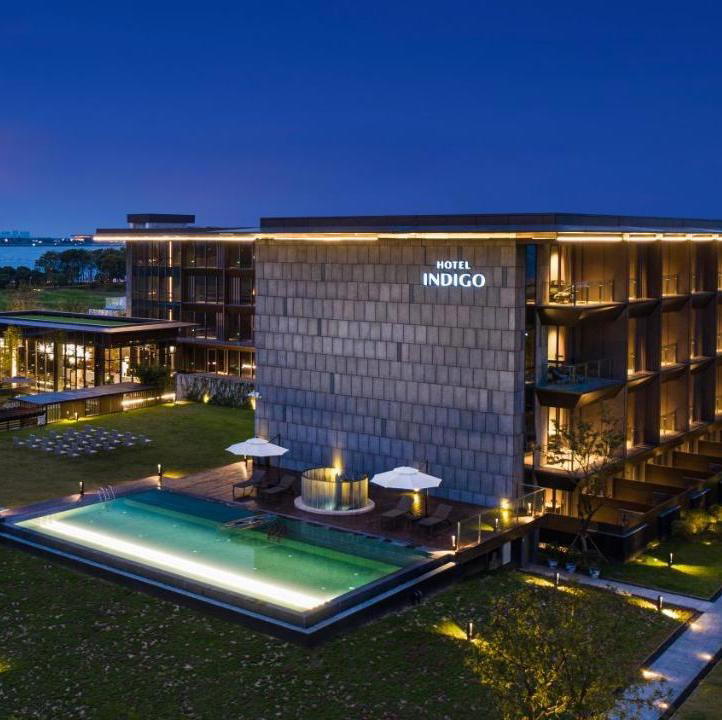
Within Suzhou's premium hotel cohort, the competitive positions are reasonably distinct. The Ritz-Carlton, Suzhou occupies the upper end of the international brand tier, with the scale and formal service architecture that comes with it. The Hanyu Garden Reserve Suzhou sits closer to the boutique end, where spatial intimacy and local material vocabulary take precedence over brand recognition. The two Hotel Indigo properties, Hotel Indigo Suzhou Grand Canal and Hotel Indigo Suzhou Yangcheng Lake, each anchor themselves to a specific geographic and cultural reference point. Kimpton Bamboo Grove occupies a middle tier in this set: internationally flagged and recognisable to loyalty travellers, but differentiated by a design program that takes the local context seriously enough to earn Michelin's editorial notice.
That Michelin Selected status matters here as a signal rather than simply as a marketing credential. Michelin's hotel selection is not a single-criterion judgment. It reflects a cumulative read of design coherence, service quality, and the degree to which a property delivers on its own stated identity. For a hotel in a city as aesthetically demanding as Suzhou, selection indicates that the property clears the bar for guests who have the reference points to know what that bar actually is.
Suzhou as Context for the Stay
Understanding what Kimpton Bamboo Grove offers means understanding what kind of city Suzhou has become for premium travellers. This is not Shanghai's satellite, though it sits close enough on the high-speed rail line that day-trippers treat it as one. Suzhou has its own accommodation ecosystem, its own cultural calendar around the gardens and the silk industry, and its own version of the tension between preservation and development that runs through every historically significant Chinese city. The Gusu District is where that tension is most legible, and staying inside it rather than observing it from a distance changes the quality of engagement with the city considerably.
For context on eating and drinking around the property, our full Suzhou restaurants guide covers the range from Suzhou-style noodle shops to hotel dining rooms worth a dedicated visit. Suzhou cuisine, with its emphasis on freshness, slight sweetness, and seasonal river ingredients, rewards genuine attention and is systematically underrepresented in international food coverage relative to its actual quality.
How Kimpton Bamboo Grove Sits Within China's Premium Hotel Scene
Across China's premium segment, internationally flagged hotels with genuine design ambition occupy a specific and relatively small niche. Most of the major brand properties in second-tier Chinese cities, and Suzhou is firmly in that category despite its cultural significance, default to a familiar formula: large atrium, marble lobby, ballroom capacity, and dining that hedges between Chinese and Western formats. Properties that depart from that formula are worth tracking, and Kimpton's Suzhou outpost signals departure through its material and naming choices before a guest even checks in.
For comparison across the broader Chinese luxury hotel market, the contrast with a property like Mandarin Oriental Qianmen in Beijing, which also draws on local hutong architecture, is instructive. In Beijing, the Mandarin Oriental's approach involves deep investment in heritage fabric; in Suzhou, Kimpton's approach is more interpretive, using bamboo and garden references as a design language rather than literal preservation. Neither is inherently superior as a strategy; they reflect different briefs and different site conditions. Similarly, the JW Marriott Hotel Shanghai at Tomorrow Square represents the opposite pole: a property where vertical height and urban spectacle are the entire architectural thesis, with no particular interest in regional material culture.
Further afield, design-led properties in China's less-visited destinations, from Hylla Vintage Hotel in Lijiang to Songtsam Linka Retreat Lhasa, have pushed the integration of local building tradition and contemporary hospitality further than most flagged brands have been willing to go. Kimpton Bamboo Grove sits in a more commercially centred position than those properties, which is a realistic reflection of what Suzhou's business and leisure mix actually demands. That commercial realism does not diminish the design effort; it contextualises it correctly.
Planning a Stay
Kimpton Bamboo Grove Suzhou is located at 168 Zhuhui Road in the Gusu District, placing it within reach of the classical garden cluster that most visitors to Suzhou come specifically to see. Suzhou is served by Suzhou Railway Station and Suzhou North Station, both with high-speed connections to Shanghai Hongqiao that run under 30 minutes, making it viable as a base for travellers splitting time between the two cities. For guests building a longer itinerary through China's eastern hotel circuit, the property connects logically with options in Nanjing or Hangzhou, both of which have their own premium accommodation stories worth reading separately. Bookings are handled through the standard IHG/Kimpton channel infrastructure, with IHG One Rewards members able to apply points and status in the usual way.
Comparable Venues
Comparable venues nearby, for context on price, style, and recognition.
| Venue | Cuisine | Price | Awards | Notes |
|---|---|---|---|---|
| Kimpton Bamboo Grove SuzhouThis venue (the venue you are viewing) | Modern luxury lifestyle hotel inspired by Suzhou artistic gardens | $100–200 | 1 Michelin Key | Not listed |
| The Ritz-Carlton, Suzhou | Contemporary luxury hotel interpreting Suzhou's classical garden architecture and Jiangnan water town heritage through modern minimalist design with oriental-inspired elements. | $300–500 | Michelin Guide New Hotels New Hotel · Michelin Selected | Gusu District |
| Hotel Indigo Suzhou Grand Canal | Contemporary luxury boutique hotel blending imperial heritage with modern minimalism, inspired by Emperor Qianlong's historic Grand Canal journey and Suzhou's 2,600-year legacy. | $1–100 | Michelin Selected | Suzhou New District |
| Hotel Indigo Suzhou Yangcheng Lake | Boutique resort blending modern design with local Jiangnan water town elements | Not listed | Michelin Selected | Suzhou Industrial Park |
| The Hanyu Garden Reserve Suzhou | Classical Jiangnan courtyard resort with low pavilions and landscaped gardens on Lake Taihu shores. | $200–300 | Small Luxury Hotels of the World Member | Wuzhong District |
| ME Guangzhou | Lifestyle luxury hotel positioned as a cultural hub within Guangzhou’s emerging second CBD. | Not listed | Not listed | Guangzhou International Financial City–Huangpu Bay Business Circle |
Recognition history
Dated appearances from independent guides and award organizations, with the underlying list record or original source where available.
Michelin 1 Key
Michelin
Full recognition history (2 entries)
Michelin Selected
Michelin
Continue exploring
More in Suzhou
Hotels in Suzhou
All hotels in Suzhou →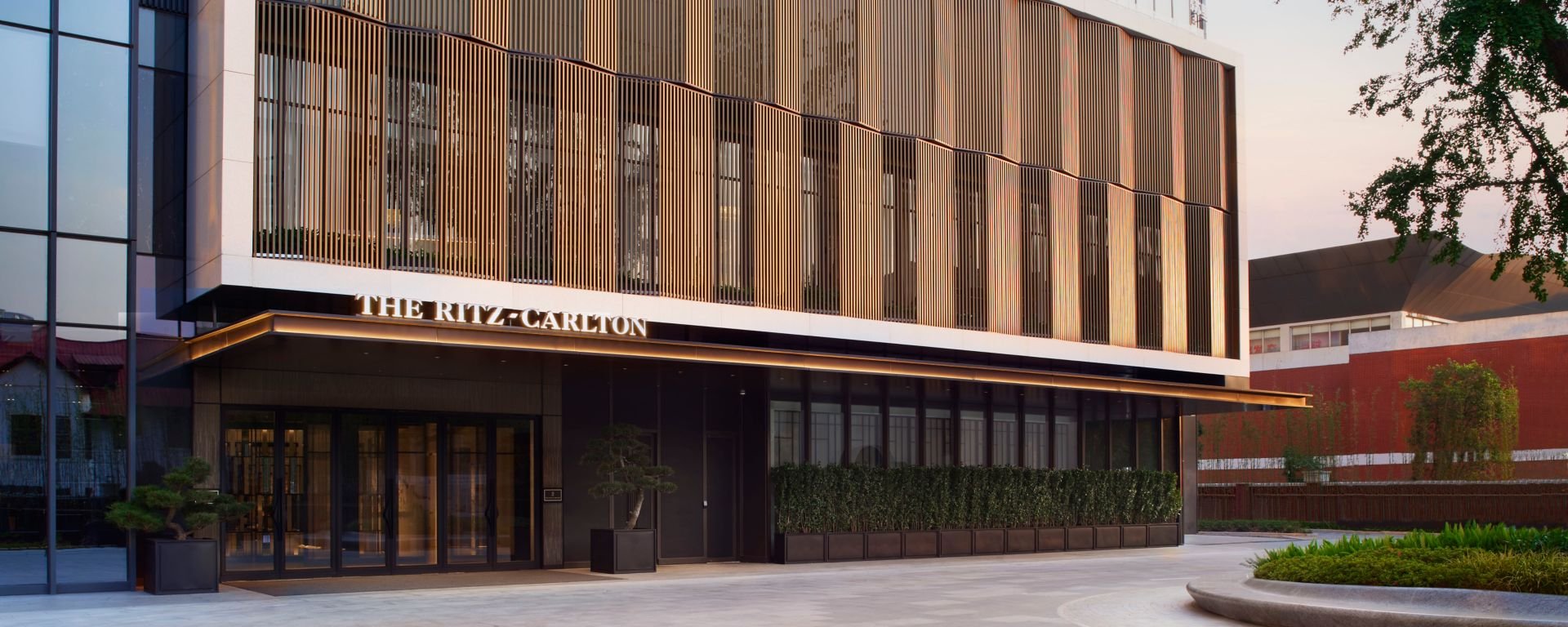
Details
- Elegant
- Sophisticated
- Modern
- Scenic
- Cozy
- Romantic Getaway
- Business Trip
- Weekend Escape
- Garden
- Historic Building
- Indoor Pool
- Fitness Center
- Spa
- Restaurant
- Bar
- EV Charging
- Concierge
- Pool
- Garden
- Elevator
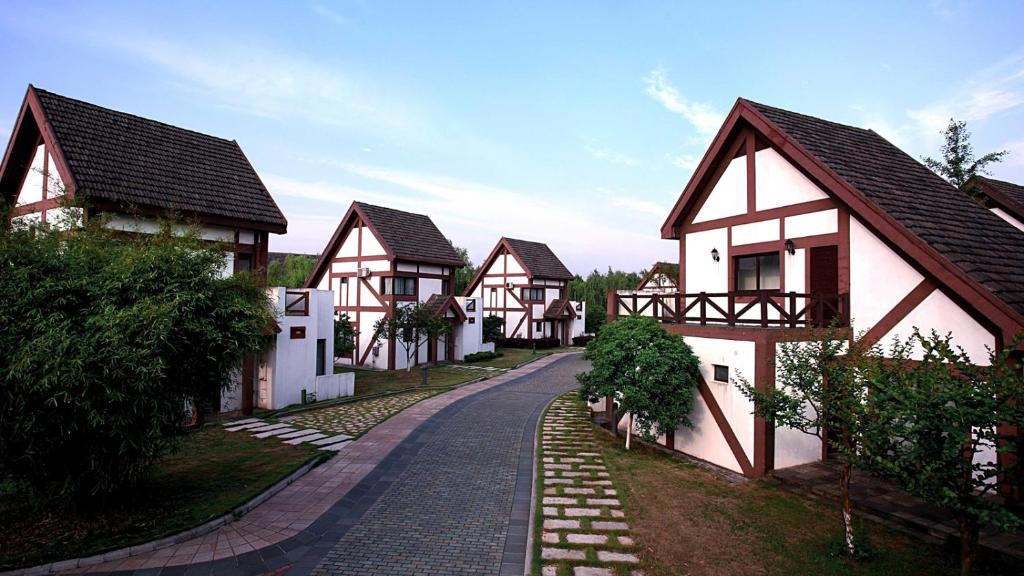
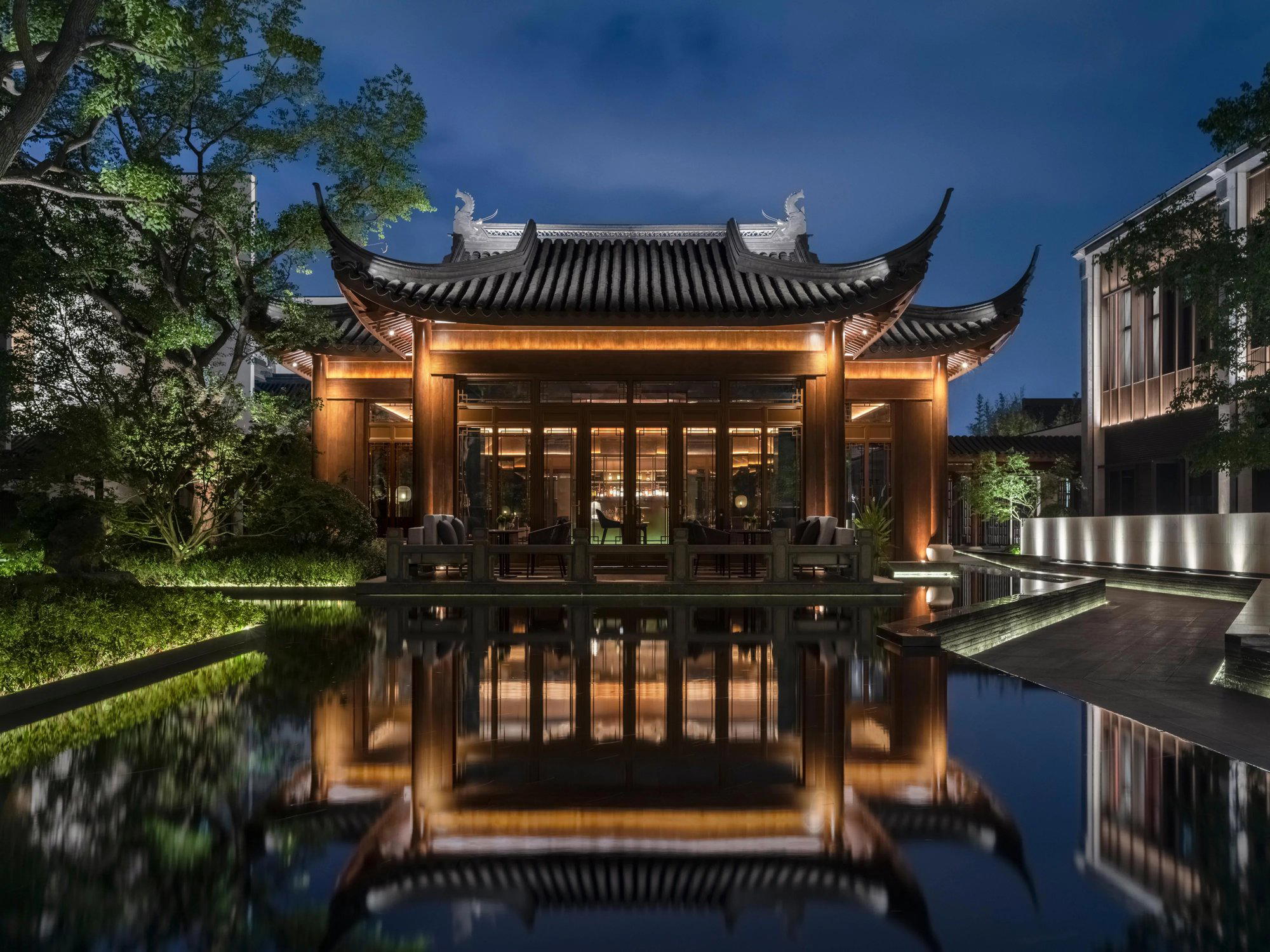
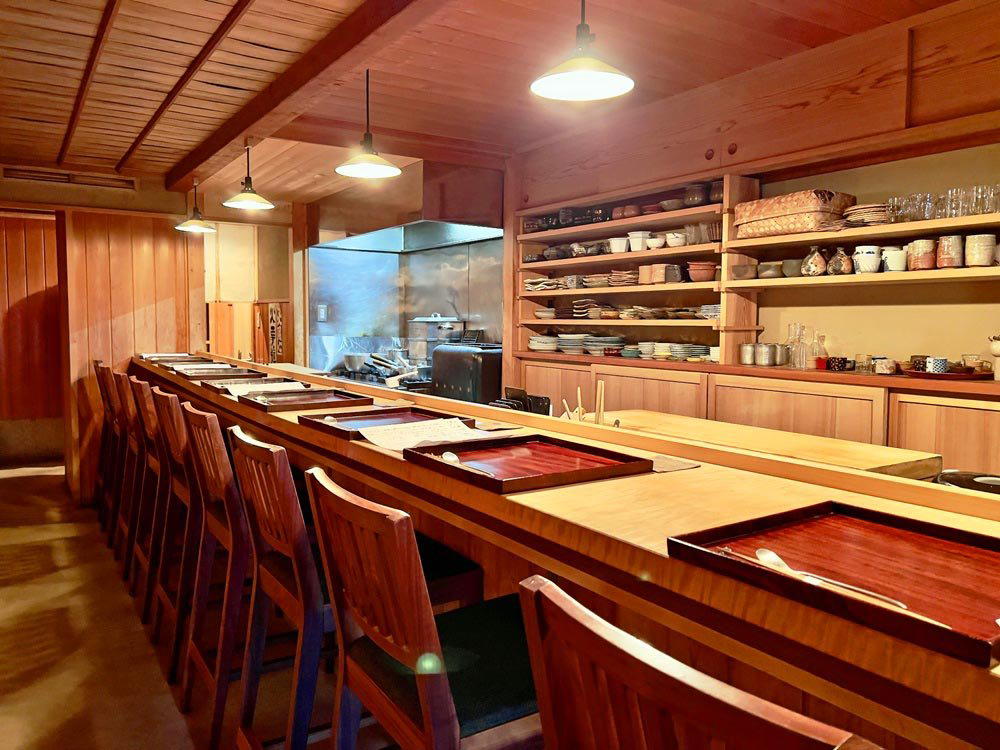
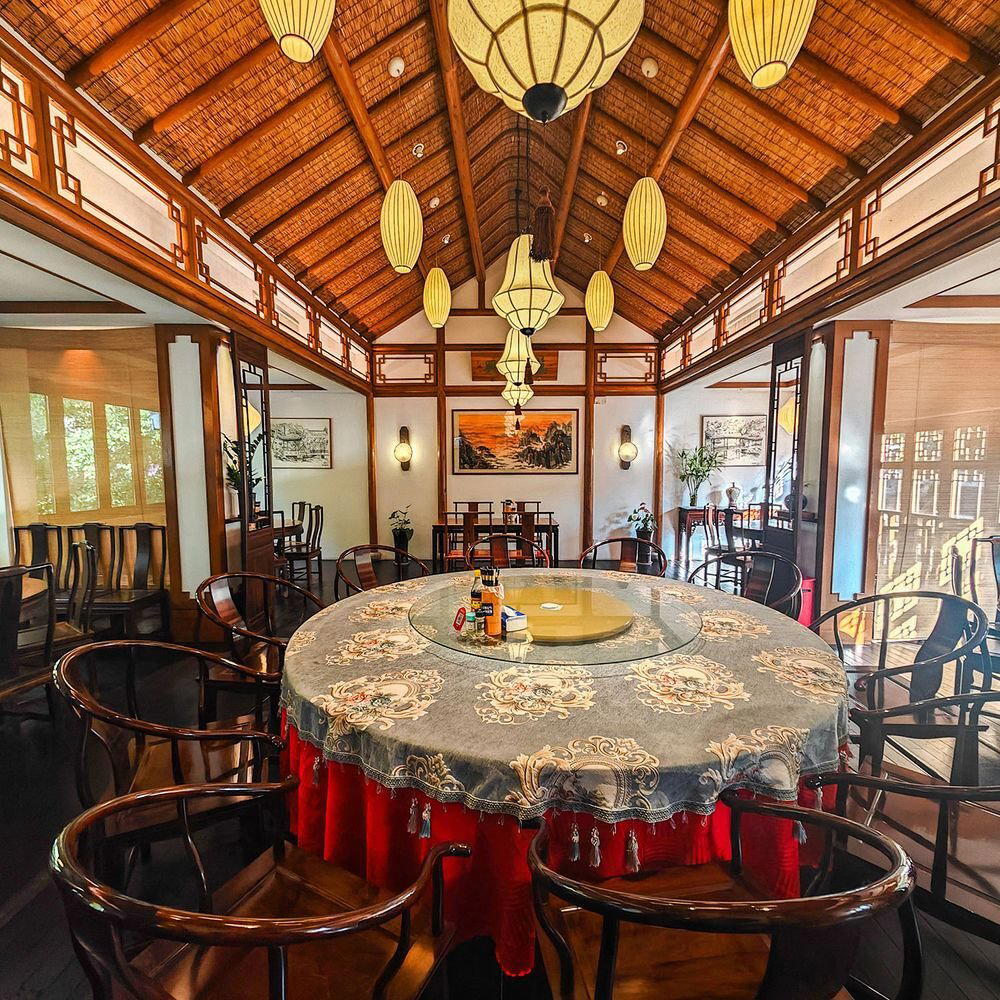
Sophisticated minimalist New Suzhou-style with elegant lighting, bamboo elements, and tranquil garden courtyard atmosphere.