

A Michelin Plate and Black Pearl 1 Diamond recipient for 2025, Hua Chi 88 serves Jiangsu cuisine in Suzhou's Wuzhong District at an accessible mid-range price point. Double-recognised in the same awards cycle, it occupies a distinct position in the city's Jiangsu dining tier: formally credentialled but priced well below starred peers like Pingjiangsong and Dingshan·Jiangyan.
Pearl is the En Primeur Club membership app — saves, bookings, and concierge access live there. Same editors, same standards.
- Address
- 88 Huachi St, Wuzhong District, Suzhou, Jiangsu, China, 215122
- Phone
- +86 512 6983 1096
- Directions
- Get directions
 Saves & bookings on Pearl
Where Regulars Return
Wuzhong District sits south of Suzhou's historic canal centre, away from the tourist circuits of Pingjiang Road and the classical gardens. Restaurants here tend to draw residents rather than visitors, and the dining rooms fill with people who have already made their choice and keep making it. Hua Chi 88, on Huachi Street, operates in that register. The address, 88 Huachi St, carries no marquee location advantage, no lakeside terrace or heritage courtyard to trade on. What it has instead is a loyal return clientele and, as of 2025, recognition from two of the region's most closely watched restaurant programmes: a Michelin Plate and a Black Pearl 1 Diamond in the same awards cycle.
That combination matters for context. The Michelin Plate is a quality signal below star level but above the general recommendation pool. The Black Pearl programme applies its own methodology with a particular sensitivity to Chinese culinary traditions. Receiving both in the same year positions Hua Chi 88 as a place that passes scrutiny from two different critical frameworks simultaneously. For Jiangsu cuisine in Suzhou, that is a meaningful credential at this price tier.
The Price Point and What It Signals
Hua Chi 88 prices at ¥¥, the mid-range bracket in Suzhou's dining market. To understand what that means in practice, it helps to look at where the rest of the city's Jiangsu cuisine sits. Dingshan·Jiangyan (Xiangcheng) carries a Michelin star and prices at ¥¥¥. Pingjiangsong, also Michelin starred, sits at ¥¥¥¥, the upper tier of the local market. Both represent the formal, high-ceremony end of Suzhou's Jiangsu dining tradition.
Hua Chi 88 occupies different ground: award-recognised but not award-priced. Bai Sheng Ren Jia (Wuzhong) sits in the same ¥¥ tier and the same district without equivalent awards recognition. The result is that restaurant holds a relatively clear position, a kitchen with formal credentials that charges closer to neighbourhood prices than to destination-restaurant prices. That gap is exactly what draws regulars back. People who know the Suzhou Jiangsu dining scene well enough to read the awards signals also know they are not paying the premium that equivalent credentials command elsewhere in the city.
Jiangsu Cuisine in Suzhou: What the Tradition Demands
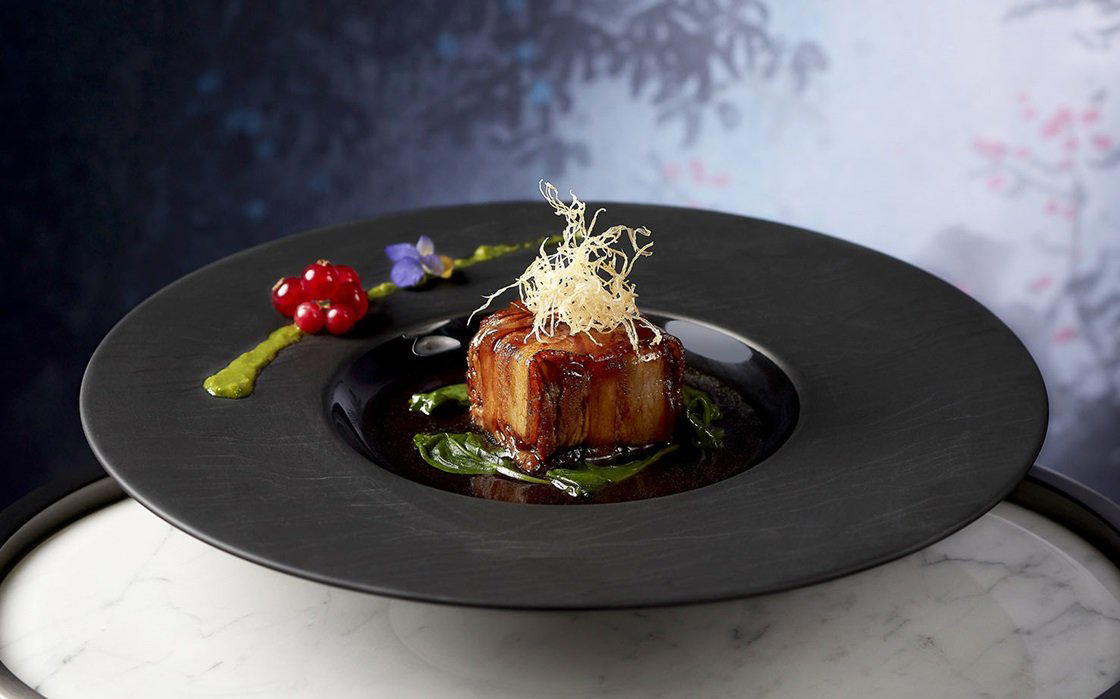
Jiangsu cuisine is one of China's eight classical culinary traditions, and Suzhou's variant sits within it as a sub-regional style with its own logic. The cooking tends toward gentle sweetness, careful texture work, and a restrained hand with seasoning, the opposite of the chilli-forward profiles that dominate in Sichuan or Hunan. Freshwater fish, river shrimp, seasonal vegetables, and slow-braised preparations define the repertoire. The craft lies in precision: timing on a braised pork dish, the texture of a tofu preparation, the balance between sweet and savoury in a sauce.
These are not dramatic, visually theatrical dishes. They reward the kind of attention that repeat visitors develop over time. This is partly why Jiangsu cuisine, at its mid-range level, tends to build loyal local followings rather than one-time destination audiences. The food makes more sense on the third visit than the first. Across China, the broader Jiangsu and Huaiyang fine dining tier includes venues like Guang Ying Ju · Lao Zheng Xing in Nanjing, which operates at the more formal and historically rooted end of the same tradition. Suzhou's version of the cuisine has its own emphasis, lighter, with more influence from the city's waterway culture and seasonal produce rhythms.
For comparison across the region's broader Chinese fine dining spectrum, venues like Ru Yuan in Hangzhou illustrate how Zhejiang-adjacent culinary traditions operate in a similar register. Further afield, the formal Chinese dining tier represented by Xin Rong Ji (Xinyuan South Road) in Beijing and Xin Rong Ji in Chengdu shows how a single cuisine concept scales differently across Chinese cities. Imperial Treasure Fine Chinese Cuisine in Guangzhou and Chef Tam's Seasons in Macau represent the higher-ceremony Chinese dining tier for broader context.
What Keeps People Coming Back
4 across 21 reviews is a narrow sample, but the consistency of a return clientele at a non-tourist-district address is its own signal. Restaurants in Wuzhong that survive on regulars are not trading on novelty or location convenience. They are trading on the meal itself, on a kitchen that produces the same result on a Tuesday as it does on a Saturday, and on a room where the staff recognise faces. The 2025 awards cycle confirms that external inspection agrees with the local verdict.
The dynamic at mid-range Jiangsu restaurants tends toward shared tables and ordered familiarity rather than tasting-menu ceremony. Dishes arrive according to a logic that the regular diner has internalised over visits: which preparations are worth ordering in a given season, which combinations work, which items the kitchen handles particularly well. That knowledge is not written anywhere. It accumulates through the kind of consistent attendance that only a neighbourhood restaurant with a reliable kitchen earns. For a visitor, the awards data, Michelin Plate, Black Pearl 1 Diamond, functions as a proxy for that accumulated local knowledge.
Among other mid-range options in the broader Suzhou Jiangsu dining circuit, Ge Jia Wu Farmer's House and Ban Ting Jia Yan (Suzhou Industrial Park) represent different expressions of accessible local cooking. For those exploring Suzhou's full dining picture, our full Suzhou restaurants guide maps the range across cuisines and price tiers. The city's hospitality scene more broadly is covered in our Suzhou hotels guide, bars guide, wineries guide, and experiences guide.
Beyond China, the broader conversation about what makes a kitchen worth returning to, technical consistency and seasonal attentiveness, connects the restaurant to a wider critical conversation. 102 House in Shanghai operates in an analogous position in the Shanghai dining scene, and the French seafood tradition at Le Bernardin in New York City is the clearest international example of a kitchen whose consistency sustains a loyal following across decades.
Planning a Visit
The restaurant is at 88 Huachi Street, Wuzhong District, Suzhou, Jiangsu, postcode 215122. Wuzhong is accessible from central Suzhou by metro or taxi; the district sits south of the old city. The ¥¥ price point means a meal here is accessible without advance financial planning, though confirming bookings in advance is advisable given the venue's local following and dual-award standing in 2025.
Credentials Lens
Comparable venues nearby, for context on price, style, and recognition.
| Venue | Cuisine | Price | Awards | Notes |
|---|---|---|---|---|
| Hua Chi 88This venue — the venue you are viewing | Authentic Suzhou Jiangsu Cuisine | $$$ | Michelin Plate | Not listed |
| Chao 27 | Refined Chaozhou Cuisine | $$$ | Michelin Plate | Suzhou Industrial Park |
| Jin Jing Ge | Modern Jiangnan Cuisine | $$$$ | Michelin Plate | Suzhou Industrial Park |
| Ban Lan (Huqiu) | Modern Fujian | $$$ | Michelin Plate | Huqiu |
| Su Cheng Jia Yan (Ligongdi Road) | Modern Suzhou Cuisine | $$ | Bib Gourmand | Suzhou Industrial Park |
| Chai Court | Authentic Cantonese | $$$ | Michelin Plate | Huqiu |
Recognition history
Dated appearances from independent guides and award organizations, with the underlying list record or original source where available.
Black Pearl 1 Diamond
Black Pearl
Michelin Plate
Michelin
Black Pearl 1 Diamond
Black Pearl
Michelin Plate
Michelin
Continue exploring
More in Suzhou
Restaurants in Suzhou
Browse all →
At a Glance
- Elegant
- Sophisticated
- Modern
- Special Occasion
- Business Dinner
- Celebration
- Open Kitchen
- Private Dining
- Hotel Restaurant
- Local Sourcing
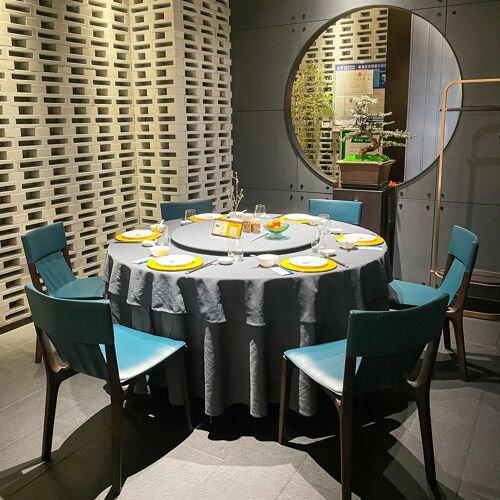
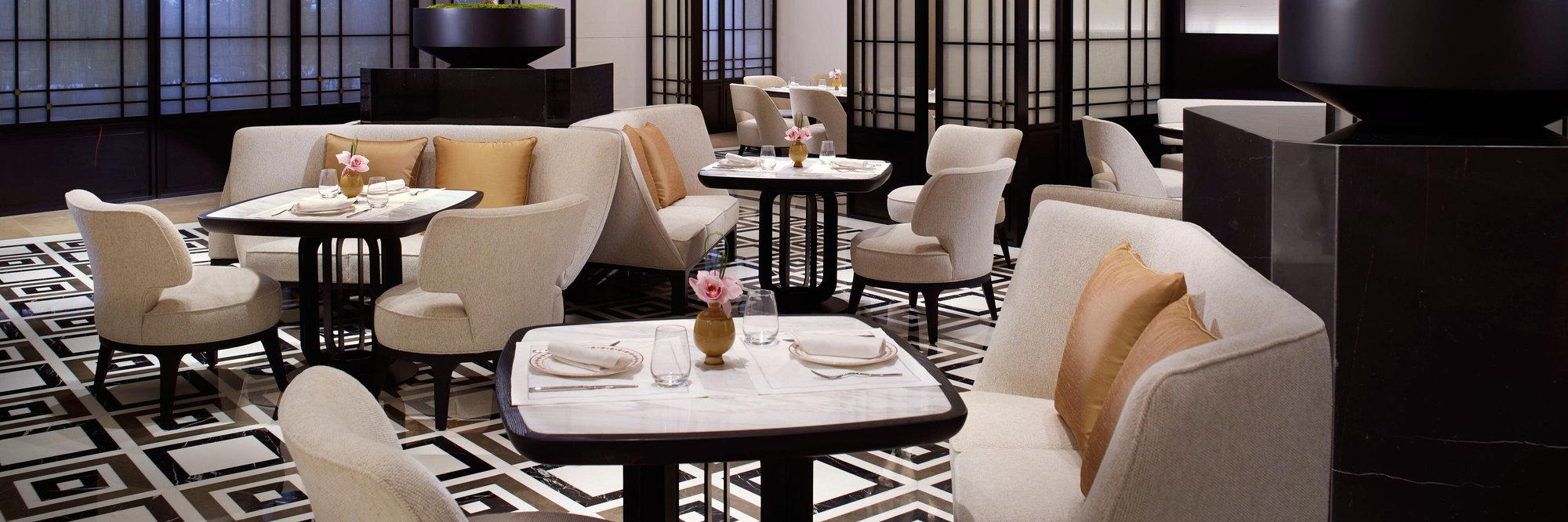
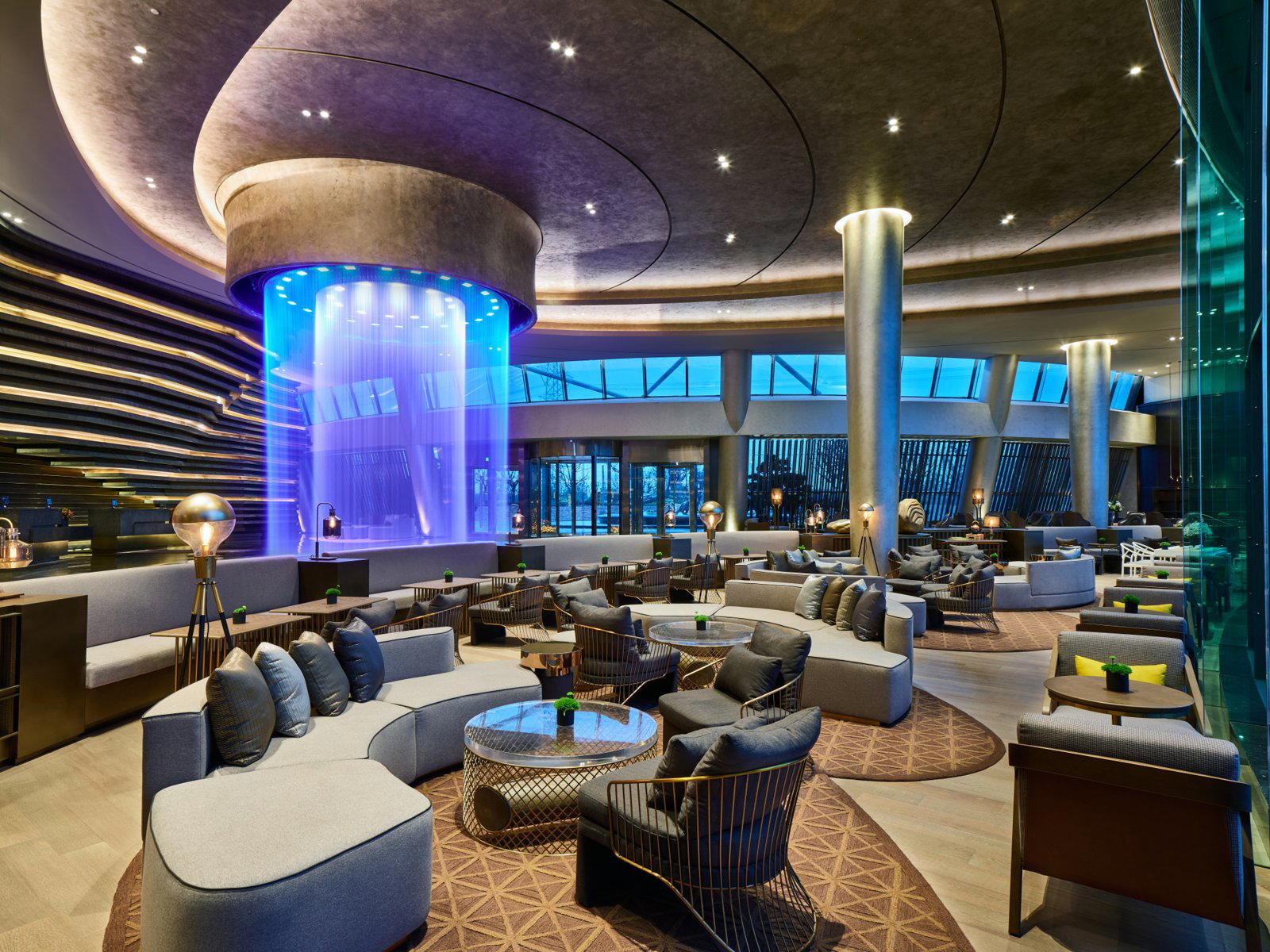
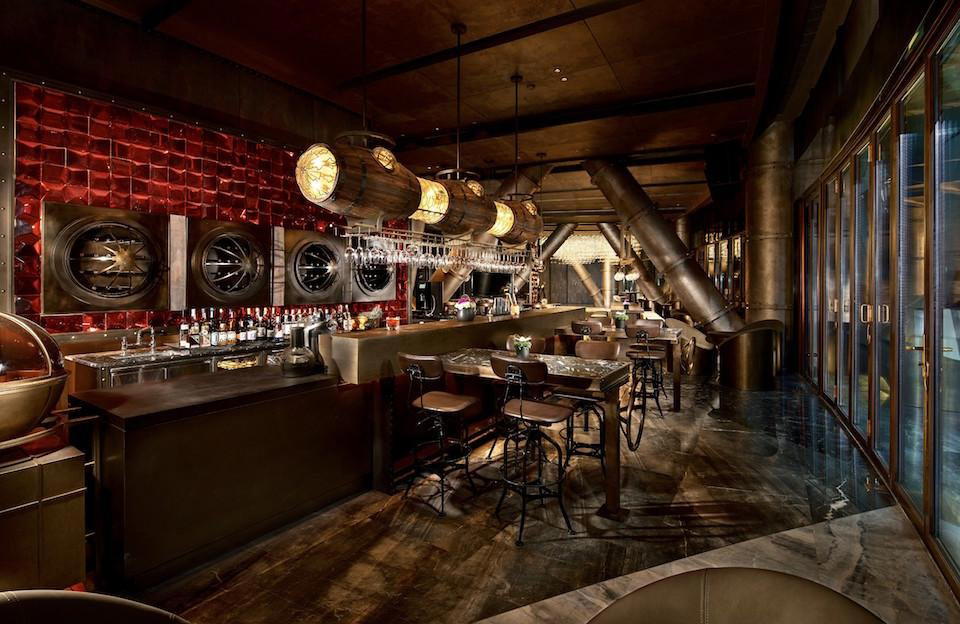
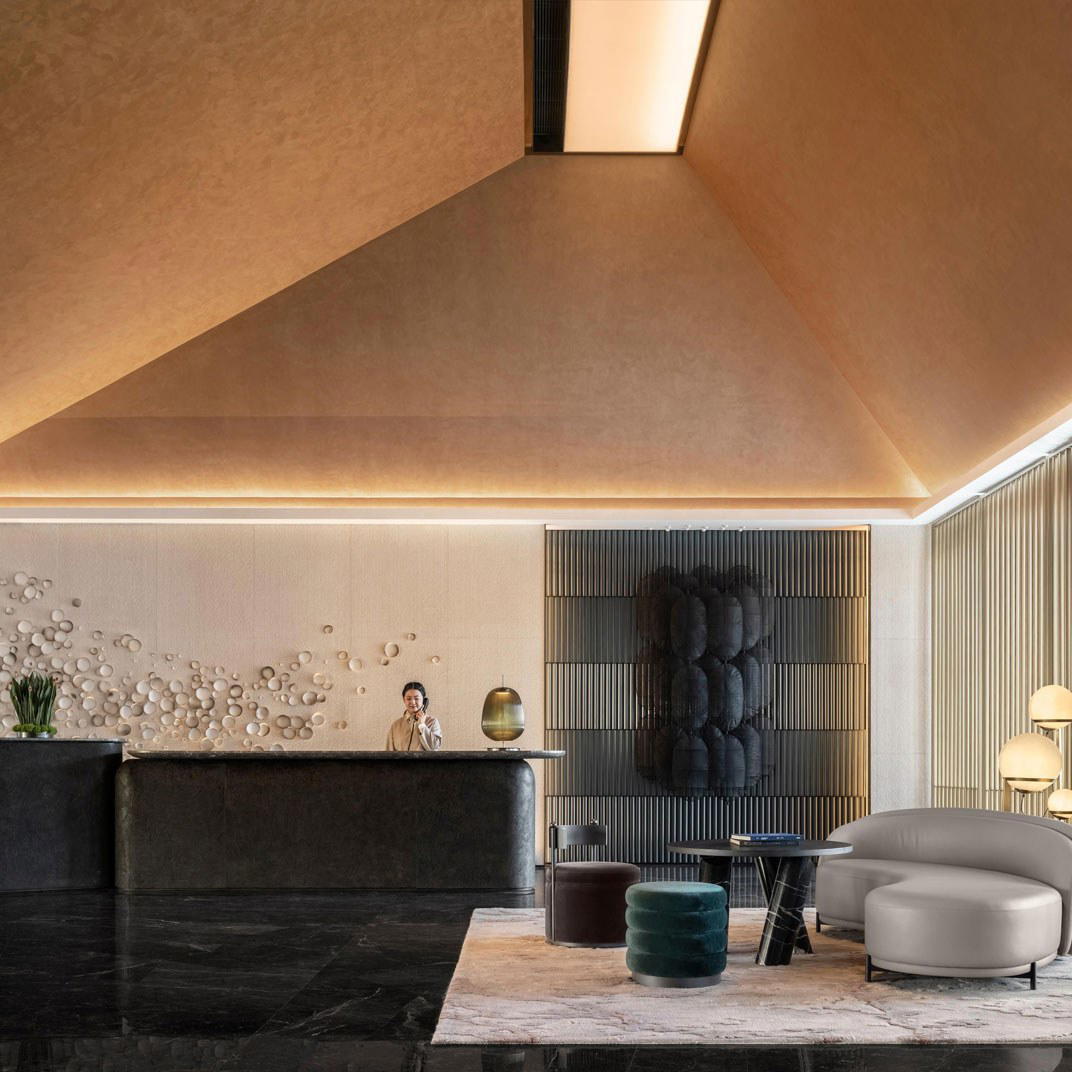
Eye-catching design with semi-private booths in colorful picture frames, window skylights, and an engaging open kitchen.