
A Michelin Bib Gourmand recipient in Suzhou's Wuzhong District, Bai Sheng Ren Jia delivers Jiangsu home-style cooking at a mid-range price point that sits well below the city's starred Jiangsu tables. The kitchen draws on the braised, slow-cooked, and seasonal traditions that define Su-style cuisine, making it one of the more credible addresses in its price bracket for regional cooking with genuine depth.
Pearl is the En Primeur Club membership app — saves, bookings, and concierge access live there. Same editors, same standards.
- Address
- China, Jiangsu, Suzhou, Wuzhong District, Dongqing Rd, 100号米 邮政编码: 215007
- Phone
- +86 512 6563 0111
- Directions
- Get directions
 Saves & bookings on Pearl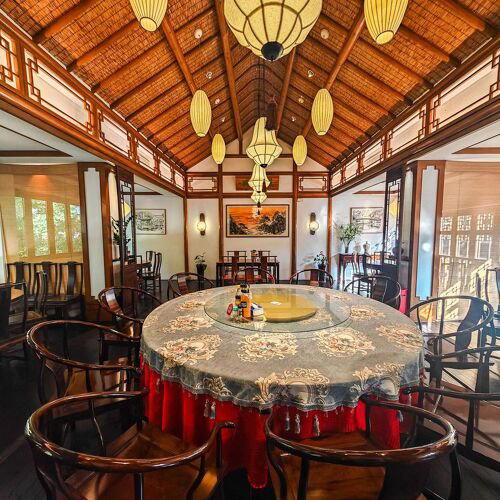
Where Suzhou's Home-Kitchen Tradition Holds Its Ground
Wuzhong District sits south of Suzhou's classical core, past the canal rings that draw most visitors to the old city. The neighbourhood runs quieter than the tourist-heavy lanes around Pingjiang Road, and the restaurants here tend to serve local households rather than passing foot traffic. That demographic shapes what ends up on the table: cooking anchored in seasonal produce, unhurried braises, and the kind of ingredient transparency that home-style Jiangsu food has always demanded. Bai Sheng Ren Jia operates in that register, on Dongqing Road at the ¥¥ price tier, and its 2025 Michelin Bib Gourmand recognition places it among a group of Suzhou addresses noted by Michelin for value and consistency.
What the Bib Gourmand Actually Signals Here
Michelin's Bib Gourmand designation, which identifies good cooking at moderate prices rather than rewarding fine-dining production values, is a meaningful marker in the Jiangsu context. Suzhou's starred Jiangsu tables, including Dingshan·Jiangyan (Xiangcheng) at one star and ¥¥¥, and Pingjiangsong at one star and ¥¥¥¥, operate at price points that put a formal meal well beyond everyday reach. Bai Sheng Ren Jia sits a tier below both, alongside Ban Ting Jia Yan (Suzhou Industrial Park), which also occupies the ¥¥ Jiangsu cuisine bracket. The Bib recognition suggests the kitchen is doing something worth paying attention to despite operating without the ceremony of those higher-priced rooms. In a category where technique and sourcing discipline matter more than service theatre, that matters.
The Sourcing Logic Behind Su-Style Home Cooking
Jiangsu cuisine, and Su-style cooking from the Suzhou-Wuxi corridor specifically, is built on a close relationship between kitchen and season. The tradition draws from the freshwater lakes, canals, and agricultural plains of the lower Yangtze Delta: hairy crab from nearby Yangcheng Lake in autumn, river shrimp and mandarin fish from local waterways, winter bamboo shoots and spring vegetables arriving in the cycles that have defined the regional table for centuries. Home-kitchen operations in the Wuzhong area, which sits adjacent to some of the district's agricultural and water supply zones, have historically maintained shorter supply chains than restaurant groups importing produce from further afield.
This matters editorially because the ingredient quality in home-style Su cooking is not incidental. Jiangsu's most recognisable dishes, including red-braised pork belly slow-cooked in Shaoxing rice wine, braised river fish with ginger and scallion, and seasonal stir-fries timed to specific growing periods, depend heavily on the provenance and freshness of their raw materials. The cooking technique in these dishes is deliberately understated: the role of the cook is largely to avoid interfering with good sourcing. That philosophy separates credible home-style Jiangsu kitchens from those producing approximate versions of the same dishes with commodity ingredients.
For readers comparing across regional Chinese cuisines, the contrast is instructive. Cantonese cooking at addresses like Imperial Treasure Fine Chinese Cuisine in Guangzhou pursues a different kind of precision, one centred on wok technique and delicate seasoning. The Zhejiang-leaning tradition at Ru Yuan in Hangzhou operates on its own ingredient logic, close to the West Lake and its associated freshwater supply. Jiangsu cooking, and Su-style cooking in particular, occupies a distinct position: sweeter in profile, slower in method, and more reliant on the braising pot than the wok.
Bai Sheng Ren Jia in the Wuzhong Dining Context
Suzhou's dining options for regional cooking span a wide range. At the accessible end, places like Ge Jia Wu Farmer's House offer rural home-cooking in a casual format. Further up the price range, Hua Chi 88 takes a different approach to the city's food traditions. Bai Sheng Ren Jia sits in the middle tier, where the Bib Gourmand operates as a sorting signal for diners who want kitchen seriousness without the staging costs of a formal dining room.
The Wuzhong address on Dongqing Road is not in the historic district, and the journey there requires intent: this is not a restaurant you stumble into while walking the classical gardens. That geographic remove is, in some ways, consistent with how the better home-style kitchens in Chinese cities have always operated. The audience is local, repeat, and often multigenerational. A room built around neighbourhood regulars tends to produce different cooking from one designed to impress first-time visitors.
Across the broader Jiangsu region, the tradition Bai Sheng Ren Jia draws from has its institutional expression at places like Guang Ying Ju / Lao Zheng Xing in Nanjing, where the cuisine is presented in a more formal heritage register. The Su-style home kitchen version trades ceremony for immediacy: the braising liquors are the same, but the context is closer to a family table than a dining room built around the performance of tradition.
How It Compares Beyond Suzhou
The Bib Gourmand tier for regional Chinese cuisine has produced some of the more interesting addresses in East Asia's dining circuit. In Shanghai, 102 House operates in a comparable register for Shanghai-style home cooking. In Beijing, Xin Rong Ji (Xinyuan South Road) and its Chengdu counterpart Xin Rong Ji in Chengdu represent the kind of regional specialist that earns attention across city boundaries. Bai Sheng Ren Jia occupies a more local position, with the Bib placing it in the same conversation without the multi-city recognition those other addresses carry.
For readers whose frame of reference spans international dining, the Bib Gourmand at this price point in a mid-size Chinese city is worth contextualising: it sits at the opposite end of the value spectrum from decorated restaurants like Le Bernardin in New York City or Chef Tam's Seasons in Macau, but the Michelin process applies the same sourcing and consistency criteria regardless of price tier.
Planning a Visit
Bai Sheng Ren Jia is located at 100 Dongqing Road in the Wuzhong District, postcode 215007. The ¥¥ price tier places it at an accessible mid-range for Suzhou dining, well below the ¥¥¥ and ¥¥¥¥ Jiangsu tables in the city. Given the neighbourhood setting and the profile of its regular clientele, table availability at peak mealtimes is worth checking in advance.
Side-by-Side Snapshot
Comparable venues nearby, for context on price, style, and recognition.
| Venue | Cuisine | Price | Awards | Notes |
|---|---|---|---|---|
| Bai Sheng Ren Jia (Wuzhong)This venue — the venue you are viewing | Authentic Suzhou (Jiangsu) Cuisine | $$ | Bib Gourmand | Not listed |
| Ling Ling Jiu Jia | Farm-to-Table Jiangsu Cuisine | $$ | Bib Gourmand | Wuzhong |
| Lao Zhen Yuan (Zhuangqiao Road) | Refined Suzhou Classics | $$$ | Bib Gourmand | Wujiang old town |
| Chao 27 | Refined Chaozhou Cuisine | $$$ | Michelin Plate | Suzhou Industrial Park |
| Lao Chen Jia | Traditional Jiangsu Cuisine | $$ | Bib Gourmand | Gusu |
| Xin Jun Feng Cai Guan (Taijianlane) | Traditional Suzhou Cuisine | $$ | Michelin Plate | Gusu |
Recognition history
Dated appearances from independent guides and award organizations, with the underlying list record or original source where available.
Michelin Bib Gourmand
Michelin


At a Glance
- Classic
- Cozy
- Group Dining
- Family
- Waterfront
- Waterfront
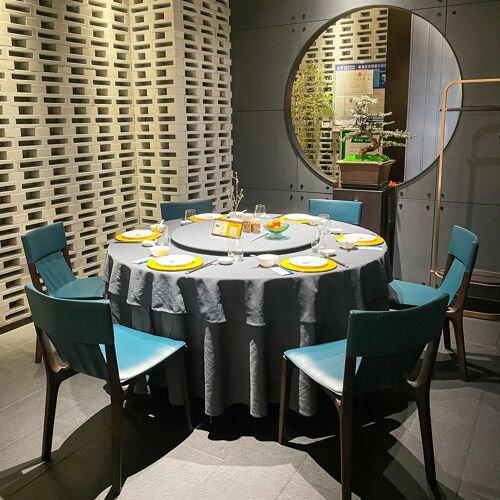
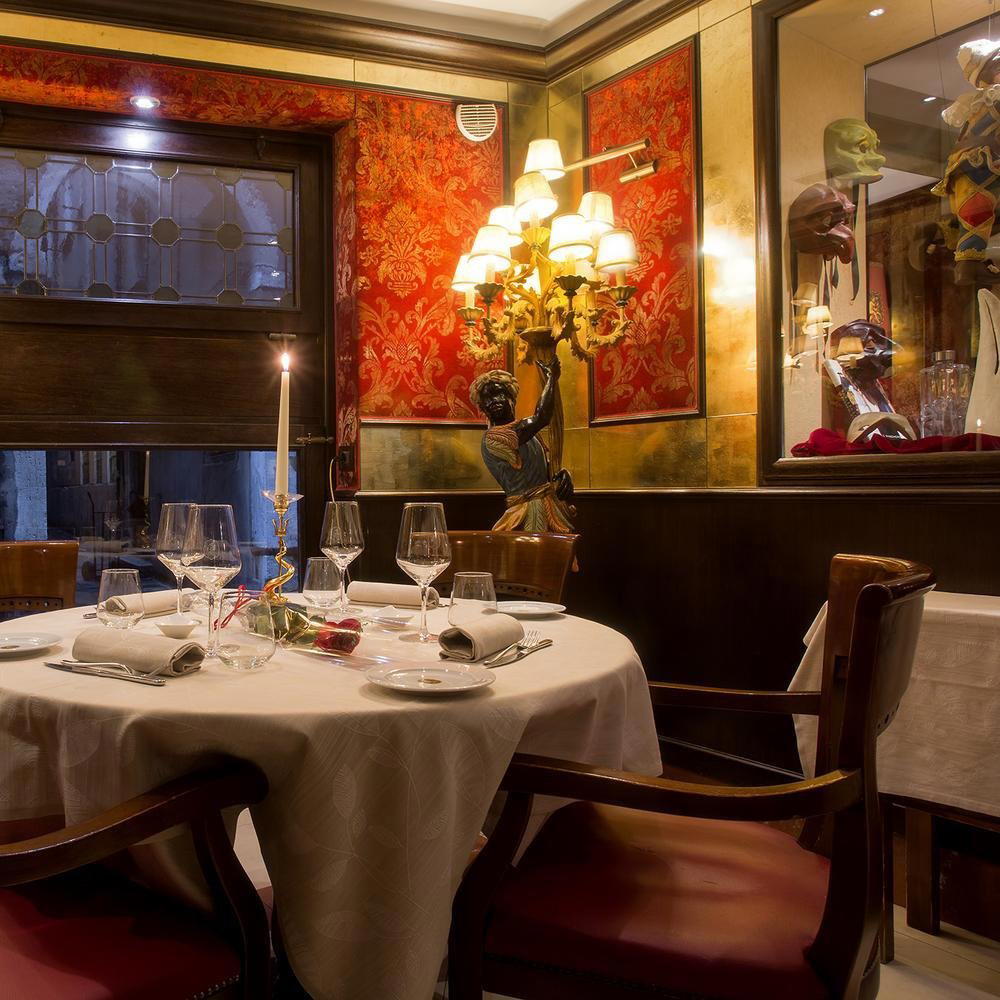
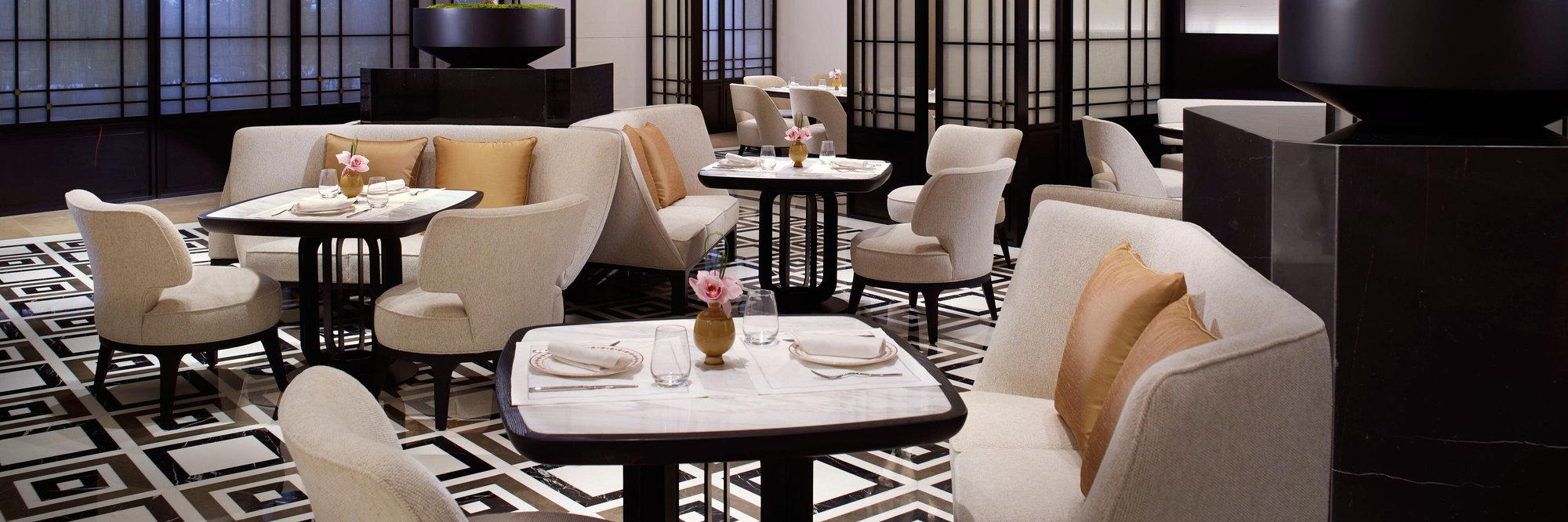
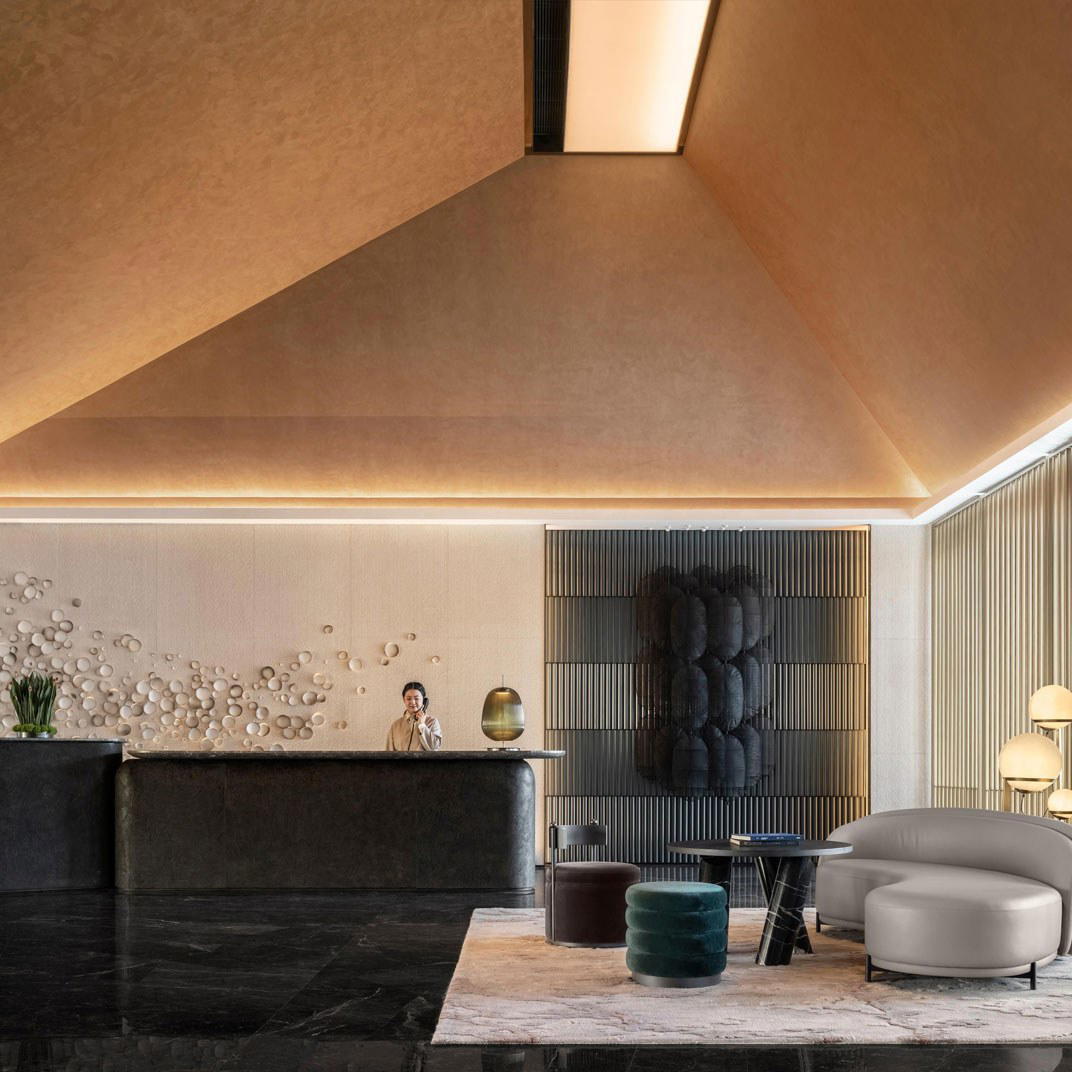
Traditional Chinese style furnishings creating a classic and cozy atmosphere.