
Michelin Plate · Black Pearl 1 Diamond
Our verdict
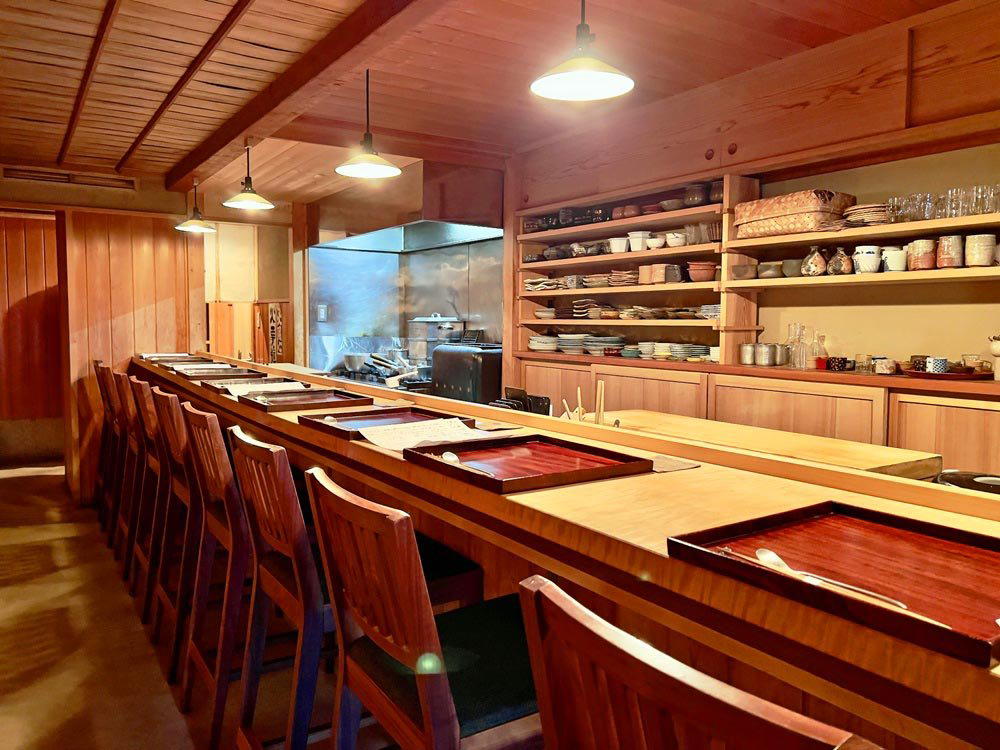
Xizhou Hall sits in Suzhou's Industrial Park carrying both a 2025 Michelin Plate and a Black Pearl 1 Diamond, placing it among the few Jiangsu cuisine addresses in the city recognised across two distinct appraisal systems. The cooking draws on the Huaiyang and Suzhou branches of the tradition, and the formal dining room at 69 Xizhou Road reads as a considered spatial argument for what refined regional Chinese cooking should look like today.

Pearl is the En Primeur Club membership app, where members save venues, book tables and use the concierge.
A Room That Takes a Position
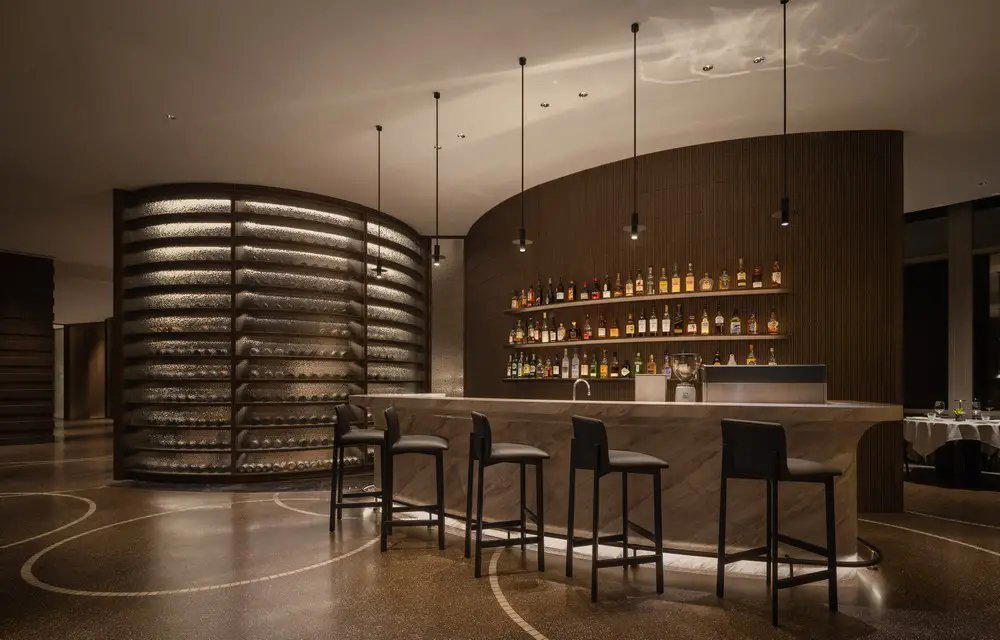
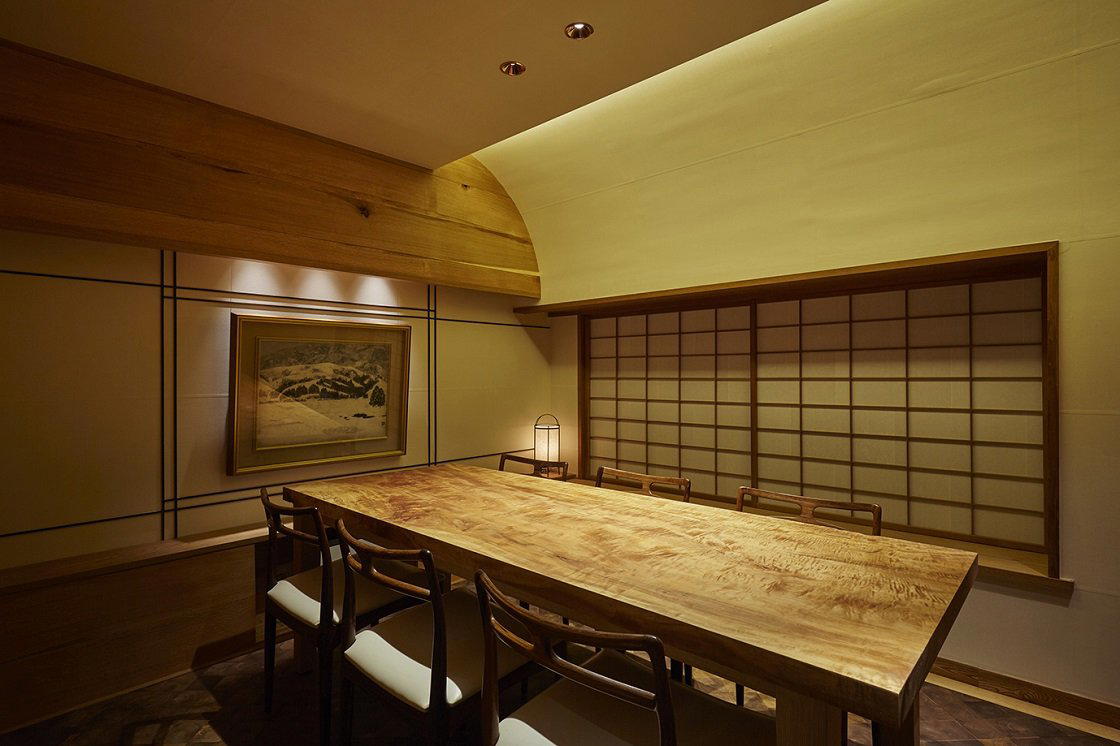
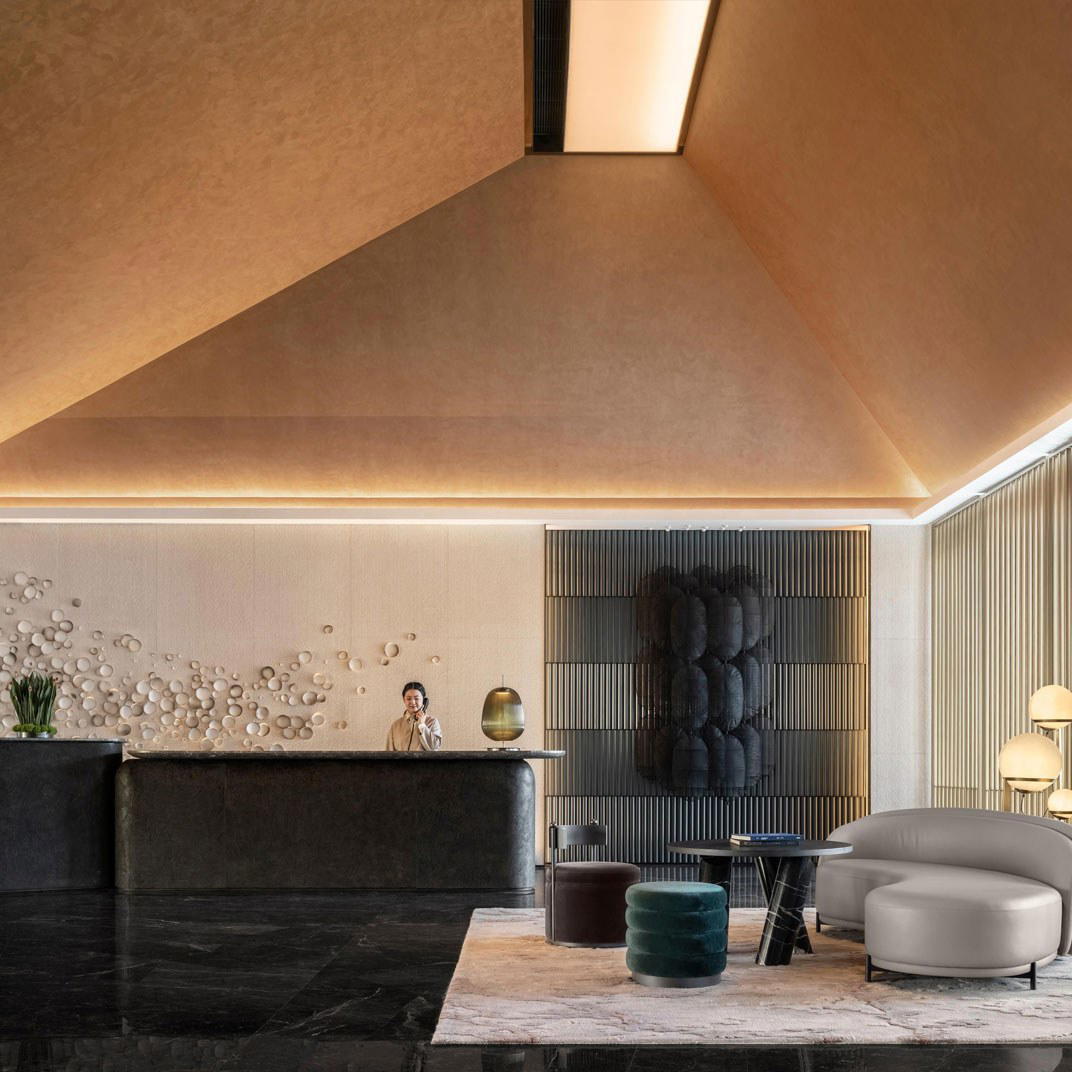
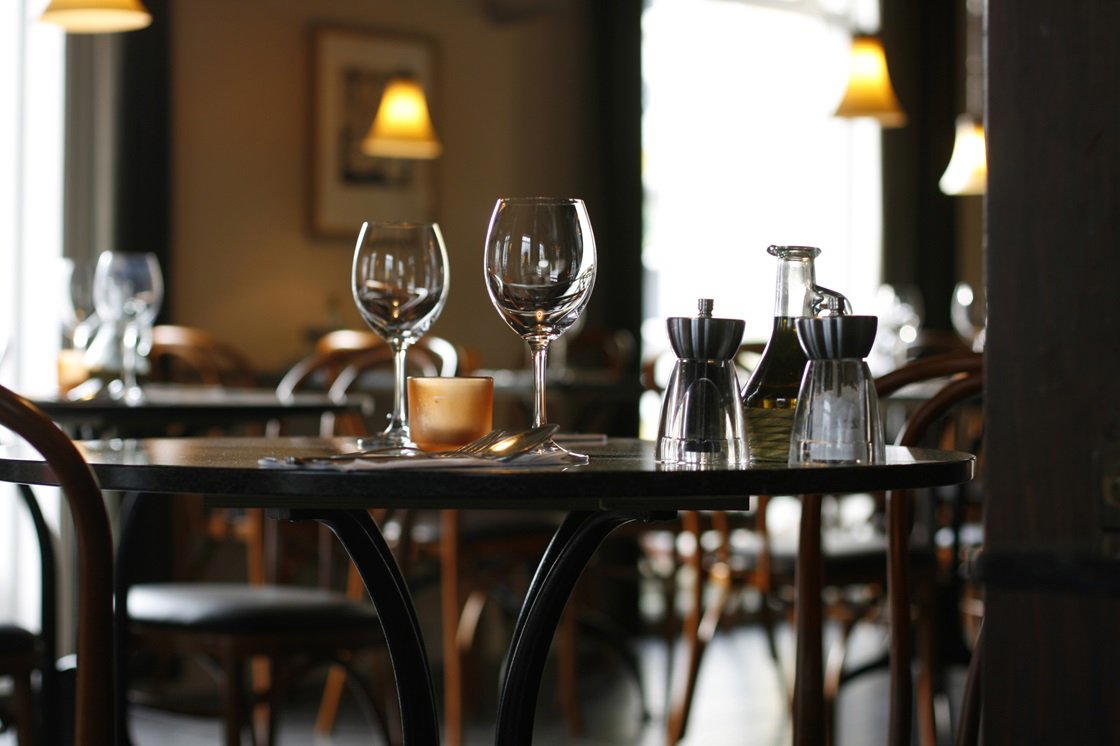
In Suzhou's Industrial Park, where the built environment skews toward glass towers and planned precincts, Xizhou Hall occupies 69 Xizhou Road with a sense of spatial deliberateness that reads as an editorial statement in its own right. Jiangsu cuisine has long been associated with the garden pavilion and the scholar's retreat, rooms where restraint governs everything from the lacquerwork to the pace of service. Xizhou Hall works within that tradition while placing itself physically in a district defined by new-economy commerce rather than classical garden architecture. The tension between those two registers is part of what makes the address worth reading carefully.
The formal dining room format signals something important about how the restaurant positions itself. In the current Suzhou market, there is a visible split between casual Jiangsu places that democratise the cuisine at lower price points and formal houses that frame the same tradition as something requiring occasion, space, and ceremony. Xizhou Hall belongs to the second category. Its ¥¥¥ pricing, which sits at the same tier as Dingshan·Jiangyan (Xiangcheng) and below the top-tier Pingjiangsong, places it in a middle-premium bracket that is competitive rather than rarified.
Receiving both a 2025 Michelin Plate and a Black Pearl 1 Diamond in the same cycle is a specific kind of signal. The Michelin Plate recognises a kitchen producing food of good quality without yet attaining star level, while the Black Pearl system, developed specifically for Chinese dining, applies its own criteria that weight cultural context and technical mastery within Chinese traditions more directly. A restaurant holding both recognitions in the same year is being assessed by two systems with different methodologies and arriving at broadly similar conclusions: this is a serious kitchen, cooking at a level above the neighbourhood staple, but not yet in the same conversation as Suzhou's most decorated tables.
For comparison, Pingjiangsong operates in the tier above on pricing, and the gap between a Michelin Plate and a Michelin star reflects something real about where the kitchen sits in the current hierarchy. That said, the Black Pearl 1 Diamond is a credible credential within the Chinese dining appraisal system, and the combination of both awards places Xizhou Hall in a small group of Suzhou restaurants recognised across systems.
Jiangsu cuisine more broadly has attracted serious institutional attention across the region. Guang Ying Ju · Lao Zheng Xing in Nanjing represents the tradition's northern expression, while Suzhou addresses like Xizhou Hall carry the lighter, sweeter, more textured character of the Suzhou school. Understanding that distinction helps clarify what you are ordering and why certain techniques matter here that would not register in the same way at a Cantonese or Sichuanese table.
The Jiangsu Tradition on the Plate
Jiangsu cuisine, and the Huaiyang sub-tradition in particular, is built on knife work, temperature control, and the precise calibration of sweetness against savoury, a balance that reads as subtle to those accustomed to bolder regional flavours and deeply complex to those who know where to look. Braising, slow steaming, and the careful handling of freshwater ingredients are the technical signatures. The cuisine's reputation was formed partly in imperial kitchens, which explains why formality of presentation tends to accompany formality of space in restaurants that take the tradition seriously.
Xizhou Hall's positioning at ¥¥¥ in the Industrial Park suggests a menu that covers classic preparation styles without the single-focus specialisation of a cheaper address like Bai Sheng Ren Jia (Wuzhong), which operates at ¥¥. At this price point, the expectation is a broader arc of the tradition: cold dishes demonstrating knife craft, warm dishes showing braising depth, and seasonal ingredients handled with enough technique to justify the occasion framing. Ban Ting Jia Yan (Suzhou Industrial Park) operates in the same district and the same price tier, making that address the most direct local comparison.
For those tracking how Jiangsu cuisine travels across city lines, it is worth noting how the tradition adapts at formally recognised Chinese-cuisine addresses elsewhere. Ru Yuan in Hangzhou handles a comparable register of eastern Chinese cooking, while Xin Rong Ji's expansions to Beijing and Chengdu show how a primarily eastern-Chinese kitchen reads in different cultural environments. 102 House in Shanghai offers another reference point for how the broader tradition performs in a major commercial context.
The Industrial Park Context
The Suzhou Industrial Park is not the city's historic core. Diners accustomed to garden-district restaurants in the old town will find the setting here deliberately modern. That shift in context matters for how a formal Jiangsu cuisine room reads: the spatial language has to work harder to establish ceremony when the surroundings are corporate rather than classical. The choice to operate at this address, rather than in a heritage building closer to the canals, tells you something about who the restaurant is cooking for, the business and upper-middle-class professional audience that drives the Industrial Park's daytime and evening economy.
Suzhou's dining scene beyond this price point and format is worth mapping if you are building a longer itinerary. Ge Jia Wu Farmer's House represents the countryside-register end of the local culinary range. Our full Suzhou restaurants guide covers the range from casual noodle houses to multi-awarded formal rooms, while the Suzhou hotels guide, bars guide, wineries guide, and experiences guide cover the wider city picture.
Planning Your Visit
Xizhou Hall is located at 69 Xizhou Road in the Industrial Park district, postcode 215028. The Industrial Park is accessible by metro and is the eastern anchor of the city's transit grid. At ¥¥¥ pricing with dual-system award recognition, the room draws on a local business dining audience as well as food-focused visitors; arriving without a reservation on evenings mid-week carries a meaningful risk of disappointment.
Frequently asked questions
Is Xizhou Hall expensive?
Pricing at Xizhou Hall is listed as ¥¥¥.
What awards or recognition does Xizhou Hall have?
Xizhou Hall has received recognition including: Michelin Plate (2025); Black Pearl 1 Diamond (2025).
What should I order at Xizhou Hall?
Xizhou Hall specialises in Jiangsu cuisine, with the Huaiyang sub-tradition as its technical foundation. That tradition is defined by precise knife work, careful temperature control, and the calibrated balance of sweetness and savour that distinguishes Suzhou-area cooking from other regional styles. The kitchen's 2025 Michelin Plate recognition points to consistent execution rather than novelty, so dishes rooted in classical Jiangsu technique are the reason to visit.
What kind of cuisine does Xizhou Hall serve?
What part of town is Xizhou Hall in?
Xizhou Hall is located at Industrial Park, 69 Xizhou Road, Suzhou, Jiangsu, China, 215028, Suzhou.
Should I book Xizhou Hall in advance?
Holding both a 2025 Michelin Plate and a Black Pearl 1 Diamond places Xizhou Hall among a short list of formally recognised restaurants in Suzhou, which compresses demand at peak dining hours. Advance reservation is strongly advisable, particularly for weekend evenings. The restaurant is located at 69 Xizhou Road in the Industrial Park district; phone and online booking details are best confirmed through the venue directly or through a hotel concierge in Suzhou.
Comparable Spots, Quickly
| Venue | Cuisine | Price | Awards | Notes |
|---|---|---|---|---|
| Xizhou HallThis venue (the venue you are viewing) | Chinese Fine Dining | Not listed | Michelin Plate · Black Pearl 1 Diamond | Not listed |
| Yu Mian Tang | Suzhou Heritage Noodles | $20–30 | Michelin Bib Gourmand | Noodles |
| Dingshan·Jiangyan (Xiangcheng) | Modern Jiangsu Cuisine | Not listed | 1 Michelin Star | Jiangsu Cuisine |
| Pingjiangsong | Modern Suzhou Cuisine | Not listed | 1 Michelin Star | Jiangsu Cuisine |
| Bai Sheng Ren Jia (Wuzhong) | Authentic Suzhou (Jiangsu) Cuisine | Not listed | Michelin Bib Gourmand | Jiangsu Cuisine |
| Ban Lan (Huqiu) | Modern Fujian | Not listed | Michelin Plate | Fujian |
Recognition history
Dated appearances from independent guides and award organizations, with the underlying list record or original source where available.
Michelin Plate
Michelin
Black Pearl 1 Diamond
Black Pearl
Full recognition history (4 entries)
Black Pearl 1 Diamond
Black Pearl
Michelin Plate
Michelin