
Black Pearl 1 Diamond
Our verdict
Jiangnan Delicacy sits on the Li Gong Di waterfront strip in Suzhou's Industrial Park, where the city's premium dining corridor has quietly thickened over the past decade. A 2025 Black Pearl 1 Diamond recognition places it in the upper bracket of Suzhou's fine dining tier, representing the city's appetite for Jiangnan culinary tradition treated with contemporary seriousness. For visitors oriented around the region's softer flavours and lacework cooking techniques, it belongs on the shortlist.

Pearl is the En Primeur Club membership app, where members save venues, book tables and use the concierge.
The menu
What to order
- Lion’s Head Meatballs
Where Suzhou's Premium Dining Corridor Meets the Water
Li Gong Di, the commercial and dining strip running along the eastern edge of Jinji Lake in Suzhou's Industrial Park, has developed over the past fifteen years into one of the city's most concentrated pockets of ambitious restaurants. The lakefront setting is deliberate: this is a district that was planned from the ground up, which means the dining here tends to attract operators with a specific vision rather than the accumulated, organic layer of history you find in the old city's alleyways. Jiangnan Delicacy occupies Block 3, Building 16 of that strip, where the pedestrian flow between the water and the retail arcade keeps the room in consistent use across lunch and dinner services.
Jiangnan Delicacy sits in the latter group, as confirmed by its 2025 Black Pearl 1 Diamond designation, one of China's most closely watched restaurant recognition programmes. The Black Pearl Guide, launched by Meituan in 2018, has established itself as the domestic counterweight to the Michelin Guide's selective China footprint, and a Diamond entry in the 2025 edition places any restaurant in a competitive tier that includes serious rooms across Shanghai, Beijing, and Hangzhou.
Jiangnan Cooking in the Contemporary Register
The cuisine category implied by the name, and consistent with the restaurant's position in Suzhou, is Jiangnan, the culinary tradition of the Yangtze River Delta region that encompasses Suzhou, Hangzhou, Wuxi, and southern Jiangsu more broadly. Jiangnan cooking is built on restraint and precision: sweetness as a structural element rather than an afterthought, silken textures achieved through timing rather than technique-for-its-own-sake, and an emphasis on seasonal freshwater produce, braised meats, and the careful use of rice wine and aged vinegar. These are not flavours that announce themselves loudly, which is precisely why the cuisine rewards the kind of formal, attentive room that a Black Pearl Diamond entry tends to occupy.
Editorial angle that matters for a restaurant like this is the intersection between those indigenous Jiangnan ingredients and the technical vocabulary that premium Chinese restaurants have increasingly absorbed from outside the tradition. Across China's major cities, the most decorated Jiangnan-influenced rooms have moved toward a format where sourcing discipline, knife work refinement, and presentation language borrowed from kaiseki or European fine dining sit alongside braised pork belly and hairy crab. You can observe the same impulse at Ru Yuan in Hangzhou, at Xin Rong Ji (Xinyuan South Road) in Beijing, and at Xin Rong Ji in Chengdu, where classical Chinese ingredients are handled with a technical seriousness that owes something to global fine dining norms without surrendering regional identity. The question any serious room in this register has to answer is whether imported methodology sharpens or smooths the thing that makes the local product worth eating in the first place.
That tension is particularly acute in Suzhou, a city that still has active, opinionated local diners who grew up with specific memories of what hongshao rou should taste like, or when whitebait from Taihu Lake is worth ordering and when it is not. The Black Pearl designation signals that Jiangnan Delicacy is operating in a space where those expectations are taken seriously rather than softened for tourist convenience.
How Jiangnan Delicacy Sits in Suzhou's Fine Dining Tier
Suzhou's decorated restaurant tier is dominated by Jiangsu cuisine houses, several of which carry Michelin recognition. Dingshan Jiangyan (Xiangcheng) and Pingjiangsong both hold a Michelin 1 Star, with the latter pricing itself at the ¥¥¥¥ bracket, the upper end of what the city's dining market will sustain. Bai Sheng Ren Jia (Wuzhong) occupies a more accessible ¥¥ position and offers a counterpoint to the formal tier. Ban Lan (Huqiu), which focuses on Fujian cuisine rather than Jiangsu, prices at ¥¥¥ and represents the city's appetite for premium cooking traditions that are not native to the region.
For context, Black Pearl Diamond restaurants across China include rooms that compete for the same diners as Michelin-starred addresses. Internationally, the ambition in this tier is comparable to what Chef Tam's Seasons in Macau or Imperial Treasure Fine Chinese Cuisine in Guangzhou represent within their respective cities: formal, awarded, and operating with a clear position at the top of the local hierarchy. Where a kitchen like Le Bernardin in New York City sets the benchmark for how classical French technique meets premium seafood, or Atomix in New York City shows how Korean culinary identity can be expressed through a contemporary fine dining format, Jiangnan Delicacy operates within a Chinese context where the conversation about technique versus tradition is equally live. Ban Ting Jia Yan, also located in the Industrial Park district, provides a nearby comparison point for diners evaluating the formal Suzhou dining corridor specifically.
Planning Your Visit
The restaurant is located at Block 3, Building 16 on Li Gong Di, within the Suzhou Industrial Park, postal code 215027. Li Gong Di is accessible from central Suzhou by metro on Line 1, with Jinji Lake area exits connecting to the lakefront strip. The waterfront location means weekend evenings and national holiday periods typically require advance planning; Black Pearl-recognised rooms in Chinese cities at this tier are generally booked out two to four weeks ahead during peak demand, and same-day availability is rare outside off-peak weekday lunches.
For visitors building a broader Suzhou itinerary, EP Club maintains guides across the city's hospitality categories: see our full Suzhou restaurants guide, our full Suzhou hotels guide, our full Suzhou bars guide, our full Suzhou wineries guide, and our full Suzhou experiences guide. Visitors looking for a comparable premium Shanghai address to pair with a Suzhou trip may also consider 102 House in Shanghai, which operates in a related fine Chinese dining register an hour away by high-speed rail.
Frequently asked questions
Where is Jiangnan Delicacy in Suzhou?
Jiangnan Delicacy is located at 3期16号楼, 苏州工业园区 李公堤, 吴中区苏州市江苏省 China, 215027, Suzhou.
Has Jiangnan Delicacy won any awards?
Jiangnan Delicacy has received recognition including: Black Pearl 1 Diamond (2025).
What's the signature dish at Jiangnan Delicacy?
The restaurant's name and position within Suzhou's fine dining corridor point firmly toward Jiangnan tradition, a canon built on freshwater fish, seasonal river vegetables, and slow-braised preparations from the Yangtze Delta. The 2025 Black Pearl 1 Diamond recognition indicates a kitchen operating at a decorated level within that regional tradition.
What's the best way to book Jiangnan Delicacy?
No booking phone number or website is currently listed for Jiangnan Delicacy. The restaurant is located at Block 3, Building 16 on Li Gong Di in Suzhou's Industrial Park (215027), and the strip is well served by the broader Jinji Lake area. For a Black Pearl-recognised venue, advance planning through a hotel concierge in Suzhou or a Chinese dining reservation platform such as Dianping is the most reliable approach.
Comparable Spots, Quickly
Comparable venues nearby, for context on price, style, and recognition.
| Venue | Cuisine | Price | Awards | Notes |
|---|---|---|---|---|
| Jiangnan DelicacyThis venue (the venue you are viewing) | Authentic Jiangnan Cuisine | $20–30 | Black Pearl 1 Diamond | Not listed |
| The Grove | Modern Suzhou and Huaiyang Cuisine | Not listed | Black Pearl 1 Diamond | Gusu District |
| åå·´çç | Live Seafood by Humble Administrator's Garden | $50–100 | Not listed | Humble Administrator's Garden area |
| Ban Ting Jia Yan (Suzhou Industrial Park) | Jiangsu Cuisine | Not listed | Michelin Plate | Suzhou Industrial Park |
| CHAI 8 HOUSE | Jiangzhe fine dining with Jinji Lake views | Not listed | Black Pearl 1 Diamond | Suzhou Industrial Park / Ligongdi |
| Jin Hai Hua · Pingjiangsong | Modern Suzhou fine dining in a classical garden mansion | $50–100 | Black Pearl 1 Diamond | Gusu District |
Recognition history
Dated appearances from independent guides and award organizations, with the underlying list record or original source where available.
Black Pearl 1 Diamond
Black Pearl
Full recognition history (2 entries)
Black Pearl 1 Diamond
Black Pearl
Continue exploring
More in Suzhou
Details
- Elegant
- Classic
- Cozy
- Intimate
- Scenic
- Family
- Business Dinner
- Special Occasion
- Terrace
- Open Kitchen
- Sake Program
- Local Sourcing
- Street Scene
- Garden
- A La Carte
- Small Plates
- Tea
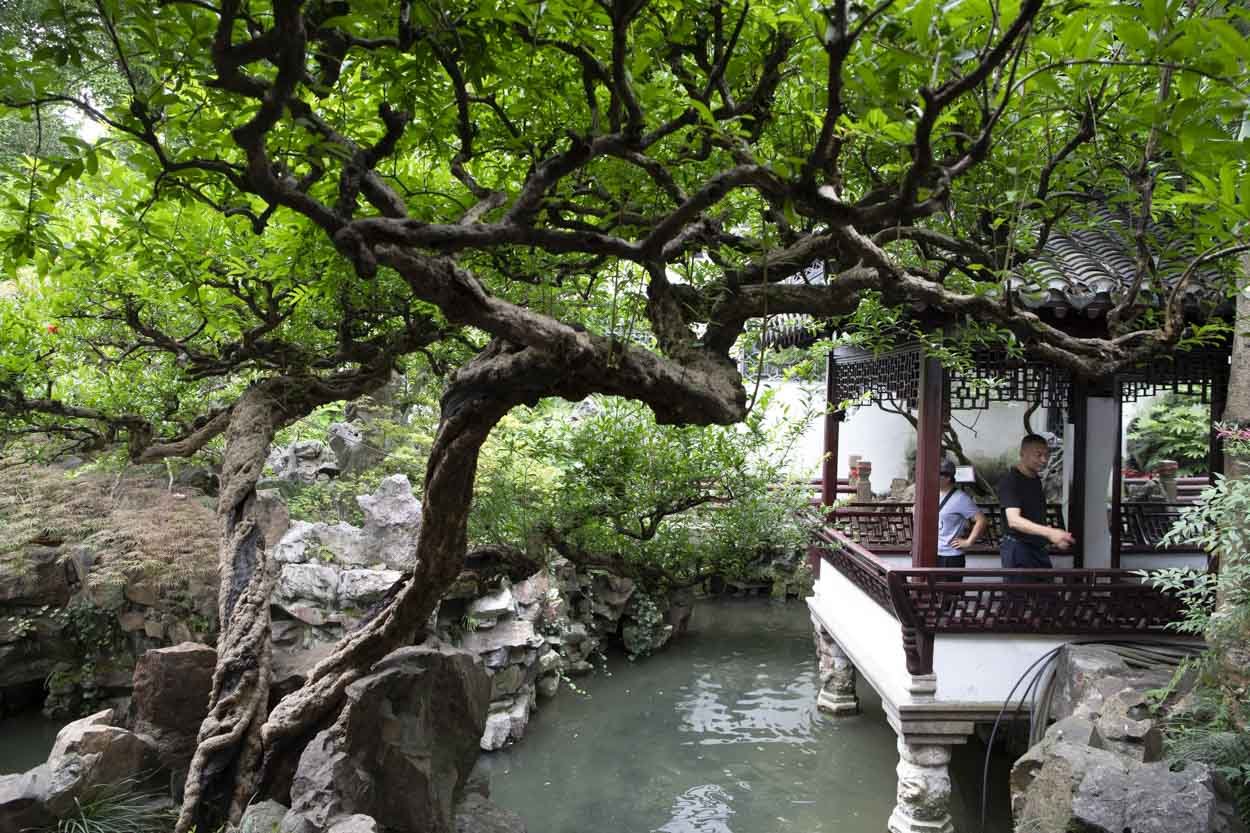
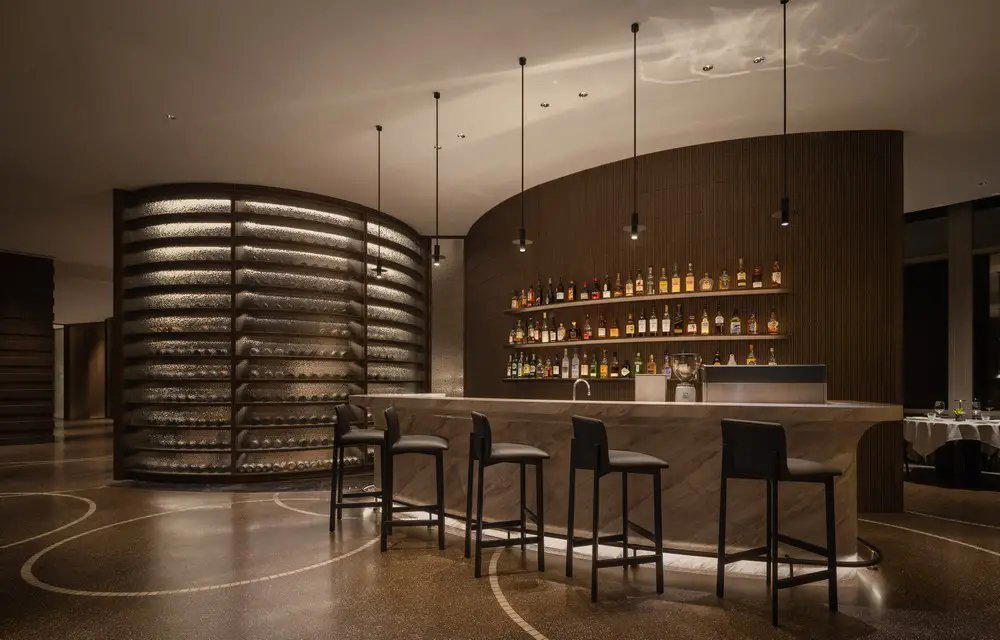
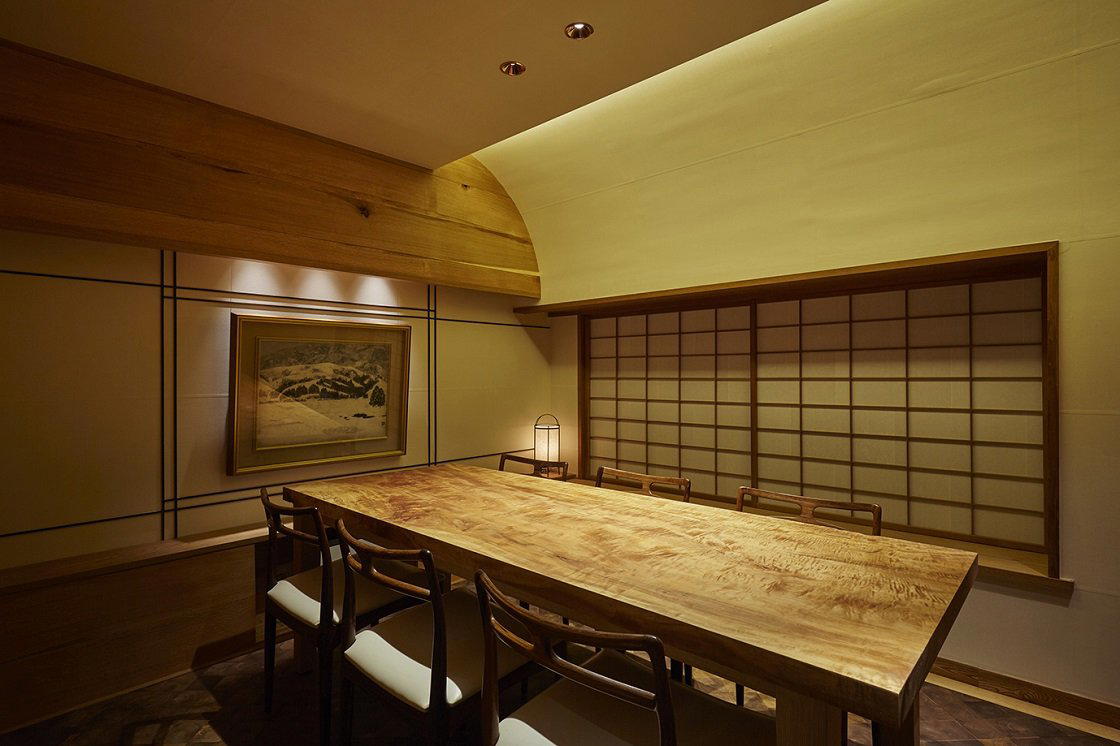
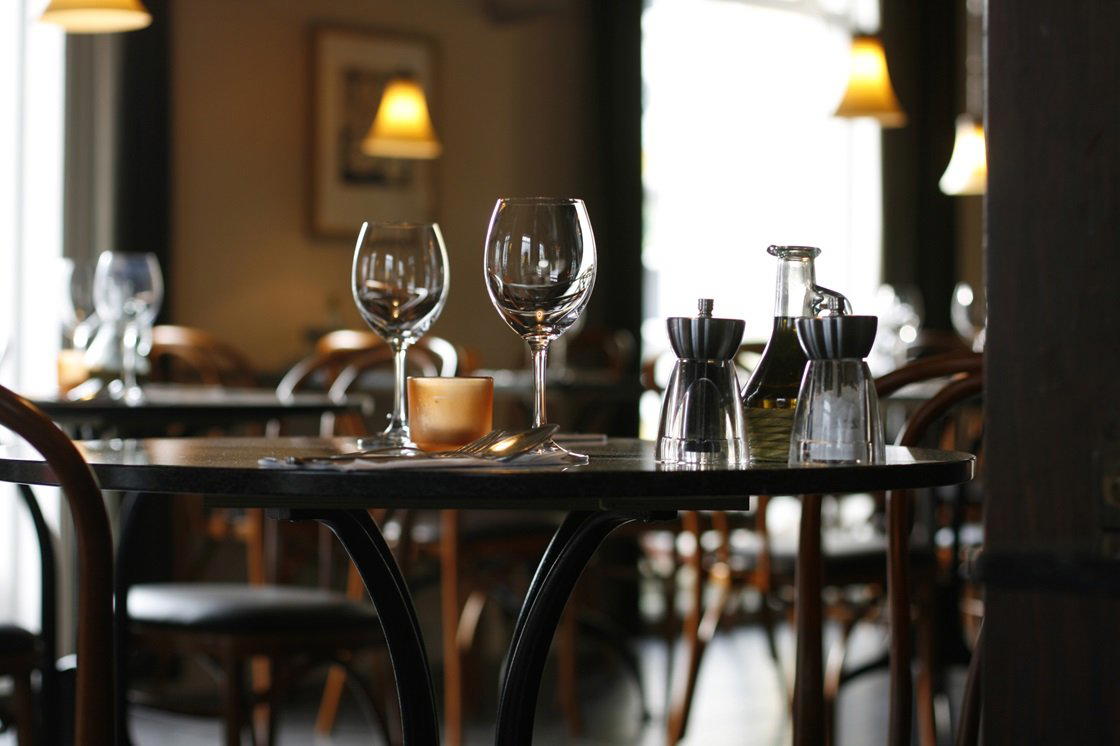
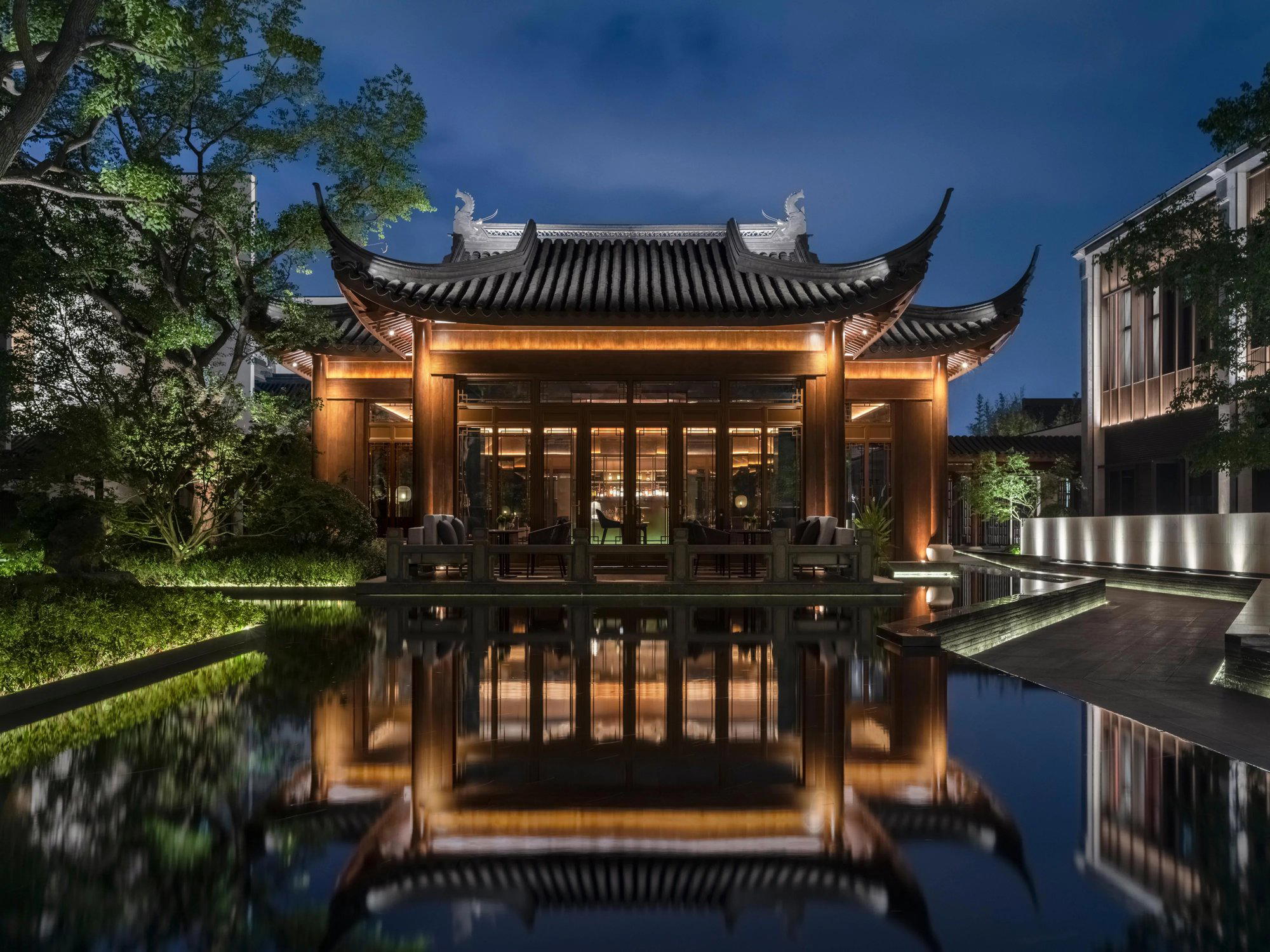
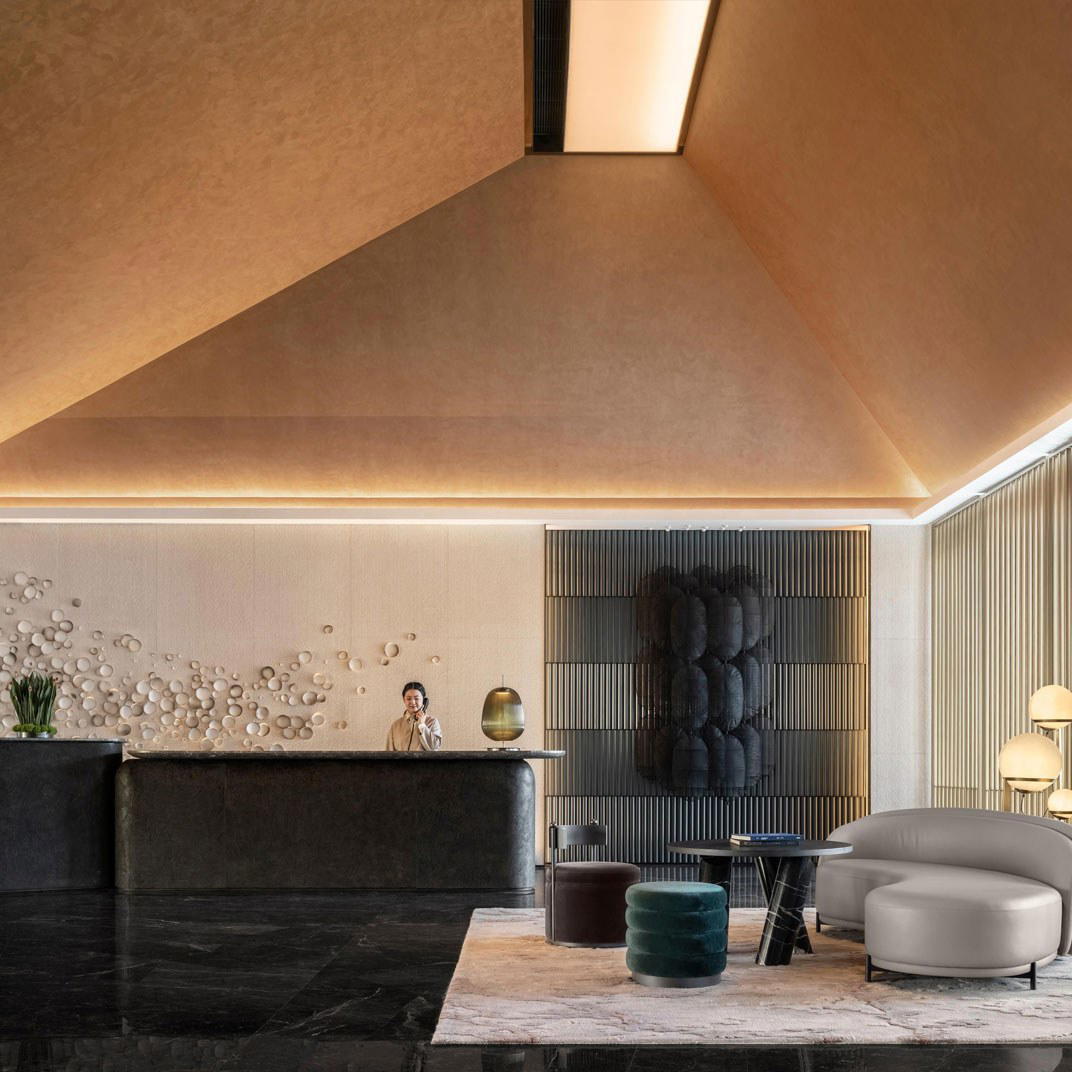
Soft lighting in a traditional Jiangnan-style interior with wooden elements, calligraphy, and quiet refinement, complemented by terrace views and occasional folk art performances.