


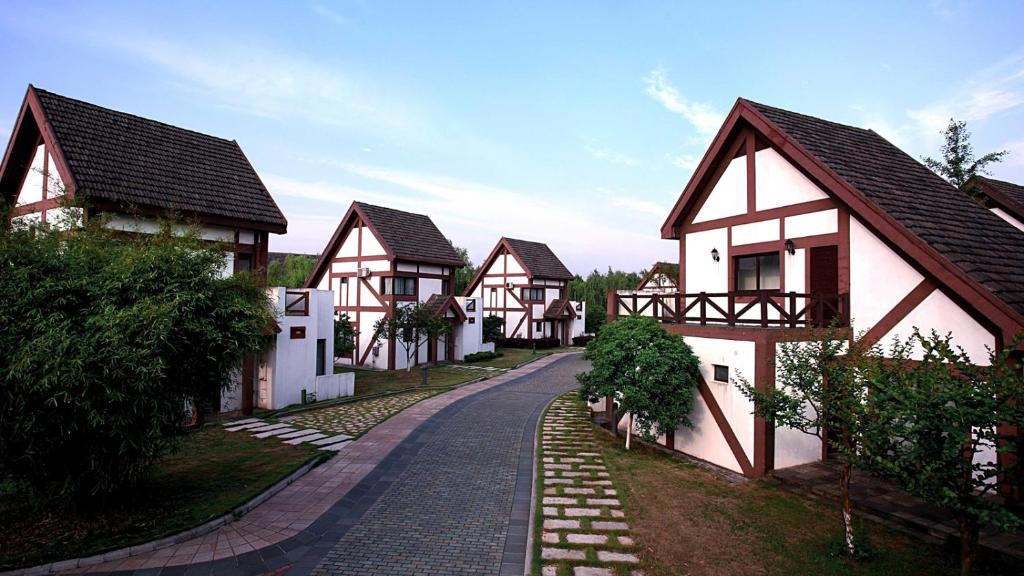
The Ritz-Carlton, Suzhou reinterprets the city's classical garden tradition through a contemporary luxury lens, earning Star Wine List recognition in 2026 for the depth of its beverage programme. Set at 369 Guangji South Road in the Gusu District, the property places guests within the cultural core of a city that has defined refined living in China for centuries. It is a considered address for travellers who want proximity to Suzhou's UNESCO-listed gardens alongside the full infrastructure of an international luxury group.
Pearl is the En Primeur Club membership app — saves, bookings, and concierge access live there. Same editors, same standards.
- Address
- 369 Guangji South Road, Gusu District, Suzhou, Jiangsu
- Phone
- 86-512-69088888
- Website
- ritzcarlton.com
- Directions
- Get directions
 Saves & bookings on Pearl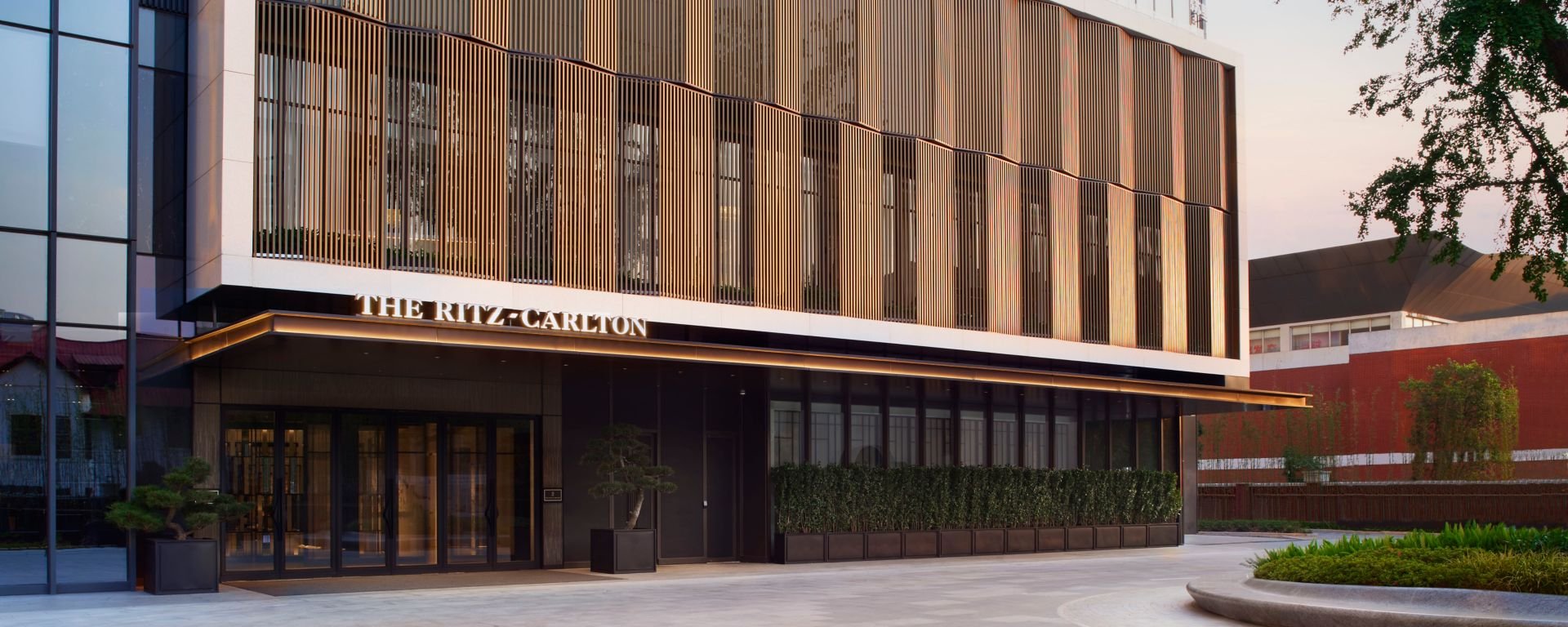
Gardens, Refinement, and the Suzhou Standard
Suzhou has always operated on a different register from China's coastal megacities. Where Shanghai projects ambition outward, Suzhou turns inward, toward the scholar's courtyard, the moon gate, the carefully placed rock. The city's classical gardens, several of them UNESCO World Heritage Sites, have shaped a local aesthetic philosophy that prizes restraint, composition, and the long view. Hotels that take this seriously produce something distinct from the standard luxury-chain template, and that is the frame through which The Ritz-Carlton, Suzhou is best understood.
Positioned on Guangji South Road in the Gusu District, the property sits in the historical heart of the city, the same district that contains the Garden of the Master of Nets and the Canglang Pavilion, two of Suzhou's most studied classical gardens. This address is not incidental. The Gusu District is where Suzhou's identity as a seat of refined culture has been most legibly preserved, and proximity to it signals a deliberate placement decision rather than a convenient land parcel. The Gusu location is a meaningful variable in the decision.
A Garden Reimagined at Scale
The property's central design concept is the modern interpretation of the classical Chinese garden, an approach that has become something of a signature move for upper-tier Chinese luxury hotels, though the execution quality varies considerably across the category. At its weakest, the concept produces decorative pastiche: a moon gate here, a scholar's rock there, surrounded by generic five-star finishes. At its most considered, it creates spatial logic that actually echoes the garden's underlying principles: compression and release, framed views, the careful calibration of enclosure and openness.
The Ritz-Carlton's positioning in Suzhou aligns with the latter ambition, a modern reimagining rooted in the city's cultural heritage. Whether the architecture fully delivers on that promise is a question the physical property answers better than any description, but the intent connects to a real tradition rather than a superficial nod. This places the property in a specific competitive tier: not the boutique-heritage circuit populated by properties like Amanfayun in Hangzhou or Amandayan in Lijiang, which prioritise extreme intimacy and location-specific materiality, but rather the larger-footprint international brand that brings operational consistency and full-service infrastructure while still reaching for genuine regional character.
The Beverage Programme and What It Signals
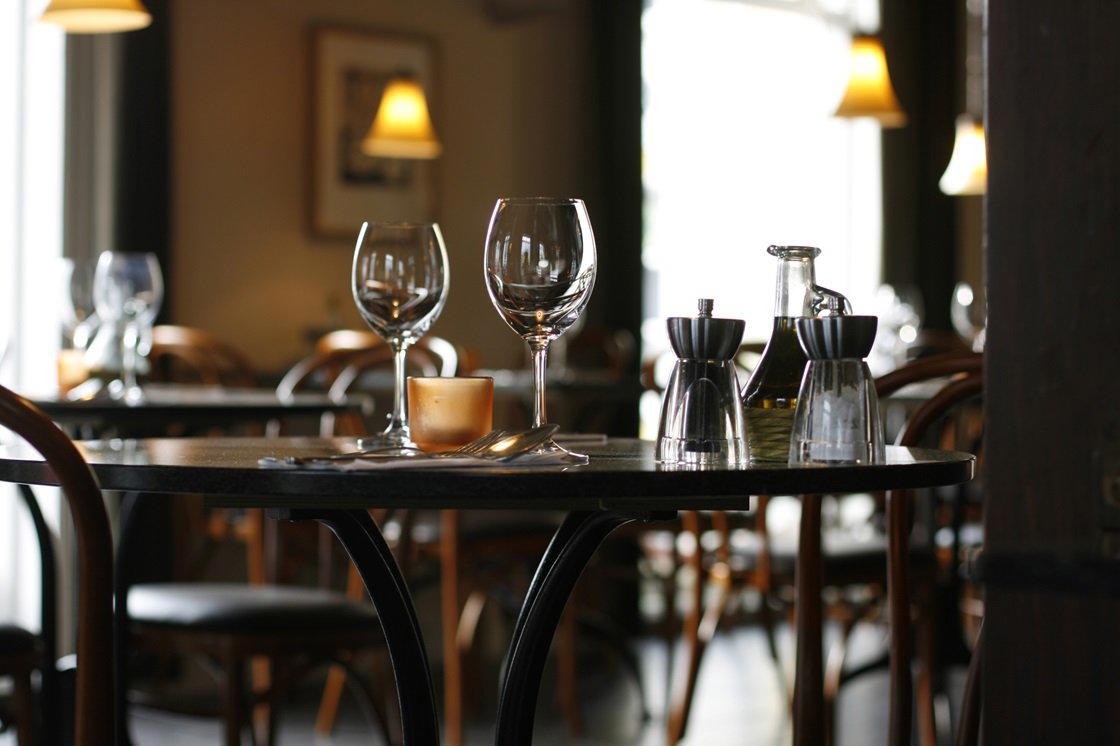
2026 Star Wine List recognition is particularly concrete credential available for this property, and it tells a specific story. Star Wine List, the international wine guide, awards recognition to venues with serious, well-curated beverage programmes. An award at this level, earned in 2026, indicates that the hotel's wine and drinks offering has been formally assessed and found to meet a defined standard, one that most hotels in China, even those in the luxury segment, do not reach. In the context of a city like Suzhou, where the dining culture skews heavily toward tea ceremony, Jiangnan cuisine, and Huangjiu (yellow rice wine), a wine programme of this standing represents a specific investment in an international guest profile.
For the itinerary-building traveller who wants to maintain a consistent standard across their programme, this signals that the in-house dining experience can anchor at least part of the trip's food and drink agenda. Comparable properties in the broader region, such as Mandarin Oriental Qianmen in Beijing, JW Marriott Hotel Shanghai at Tomorrow Square, or Conrad Guangzhou, each carry their own dining credentials, and when building an extended China itinerary, the beverage programme at each stop becomes a meaningful differentiator. The Ritz-Carlton Suzhou holds its own in that peer conversation because of the 2026 award, not just brand position.
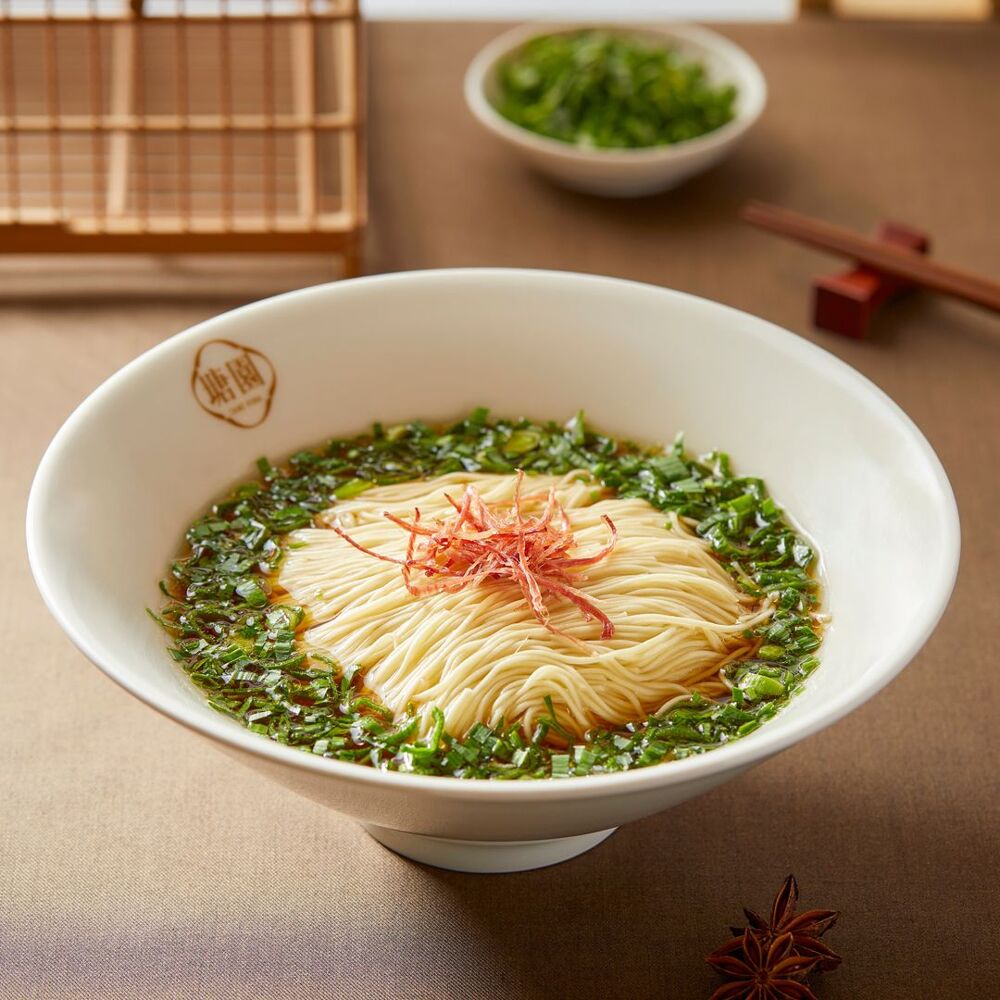
The Jiangnan culinary tradition that Suzhou sits within is one of China's most sophisticated regional cuisines. It prizes freshness, technique, and seasonal specificity, hairy crab in autumn from Yangcheng Lake, river shrimp in spring, bamboo shoots in early summer. A hotel dining programme operating at a credentialled level in this context has the raw material to be genuinely compelling, even if the precise format and menu depth require verification through the hotel directly.
Planning Your Stay
The property is at 369 Guangji South Road, Gusu District. For those building broader China itineraries from this base, the rail network extends easily toward Nanjing (the Hyatt Place Nanjing Xuanwu is one option there) and further afield toward destinations like Hangzhou's Amanfayun.
Booking is recommended. Autumn, specifically mid-October through November, is the period most closely tied to Suzhou's cultural calendar, peak season for hairy crab, garden foliage, and the silk festival, which means demand at the hotel's level will be higher and advance reservation advisable. Spring is the alternative: lighter crowds, garden bloom season, and cooler temperatures more suited to walking the classical garden circuits.
Cost and Credentials
Comparable venues nearby, for context on price, style, and recognition.
| Venue | Price | Awards | Notes |
|---|---|---|---|
| The Ritz-Carlton, SuzhouThis venue — the venue you are viewing | $$$$ | 5-Star | Not listed |
| Kimpton Bamboo Grove Suzhou | $$$$ | 5-Star | Gusu District, Modern luxury lifestyle hotel inspired by Suzhou artistic gardens |
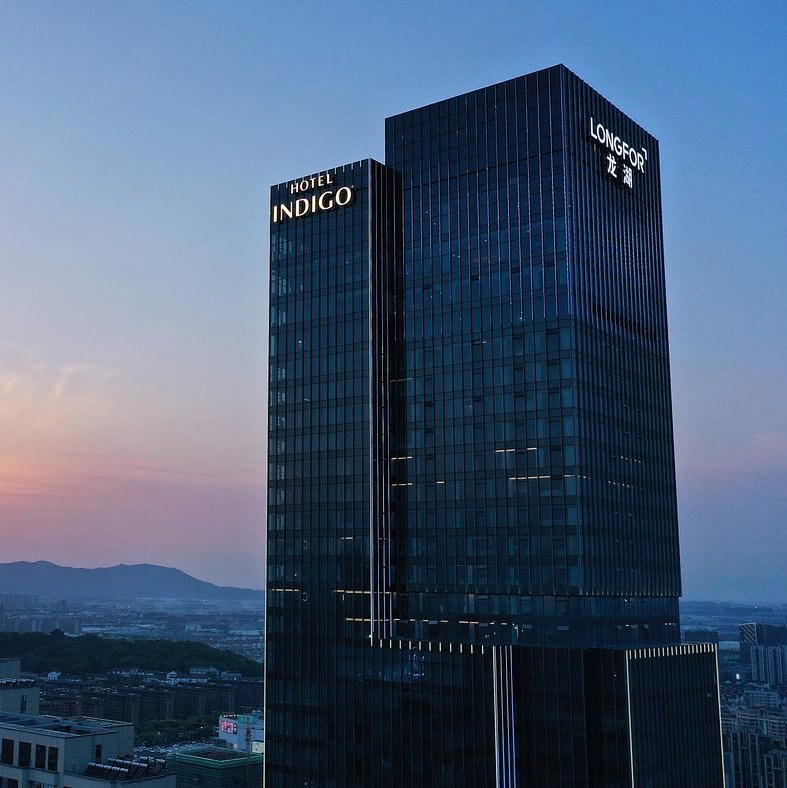
| Hotel Indigo Suzhou Grand Canal | $$$ | 5-Star | Suzhou New District, Contemporary luxury boutique hotel blending imperial heritage with modern minimalism, inspired by Emperor Qianlong's historic Grand Canal journey and Suzhou's 2,600-year legacy. |
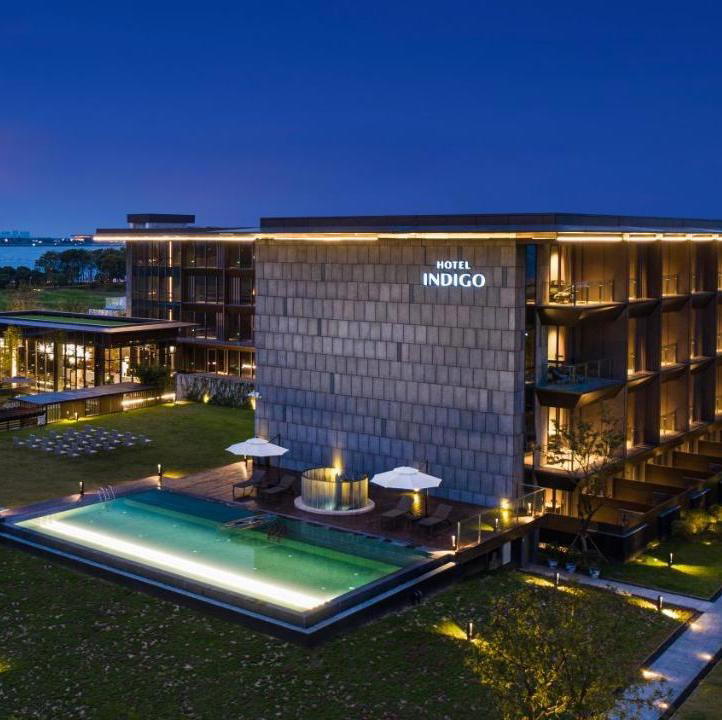
| Hotel Indigo Suzhou Yangcheng Lake | $$$ | Not listed | Suzhou Industrial Park, Boutique resort blending modern design with local Jiangnan water town elements |
| The Hanyu Garden Reserve Suzhou | $$$$ | Not listed | Wuzhong District, Classical Jiangnan courtyard resort with low pavilions and landscaped gardens on Lake Taihu shores. |
| DongFengYun Hotel Mi’Le - MGallery | $$$$ | 5-Star | Dongfengyun Art Town, Artistic luxury boutique in vineyard setting with post-modern red brick architecture |
Recognition history
Dated appearances from independent guides and award organizations, with the underlying list record or original source where available.
Forbes Recommended
Forbes
Michelin Guide New Hotels New Hotel
Michelin Guide New Hotels
Star Wine List
Star Wine List
Michelin Selected
Michelin
At a Glance
- Elegant
- Sophisticated
- Modern
- Scenic
- Business Trip
- Romantic Getaway
- Family Vacation
- Wellness Retreat
- Garden
- Panoramic View
- Destination Spa
- Private Dining
- Historic Building
- Design Destination
- Wi Fi
- Pool
- Spa
- Fitness Center
- Room Service
- Concierge
- Business Center
- EV Charging
- Kids Club
- Restaurant
- Garden
- Skyline
- Wi Fi
- Pool
- Spa
- Fitness Center
- Room Service
- Concierge
- Business Center
- EV Charging
- Kids Club
- Restaurant
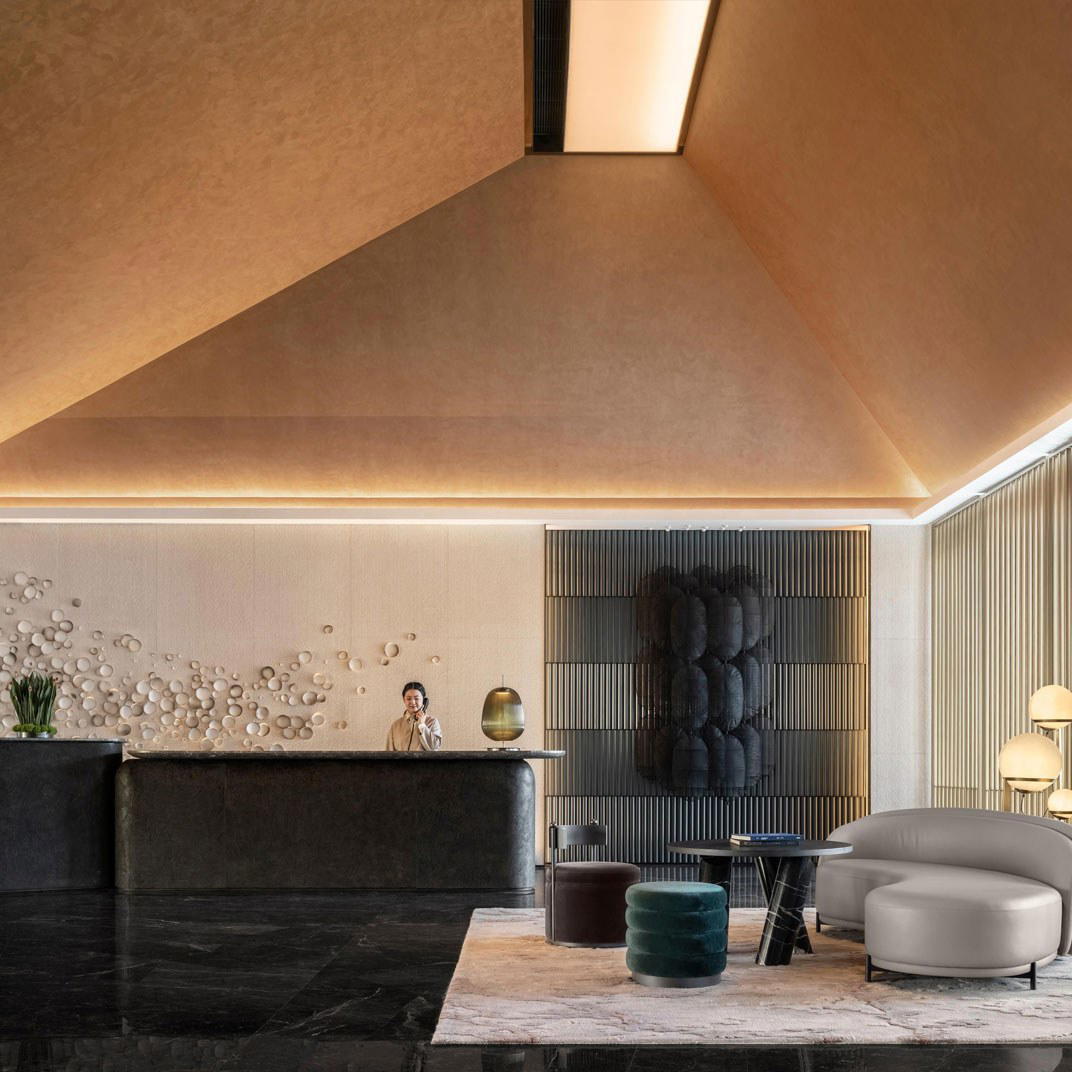
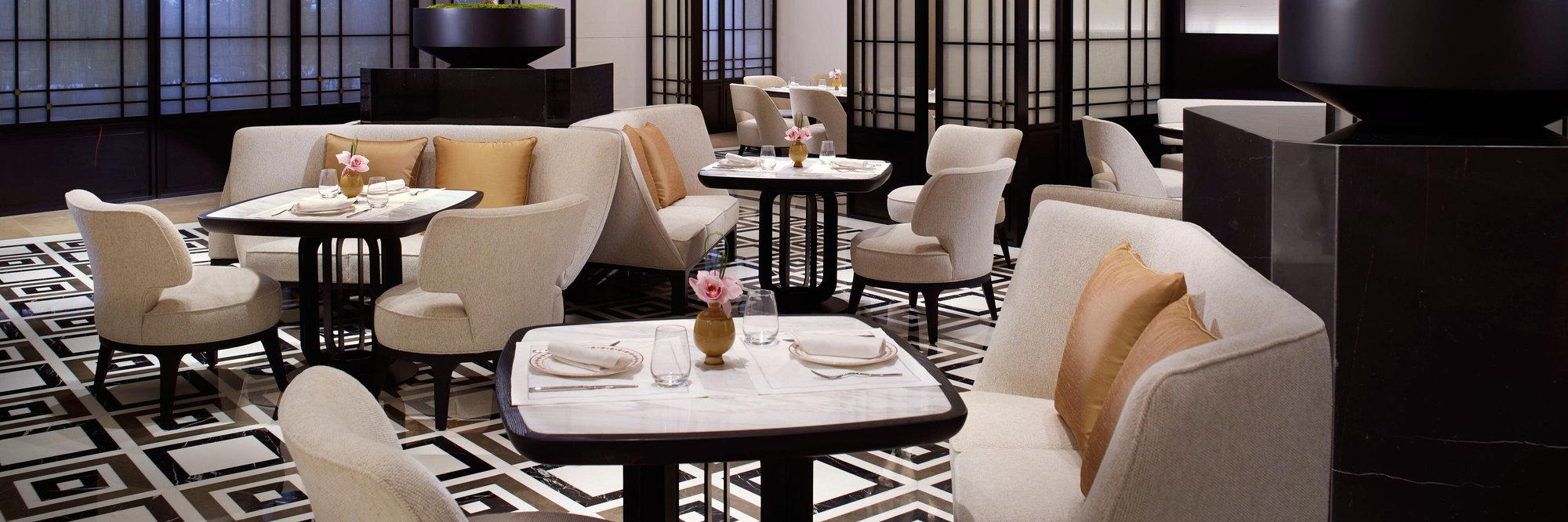
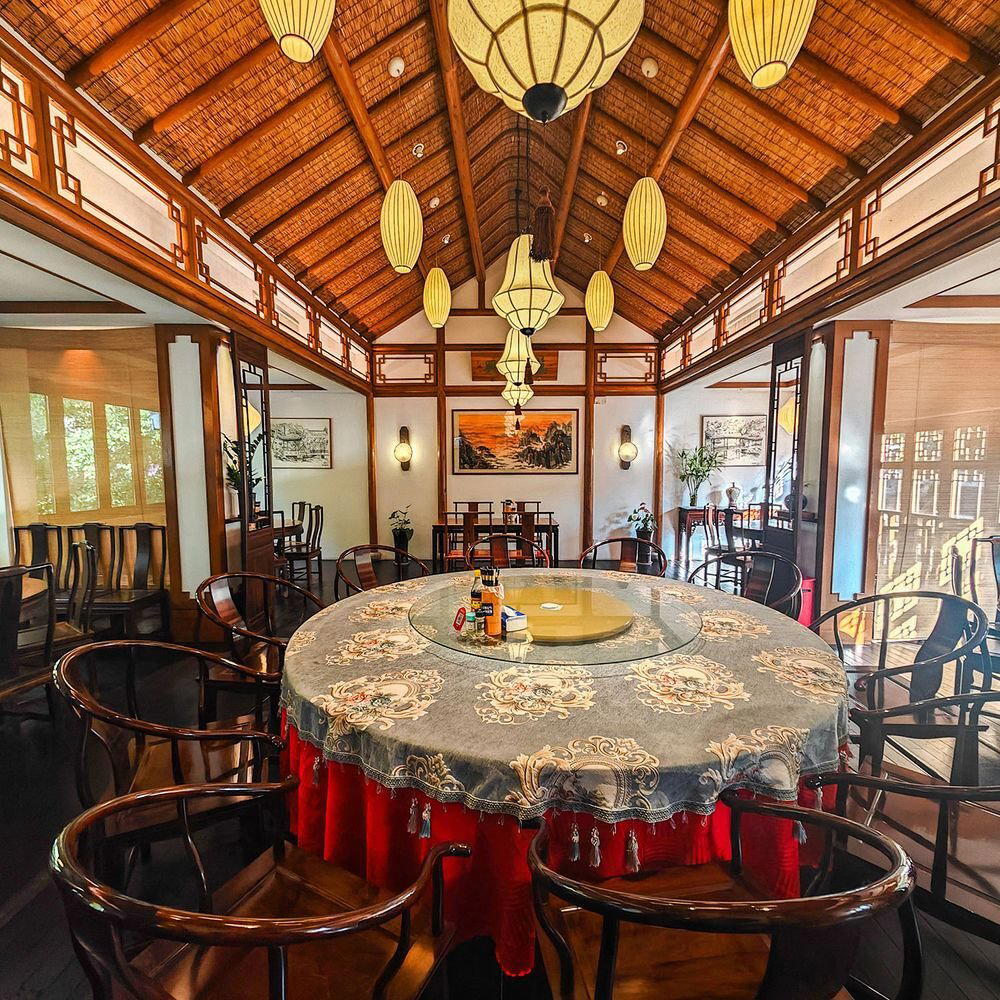
Serene and refined with oriental-inspired design elements, elegant garden settings, and soft natural lighting throughout public spaces and guest rooms featuring minimalist Chinese aesthetics with crisp black lines on white surfaces.