
Wulin holds consecutive Michelin Plate recognition (2024 and 2025) for its Hangzhou cuisine in Xiacheng District, positioning it among the mid-range specialists keeping the city's classical culinary tradition in daily circulation. The ¥¥ price point makes it one of the more accessible Michelin-recognised addresses in a city where premium Zhejiang dining can climb steeply.4 confirms consistent local approval.
Pearl is the En Primeur Club membership app — saves, bookings, and concierge access live there. Same editors, same standards.
- Address
- China, Zhejiang, Hangzhou, Xiacheng District, 305, 东南方向60米 邮政编码: 310005
- Phone
- +86 571 8515 9048
- Directions
- Get directions
 Saves & bookings on Pearl
Where Hangzhou Cuisine Still Runs on Ritual
Xiacheng District carries the kind of residential density that filters out destination tourists quickly. The streets around the 305 address on the eastern side of the district are more errand-run than sightseeing circuit, which tells you something useful about who eats at Wulin and why: this is a neighbourhood restaurant operating inside a tradition rather than performing it. That context shapes everything about how a meal here unfolds.
Hangzhou cuisine, formally classified under the broader Zhejiang school, developed in a city whose identity has always been tied to West Lake and the agricultural abundance of the Yangtze River Delta. The cuisine prizes freshness over complexity, seasonal produce over preserved, and gentle technique over spectacle. At its most disciplined, it asks the cook to step back and let the ingredient speak, a discipline that looks simple from the outside and is not. Wulin's two Michelin recognitions in 2024 and 2025 signal that the kitchen is executing at a level the guide's inspectors consider worth noting, even if the full star tier is a different conversation.
The Rhythm of a Hangzhou Meal
The dining ritual in Hangzhou-style restaurants follows conventions that can feel unhurried to the point of deliberateness. Cold appetisers arrive first, typically vinegar-dressed vegetables or marinated proteins that reset the palate after whatever the day brought. The sequence that follows tends to alternate between broth-based dishes and dry-cooked preparations, a structural logic that manages heat and contrast across the table rather than building toward a single centrepiece.
This is communal-table eating in its functional sense: dishes are ordered to cover the table, portions are sized for sharing, and the meal extends as long as the group wants it to. There is no countdown toward a dessert course in the Western sense. Tea arrives early and stays. The pace is set by the kitchen's timing and the table's appetite, not a fixed clock. For diners used to tasting-menu formats with prescribed intervals, the adjustment takes one course, by the second, it feels correct.
At the ¥¥ price tier, Wulin sits in a bracket that has particular significance in Hangzhou's dining structure. The city's higher-end Zhejiang tables, addresses like 28 Hubin Road or Ru Yuan, operate at ¥¥¥ and ¥¥¥¥ respectively, where the ritual gets more formal and the ingredient sourcing becomes part of the dining room conversation. At ¥¥, the same culinary grammar applies but the register is domestic. The food is what families eat when they want it done properly, not what they order when they want to be seen eating it.
Hangzhou Cuisine in Competitive Context
Zhejiang-school restaurants in eastern China's major cities occupy a smaller niche than Cantonese or Sichuan peers, but they benefit from a loyal regional audience and growing cross-regional interest as diners seek out cuisines with strong seasonal identities. In Hangzhou itself, the competitive field for classical Hangzhou cooking has fragmented into distinct tiers. At one end, hotel dining rooms and lakeside destination restaurants serve the cuisine in a formal register tied to tourism. At the other, neighbourhood specialists like Wulin operate within a local logic where reputation is built through repeat visits rather than guidebook placement.
The Michelin Plate designation sits outside the star rankings but inside the guide's recognised universe. It signals that food quality clears a baseline the inspectors consider worth flagging, it does not promise a transcendent experience, but it does promise a competent one. In Hangzhou's context, where Michelin coverage is still developing relative to Shanghai or Beijing, a two-year consecutive Plate at mid-range pricing is a meaningful data point. Comparable Hangzhou-cuisine addresses in the ¥¥ tier worth tracking include Hang's Delicacy (Xihu) near the lake, and Fu Yuan Ju (Shangcheng) in the Shangcheng area, each representing a slightly different neighbourhood relationship with the same culinary tradition.
Elsewhere in the region, the Zhejiang tradition gets refracted through different city identities. 1913 and Datou Yingshi Xiaoguan represent further points on the Hangzhou spectrum, while Bao Zhong Bao Shi Fu approaches the city's food culture from a different format angle. Across China, the broader conversation about classical regional cooking at accessible price points connects to addresses like Xin Rong Ji (Xinyuan South Road) in Beijing, Xin Rong Ji in Chengdu, and 102 House in Shanghai, restaurants where regional identity is the primary proposition.
Beyond mainland China, the interest in Hangzhou-tradition cooking extends to institutions like Tien Hsiang Lo in Taipei, which has long maintained a version of the Zhejiang canon in a Taiwanese context. For contrast with how other Asian culinary traditions translate into formal dining formats, Chef Tam's Seasons in Macau, Imperial Treasure Fine Chinese Cuisine in Guangzhou, and Dai Yuet Heen in Nanjing each illustrate how classical Chinese cooking positions itself at different price and formality registers. The distance from all of these to a restaurant like Le Bernardin in New York City is not just geographical, it maps the full range of how fine dining formalises its rituals across cultures.
Who Eats Here and When
That pattern suits the Xiacheng neighbourhood profile: regulars who know the menu, families eating for occasions that don't require fanfare, and occasional visitors who found the address through the Michelin listing. The ¥¥ price tier means the barrier to a first visit is low enough that second and third visits are the real test.
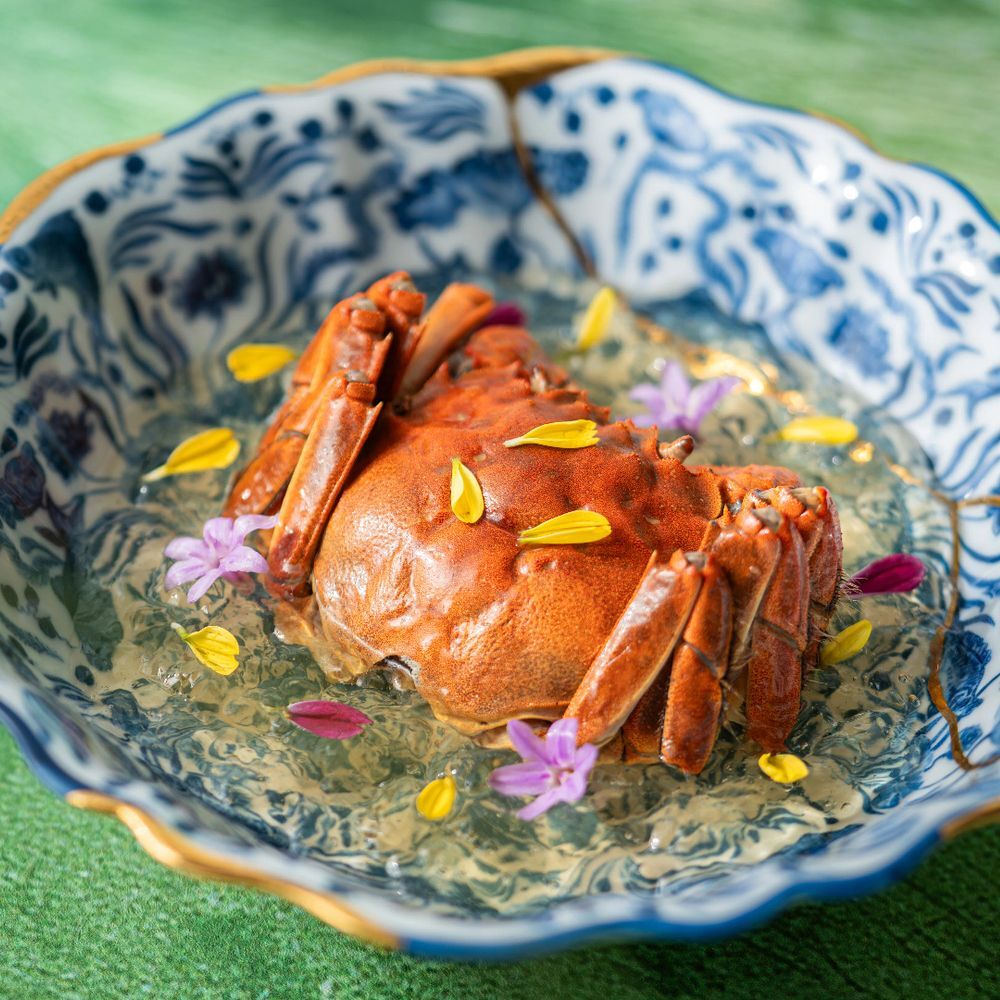
Seasonal timing matters in Hangzhou cuisine. Spring brings the ingredients most associated with West Lake cooking, fresh bamboo shoots, shad, and the first tea leaves of the year intersect with the culinary calendar in ways that make a visit between March and May different from one in November. Summer heat shifts the menu toward lighter preparations. Autumn's freshwater crab season, shared across Jiangsu and Zhejiang, anchors the dining calendar with a specificity that has no equivalent at other times of year.
Know Before You Go
- Address: Xiacheng District, Hangzhou, Zhejiang, approximately 305, with the entrance 60 metres southeast of the listed point
- Price tier: ¥¥ (mid-range; accessible relative to Hangzhou's higher-end Zhejiang tables)
- Recognition: Michelin Plate 2024 and 2025 4 (12 reviews)
- Booking: No website or phone number available in current listings; walk-in or local booking platforms advisable
- Leading timing: Spring (March to May) for bamboo shoot and freshwater fish season; autumn for crab
- Format: Communal-table Hangzhou cuisine; shared dishes, no fixed-course structure
Comparable Venues
Comparable venues nearby, for context on price, style, and recognition.
| Venue | Cuisine | Price | Awards | Notes |
|---|---|---|---|---|
| WulinThis venue — the venue you are viewing | Authentic Hangzhou Cuisine | $$ | Michelin Plate | Not listed |
| Hu Ge Si Fang Cai | Hangzhou Classics | $$ | Michelin Plate | Hangzhoushi |
| Qing Tao | Modern Zhejiang (Jiangnan) Cuisine | $$ | Bib Gourmand | Hangzhoushi |
| Wang Ri Shun Hao | Traditional Jinhua Snacks | $$ | Bib Gourmand | Hangzhoushi |
| Tian Lun Inn (Xihu) | Hangzhou Crab Specialist | $$$ | Michelin Plate | Hangzhoushi |
| Wan Li | Modern Zhejiang & Cantonese | $$$ | Michelin Plate | Xiaoshanshi |
Recognition history
Dated appearances from independent guides and award organizations, with the underlying list record or original source where available.
Michelin Plate
Michelin
Michelin Plate
Michelin
At a Glance
- Cozy
- Family
- Group Dining
- Private Dining
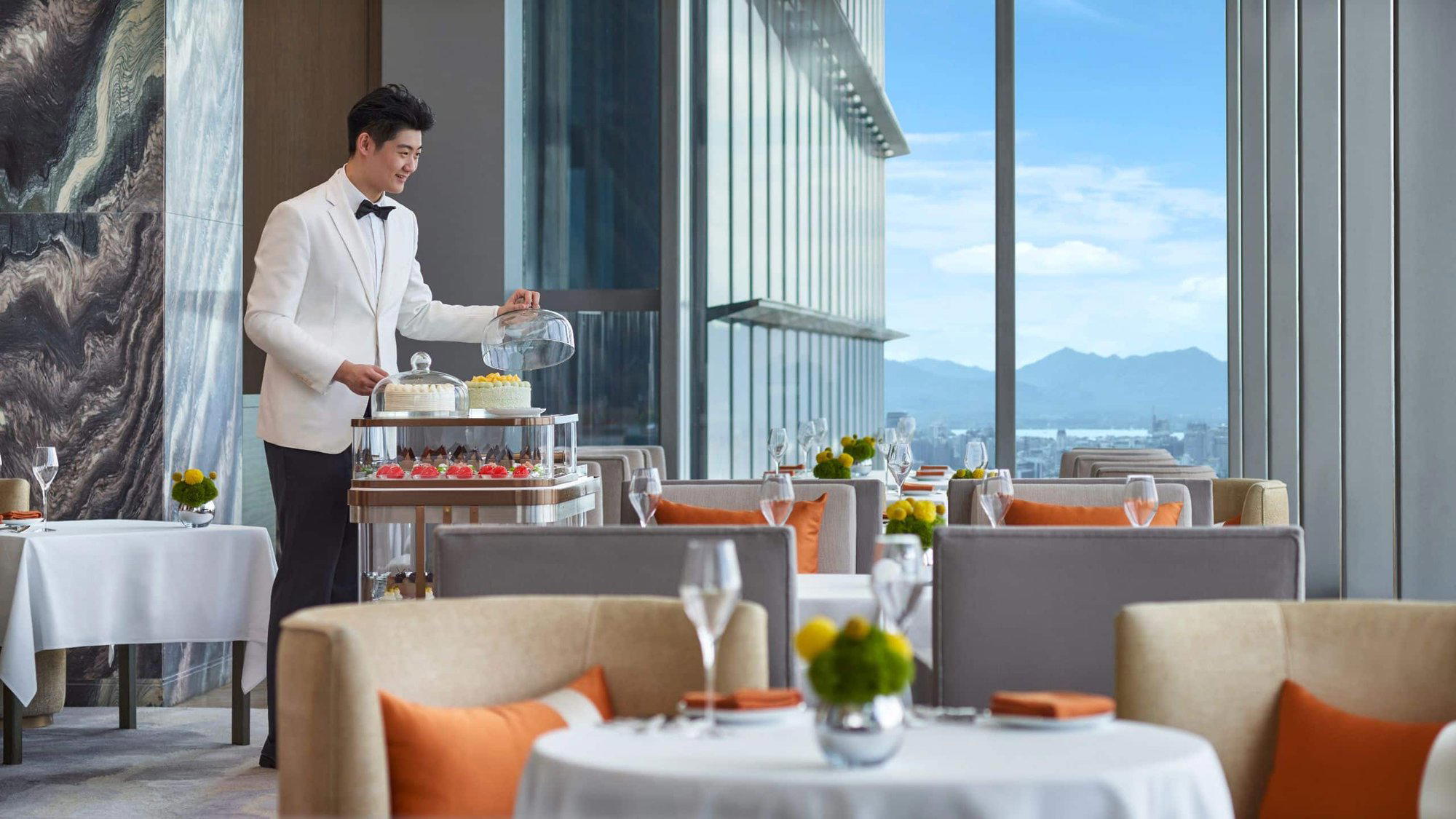
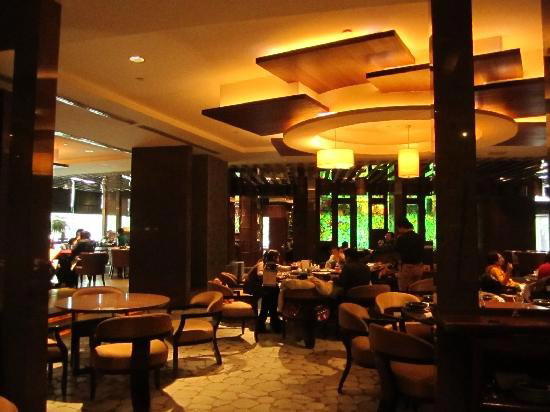
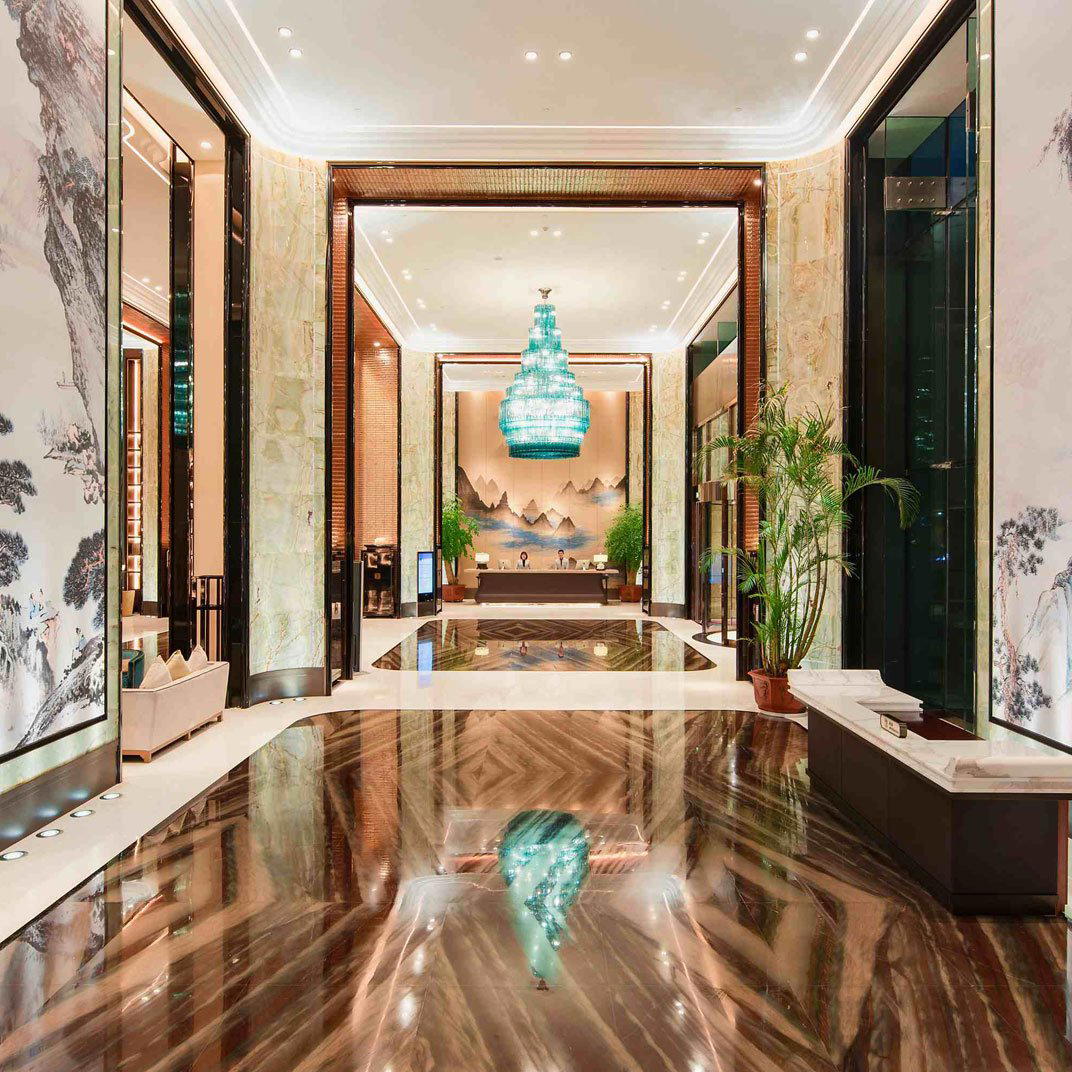
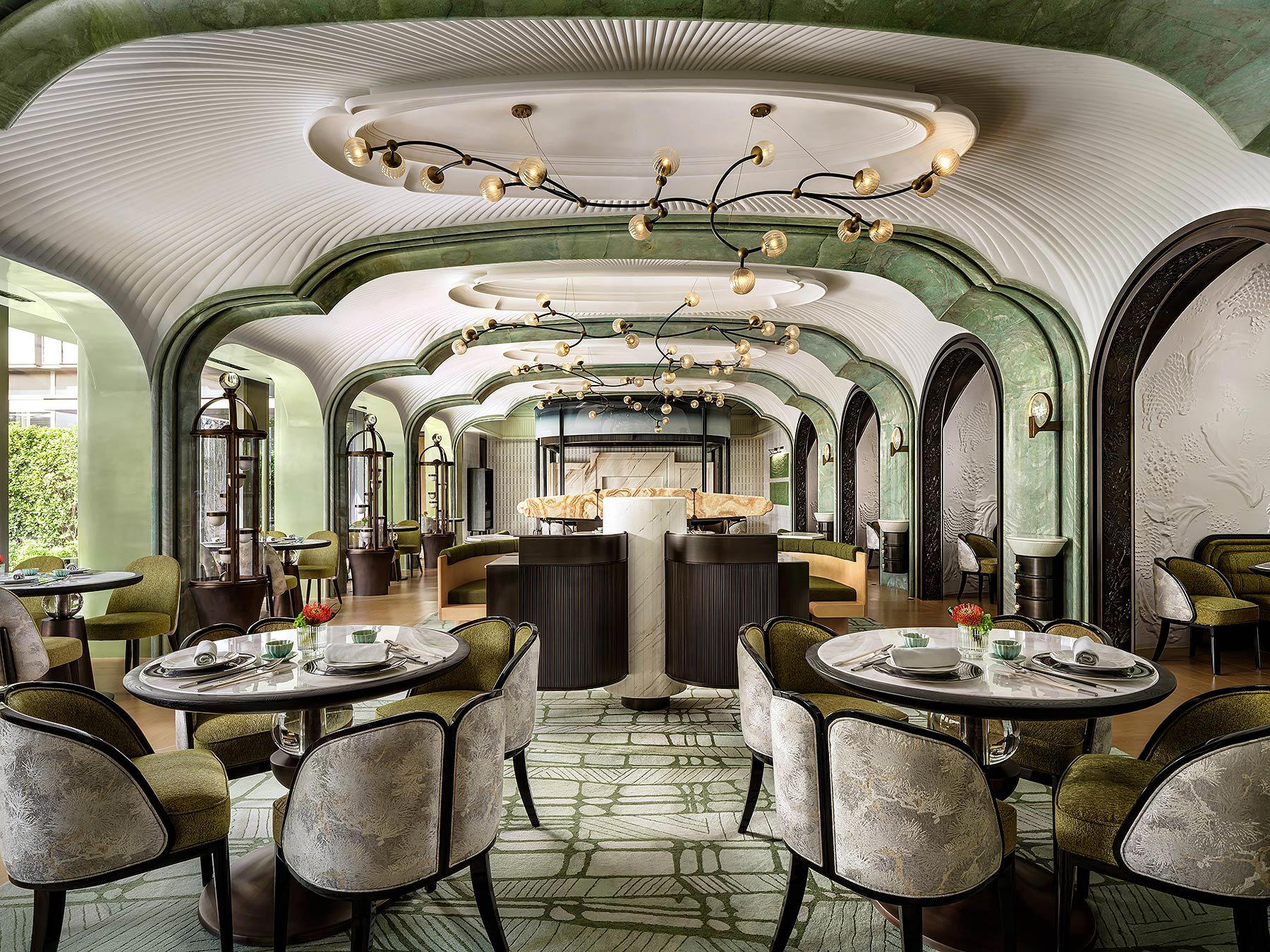
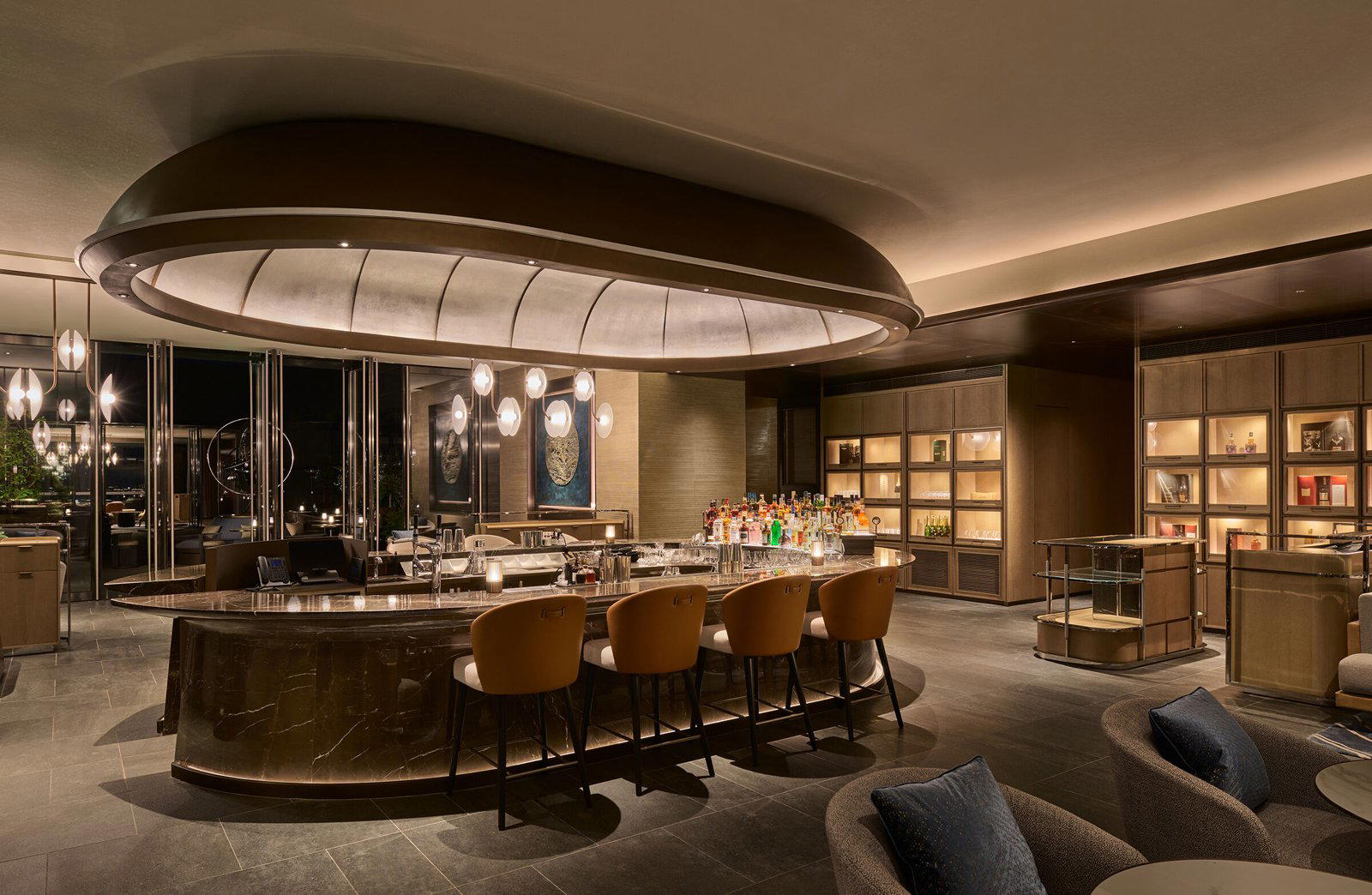
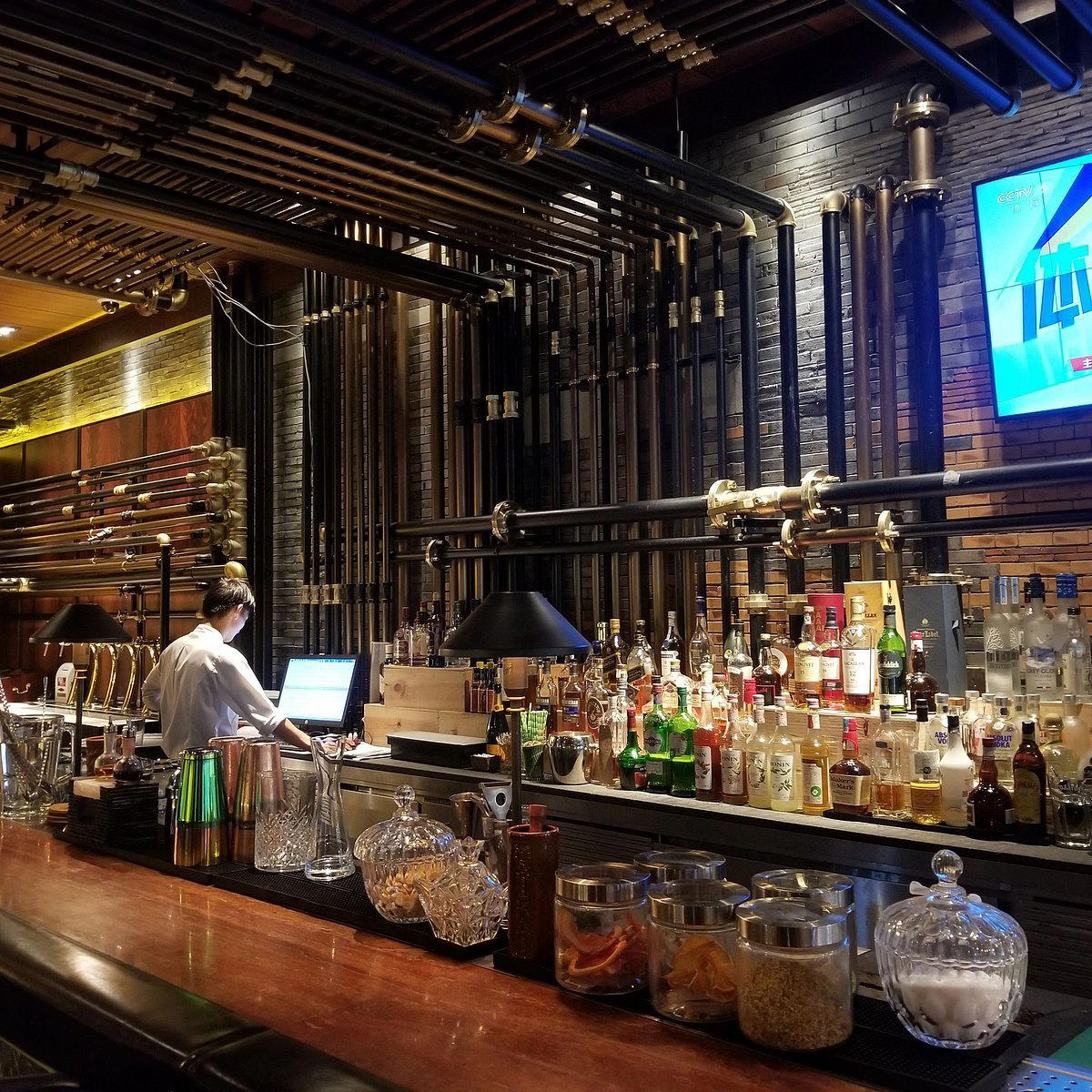
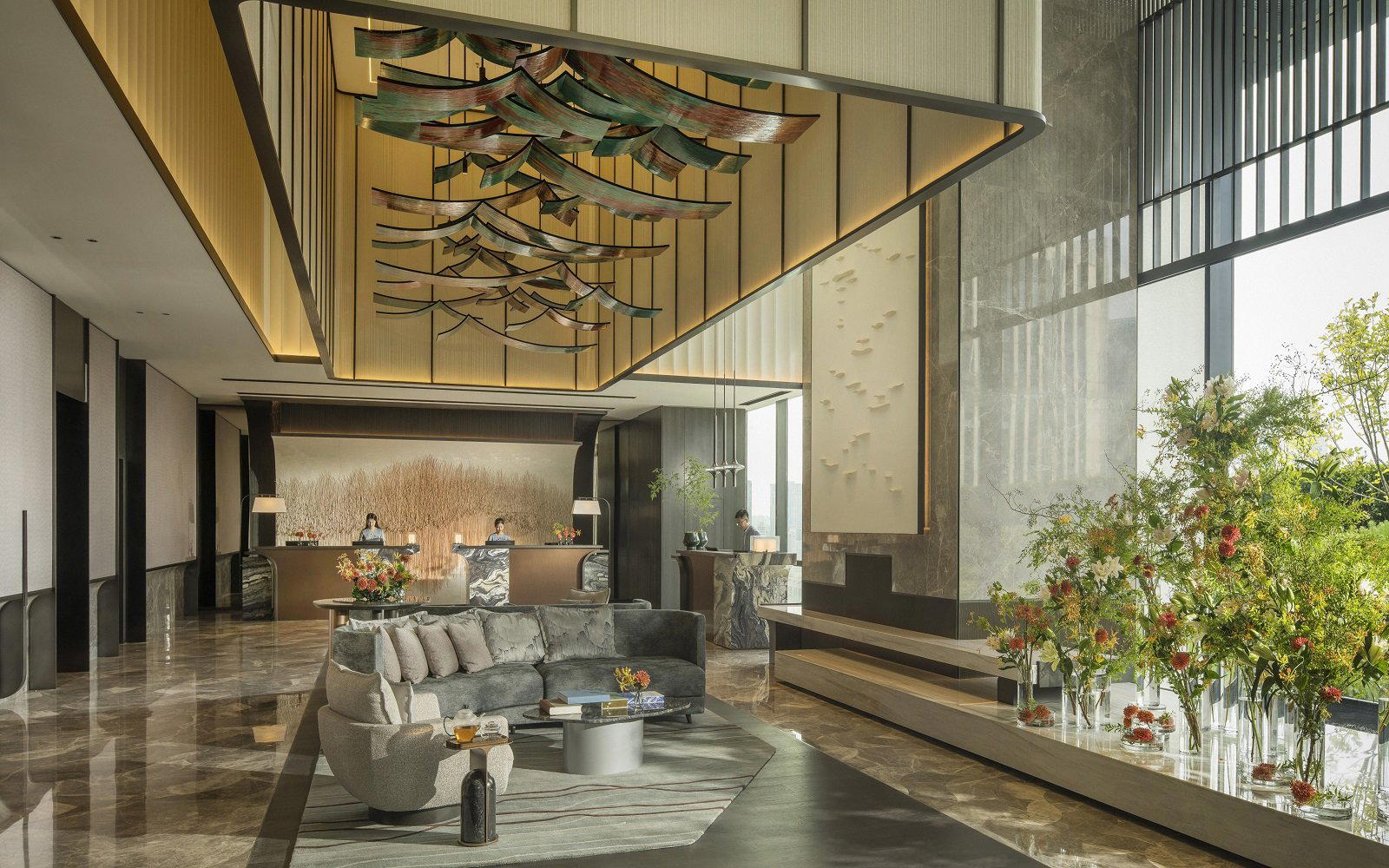
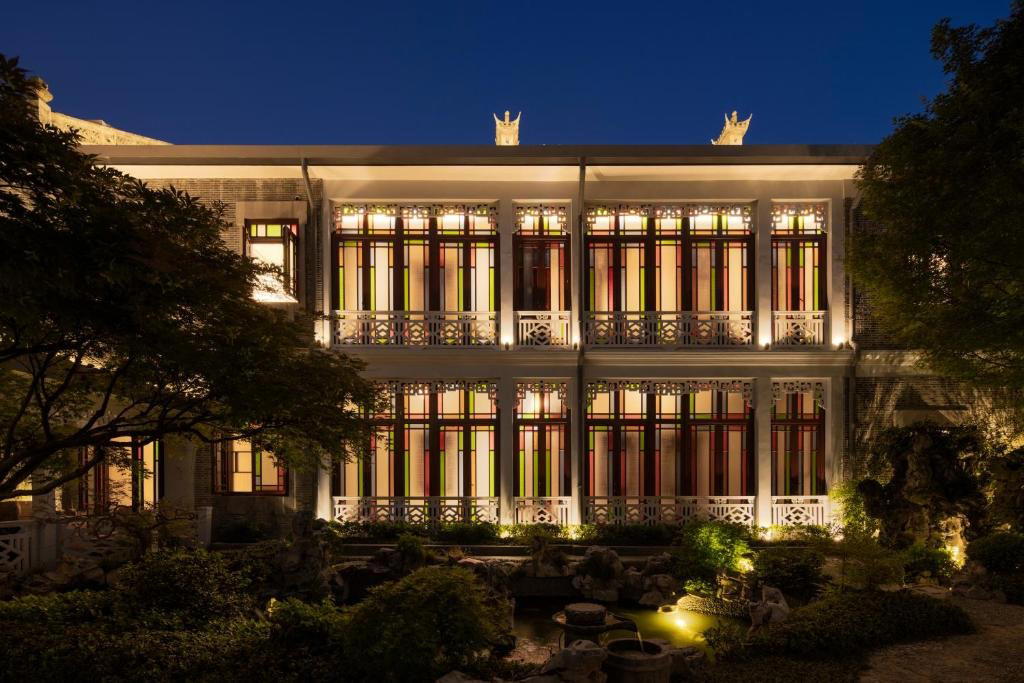
Cozy main dining area with a few private rooms available.